Political reporter
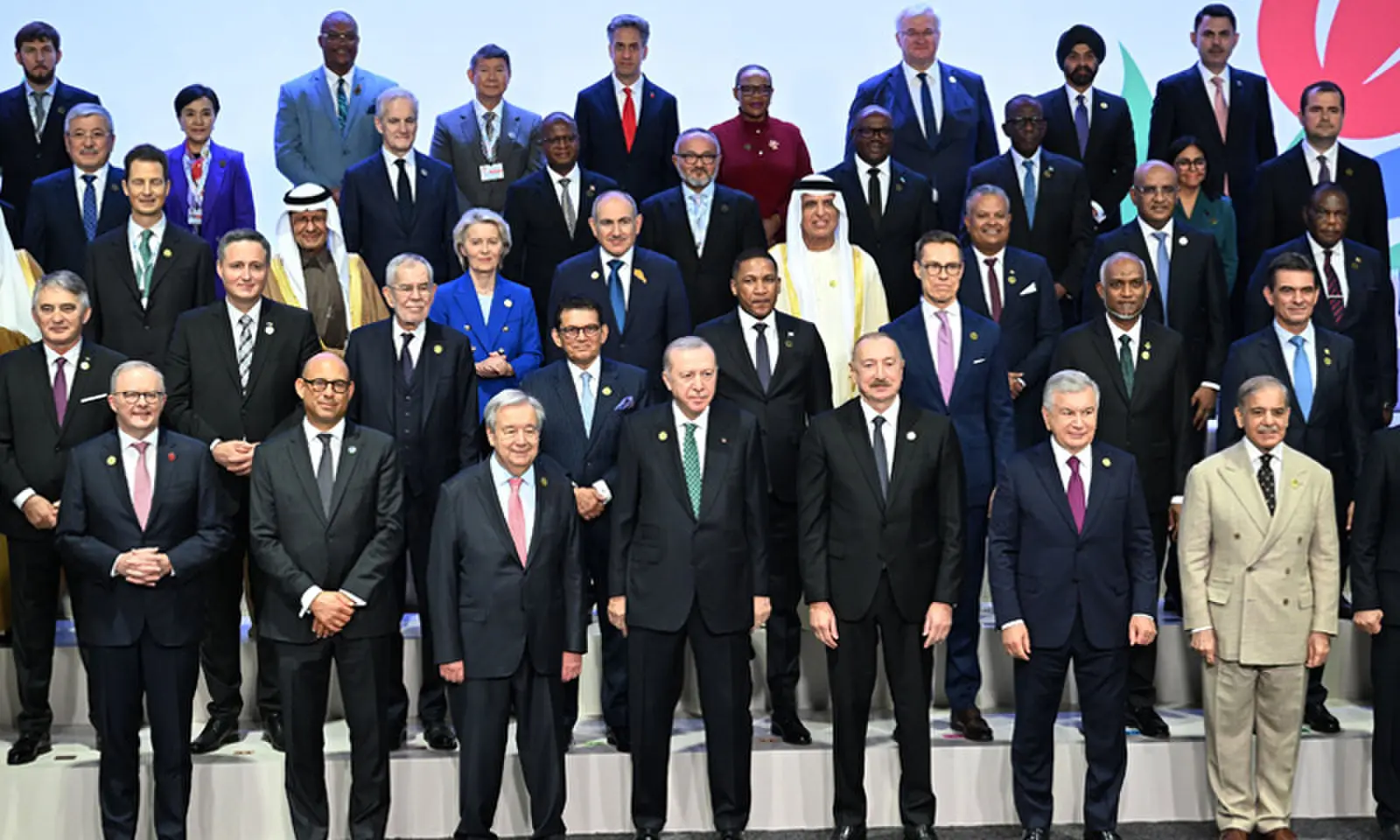
ANTALYA, TURKEY: The 2026 United Nations Climate Change Conference, known as COP31, has entered its fourth day in Antalya, Turkey, with governments focusing on reducing greenhouse gas emissions, expanding renewable energy, climate finance and protecting vulnerable communities from extreme weather.
The summit, running from November 9 to 20, has brought together representatives from nearly 200 countries. Turkey is hosting the conference, while Australia is jointly leading the negotiations.
One of the most significant developments so far is a $1.6 billion climate financing agreement between Turkey and the Asian Infrastructure Investment Bank (AIIB). The funding will support Turkey’s efforts to reduce carbon emissions, expand renewable energy and strengthen its ability to deal with droughts, floods and extreme heat.
The agreement is particularly important for Turkey, which estimates that it needs an additional $68 billion in climate investment by 2030.
What has been agreed or announced so far?
Major investment in renewable energy
The Turkey–AIIB agreement will support the expansion of wind and solar power, including plans to secure licences for 1,800 megawatts of additional renewable energy capacity by early 2027.
Electricity target for 2035
The Turkish presidency is promoting a global pledge to increase electricity’s share of total final energy consumption to 35 per cent by 2035. The proposal is intended to accelerate the transition towards cleaner energy, although it is not yet a binding agreement between all participating countries.
Climate finance remains disputed
Developing countries are demanding greater financial assistance from wealthy nations to help them deal with rising temperatures, floods, droughts and other climate-related disasters.
However, delegates have so far failed to reach consensus on putting a proposal to triple climate adaptation finance formally on the summit’s agenda.
Disagreements over the negotiating agenda
The conference adopted its initial agenda on November 9 after negotiations. Several proposed issues, including climate-related trade measures and additional funding discussions, were not given separate agenda items. Some will instead be discussed through other negotiations or consultations.
Ference is scheduled to conclude on November 20, when governments are expected to consider the final negotiating decisions.
For now, the biggest test for the Antalya summit is whether world leaders can turn their promises into practical commitments, particularly on climate finance, renewable energy and protection against global warming.
2