

Report Inam Sehgal
The UK and European Union are moving towards easing post-Brexit trade barriers on food exports, in a significant step towards rebuilding economic relations and reducing bureaucracy for businesses on both sides of the Channel.
The proposed arrangements are expected to simplify food-export procedures, reduce unnecessary paperwork and cut costly border checks that have affected British farmers, food producers and exporters since Brexit.
The agreement, described as a major breakthrough in the UK-EU Brexit reset, would remove export health certificates costing up to £200, phytosanitary certificates, inspection charges and other administrative fees. It is also expected to reopen European markets to British fresh sausages, burgers, certain shellfish and seed potatoes.
The UK government estimates that the agreement could generate around £5.1 billion in annual economic benefits. It is expected to help smaller businesses resume trading with European customers and make food supplies more efficient.
However, the agreement will require Britain to maintain alignment with relevant EU food safety and agricultural standards. Its implementation has been delayed and is now expected in the first quarter of 2028.
The development marks a significant improvement in relations between London and Brussels, although it has also revived debate over how much regulatory independence Britain should retain following its departure from the European Union.
Bureau Report
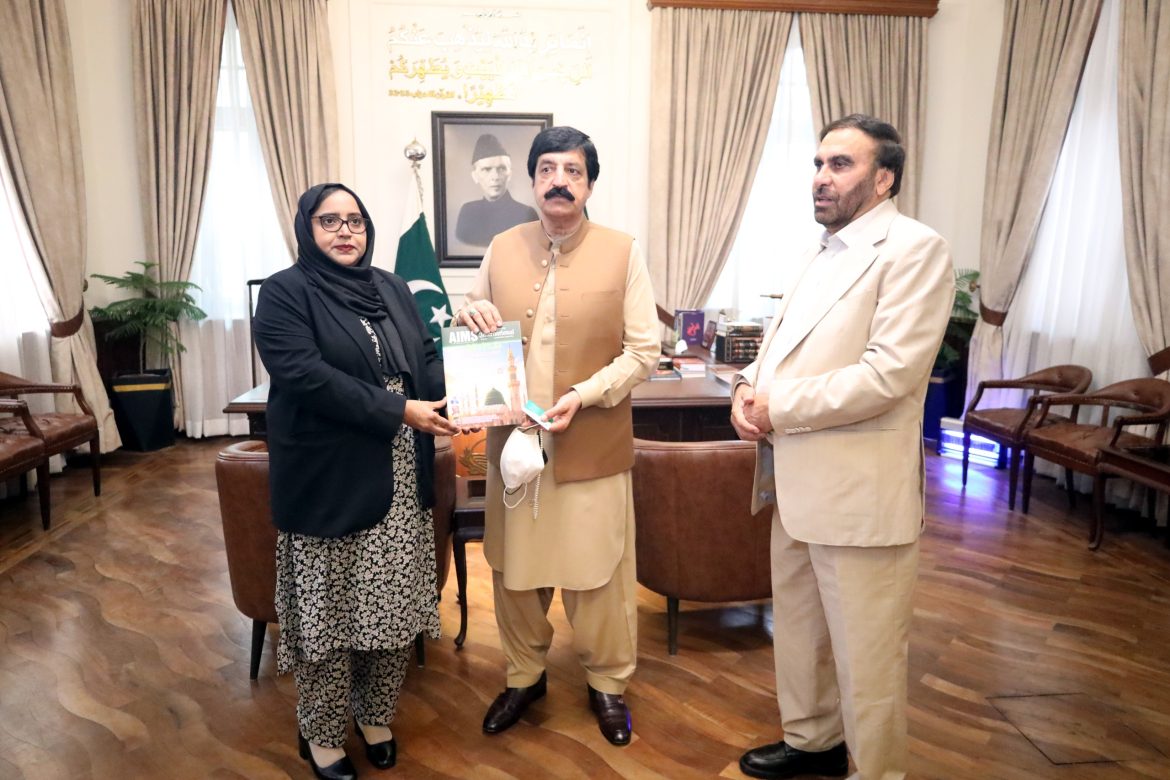
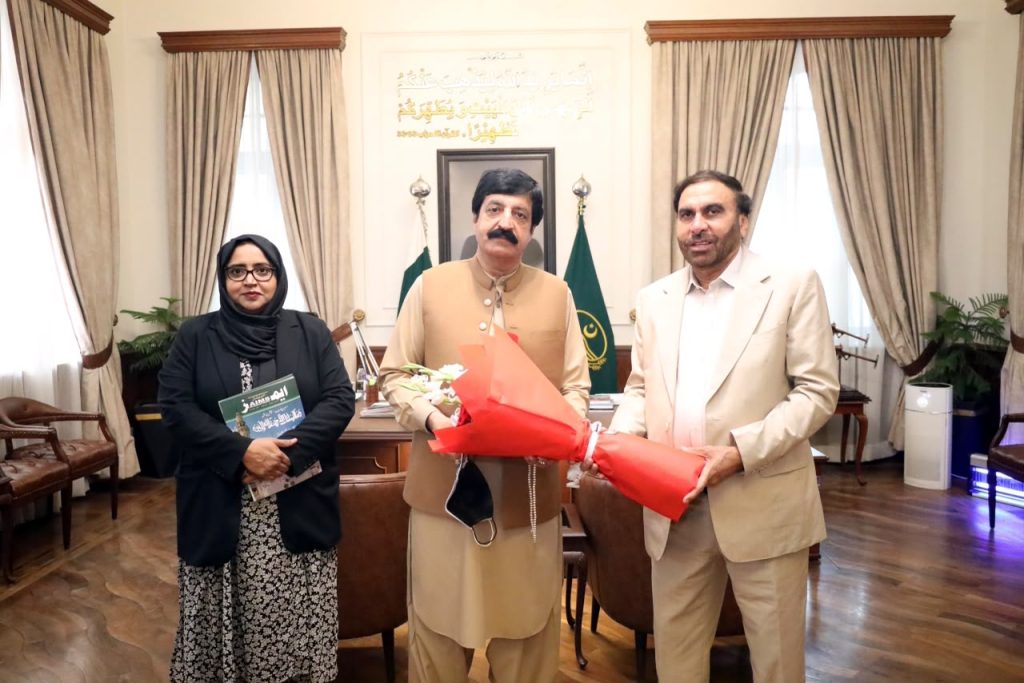
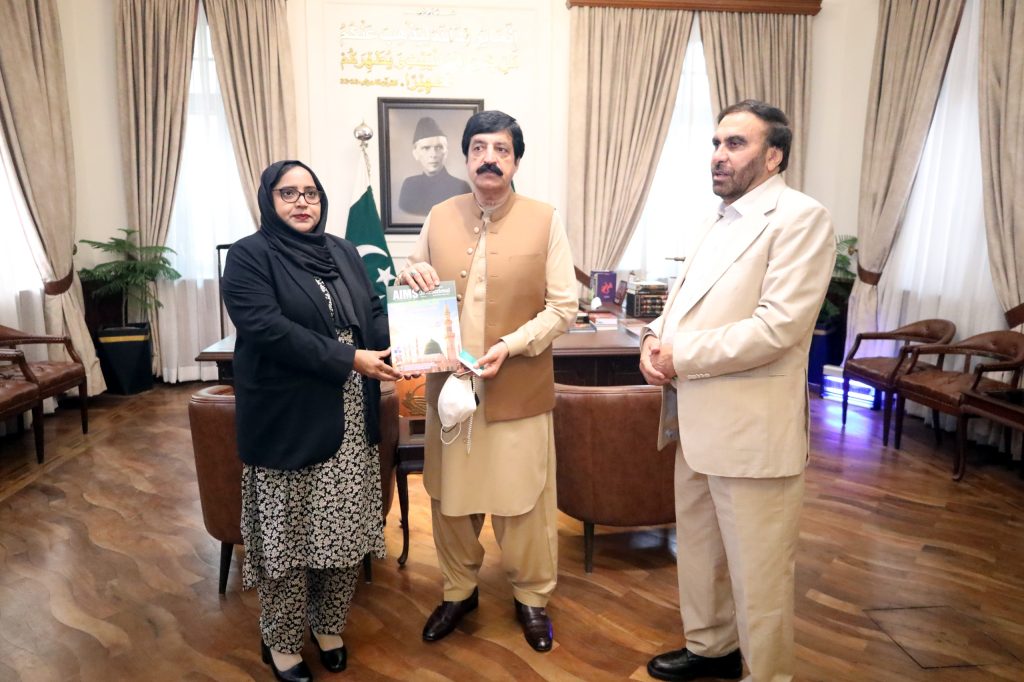
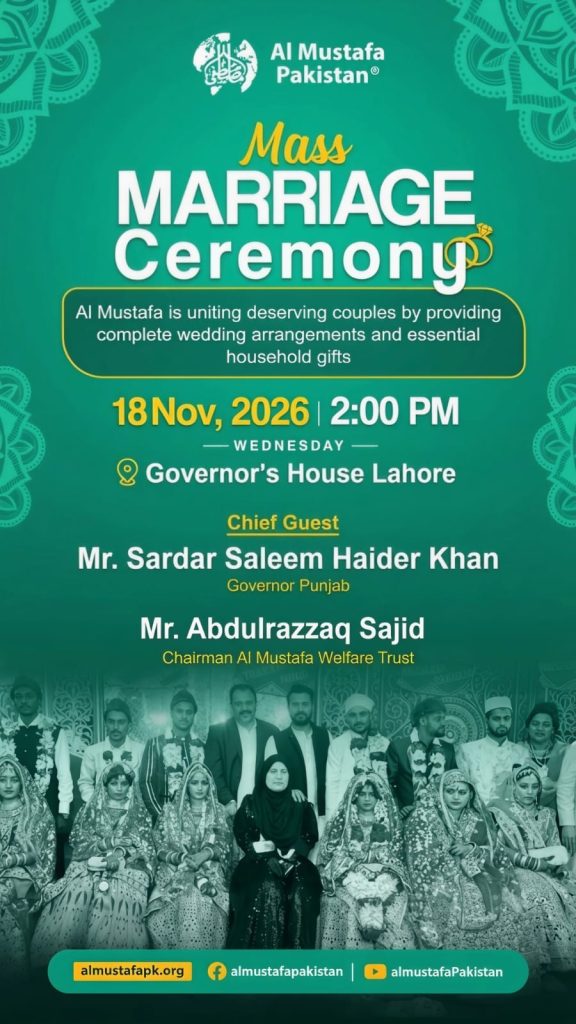
LAHORE: Chairman of Al Mustafa Welfare Trust, Abdul Razzaq Sajid, and Managing Director Al Mustafa Pakistan, Nusrat Saleem, called on Punjab Governor Sardar Saleem Haider Khan at Governor House to discuss arrangements for the Trust’s forthcoming mass wedding ceremony.
During the meeting, the participants held detailed discussions on the planning, administrative arrangements and organisation of the event to ensure that it is conducted in a well-organised and dignified manner.
The proposed ceremony aims to bring happiness to deserving couples and their families by providing them with an opportunity to begin their married lives with dignity and support.
The meeting focused on strengthening cooperation and coordination to make this charitable initiative a success and ensure a memorable occasion for the participating couples.
Al Mustafa Welfare Trust continues to undertake welfare initiatives aimed at supporting vulnerable and deserving segments of society.
Bureau Report
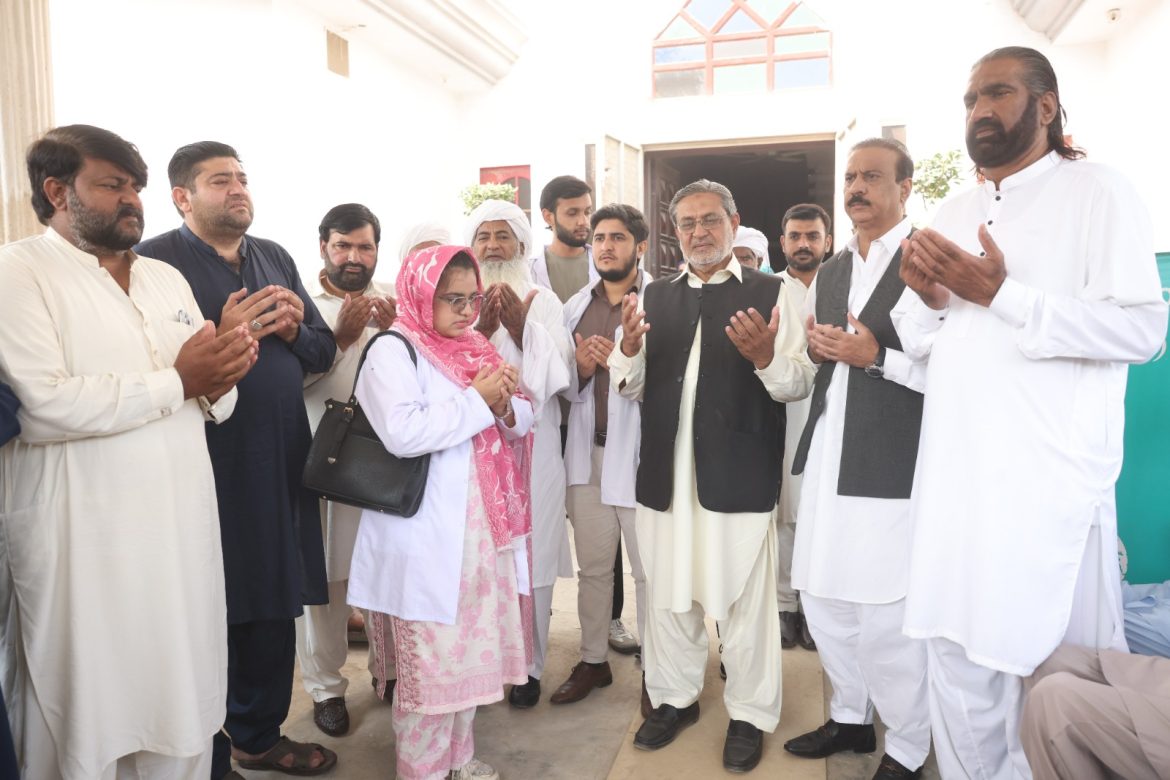
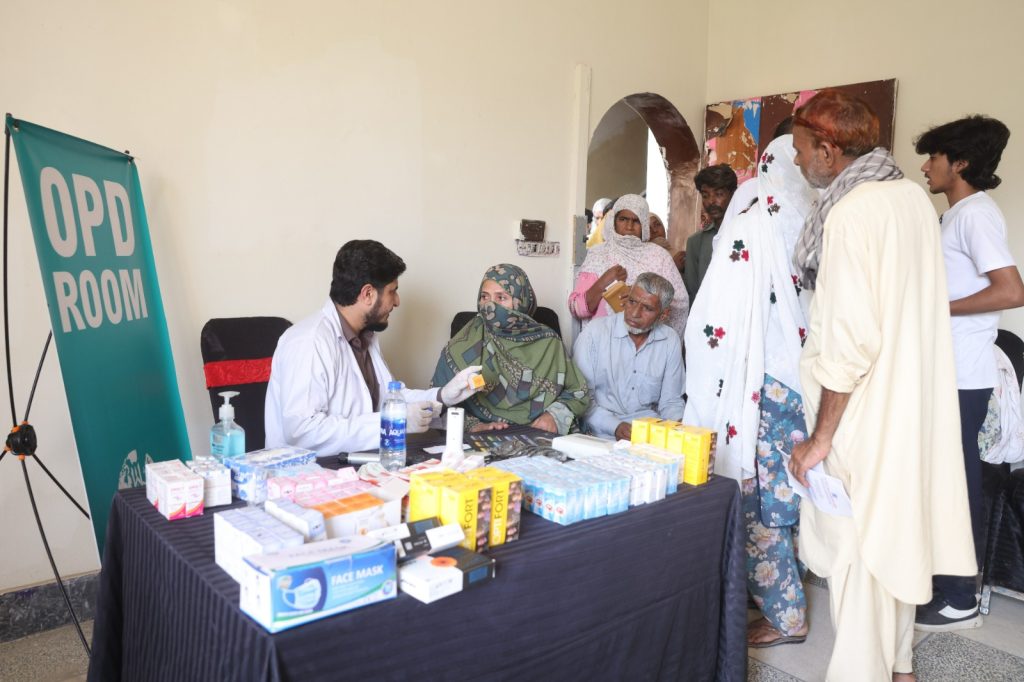
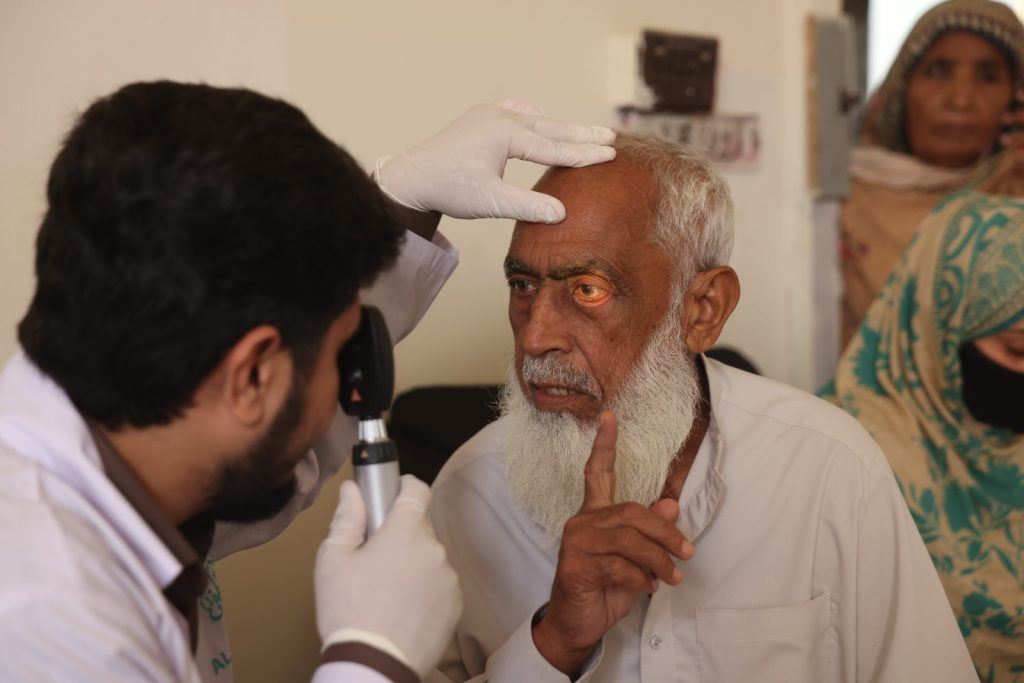
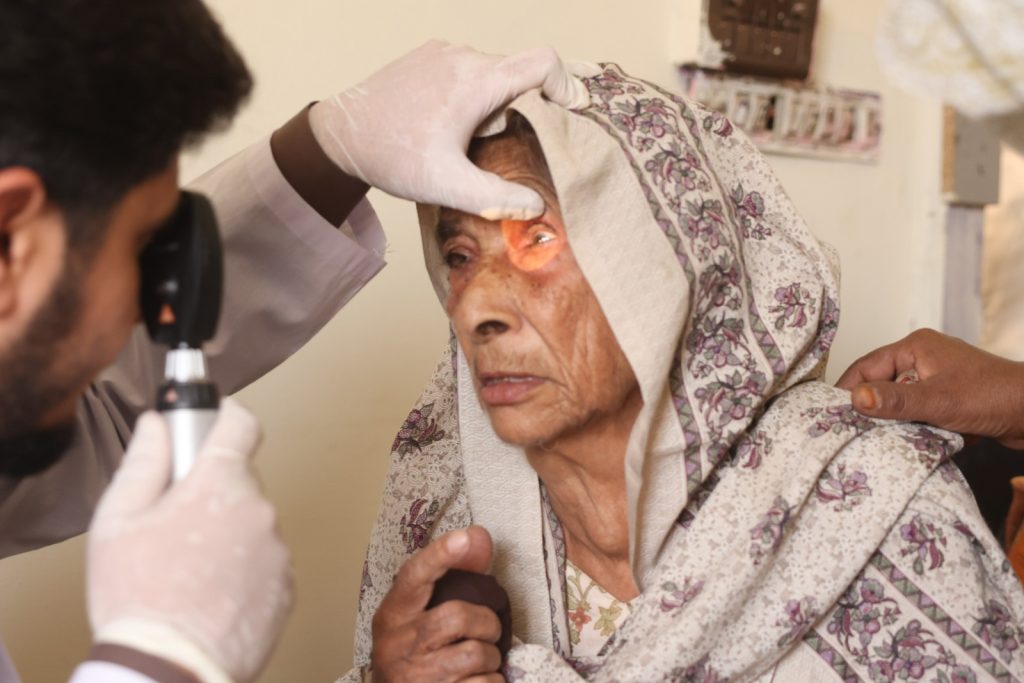
KASUR: Al Mustafa Eye Hospital organised a free eye OPD camp in Khudian Khas, a town committee area of District Kasur, providing free eye examinations and medical consultations to local residents.
A large number of people, including women, men and children, benefited from the initiative and received free eye check-ups and medical advice.
The camp was organised in a well-coordinated manner, bringing essential eye care services closer to the doorsteps of people in the area.
Local community representatives appreciated the efforts of Al Mustafa Welfare Trust’s management and medical team for extending free eye care facilities to the community. They also offered special prayers for the Trust’s donors, management and team, praying that Allah Almighty accept their charitable efforts and reward them abundantly.
Ali Ahmed Sabir, Chaudhry Muhammad Afzal, Rana Shahid Ali, Aurangzeb, Tariq Mahmood Bhatti, Sardar Ehsan Dogar and several other community members attended the camp.
Al Mustafa Welfare Trust continues its outreach programmes across Pakistan to ensure that quality eye care, medical consultations and treatment are accessible to deserving communities, particularly those with limited access to healthcare facilities.
Photography: Tariq Hassan

Tajammul Gurmani
Manchester: Retrospective changes to immigration rules are set to make life harder for economic immigrants in the UK. Home Secretary Shabana Mahmood announced major changes to immigration rules in Parliament this week. Under the new rules, many immigrants will have to wait 10 years to qualify for settlement in the UK. The changes will affect immigrants from India, Pakistan, Bangladesh and other countries who are working in IT, hospitality, construction, charity, retail and other industries across the UK.
According to the new rules, immigrants who obtained a Skilled Worker visa (formerly Tier 2) will have to complete 10 years before applying for settlement (Indefinite Leave to Remain or ILR). The government has introduced three categories based on annual income, with different settlement periods: 3 years: £125,141 annual salary, 5 years: £50,271 annual salary and 10 years: £12,571 annual salary. The government has also introduced other conditions, including stronger character requirements, criminal record checks, a higher level of English, integration and residence requirements. However, it may be very difficult for many immigrants to meet the financial contribution requirement of £50,271 a year to qualify for settlement after five years of employment in the UK. The government has also announced changes to other immigration routes, including student and graduate routes. Students may no longer be able to qualify for settlement simply by completing 10 years of lawful residence under the long-residence route. The Entrepreneur route will also no longer provide an effective pathway to settlement in the UK. Partners and children will also have to qualify for settlement after 10 years alongside the main applicant. Transitional arrangements for the five-year settlement period have been announced only for education and health workers and public servants, with a salary threshold of £25,000 a year. The government has also stated that care workers who have lost their jobs must find new sponsorship from 1 February 2027, within four months. They will then have a further six months to resolve their employment situation. Otherwise, their visas may be curtailed, and they may have to leave the UK.
Overall, the new settlement policy is very strict and does not appear to offer significant relief to immigrants hoping to obtain settlement after five years. Sources said that the UK may become a less attractive destination for immigrants seeking education, employment and business opportunities, particularly those hoping to settle in the country. The UK may also become more dependent on European migrants who left the country after Brexit. “The affected immigrants may also challenge the retrospective rule changes in court. They could argue that the government had promised them the opportunity to obtain settlement after five years when they were granted their work visas. The new 10-year settlement rules could affect not only their families but also cause serious financial hardships. They will hope that the courts may provide some relief,” the sources added.
Amr khalifa
EGYPT
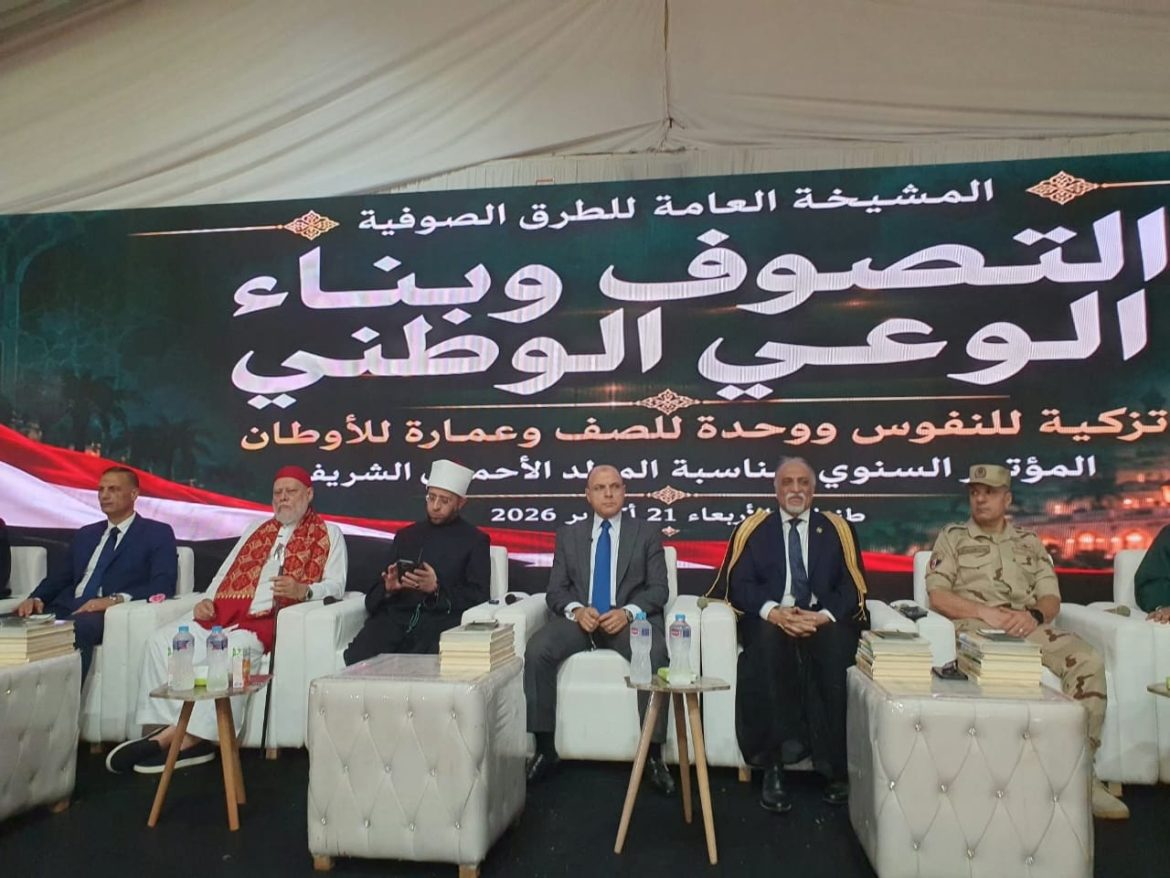
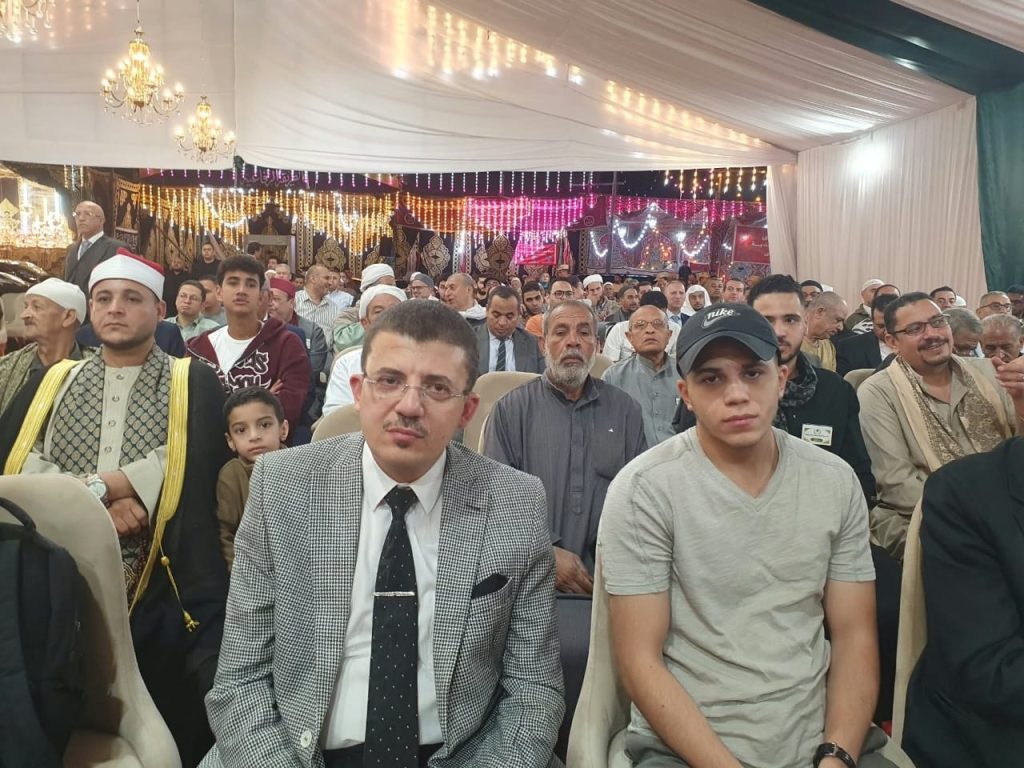
Amid the spiritual and religious celebrations currently taking place in Egypt to mark the Mawlid (birth anniversary) of the renowned Sufi figure, Sayyid Ahmad al-Badawi, Dr. Osama al-Azhari, the Minister of Endowments, delivered a pivotal address. He spoke at the General Sufi Conference organised by the Supreme Council of Sufi Orders in the city of Tanta held to commemorate the life of the celebrated Sufi master, Imam Sayyid Ahmad al-Badawi. The Minister’s remarks carried profound significance, bridging the realms of faith and national consciousness; he emphasized that honouring spiritual icons and righteous figures is an integral component of the multifaceted Egyptian character.
The Significance of Coincidence: Between Victory and Spiritual Serenity
The Minister of Endowments began his address by reflecting on the historical and situational significance of this year’s celebration, which coincides with the anniversary of the glorious October Victories. Dr al-Azhari asserted that this alignment is not merely a temporal coincidence, but rather a vivid embodiment of the Egyptian spirit a nature that inherently balances a devotion to spiritual values and a love for the righteous with a spirit of self-sacrifice, a commitment to defending the nation’s soil, and a deep pride in the heroism displayed by its people throughout history.
Dr al-Azhari explained that this synthesis lends the occasion both national and lofty spiritual dimensions, fostering psychological and social stability. It reinforces the truth that authentic religious devotion and sincere patriotism are two sides of the same coin. A Scholarly Response to Critics of Mawlid Celebrations: Love Is the Foundation, Errors Should Be Addressed with Gentleness
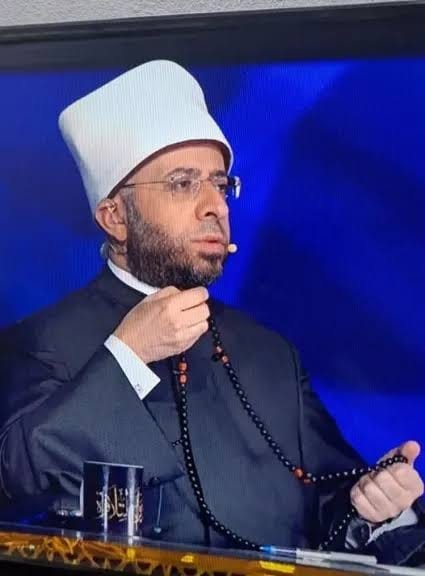
In a key part of his address, Dr Osama Al-Azhari delivered a decisive and direct message to those who attack the celebrations of the Mawlid (birth anniversaries) of the Ahl al-Bayt (the Prophet’s family) and the Awliya (saints/pious figures). The Minister refuted the misconceptions and false notions propagated by some, stating:
“The Mawlid celebrations of the righteous and the ‘people of God’ (Ahl Allah) are neither charlatanism nor sorcery, nor are they a departure from Sharia (Islamic law); rather, they are an expression of love and a means of drawing closer to God Almighty.”
The Minister of Endowments (Awqaf) also addressed instances where individuals might engage in behaviour that deviates from proper conduct during these events. He stated candidly that any improper actions by certain individuals fall outside the bounds of Islamic decorum.
He emphasized that such issues should not be addressed through attacks or exclusion; instead, they require “education, guidance offered with gentleness, and constructive, kind correction.” He stressed that the mistakes of a few ignorant individuals can never serve as a pretext to attack a prominent saintly figure like Sidi Ahmad al-Badawi, nor should they be used to cast doubt on the value of the authentic Sufi tradition.
Moderate Thought in the Face of Extremism and Hardline Ideologies
Al-Azhari noted that the vast crowds who attend and participate in these Mawlid celebrations reflect the moderate, traditional faith of our nation a faith rooted in sincere love for the Awliya and the righteous. Conversely, he characterized those who lead campaigns of attack and scepticism as proponents of hardline ideologies, stemming from a shallow and rigid understanding of the essence of the true religion and its lofty objectives. He highlighted the scholarly and educational approach of Sayyid Ahmad al-Badawi, affirming that he serves as an exemplary model for teaching the nation to love the homeland, adhere to the rulings of Sharia, and uphold its precepts which call for virtue and constructive development.
A Call to Safeguard the Homeland and Confront Rumours
In an appeal marked by deep national concern and political awareness, the Minister of Endowments (Awqaf) warned against malicious attempts aimed at destabilizing the country. He urged citizens to remain vigilant and cautious, stating: “Protect your country and do not listen to those with extremist tendencies people who harbour hatred for Egypt and incite against its president and its institutions. Instead, focus on the remembrance of God, the cultivation of love, and the observance of proper conduct in the company of the righteous; for every mawlid (commemoration of a saint’s birth) serves as a school for learning ethics and noble guidance.”
The Egyptian Minister of Endowments emphasized that adhering to the refined conduct of the righteous and remaining steadfast in the remembrance of God and His Messenger acts as an impenetrable fortress for society against destructive ideologies and calls for incitement and sabotage.
Alignment of Religious Institutions Behind the Political Leadership
During his address, Dr Osama al-Azhari underscored the unity of the religious and national ranks in Egypt, affirming that there is complete harmony and alignment among all official and grassroots religious institutions. He explained that, The Ministry of Endowments, the Egyptian Dar al-Ifta, the Syndicate of the Ashraf (descendants of the Prophet), and the various Sufi orders all stand as a unified bloc behind Al-Azhar Al-Sharif and its esteemed leader, the Grand Imam, Dr. Ahmed Al-Tayeb. The Minister further reaffirmed that all state institutions and the Egyptian people stand united as one heart behind His Excellency President Abdel Fattah El-Sisi. He prayed to God Almighty to grant the President success in all that serves the good of the nation and its people, to bring about prosperity through his efforts, and to protect Egypt and its great people from all harm.
The Fruit of Spiritual Occasions: Serenity and Social Harmony
Concluding his remarks, the Minister of Endowments highlighted the core of the message conveyed by those observing the Mawlid (the Prophet’s birthday) describing them as “people of love and purity.” He noted that if participants in these spiritual events were to gain nothing more than inner serenity, a commitment to cooperation in righteousness, and a renewed dedication to safeguarding the nation’s assets, that alone would constitute a significant achievement and a noble objective.
Al-Azhari called upon all Egyptians to embrace the days of the Mawlid as a genuine opportunity to draw closer to God Almighty by fostering love for the righteous and the noble Companions of the Prophet. He urged that these days be marked by supplication and earnest prayer to the Almighty asking Him to avert any malice directed toward Egypt, to protect its people and its leadership, and to sustain the blessings of security and safety across the nation.
Amr khalifa
EGYPT
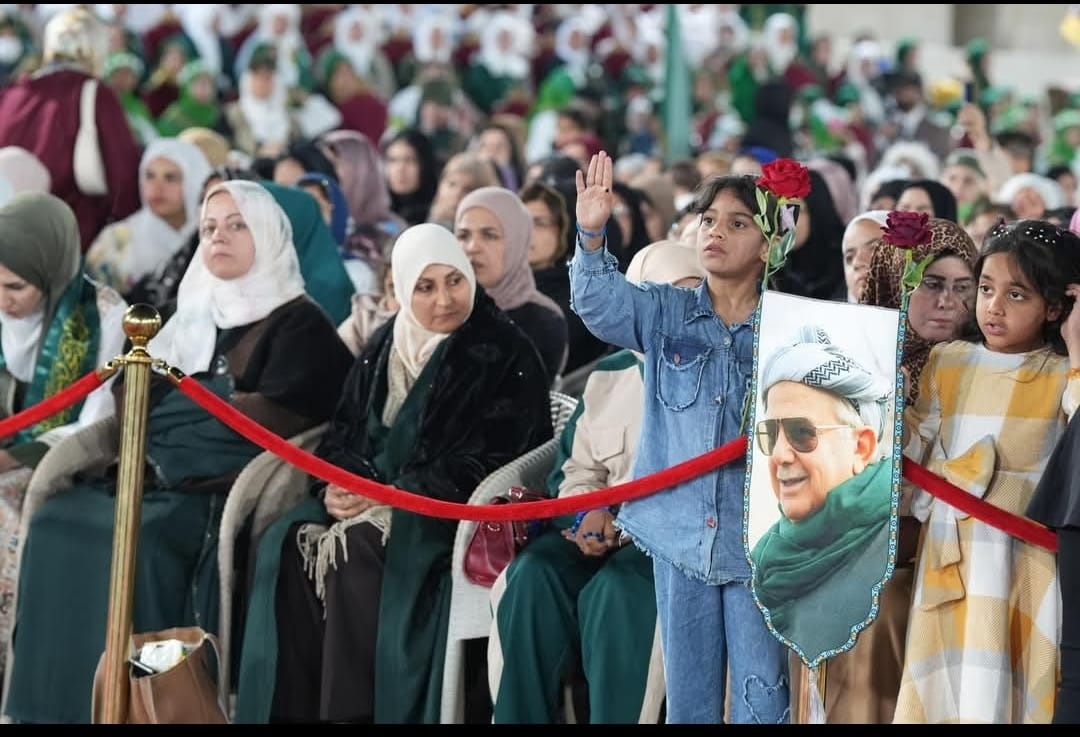
At a time when there is an increasing need to embed the values of tolerance and reject extremist rhetoric, the Sufi school emerges as a vital intellectual and spiritual resource that fosters social and human peace. In this context, Sheikh Muhammad Shams al-Din Nehru al-Kasnazani, the global leader of the Qadiriyya Kasnazaniyya Order, has shed light on the foundational principles that have driven the expansion of the Order and the growth of its spiritual and humanitarian presence across the globe.
Sheikh Nehru al-Kasnazani emphasized that the spiritual and educational approach adopted by the Qadiriyya Kasnazaniyya Order is rooted in moderation, love for others, and the promotion of peaceful coexistence among all human beings, regardless of their diverse cultures or religions. He explained that authentic Islamic Sufism represents the ultimate model of religious balance and enlightened thought standing in stark contrast to extremism, rigidity, and the deviant ideologies that seek personal gain in the name of religion.
Love and Compassion:
The Essence of the Islamic Message
The head of the Qadiriyya Kasnazaniyya Order noted that the Order’s commitment to spreading the principles of “moderate, Prophetic Islam” a faith built upon compassion, tolerance, and respect for human dignity has been the primary factor enabling it to transcend geographical borders and carry its spiritual message to multicultural societies worldwide. Elaborating on the philosophy of Sufism, he stated:
“Sufism is not merely a collection of devotional rituals or spiritual litanies practiced by a seeker in seclusion; rather, it is a comprehensive educational and ethical framework aimed at refining the soul, elevating human conduct, and fostering values of peace and love in one’s daily interactions. These ethical principles constitute the essence of the eternal Islamic message, which calls for goodness, mutual understanding, and the rejection of hatred.”
He noted that the Qadiriyya-Kasnazaniyya Order serves as a bridge for cultural dialogue, introducing the true nature of Islamic Sufism—a spiritual and ethical school that contributes to the development of a balanced human character and deepens an individual’s connection to both their Creator and their society. This, in turn, has a positive impact on social and intellectual stability—all in keeping with the path established by the late Sheikh Muhammad al-Muhammad al-Kasnazani.
Sheikh Muhammad Shams al-Din Nehru al-Kasnazani highlighted the historic and pioneering role played by the late Sheikh Muhammad al-Muhammad al-Kasnazani—the former head of the Order in establishing this enlightened approach and solidifying its foundations. He described him as a man of profound humanitarian vision and balanced thought, through which he was able to introduce the Qadiriyya-Kasnazaniyya Order and the true essence of Sufism to diverse peoples and societies.
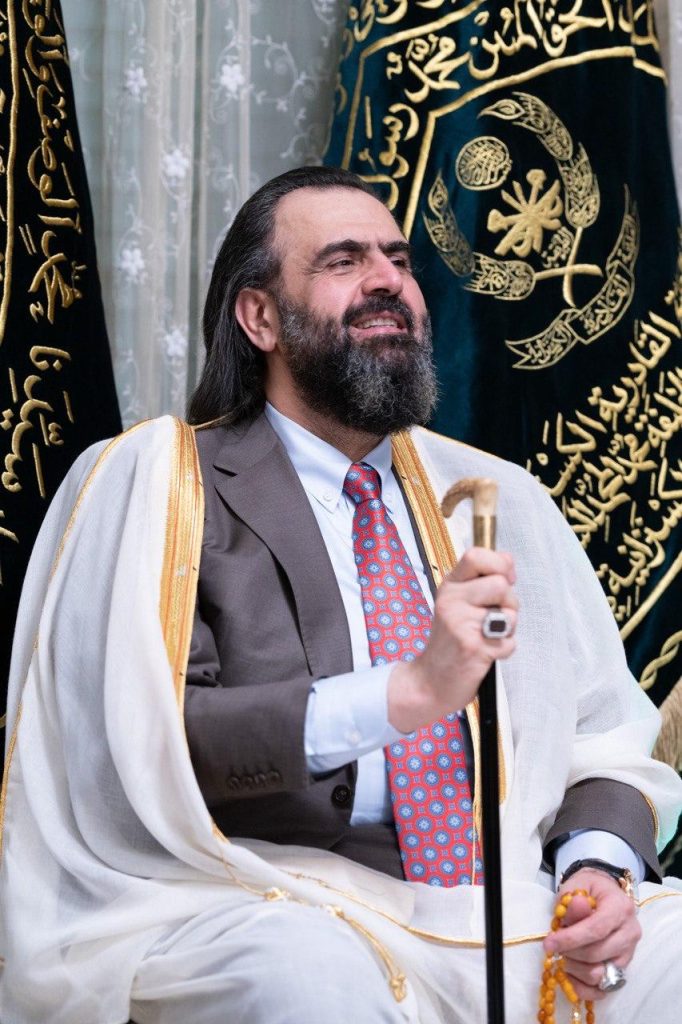
He further pointed out that the late Sheikh was a significant point of reference for researchers, intellectuals, and those interested in spiritual and Islamic studies from across the globe. His open-mindedness and the depth of his educational philosophy attracted prominent thinkers, which directly contributed to strengthening the Order’s international presence and establishing its standing within the global intellectual landscape. Confronting Extremist Ideology and Building the Future
The head of the Order emphasized that the current era marked by various intellectual challenges across the globe requires a concerted effort to highlight the true, radiant image of Islamic Sufism. He asserted that Sufism possesses the spiritual and intellectual tools necessary to counter extremist rhetoric and destructive ideologies, by fostering a sound and enlightened religious consciousness, and by upholding the principles of accepting others and peaceful coexistence.
The leader of the Kasnazaniyya reaffirmed the commitment of the Qadiriyya-Kasnazaniyya Order to its mission of love and tolerance. He underscored its adherence to the moderate path established by its sheikhs, and its ongoing work to disseminate the teachings of Islamic Sufism in a way that promotes peace and rapprochement among peoples.
“The Qadiriyya-Kasnazaniyya”: One of the World’s Largest Sufi Orders
The Qadiriyya-Kasnazaniyya is one of the largest and most prominent Sufi orders, branching from the Qadiriyya tradition—which traces its lineage back to the “Sheikh of Islam,” Sheikh Abd al-Qadir al-Jilani (may Allah be pleased with him). The Order is distinguished by its extensive spiritual and social presence across many nations in both the Islamic and Western worlds.
The origins of the Kasnazaniyya Order are rooted in a noble lineage; its spiritual chain of transmission (sanad) extends through the Qadiriyya tradition, reaching back to Imam Ali ibn Abi Talib (may Allah honor his countenance) and the Prophet Muhammad (peace be upon him). Within this noble family, the leadership and the role of (sheikh)are passed down through a succession of spiritual masters who have dedicated significant effort to spreading the call to faith and providing spiritual guidance. Features of the Approach and Spiritual Training within the Order
The Kasnazani Order’s methodology is rooted in a commitment to the authentic Islamic path. It consistently emphasizes that Sufism is a matter of conduct, ethics, and values all derived from the Holy Quran and the noble Sunnah of the Prophet.
Expansion and Renewal in the Modern Era
In recent decades, the Order has experienced widespread growth across Iraq, Egypt, Jordan, the Gulf states, and North Africa, alongside the establishment of numerous centers throughout Europe and North America.
The Order has undergone significant development and institutional organization. Its leadership has integrated traditional Sufi discourse with modern communication methods and established religious, social, and cultural centers. This has attracted a large number of young people, disciples, and those seeking spiritual clarity. Furthermore, the Order places a strong emphasis on education and social services, maintaining “takiyas” (Sufi lodges) and charitable institutions dedicated to providing food, serving the community, and promoting a moderate form of Islamic culture.
Cllr Tariq Dar MBE
Cricklewood Mapesbury Brent London
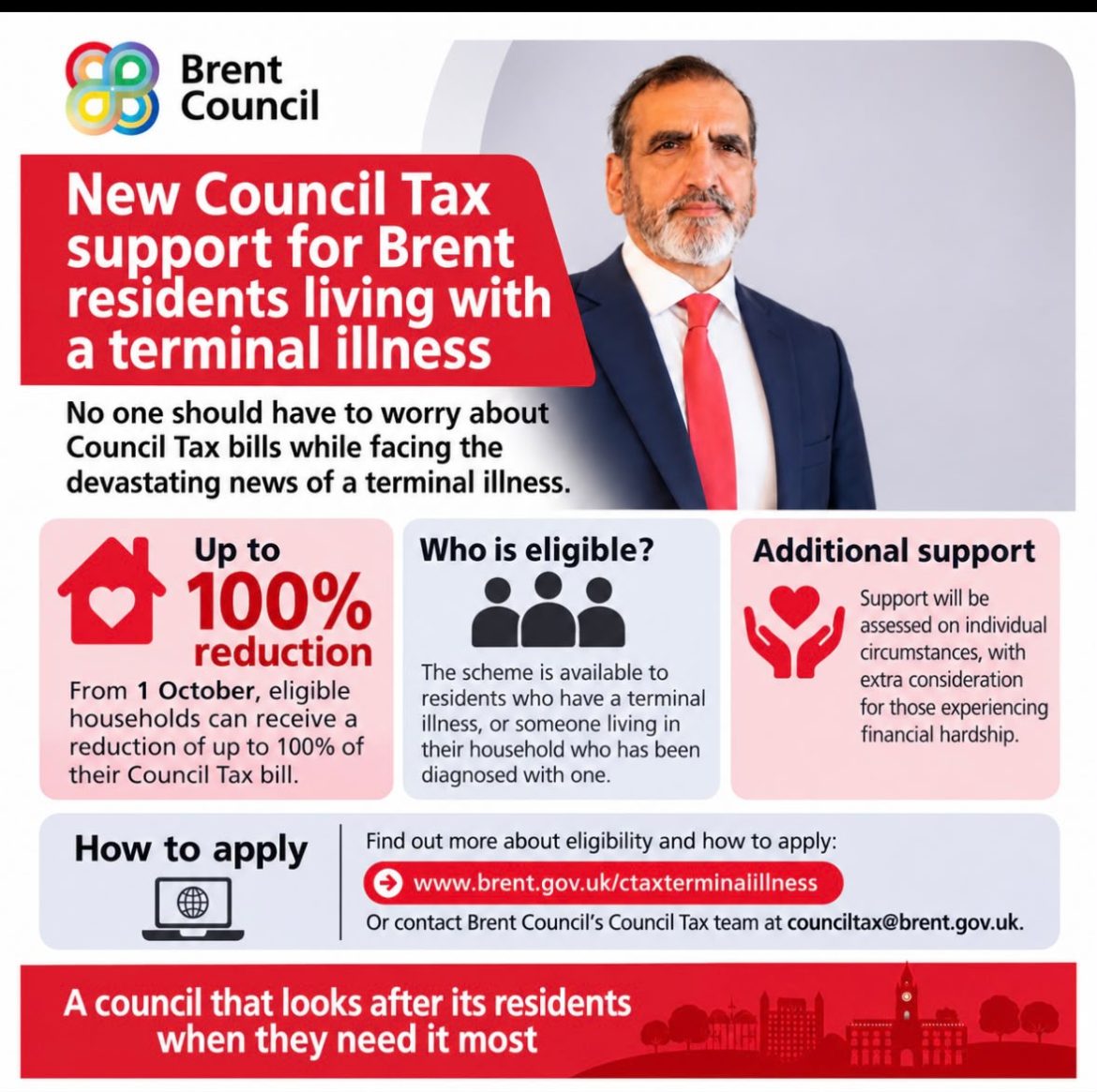
LONDON: No one should have to worry about Council Tax bills while facing the devastating news of a terminal illness.
That’s why our Brent Labour Council has introduced a new scheme to provide additional Council Tax support for residents and families affected by a terminal diagnosis. Eligible households can receive a reduction of up to 100% of their Council Tax bill, helping to ease financial pressures at an exceptionally difficult time.
The scheme is available to residents who have a terminal illness, or someone living in their household who has been diagnosed with one. Support will be assessed on individual circumstances, with additional consideration for those experiencing financial hardship. We know that a terminal diagnosis can place enormous emotional and financial pressure on individuals and their loved ones. This new support is about making sure that people facing the most difficult circumstances get the help they need.
Find out more about eligibility and how to apply:
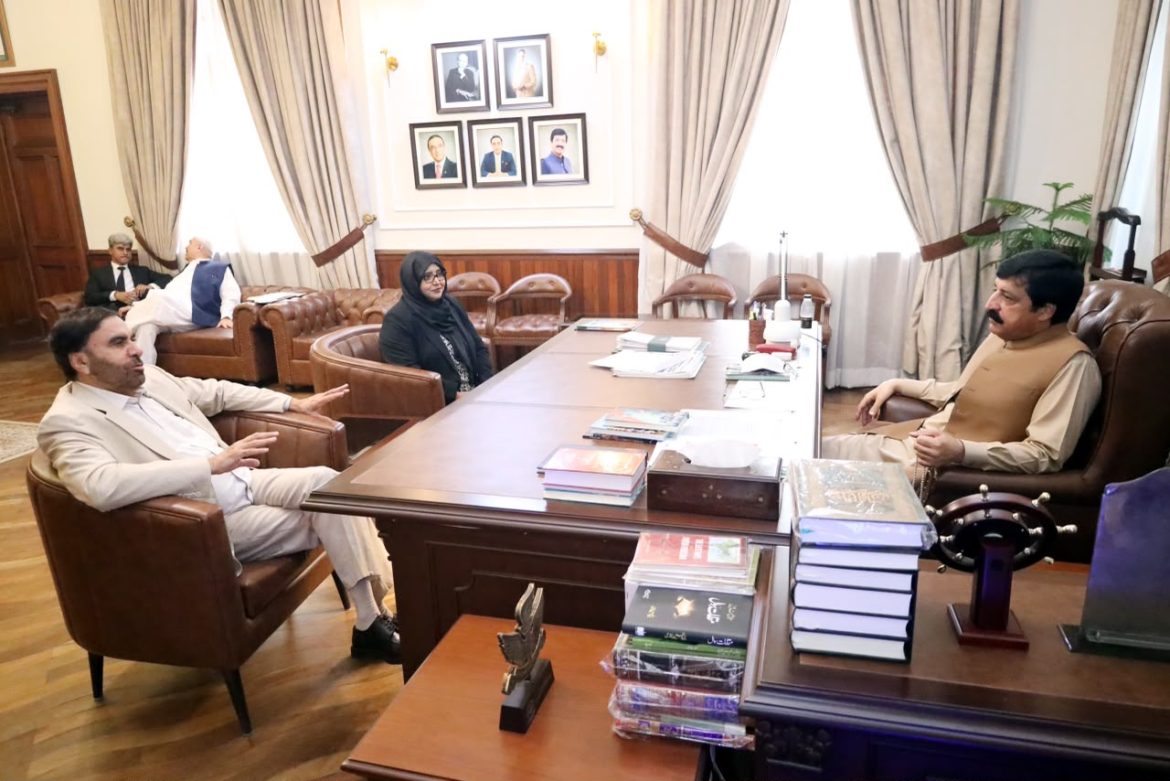
LAHORE: Abdulrazzaq Sajid, Chairman “Al-Mustafa Welfare Trust,” is meeting with the Governor of Punjab, Sardar Saleem Haider Khan in Governor House, Nusrat Saleem Managing Director of “Al-Mustafa” in Pakistan, is also accompanying him.
Staff reporter
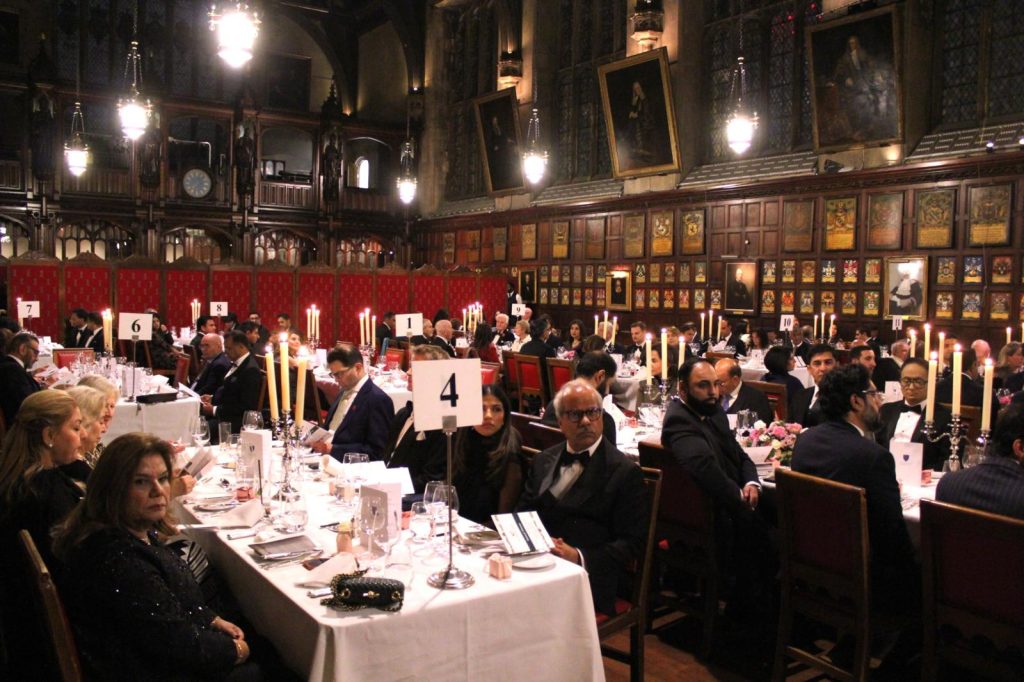
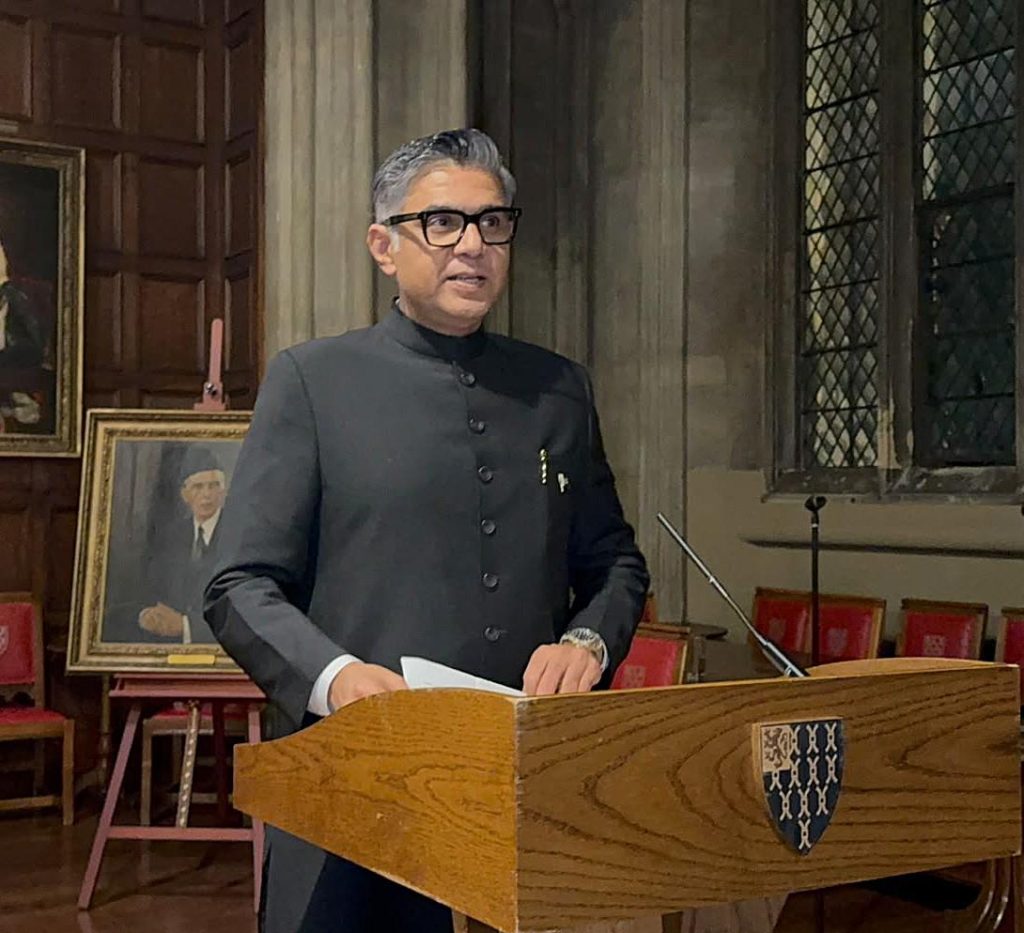
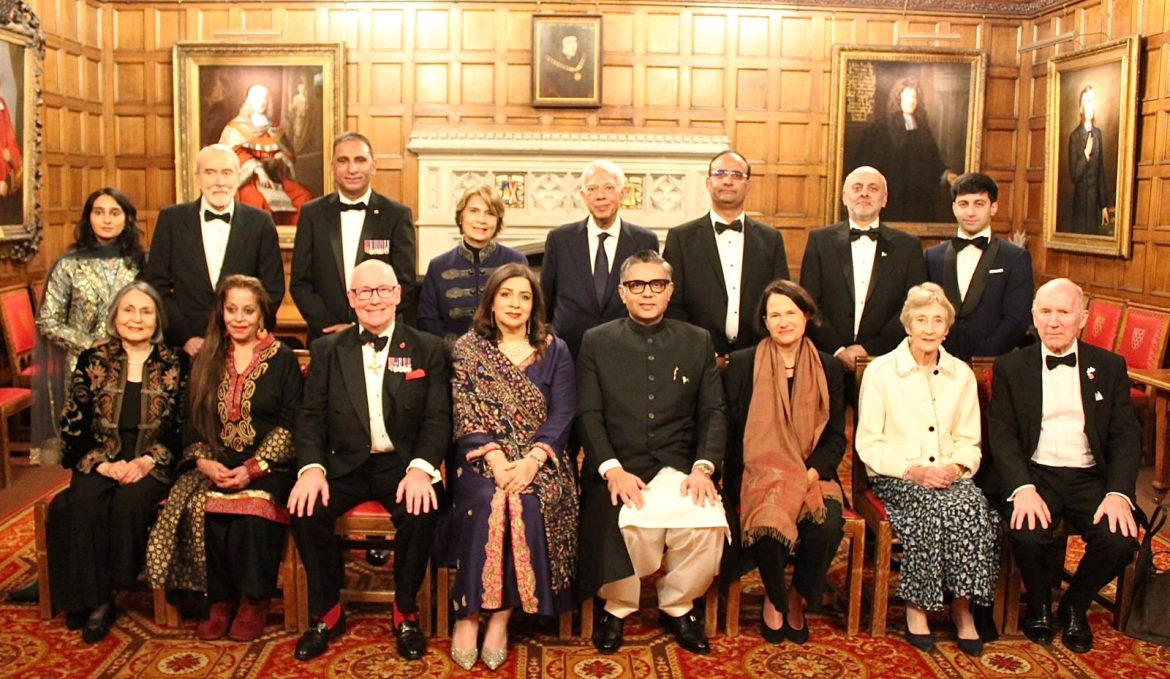
LONDON: The annual dinner was attended by Chair of the Pakistan Society Maj. Gen. (R) Seumas Kerr, trustees, office bearers, members, and a large number of friends of Pakistan in the UK. In his address, the High Commissioner appreciated the Pakistan Society for strengthening the bonds between the people of Pakistan and the United Kingdom. Pakistan Society, through talks, cultural evenings and acclaimed events, has showcased Pakistan’s rich and diverse heritage and built lasting friendships between the two countries.
High Commissioner Usman praised the Society’s growing outreach to the young British Pakistani diaspora across UK and its focus on widening access to education and opportunity for the next generation. The High Commissioner reiterated Pakistan High Commission’s commitment to working closely with the Pakistan Society on initiatives for expanding outreach to British-Pakistanis, and deepening political, economic, cultural and educational links between Pakistan and the UK.
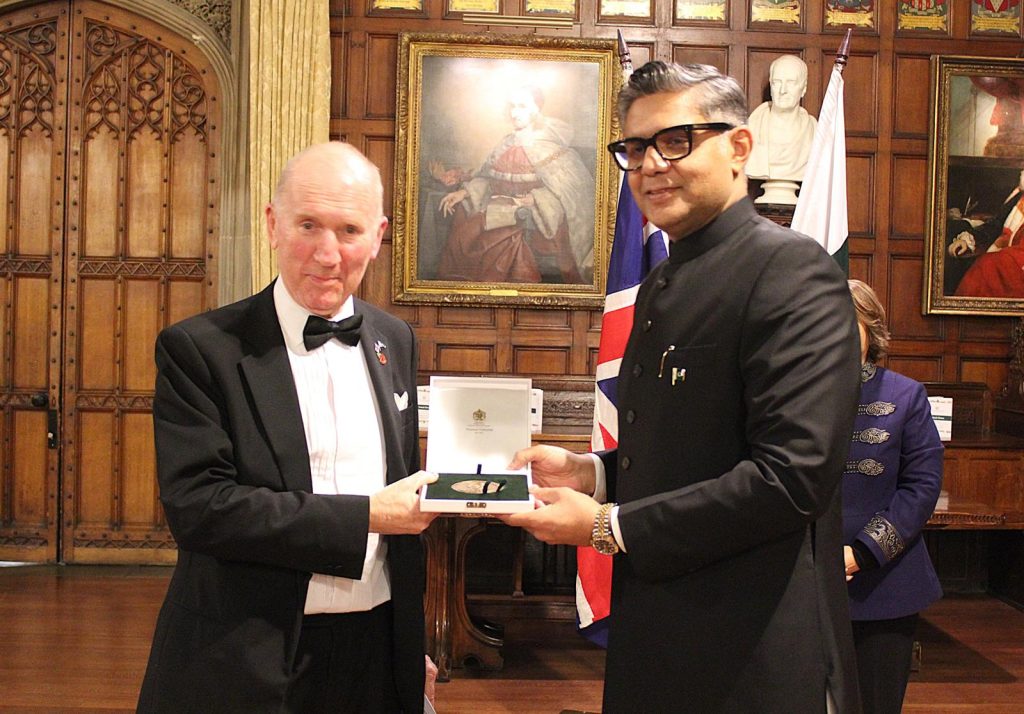
On the occasion, the Pakistan Society Jinnah Medals were awarded to Ms. Nahid Siddiqui, the renowned international Kathak dancer & choreographer; and Sir William Blackburne, a great friend of Pakistan and a former Chair of the Society.
Founded in 1951, the Pakistan Society is an international organization and a UK registered charity with the motto “Bringing Pakistan and Britain Together”. His Majesty King Charles III and the President of Pakistan are patrons of the Society.