
Amr khalifa
EGYPT
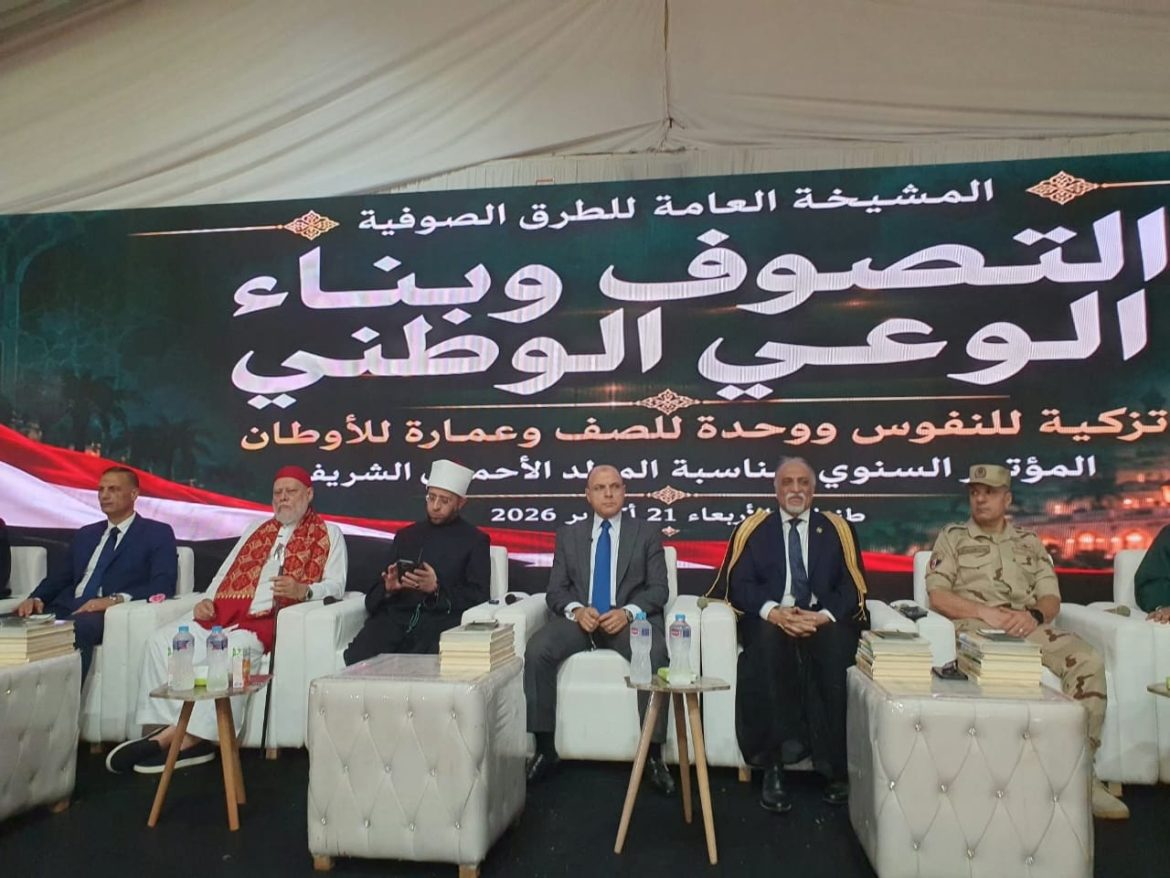
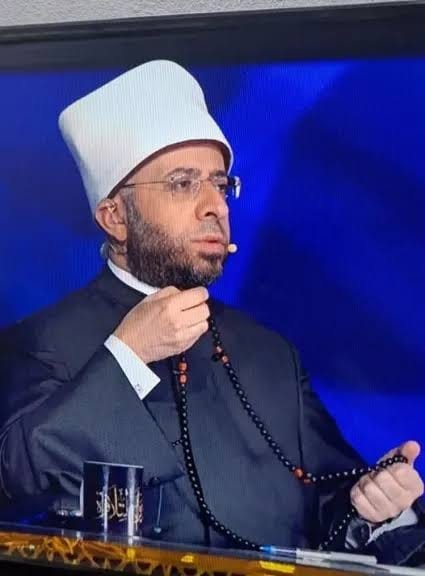
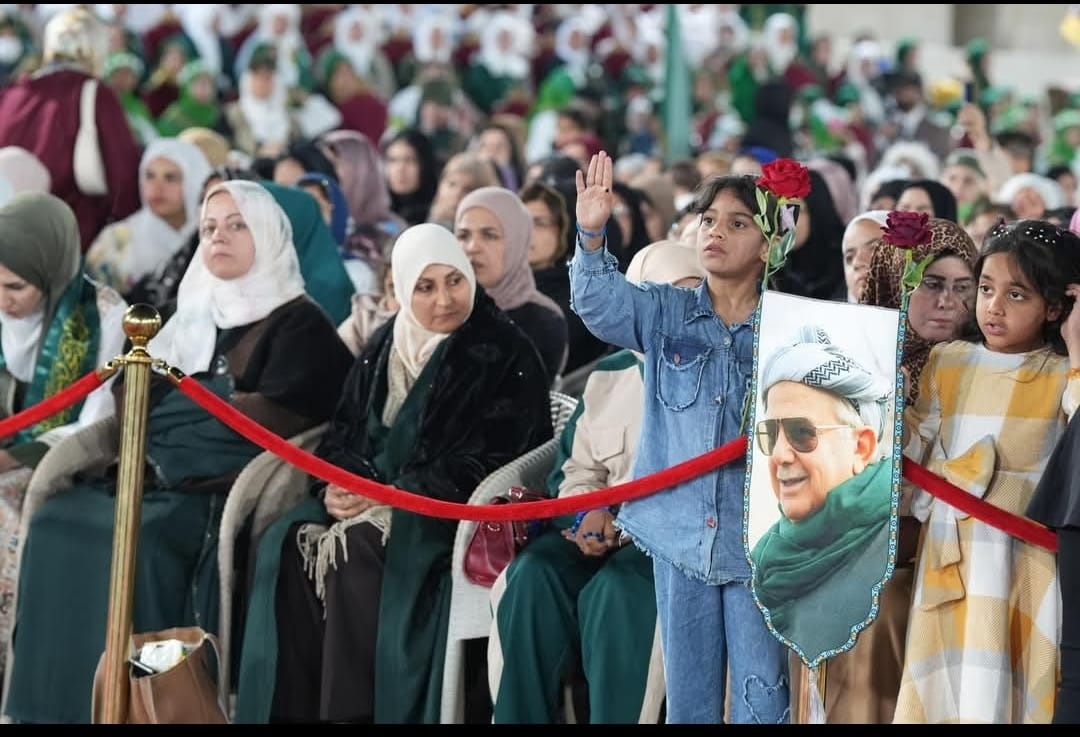
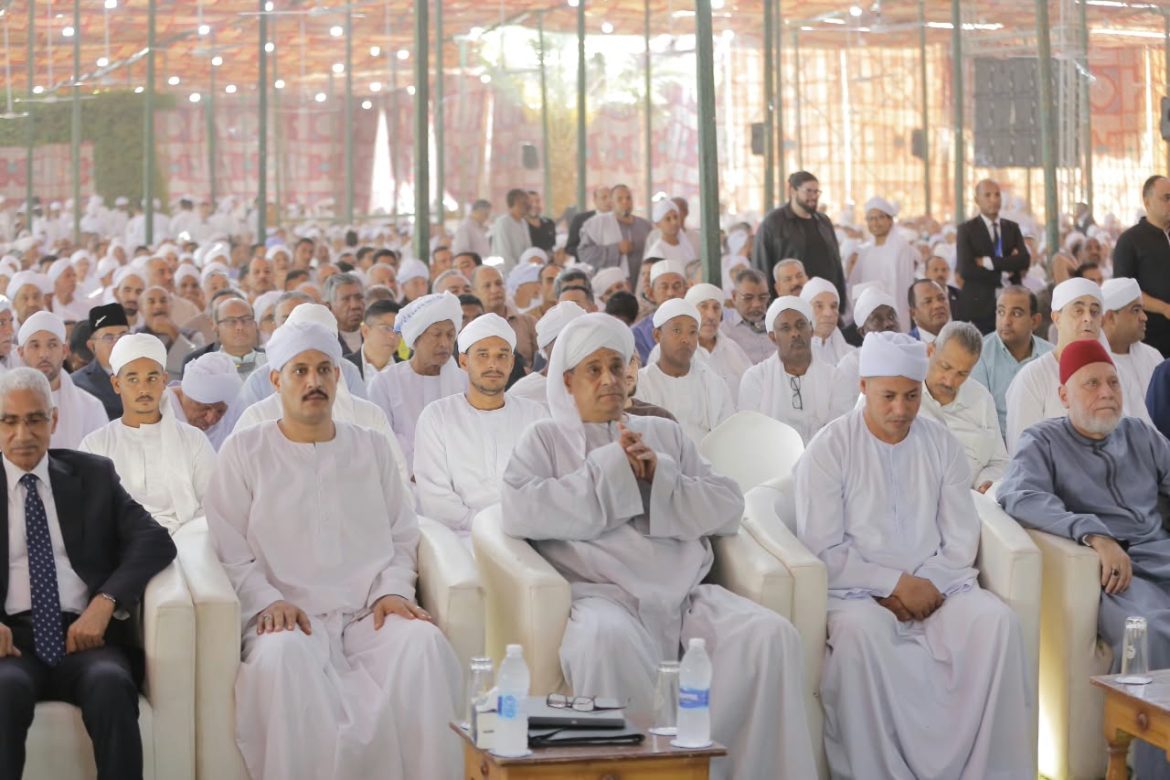
Amid the spiritual and religious celebrations currently taking place in Egypt to mark the Mawlid (birth anniversary) of the renowned Sufi figure, Sayyid Ahmad al-Badawi, Dr. Osama al-Azhari, the Minister of Endowments, delivered a pivotal address. He spoke at the General Sufi Conference organised by the Supreme Council of Sufi Orders in the city of Tanta held to commemorate the life of the celebrated Sufi master, Imam Sayyid Ahmad al-Badawi. The Minister’s remarks carried profound significance, bridging the realms of faith and national consciousness; he emphasized that honouring spiritual icons and righteous figures is an integral component of the multifaceted Egyptian character.
The Significance of Coincidence: Between Victory and Spiritual Serenity
The Minister of Endowments began his address by reflecting on the historical and situational significance of this year’s celebration, which coincides with the anniversary of the glorious October Victories. Dr al-Azhari asserted that this alignment is not merely a temporal coincidence, but rather a vivid embodiment of the Egyptian spirit a nature that inherently balances a devotion to spiritual values and a love for the righteous with a spirit of self-sacrifice, a commitment to defending the nation’s soil, and a deep pride in the heroism displayed by its people throughout history.
Dr al-Azhari explained that this synthesis lends the occasion both national and lofty spiritual dimensions, fostering psychological and social stability. It reinforces the truth that authentic religious devotion and sincere patriotism are two sides of the same coin. A Scholarly Response to Critics of Mawlid Celebrations: Love Is the Foundation, Errors Should Be Addressed with Gentleness
In a key part of his address, Dr Osama Al-Azhari delivered a decisive and direct message to those who attack the celebrations of the Mawlid (birth anniversaries) of the Ahl al-Bayt (the Prophet’s family) and the Awliya (saints/pious figures). The Minister refuted the misconceptions and false notions propagated by some, stating:
“The Mawlid celebrations of the righteous and the ‘people of God’ (Ahl Allah) are neither charlatanism nor sorcery, nor are they a departure from Sharia (Islamic law); rather, they are an expression of love and a means of drawing closer to God Almighty.”
The Minister of Endowments (Awqaf) also addressed instances where individuals might engage in behaviour that deviates from proper conduct during these events. He stated candidly that any improper actions by certain individuals fall outside the bounds of Islamic decorum.
He emphasized that such issues should not be addressed through attacks or exclusion; instead, they require “education, guidance offered with gentleness, and constructive, kind correction.” He stressed that the mistakes of a few ignorant individuals can never serve as a pretext to attack a prominent saintly figure like Sidi Ahmad al-Badawi, nor should they be used to cast doubt on the value of the authentic Sufi tradition.
Moderate Thought in the Face of Extremism and Hardline Ideologies
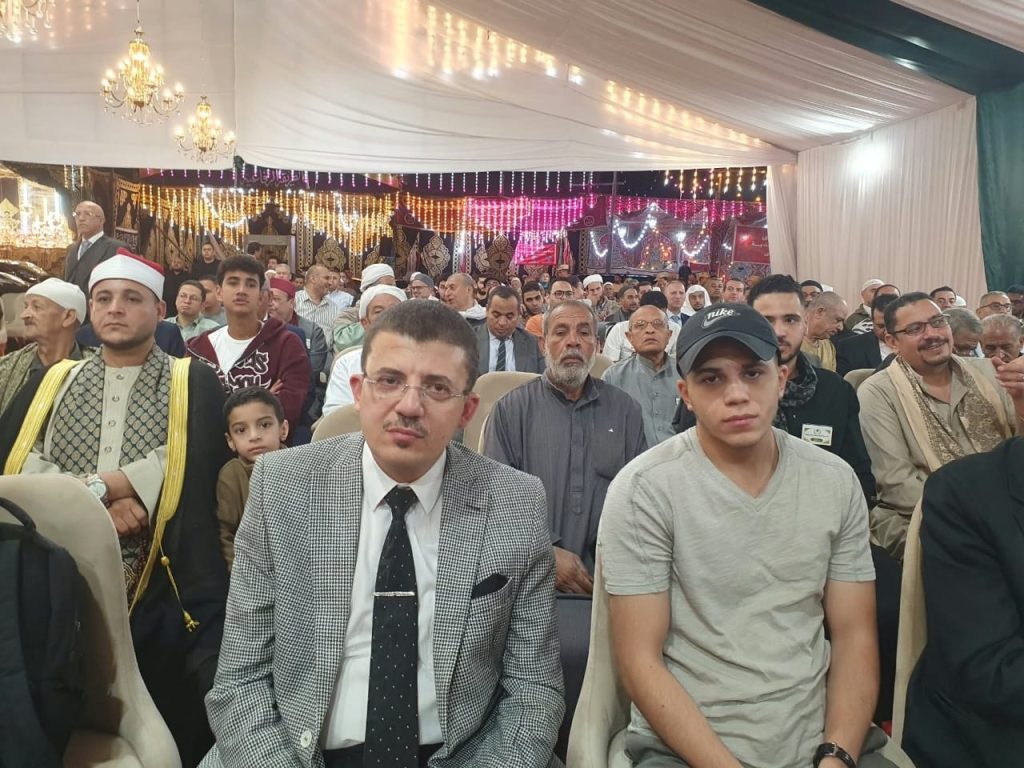
Al-Azhari noted that the vast crowds who attend and participate in these Mawlid celebrations reflect the moderate, traditional faith of our nation a faith rooted in sincere love for the Awliya and the righteous. Conversely, he characterized those who lead campaigns of attack and scepticism as proponents of hardline ideologies, stemming from a shallow and rigid understanding of the essence of the true religion and its lofty objectives. He highlighted the scholarly and educational approach of Sayyid Ahmad al-Badawi, affirming that he serves as an exemplary model for teaching the nation to love the homeland, adhere to the rulings of Sharia, and uphold its precepts which call for virtue and constructive development.
A Call to Safeguard the Homeland and Confront Rumours
In an appeal marked by deep national concern and political awareness, the Minister of Endowments (Awqaf) warned against malicious attempts aimed at destabilizing the country. He urged citizens to remain vigilant and cautious, stating: “Protect your country and do not listen to those with extremist tendencies people who harbour hatred for Egypt and incite against its president and its institutions. Instead, focus on the remembrance of God, the cultivation of love, and the observance of proper conduct in the company of the righteous; for every mawlid (commemoration of a saint’s birth) serves as a school for learning ethics and noble guidance.”
The Egyptian Minister of Endowments emphasized that adhering to the refined conduct of the righteous and remaining steadfast in the remembrance of God and His Messenger acts as an impenetrable fortress for society against destructive ideologies and calls for incitement and sabotage.
Alignment of Religious Institutions Behind the Political Leadership
During his address, Dr Osama al-Azhari underscored the unity of the religious and national ranks in Egypt, affirming that there is complete harmony and alignment among all official and grassroots religious institutions. He explained that, The Ministry of Endowments, the Egyptian Dar al-Ifta, the Syndicate of the Ashraf (descendants of the Prophet), and the various Sufi orders all stand as a unified bloc behind Al-Azhar Al-Sharif and its esteemed leader, the Grand Imam, Dr. Ahmed Al-Tayeb. The Minister further reaffirmed that all state institutions and the Egyptian people stand united as one heart behind His Excellency President Abdel Fattah El-Sisi. He prayed to God Almighty to grant the President success in all that serves the good of the nation and its people, to bring about prosperity through his efforts, and to protect Egypt and its great people from all harm.
The Fruit of Spiritual Occasions: Serenity and Social Harmony
Concluding his remarks, the Minister of Endowments highlighted the core of the message conveyed by those observing the Mawlid (the Prophet’s birthday) describing them as “people of love and purity.” He noted that if participants in these spiritual events were to gain nothing more than inner serenity, a commitment to cooperation in righteousness, and a renewed dedication to safeguarding the nation’s assets, that alone would constitute a significant achievement and a noble objective.
Al-Azhari called upon all Egyptians to embrace the days of the Mawlid as a genuine opportunity to draw closer to God Almighty by fostering love for the righteous and the noble Companions of the Prophet. He urged that these days be marked by supplication and earnest prayer to the Almighty asking Him to avert any malice directed toward Egypt, to protect its people and its leadership, and to sustain the blessings of security and safety across the nation.
Amr khalifa
EGYPT
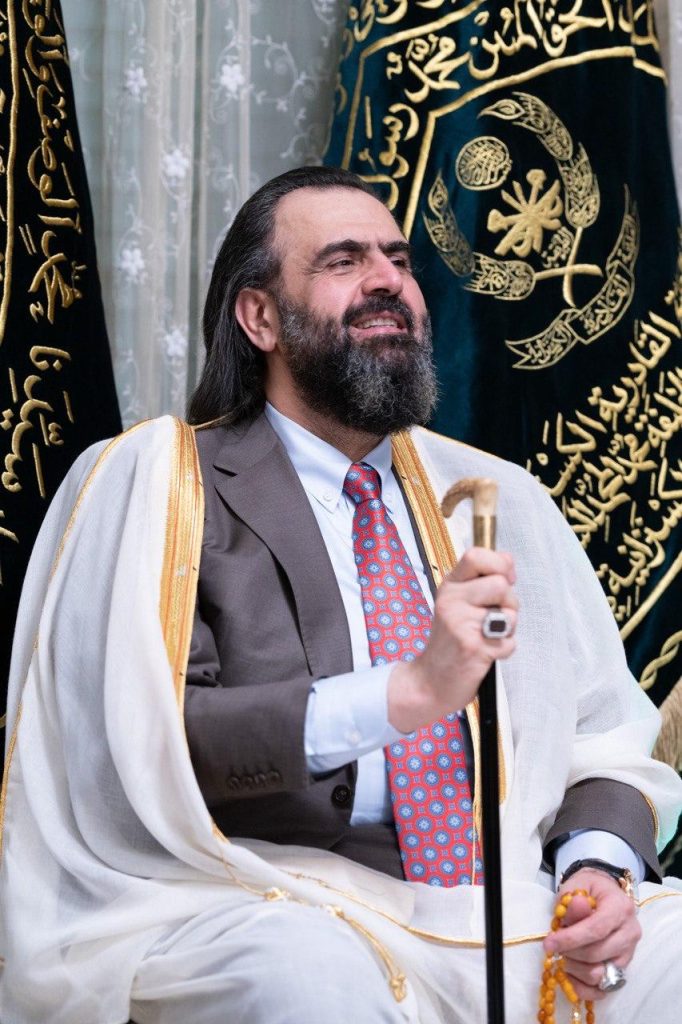
At a time when there is an increasing need to embed the values of tolerance and reject extremist rhetoric, the Sufi school emerges as a vital intellectual and spiritual resource that fosters social and human peace. In this context, Sheikh Muhammad Shams al-Din Nehru al-Kasnazani, the global leader of the Qadiriyya Kasnazaniyya Order, has shed light on the foundational principles that have driven the expansion of the Order and the growth of its spiritual and humanitarian presence across the globe.
Sheikh Nehru al-Kasnazani emphasized that the spiritual and educational approach adopted by the Qadiriyya Kasnazaniyya Order is rooted in moderation, love for others, and the promotion of peaceful coexistence among all human beings, regardless of their diverse cultures or religions. He explained that authentic Islamic Sufism represents the ultimate model of religious balance and enlightened thought standing in stark contrast to extremism, rigidity, and the deviant ideologies that seek personal gain in the name of religion.
Love and Compassion:
The Essence of the Islamic Message
The head of the Qadiriyya Kasnazaniyya Order noted that the Order’s commitment to spreading the principles of “moderate, Prophetic Islam” a faith built upon compassion, tolerance, and respect for human dignity has been the primary factor enabling it to transcend geographical borders and carry its spiritual message to multicultural societies worldwide. Elaborating on the philosophy of Sufism, he stated:
“Sufism is not merely a collection of devotional rituals or spiritual litanies practiced by a seeker in seclusion; rather, it is a comprehensive educational and ethical framework aimed at refining the soul, elevating human conduct, and fostering values of peace and love in one’s daily interactions. These ethical principles constitute the essence of the eternal Islamic message, which calls for goodness, mutual understanding, and the rejection of hatred.”
He noted that the Qadiriyya-Kasnazaniyya Order serves as a bridge for cultural dialogue, introducing the true nature of Islamic Sufism—a spiritual and ethical school that contributes to the development of a balanced human character and deepens an individual’s connection to both their Creator and their society. This, in turn, has a positive impact on social and intellectual stability—all in keeping with the path established by the late Sheikh Muhammad al-Muhammad al-Kasnazani.
Sheikh Muhammad Shams al-Din Nehru al-Kasnazani highlighted the historic and pioneering role played by the late Sheikh Muhammad al-Muhammad al-Kasnazani—the former head of the Order in establishing this enlightened approach and solidifying its foundations. He described him as a man of profound humanitarian vision and balanced thought, through which he was able to introduce the Qadiriyya-Kasnazaniyya Order and the true essence of Sufism to diverse peoples and societies.
He further pointed out that the late Sheikh was a significant point of reference for researchers, intellectuals, and those interested in spiritual and Islamic studies from across the globe. His open-mindedness and the depth of his educational philosophy attracted prominent thinkers, which directly contributed to strengthening the Order’s international presence and establishing its standing within the global intellectual landscape. Confronting Extremist Ideology and Building the Future
The head of the Order emphasized that the current era marked by various intellectual challenges across the globe requires a concerted effort to highlight the true, radiant image of Islamic Sufism. He asserted that Sufism possesses the spiritual and intellectual tools necessary to counter extremist rhetoric and destructive ideologies, by fostering a sound and enlightened religious consciousness, and by upholding the principles of accepting others and peaceful coexistence.
The leader of the Kasnazaniyya reaffirmed the commitment of the Qadiriyya-Kasnazaniyya Order to its mission of love and tolerance. He underscored its adherence to the moderate path established by its sheikhs, and its ongoing work to disseminate the teachings of Islamic Sufism in a way that promotes peace and rapprochement among peoples.
“The Qadiriyya-Kasnazaniyya”: One of the World’s Largest Sufi Orders
The Qadiriyya-Kasnazaniyya is one of the largest and most prominent Sufi orders, branching from the Qadiriyya tradition—which traces its lineage back to the “Sheikh of Islam,” Sheikh Abd al-Qadir al-Jilani (may Allah be pleased with him). The Order is distinguished by its extensive spiritual and social presence across many nations in both the Islamic and Western worlds.
The origins of the Kasnazaniyya Order are rooted in a noble lineage; its spiritual chain of transmission (sanad) extends through the Qadiriyya tradition, reaching back to Imam Ali ibn Abi Talib (may Allah honor his countenance) and the Prophet Muhammad (peace be upon him). Within this noble family, the leadership and the role of (sheikh)are passed down through a succession of spiritual masters who have dedicated significant effort to spreading the call to faith and providing spiritual guidance. Features of the Approach and Spiritual Training within the Order
The Kasnazani Order’s methodology is rooted in a commitment to the authentic Islamic path. It consistently emphasizes that Sufism is a matter of conduct, ethics, and values all derived from the Holy Quran and the noble Sunnah of the Prophet.
Expansion and Renewal in the Modern Era
In recent decades, the Order has experienced widespread growth across Iraq, Egypt, Jordan, the Gulf states, and North Africa, alongside the establishment of numerous centers throughout Europe and North America.
The Order has undergone significant development and institutional organization. Its leadership has integrated traditional Sufi discourse with modern communication methods and established religious, social, and cultural centers. This has attracted a large number of young people, disciples, and those seeking spiritual clarity. Furthermore, the Order places a strong emphasis on education and social services, maintaining “takiyas” (Sufi lodges) and charitable institutions dedicated to providing food, serving the community, and promoting a moderate form of Islamic culture.
Political editor
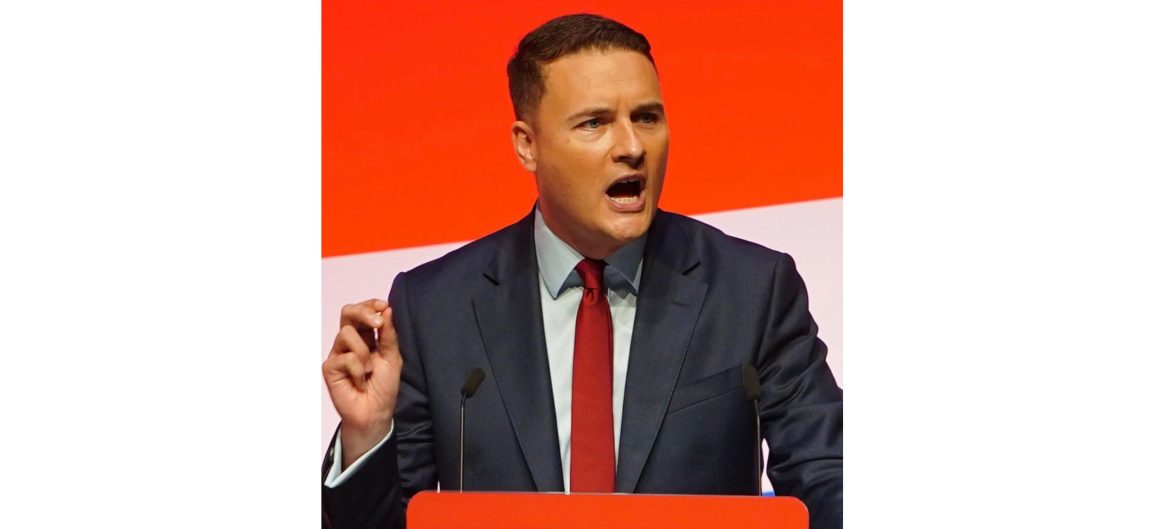
UK Defence Secretary Wes Streeting warned that Britain and its allies have a little over 1,000 days to prepare for potential conflict, stating that Russia’s military expansion could put it in a position to attack NATO by 2030. He has said that Britain and its allies have “a little over 1,000 days” to prepare for a potential war, highlighting the need to strengthen military readiness and defence capabilities.
The warning underscores growing concerns about the changing international security environment and the importance of closer co-operation among NATO allies. Streeting’s remarks are expected to intensify debate over Britain’s military preparedness, defence spending and ability to respond to emerging threats.
Zain Ali Khan
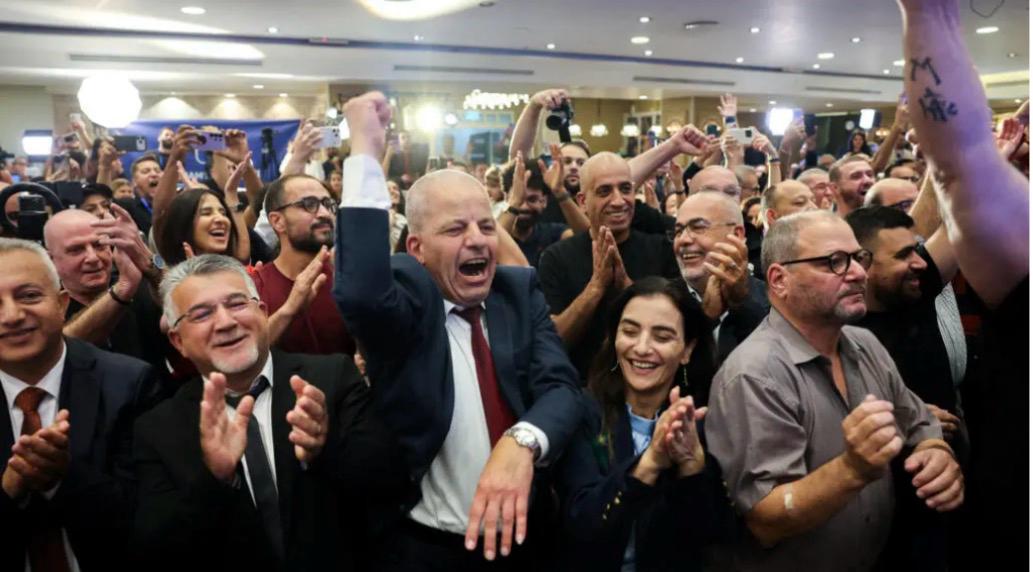
LONDON: Israel’s elections have concluded, leaving Palestinian Arab parties potentially playing a pivotal role in determining the country’s next government. With neither major political bloc assured of a parliamentary majority, negotiations and coalition-building could prove decisive.
Arab parties representing Israel’s Palestinian citizens may hold crucial seats in a closely divided Knesset, giving them potential leverage in government formation. However, whether they will support or join a coalition will depend on political negotiations, policy commitments and the positions of the parties seeking power.
The outcome could have significant implications for Israel’s domestic politics, particularly on minority rights, public services and relations between Jewish and Arab citizens. The coming days are expected to bring intensive negotiations as party leaders seek to secure the parliamentary support required to form a government.
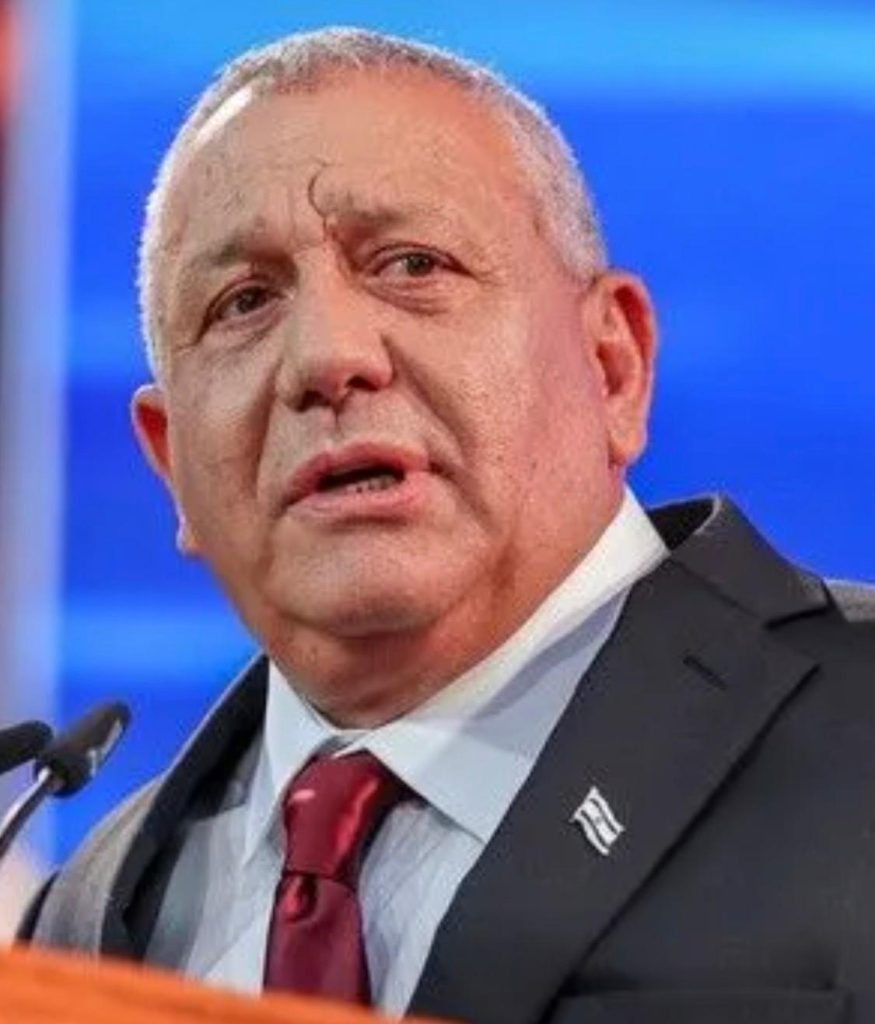
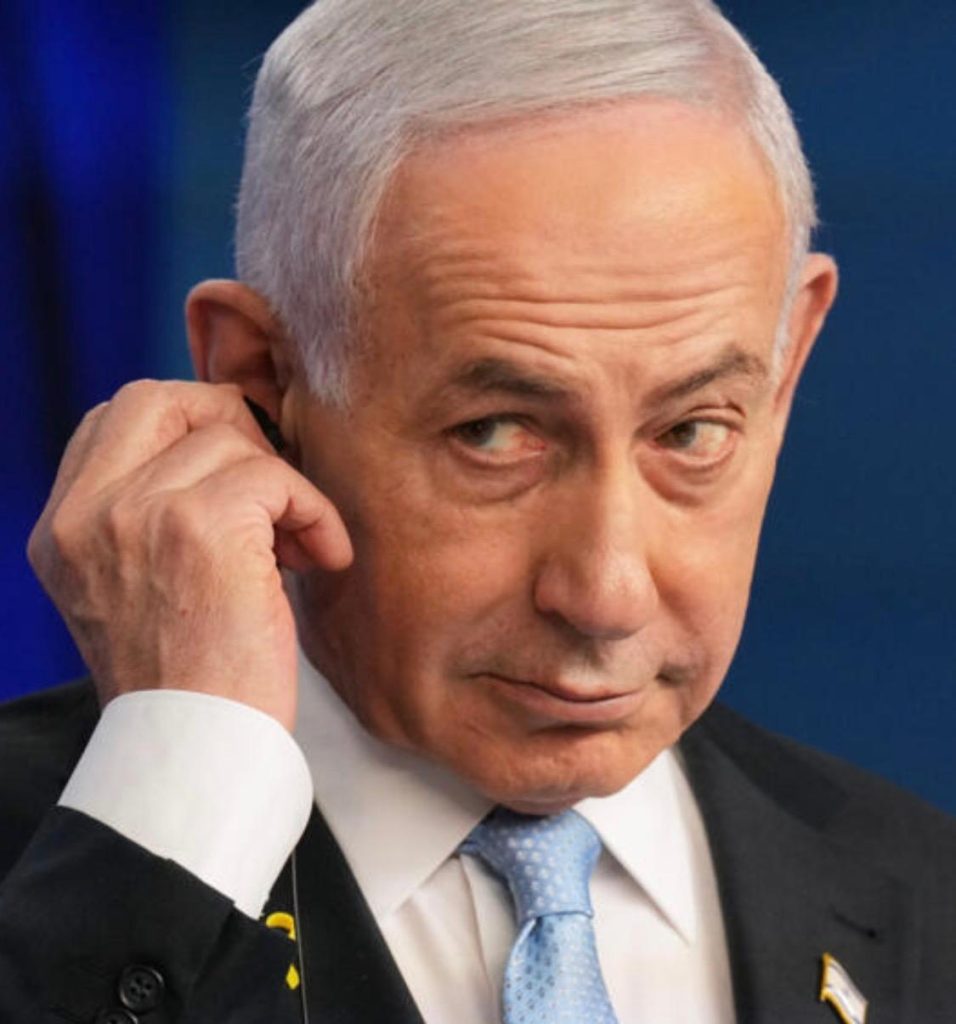
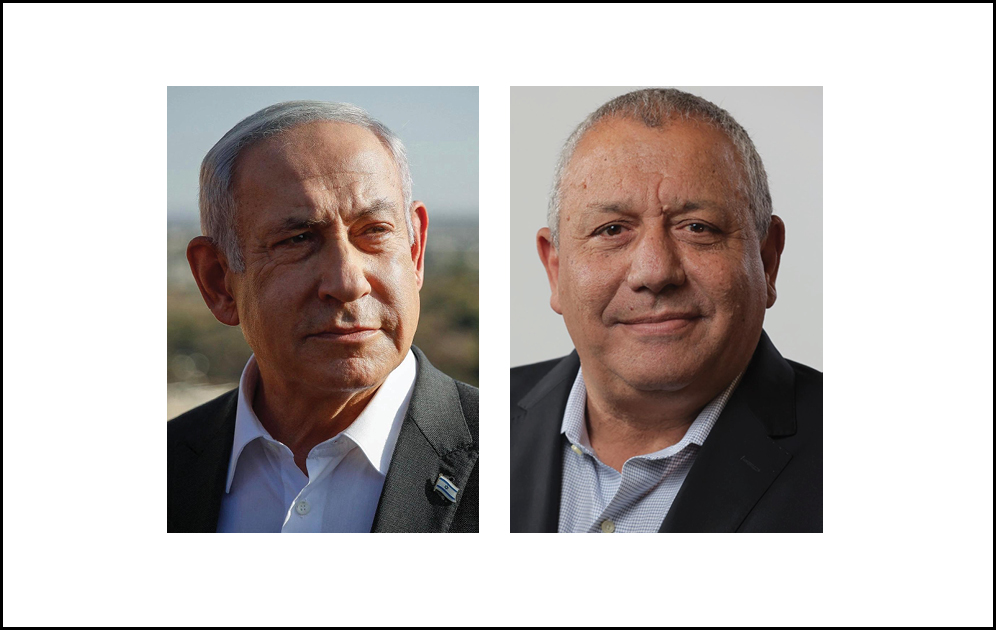
LONDON: (Reuters) Israelis will vote on October 27 in a closely contested general election, with Prime Minister Benjamin Netanyahu facing opposition led by former military chief Gadi Eisenkot.
The election, the first since the Hamas-led attacks of October 7, 2023, will test public confidence in Netanyahu’s leadership and his government’s handling of the attacks and subsequent wars in Gaza and the wider region.
Recent opinion polls suggest that neither Netanyahu’s right-wing coalition nor the opposition is assured of securing the 61 seats needed for a majority in Israel’s 120-member parliament, the Knesset. The outcome could therefore depend on smaller parties and difficult coalition negotiations. Key issues include national security, military service exemptions for ultra-Orthodox Jews, the economy and accountability for the security failures of 2023. The election could reshape Israel’s political direction, although forming a stable government may prove difficult even after votes are counted.
Amr khalifa
EGYPT
The 12th edition of the Dendara Economic Forum has kicked off in the village of Dendara, Qena Governorate, Egypt. Held under the theme “Borrowing: A Measured Step, Not a Rash Rush,” the forum aims to discuss the culture of borrowing, enhance financial literacy, and instill concepts of responsible planning and debt management. These efforts seek to foster family stability, support productive projects, and promote sustainable development.
The forum was inaugurated by Prince Hashem El-Dandarawy, Head of the Dendara Development Center, in the presence of Major General Dr. Mostafa El-Beblawy, Governor of Qena; members of the House of Representatives and the Senate; executive officials; Islamic and Christian religious leaders; economic experts; business leaders; and representatives of civil society organisations.
I. Opening: Borrowing Balancing Need and Responsibility
Prince Hashem El-Dandarawy emphasized that the choice of borrowing as the forum’s theme aims to raise community awareness regarding the distinction between borrowing to meet a genuine need or to finance a well-studied productive project, and borrowing for consumption without assessing one’s repayment capacity.
He noted that the true value of money lies in the impact it has on human life and its contribution to giving and constructive development. He further underscored the importance of financial planning, honoring obligations, and embedding a culture of responsibility and social solidarity. The address covered several key themes, most notably the role of money in meeting life’s needs, supporting those facing financial hardship, the impact of consumerism on borrowing decisions, the importance of financing in supporting production, the necessity of planning before incurring debt, and the fulfillment of debt obligations as both a moral and social responsibility.
Second | Panel Discussion: Borrowing Between the Jurisprudence of Need and Prudent Decision-Making
The forum held its first panel discussion, titled “Borrowing: A Deliberate Act, Not an Impulsive One,” moderated by Mr. Tawfiq Al-Hakim, a member of the Dandara Development Center.
The session addressed two main themes:
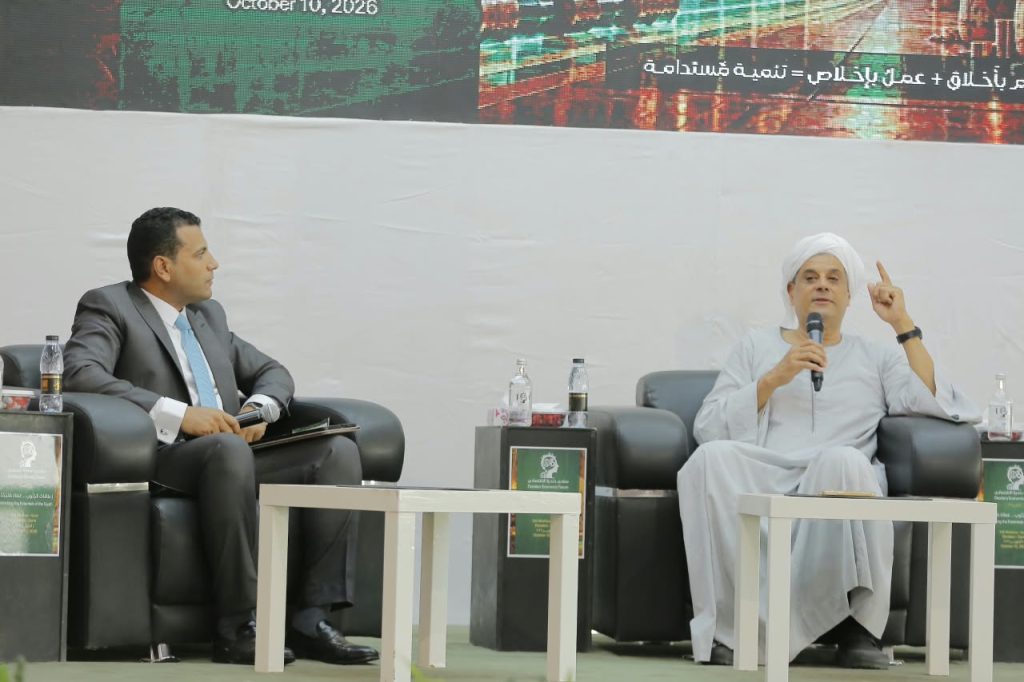
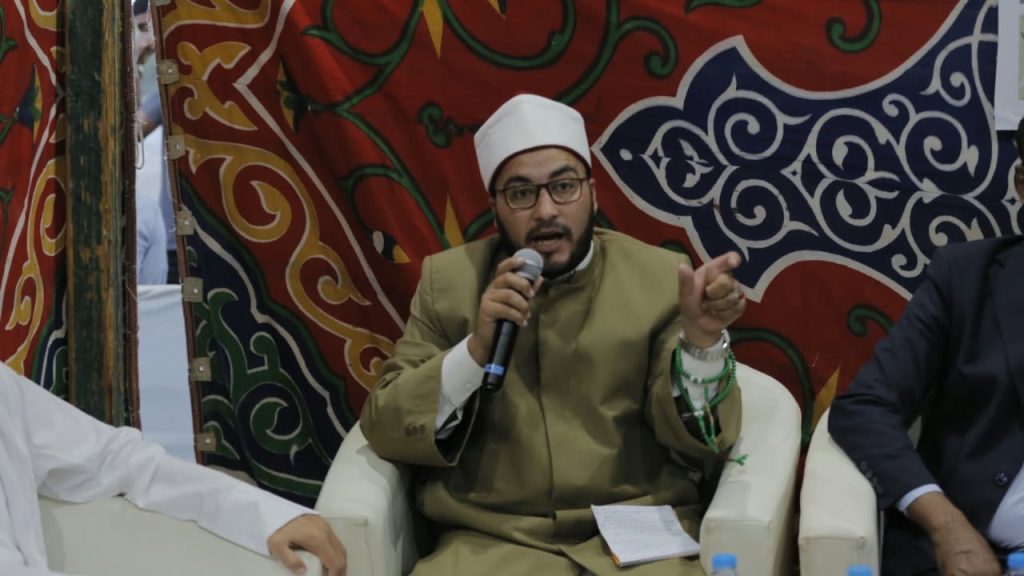
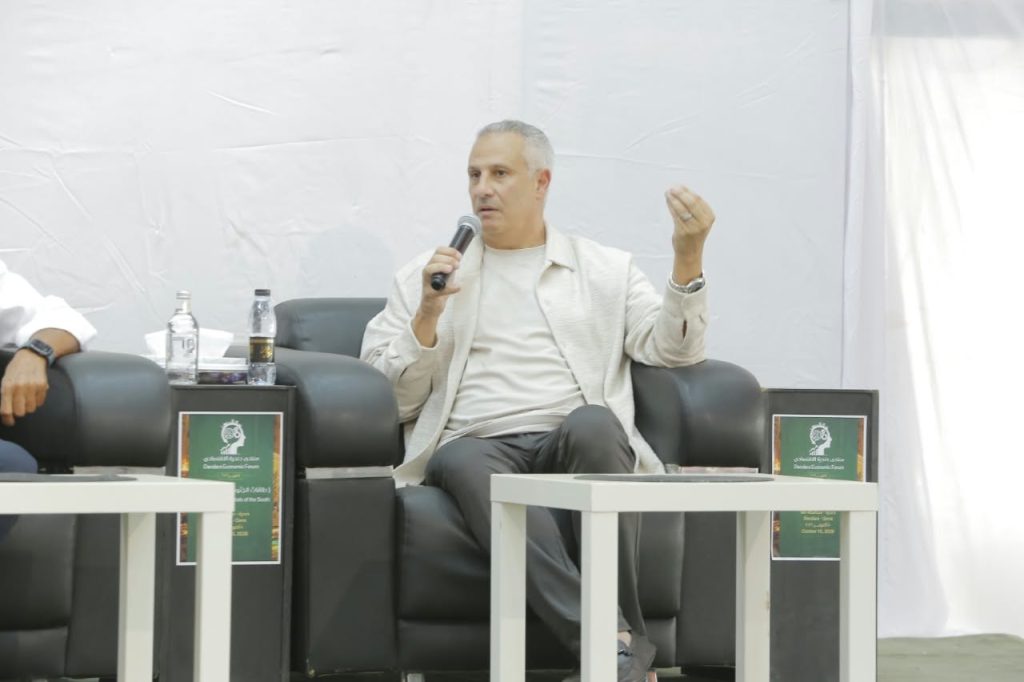
Borrowing: Between the jurisprudence of need and prudent decision-making.
Borrowing: A matter of calculation and commitment.
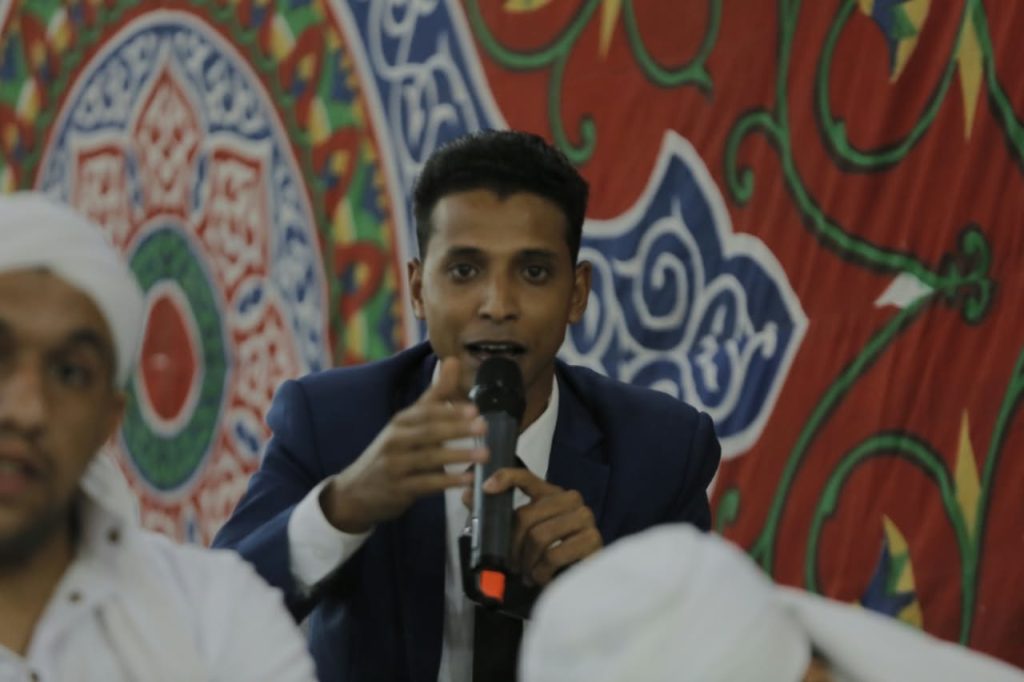
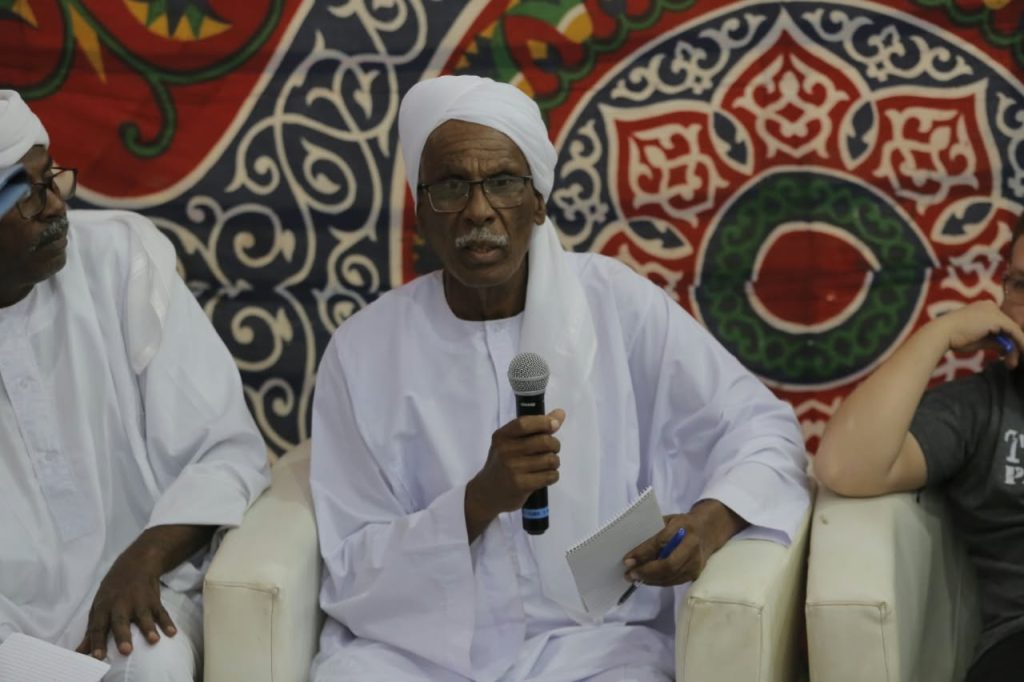
Discussions focused on assessing actual needs prior to borrowing and evaluating the capacity to meet repayment obligations. Participants distinguished between financing that supports production and creates new opportunities, and debt that merely increases financial burdens without yielding real returns.
Emphasis was also placed on the importance of financial literacy in making prudent decisions whether for individuals, families, or entrepreneurs—thereby mitigating the risk of default and fostering economic and social stability.
Third | Governor of Qena: Supporting Responsible Financing
Major General Dr. Mustafa Al-Beblawi, Governor of Qena, commended the forum’s theme, highlighting the link between borrowing habits and family stability, as well as the ability to plan for the future.
He stressed the importance of striking a balance between utilizing credit facilities to support productive and developmental projects and avoiding ill-considered debt expansion; such a balance ensures project sustainability and helps families manage their financial resources efficiently. Fourth | Dandara Forum for Startups: Networking and Investment Opportunities
As part of the event’s side activities, the Dandara Forum for Startups was held, bringing together entrepreneurs, startups, institutions, investors, and experts. The forum provided a platform to showcase projects, exchange expertise, and explore opportunities for collaboration, partnership, and investment.
The forum garnered the attention of the Governor of Qena, as it serves as a supportive space for youth and innovators, a platform to foster communication across economic sectors, a means to support small and medium-sized enterprises (SMEs), and a gateway to new horizons for innovation and job creation.
Fifth | Equestrian and Tahtib Festival: Celebrating Sa’idi Heritage. The events also featured an Equestrian and Tahtib (traditional stick-fighting) festival. This event embodied an authentic aspect of Qena Governorate’s folk heritage, infusing the forum with a cultural atmosphere that reflects the local identity.
The festival underscored the importance of integrating economic development with cultural advancement, while celebrating heritage as a key component of societal identity and a source of belonging.
Sixth | High-Level Attendance
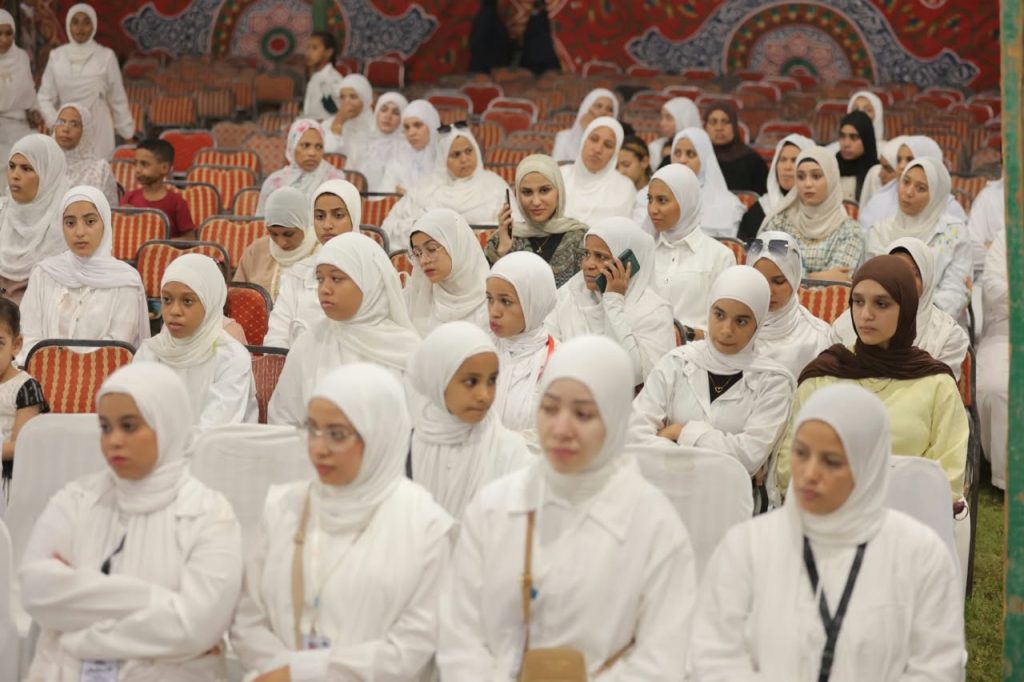
The forum was attended by Dr. Abbas Mansour, President of South Valley University (Private); Dr. Wahid Abdel-Gawad, Advisor to Dar al-Ifta; Anba Pimen, Bishop of Naqada and Qus; and Anba Ignatius, General Bishop of the Qena Diocese. Also in attendance were various executive and legislative leaders, religious and community figures, experts, and business leaders. This turnout reflected the diversity of participants engaging in a dialogue on an issue that touches upon citizens’ daily lives—one requiring the integration of economic, social, and ethical perspectives.
Amr khalifa
EGYPT
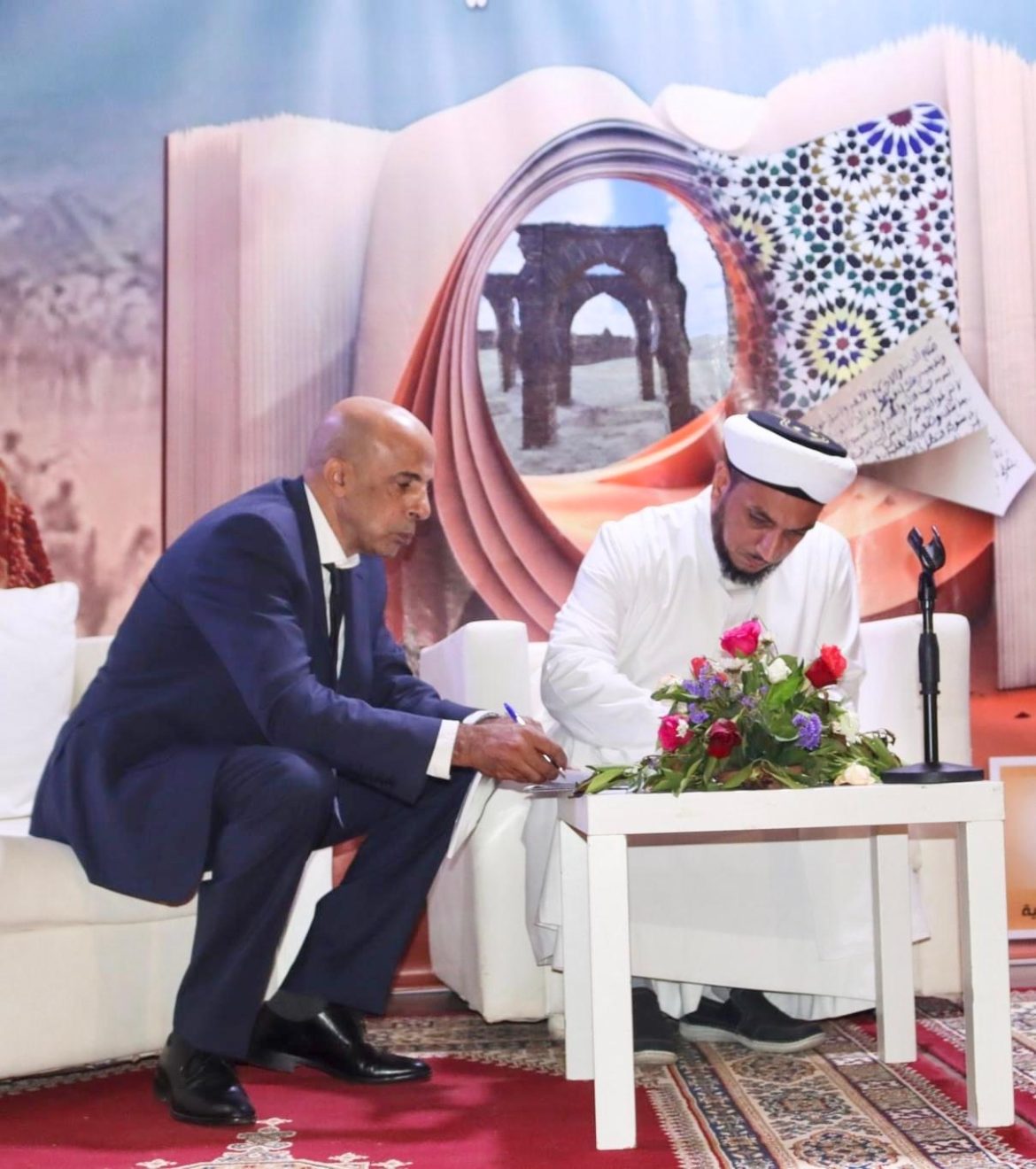
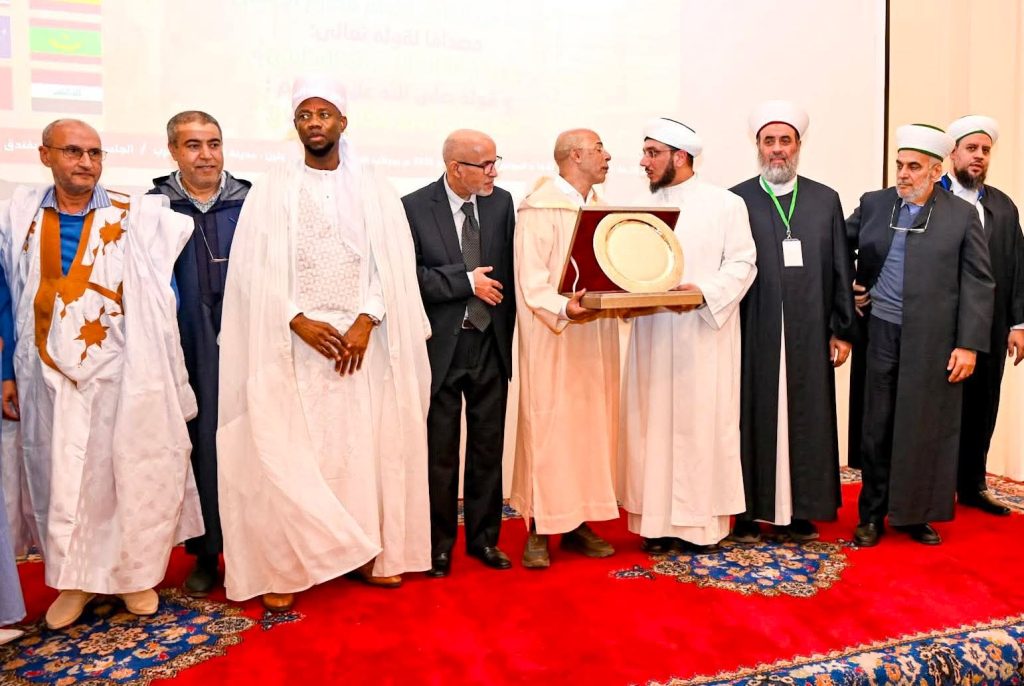
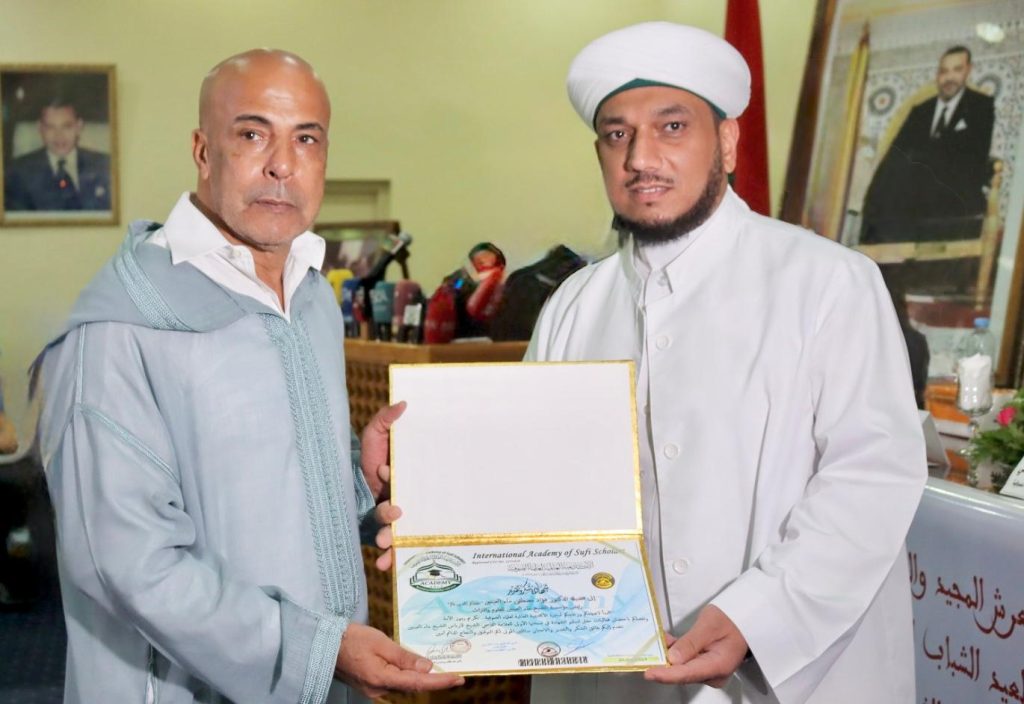
The Kingdom of Morocco is preparing to host the eighth edition of the “International Forum on Sufi Thought (Sheikh Ma El-Ainin).” The event will launch on November 23, 2026 and span three consecutive days in the historic city of Tiznit, drawing significant Arab and international attention from religious leaders, thinkers, Sharia scholars, and modern technology specialists.
This prominent intellectual event serves as a unique annual scholarly platform, bringing together an elite group of scholars, thinkers, and academics to examine contemporary issues and bridge the gap between spiritual values and modern technological advancements. The event is organized through a partnership between the “Sheikh Ma El-Ainin Foundation for Science and Heritage” and the “Global Academy of Moderation Scholars.” Both organizations have issued a formal, open invitation to their members, as well as to academics and researchers at large, to participate actively and contribute research papers to the conference proceedings.
This year’s forum is held under a theme that is both striking and aligned with global developments: “The Station of “Ihsan” (Spiritual Excellence) and the Rational Guidance of Artificial Intelligence: Obedience to the Most Merciful and Service to Humanity.” This theme offers an ethical approach and an enlightened Islamic perspective on the current digital revolution. The forum aims to emphasize the necessity of grounding rapidly advancing artificial intelligence technologies within a robust framework of human and ethical values derived from the Islamic concept of “Ihsan” (spiritual excellence) thereby ensuring that algorithms and software serve humanity rather than destroying its values or supplanting its spiritual identity.
The three-day forum agenda covers several key themes, most notably.
Sharia and Conceptual Foundations: Examining the intersection of the Sufi concept of “Ihsan” with ethical frameworks regarding data and artificial intelligence.
Behavioral and Spiritual Dimensions: Preserving innate human nature (fitra) and spiritual consciousness amidst digital dominance and virtual reality.
Practical Applications: Mechanisms for utilising modern technological tools and AI models to preserve scientific heritage and disseminate moderate, centrist Islamic thought.
Dr Mohammed Ajjan Al-Hadid, President of the Global Academy for Centrist Scholars, stated that the Academy continues its practical and intellectual efforts to serve the moderate Islamic approach and authentic Sufism through these specialised intellectual forums, held periodically in the Kingdom of Morocco and other Arab and Islamic nations. The President of the Academy of Sufi Scholars added: “Artificial intelligence is a double-edged sword; if we do not frame it within the context of Ihsan and ethical responsibility, we risk becoming tools in the hands of technology, rather than technology serving humanity.” “Our role as scholars and thinkers lies in rationalising these technologies and steering them to serve as instruments for construction, fostering closeness, and spreading peace, rather than for destruction and rampant materialism.” Dr Maa El-Ainine, President of the Sheikh Maa El-Ainine Foundation for Science and Heritage, emphasised that the choice of this year’s theme stems from the importance of engaging wisely and consciously with global technological advancements. He noted that living Sufism does not isolate the individual from their era; rather, it equips them with the tools for sound guidance. Maa El-Ainine added, “The greatest challenge facing humanity today is not the development of machines, but the preservation of human humanity and sincerity. Therefore, the Foundation in collaboration with the World Academy of Moderation Scholars seeks to provide an ethical foundation for the responsible use of artificial intelligence. It also aims to present the luminous image of Islamic Sufism, which is built upon the harmonious integration of knowledge and action, precision and spirituality.” In the same context, Dr. Ali Maa El-Ainine, the Foundation’s Secretary-General, underscored the vital and pivotal role played by the Sheikh Maa El-Ainine Foundation in promoting moderate Sufism rooted in the Quran and the noble Prophetic Sunnah. He highlighted the fruitful collaboration with the World Academy of Moderation Scholars led by Dr. Mohammed Ajjan Al-Hadid which works tirelessly to uphold the banner of moderate Sufism and safeguard Islamic identity worldwide. Dr. Ali Ma El-Ainin added:
“The city of Tiznit, with its rich history and heritage, opens its doors to researchers to present a renewed vision that breathes new life into technological advancement. During the forum, we will witness dialogue sessions and discussions on high-level scholarly papers, through which participants aim to produce a document or ethical charter linking Sufi thought with digital transformation.”
It is worth noting that the Moroccan city of Tiznit is a prominent center of scholarship and heritage, inextricably linked to Sheikh Ma El-Ainin and his intellectual and resistance legacy. The forum is expected to draw a large number of academic delegations and distinguished Islamic figures from around the world.

Amr Roshdy
EGYPT
Moroccan women hold a pivotal and special place in the approach of King Mohammed VI; their assumption of high-level responsibilities and their integration into the development process constitute a cornerstone of the strategic vision the King has adopted since ascending the throne.
In a landmark political move with profound strategic and developmental implications, King Mohammed VI’s decision to task Ms. Fatima Ezzahra El Mansouri with forming the new Moroccan government has resonated widely both within the Kingdom and abroad. This high royal appointment represents far more than a mere reshuffling of ministerial portfolios or a routine transfer of executive power; it reflects a visionary outlook that positions Morocco at the forefront of regional leadership, allowing it to continue charting a unique and pioneering path within the Arab and African regions.
This move reaffirms that the Moroccan monarchy prioritizes competence and the specific needs of the times as the fundamental criteria for leadership. The selection of Ms. El Mansouri who possesses extensive political and executive experience gained through leading the Authenticity and Modernity Party (PAM), managing the Ministry of National Territory Planning and Urbanism, and handling local governance in Marrakech is a highly astute choice. It underscores a commitment to fielding proven, capable leaders ready to tackle current economic and social challenges. Solidifying the genuine empowerment of women moving beyond mere slogans and tokenistic quotas to the realm of high-level political leadership and strategic decision-making while leveraging accumulated experience and a proven track record that successfully bridges grassroots local management with sectoral governance at the national level.
Supporting political stability and reinforcing the principle of democratic alternation within a framework of institutional continuity and seamless transition. The Moroccan model stands out for its enduring capacity for initiative and for dismantling traditional barriers; while many parts of the region grapple with political tensions and hesitation regarding women’s access to top leadership roles, Morocco presents an advanced democratic model grounded in comprehensive political and social modernization.
This historic appointment sends a powerful, direct message to the international community: the Kingdom of Morocco does not merely adopt reforms incrementally but steadfastly spearheads bold transformations, demonstrating that the advancement of women and their placement in the highest decision-making positions is a strategic imperative for building a modern state.
Fatima Ezzahra El Mansouri’s leadership in the upcoming government not only honors an exceptional political career but also ushers in a new era of governance characterised by operational efficiency, close engagement with citizens, and the continued advancement of major development initiatives championed by His Majesty King Mohammed VI.
In a related context, successive Moroccan governments particularly during the reign of King Mohammed VI have seen a significant number of women appointed to ministerial posts and high-level public offices. The Royal vision has paved the way for women to assume prominent and unprecedented roles; the late Zoulikha Nasri served as the first female Advisor to His Majesty the King, while Zineb El Adaoui heads the Court of Auditors one of the Kingdom’s key constitutional institutions and Amina Benkhadra manages the National Office of Hydrocarbons and Mines. These examples clearly demonstrate the presence of female talent within strategic and critical sectors.
Guided by this Royal vision, the decisive factors for appointments and the assumption of responsibility are competence, merit, and the capacity to deliver results, rather than gender. In this context, the appointment of Fatim-Ezzahra El Mansouri as Head of Government is not an isolated event or an anomaly; rather, it aligns with a steadfast Royal commitment to empowering women to assume the highest levels of responsibility. This appointment represents a natural continuation of an ongoing institutional trajectory that has enabled numerous Moroccan women to reach influential leadership positions and embody the aspirations of modern Morocco.

Staff reporter
LONDON: Passengers and airline crew have been credited with preventing a potential aviation disaster after a flydubai aircraft travelling from Dubai to Tel Aviv was forced to make an emergency landing in Saudi Arabia following a violent incident in the cockpit.
Flight FZ1073, carrying 174 people, including a large number of Israeli passengers, was approaching Israel on Wednesday, September 30, when an alleged confrontation between the two pilots developed into a life-threatening emergency.
According to Israeli Prime Minister Benjamin Netanyahu, one pilot stabbed the other and apparently attempted to bring down the Boeing 737 aircraft.
Passengers reported that the plane suddenly began shaking violently and plunged thousands of feet, prompting fears that it was out of control. Flight-tracking information indicated that the aircraft descended from approximately 33,000 feet to 17,000 feet within a minute. In a remarkable intervention, several passengers, assisted by off-duty airline crew members travelling on board, managed to enter the cockpit and overpower the suspected attacker. One passenger reportedly restrained the alleged assailant while others helped regain control of the aircraft. The injured pilot and another crew member were subsequently taken to hospital. The aircraft transmitted emergency signals before diverting to Tabuk Airport in north-western Saudi Arabia, where it landed safely. All passengers were accounted for.
Netanyahu praised the courage of those who intervened, saying their actions had helped prevent a major catastrophe. Saudi authorities detained the suspected attacker for questioning.
The motive behind the incident remains under investigation. Israeli officials have raised the possibility of a deliberate terrorist attack, but Netanyahu has cautioned against drawing conclusions about who might have been responsible.
Flydubai confirmed that an altercation had taken place in the flight deck and said the aircraft had been secured by airline crew members travelling on the flight.
The airline subsequently announced the suspension of flights to and from Israel while investigations continue. Replacement aircraft were also dispatched to Saudi Arabia to assist passengers and crew.
The incident has raised fresh questions about cockpit security, pilot safety and the procedures designed to prevent unauthorised interference with commercial aircraft.
For the 174 people aboard flight FZ1073, however, the immediate outcome was one of relief: what could have become a devastating air disaster ended with everyone surviving.
