
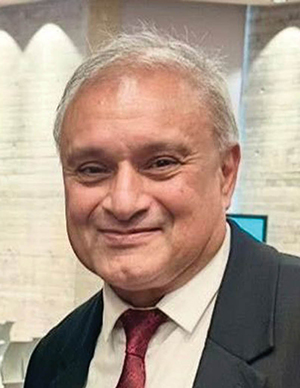
Dr. Shahzad Qureshi
In a world increasingly driven by recognition, social media validation, public admiration and the pursuit of personal success, we often forget one of life’s most profound truths: our true character is not defined by what we do in front of others, but by the choices we make when nobody is watching.
Character is the invisible foundation upon which integrity, trust, leadership and human dignity are built. It is not something we can purchase, inherit or manufacture through carefully presented public appearances. Rather, it develops through everyday decisions, particularly those moments when doing the right thing offers no reward, recognition or applause.
We live in an age where achievements are celebrated instantly, generosity is frequently publicised, and success is measured through popularity and influence. Yet genuine goodness requires no audience. A person who helps someone in difficulty without expecting gratitude demonstrates a deeper understanding of humanity than someone who performs charitable acts merely to attract attention.
Similarly, honesty becomes meaningful when dishonesty could offer personal advantage without the risk of being discovered. Integrity is choosing fairness when injustice would be easier, remaining loyal when betrayal would be convenient, and keeping promises even when circumstances become challenging.
These seemingly small decisions reveal the true strength of an individual’s moral compass.
Leadership provides another powerful example. A genuine leader does not demonstrate greatness through titles, authority or public recognition alone. True leadership emerges through accountability, compassion, humility and the courage to make difficult decisions for the greater good.
The most respected leaders are often those who quietly support others, share opportunities, acknowledge mistakes and stand by their principles even when doing so comes at a personal cost.
Our society desperately needs more individuals who understand that reputation and character are not necessarily the same. Reputation reflects what people believe about us; character represents who we truly are.
Reputation may open doors, but character determines whether we deserve to remain behind them.
This principle extends beyond professional leadership into family relationships, friendships and community life. How we treat people who cannot offer us anything in return speaks volumes about our values. Respecting a stranger, supporting someone experiencing hardship, acknowledging another person’s contribution and showing kindness without expectation are powerful expressions of genuine humanity.
Importantly, character is not established through one extraordinary gesture. It is cultivated through hundreds of ordinary decisions, repeated consistently throughout life.
Every day presents opportunities to choose between convenience and conscience, selfishness and generosity, pride and humility, silence and moral courage.
Ultimately, success without integrity is fragile, influence without compassion is hollow, and recognition without substance is temporary.
The greatest legacy we can leave behind is not simply the wealth we accumulate, the positions we occupy or the applause we receive. It is the trust we inspire, the lives we positively influence and the principles we uphold.
When the audience disappears, the cameras stop recording and the applause fades, what remains is our character.
And that, more than anything else, defines the true measure of a human being.
