Bureau Report
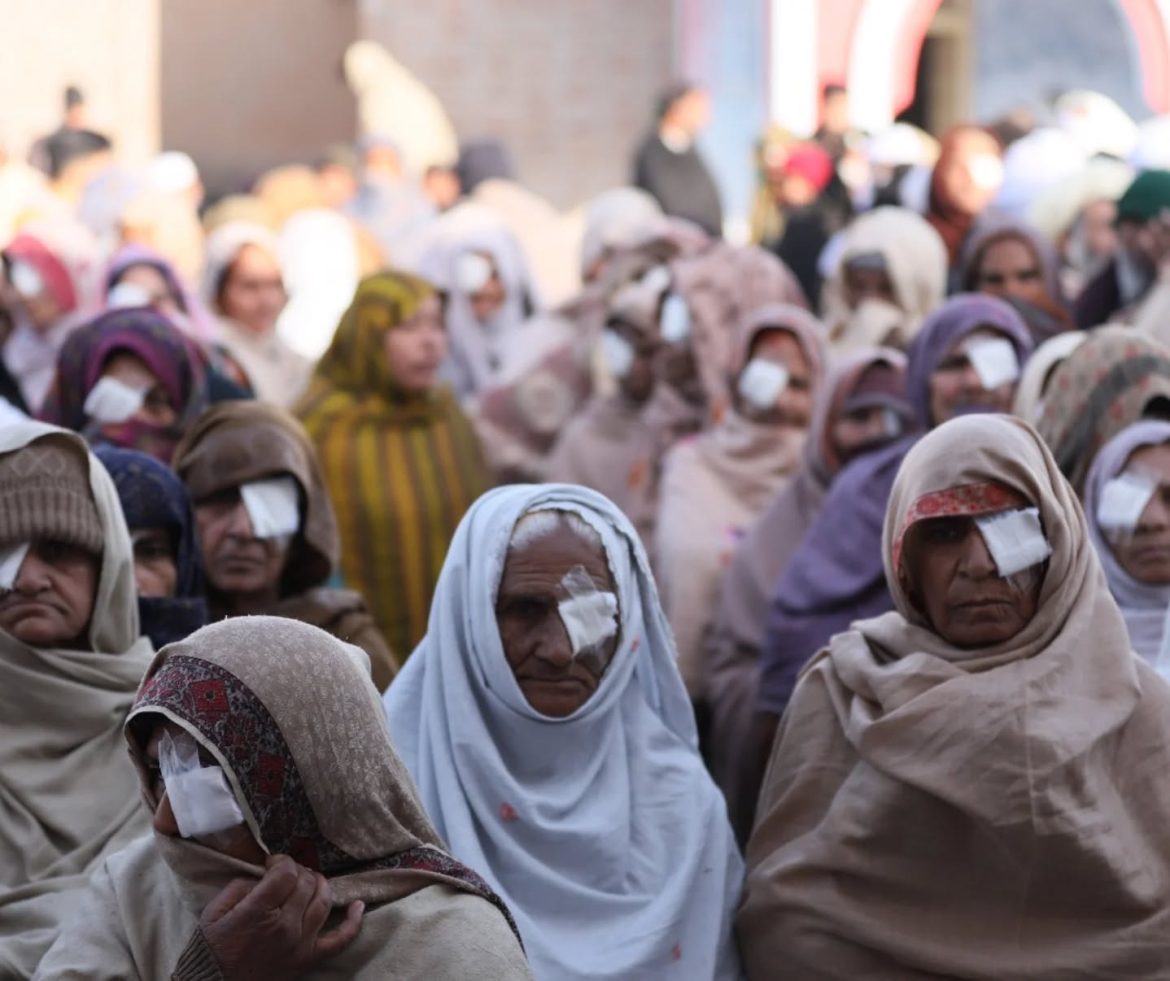
Al Mustafa Welfare Trust has successfully conducted two major free eye camps in Kotli and Mansehra, providing critical eye care services, surgeries and medical screening facilities to hundreds of deserving patients.
According to progress updates released by Al Mustafa-Pakistan, the first camp was organised at Sultani Eye Hospital on 4 May 2026. During the camp, a total of 429 patients received outpatient consultation services, including 231 women and 198 men. Doctors also performed 89 successful eye surgeries, benefiting 44 female and 45 male patients.
Comprehensive medical screening was also carried out during the Kotli camp, where 101 patients underwent HCV, HBsAg and HIV tests. Among them, three patients tested positive for Hepatitis C, while no positive cases of Hepatitis B or HIV were reported. Medical teams also identified 13 diabetic patients requiring additional care and monitoring.
The second free eye camp was held on 11 May 2026 at Al Mustafa Hospital Dhodial, where hundreds of patients from surrounding areas received free eye examinations and treatment. The camp recorded 330 OPD patients, while doctors carried out 54 successful eye surgeries.
During the Mansehra camp, 65 patients underwent HCV, HBsAg and HIV screening tests. Two individuals tested positive for Hepatitis C, while no cases of Hepatitis B or HIV were detected. Medical teams also identified 12 diabetic patients. In addition, 185 patients were provided with free vision glasses and spectacles to improve their eyesight and daily quality of life.
Al Mustafa officials said the organisation remains committed to delivering quality healthcare services to underserved communities across Pakistan and Azad Kashmir, particularly through free medical camps aimed at preventing blindness and improving public health in remote areas.
The camps were coordinated by Wahid Bakhsh, who highlighted the growing need for accessible eye care facilities in disadvantaged communities.
News
Bureau Report
Manchester
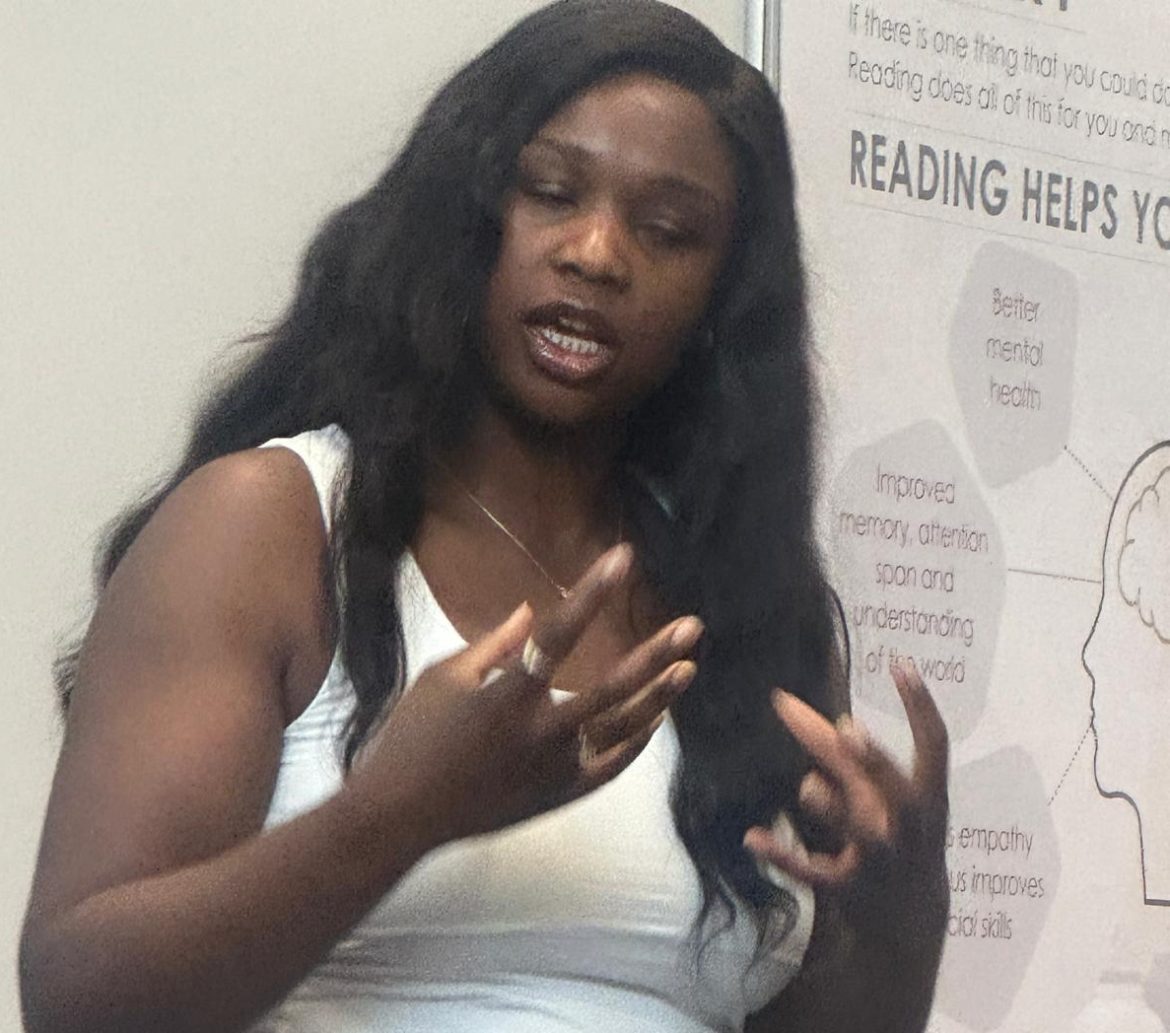
A coffee morning was held at Dean Trust Ardwick School in Manchester, a large number of teachers and parents attendant the event. Prominent speakers including Shazia Qasim and Gloria addressed the gathering.
Miss Shazia said that Dean Trust will host “Manchester Day.” Children and parents will wear traditional cultural dress, perform drum presentations with their national flags, and share stories in their native languages on this occasion. Miss Shazia further announced that the school management is also planning a “Ladies Night” exclusively for women. She explained that no cameras, boys or gentlemen would be allowed at the event to provide a comfortable environment for ladies.
Gloria, a motivational speaker and founder trustee of Access Beyond, delivered a presentation on how parents can better support and guide young children. She said children should begin planning their future journeys early, adding that knowledge is power and that a positive attitude plays a vital role in a child’s success. Gloria also highlighted the discipline, study habits and attitudes often seen among grammar school students. She explained that her organisation offers support programmes aimed at encouraging students to speak confidently and participate in training workshops, conferences and apprenticeship opportunities, while also helping to build better understanding between parents and children. Gloria added that there are 350 jobs are available in NHS for young students to explore and develop their talents.
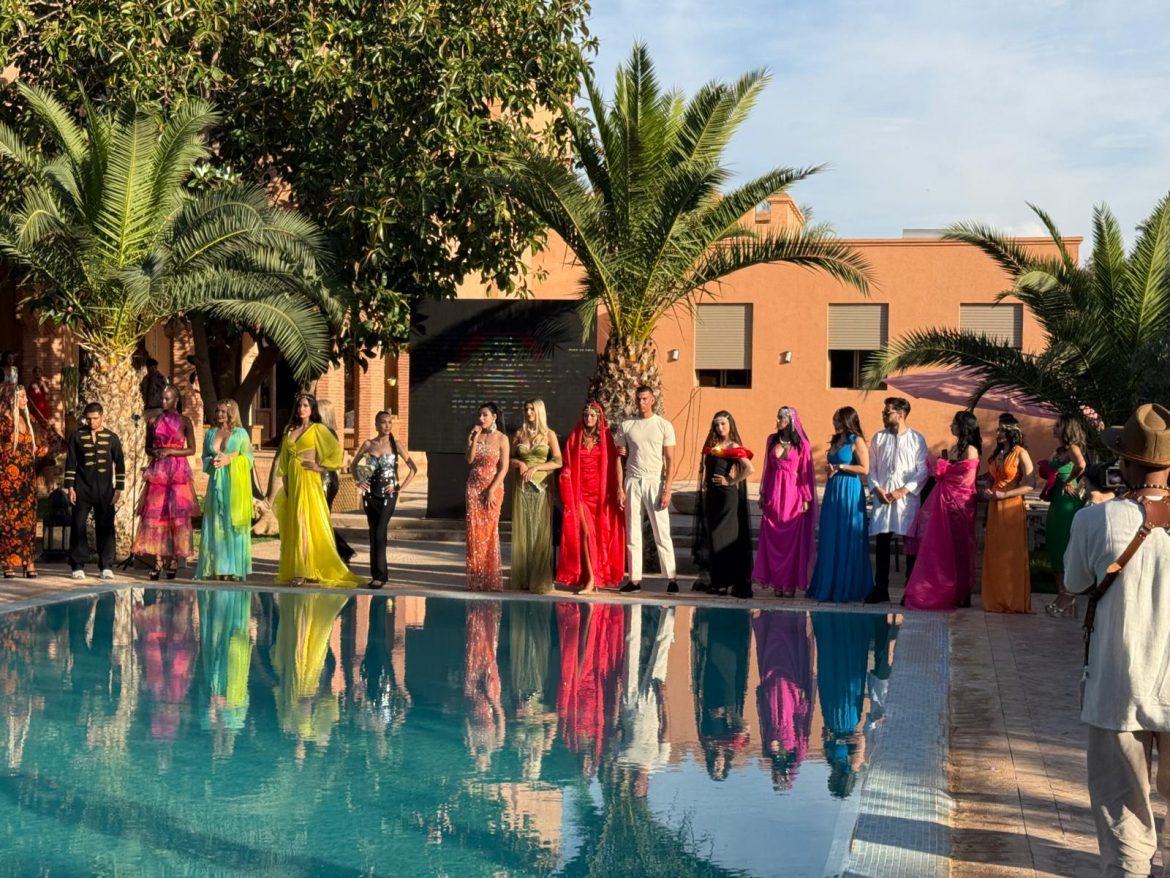
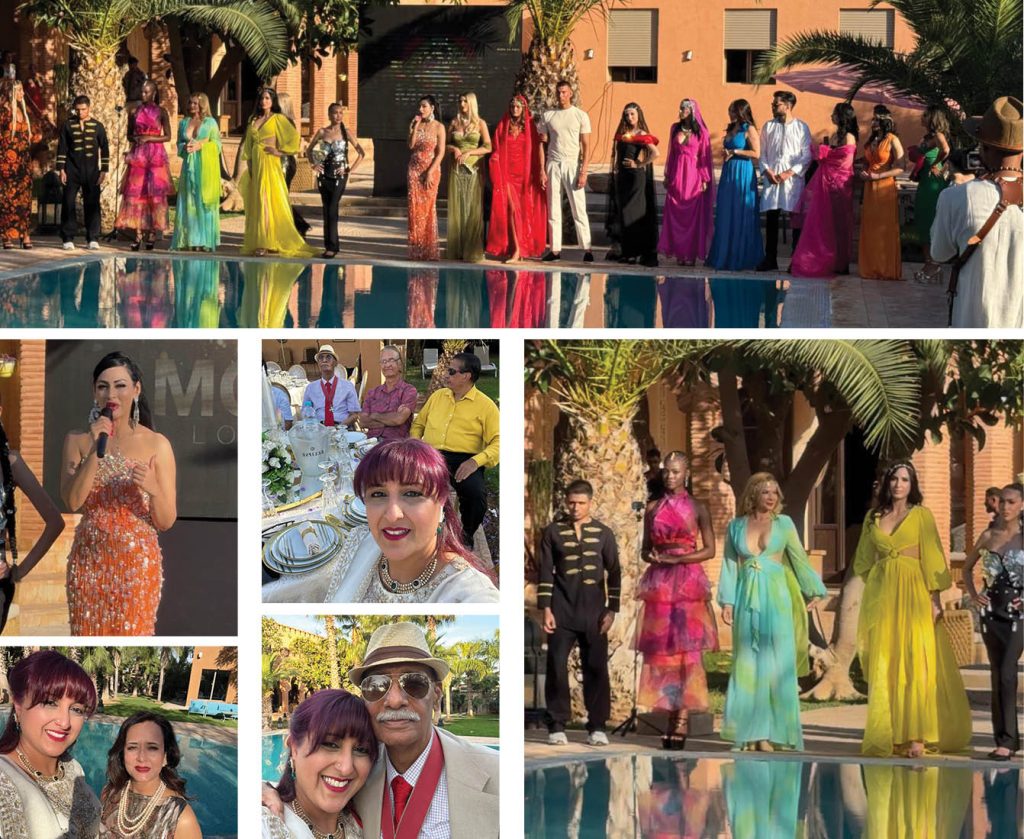
Actress’ dress made from 500 double loaves at awards ceremony ‘What better place to promote a business than this’ On Africa’s biggest night of film and fashion, celebrities, filmmakers and creators arrived in Nigeria in style for the 12th edition of the Africa Magic Viewers’ Choice Awards.
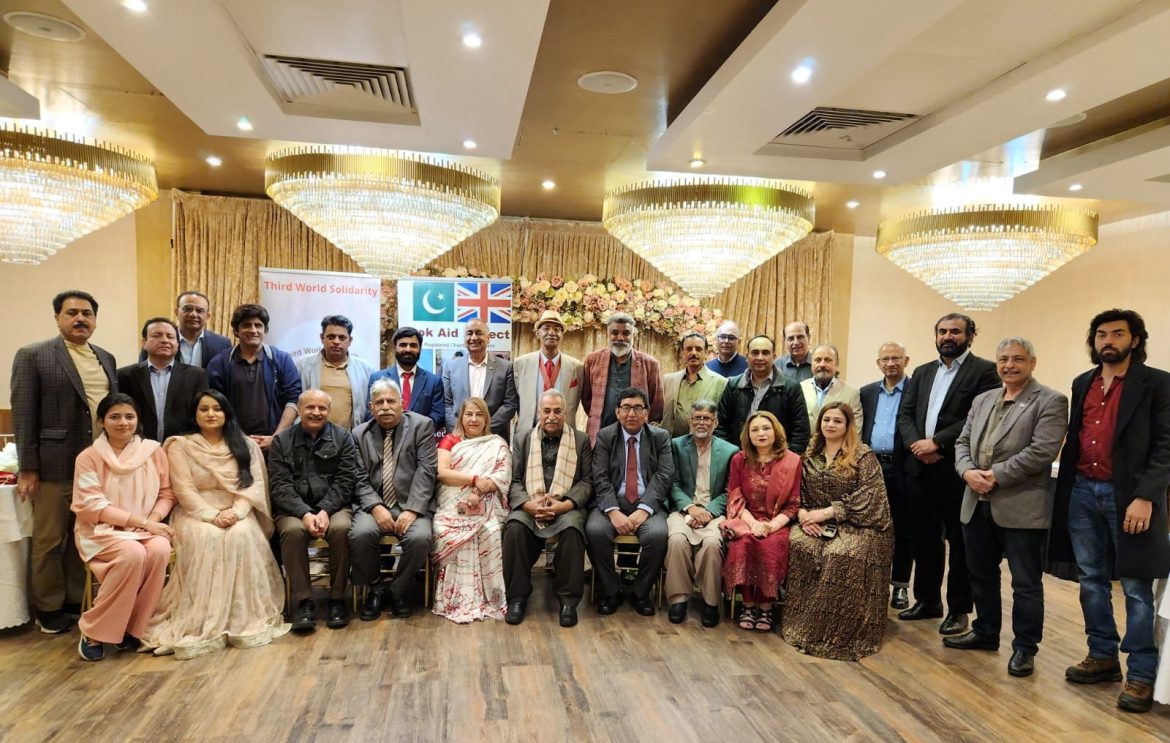
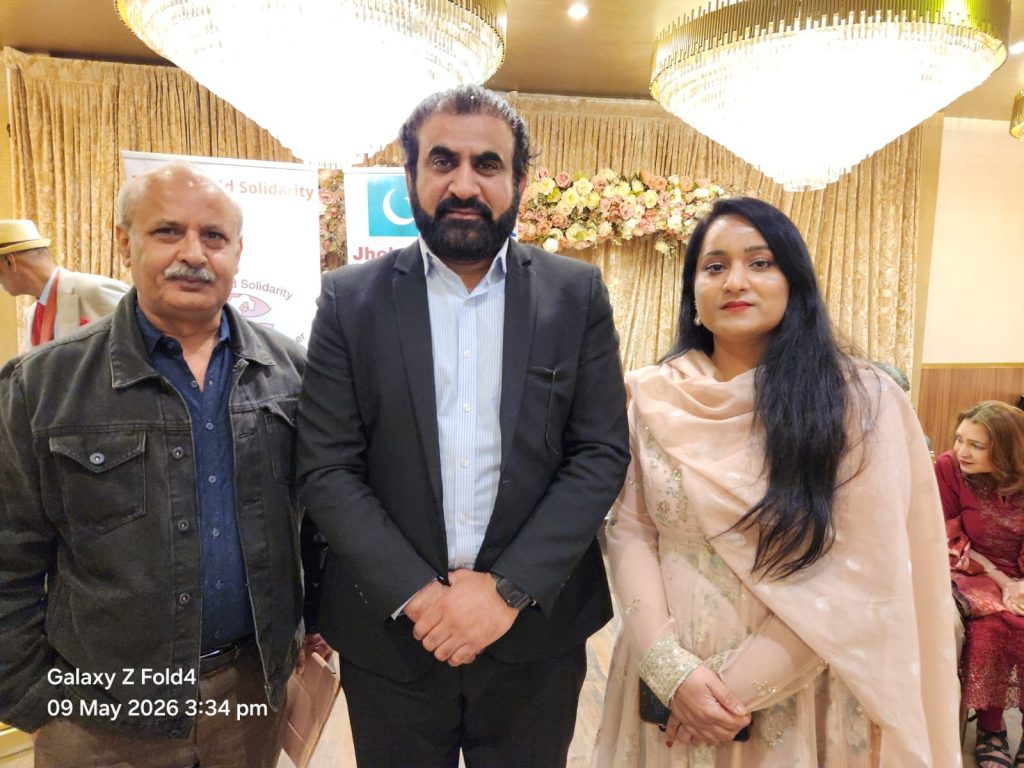
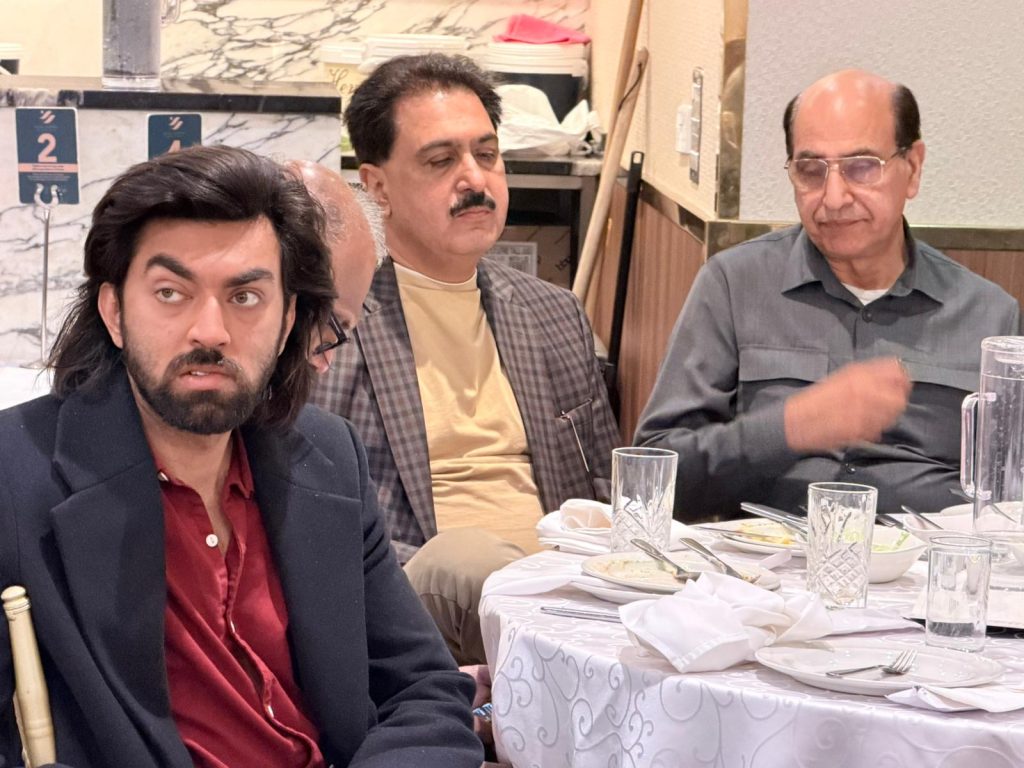
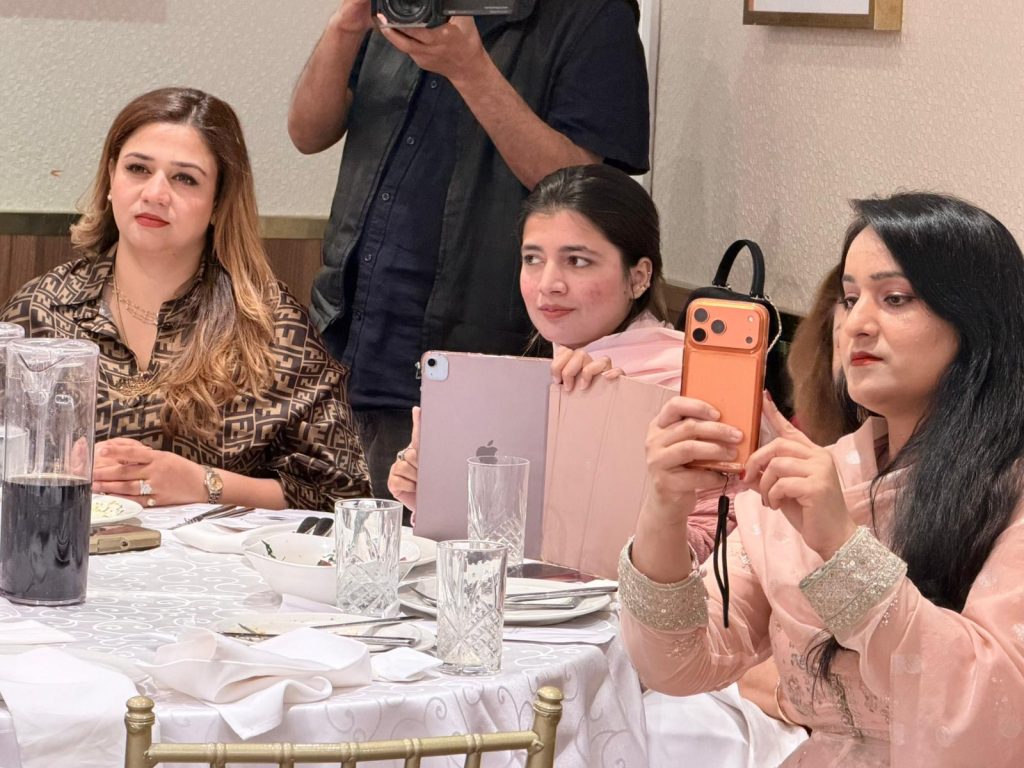
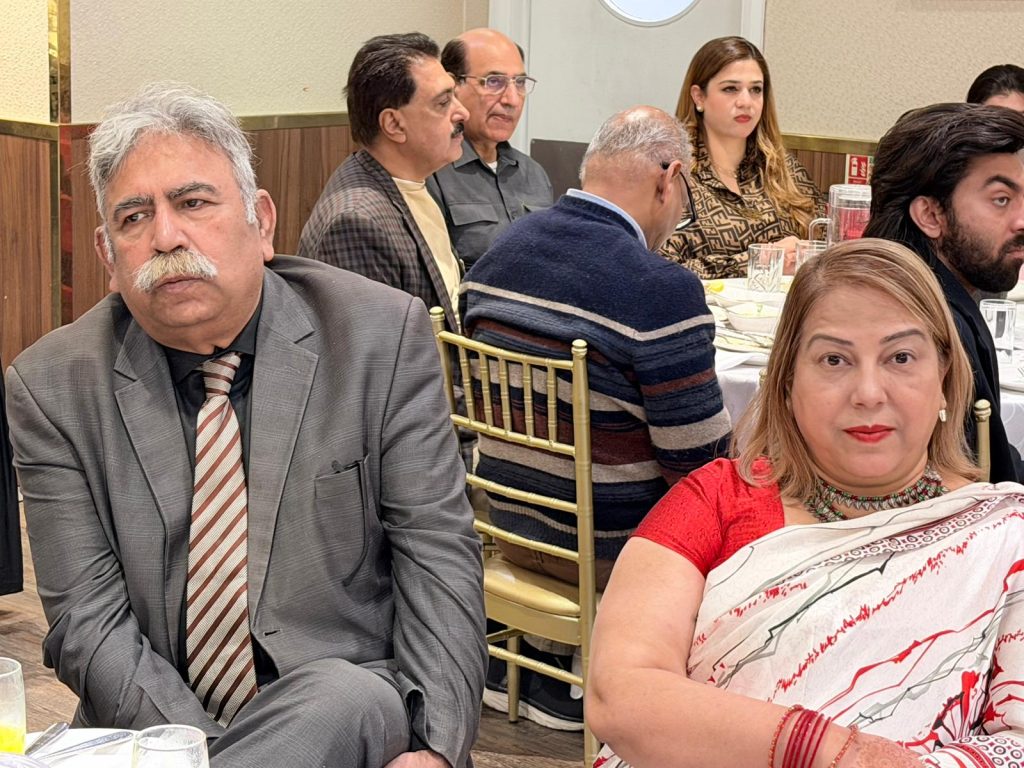
“Third World Solidarity” luncheon in honour of Mudassar Iqbal Butt and other dignitaries at the conclusion of the successful Punjabi conference
Wasim Kazmi
London
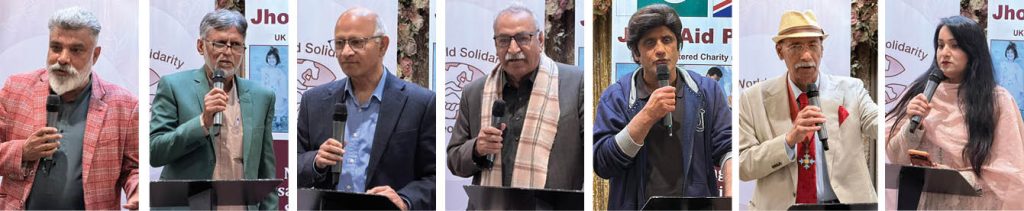
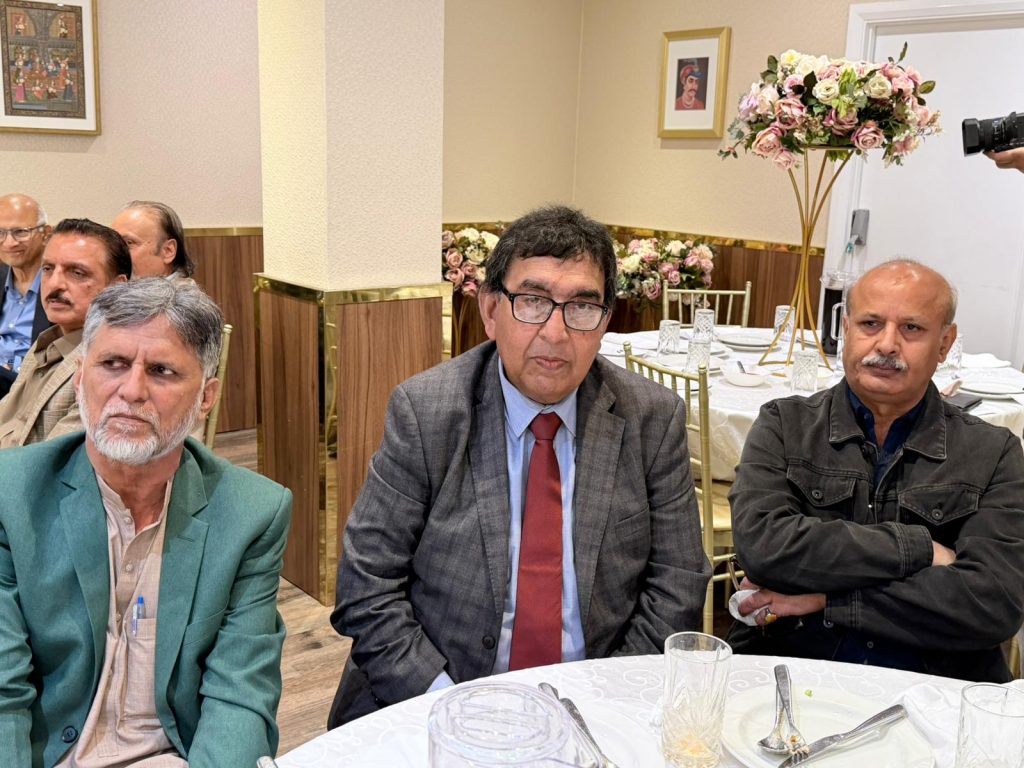
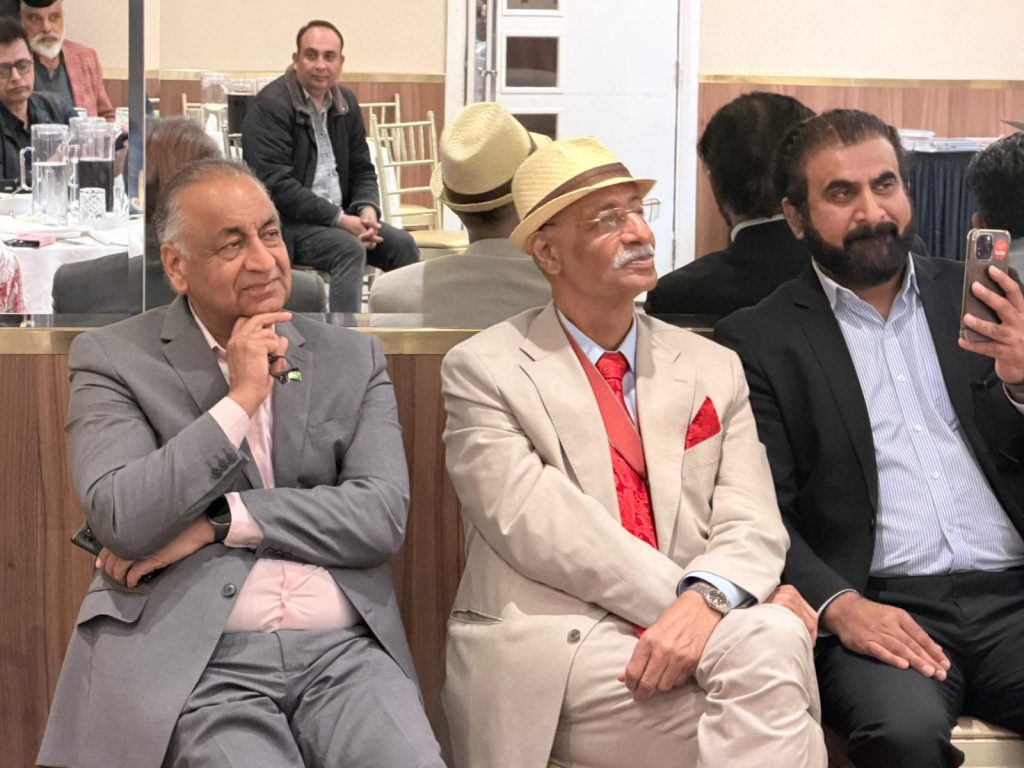
To congratulate the leaders and management of the second successful three-day International Punjabi Conference in Manchester, Third World Solidarity’s founding chairman Mushtaq Lasharie hosted a luncheon in honour of Punjabi Union’s President Mudassar Iqbal Butt, Professor Zahid Hassan, Sabir Raza, Mansoor Afaq, and Punjabi poet Abdul Quddus Kaifi at a local hotel in West London. Local journalists, including prominent figures from Punjabi literature, attended the event and congratulated Mudassar Iqbal Butt and his team on holding the second three-day Punjabi Conference in the UK.

On this occasion, the participants also discussed in detail the promotion of Punjabi culture in the UK and the promotion of the Punjabi language for many years. The speakers, while talking to the participants, said that Punjabi language is one of the ancient languages of the world which is still proving its importance in the modern era. They said that millions of people from East and West Punjab around the world are connected to their mother tongue and somehow keep introducing the new generation to Punjabi culture and language. However, millions of families living abroad do not have enough time to regularly transfer their culture to their new generation. This is why such conferences and fairs are the best way where they can involve all the members of their family.
Regarding Pakistani Punjab Tanveer Zaman, Mansoor Afaq, Sabir Raza, Wajahat Ali Khan, Mushtaq Lasharie, Shagufta Gummi and Mian Saleem said that in our Punjab, families are now moving away from their mother tongue, the main reason being that mother tongues, especially Punjabi, are not given importance at the state level, while individuals are also moving away from their mother tongue, which is so pity indeed. However, the importance and historical background of mother tongues cannot be ignored, nor can the mother tongue disappear.
While discussing Punjabi literature at the luncheon, Saqlain Imam, Professor Zahid Hassan, and other speakers said that Punjabi is sometimes a religious language and sometimes a cultural language, but the work that Sufiya Ikram has done in Punjabi literature in the Indian subcontinent is unparalleled, and with the help of this language, an atmosphere of brotherhood and sisterhood was established. They said that even today, Sufiya e Kram’s words are heard and sung in the form of Qawwali, which has its own special place.

The ceremony also emphasised the promotion of the Punjabi language and further work to meet the demands of the changing times, so that the process of speaking, writing, reading and learning can be advanced in view of modern requirements and it can be easy to transfer the mother tongue to the new generation.
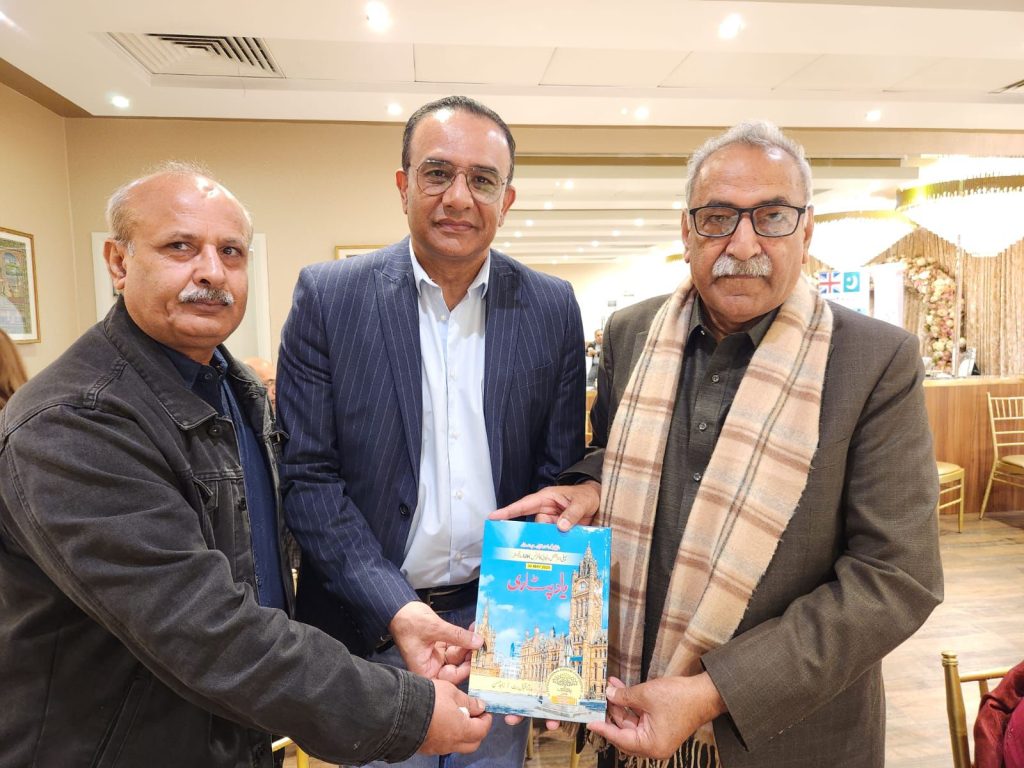
The chief guest of the event, Mudassar Iqbal Butt, while thanking the chairman of Third World Solidarity, Mushtaq Lasharie, said that it is not less than a blessing to have such an organisation in the UK where there is always a warm welcome, especially the expression of love for the Punjabi language and assurance of cooperation. He said that our top priority is to make Punjabi language mandatory in educational institutions of Punjab and we have been working on this continuously for many years and hope that the authorities of Pakistan will soon change the education system and give equal importance to the mother tongues of the four provinces and introduce Punjabi language and Sufi poetry, including its historical importance, in the curriculum at the official level in Punjab. He said that the upcoming Punjabi conference will be held in London so that the foundation of the Third Punjab, which has been laid in the UK, can be given the form of a building. Punjabi poets Sabir Raza, Shagufta Gummi, Abdul Quddus Kaifi, enthralled the participants with their Punjabi poetry and books of Professor Zahid Hassan, Sabir Raza, Saleem Gummi (late) were also distributed.
Chairman of “ Sanjha Wehra” Lord MK Pasha, Ghulam Hussain Awan, Sajjad Butt, Rafiq Mughal, Syed Muhammad Tariq, Wajahat Ali Khan, Mona Baig, Tahira Quddus, Aqsa Begum, Miss Momina, Councillor Amjad Tarar, Naeem Khan, Naufal Majid, Asif Saleem Mitha, Tariq Mustafa Khan, Sujeel Ahmed, Mian Saleem, and other personalities related to Punjabi literature and journalism living in London participated in this prestigious event and appreciated such gatherings and fairs with the help of which they remain connected to their land and mother tongue.
Labour Asians Society Praises Prime Minister Sir Keir Starmer’s Vision for Unity, Equality, and Britain’s Future
Staffa reporter
London
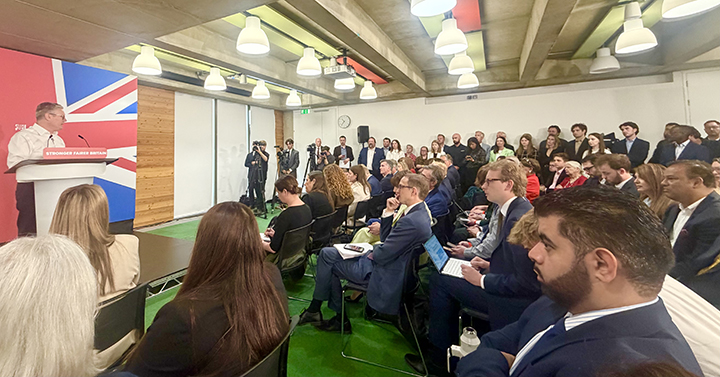
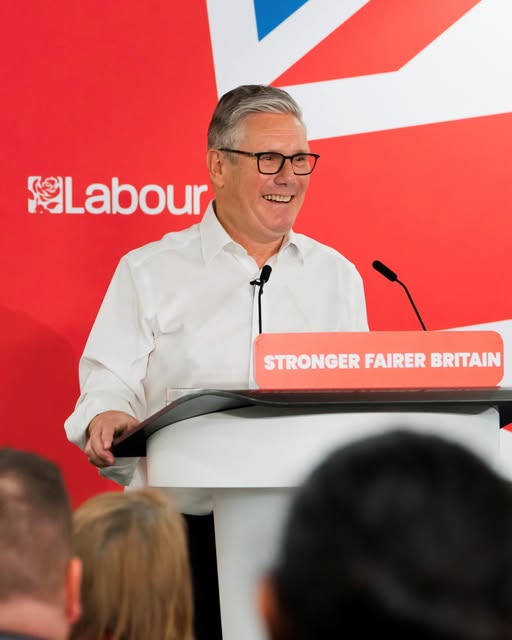
The Labour Asians Society today attended a special address delivered by the Prime Minister of Great Britain and Leader of the Labour Party, Sir Keir Starmer, describing the speech as “powerful, passionate, and inspiring” at a crucial moment for the country’s future.
The event brought together Members of Parliament, senior Labour Party figures, dignitaries, community leaders, friendship groups, social organisations, and representatives from diverse communities across the United Kingdom. Sir Keir Starmer received a warm and enthusiastic welcome from attendees before delivering a speech focused on national unity, economic recovery, community cohesion, and long-term progress for Britain.
Speaking after the event, a spokesperson for the Labour Asians Society said the Prime Minister’s message demonstrated the qualities of strong leadership during challenging times.
“Sir Keir Starmer’s speech reflected the leadership of a man who genuinely cares for his country and its people. His message was clear, work hard, remain positive, ignore negativity, and stay focused on building a stronger and fairer Britain for everyone,” the spokesperson said.
The Labour Asians Society stated that the Prime Minister’s words further strengthened its confidence in the Labour leadership and its commitment to delivering equality, opportunity, and stability for communities throughout the country.

“After hearing the Prime Minister speak today, our faith and belief in his leadership have become even stronger. We believe he will stand firmly for unity, equality, harmony, and the future of Britain. His commitment to communities and to creating opportunities for all people was evident throughout his speech,” the spokesperson added.
The organisation also addressed recent political challenges and local election outcomes, urging communities to remain patient and united while the Government continues addressing long-standing national issues.
“The recent local election results may not have been encouraging for Labour in some areas, and people may understandably feel disappointed. However, it is important to remember the difficulties and challenges built up over the last 15 years. Rebuilding a country takes time, commitment, and stability. The Labour Government deserves the opportunity to complete its term and demonstrate what it can achieve for the British people,” the statement continued.
The Labour Asian Society also called for greater community engagement and constructive dialogue, encouraging individuals and organisations to actively contribute ideas and solutions that can strengthen social unity and democratic values.
“We encourage people from all communities to engage positively, share their concerns, and offer constructive suggestions to Labour leadership and to the Prime Minister. Positive ideas create positive outcomes, and together we can help close gaps, strengthen communities, and build a more united society.”
The statement concluded with a call for unity against division and negativity.
“This is a time for communities to stand together in support of peace, equality, harmony, and democracy. Britain’s future must be built on unity and mutual respect, not division or hatred. We must reject negativity and continue working collectively for a stronger and brighter future for all people across the United Kingdom.”
UK police dismantled hundreds of “County Lines” drug networks in a nationwide crackdown, with over 2,000 arrests and 335 drug lines shut down.
In Birmingham, nine gang members linked to a multimillion-pound County Lines operation were jailed for more than 60 years combined.
New UK legislation announced today targets child criminal exploitation and “cuckooing” linked to County Lines gangs.
London Underground workers are planning additional Tube strikes across May and June 2026, affecting several major lines.
UK financial markets were shaken today as pressure mounted on Prime Minister Keir Starmer, with borrowing costs hitting their highest since 1998.
The UK government is continuing rollout of its Electronic Travel Authorisation (ETA) border system for international visitors.
Joe Lieberman remained in headlines after his death in March 2024, especially regarding the centrist political group “No Labels” and its impact on the 2024 U.S. election.
Israeli security figure Inbal Rabin-Lieberman was featured in a new TV drama about the October 7 Hamas attacks and the Gaza war.
Evan Lieberman discussed climate change and ethnic politics in Africa in a 2024 MIT interview.
Susan Lieberman commented on a major UN report warning about declining migratory species.
The Gaza war and regional conflict expansion.
Climate disasters and global migration concerns.
Here are 10 major world news developments making headlines recently:
Fighting between Iran, Israel, and the U.S. continues to raise fears of wider regional conflict in the Middle East.
The global economy faces slower growth in 2026 because of war risks, inflation, and tighter financial conditions, according to the IMF.
The United Arab Emirates officially left OPEC, creating major changes in global oil politics and energy markets.
The 2026 FIFA World Cup is facing political and visa tensions linked to U.S.–Iran relations and international security concerns.
NASA’s Artemis II mission became the first crewed mission beyond low Earth orbit since Apollo 17.
The World Economic Forum in Davos focused on geopolitical conflict, AI, trade wars, and climate risks.
The World Health Organisation reported a hantavirus outbreak linked to cruise ship travel, including deaths and severe illness cases.
Food insecurity and displacement remain severe worldwide, with over 85 million displaced people affected by hunger crises.
Air pollution in Chiang Mai, Thailand, reached dangerous levels during the seasonal burning crisis.
Global trade tensions, rare earth competition, and supply-chain disruptions continue reshaping international politics and business.
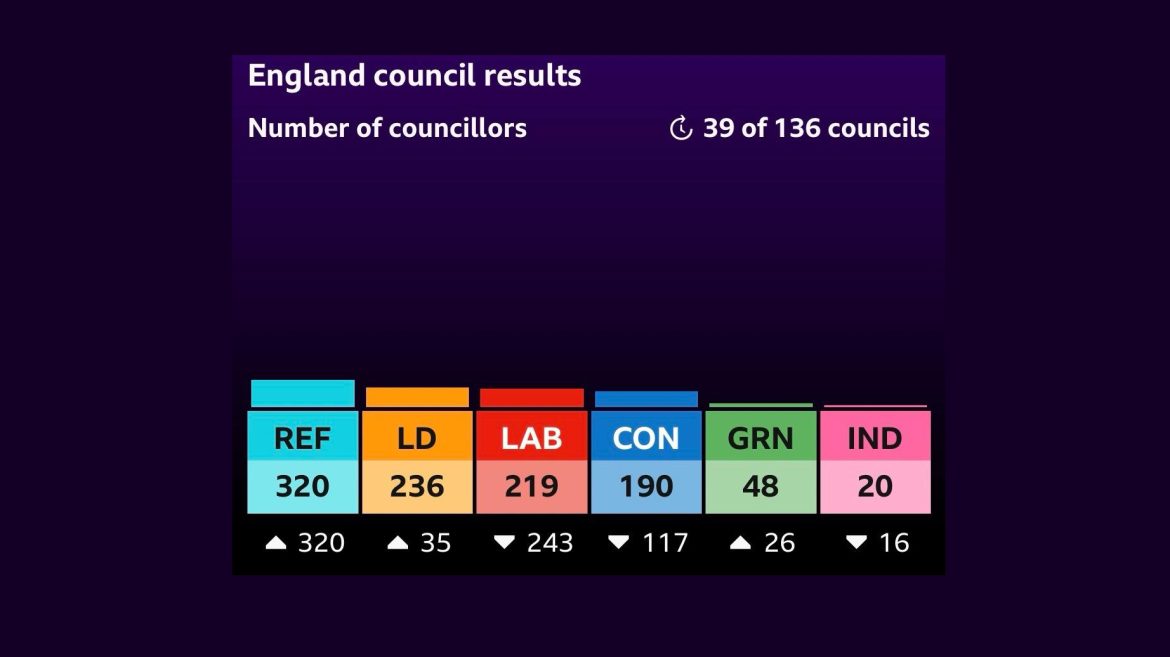
Reform Big Winner, Labour & Tory Big Loser, Lib Dem and Green also gained
The 2026 local elections in England are still being counted, but the results so far point to a major political realignment rather than a normal mid-term protest vote
Staff reporter
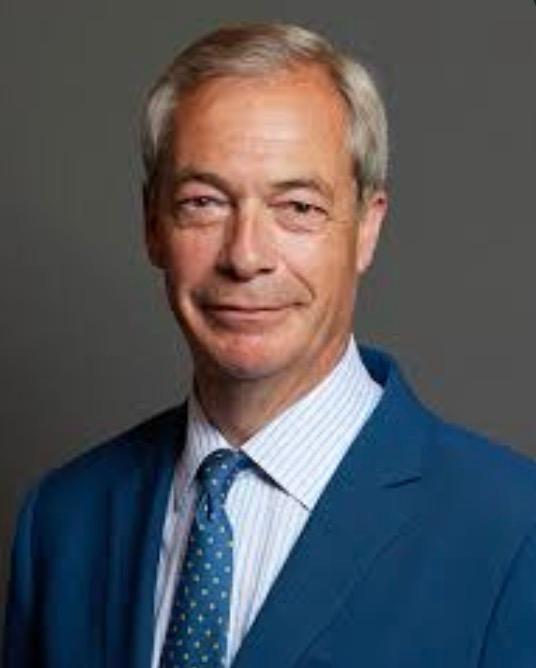
Reform UK is the big winner of the night. Nigel Farage’s party has made major gains in northern and Midlands councils, especially in former Labour “red wall” areas. Reform has already taken or heavily advanced in places such as Hartlepool, Tamworth, Halton and parts of Greater Manchester.
Labour Party is suffering severe losses despite being in government for less than two years. Labour is losing councillors in many of the areas that helped deliver its 2024 general election victory. Some Labour MPs and local figures are already openly questioning Prime Minister Keir Starmer’s leadership.
Conservative Party is also continuing to weaken, though attention has focused more on Labour’s collapse because Labour was defending far more seats this cycle. Reform appears to be pulling significant numbers of former Conservative voters, especially in outer suburban and rural England.

Liberal Democrats are making quieter but meaningful gains, particularly in southern England and affluent suburban areas. They have reportedly taken control or strengthened positions in councils including Stockport and Richmond-upon-Thames.
Green Party of England and Wales is continuing to grow in urban and younger-voter areas, especially parts of London and university towns like Oxford and Exeter.
In London, early expectations suggest Labour may hold many boroughs but with reduced dominance. Polling before election day showed Labour vulnerable to both Green advances in inner London and Reform advances in some outer boroughs.
Analysts say the elections show the UK moving further away from a traditional two-party system. Instead, England now looks increasingly fragmented into:
Reform-dominated working-class and anti-establishment areas, Labour urban strongholds, Lib Dem suburban/southern territory and expanding green pockets.
One important caveat: counting is still ongoing, with thousands of council seats yet to be declared, so the final national picture may shift through the day.
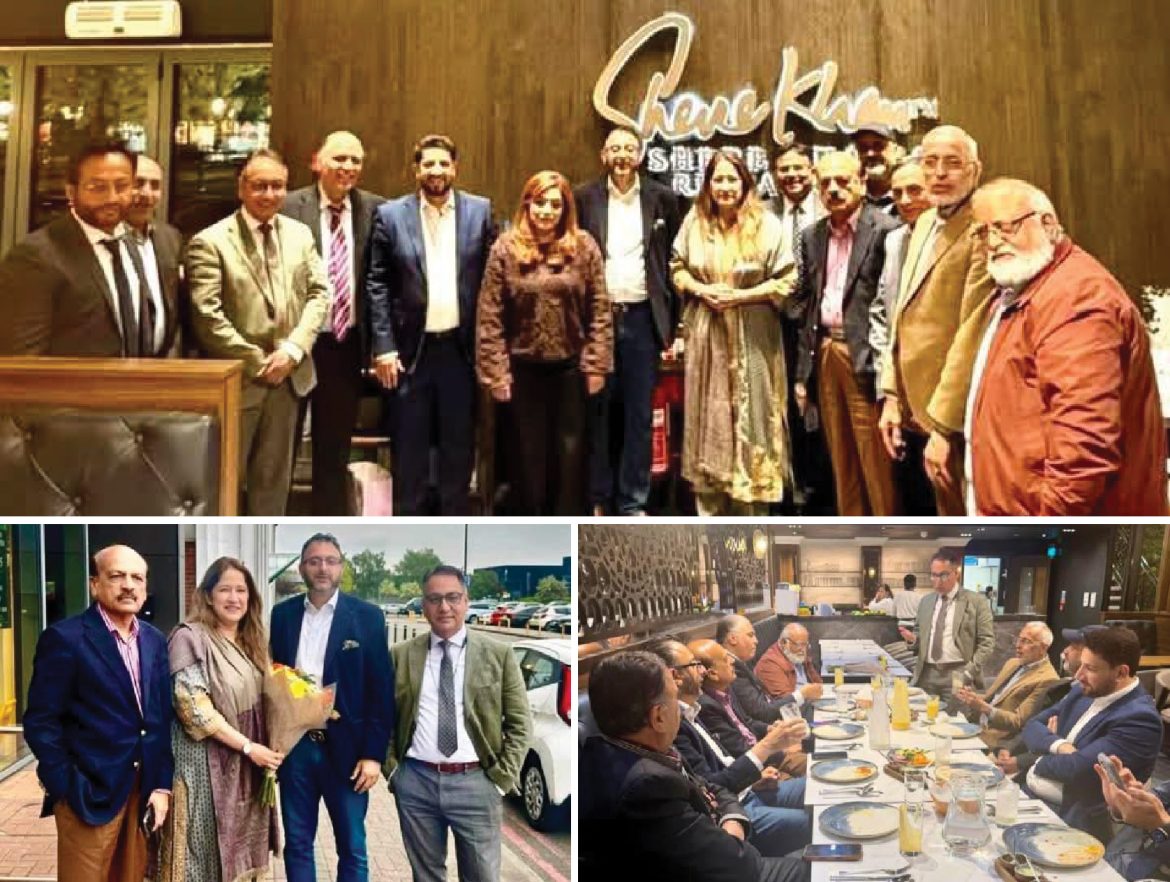
Former Deputy Mayor Borough of the Hounslow, Hina Mir presented flowers to Shafiq Rehman, General Secretary of Hounslow Jamia Mosque & Islamic Centre who is also recently appointed advisor to the President of Azad Kashmir, and gave a heartfelt reception in his honour, which was attended by host Samia Chaudhry, businessman, political and renowned social figure Raja Mazhar Hayat, Chairman of Hounslow Jamia Mosque Raja Javed Akhtar, renowned Barrister Zubair Awan, Barrister Arif Rehman, Solicitor Asim Salman, Muhammad Ajaib and Bahadur Khan.
London: Former Deputy Mayor Borough of the Hounslow, Hina Mir presented flowers to Shafiq Rehman, General Secretary of Hounslow Jamia Mosque & Islamic Centre who is also recently appointed advisor to the President of Azad Kashmir, and gave a heartfelt reception in his honour, which was attended by host Samia Chaudhry, businessman, political and renowned social figure Raja Mazhar Hayat, Chairman of Hounslow Jamia Mosque Raja Javed Akhtar, renowned Barrister Zubair Awan, Barrister Arif Rehman, Solicitor Asim Salman, Muhammad Ajaib and Bahadur Khan.
Wajahat Ali Khan
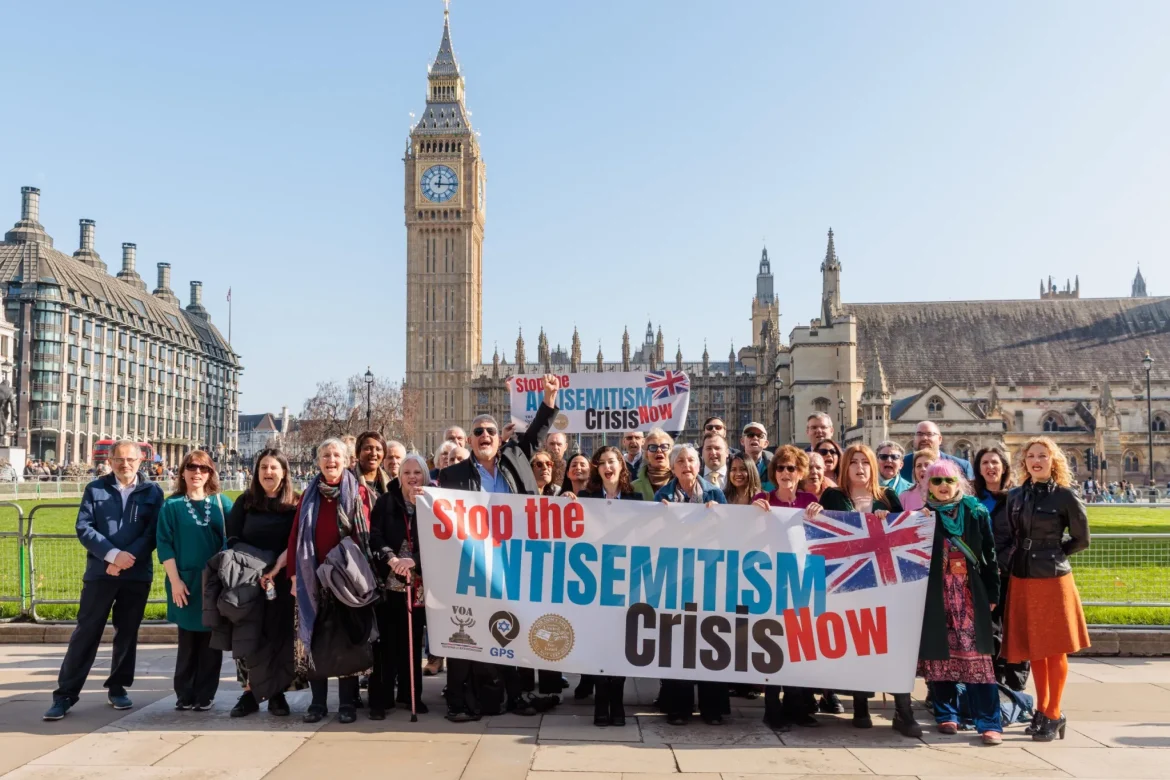
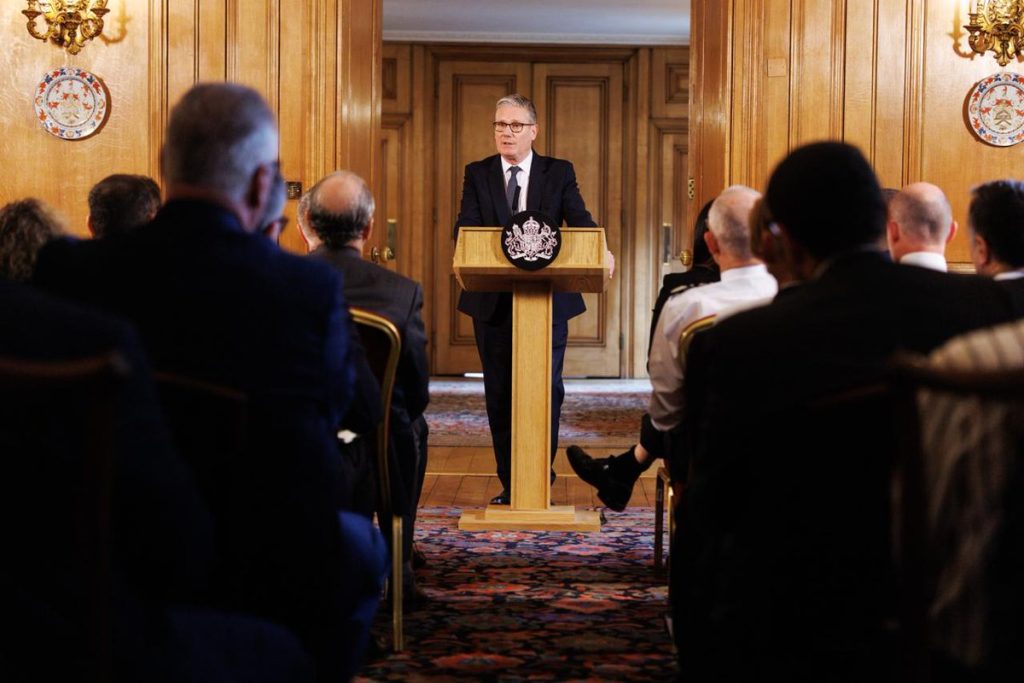
A major government-led summit on antisemitism has been convened in the UK amid a sharp rise in hate crimes and growing concern over the safety of Jewish communities. The meeting, hosted by Prime Minister Keir Starmer at Downing Street, brought together leaders from policing, education, business, and civil society to coordinate a national response to what officials describe as an escalating crisis. The summit follows a surge in antisemitic incidents across London and beyond, including violent attacks, arson attempts on synagogues, and a recent stabbing treated as terrorism. Authorities reported that antisemitic hate crimes in the capital reached a two-year high in April, prompting urgent calls for action.

Opening the summit, Starmer urged institutions to “act with urgency” in tackling antisemitism, announcing new measures aimed at strengthening accountability. Universities will be required to audit and report incidents on campus, while arts and cultural organisations could face funding cuts if found to be promoting hate. Law enforcement agencies are also stepping up their response. Prosecutors have been instructed to fast-track hate crime cases, while police are deploying specialist units to protect Jewish communities, including counter-terrorism support.
Community leaders welcomed the summit but warned that stronger and more immediate measures may be needed. Some have called for tougher legislation against extremist groups and greater oversight of public demonstrations accused of inciting hatred.
The summit reflects wider global concern, with international reports showing rising antisemitic violence in recent years. Experts at the meeting stressed the importance of coordinated efforts across sectors to address both online and offline hate. As the UK grapples with what some politicians have described as a “national emergency,” the outcomes of the summit are expected to shape long-term policy aimed at safeguarding Jewish life and countering extremism in all its forms.