By Sajjad Azhar;
Islamabad;
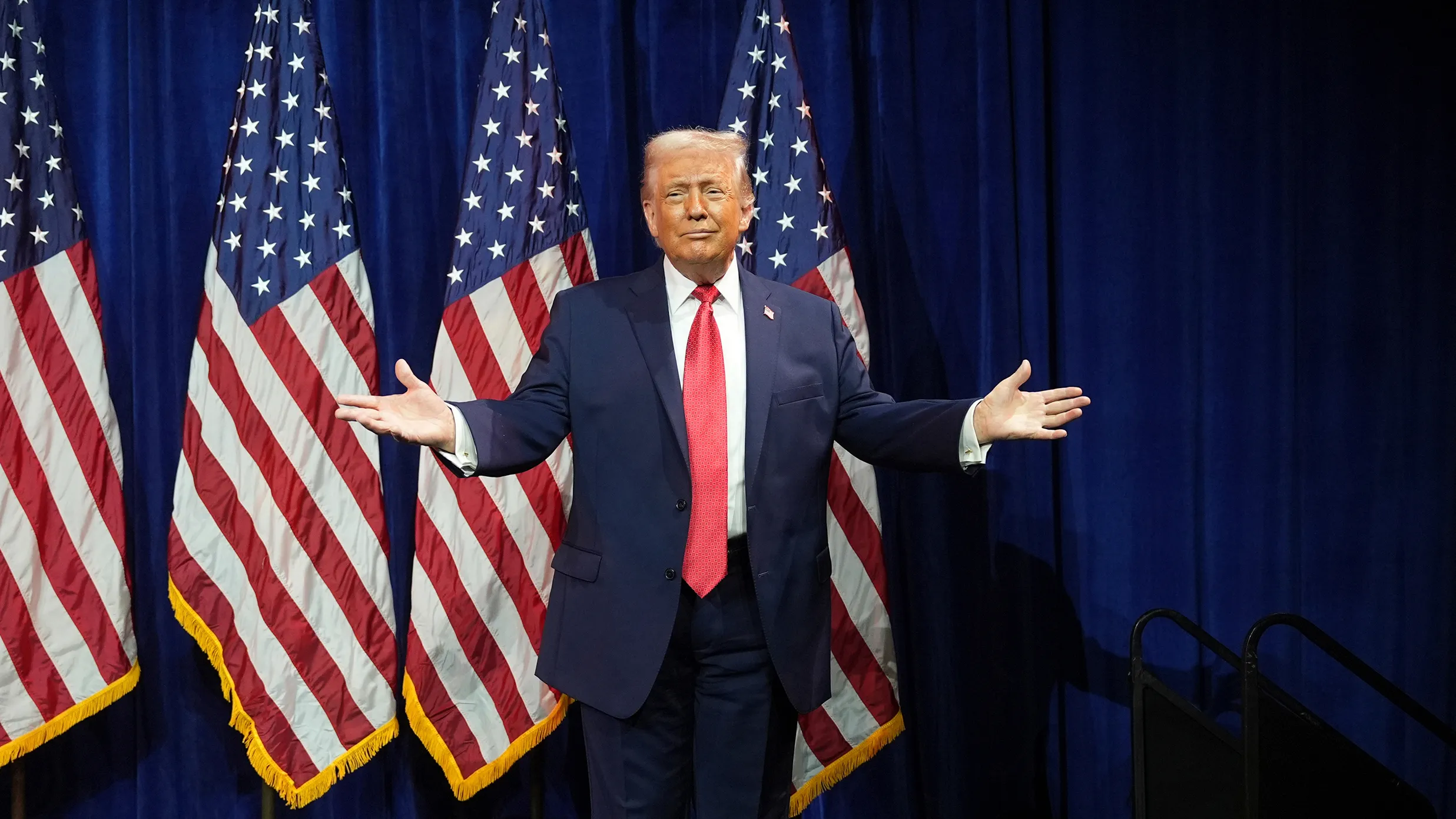
The White House recently confirmed that President Donald Trump is considering multiple options — including military force — to secure control of Greenland, declaring it a U.S. national security priority. Analysts say this reflects a broader strategic push for American dominance across both American continents — a policy critics have labelled the “Donroe Doctrine.”
The idea traces back to the 1823 Monroe Doctrine, under which the U.S. warned European powers not to expand into the Western Hemisphere. Over time, it became the justification for repeated U.S. interventions in Latin America. Although President Obama declared the policy “over” in 2013, Trump formally revived hemispheric dominance in his National Security Strategy — with supporters such as J.D. Vance and Steve Bannon calling it essential for countering China and Russia.
China’s Belt and Road Initiative now includes 22 out of 33 Latin American countries, while Russia maintains close ties with Cuba, Venezuela and Nicaragua. Although the U.S. remains the largest foreign investor in the region, Washington is particularly worried about China’s growing role in rare-earth minerals and trade routes such as the Panama Canal.
Trump has coupled tough rhetoric with tariffs, political pressure and selective financial support. Argentina received a major bailout before elections; a left-wing government in Bolivia fell; Chile elected a right-wing leader close to Trump’s policy line; Nicaragua faces 100% tariffs; Cuba and Colombia have been threatened; Venezuela’s leadership has faced direct U.S. action; and Mexico remains under economic pressure. Greenland, analysts warn, may be next.
Critics argue the Donroe Doctrine amounts to modern-day neo-colonialism, aiming to turn Latin American states into U.S. protectorates. Supporters counter that America must control its own hemisphere to remain a global power.
Either way, the doctrine is reshaping geopolitics in the Americas — and the world is watching closely.
62