By Sajjad Azhar:
Islamabad/Rome:
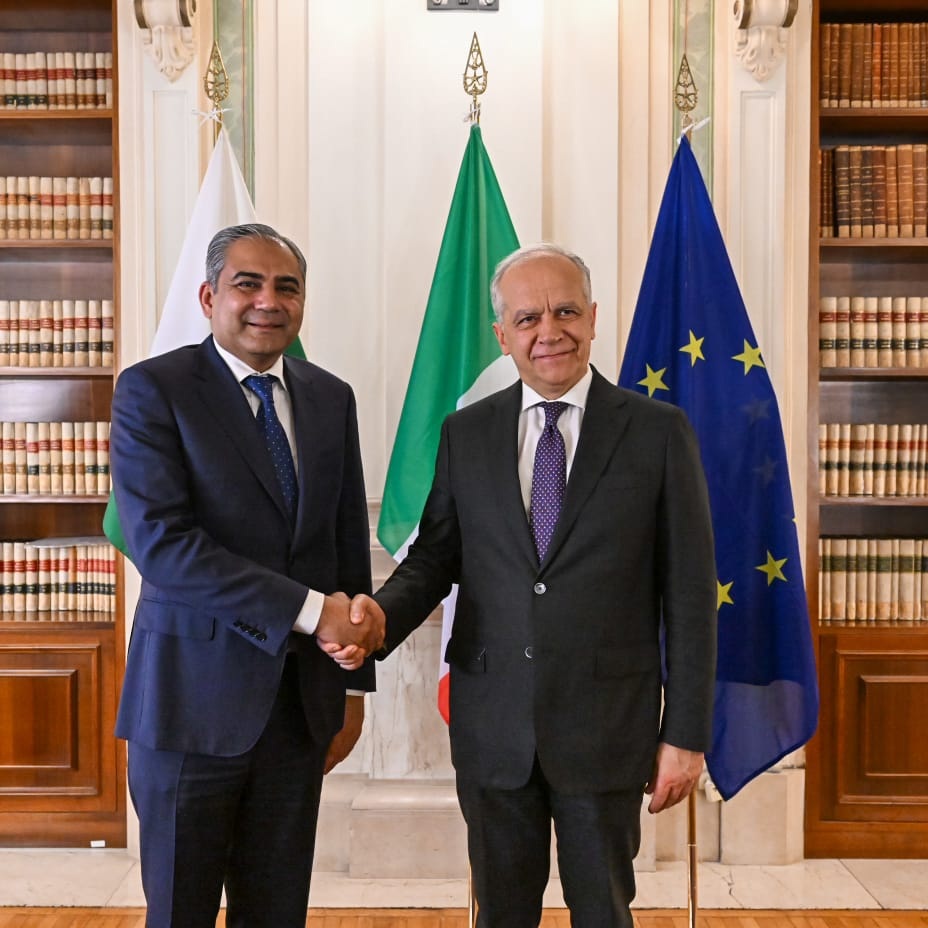
In what is being described as a positive development for overseas employment, Italy has agreed to issue 10,500 work visas to Pakistani nationals. The announcement followed a meeting between Pakistan’s Interior Minister Mohsin Naqvi and his Italian counterpart Matteo Piantedosi.
According to a press statement issued by Pakistan’s Ministry of Interior, the initiative aims to promote legal pathways for skilled Pakistani workers while discouraging irregular migration. The development comes amid growing concerns over human smuggling networks and the tragic deaths of migrants attempting to reach European shores through dangerous sea routes.
The Italian side is understood to expect stronger cooperation from Pakistan in curbing illegal migration in return for expanding lawful employment opportunities.
Pakistan’s Overseas Employment Landscape
Pakistan’s overseas employment sector plays a crucial role in the national economy. According to the Bureau of Emigration and Overseas Employment, nearly 14.8 million Pakistanis have gone abroad for work since 1971. The majority have been absorbed by Gulf countries, particularly Saudi Arabia and the United Arab Emirates.
In Europe, the United Kingdom remains the leading destination for Pakistani workers, followed by Italy and Greece. Official data indicates that over 32,000 Pakistanis have moved to Italy for employment over the years.
The State Bank of Pakistan reported that overseas Pakistanis remitted approximately $38 billion during the fiscal year 2025, with projections suggesting remittances may reach $41 billion by the close of the current fiscal year.
Not the First Announcement
This is not the first time Italy has committed to offering work visas to Pakistanis. In May last year, during a visit to Islamabad, the Italian Interior Minister signed a memorandum of understanding providing for 3,500 annual work visas for three years.
Similarly, earlier diplomatic engagements saw Belarus offering up to 150,000 work visas to Pakistanis. However, questions remain about the pace of implementation of such agreements.
Structural Bottlenecks Remain
Despite the encouraging announcements, stakeholders in Pakistan’s overseas employment sector point to structural challenges. Former Chairman of the Overseas Employment Promoters Association, Sarfraz Zahoor Cheema, told London Post that while European demand exists in countries such as Greece, Bulgaria, Serbia, Portugal, and Poland, bureaucratic complexities in Pakistan continue to hinder progress.
He noted that one of the primary issues is delays in visa interview appointments at European embassies, forcing many applicants to rely on agents who charge exorbitant fees. Additionally, concerns over offloading of passengers at airports under anti-smuggling measures have reportedly created uncertainty among foreign employers.
Cheema added that approximately 70,000 skilled and semi-skilled workers leave Pakistan every month, with nearly 70 percent heading to Saudi Arabia.
Legal Migration vs. Ground Realities
While the Italian announcement has been welcomed as a diplomatic success, experts caution that translating agreements into actual departures will require streamlined procedures, transparent recruitment mechanisms, and better coordination between government institutions.
For thousands of young Pakistanis seeking better economic prospects abroad, the promise of 10,500 Italian work visas offers hope — but whether this opportunity materialises smoothly remains to be seen.
45