Analysis
Saif Ali Khan:
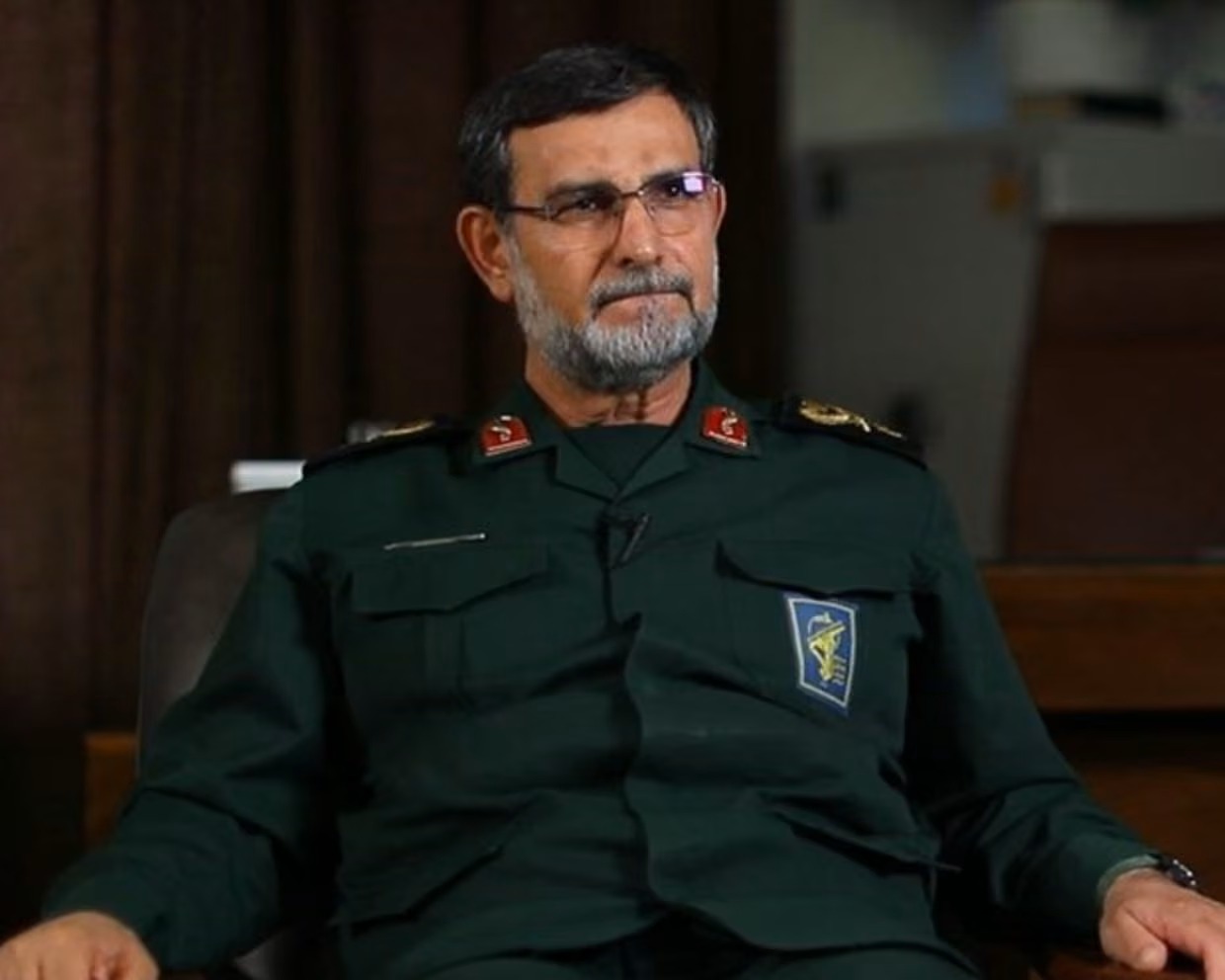
The ongoing conflict between Iran and the United States reflects a complex reality where war and the desire for peace exist at the same time as Israel says yesterday that it has killed an Iranian navy chief overseeing the blockade of the Strait of Hormuz, one of the world’s busiest oil shipping channels. Meanwhile, US President Donald Trump says Iran has been “militarily obliterated” and its negotiators have been “begging” to make a deal – Iran has denied that talks with the US are taking place.
The 2026 confrontation did not emerge suddenly it is the result of decades of mistrust, political rivalry, and disputes over nuclear power and regional influence. The conflict escalated into direct military action when the U.S., alongside allies, launched large-scale strikes on Iranian targets, prompting strong retaliation across the Middle East.
On one side, the logic of war is driven by security concerns and power. The United States aims to limit Iran’s nuclear and military capabilities, while Iran seeks to defend its sovereignty and assert regional influence. At the same time, there is a parallel desire for peace. Even amid ongoing strikes and threats, both sides have explored ceasefire proposals and indirect negotiations through intermediaries. However, these efforts often fail because each side demands conditions the other cannot accept, such as control over strategic regions or political concessions. Regional and global actors also reflect this duality. Countries in the Middle East and beyond are pushing for diplomacy, yet at the same time preparing for further escalation, fearing both the consequences of war and the risks of an unstable peace.
So, conclusion is the Iran–US conflict shows that war and peace are not opposites but often exist together. While military actions dominate the surface, underlying diplomatic efforts continue quietly. The future of the conflict depends on whether strategic interests or mutual survival push both sides more strongly toward continued confrontation or toward compromise.
47