By Sajjad Azhar:
Lahore:
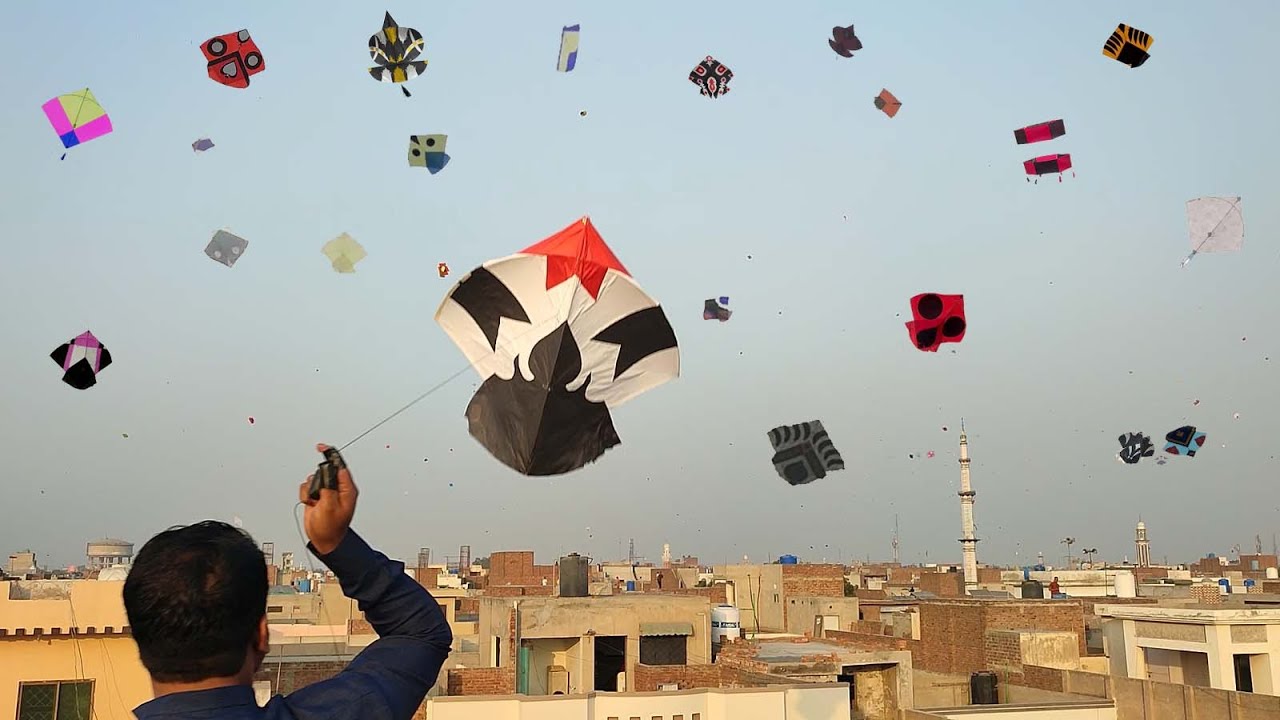
A three-day kite-flying festival titled Basant Mela begins today in Lahore, often called Pakistan’s cultural capital. While many people associate Basant directly with kite flying, history suggests the two are not identical traditions.
The word Basant, derived from Sanskrit, simply means spring. Writer Shahid Ahmad Dehlvi notes that the festival originally involved offering mustard flowers at Hindu temples to welcome the season. Over time, Muslims in South Asia adapted the celebration within their own cultural practices. A popular account links the tradition to the poet Amir Khusro, who presented spring flowers to his spiritual mentor Khwaja Nizamuddin Auliya, inspiring gatherings marked by music, devotion, and shared festivities — long before kites became central to the celebration.
Kite flying itself carries a far older and more global history. Though commonly linked to ancient China, some anthropological narratives trace early kite traditions to regions such as New Zealand and Hawaii. In many early cultures, kites were not toys but sacred objects. Myths from Māori and Hawaiian traditions describe deities flying or transforming into kites, suggesting spiritual symbolism rather than entertainment.
Historical accounts also connect kites with experimentation and legend. Greek mathematician Archytas is said to have explored early flight concepts, while Chinese philosopher Han Fei Zi wrote of wooden kites capable of lifting humans — stories that blur the line between mythology and innovation. In China and Japan, kites were flown to repel evil spirits and attract good fortune, with certain days considered auspicious for flying.
Elsewhere, kites served practical purposes. In Malaysia and Papua New Guinea, they were used for fishing, while the Maya community in Guatemala still flies giant kites during the annual Day of the Dead to honour ancestors. Over time, China transformed kite flying into recreation, including competitive kite fighting, a tradition later carried to Japan.
Beyond festivals, kites have also become powerful metaphors. From Chinese poetry to European philosophy, writers have used the image of a kite rising against the wind to symbolise resilience and ambition — a theme echoed in South Asian poetry as well.
Today’s Basant celebrations reflect layers of history shaped by religion, mythology, and cultural exchange. What began as a seasonal ritual and spiritual symbol has evolved into a colourful public spectacle — reminding us that the story of kite flying is ultimately a shared human heritage that transcends borders.
95