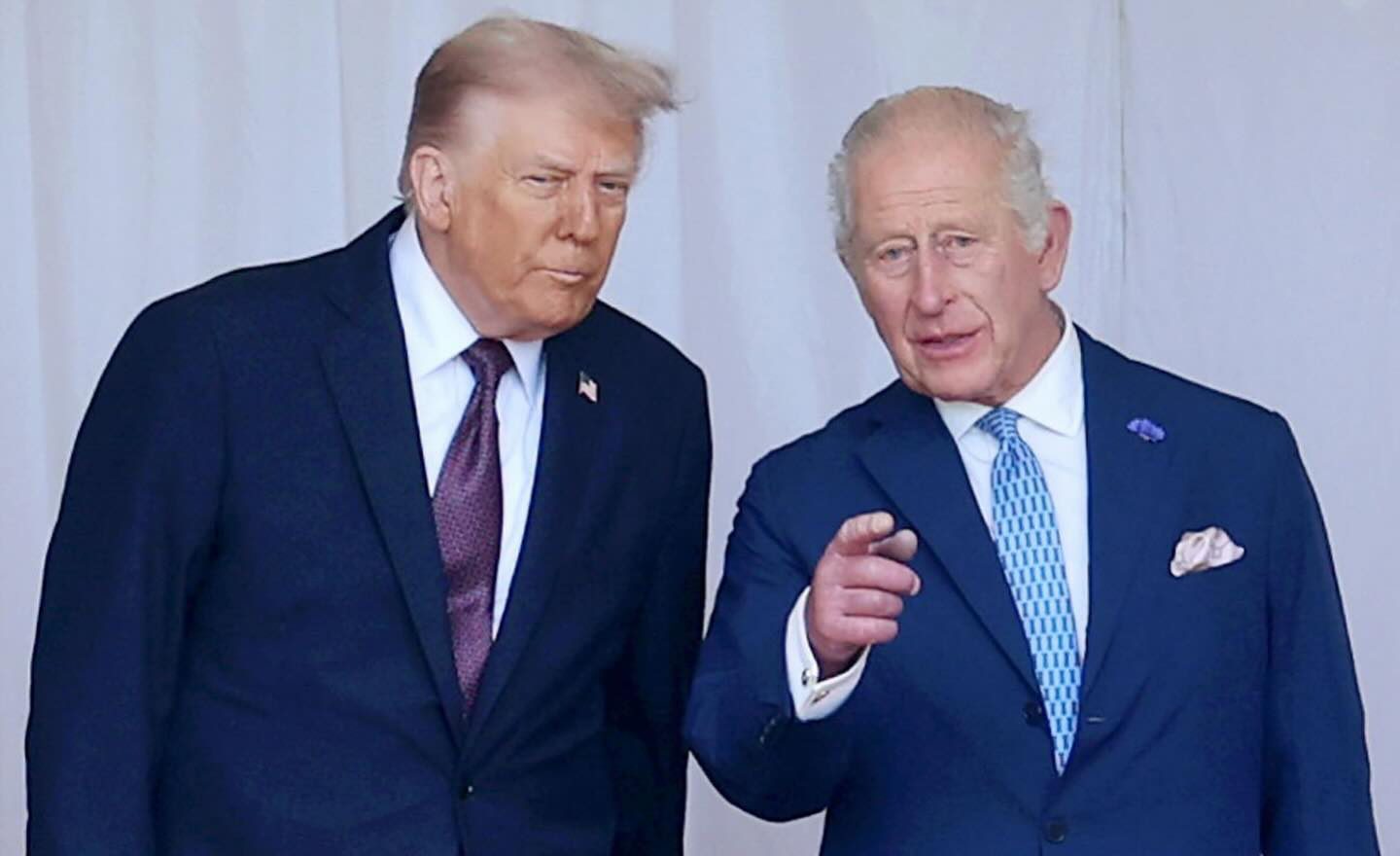
President Trump: World War II, which we successfully won, but without us (America), Britain and all of Europe would be speaking German language or maybe a little Japanese!
King Charles III: Mr President, you recently commented that if there weren’t America, European countries would be speaking German language, so may I dare say that if weren’t Britain, you (Americans) would be speaking French!
Indeed! His Majesty King Charles’s comment on President Trump’s sarcastic remarks was both timely, insightful, and in line with ethical principles. The only thing that remains is that Britain has gained from King Charles’ visit to the United States:
Analysis
Wajahat Ali Khan
King Charles III’s recent visit to the United States was rich in symbolism, but its tangible benefits for Britain lie in diplomacy, soft power, and strategic alignment rather than immediate economic returns. While critics may question the practical outcomes of royal tours, such visits remain a carefully calibrated instrument of statecraft particularly in the evolving post-Brexit landscape.
At its core, the visit reinforced the enduring “special relationship” between the United Kingdom and the United States. In a period marked by geopolitical uncertainty—from the war in Ukraine to rising tensions with China public displays of unity carry weight. The King’s presence, above party politics, allows Britain to project continuity and stability, qualities that are especially valuable as governments on both sides of the Atlantic navigate domestic pressures.
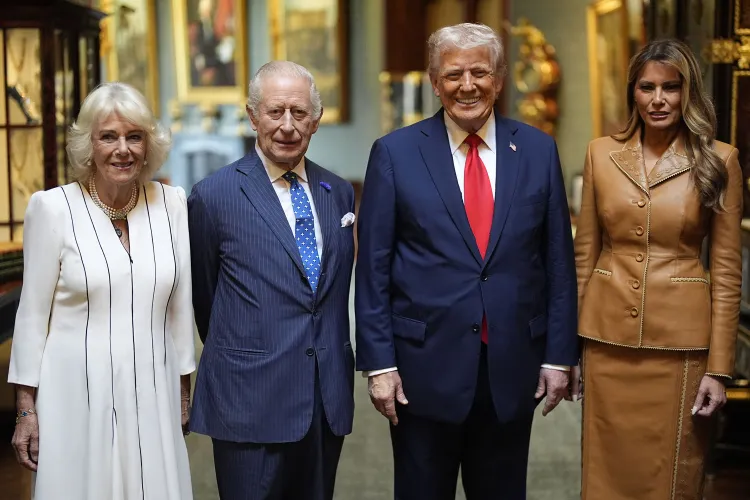
Economically, the gains are indirect but meaningful. Royal visits often act as high-profile endorsements of British industry, culture, and innovation. By attending events tied to sustainability, green finance, and technology, King Charles helped spotlight sectors where Britain seeks global leadership. His long-standing advocacy for environmental causes aligns closely with American priorities under current leadership, potentially strengthening transatlantic cooperation in climate policy and investment.
There is also a cultural dividend. The monarchy remains one of Britain’s most recognizable global assets, and such visits reinforce its relevance abroad. Public appearances, media coverage, and ceremonial engagements generate significant attention, much of it favorable. This contributes to Britain’s broader “soft power” the ability to influence through attraction rather than coercion which remains one of the country’s key international advantages. However, the visit was not without its limitations. In practical terms, it did not produce new trade agreements or concrete policy shifts. Critics argue that in an era of economic strain at home, the value of royal diplomacy can appear abstract. Yet this critique may overlook the long-term nature of influence-building. Relationships nurtured at the highest levels can shape negotiations and cooperation for years to come.
Moreover, the King’s role is inherently constrained. Unlike elected officials, he cannot negotiate deals or set policy. His impact lies in tone-setting creating goodwill, opening doors, and reinforcing shared values. In that sense, success is measured less by immediate outcomes and more by the durability of the connections strengthened during the visit. In the final analysis, Britain’s gains from King Charles’ trip to America are best understood as strategic rather than transactional. The visit reaffirmed alliances, elevated key policy themes, and showcased the enduring appeal of British institutions. While it may not yield headlines in trade figures or legislation, its significance lies in the quieter, longer arc of diplomacy where perception, trust, and continuity often matter most.