Political correspondent | Analysis
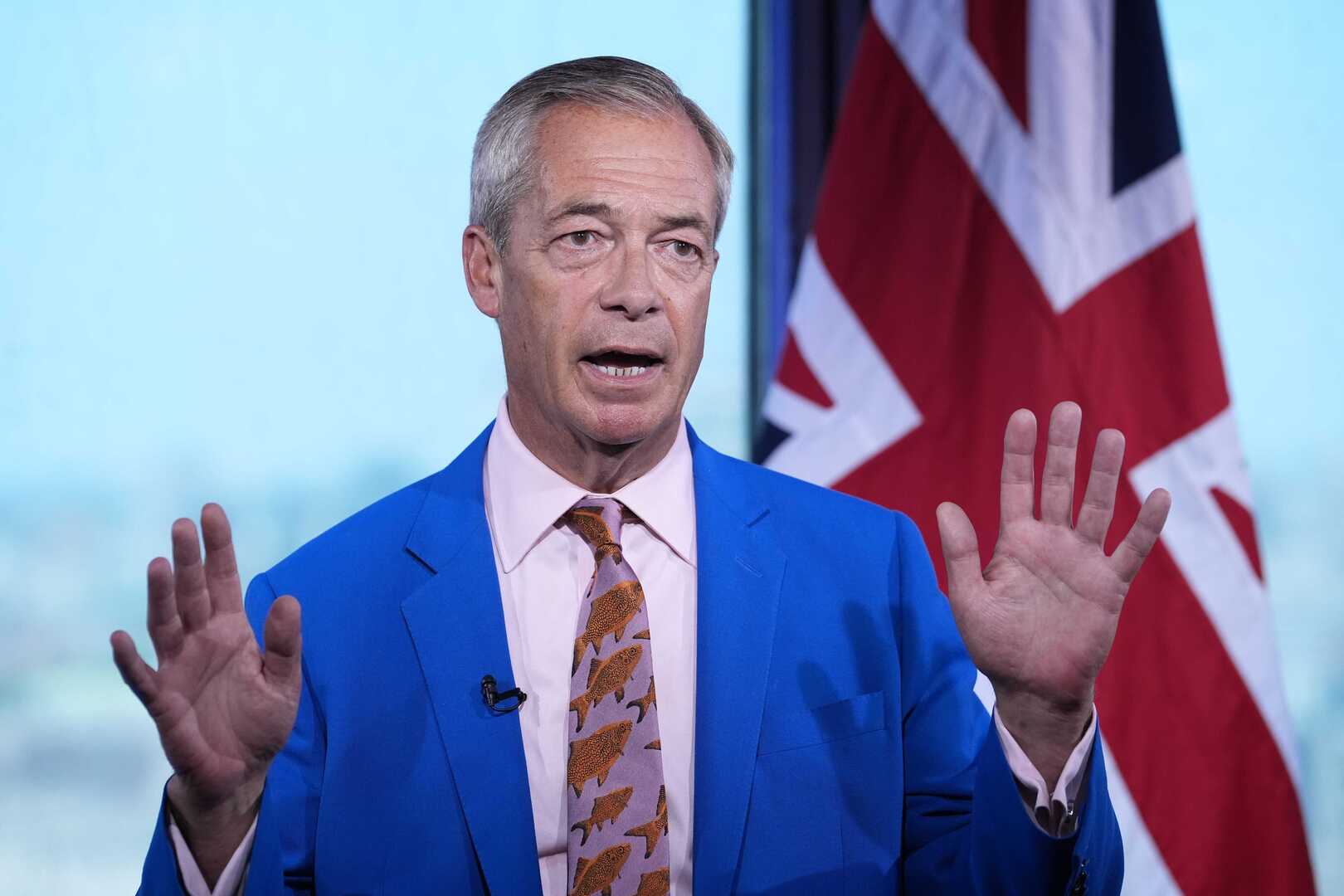
The surprise resignation of Nigel Farage as Member of Parliament has triggered intense political debate across the United Kingdom. However, despite initial headlines suggesting he was stepping away from frontline politics, the reality is more complex. Farage has resigned only to trigger a by-election in his Clacton constituency, and he has already announced that he intends to stand again for the same seat.
Farage says his decision is an attempt to allow voters not Parliament or the media to decide his political future. According to his public statement, he believes allegations surrounding his finances have become a political campaign against him. By resigning and forcing a fresh election, he argues that the people of Clacton should judge whether he deserves to remain their MP.
The resignation comes amid scrutiny over Farage’s financial declarations. Reports indicate that Parliament is examining whether he properly declared substantial financial support and gifts, including. A reported multi-million-pound gift linked to cryptocurrency businessman Christopher Harborne. Alleged benefits and security support connected to businessman George Cottrell, a long-time Farage associate with a criminal fraud conviction. Farage strongly denies wrongdoing, insisting the support was lawful and that he has broken no criminal law.
At present, there is no indication that Farage has been charged with a criminal offence. The principal issue concerns parliamentary standards and whether MPs’ rules on declaring gifts, benefits, and financial interests were followed correctly. Such investigations are separate from criminal proceedings.
Many political analysts believe the resignation is also a calculated political move. Instead of waiting for the parliamentary standards process which could potentially result in sanctions or even trigger a recall petition if a serious breach were found Farage has chosen to seek a renewed mandate immediately from voters. Political observers describe the move as an attempt to transform a standards investigation into a public referendum on his leadership and anti-establishment message.
Farage will contest the by-election for the same parliamentary seat. Even if he is re-elected, the parliamentary investigation into his financial declarations is expected to continue independently. The by-election will therefore test both his personal popularity and the strength of Reform UK’s anti-establishment appeal. The reality behind Nigel Farage’s resignation is that he is not leaving politics. Rather than retiring or stepping down from leadership, he has resigned from Parliament to trigger a by-election in which he intends to seek a fresh mandate. His stated aim is to let voters, rather than Westminster institutions, judge the allegations against him. Whether this proves to be a successful political gamble will depend on the outcome of the by-election and the continuing parliamentary investigation.
28