Health Correspondent
London
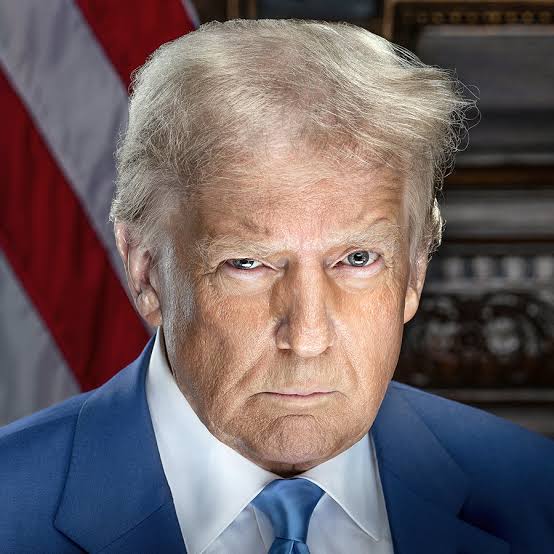
Britain’s already stretched National Health Service has been thrust into the centre of a furious transatlantic row after President Donald Trump’s administration pressed the UK over the price Britain pays for medicines.
Critics have accused the Government of caving in to Washington and Big Pharma, warning that higher drug costs could mean billions of pounds having to be found elsewhere in the NHS. The warning has triggered a storm at Westminster, with campaigners asking a stark question.
Who will pay for Trump’s deal the NHS or the patient?
The controversy follows a UK-US pharmaceutical agreement under which Britain agreed to changes affecting the pricing and availability of medicines.
Ministers insist the agreement will help secure access to innovative treatments and protect Britain’s pharmaceutical sector from the threat of US tariffs. But opponents claim the price could be devastating.
Analysis cited by critics has suggested that tens of billions of pounds could ultimately be diverted from other areas of NHS spending.
One modelling exercise went as far as estimating 229,000 additional deaths in England over the longer term if healthcare resources were displaced a disputed projection rather than a confirmed forecast.
Campaigners have also raised concerns about changes to the role of NICE, the body responsible for assessing whether medicines provide sufficient value for NHS funding. They fear political and commercial pressure could increasingly influence decisions that were previously based on clinical and economic evidence.
For millions of NHS patients, the argument is about more than pharmaceutical pricing. It is about whether money spent on increasingly expensive medicines means less money for hospital beds, GP appointments, nurses and waiting-list treatment.
The Government has defended its position, arguing that Britain must remain competitive in the global pharmaceutical market and that patients should benefit from faster access to new medicines. Yet the political fallout is growing.
Opposition MPs and health campaigners are demanding greater transparency over the negotiations and warning that any additional costs must not be allowed to undermine already overstretched frontline services.
The row has placed Britain in an uncomfortable position caught between an American President demanding a tougher approach to medicine pricing and an NHS struggling to meet the demands of an ageing and increasingly complex population.
THE BIG QUESTION
If the NHS has to pay more for medicines, what will it have to give up to foot the bill? For patients waiting for treatment, the answer could prove painfully important.