Inam Sehgal
LONDON: The use of fake and cloned vehicle number plates is increasing across England, prompting the Government and police to step up efforts to identify drivers using false registrations to evade enforcement and conceal criminal activity.
Official figures show that the number of people contacting the Driver and Vehicle Licensing Agency (DVLA) after receiving correspondence or penalties relating to vehicles they did not recognise rose from 7,377 cases in 2020 to 10,461 in 2024. There were a further 9,385 reports in the first ten months of 2025. The figures can include cases caused by registration errors, so they do not represent confirmed cases of cloning alone.
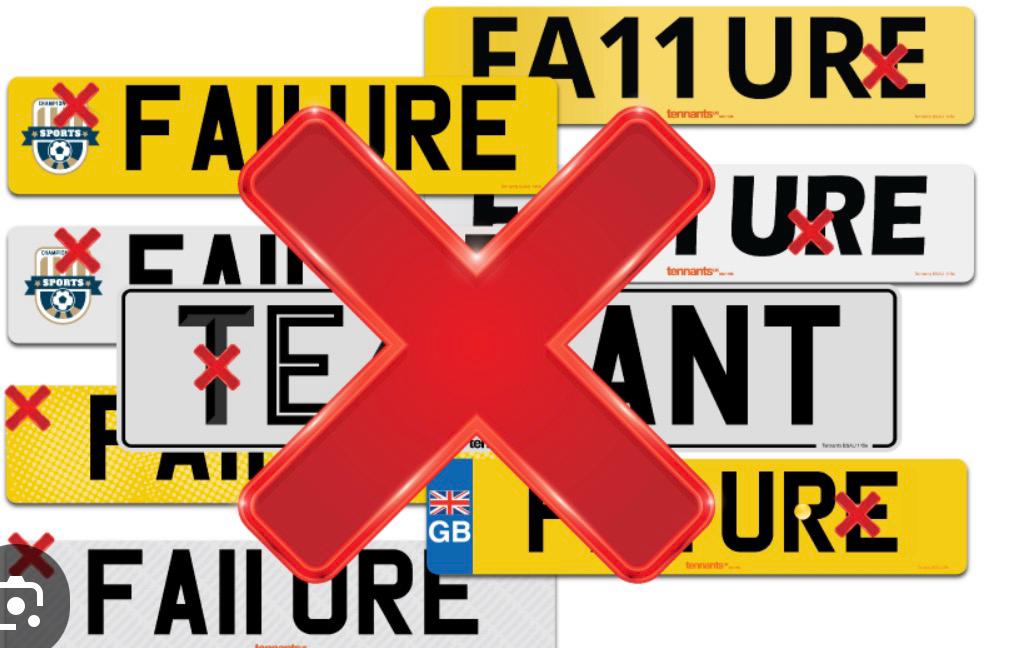
The problem includes cloned plates, where criminals copy the registration of a legitimate vehicle, and so-called “ghost plates”, designed to prevent automatic number plate recognition (ANPR) cameras from reading a vehicle’s registration. Police say such plates can be used to evade fines and facilitate more serious offences.
In September, the Government announced a new National Roads Policing Coordination Centre, bringing police forces across England together to share intelligence and improve the use of technology against illegal number plates and organised crime.
The Government is also considering tougher penalties, including penalty points and vehicle seizure for drivers caught using incorrect, altered or false number plates. The DVLA is reviewing its system for regulating number-plate suppliers, with tighter checks also under consideration.
Police forces have reported the impact locally. Avon and Somerset Police said cases of cloned vehicles seized in its area had doubled compared with 2023, while a recent West Yorkshire operation resulted in six cloned vehicles being seized during a week-long crackdown.
For innocent motorists, number-plate cloning can lead to unexpected speeding, parking or clean-air-zone penalties. The DVLA can issue a replacement registration number where cloning is established, while motorists may be asked to provide evidence showing that their vehicle was elsewhere when an alleged offence occurred.
The use of fake and cloned vehicle number plates is increasing across England, prompting the Government and police to step up efforts to identify drivers using false registrations to evade enforcement and conceal criminal activity.
Official figures show that the number of people contacting the Driver and Vehicle Licensing Agency (DVLA) after receiving correspondence or penalties relating to vehicles they did not recognise rose from 7,377 cases in 2020 to 10,461 in 2024. There were a further 9,385 reports in the first ten months of 2025. The figures can include cases caused by registration errors, so they do not represent confirmed cases of cloning alone.
The problem includes cloned plates, where criminals copy the registration of a legitimate vehicle, and so-called “ghost plates”, designed to prevent automatic number plate recognition (ANPR) cameras from reading a vehicle’s registration. Police say such plates can be used to evade fines and facilitate more serious offences.
In September, the Government announced a new National Roads Policing Coordination Centre, bringing police forces across England together to share intelligence and improve the use of technology against illegal number plates and organised crime.
The Government is also considering tougher penalties, including penalty points and vehicle seizure for drivers caught using incorrect, altered or false number plates. The DVLA is reviewing its system for regulating number-plate suppliers, with tighter checks also under consideration.
Police forces have reported the impact locally. Avon and Somerset Police said cases of cloned vehicles seized in its area had doubled compared with 2023, while a recent West Yorkshire operation resulted in six cloned vehicles being seized during a week-long crackdown.
For innocent motorists, number-plate cloning can lead to unexpected speeding, parking or clean-air-zone penalties. The DVLA can issue a replacement registration number where cloning is established, while motorists may be asked to provide evidence showing that their vehicle was elsewhere when an alleged offence occurred.
30