Bureau Report
ISLAMABAD: Pakistan’s distinguished former intelligence officer, Major Amir, has described the proposed Al Mustafa Eye Hospital in Islamabad as a potential game changer for underprivileged communities, expressing his firm resolve to stand shoulder to shoulder with Al Mustafa Welfare Trust in advancing the humanitarian project and mobilising support for its fundraising campaign.
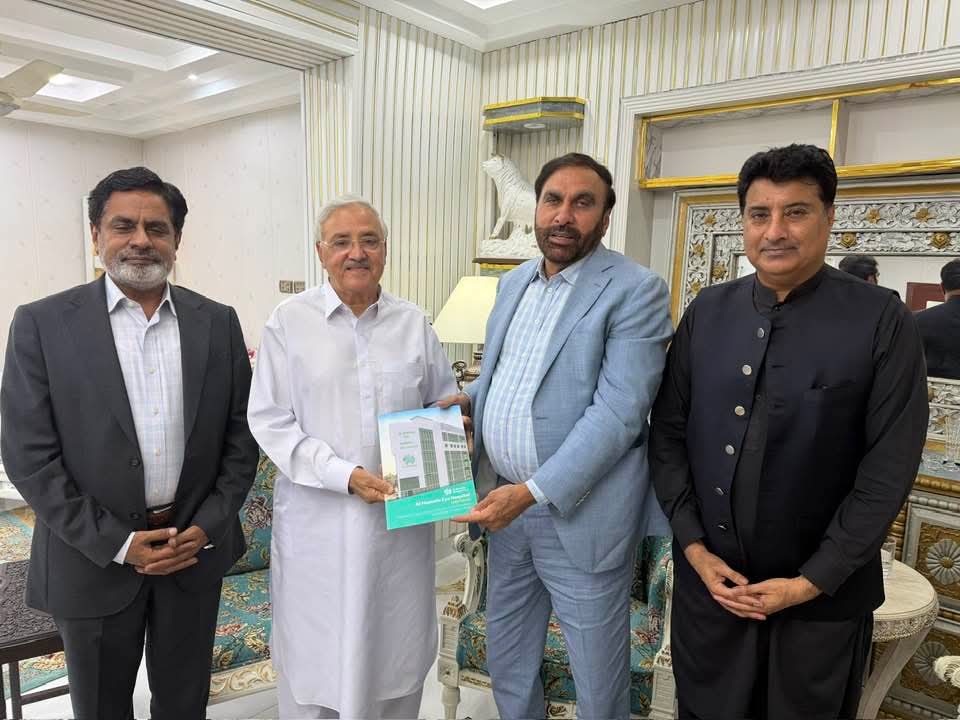
In a warm and cordial meeting at his Islamabad residence, Major Amir met Abdul Razzaq Sajid, Chairman of Al Mustafa Welfare Trust, in an atmosphere marked by mutual respect, goodwill and a shared commitment to serving humanity.
Recognised for his strong advocacy of Pakistaniyat, Islamiyat and Insaniyat — the values of Pakistani identity, Islamic principles and humanity — Major Amir appreciated the vision behind the proposed eye hospital, which aims to bring accessible and quality eye care within the reach of disadvantaged people who are often deprived of essential medical treatment due to financial constraints.
Describing the initiative as a potentially transformative intervention for underserved communities in Islamabad, Major Amir expressed his willingness to become an active partner in the Trust’s mission, particularly by supporting its fundraising efforts and helping generate wider public engagement for the project.
His expression of support marks an encouraging development for the initiative, reinforcing the importance of collective action, philanthropy and community participation in bringing essential healthcare facilities to those most in need.
The proposed Al Mustafa Eye Hospital is envisioned as a dedicated facility to expand access to eye care, offer relief to financially vulnerable patients and help prevent avoidable sight loss. For countless families struggling to meet the rising costs of healthcare, such an initiative could offer renewed hope and a pathway to a better quality of life.
Abdul Razzaq Sajid welcomed Major Amir’s encouragement and willingness to support the project, emphasising that the success of this humanitarian undertaking will depend on the collective commitment of philanthropists, socially responsible individuals, business leaders and the wider community.
The meeting concluded on a positive note, with a shared resolve to advance the cause of humanitarian service and explore avenues for mobilising the financial and public support needed to turn the proposed hospital into a reality.
The message emerging from the meeting was clear: access to quality eye care should not remain a privilege reserved for those who can afford it. With committed supporters such as Major Amir lending their encouragement to the cause, Al Mustafa Welfare Trust aims to move closer to establishing a lasting healthcare resource for Islamabad’s underprivileged communities.
19