Bureau report
Manchester
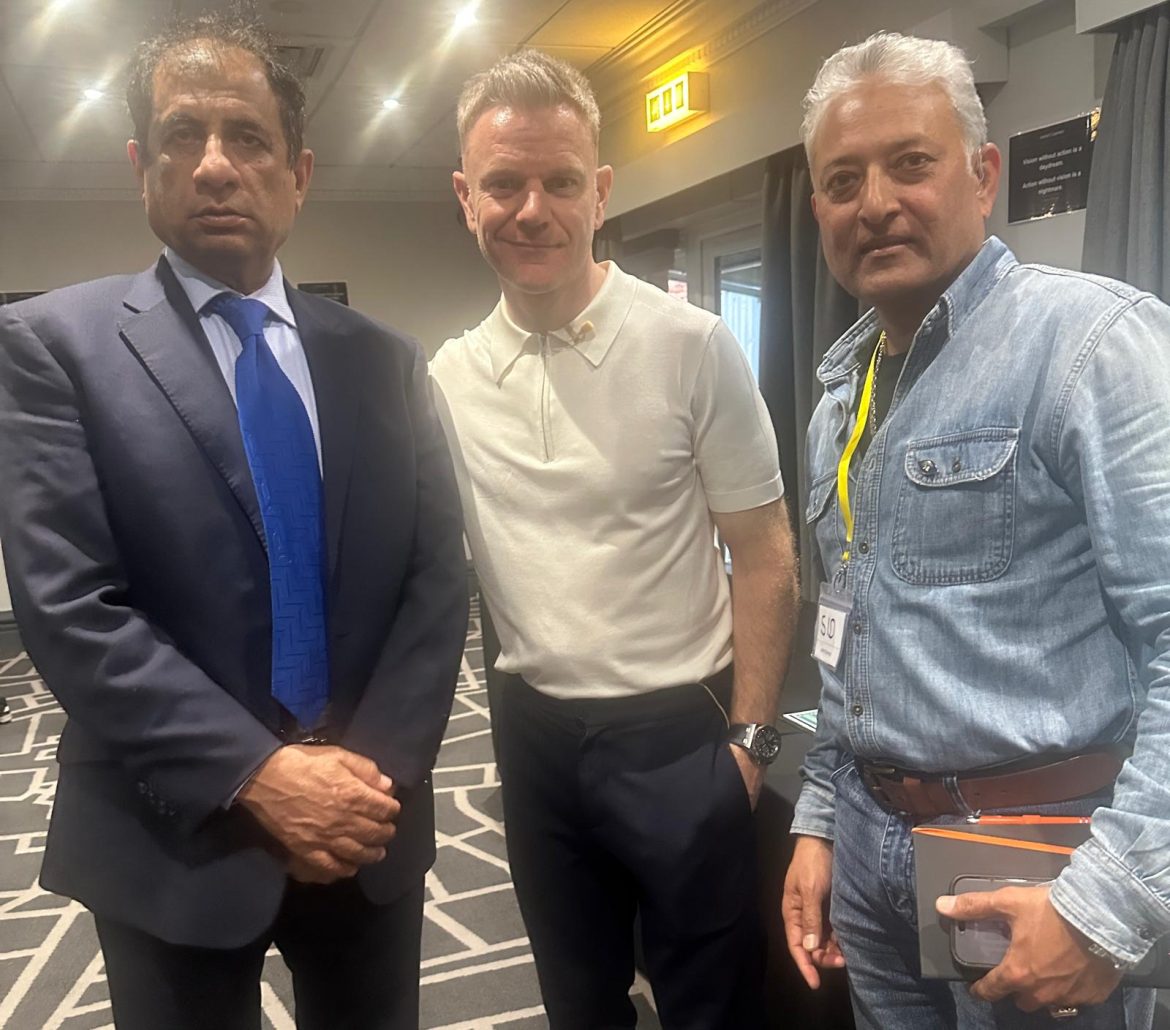
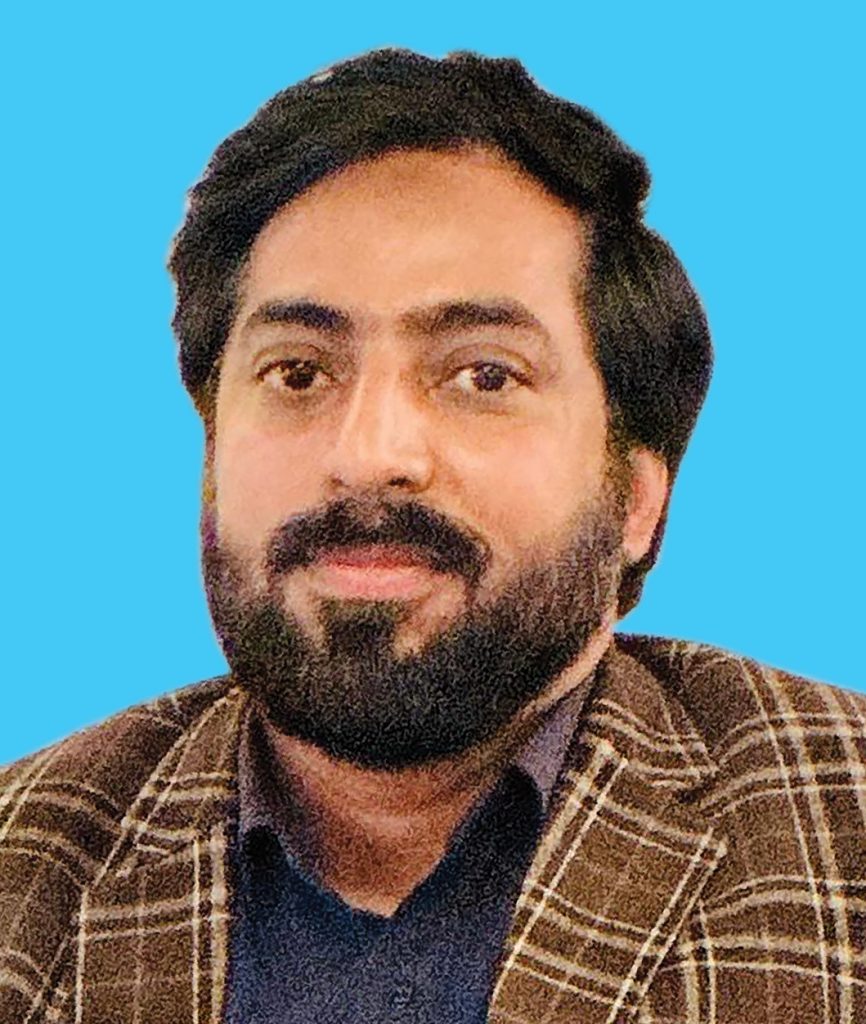
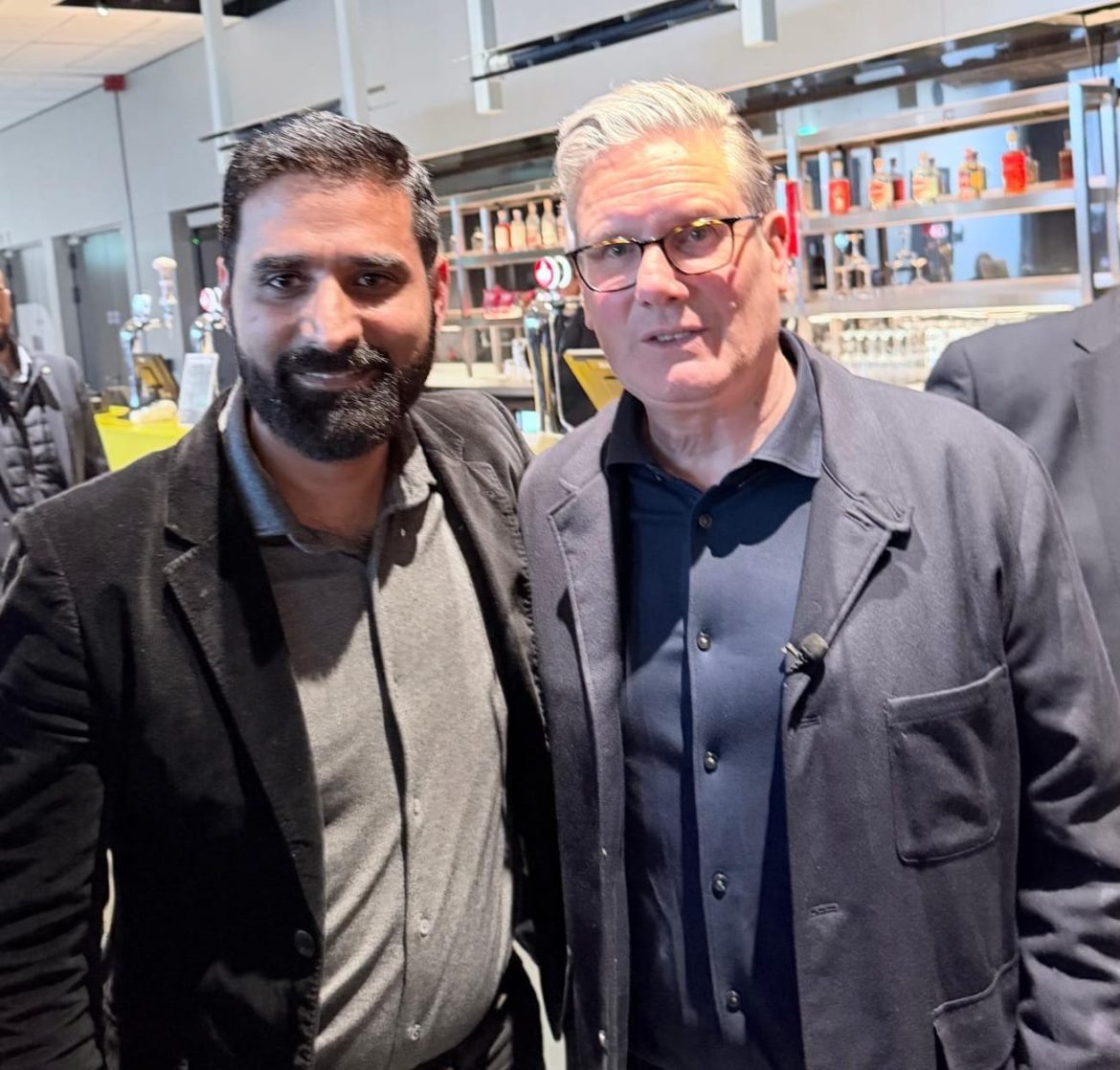
The prominent businessman Zia Fareed called on Prime Minister Keir Starmer in Manchester. The Prime Minister praised Pakistan’s role in the Iran–US conflict and assured his full support for global peace. Zia Fareed also expressed gratitude to the Prime Minister for his constructive role and his recent visits in the Middle East, as well as his efforts toward a ceasefire between Lebanon and Iran.
London Post
Bureau report
Manchester
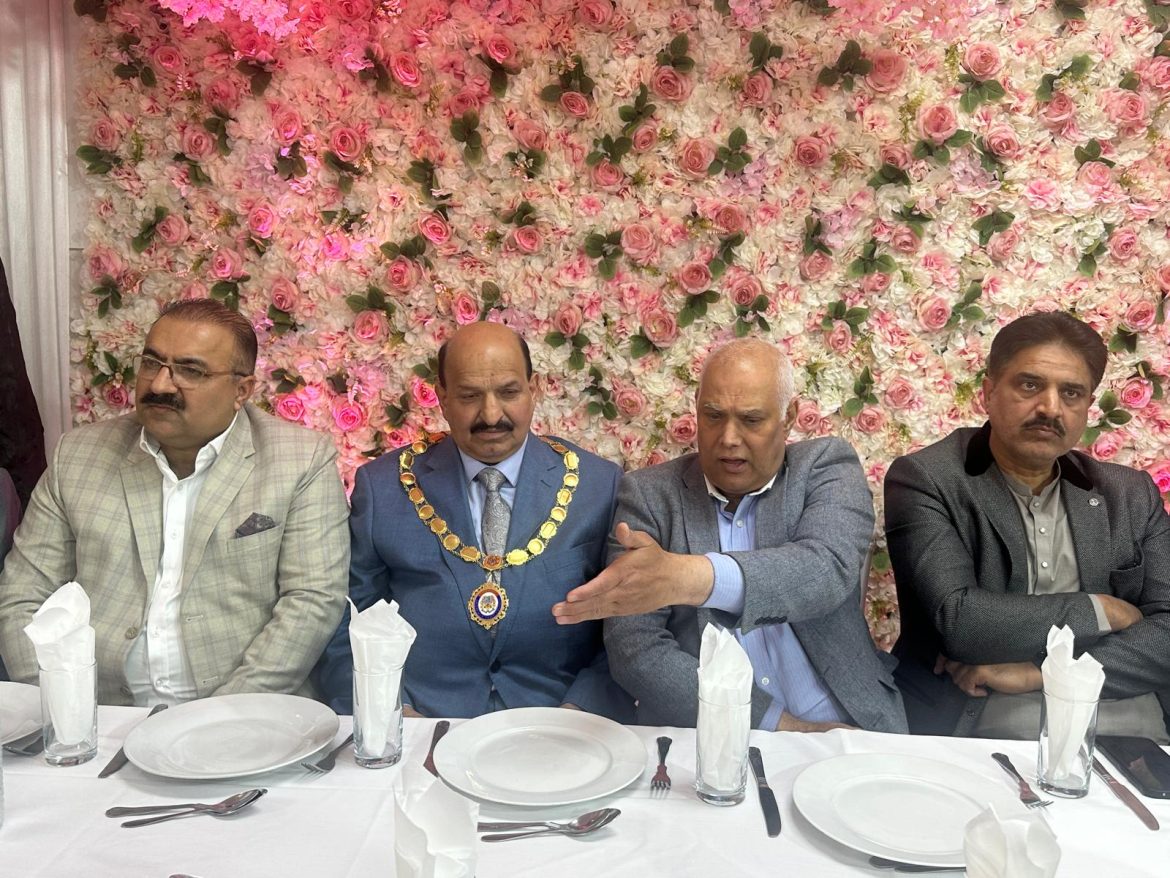
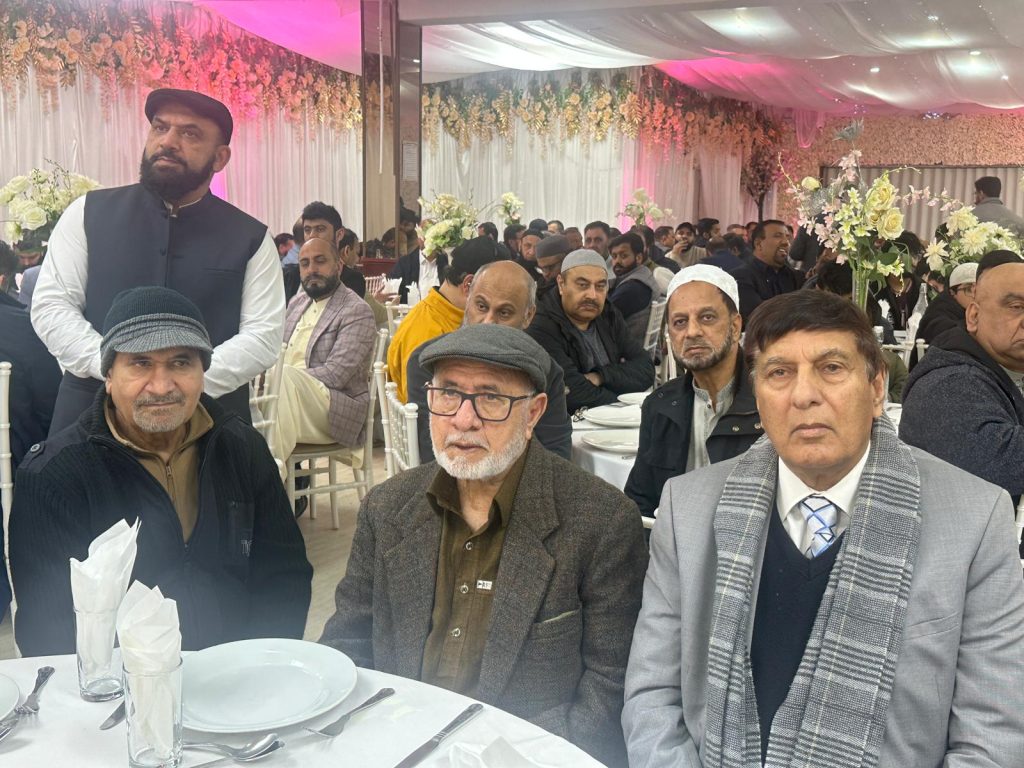
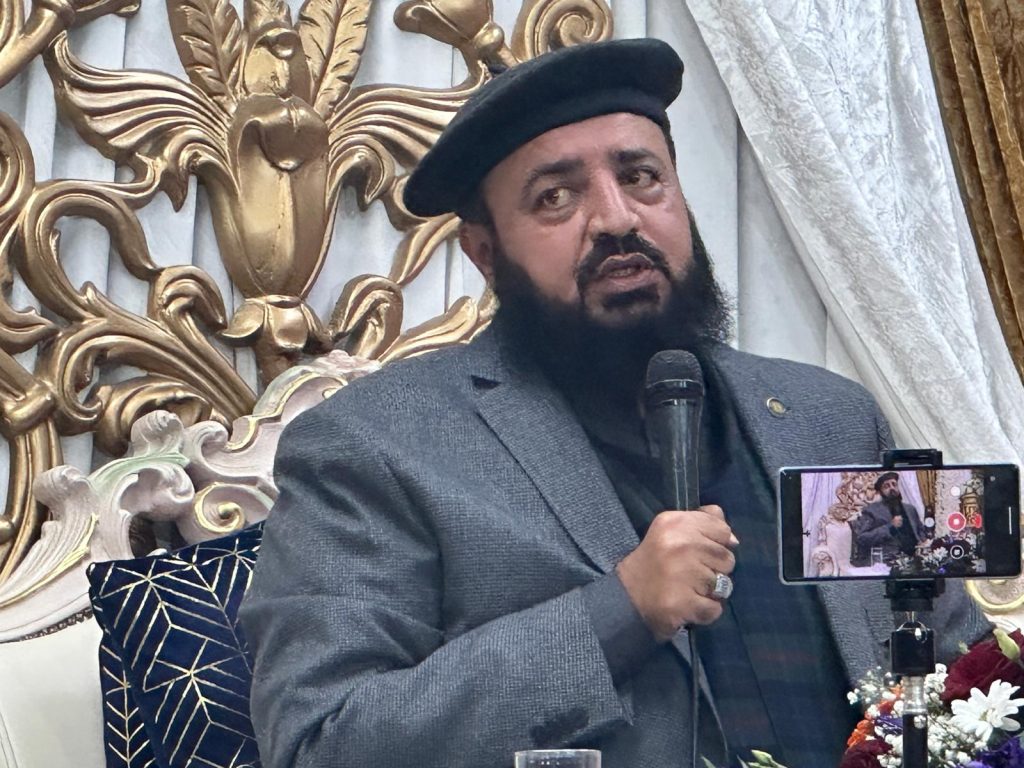
The annual Sirajam Muneera Conference was held at a local hall in Manchester. The Sheikh of Silsilah Naqshbandia Owaisiah, Ameer Abdul Qadeer Awan, addressed the event and he was warmly welcomed on his arrival.
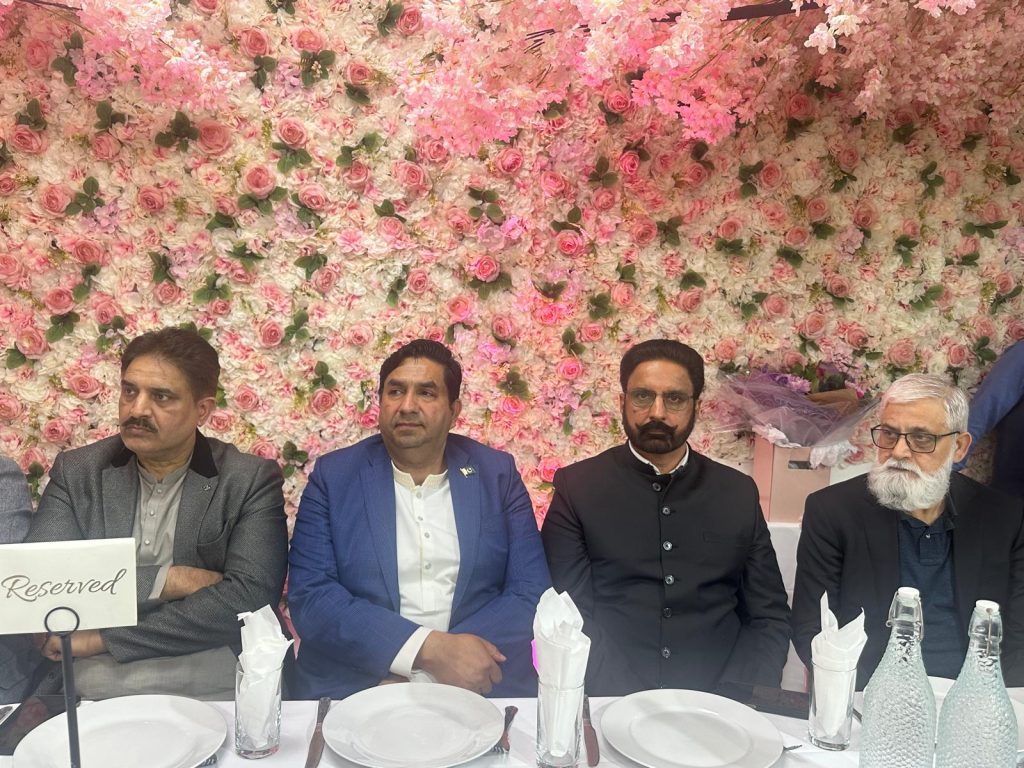
The conference was attended by Pakistan’s Consul General Imtiaz Feroz Gondal, Cllr Abid Latif Chouhan, Cllr Shahbaz Sarwar, local Mayor Muhammad Khan, Ustad Muhammad Safdar, Malik Zamir Awan, Rasab Khan, Aslam Jora, and a large number of business, political, and religious community leaders, as well as a large number of local people. Ameer Abdul Qadeer Awan offered special prayers for the Muslim Ummah, Pakistan, the participants, and the organisers.

In his address, Ameer Abdul Qadeer Awan said that human beings are a special creation of Allah and the most honoured among all creatures. He said that remembrance of Allah is necessary to purify the inner self and that the purpose of human creation is to worship Allah. He said that the Holy Prophet Muhammad (PBUH) is the role model for guidance, and Muslims should follow his teachings in their lives. He added that on the Day of Judgement, forgiveness will be granted through Allah’s mercy, not only through prayers. “We should not forget the remembrance of Allah while being engaged in family, children, and business, as this world is temporary and everything will come to an end,” he added. He stressed that we should work for the betterment of humanity, and that strong family systems can help build strong relationships among us. He said that Muslims should play a positive role in British society, pay taxes, and live by good values. He also highlighted the importance of spending time with children and said true peace of heart comes from the remembrance of Allah.
Business Community Attends Marketing Training Session with Nick James
Tajammul Gurmani
Manchester
The Marketing Accelerator organised a business training event at the Village Hotel Manchester Cheadle, where Nick James Nick James, a British business coach, marketing trainer, and entrepreneur delivered his lecture on marketing and sales skills. A large number of business people from different backgrounds attended the event. Nick James highlighted the importance of vision, structure, strategy and tactics for business growth. He explained that strong planning and regular follow-up are key to success. He also discussed practical topics such as building an email list, finding ideal customers, pitching offers, overcoming objections and using tools like email, phone calls, paid advertising and social media to promote services. He encouraged participants to invest in their personal development and stay focused on their goals, stating that consistent effort and proper follow-up can lead to better business results.
Tajammul Gurmani
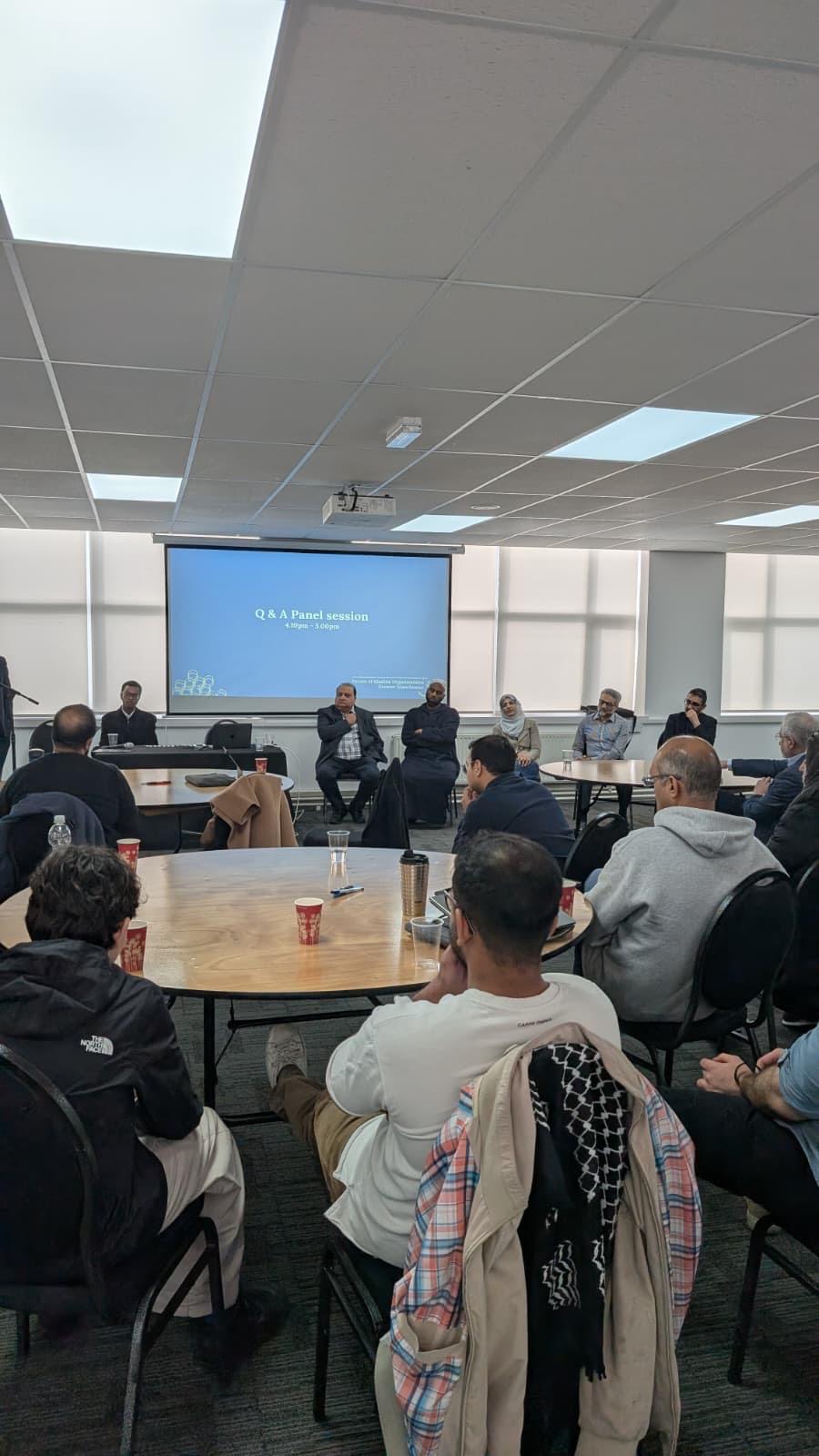
Forum of Muslim Organisations, Greater Manchester (FMO-GM) has been formally launched, while the body and founding members were also announced during a consultation meeting held at Rethink Rebuild Society, Discovery House in Manchester. A large number of mosque committee members, representatives of Muslim organisations, charities, community leaders and youth also attended the event. The renowned Muslim scholars who addressed the meeting included Jehangir Mohammad, Nahella Ashraf, Sheikh Bilal Brown, Abdul Rehman, Nasir Hafezi, Dr Sara Saigol, Nasir Malik, Khalid Anis and others.
The title of the meeting was “The Far Right and Local Elections – A Time for Action”. The speakers expressed their views on the topic, while a panel discussion and question-and-answer session was also held, alongside the introduction of FMO on the occasion. The meeting started with the recitation of the Quran by Omar Alkanj, after which Elinor introduced the agenda of the meeting. Jehangir Mohammad, the founding Director of the Ayaan Institute, a UK-based think tank, delivered his address on “Understanding the Far Right – who, what, where and how”. He said the origin of the term “far right” dates back to the French Revolution, when those opposed to the monarchy were considered left-wing reformists, and those who supported the monarchy were on the right. He said that when discussing white identity, it refers to white politics, white nationalism and white supremacy, and is about racial politics. “In terms of what we traditionally call far-right groups, there has always been an element of fascism. One aspect of these groups is white identity, but there is also a link to fascism and white supremacy. You can see that clearly with Trump, who is seen as a symbol of this movement,” he observed. He added that the threat level is real, noting that Reform UK is at 25 percent, which he described as shocking, as mainstream parties are fracturing, Labour is losing support and the Conservatives have collapsed. “The main elections are going to be significant. If Reform wins big, that could become the new norm in British politics. So, it is a big test and a major challenge,” he added.
Nasir Malik, a civil engineer and trustee at Cheadle Masjid, while speaking on the importance of local elections, stressed the need to educate the community to take part in local politics and come out to cast their votes in the elections to be held next month. He said the Muslim community holds significant influence, noting that in the last general elections, a large number of Muslim MPs were elected as independents as well as on the Labour platform. He added that unity within the community is essential, and that mosques and Muslim organisations can play an important role in this regard. He said that volunteers should help and guide people to support the right candidates for the right cause. He also highlighted concerns over Labour Party policies, particularly regarding Gaza and immigration.
Nahella Ashraf said it is time for Muslim voters to use the power of their vote and stand up against the politics of racism, hate and division. She said there is a need to campaign against racism and Reform UK, adding that trade unions, human rights groups, refugee charities and anti-racism organisations should stand together. She urged every mosque to play its role in standing up against racism.
Founder member of FMO, Khalid Anis, in his concluding remarks, said, “May Allah grant us unity.” He also announced the body and founding members of FMO, including Action for Humanity, British Muslim Heritage Centre, Cheadle Masjid, Khizra Mosque, Convert Muslim Foundation, Islamic Society of Britain and Manchester Muslim Forum.
Tajammul Gurmani
Manchester
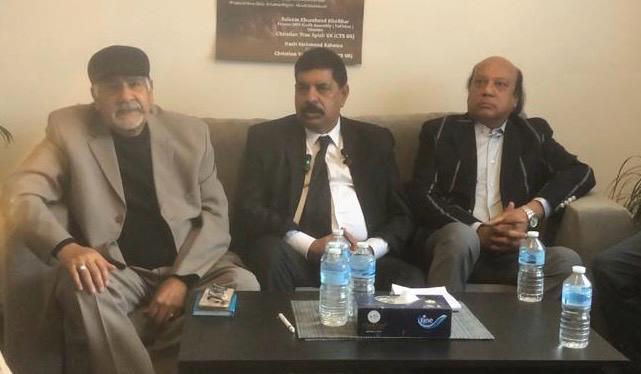
Former minority member of the Sindh Assembly, Saleem Khurshid Khokhar, has said that the Christian community in Pakistan is deeply concerned over the Federal Shariat Court’s verdict in the Maria Shahbaz case, and demanded the protection of their places of worship, as well as the lives and property of minorities across the country. He was addressing a press conference in Manchester along with Christian leaders Shafiquz Zaman and Saleem Gill.
Saleem Khokhar said that Maria Shahbaz was allegedly abducted two years ago from the Nawab Town Police Station area in Lahore, and an FIR was also registered at the local police station. Later, a Muslim young man, Shehryar, appeared in the local court with a marriage certificate and claimed that Maria had willingly married him. Following the submission of the marriage certificate in court, the FIR was dismissed. “At that time, Maria was only a 12-year-old minor girl, and during the court proceedings, a B-Form and NADRA records were also presented as evidence of her age, but were not accepted. According to state law, the marriage of a girl under the age of 18 is not allowed; however, the Federal Shariat Court upheld this marriage in its verdict,” he claimed.
Former MPA of Sindh Assembly said that the Christian community rejects the court’s decision in the Maria Shahbaz case and demands that the forced marriage be annulled, and that Maria be recovered and returned to her parents. He said that a Christian delegation will soon meet political leaders in the UK to inform them about the situation, he concluded.
UK could adopt EU single market rules, what does this statement by means by Keir Starmer?
Analysis
Wajahat Ali Khan
In a statement that has reignited the post-Brexit debate, PM Keir Starmer suggested that the United Kingdom could adopt aspects of European Union single market rules. While not a call to rejoin the EU, the remark signals a potentially significant recalibration of Britain’s economic strategy after Brexit.
At its core, the EU single market is built on regulatory alignment. Member states follow common standards governing goods, services, labour, and capital, enabling frictionless trade across borders. When the UK left the EU, it also exited this regulatory ecosystem, opting instead for autonomy over its laws even at the cost of increased trade barriers.
The practical meaning of “adopting single market rules” lies in selective alignment. Rather than full membership, the UK could choose to mirror EU standards in key sectors such as food safety, chemicals, pharmaceuticals, and manufacturing. This would reduce the need for border checks, ease customs procedures, and lower compliance costs for exporters. For British businesses, particularly small and medium enterprises, this could translate into smoother access to their largest trading partner.
The economic rationale is clear. Since Brexit, UK-EU trade has been marked by friction: paperwork, delays, and regulatory divergence have imposed costs that many firms were ill-prepared to absorb. Aligning with EU rules could alleviate some of these pressures, effectively recreating parts of the single market’s benefits without formal re-entry.
However, the political implications are more complex. Regulatory alignment comes with a fundamental trade-off: influence versus access. If the UK adopts EU rules, it must follow standards set in Brussels without having a vote in shaping them. Critics argue this would reduce Britain to a “rule-taker,” undermining one of the central arguments for Brexit legislative sovereignty. Supporters, by contrast, frame the proposal as pragmatic rather than ideological. In an era of economic uncertainty, they argue, the priority should be growth and stability. If aligning with EU standards helps British firms compete and reduces costs for consumers, then the loss of formal influence may be a price worth paying. The statement also reflects a broader shift in tone. The immediate post-Brexit years were dominated by questions of identity and sovereignty. Today, the focus is increasingly on economic performance. Slow growth, trade disruptions, and global competition have forced policymakers to reassess earlier assumptions. Starmer’s remarks can be read as part of this reassessment a recognition that complete regulatory divergence may not serve the UK’s long-term interests.
Importantly, adopting single market rules does not mean rejoining the EU or restoring freedom of movement. The UK would remain outside the union’s political structures and could, in theory, choose which areas to align with. This “à la carte” approach, however, may prove difficult in practice. The EU has historically resisted partial arrangements that allow non-members to benefit from the single market without accepting its full obligations. There is also the question of domestic politics. Any move towards alignment risks reopening divisions that Brexit was supposed to settle. For some voters, even limited convergence with EU rules may be seen as a step backwards. For others, it may represent a necessary correction an effort to make Brexit work more effectively rather than reverse it.
Ultimately, Starmer’s statement is less about ideology and more about realism. It acknowledges a simple fact: geography and economics bind the UK closely to Europe, regardless of political separation. The challenge is to manage that relationship in a way that balances sovereignty with prosperity. In that sense, the statement is not a policy announcement so much as a signal of direction. It suggests that the next phase of Britain’s European relationship may be shaped less by slogans and more by the practical demands of trade, investment, and economic growth.
Qadiriyya Kasnazani Order Celebrates the Birth Anniversary of its Late Sheikh
Amr roshdy
Egypt
The Qadiriyya Kasnazani order in Iraq and various countries across the Islamic world is preparing to commemorate the birth anniversary of its late Sheikh, Muhammad al-Muhammad al-Kasnazani. The final night of the Mawlid celebrations will take place this Friday, in an annual event that attracts widespread attention from the order’s followers and admirers.
This commemoration is taking place amidst a distinctly spiritual atmosphere, with various religious activities including gatherings for remembrance (dhikr), recitation of the Holy Quran, and collective supplications. The spiritual life of the late Sheikh and his impact on contemporary Islamic Sufism will also be reflected upon.
Global Presence and Growing Spread
This occasion witnesses broad participation from the order’s followers in several Arab and Islamic countries, in addition to a notable presence in Europe and Asia, reflecting what the order describes as its growing global reach in recent decades.
This spread, according to observers, is attributed to the efforts of the late Sheikh in disseminating the Sufi approach based on moderation and balance. This path continues today under the leadership of Sheikh Shams al-Din Muhammad Nahru al-Kasnazani al-Qadiri al-Husseini, who oversees the activities of the order and strengthens its intellectual and educational presence.
About Sheikh Muhammad al-Muhammad al-Kasnazani
Sheikh Muhammad al-Muhammad al-Kasnazani is considered one of the most prominent figures of Sufism in the modern era. He led the Qadiriyya Kasnazani order for many years, working to solidify its principles based on self-purification, spiritual conduct, and adherence to Islamic values.
The late Sheikh was born in Iraq and raised in a Sufi religious environment, where he received his religious and spiritual education from the sheikhs of the order before later assuming its leadership. He was known for his role in expanding the order’s reach beyond its local boundaries, extending it to a large number of countries worldwide and attracting followers from diverse backgrounds and cultures.
He was also credited with focusing on the educational and spiritual aspects of individuals’ lives, emphasizing inner development through the dissemination of values such as love, tolerance, and coexistence. This earned him a special place among his followers.
Commemoration: Between Loyalty and Renewal of the Pledge
Those in charge of the Sufi order affirm that commemorating the Sheikh’s birth is not merely a celebratory occasion, but rather an annual opportunity to renew their commitment to the Qadiri-Husseini path and to draw lessons from the life of the late Sheikh.
The events also include speeches and presentations highlighting key moments in his life and his role in establishing the principles of moderate Sufism, as well as calls to strengthen spiritual values in the face of contemporary challenges.
Spiritual Messages and Prayers
The occasion witnessed an exchange of greetings and blessings among the order’s followers worldwide, with participants praying that the order’s mission to spread the values of goodness and peace would continue, and that it would remain a unifying spiritual platform.

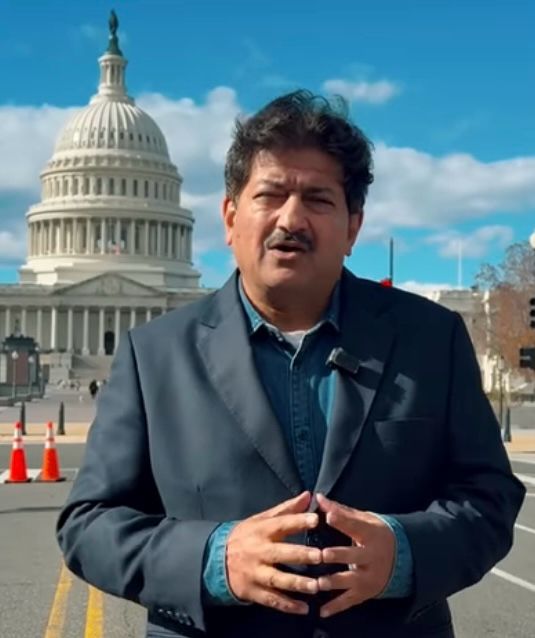
Hamid Mir
The 21-hour long talks between the US and Iran in Islamabad have not yielded any results so far. The Indian media is celebrating the failure of the talks, but there are some Indian journalists who are congratulating Pakistan for hosting these talks. In front of me, there is a conversation between two Indian journalists. In this conversation, both the female journalists express deep regret over the behaviour of their government and the Indian media on the historic talks between the US and Iran in Islamabad and try to convince their compatriots that the success of these talks will benefit everyone in the world, including India. The first very high-level talks between the US and Iran after 1979, thanks to Pakistan’s efforts in Islamabad, were discussed all over the world, but these talks were ridiculed on many Indian TV channels only because of why these talks were being held in Pakistan. On this irresponsible and unprofessional behaviour of the Indian media, Senior Editor of The Wire, Arifa Khanum Sherwani, spoke to another senior journalist, Nirupama Subramanian. The link of this conversation was sent to me by Mr. Saleem Mansoor Khalid, Editor of the monthly Tarjman-ul-Quran.
I was surprised that Saleem Mansoor Khalid, who belongs to the right wing, gives so much importance to the left-wing Arifa Khanum Sherwani. When I saw Nirupama’s picture in this link, I started listening to this interview. Nirupama was based in Islamabad as a correspondent for ‘The Hindu’ many years ago. She understands Pakistan very well and had come to Islamabad last year to attend a conference. Apart from ‘The Hindu’, Nirupama has also been associated with Indian Express and other Indian newspapers and nowadays writes a column in ‘The Tribune’. In this conversation, Arifa asked Nirupama that we are trying to prove Pakistan a sponsor of terrorism and try to isolate Pakistan diplomatically, but how did Pakistan become the centre of attention of the whole world through the Islamabad talks and how did US Vice President JD Vance reach Islamabad to meet Iranian Parliament Speaker Baqir Qalibaf?
Nirupama Subramanian gave an answer to this important question that I did not hear on the Pakistani media, but this was the real truth. Nirupama said that US President Donald Trump sent JD Vance to Islamabad and the reason for Trump’s trust in Pakistan is India’s Operation Sindhoor. This brave female journalist said that last year, when India started a war against Pakistan in the name of Operation Sindhoor, Donald Trump claimed that he had brought about a ceasefire. Pakistan confirmed Trump’s claim, but the Indian government kept denying this claim. This was the moment when Trump and Pakistan’s political and military leadership came very close to each other.
Then the Pakistani government won Trump’s heart by nominating him for the Nobel Peace Prize, and thus Pakistan became very close to China as well as the United States. After the Indo-Pakistan war of May 2025, when Israel and the United States attacked Iran, Pakistan condemned the war. Thus, Pakistan also won the heart of its neighbour Iran, while the Indian government was expanding its friendship with Israel. On February 28, 2026, when Israel and the United States attacked Iran once again, Pakistan started trying to stop this war. When Nirupama Subramanian congratulated Pakistan for stopping this war and then holding US-Iran talks in Islamabad, Arifa Khanum Sherwani was also surprised. In my poor opinion, Nirupama Subramanian’s congratulations to Pakistan on the Islamabad talks are very important and this congratulations show that the Indian media does not represent the entire Indian nation. Just as we do not hear some popular voices from Khyber Pakhtunkhwa and Balochistan in the Pakistani media, similarly, the voices of those who talk about peace with Pakistan are rarely heard in the Indian media. Nirav Modi, who showed courage and intellectual integrity, took many risks by congratulating Pakistan for holding peace talks. RSS and BJP people will call him a traitor. The same happens in Pakistan too. Those who do not like the state and speak the truth are called Indian agents. Former Chief Ministers of occupied Jammu and Kashmir, Farooq Abdullah and Mehbooba Mufti, have also praised Pakistan for holding talks in the US and Iran. The praise of Pakistan by these two Kashmiri leaders did not go down well with some people in New Delhi because small-minded people like Dr. Jaishankar in New Delhi fear that if Pakistan’s diplomatic stature continues to rise, Pakistan will soon make the Kashmir issue a part of the global agenda. If a path to permanent peace emerges in the Middle East in the future, then one day a path to resolving the Kashmir issue may also emerge. Israel is a major party in the conflict between the US and Iran. Pakistan does not have diplomatic relations with Israel, so initially Pakistan’s diplomacy was aimed only at bringing about a ceasefire between the US and Iran.
The Indian media described Pakistan as America’s postman and Foreign Minister Jaishankar as a broker, shedding tears over his regrets, but Pakistan changed from a facilitator to a mediator within a few days. The Islamabad talks failed to yield any results. US Vice President JD Vance praised Pakistan generously for organizing the talks – he said before returning on Sunday that we are going back without a deal. Iran says that the US has not shown flexibility in the talks. However, for 21 hours, each side was listened to, and this is a great achievement for Pakistan. Pakistan will try to bring the parties back to the negotiating table. Unfortunately, no agreement could be reached in the 21-hour talks, but such talks do not prove fruitful even in 21 days or 21 weeks. These negotiations continue for many weeks and months, and when an agreement is signed, there are also great difficulties in implementing this agreement. According to the data I have, since 1990, different countries of the world have signed 2146 agreements to resolve their mutual disputes, out of which only six percent have been implemented to date. Pakistan brokered the Doha Agreement between the US and the Afghan Taliban in 2020, which has not yet been implemented. The US and Iran should extend the two-week ceasefire. Include Lebanon in the ceasefire and continue talks somewhere. These talks and their success are needed more by the US than by Iran, which, despite being a superpower, is suffering from diplomatic and political isolation. The American public also wants peace with Iran. The strenuous efforts made by Pakistan to turn the ceasefire into a peace agreement are also being praised in India. Pakistan should continue its efforts and involve more stakeholders in this effort to establish peace in the Middle East. If not today, then tomorrow, America and Iran will have to sign a peace agreement.
Humanity at a Crossroads: Why the World Cannot Abandon Humanitarian Aid

Syed Farrukh Zafar
The global humanitarian landscape has reached a historical inflection point. As of April 2026, the sector is no longer just managing “emergencies”; it is navigating a “poly-crisis”— a simultaneous collision of kinetic warfare, energy collapse, and systemic economic disruption. For organizations operating in Pakistan, the challenge is twofold: maintaining life-saving operations while undergoing a mandatory, digital-first transformation in governance.
, the humanitarian sector is staring down its gravest test in decades. From Gaza and Sudan to Ukraine, Yemen, and Afghanistan, the sheer scale of human suffering is staggering: 239 million people need assistance, 87 million lives hang in the balance. Yet, just as needs soar, donor funding collapses. The result is a brutal paradox—humanitarian agencies are forced into “ruthless triage,” deciding who lives and who is left behind.
This is not simply a funding crisis. It is a crisis of legitimacy, of international law, and of moral responsibility. The erosion of humanitarian norms is accelerating. Hospitals are bombed, aid convoys blocked, and workers killed with impunity. In 2025 alone, 320 aid workers lost their lives, most of them local staff. War without limits, as the Red Cross warns, means suffering without end.
The Reset: Doing Less With Less
The UN’s “Humanitarian Reset” is an attempt to adapt. It prioritizes the most life‑threatening needs, shifts resources to local actors, and embraces cash‑first approaches. Cash and voucher assistance (CVA) is now the preferred modality, offering dignity and efficiency. In Pakistan, digital cash transfers improved food security and mental wellbeing, proving that innovation can deliver impact even in fragile settings.
But let’s be clear: the reset is not expansion, it is contraction. It is the sector admitting it cannot meet global needs and must focus narrowly. That should alarm us all.
The Rise of New Donors—and New Risks
Traditional donors are retreating. Gulf states and China are stepping in, while corporations and tech firms increasingly shape humanitarian response. Partnerships with high tech companies bring logistics and digital tools, but they also raise ethical dilemmas. What happens when companies profiting from surveillance or defense also control humanitarian data? Mission drift is no longer a hypothetical risk—it is a lived reality.
Localization: Promise and Peril
Localization is rightly hailed as the future. Local NGOs, women‑led groups, and community responders are the backbone of aid delivery. By 2025, over half of pooled fund resources flowed to national partners. Yet power imbalances persist. International agencies still control decision‑making, while local staff bear disproportionate risks—violence, detention, and digital surveillance. True localization requires not just funding, but trust, protection, and ownership.
Technology: The Double‑Edged Sword
Artificial intelligence and digital platforms are transforming aid. Predictive analytics anticipate crises, chatbots guide refugees, and mobile money delivers assistance at scale. These tools promise efficiency and accountability. But they also carry dangers: bias, exclusion, cyber‑attacks, and data exploitation. Without ethical safeguards, technology could deepen inequality rather than bridge it.
Climate and Conflict: The Nexus We Cannot Ignore
Eighty percent of humanitarian crises are conflict‑related, and climate change is amplifying them. Fragile states in South Asia, Africa, and Southeast Asia face a deadly nexus of weak institutions, insecurity, and climate shocks. Anticipatory action—pre‑disaster cash transfers, early warning systems—is no longer optional. It is survival strategy. Yet adaptation finance remains woefully inadequate, leaving the most vulnerable exposed.
A Sector Under Siege
The human cost of this crisis is not only borne by affected populations. Humanitarian agencies themselves are hollowing out. Mass layoffs have stripped organizations of expertise. Local staff shoulder insecurity while international agencies struggle to retain capacity. Without investment in workforce resilience and leadership, the sector risks collapse from within.
The Moral Imperative
The humanitarian sector is not perfect. It must reform, localize, and innovate. But the deeper truth is this: humanitarian aid is not charity, it is humanity’s last line of defense against indifference. If the world abandons it, we abandon ourselves.
The choices before us are stark. We can allow humanitarian action to shrink into irrelevance, leaving millions to die in silence. Or we can reclaim solidarity, diversify funding, and embrace innovation responsibly. The future of humanitarian aid will be decided not by budgets alone, but by whether we still believe in humanity itself.