Nisar Kallu
Toronto
Canadian and the international community are mourning the loss of Stephen Lewis, a renowned diplomat, humanitarian, and advocate for global justice, who passed away this week.
Widely respected for his decades of public service, Stephen Lewis served as Canada’s Ambassador to the United Nations and played a leading role in advancing human rights and international development. He was especially recognized for his tireless efforts in raising awareness and mobilizing support to combat HIV/AIDS in Africa, where his work impacted millions of lives. Leaders and community members across Canada and around the world have expressed their condolences, remembering him as a passionate voice for the vulnerable and a symbol of integrity and compassion.
“Stephen Lewis dedicated his life to serving humanity with dignity and courage. His contributions will continue to inspire generations,” said Nisar Kallu, a community leader based in Toronto.
Stephen Lewis leaves behind a lasting legacy of service, advocacy, and humanitarian leadership. His passing marks the end of an era for global activism, but his mission and message will live on.
London Post
Staff reporter
London
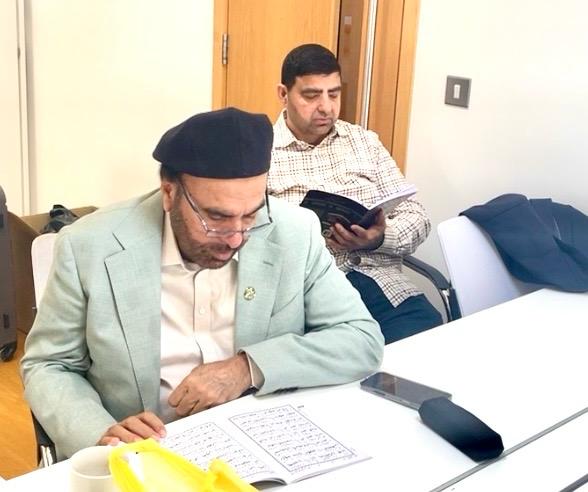
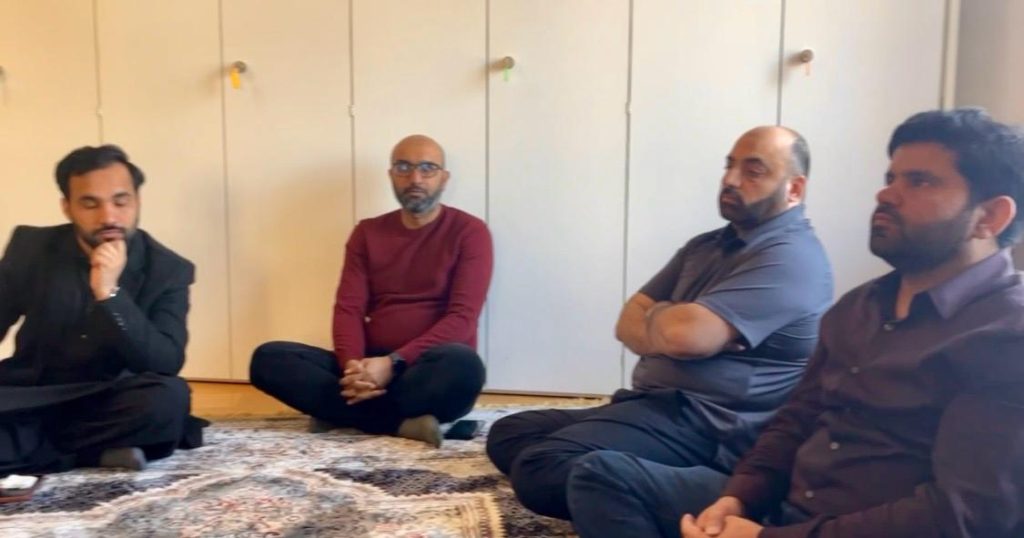
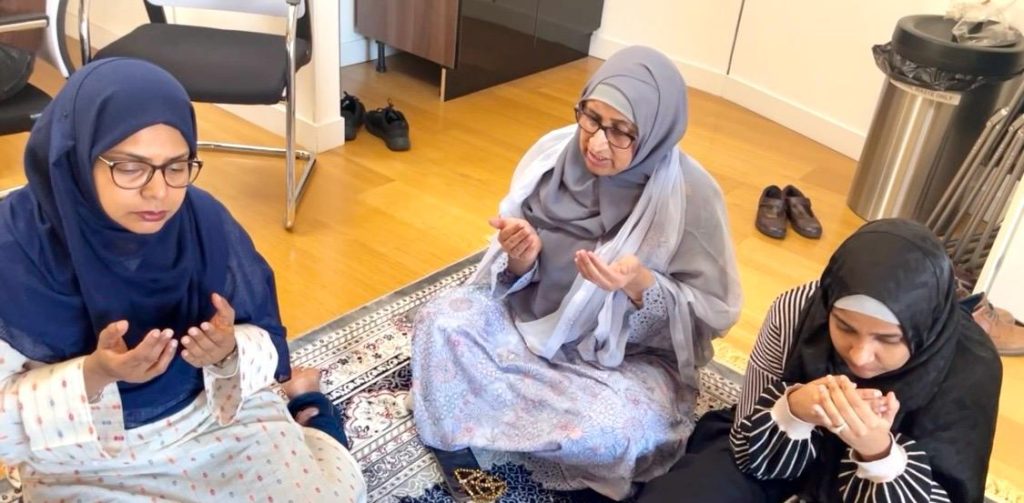
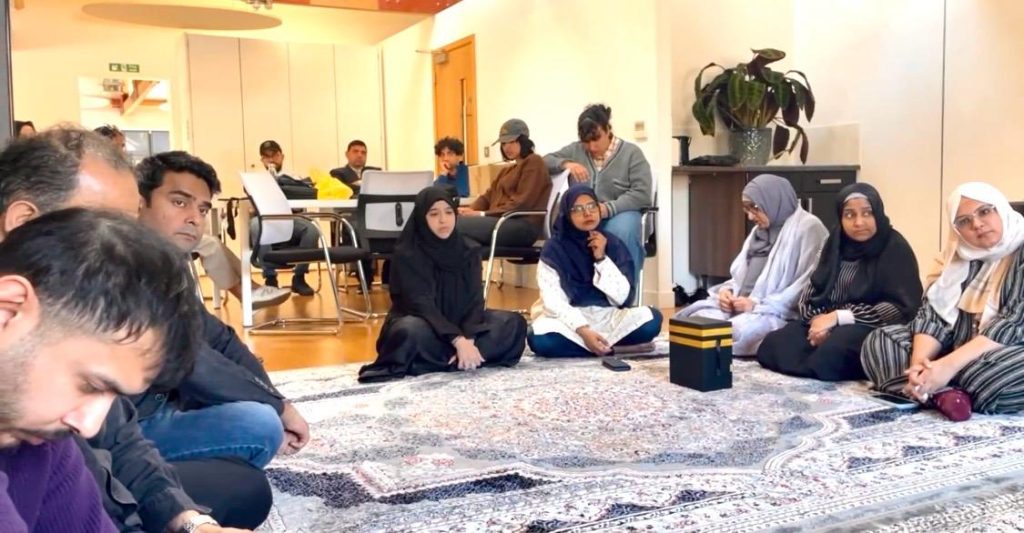
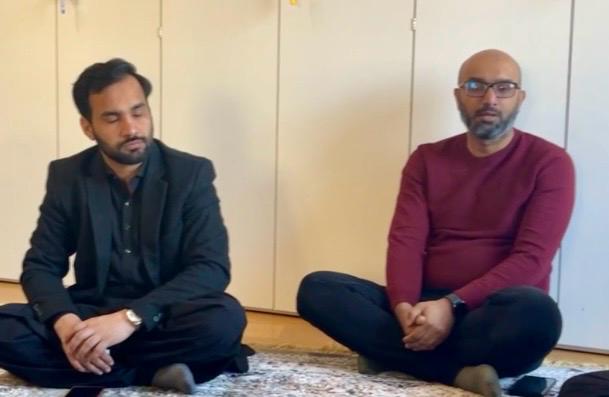
AlMustafa Welfare Trust” has shifted its offices from Hounslow to the Brentford area. On the first day of work in new office, all the staff recited the Quran. On this occasion, the Chairman “AlMustafa” Abdulrazzaq Sajid” spoke about the difficulties and progress of the journey of this institution from its inception to the present day, he appreciated the hard work and efforts of all the staff and prayed for the further development of the institution. At the end of the ceremony, Raja Faiz Sultan, Sikandar Iqbal and Ijaz Ahmed Malhi recited Naat Rasool e Maqbool (peace be upon him).


Fatima Zaman
Education is one of the most powerful tools we can give to our children, shaping not only their future but also the future of society as a whole. Among all children, educating daughters holds a particularly transformative power. When we invest in the education of girls, we are not just supporting one individual, we are uplifting families, communities, and generations to come.
As a trustee for the Pakistan Alliance for Girls Education, I have seen firsthand the profound impact that access to education can have on a girl’s life. This role has deepened my understanding of both the challenges many girls face and the immense potential that is unlocked when those barriers are removed.
For many years, in different parts of the world, girls have faced obstacles to education due to cultural, financial, or social challenges. However, times are changing, and it is becoming increasingly clear that educating daughters is essential for building a stronger and brighter future. An educated girl grows into a confident woman who can make informed decisions, contribute meaningfully to the economy, and raise educated children herself. This creates a powerful ripple effect that benefits society at every level.
When parents prioritize education for their daughters, they are giving them the gift of independence. Education empowers girls to dream bigger, aim higher, and break limitations that once held them back. It gives them a voice the ability to stand up for their rights and the knowledge to protect themselves from exploitation and injustice. A well-educated daughter becomes a pillar of strength for her family and a role model within her community.
Yet, not every child has access to these opportunities. Many children around the world are eager to learn but are unable to attend school due to financial constraints. Their families may struggle to afford even the most basic necessities, making school fees, books, and uniforms feel out of reach. These children carry dreams within them but lack the resources to turn those dreams into reality.
This is where our collective responsibility as a society becomes vital. Even the smallest act of support can make a meaningful difference. Whether it is providing school supplies, sponsoring a child’s education, or supporting organizations dedicated to helping underprivileged students, every contribution has the power to change a life. What may seem small to us can open life-changing doors for a child waiting for an opportunity.
Supporting education goes beyond financial contributions it also requires awareness and advocacy. We must continue to encourage families to educate their daughters, challenge outdated stigmas, and create environments where learning is valued equally for all children. When communities unite around this shared purpose, real and lasting change becomes possible.
Every child deserves the right to learn, grow, and succeed. By focusing on the education of daughters and extending support to those in need, we are investing in a better, more equitable future. The impact of this investment extends far beyond individuals, it strengthens families, reduces poverty, and builds a more just and inclusive world.
In the end, educating a daughter is not just an act of kindness; it is a powerful step toward progress. And by supporting those who need it most, we become part of a lasting change that will benefit generations to come.
AlMustafa’s Eye Camp Brings Hope and Restores Vision in Sialkot
Bureau Report
Sialkot
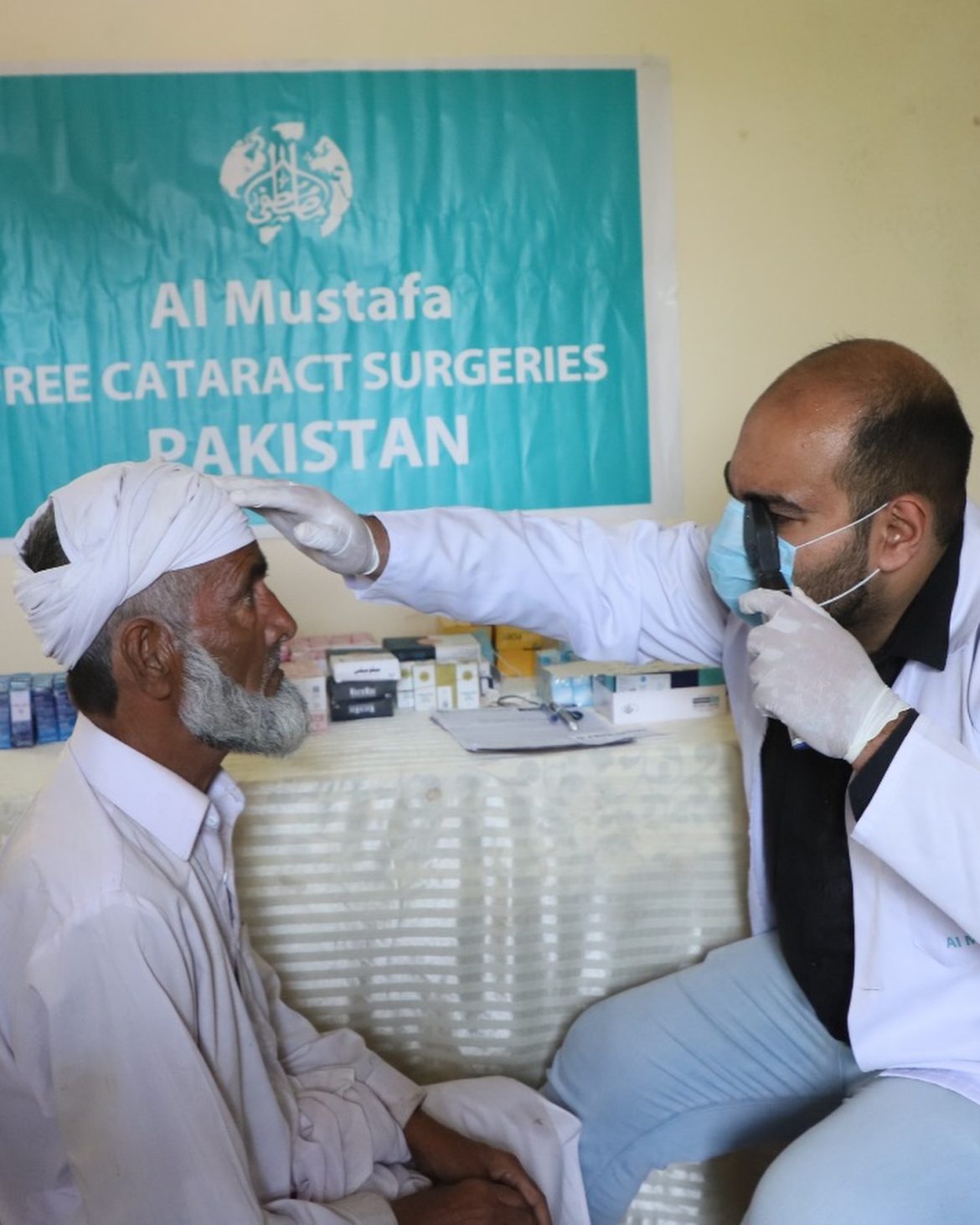
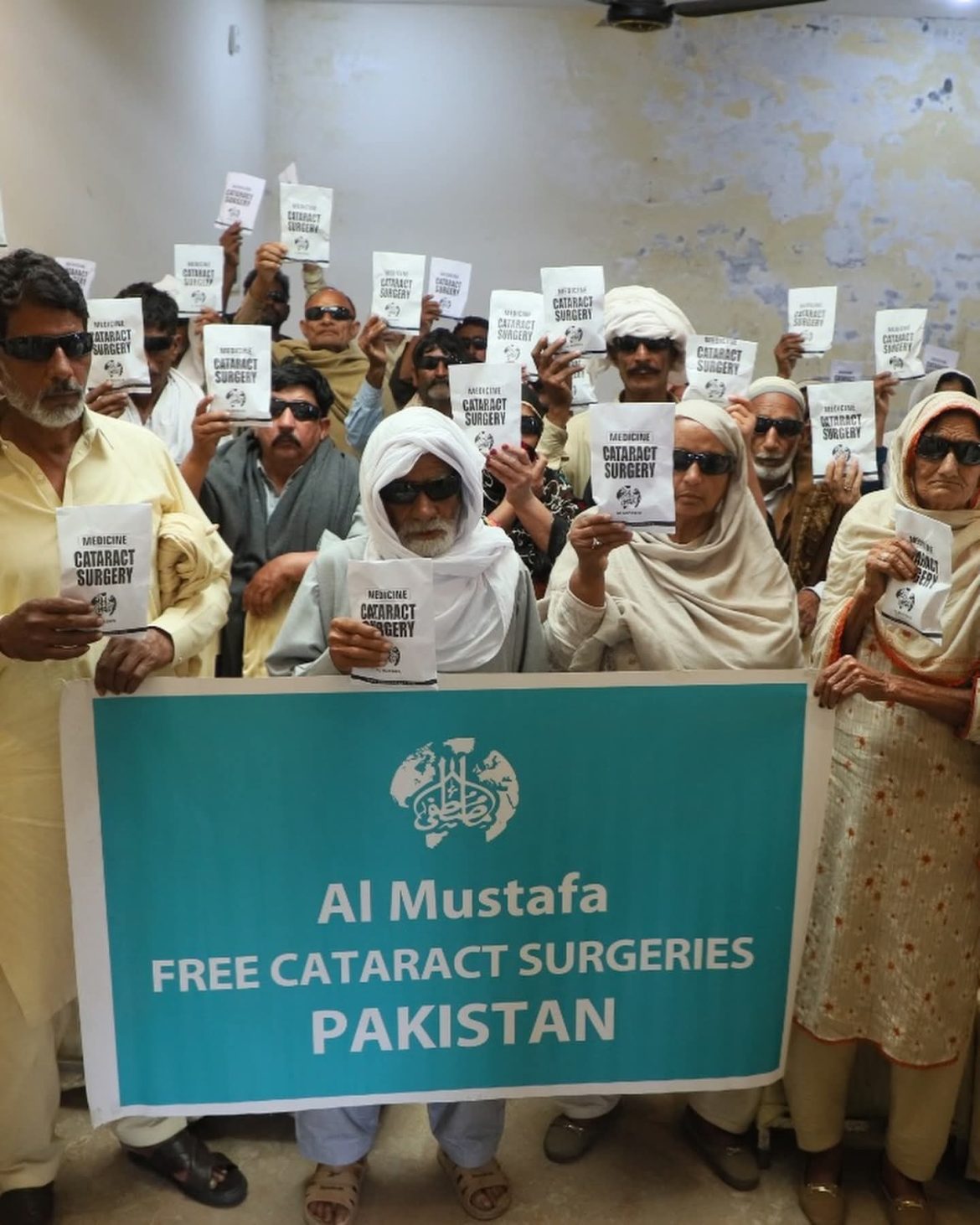
Delivering hope and improved eyesight to underserved communities, Al Mustafa Welfare Trust successfully organized a Free Eye Camp at Kot Dina, Sambrial in Sialkot.
A total of 598 patients were examined through outpatient department (OPD) services, where both men and women received dedicated and professional eye care. The medical team also performed 37 successful eye surgeries, significantly improving the quality of life for patients suffering from vision-related issues.
The camp offered comprehensive health screenings, including tests for Hepatitis C (HCV), Hepatitis B (HBsAg), and HIV, along with special medical attention for diabetic patients—ensuring a holistic approach to patient care.
In addition, 243 patients were provided with free spectacles, enabling them to regain clear vision and carry out their daily activities with greater ease and confidence.
This initiative highlights Al Mustafa Welfare Trust’s continued commitment to delivering accessible and quality healthcare services, particularly to marginalized and low-income communities across Pakistan.
Free Eye Camps Serve Hundreds in Faisalabad, Delivering Critical Eye Care Services
Bureau Report
Faisalabad
A series of free eye camps organized by Al Mustafa Welfare Trust have provided vital medical services to hundreds of patients in different areas of Faisalabad, highlighting the growing need for accessible healthcare in underserved communities. At the first camp held on April 1 in Chak 77GB, a total of 511 patients were examined in the outpatient department (OPD), including 340 female and 171 male. Doctors successfully performed 103 eye surgeries, with 47 female and 56 male benefiting from restored or improved vision. Additionally, 336 patients were provided with free spectacles. Comprehensive screening was also conducted, with 129 individuals tested for Hepatitis C, Hepatitis B, and HIV. Among them, 9 cases of Hepatitis C were detected, while no cases of Hepatitis B or HIV were reported. The camp also identified 31 diabetic patients requiring further care.
The second camp, organized on April 2 at Dera Afzal Akram in Shaheed Haseeb Colony, extended similar services to the local population. A total of 312 patients were treated in OPD, including 147 female and 165 male, while 27 surgeries were carried out. Eye glasses were distributed to 208 patients.
Screening tests conducted on 39 individuals revealed 2 positive cases of Hepatitis C, with no reported cases of Hepatitis B or HIV. Additionally, 14 diabetic patients were identified during the camp.
These initiatives were supervised and reported by Eye Camp Coordinator Wahid Bakhsh, whose team ensured efficient facilities and quality care delivery.
The camps reflect the continued efforts of Al Mustafa Welfare Trust to bridge healthcare gaps, particularly in rural and low-income urban communities, where access to specialized eye care remains limited.
Olive Plantation Initiative Completed in Mansehra Under Tree Plantation Drive
Bureau Report
Mansehra
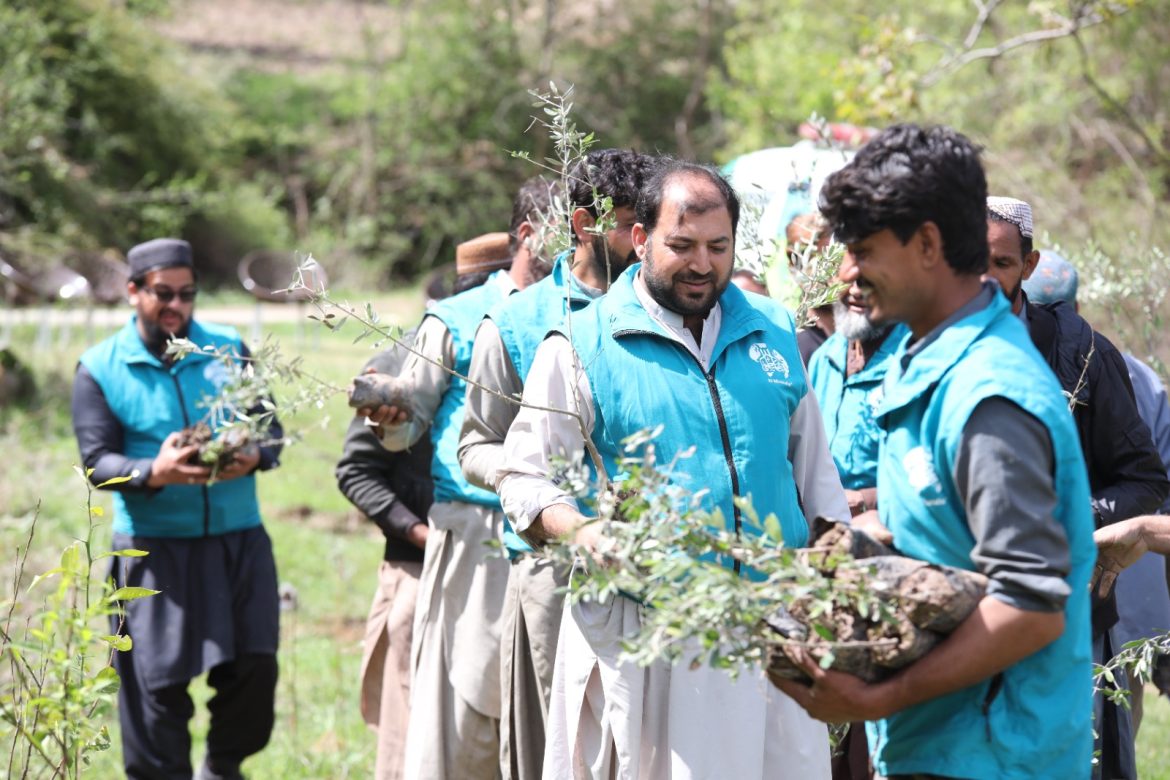
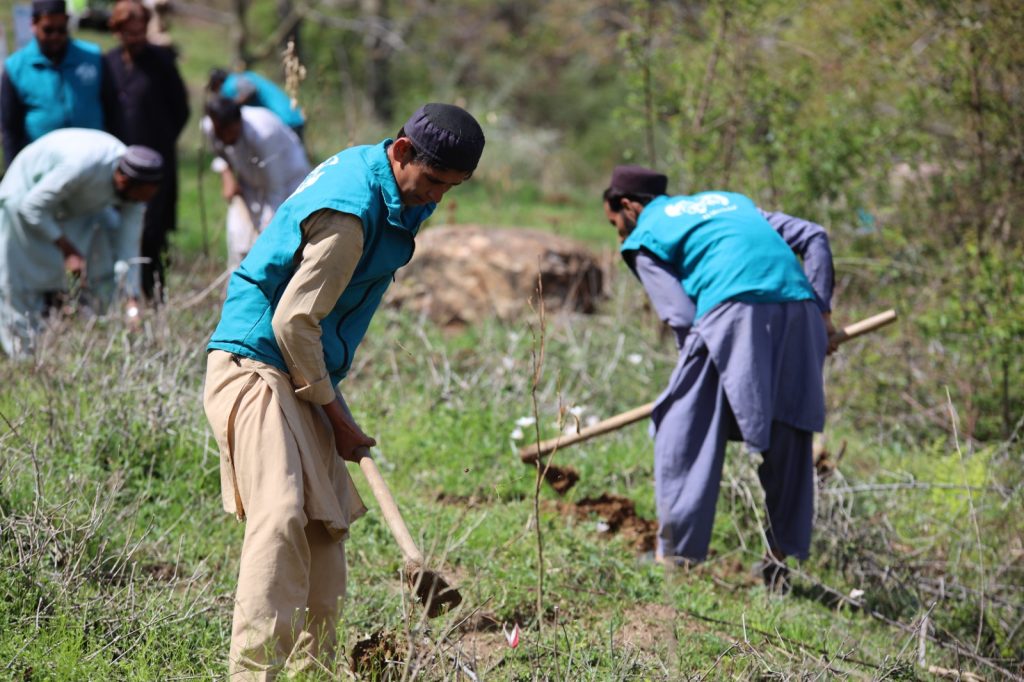
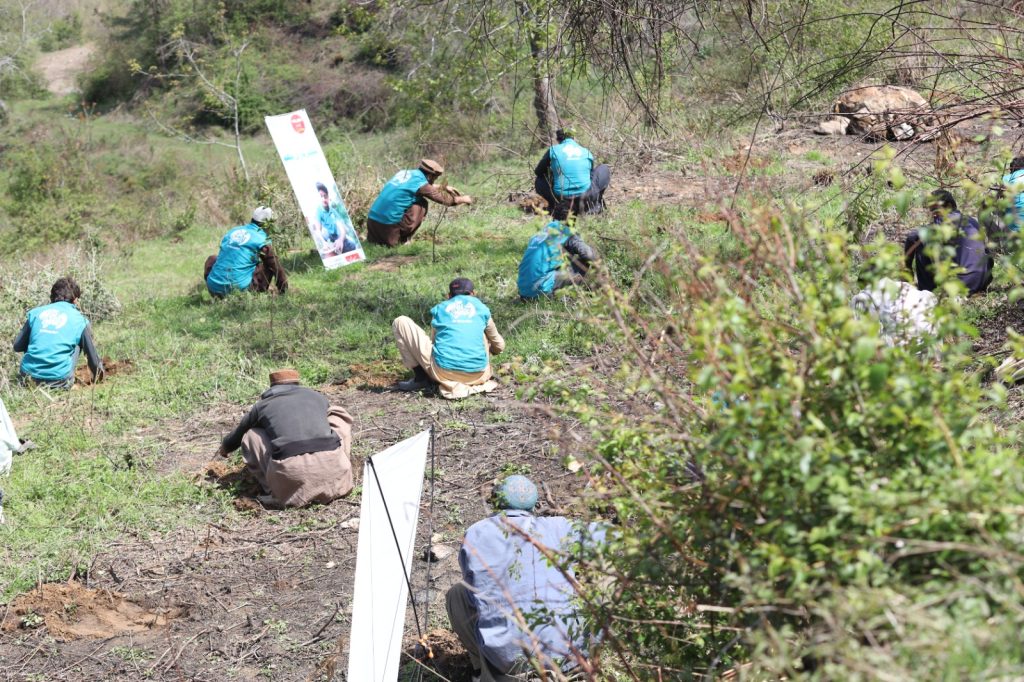
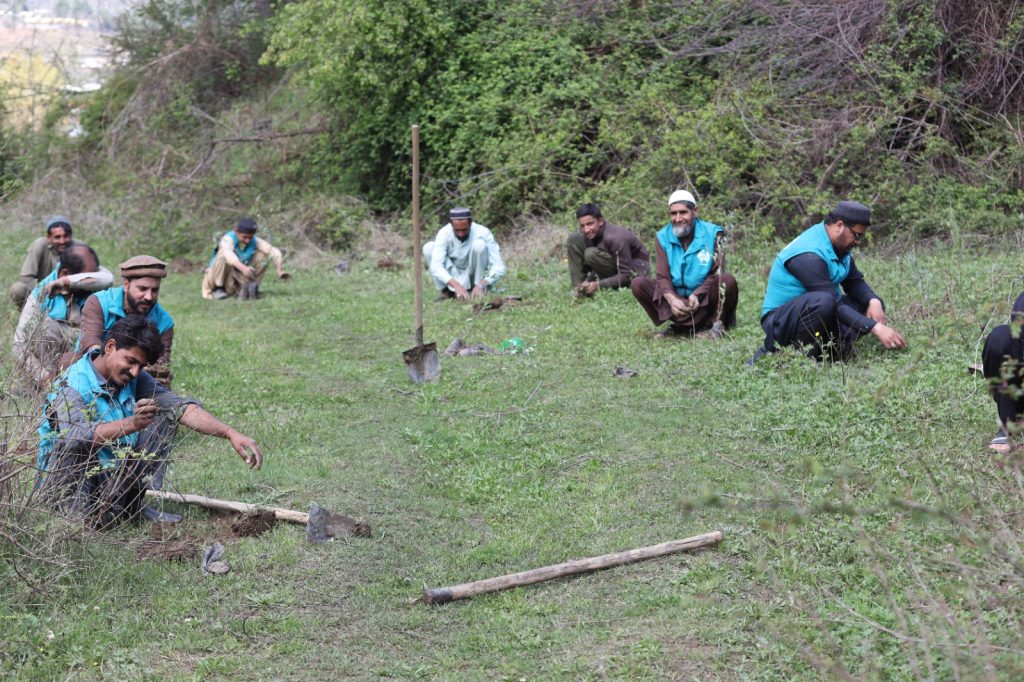
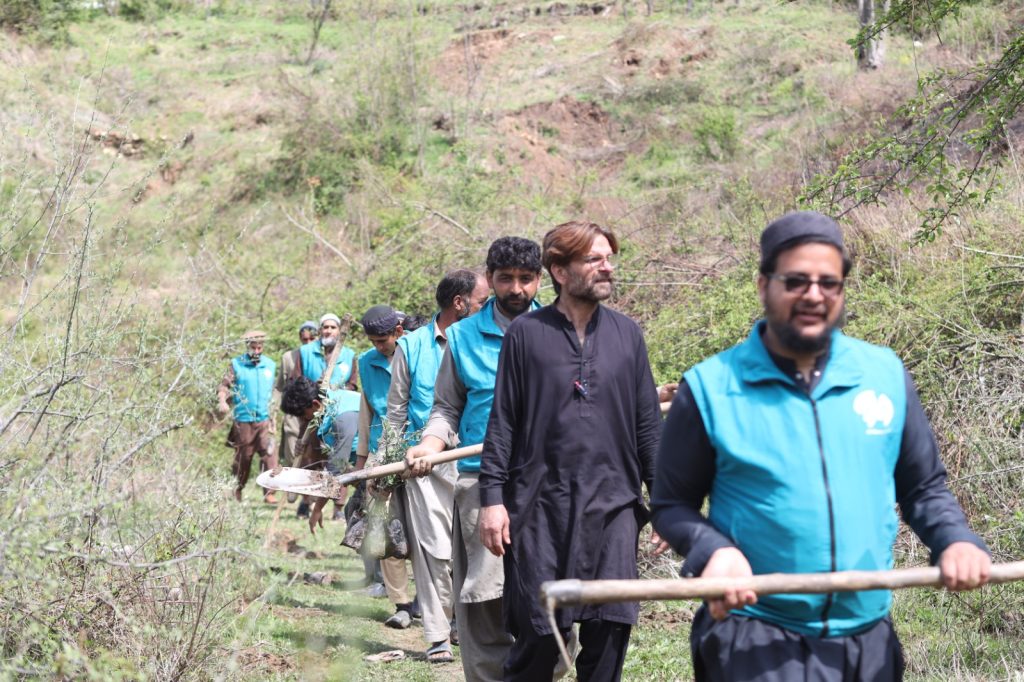
In a significant step towards environmental sustainability, Al Mustafa Welfare Trust has successfully completed an olive plantation project at Chattar Plain in Mansehra as part of its ongoing tree plantation campaign.
The initiative features the development of a well-planned olive orchard, aimed at promoting greenery and contributing to a healthier ecosystem. This commendable effort is expected to help reduce environmental pollution while enhancing the natural beauty of the المنطقة.

Environmental experts emphasize that such plantation drives play a crucial role in combating climate change and improving air quality, particularly in vulnerable to deforestation and ecological degradation.
The project also reflects a broader vision of building a greener and more sustainable Pakistan, encouraging communities to actively participate in environmental protection.
The organization has urged citizens to take part in tree plantation efforts, highlighting that planting trees today will help secure a cleaner, healthier, and more prosperous environment for future generations.
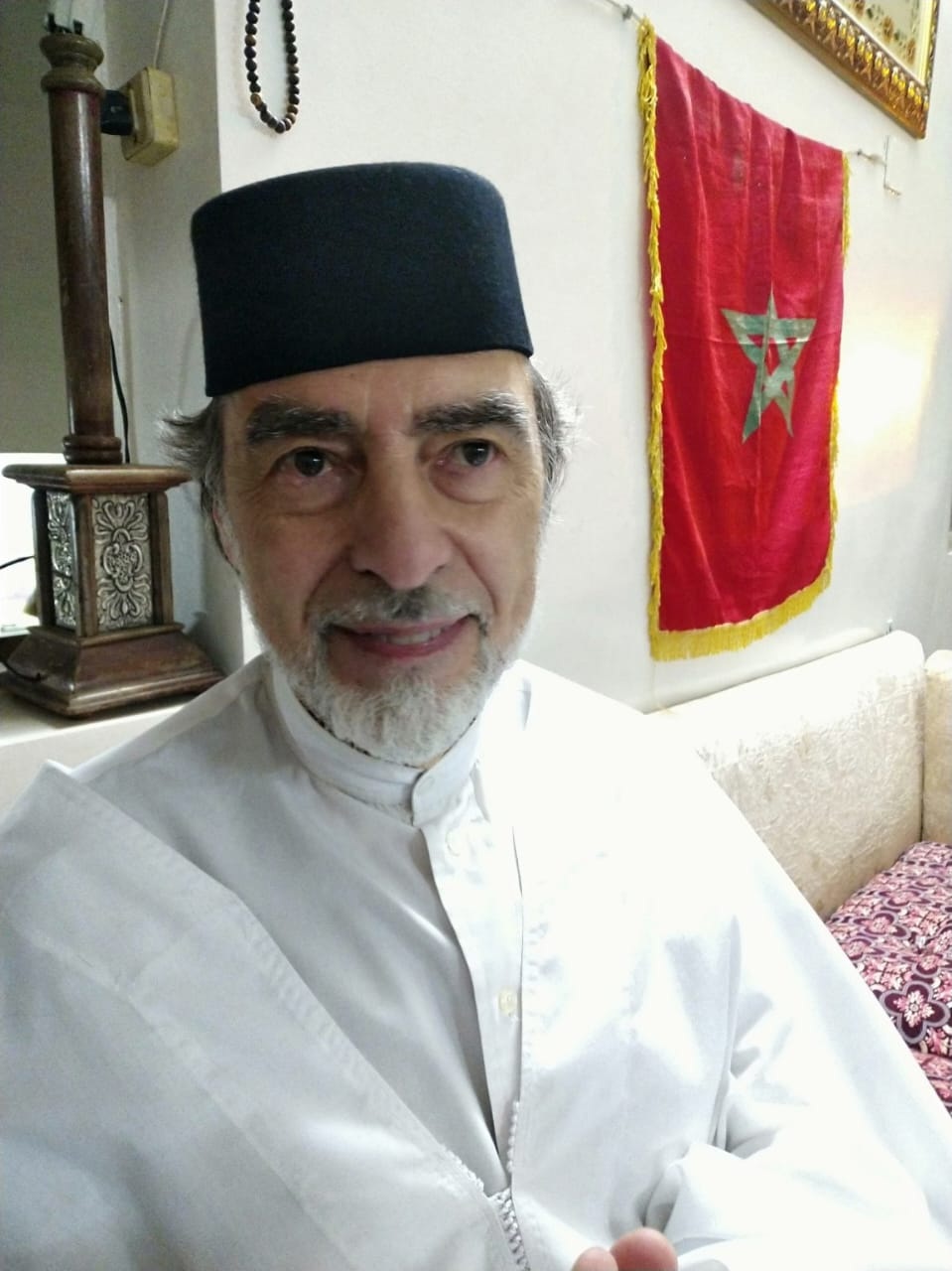
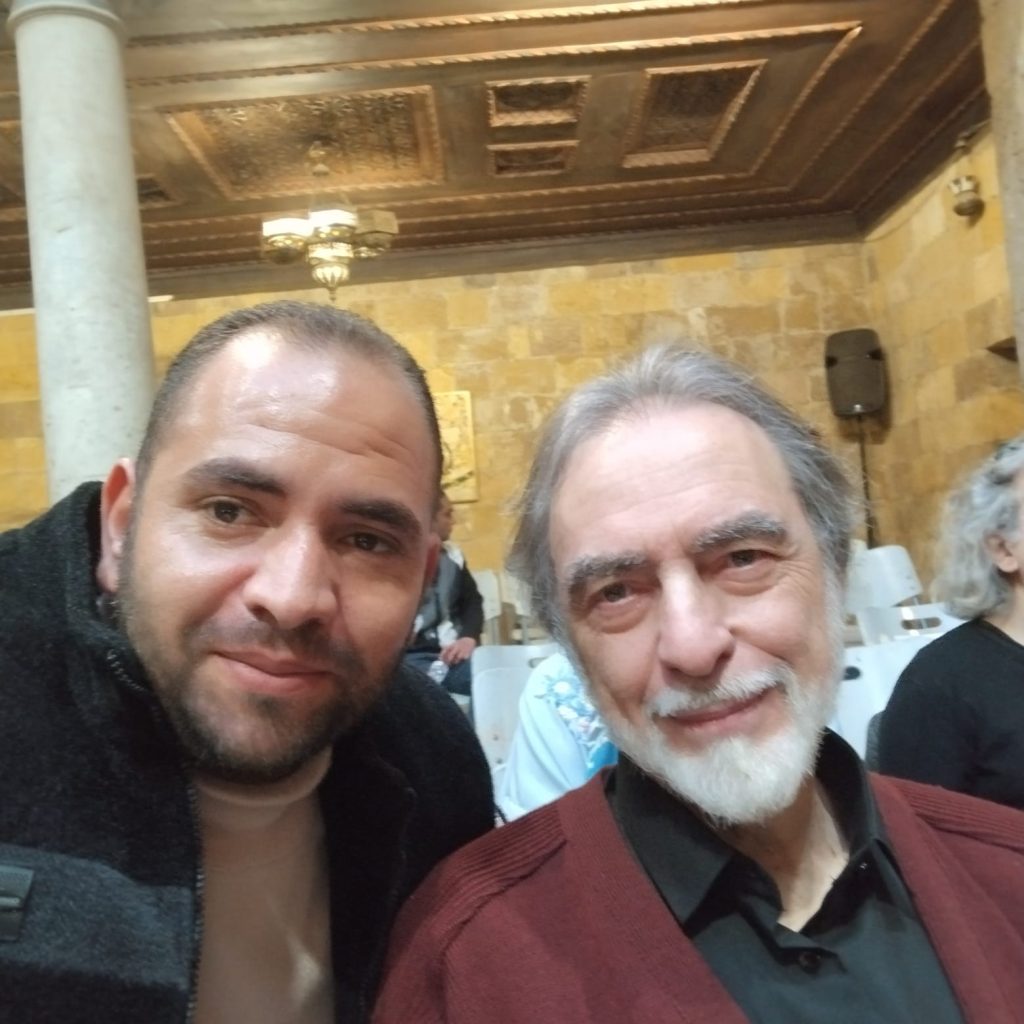
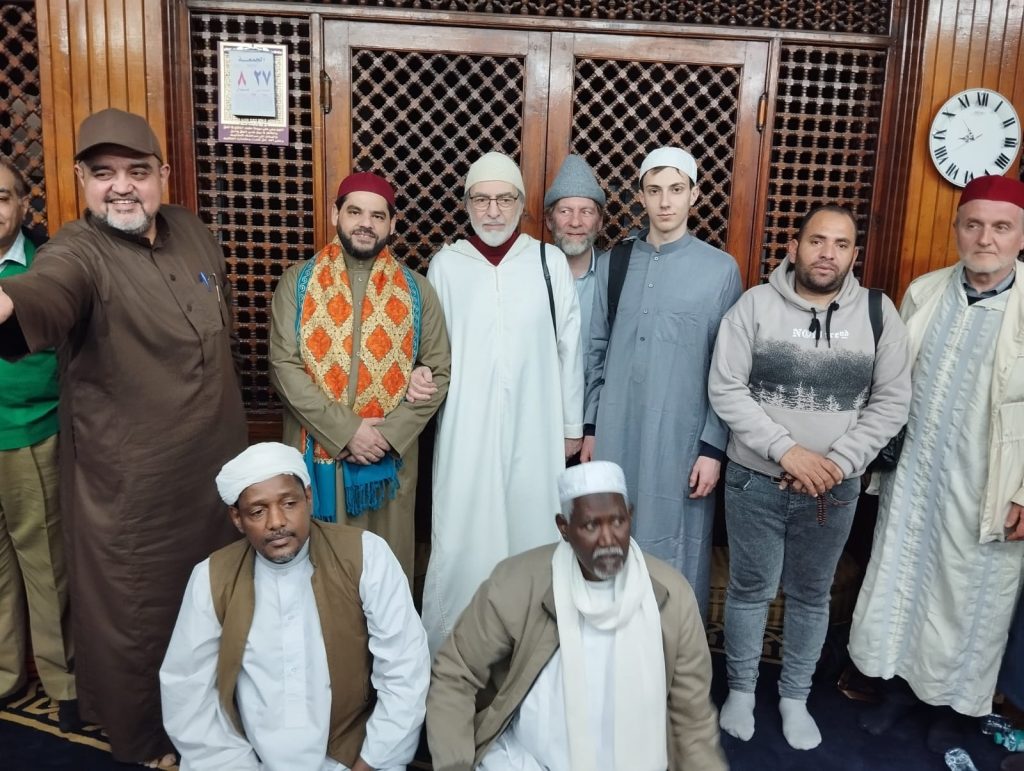
Sufism attracted Europeans to Islam: Sheikh Abdul Samad Al-Tijani
Amr Roshdy
Egypt
In depth and detailed interview of Sheikh Abdul Samad Al-Tijani the Sheikh of the Tijaniyya Order and Sufi leader in Italy, reflects on his spiritual journey and his initiation into Sufism, explaining how his spiritual quest led him to the Tijaniyya path, which has become an essential part of his life and work.
The Sheikh also discusses the role of Sufism in the modern era, particularly within the European and Italian context. He provides insight into the challenges faced by Sufi orders in the West, as well as the relationship between Sufism and values of tolerance and coexistence among religions. Additionally, he clarifies the role of dhikr (remembrance of God) and awrād (daily spiritual practices) in the disciple’s life, and explains how Sufism integrates both the spiritual and intellectual aspects of life in the Western world.
How did your journey into Sufism begin, and what specifically led you to the Tarīqa Tijāniyya?
In brief, my beginnings with Sufism were the fruit of a sincere spiritual yearning for truth and knowledge. This yearning first led me to the writings of René Guénon, and then to the legacy of the Great Master Muhyī al-Dīn Ibn ‘Arabī, may God be pleased with him. My encounter with his book Fusūs al-Hikam was a pivotal moment, for it opened my inner sight to the Mashrab al-Muhammadī (the spiritual source of Muhammadan tradition) in its purest form.
After that, I traveled to Cairo to study the Arabic language and to seek a complete and realized Shaykh who could guide me on the path. Everything that followed was by God’s grace and guidance, for He led me directly to Shaykh Muhammad al-Hāfiz al-Tijānī, may God be pleased with him. Meeting him was one of the greatest blessings and clearest signs in my life.
How would you describe your current role as Shaykh of the Tijāniyya Order in Italy?
In its essence, my role does not differ from that of any other muqaddam of this Tarīqa: it is a function of service — service to the Shaykh, to the Tarīqa, and to the ahbāb, the name given to the Tijānī disciples entrusted to my care. This service also entails an intellectual clarification of the haqāʾiq al tawhīd, al risāla, and al walāya.
Since our return to Italy, after the years spent in Egypt studying Arabic and the Islamic sciences in the 1970s, we have devoted ourselves to publishing translations and studies on Sufism in Italian, and more recently also in French and English. This project will, God willing, continue in the years to come.

How do you view the current state of Islamic Sufism in Europe in general, and in Italy in particular?
René Guénon’s work opened, both in Europe and in Italy, a new intellectual horizon, restoring to contemporary consciousness the possibility of a rigorous approach to the ḥaqāʾiq ʿirfāniyya — the intelligible and gnostic realities — beyond emotional or sentimental expressions, however religious or mystical they may appear. Yet this remains, by its very nature, a circumscribed reality: a niche addressed to those genuinely moved by the search for metaphysical meaning and principial order.
At the same time, other dimensions of Sufism have taken root in recent decades, for Islam has entered the West through various channels: globalisation, migration, and the presence of Turuq of a more popular character. The European landscape — and the Italian one in particular — thus reflects this dual dynamic: on the one hand, a more selective intellectual and initiatic interest; on the other, a broader diffusion linked to communal and devotional forms.
What are the most significant challenges that Sufi orders face in Western societies?
The foremost challenge is to preserve an inner equilibrium and a profound vision of the Supreme Reality (al ḥaqīqa al ʿāliya al kulliyya), so as to remain centred despite the upheavals that mark this age of decisive transformations. It is essential not to be drawn into outward movements, nor to become entangled in the radicalised tendencies of contemporary society — whether Islamic or otherwise.
Truth remains the sole essential criterion. As Guénon wrote at the end of The Crisis of the Modern World, the motto of the Western ʿirfānī Sufis should be: “Vincit omnia veritas” — Truth always prevails.
Is there interest among non Muslims in deepening their knowledge of Sufism and how does this interest manifest?
There is indeed an interest, though it does not concern the Western public at large. It appears rather among those who are moved by an inner need for “spiritual” truth — at times not yet clearly defined. At this point, however, different paths open, depending on the inner dispositions — what Guénon would have called qualifications — of each individual.
Many are drawn by a taste for the exotic, for what appears “Eastern”: the same current that leads Westerners towards the interior forms of Hinduism or Buddhism. Within this tendency we also find those who approach Sufism as one among several Eastern spiritual movements, often motivated by disappointment with what remains of the ancient spiritual world of Christianity.
For those, however, who have studied and assimilated Guénon’s work, the matter presents itself in an entirely different light: more esoteric (in the authentic sense of bāṭinī, not in the sense of the deviant currents within Islam) and more genuinely gnostic, oriented towards the understanding of principial realities and intelligible truths.
Pakistan’s role in US-Iean ceasefire is commendable: Raja Sikander Khan/Raja Kala Khan
City reporter
Kashmir Supreme Council (GPKSC) Raja Sikandar Khan along with President GPKSC Kala Khan congratulates the entire nation of Pakistan and appreciates the great diplomatic efforts of the Prime Minister of the Islamic Republic of Pakistan, Shehbaz Sharif, Deputy Prime Minister Ishaq Dar and Field Marshal Syed Asim Munir.
Pakistan has played a very important role in the efforts to establish peace between Iran and United States, finally its efforts have borne fruit. The whole world has recognised and appreciated Pakistan for the success of the peace agreement, which is a great achievement for Pakistan, which is being appreciated by world leaders.
In his closing remarks, Raja Sikandar Khan prayed for peace and stability in the region and praised the determined role of the Pakistan Army for peace.
Donald Trump’s approach to language has long defied the conventions of diplomacy. Where past leaders carefully measured their words to preserve alliances and maintain decorum, Trump has often favoured blunt, combative, and at times incendiary rhetoric. His style, while resonating with supporters who see it as refreshingly direct, raises serious questions about the role of language in international relations and domestic unity. Diplomacy, by its nature, depends on nuance. Words are not merely expressions of opinion; they are instruments of policy. A careless remark can strain alliances, unsettle markets, or embolden adversaries. Trump’s frequent use of personal insults, sweeping generalizations, and provocative phrasing has, on multiple occasions, blurred the line between strategic communication and impulsive commentary. Critics argue that such language undermines the credibility of the office he held and weakens the United States’ standing on the global stage. Supporters, however, contend that his rhetoric cuts through what they perceive as the empty formalities of political speech. To them, Trump’s undiplomatic tone signals authenticity and strength, rejecting a tradition they believe has too often masked inaction or insincerity. In this view, plain speaking even when abrasive is preferable to cautious ambiguity.
Yet authenticity and effectiveness are not always aligned. Leadership requires more than candor; it demands judgment. The consequences of undiplomatic language are rarely confined to headlines. They ripple outward, affecting negotiations, alliances, and public trust. When rhetoric escalates tensions or alienates partners, the costs can be both immediate and enduring. Ultimately, the debate over Trump’s language reflects a broader question about the expectations we hold for those in power. Should leaders mirror the frustrations of the public, or should they rise above them? The answer may shape not only political discourse but also the health of democratic institutions and international cooperation in the years to come.
NHS warns doctors not to go on strike
The warning from NHS urging doctors not to proceed with strike action underscores the deepening strain within Britain’s healthcare system. At a time when waiting lists remain high and staff shortages persist, the prospect of industrial action raises serious concerns about patient care and public confidence. From the NHS perspective, the argument is straightforward: strikes risk disrupting already fragile services. Delayed operations, longer emergency wait times, and reduced staffing levels could place vulnerable patients at even greater risk. Health leaders are keenly aware that the system has yet to fully recover from the pressures of recent years, and any further instability could have immediate consequences. Yet this warning does not exist in a vacuum. Doctors considering strike action are not acting lightly. Many point to years of pay erosion, burnout, and increasing workloads. For them, industrial action is not simply about wages it is about sustainability. A workforce pushed beyond its limits cannot deliver safe or effective care in the long term. This tension reveals a fundamental dilemma. On one hand, the NHS must maintain continuity of care; on the other, it must retain and support the very professionals who make that care possible. Asking doctors to forgo strike action without addressing underlying grievances risks appearing dismissive of legitimate concerns. The situation calls for more than warnings. It demands meaningful negotiation, transparency, and a willingness to confront difficult truths about funding and workforce planning. Without that, appeals to duty alone may ring hollow and the crisis the NHS hopes to avoid could become harder to contain.