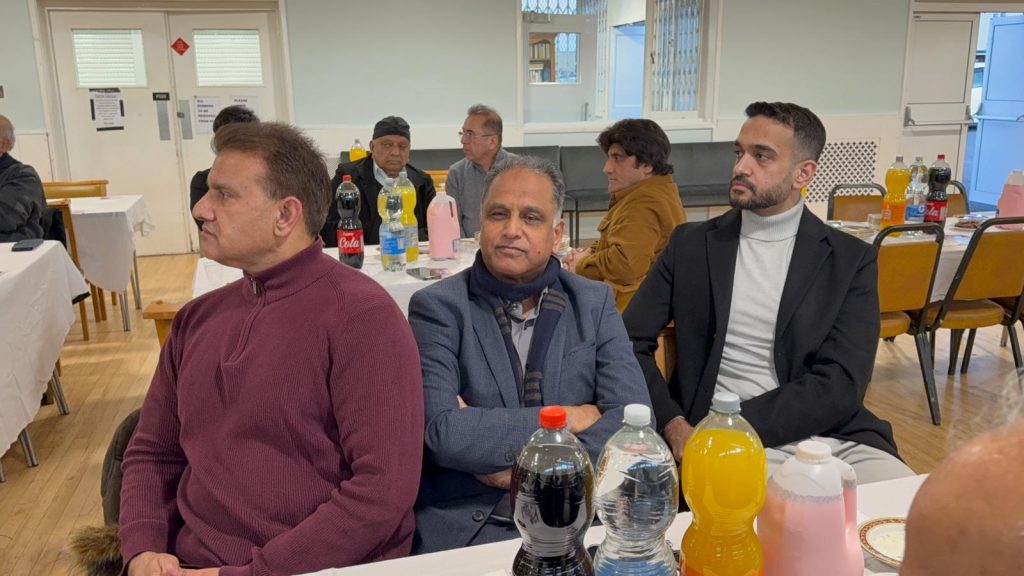
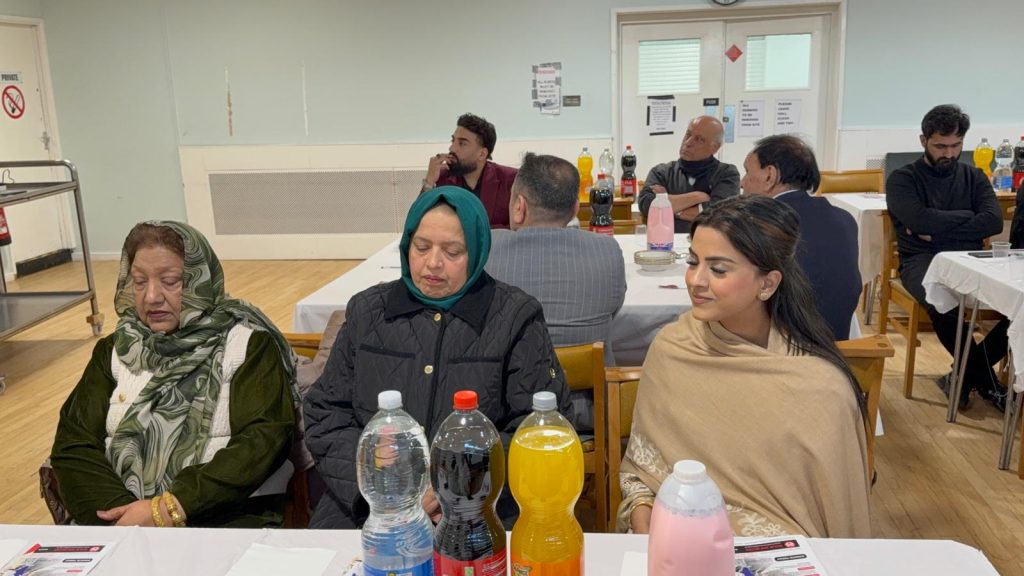
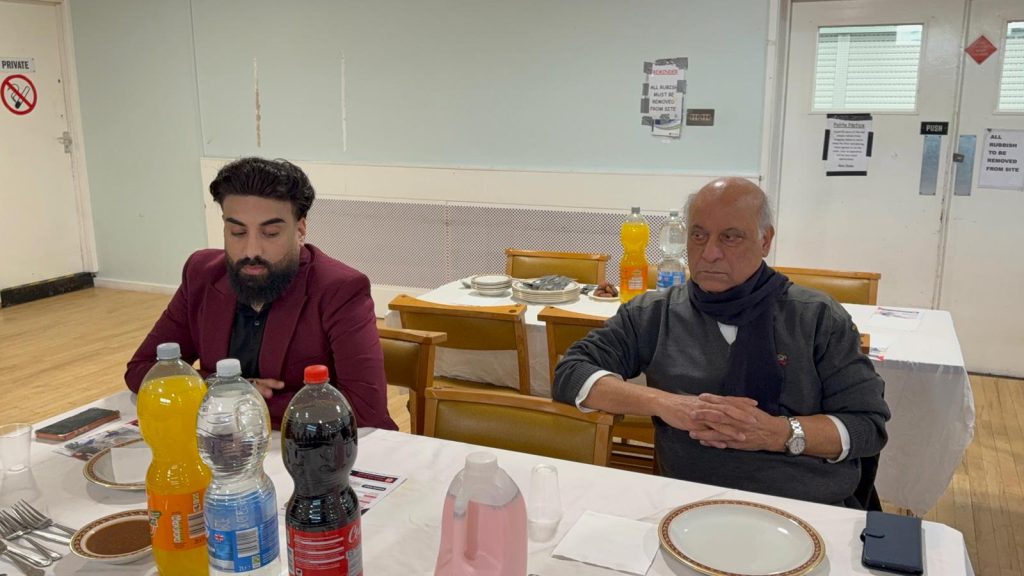
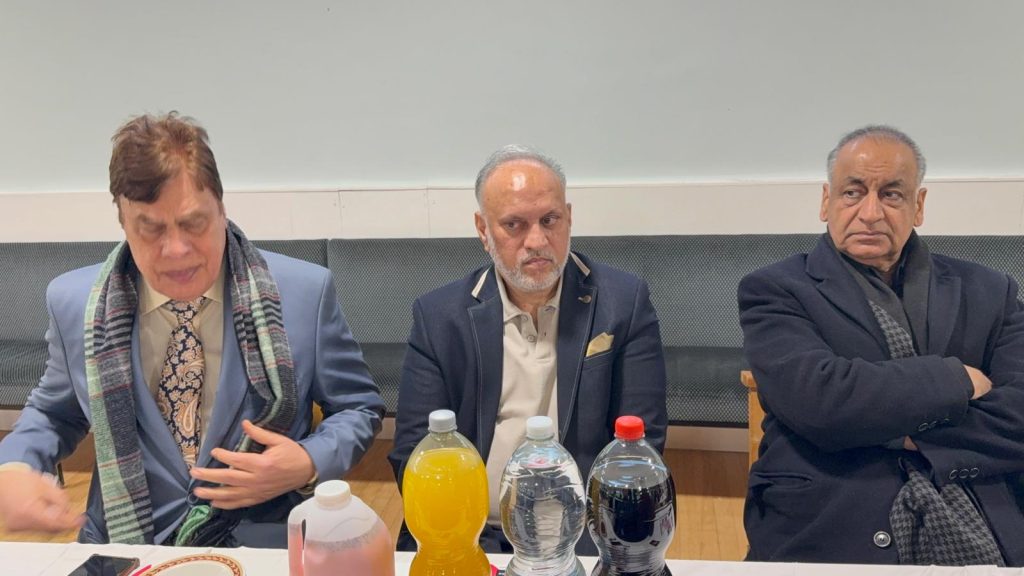
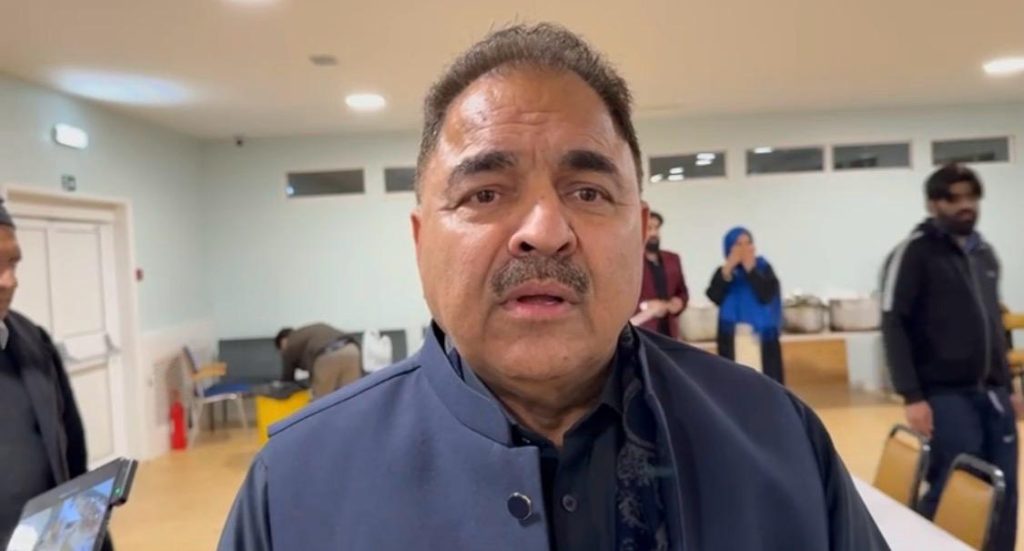
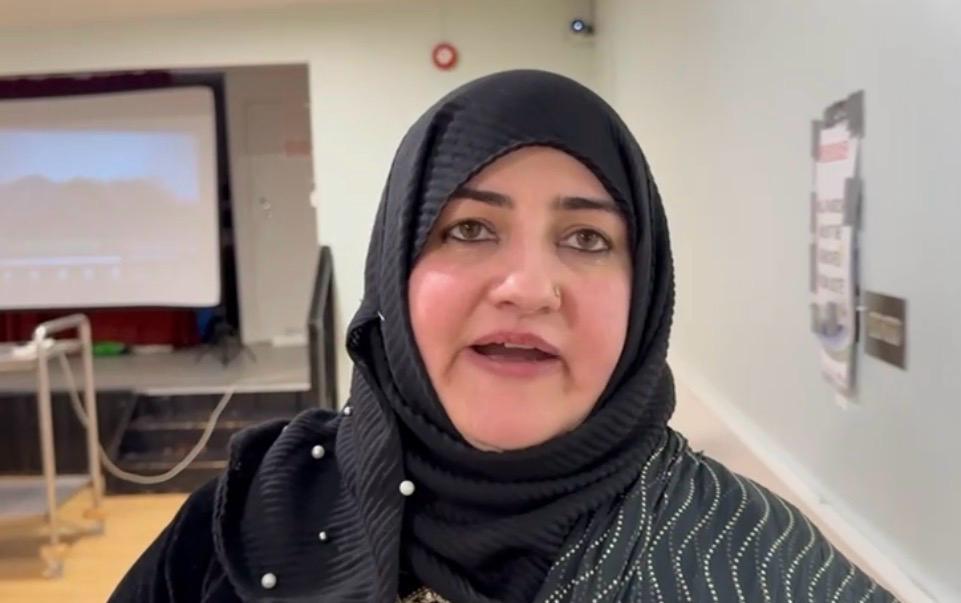
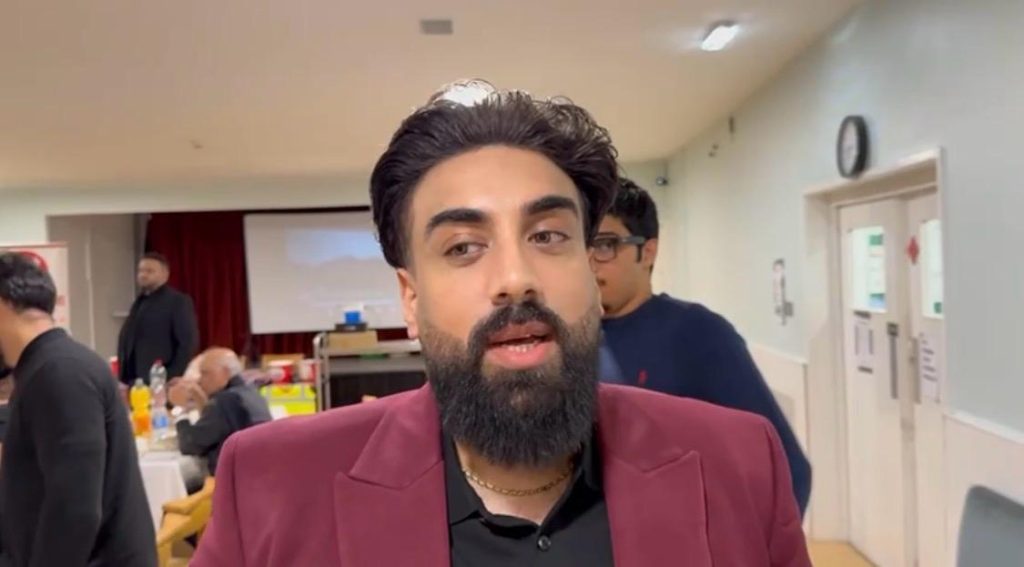
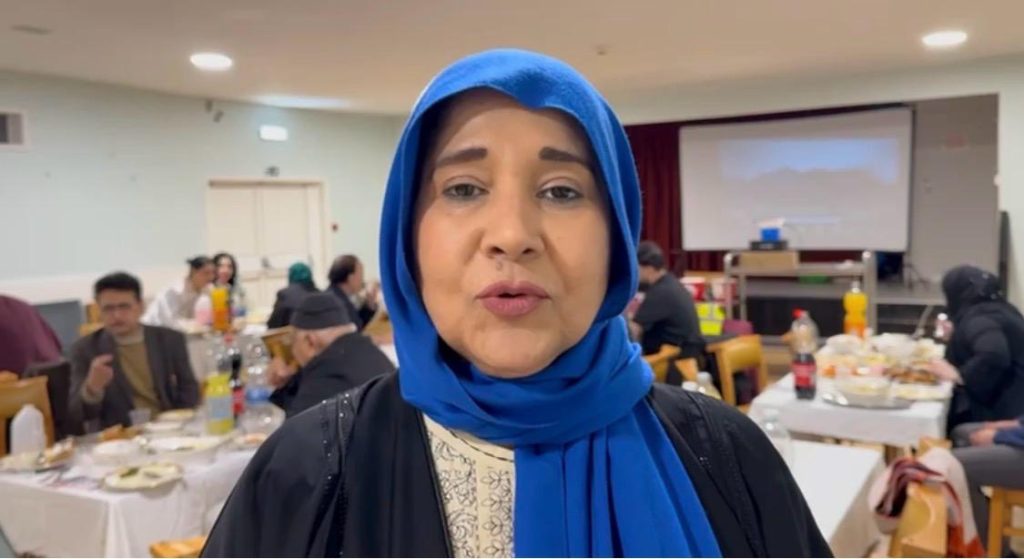
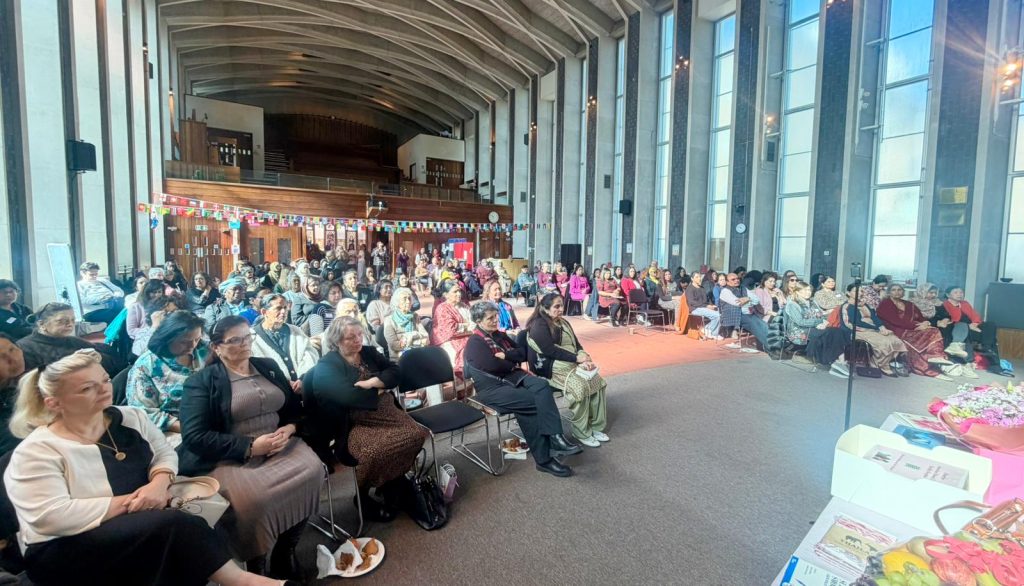
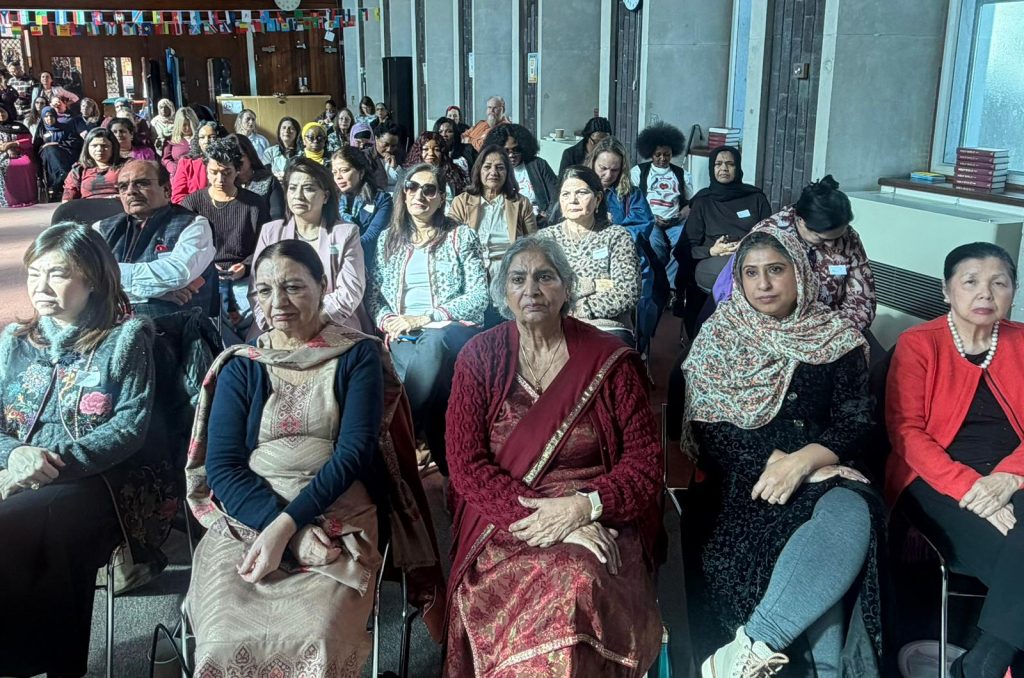
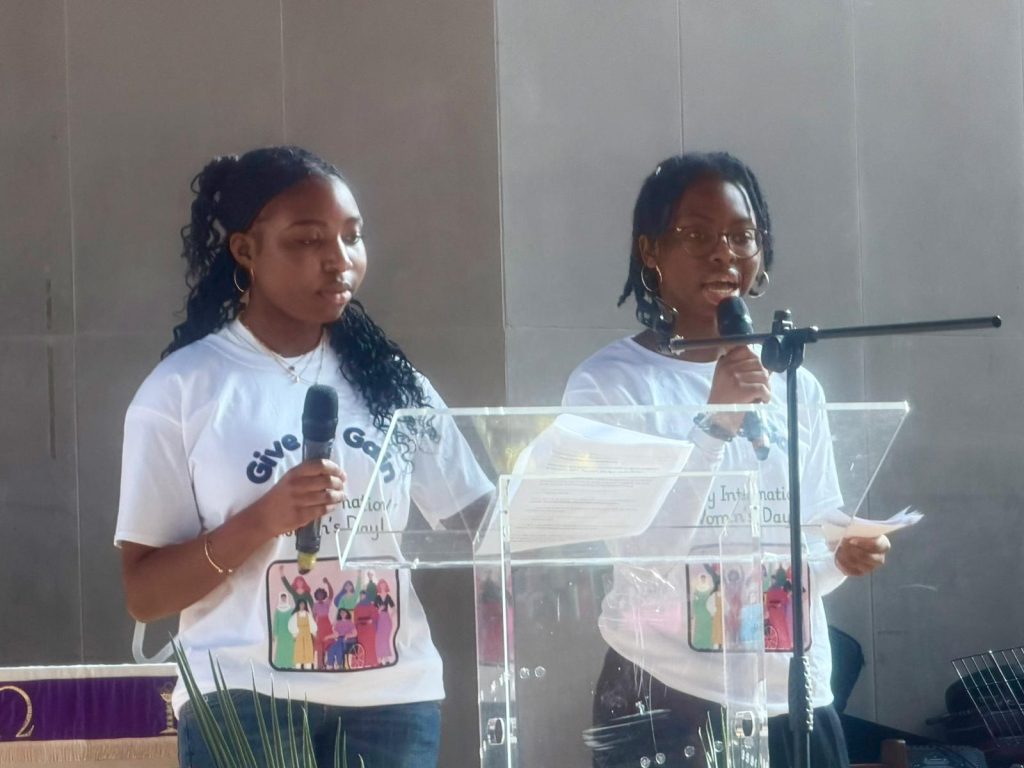
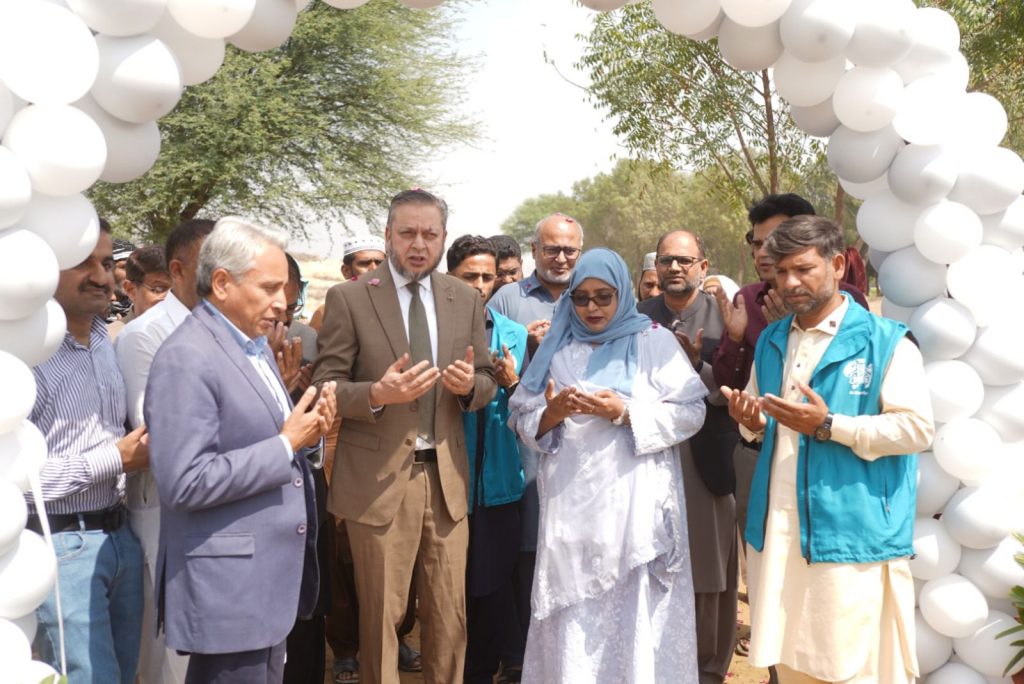
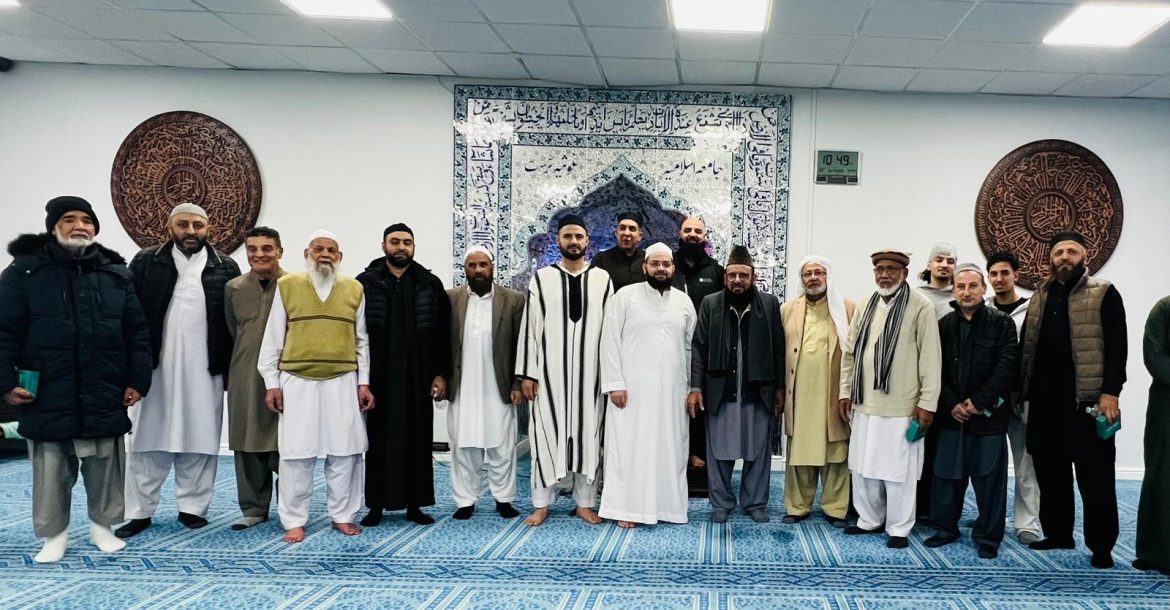
Imam and Khatib of Jamia Islamia Ghousia, Westbourne Road, Luton, Maulana Qazi Abdul Aziz Chishti MBE, while addressing the Khatm-ul-Quran gathering, said that we are fortunate that Allah Almighty has given us the blessed month of Ramadan. He congratulated Qari Muhammad Shafiqur-ur-Rehman on getting the privilege of reciting the Holy Quran in Taraweeh prayers in his beautiful voice. Maulana Qazi Abdul Aziz Chishti, while explaining the virtues of Laylatul Qadr, said that this night is better and more excellent than a thousand months. In this night, the mercy and forgiveness of Allah Almighty are at their peak. May Allah Almighty give us the courage to reap the blessings and blessings of this night. On this occasion, a large gathering offered special prayers for the unity and harmony of the Islamic world and the security and survival of Pakistan and also prayed for the success of the armed forces of Pakistan.
News
By our Staff reporter:
A charity dinner was arranged by “Muslim Rose Charity UK” in Slough, a suburb of London, which was organised by the well-known socio-political figure, Chairman “Pak Kashmir Global Council” Raja Sikandar Khan. People from all walks of life participated in the event. The stage secretary of the event was performed by the well-known radio presenter Rocky Khan. At this fundraising event, the attendees generously donated and said that “Muslim Rose Charity’s humanitarian projects are commendable.” On this occasion, chairperson of the charity, Saira Qayyum, said that we have a 100 percent delivery policy in terms of donations. We are tirelessly working on projects to eradicate poverty, restore eyesight, obtain clean drinking water and provide basic food and drink to the needy in remote areas of Sindh including Tharparkar.

When a Sponsor Licence Falls, Must the Immigration Skills Charge Fall with It?

Ramsha Shahid
A recent immigration dispute raises serious legal questions about whether the Home Office can retain Immigration Skills Charges for unused sponsorships simply because a sponsor licence was later revoked.
A recent immigration dispute has exposed an important fault line in the Home Office’s sponsorship regime: can the government lawfully retain Immigration Skills Charges paid for Certificates of Sponsorship that were never used, simply because a sponsor licence was later revoked?
The case itself cannot be publicly identified. What can be examined, however, is the legal question it raises and it is one that could affect a large number of UK employers.
The dispute concerned an employer sponsor seeking refunds of Immigration Skills Charges (ISC) paid in respect of multiple Certificates of Sponsorship (CoS). Those certificates were ultimately never used. Despite that, the Home Office initially refused to refund the charges, relying on sponsor guidance which states that refunds will not normally be issued where a sponsor licence has been revoked. That position was repeated in the Home Office’s response to a Pre Action Protocol challenge.
What followed is telling. After the legal challenge was issued, the Home Office agreed to refund the relevant ISC sums in that particular case. Crucially, however, the department declined to concede that its wider policy was unlawful. Instead, the Home Office stated that the refund was appropriate only because, at the time the refund request was made, the sponsor licence had not yet been formally revoked. The guidance also contemplated that refund decisions should ordinarily be made within 90 days.
The practical result was that the sponsor recovered the money. But the reasoning behind the refund reveals a deeper legal tension. The Home Office appears to be treating sponsor licence revocation case law as if it automatically determines questions about Immigration Skills Charge refunds. In legal terms, those are two distinct issues.
The Immigration Skills Charge is imposed under section 70A of the Immigration Act 2014 and regulated by the Immigration Skills Charge Regulations 2017. Importantly, the Regulations expressly allow the Secretary of State to refund or waive all or part of the charge. Parliament therefore did not create a rigid no refund regime. It created a statutory scheme which includes an express discretionary power.
The Explanatory Memorandum accompanying the Regulations also sheds light on the policy purpose behind the charge. The Immigration Skills Charge was introduced to encourage employers to invest in training and upskilling the resident workforce and to reduce long term reliance on migrant labour. The charge is therefore linked to the recruitment of sponsored workers.
This statutory structure matters. Where a Certificate of Sponsorship is never used and no worker actually commences employment, the connection between the charge and its policy purpose becomes far less obvious. The legal question is therefore not simply whether the Home Office can be strict with sponsors. It is whether a blanket refusal of refunds based solely on later licence revocation represents a lawful exercise of the discretion granted under the 2017 Regulations.
In its Pre Action Protocol response, the Home Office relied on well known authorities concerning the sponsor licensing system. These included Prestwick Care Ltd v Secretary of State for the Home Department [2025] EWCA Civ 184, New London College Ltd v SSHD [2013] UKSC 51, and St Andrew’s College v SSHD [2018] EWCA Civ 2496. Those cases emphasise that the sponsorship system operates on trust and that the Secretary of State is entitled to enforce compliance with a relatively “light trigger”.
As a general statement about sponsor licence enforcement, that proposition is uncontroversial. However, its relevance to Immigration Skills Charge refunds is less clear. The authorities cited concern the legality of the sponsor licensing regime and the Secretary of State’s power to revoke licences. They do not address the exercise of a financial discretion to refund statutory charges under the 2017 Regulations.
That distinction is significant. A sponsor licence revocation is a regulatory enforcement decision within immigration control. A decision to refund an ISC payment is an administrative financial decision taken under a different statutory mechanism. Treating those questions as interchangeable risks importing the logic of enforcement into an area where Parliament deliberately preserved discretion. Put simply, strictness in revocation does not automatically justify refusal of refunds.
The reliance on New London College is particularly notable. In that case, the Supreme Court upheld the legality of the sponsorship regime but also emphasised that the Secretary of State cannot operate policies inconsistent with the statutory framework or Immigration Rules. That principle cuts both ways. While it confirms that the sponsorship system itself is lawful, it also means that executive guidance must remain consistent with the legislation that governs it.
In this context, that legislation includes the Immigration Skills Charge Regulations, which explicitly provide for refunds and waivers. If guidance is applied so rigidly that licence revocation effectively becomes an automatic bar to refunds, there is a risk that the discretion Parliament intended to preserve is being unlawfully narrowed. Public law has long recognised that decision makers cannot fetter a statutory discretion through rigid policy.
Similar difficulties arise with reliance on Prestwick Care and St Andrew’s College. Those decisions reinforce the courts’ reluctance to interfere with sponsor compliance decisions and recognise the Home Office’s broad latitude in maintaining the integrity of the sponsorship system. But a refund dispute is not simply a second challenge to a licence revocation wearing a different label. The legal question is different. It concerns whether the Home Office may retain a statutory charge paid for sponsorship that never resulted in recruitment, by applying a blanket policy tied solely to the later revocation of the sponsor licence.
Several factors suggest that the issue deserves closer scrutiny. The ISC Regulations preserve a refund discretion. The policy purpose of the charge is tied to skills investment and sponsored recruitment, not simply sanctioning non compliant sponsors. The Home Office’s own correspondence in the recent case acknowledged that timing matters: if a refund decision should have been made before revocation, the later revocation cannot simply be treated as decisive. Treating all revocations identically also risks collapsing very different factual scenarios into the same outcome.
The strongest critique of the current approach is not based on fairness alone. It is based on statutory coherence. The Explanatory Memorandum makes clear that the charge exists to incentivise domestic skills investment and applies in relation to sponsored workers recruited by employers. Where no worker is ever recruited and the Certificate of Sponsorship is unused, the policy justification for retaining the charge becomes more difficult to sustain.
That does not automatically mean every refusal is unlawful. But it does make blanket refusal policies harder to defend as rational exercises of discretion. There is also an issue of sequencing. If the relevant refund decision ought to have been taken within a defined timeframe, and during that period the sponsor licence had not yet been revoked, relying on later revocation may appear less like principled decision making and more like administrative convenience.
For many employers, particularly in sectors such as social care, the issue is far from theoretical. Organisations across the UK have paid significant Immigration Skills Charges in recent years. Some may have accepted refund refusals without challenge, assuming that licence revocation automatically ended the matter. That assumption may not always be correct.
Where refund refusals occurred within the past three years, particularly in cases involving unused Certificates of Sponsorship or timing issues in decision making, there may still be scope for legal review.
The broader lesson is simple. The Home Office is entitled to regulate sponsorship robustly. But robustness in one part of the regime does not remove the obligation to exercise statutory discretion lawfully in another. A sponsor licence may indeed be a privilege. But a refund discretion, once granted by law, remains a discretion that must be exercised according to law.
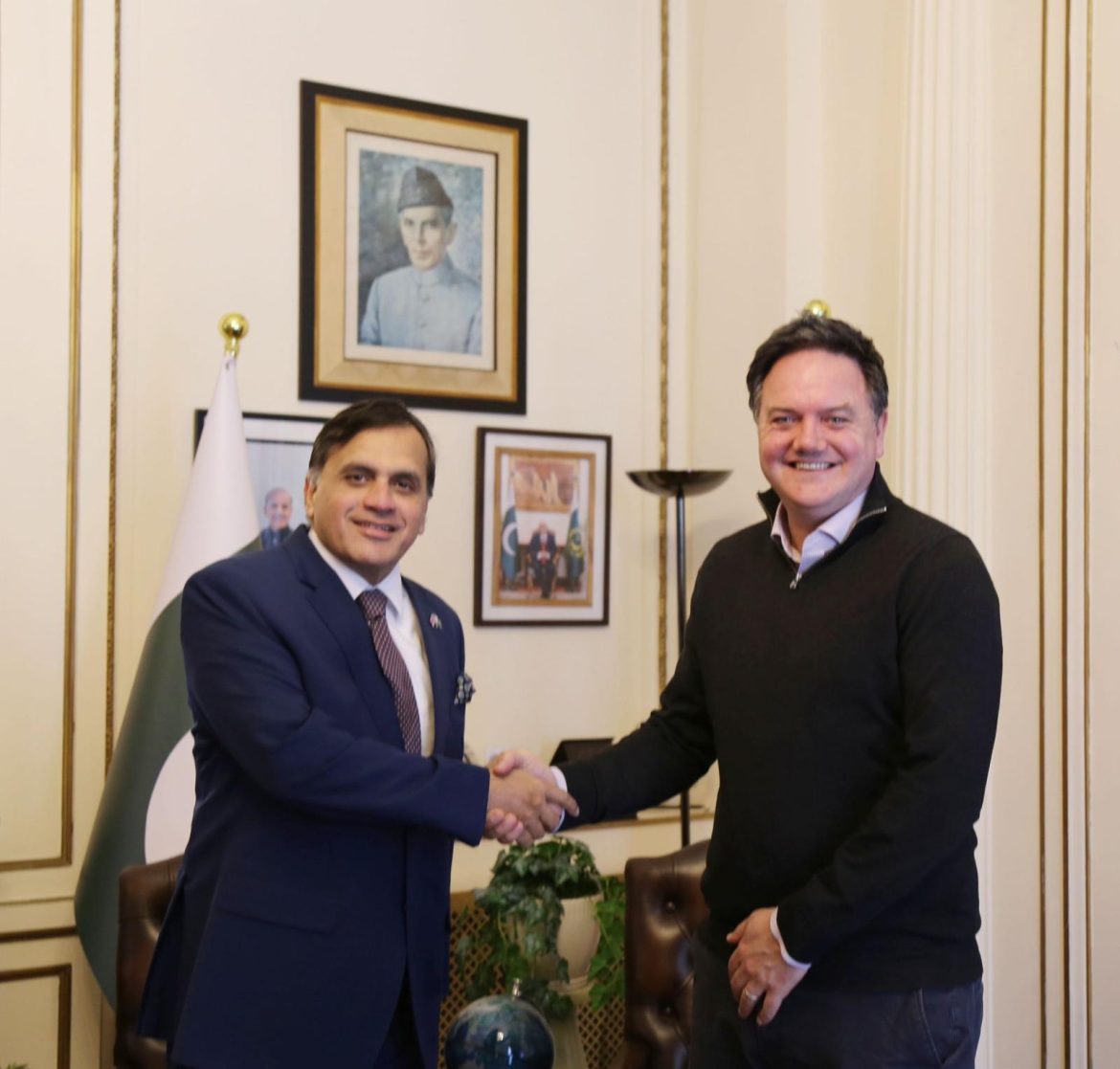
Mr Rich Beer, Chief Executive England Hockey Called on Pak High Commissioner Dr Faisal to discuss mutual collaboration in the field of Hockey as well as matters related to the upcoming FIH Hockey Pro League to be held in London. Pakistan Hockey team will also be a part of this tournament along with teams from other countries. High Commissioner assured Mr. Beer of full cooperation regarding the event and expressed the hope that Pakistan Hockey team will perform well in the tournament.
London: Mr Rich Beer, Chief Executive England Hockey Called on Pak High Commissioner Dr Faisal to discuss mutual collaboration in the field of Hockey as well as matters related to the upcoming FIH Hockey Pro League to be held in London. Pakistan Hockey team will also be a part of this tournament along with teams from other countries. High Commissioner assured Mr. Beer of full cooperation regarding the event and expressed the hope that Pakistan Hockey team will perform well in the tournament.
News desk:
Every NHS hospital in England has been told to improve patient waiting times for planned treatment as the government has made hitting the 18-week target one of its key priorities for this parliament.
By the end of March 2026, the government wants to see, external at least 65% of patients waiting no longer than 18 weeks.
To get there, every NHS trust must either get to 60% or improve on its November 2024 figures by five percentage points – whichever is greater. That is just a stepping stone towards the ultimate goal of achieving 92% by July 2029.
By monitoring desk:
The number of meningitis infections linked to Kent continues to grow, with five confirmed new cases on Wednesday, in what experts have described as the quickest-growing outbreak of the disease they have seen.
The UK Health Security Agency said that as of 5pm on Tuesday there were 20 cases of invasive meningococcal disease, up from 15. Nine have been confirmed in the laboratory, while a further 11 are under investigation. Six are confirmed to be the meningitis B strain, also known as MenB, which is the most common form of invasive meningococcal disease. Experts said the number of cases in such a short space of time was unprecedented.
By our Staff reporter:
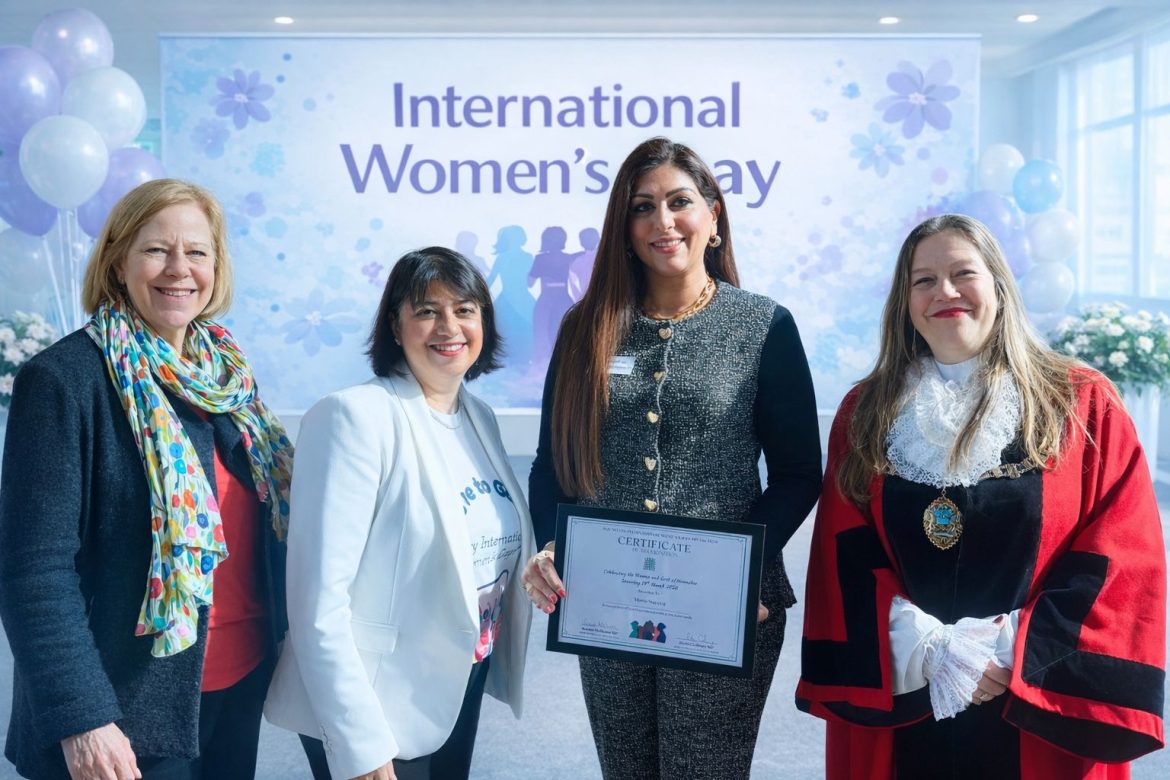
On the occasion of International Women’s Day, an event was organised in West London by Seema Malhotra MP Minister in Foreign Office and Equality, Ruth Cadbury MP & Mayor Hounslow Cllr Amy Croft to celebrate women’s empowerment, recognise their hard work, and honour their achievements.
The event brought together members of the community to acknowledge the contributions of women who have made a significant impact through their dedication, leadership, and service. During the ceremony, several outstanding women were presented with awards and recognitions for their efforts in supporting and uplifting others.
A highlight of the evening was the recognition of Maria Saroya, Head of the Women’s Wing of the Labour Asian Society, who received the Woman of the Year Award 2026 for her exceptional work and commitment to community service. She was honoured for her continuous efforts in supporting women, promoting empowerment, and advocating for female voices within the community and in the media.
Speaking after receiving the award, Maria Saroya said:
“It is a great achievement and I feel truly happy and honoured to receive this recognition. This award is not just for me, it belongs to every single woman who has been supporting and working together for women’s empowerment, both in the UK and internationally. I dedicate this award to all of them.”

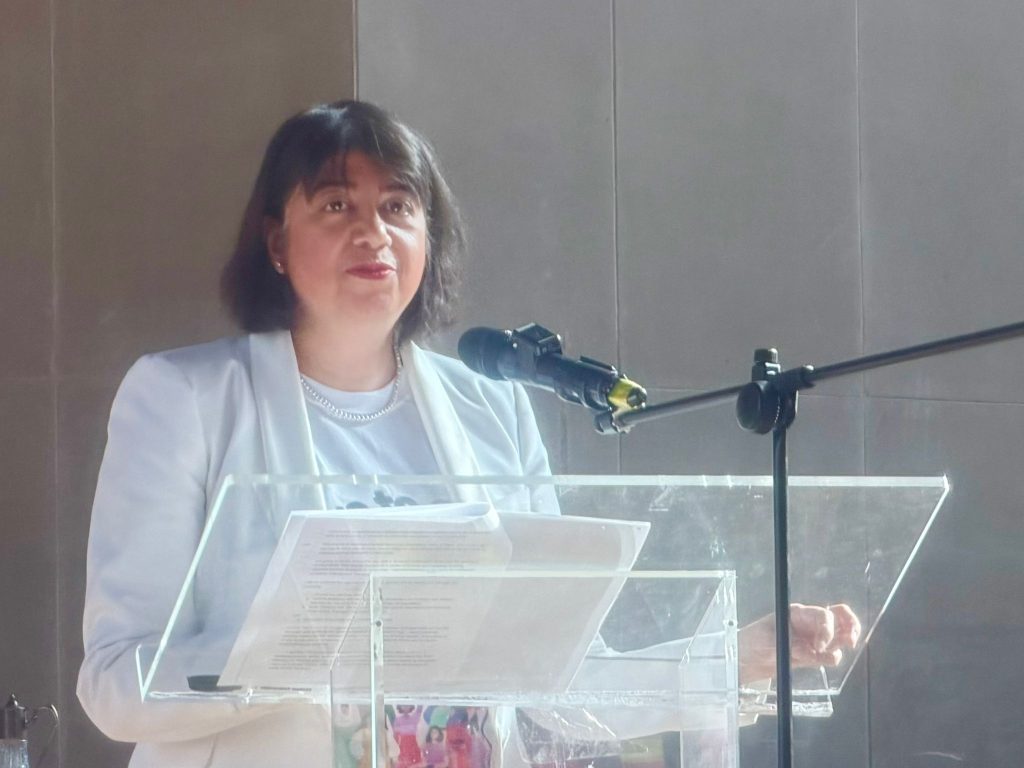
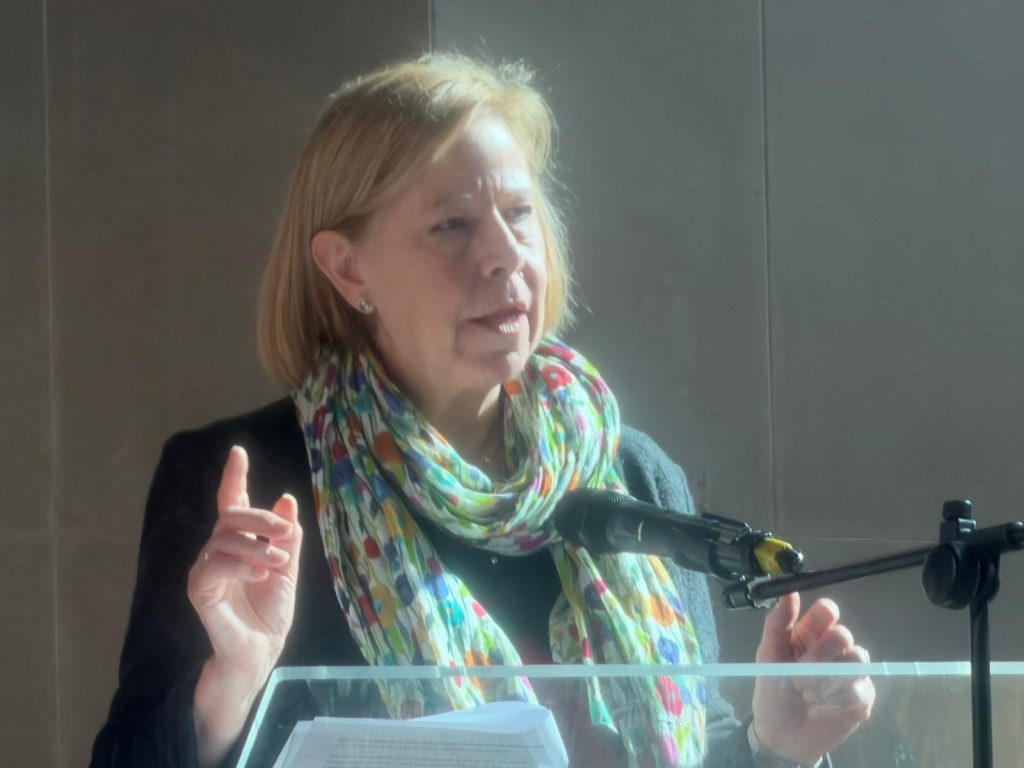
Addressing the audience, Seema Malhotra MP and Ruth Cadbury MP also praised the importance of empowering women and supporting them at every stage of life. They highlighted the need to continue encouraging women, including mothers, daughters, students, and young professionals, from school to college and from university into their careers.
They also spoke about the growing representation of women in Parliament, noting that hundreds of female MPs are now representing communities across the UK, which reflects a major step forward in women’s empowerment. They emphasised that this progress has been made possible through the Labour Party’s commitment to supporting women and providing opportunities for them to take leadership roles.
The evening concluded with celebrations of women’s achievements, with Maria Saroya and several other deserving women receiving awards, making it a memorable occasion dedicated to recognising and inspiring women across the community.
IUB Vice Chancellor Launches “Gosha-e-Quran” and Tree Plantation Drive in Bahawalpur
Bureau Report:
Bahawalpur:
Professor Dr Muhammad Kamran, Vice Chancellor of The Islamia University of Bahawalpur, formally inaugurated the establishment of “Gosha-e-Quran” along with a fruit tree plantation campaign at the university campus.
The ceremony was jointly organised by Al Mustafa Welfare Trust Pakistan and the Directorate of Alumni Affairs of the university. Senior officials, faculty members, and representatives from the organisation attended the event.
Among those present were Pro Vice Chancellor Professor Dr Abdul Rauf, Managing Director of Al Mustafa Pakistan Nusrat Saleem, South Region Manager Arham Saleem, and President of the IUB Alumni Association Ijaz Faqih. The dignitaries also planted saplings to mark the occasion.

According to Director Alumni Affairs Dr Shahid Mehmood, a modern horticulture nursery will be established in the green area adjacent to the Institute of Business and Administrative Sciences. The nursery will include a variety of fruit-bearing and ornamental plants.
The event was also attended by senior faculty members including Professor Dr Ghulam Mustafa, Professor Dr Asif Naveed Ranjha, Professor Dr Abdul Rafi, and Dr Aamir Manzoor, along with alumni representatives, teachers, and estate care staff.
The initiative aims to promote environmental sustainability, create a greener academic environment, and raise awareness among students about the importance of tree plantation.
Al Mustafa Pakistan Distributes Sehri Meals to Travellers in Lahore
Bureau Report:
Lahore:
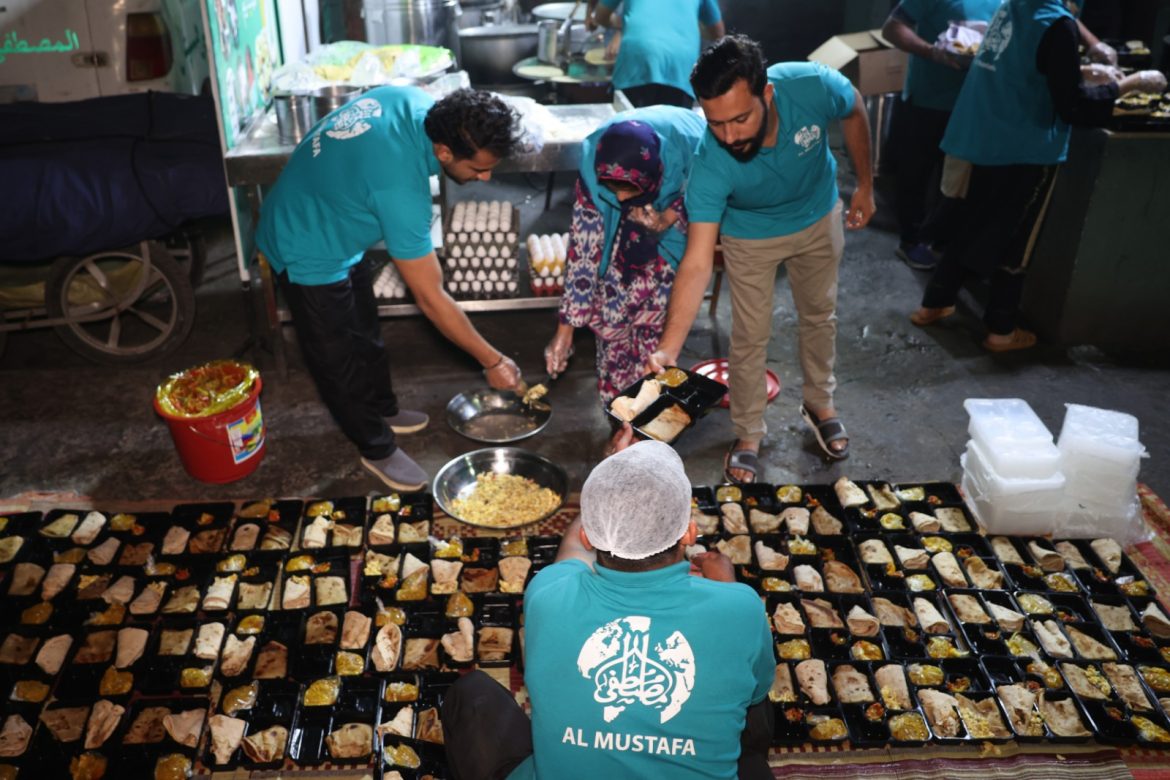
Continuing its Ramadan humanitarian efforts, Al Mustafa Welfare Trust Pakistan organised its 25th Sehri distribution drive at Badami Bagh Bus Stand, providing pre-dawn meals to travellers, labourers, and other deserving individuals.
The organisation’s outdoor distribution team reached out to fasting passengers at various across the busy terminal, ensuring that no traveller was deprived of Sehri during the holy month of Ramadan. The initiative specifically focused on those on the move, many of whom lack access to proper meals while travelling.
Volunteers distributed food with care and compassion, reflecting the spirit of generosity and solidarity that defines Ramadan. The effort was widely appreciated by recipients, particularly daily wage workers and long-distance passengers passing through the terminal.
Al Mustafa Welfare Trust continues to expand its outreach across Pakistan during Ramadan, delivering both Iftar and Sehri meals to thousands of people in need. The initiative underscores the organisation’s commitment to humanitarian service, driven by values of empathy, sincerity, and community support.
Special prayers were offered for the acceptance and continued success of these efforts, as the of service carries on throughout the blessed month.
More than 100,000 people in Britain could become unemployed due to the US-Iran war
Report: Zain Ali Khan:
Britain’s jobs market is facing growing pressure as global tensions threaten to worsen the outlook for workers across the country. The ongoing conflict in Iran could deepen the UK’s employment crisis, potentially pushing more than 100,000 additional people out of work, economists have warned. The unemployment rate is already at a five year high of 5.2 per cent, but experts believe it could rise above 5.5 per cent in the coming months.
Rising instability in the Middle East is expected to drive up energy costs, placing further strain on businesses and forcing some employers to cut jobs. If this happens, the total number of unemployed people in Britain could move close to two million.
The figures highlight how the UK labour market is weakening. Britain now has a higher unemployment rate than Italy, which has traditionally been seen as one of Europe’s weaker economies. It is the first time this has happened since the 2008 financial crisis. Analysts warn that Donald Trump’s military intervention in Iran is creating conditions that will inevitably worsen labour market conditions.
James Smith, an economist at investment bank ING, indicated that the duration of elevated energy prices would prove decisive for employment outcomes. “It depends how long energy prices stay high. If we’re in a scenario where the disruption lasts three months or so, then I would imagine unemployment would be pushing above 5.5per cent,” he said.
Employers facing sustained cost pressures would likely respond by reducing headcount or halting recruitment altogether, Mr Smith explained.
Work and Pensions Secretary Pat McFadden is set to announce a £1billion package on Monday, aiming to incentivise employers to hire young people and create 200,000 jobs.
This “new deal” seeks to reverse the growing number of “Neets” – young people not in education, employment or training. The initiative includes a new Youth Jobs Grant, offering businesses £3,000 for each 18-24 year old hired who has been unemployed for six months or more, supporting an estimated 60,000 individuals.