
Conflict across the Middle East has entered a second week after the US and Israel launched wide-ranging strikes on Iran

Conflict across the Middle East has entered a second week after the US and Israel launched wide-ranging strikes on Iran
By Sajjad Azhar/ Muhammad Nawaz Kharal:
Karachi:
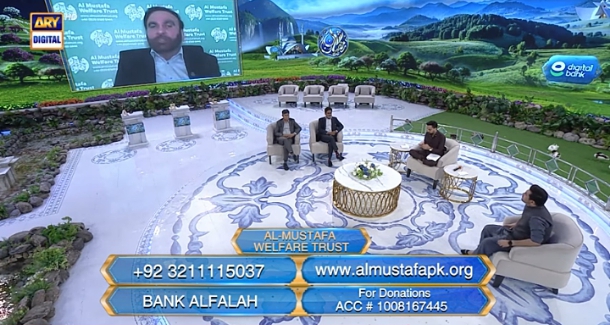
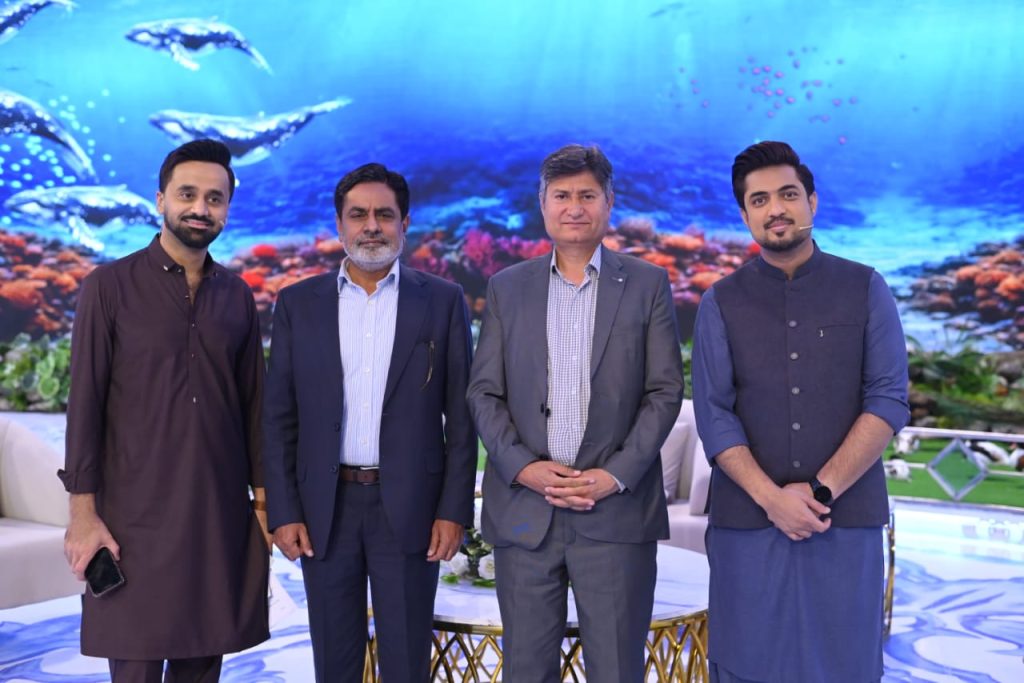
The Al Mustafa Welfare Trust participated in a special transmission of the Ramadan program Shan-e-Ramzan aired on ARY Digital Network, where the organization’s humanitarian work in Pakistan and around the world received widespread appreciation.
During the live broadcast, prominent television hosts Waseem Badami and Iqrar Ul Hassan praised the welfare initiatives undertaken by Al Mustafa Welfare Trust, acknowledging the charity’s contribution to healthcare, relief work, education and humanitarian assistance across multiple regions.
Joining the program via video link from London, the Chairman of Al Mustafa Welfare Trust Global, Abdul Razzaq Sajid, informed viewers that the organization has been carrying out humanitarian activities in 22 countries for the past two decades. He highlighted the charity’s recent relief efforts for victims of the war in Gaza.
According to him, Al Mustafa Welfare Trust was among the few international charities that collaborated with the Egyptian Red Crescent to establish field hospitals in Gaza. In addition to medical services, the organization also delivered food supplies and other essential humanitarian aid to families affected by the conflict.
“With the support of our donors, we were able to help save thousands of lives in Gaza,” he said, emphasizing that humanitarian assistance remains the core mission of the organization.
Abdul Razzaq Sajid also revealed that in partnership with the Hashemite Trust of the Jordanian royal family, Al Mustafa Welfare Trust is running Quran learning classes at the sacred Al-Aqsa Mosque in Jerusalem, providing religious education to children and young students.
Highlighting the charity’s healthcare initiatives in Pakistan, he noted that Al Mustafa Welfare Trust has carried out more than 280,000 free cataract surgeries, helping underprivileged patients regain their eyesight and preventing them from permanent blindness. The trust also operates charitable hospitals in Lahore, Mansehra and Attock, where hundreds of patients receive free medical treatment daily.
He further announced that two state-of-the-art hospitals are currently under development in Islamabad and Dadyal in Azad Kashmir, aimed at expanding access to modern healthcare facilities for underserved communities.
Speaking on the occasion, Nawaz Kharal, Head of Media and Publications of Al Mustafa Pakistan, said that during the holy month of Ramadan the organization has arranged large-scale Sehri and Iftar programs in more than a dozen cities across Pakistan. Thousands of deserving individuals benefit from these daily food arrangements. He added that the trust has also completed hundreds of clean drinking water projects, including the installation of hand pumps, water wells and filtration plants in water-scarce communities, while dozens of additional projects are currently under construction.
Meanwhile, Sajjad Azhar, a trustee of Al Mustafa Pakistan, highlighted the organization’s emergency relief work during last year’s devastating floods. He said that more than 7,000 volunteers of the trust actively participated in rescue and relief operations across 22 districts, providing food, ration supplies and medicines to approximately 1.1 million flood victims, while also helping relocate families to safer areas. At the conclusion of the program, the representatives of Al Mustafa Welfare Trust appealed to philanthropists and donors to continue supporting the charity’s ongoing projects so that its humanitarian mission can expand further and reach more vulnerable communities around the world. The appearance on Shan-e-Ramzan served as an opportunity to highlight the organization’s expanding global humanitarian role and to encourage public participation in charitable initiatives during the blessed month of Ramadan.
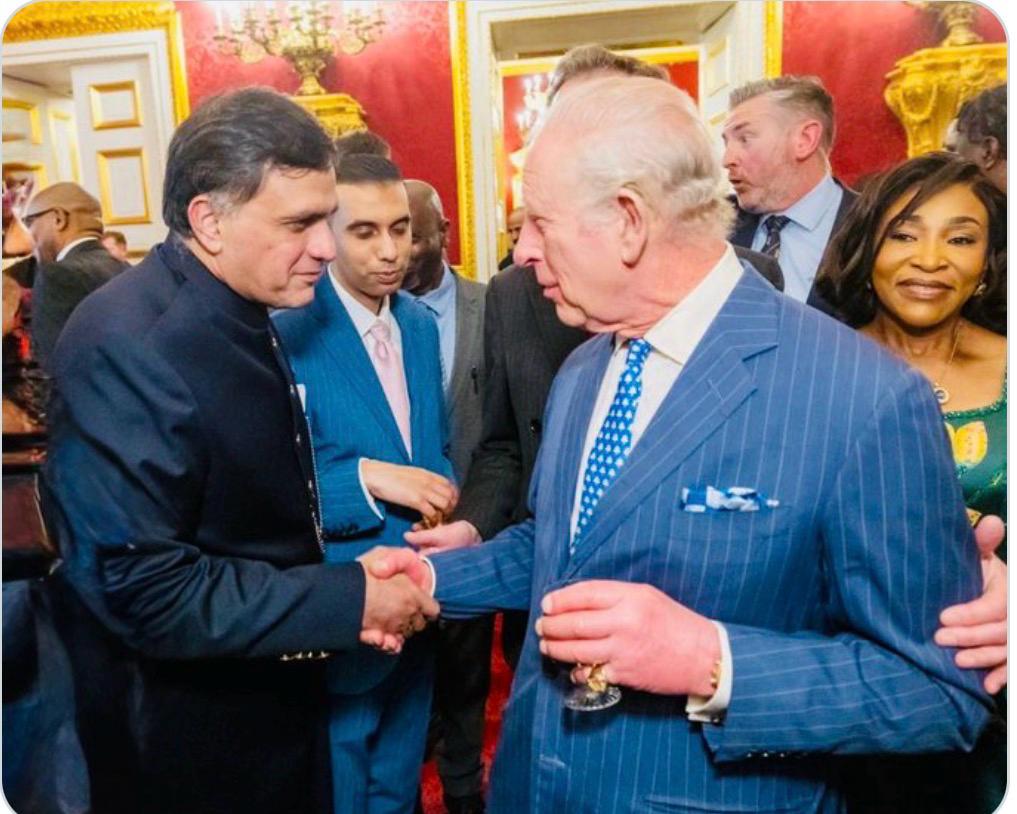
High Commissioner for Pakistan in UK Dr Mohammad Faisal had the honour of audience with HM King Charles III at the Commonwealth Day Reception hosted by the King and Queen at St. James Palace in London. The High Commissioner and HM the King exchanged greetings and discussed the important role of the Commonwealth in strengthening relations between Commonwealth countries.
By our Staff reporter:
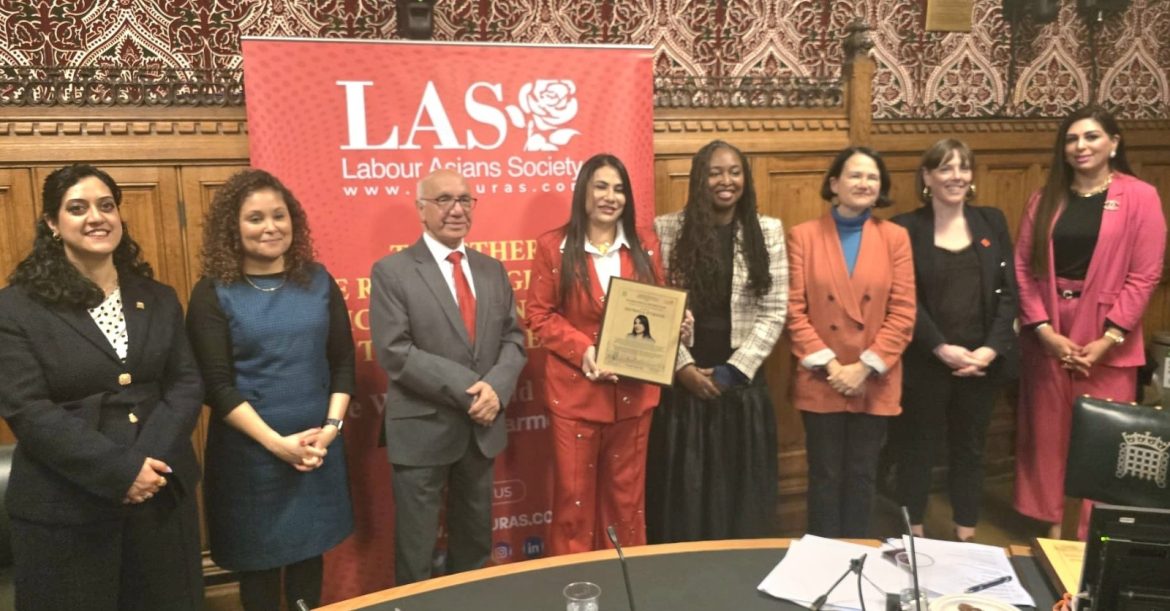
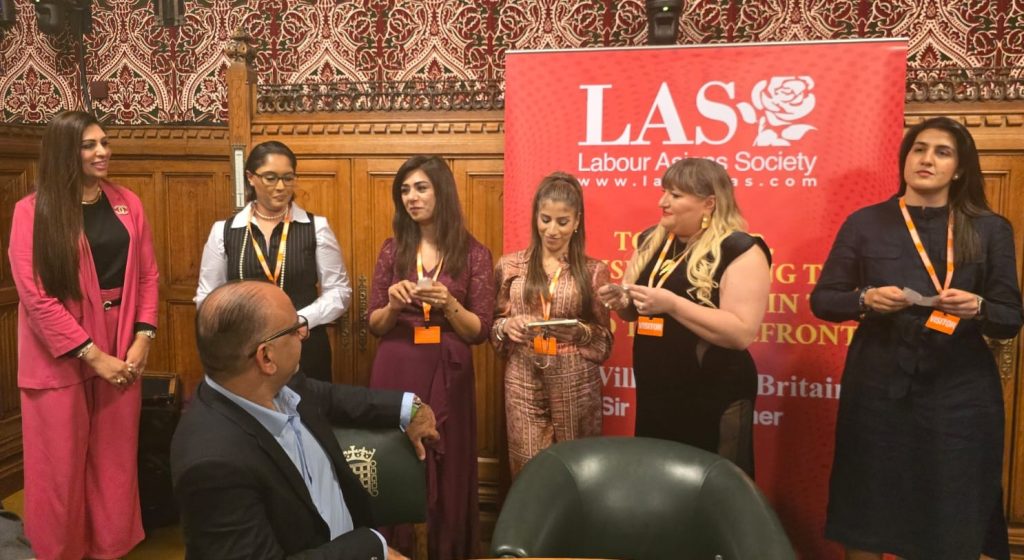
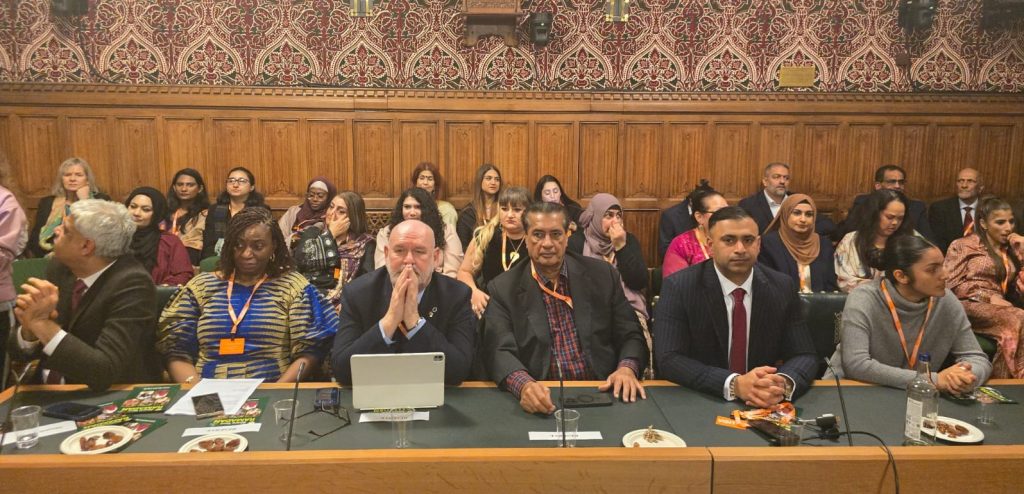
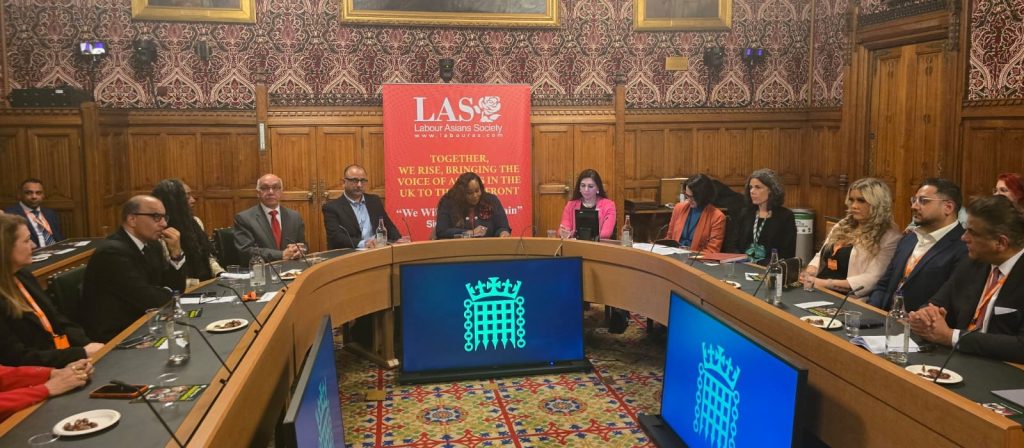
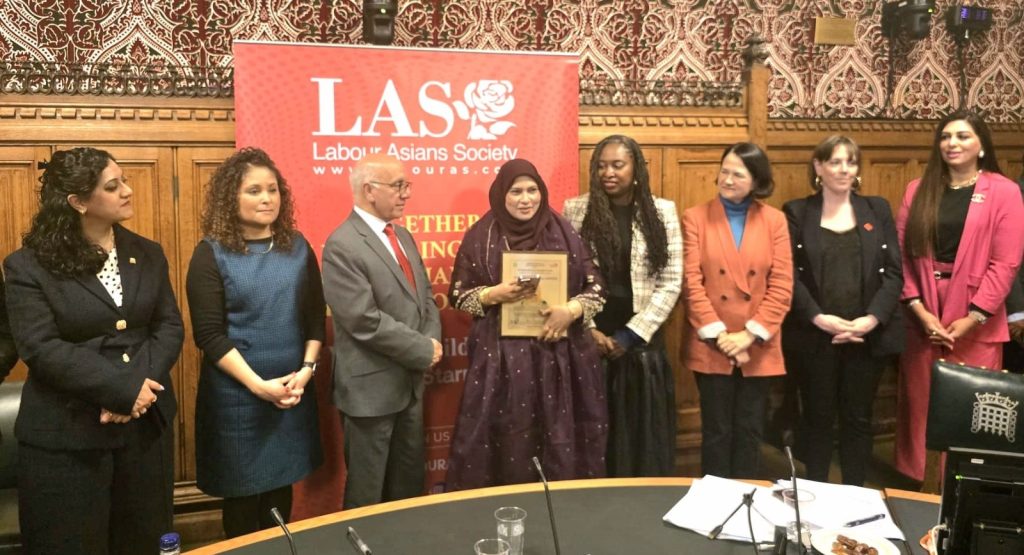
The Labour Asian Society hosted a significant event at the House of Commons committee room in the British Parliament to mark International Women’s Day, bringing together prominent political leaders, diplomats, and community figures to celebrate and promote women’s empowerment. The event aimed to encourage and inspire women to advance in all spheres of life while recognising their contributions to society. It highlighted the vital role women play in shaping communities and strengthening social and political progress. A key focus of the event was to acknowledge and celebrate the achievements of women and to reinforce the message of empowering women across different sectors. The gathering was attended by several Members of Parliament and distinguished guests from diverse professional backgrounds. Addressing the audience, speakers emphasised that women are equal partners in progress and success in every field. They noted that throughout history, women have played a crucial role in the development and prosperity of nations and continue to contribute significantly in all areas of society.
Among those who addressed the event were Rt. Hon. Lucy Powell MP, Deputy Leader of the Labour Party, Her Excellency Racher Croney, High Commissioner of Grenada, Naushabah Khan MP, Rushanara Ali MP, Dawn Butler MP, Catherine West MP, Hamid Younis, Virendra Sharma, Jess Phillips MP, Saleem Sheikh, Natasha Irons MP, Sonia Davis (National Vice President GMB), Kirith Entwistle and Manish Tewari, along with several other speakers. The speakers praised the Labour Asian Society for organising the initiative and for its continued efforts to encourage and support women in leadership and community engagement. They stressed that women’s participation and leadership remain essential for the continued progress and prosperity of the United Kingdom.
One of the highlights of the programme was the presentation of the “Women of the Year” Awards in recognition of outstanding contributions to society and the promotion of women’s empowerment. The award recipients included Dawn Butler MP, Her Excellency Racher Croney, High Commissioner of Grenada, Tamaryn Blay, Poonam Bal, Fathima Sajeeha Ameen and Shamaila Iftikhar. The event was hosted by Harpreet Uppla MP & Maria Soraya, Head of the Women’s Wing of the Labour Asian Society, who served as the master of ceremonies. At the beginning of the programme, tribute was paid to the late Dr Councillor Ayesha Raza from Ealing Borough, whose sudden passing was acknowledged with deep respect. The audience observed a one-minute silence in recognition of her services and contributions to the community.
By Tajammul Gurmani:
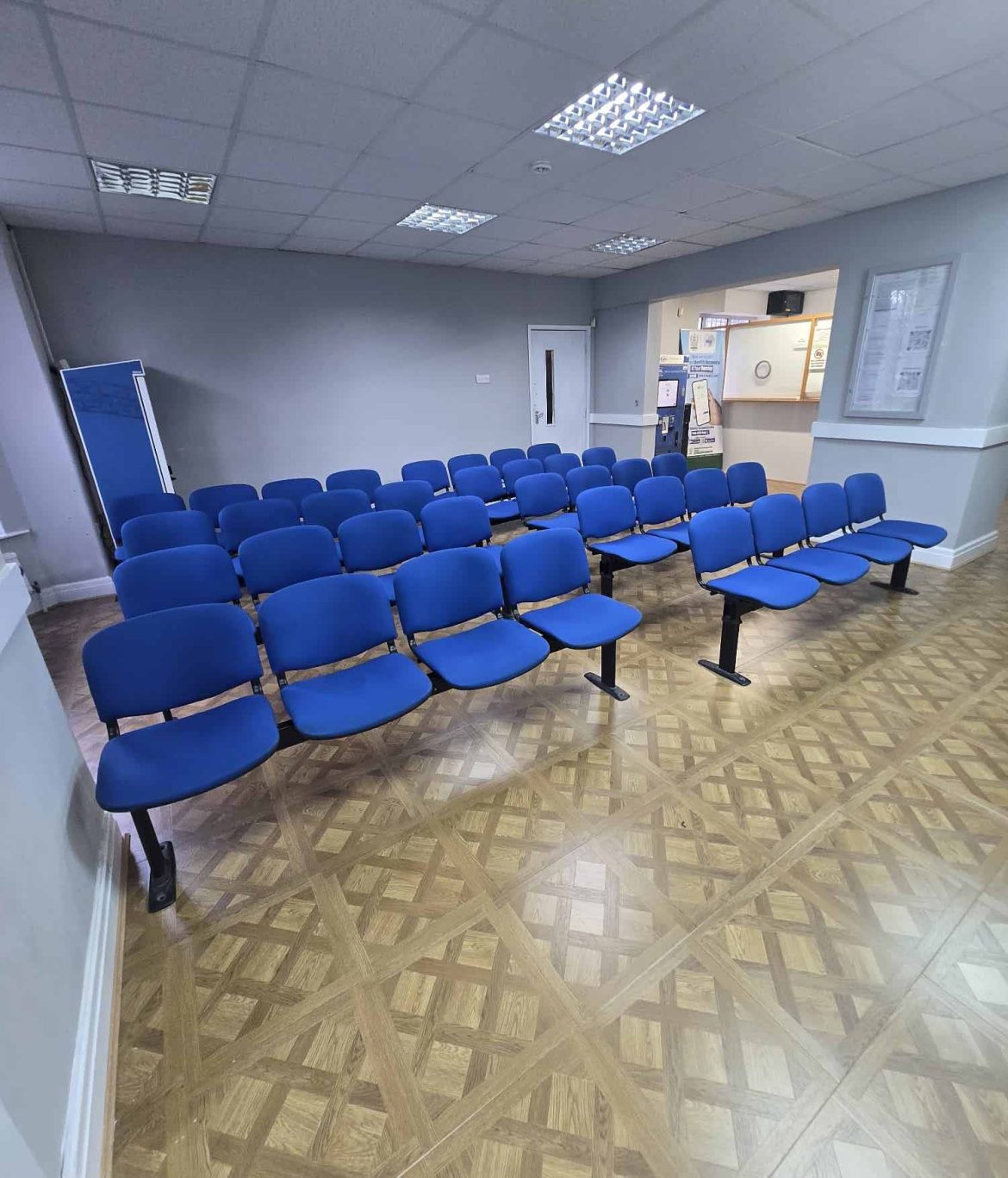
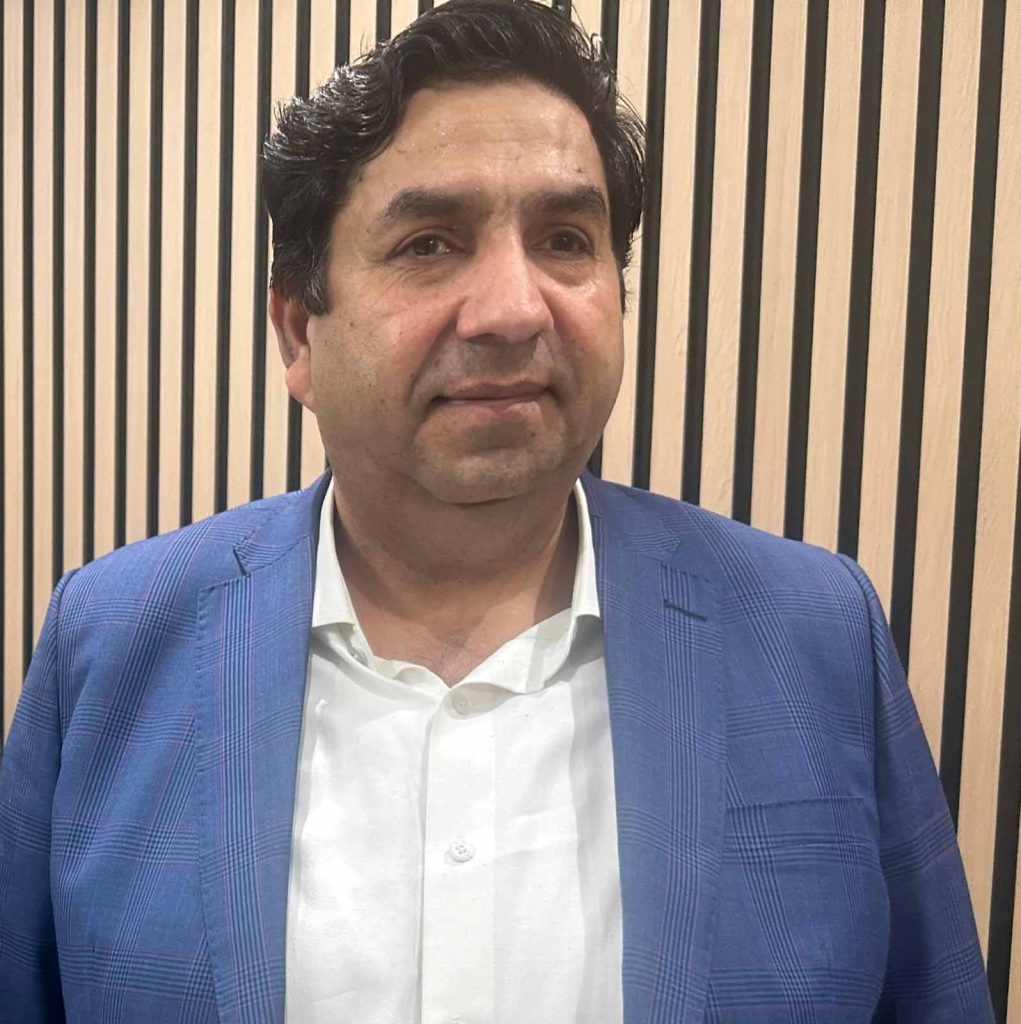
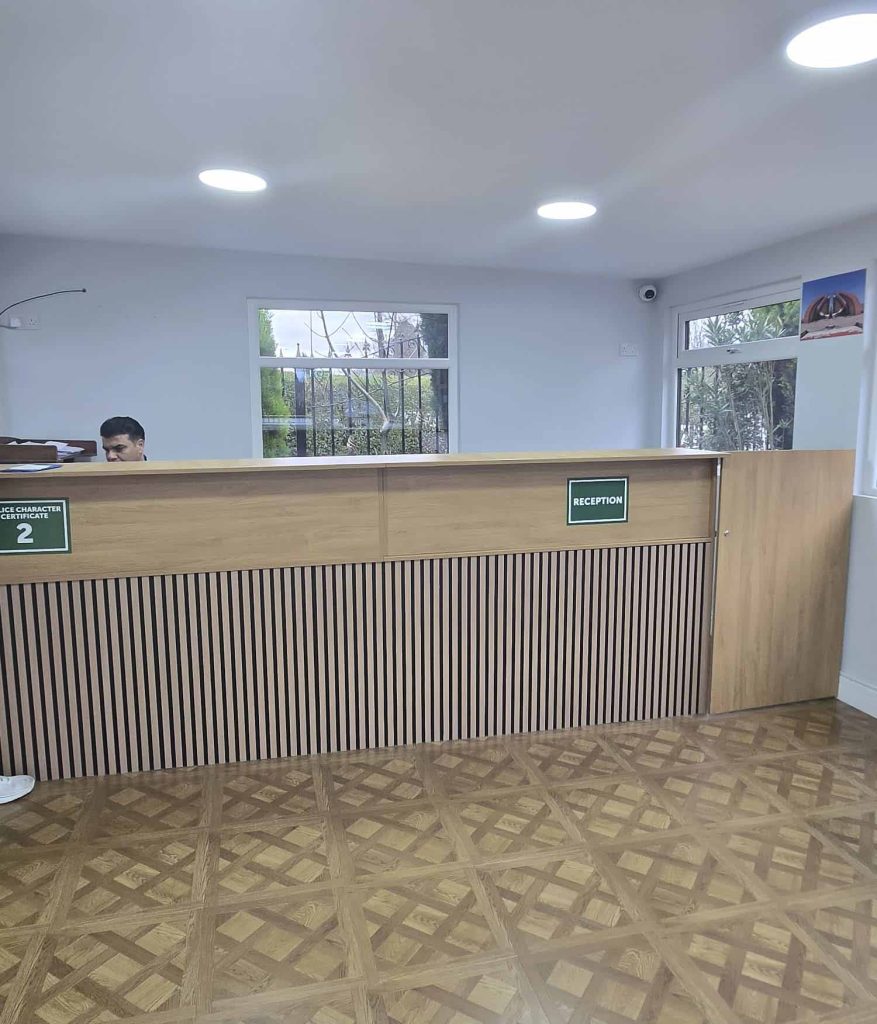
The new office of the Pakistan Consulate General in Manchester has been officially inaugurated. MP Afzal Khan was the chief guest at the ceremony. Other important participants included Dr Liaqat Malik, Cllr Shahbaz Sarwar, Chaudhry Tahir Siddique, Khateeb Ali, Noreen Misbah, Nawaz Gondal, Haroon Khattana and Chaudhry Musarrat, along with other community members.
Consul General of Pakistan Imtiaz Feroz Gondal said that some 300 applications for passports and identity cards are being processed daily. He added that the renovation of the Consulate office was completed in a short time. In the future, the building will be expanded, and it is hoped that the community will support this effort.
MP Afzal Khan said the new Consulate office has become a state-of-the-art facility and assured full support in further improving the building.
Dr Liaqat Malik appreciated the services of Consul General Imtiaz Feroz Gondal and said that in just six months he has done significant work and community complaints have been reduced.
Bureau Report:
Lahore:
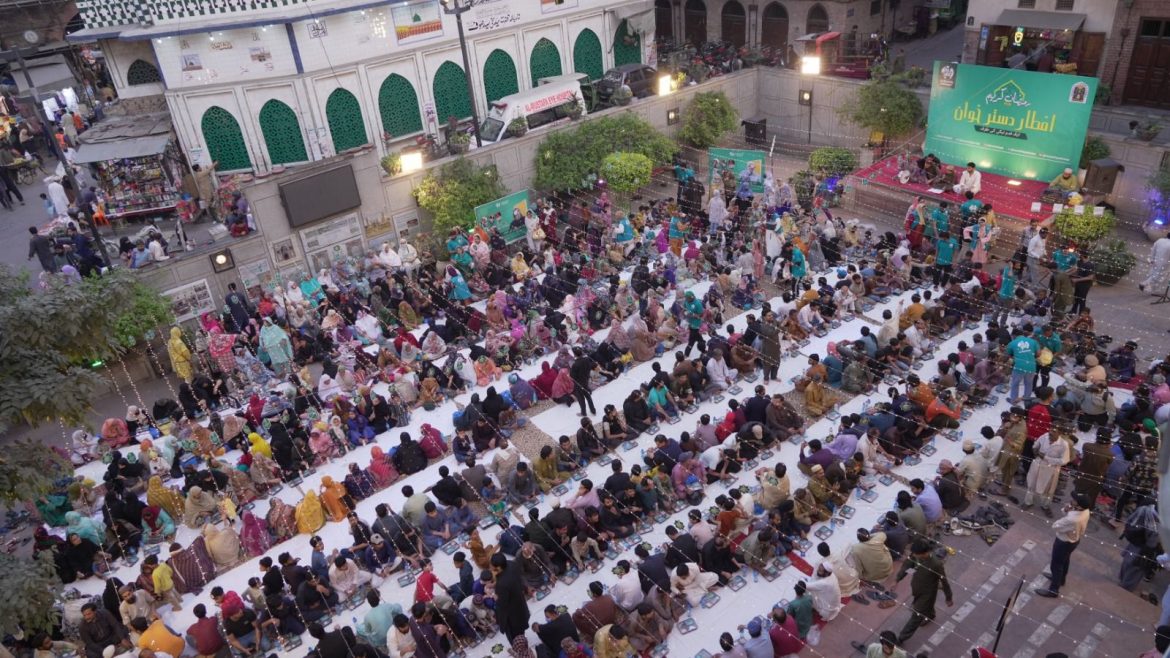
Continuing its long-standing humanitarian tradition during the holy month of Ramadan, the Al Mustafa Welfare Trust organized extensive Sehri and Iftar arrangements for thousands of underprivileged people across Pakistan. As in previous years, the organization established food distribution and community Iftar gatherings at more than a dozen locations to support those struggling with rising living costs.
One of the most prominent and spiritually uplifting gatherings took place daily at the trust’s head office in Lahore, where large numbers of fasting individuals, including laborers, travelers, families and people from low-income communities, gathered to break their fast in a respectful and welcoming environment.
In addition to Lahore, the welfare initiative extended to several other cities including Mansehra, Islamabad, Muzaffarabad, Sibi and the remote desert region of Cholistan, where organized Iftar dinners and Sehri meals were provided for people in need. These arrangements enabled thousands of fasting individuals to observe Ramadan with dignity and ease.
The initiative was carried out under the guidance of the Chairman of Al Mustafa Welfare Trust, Abdul Razzaq Sajid, and the Chief Executive Officer Rizwana Latif. A large team of dedicated staff members and volunteers implemented the arrangements with remarkable commitment and coordination.
The efforts on the ground were led by the Managing Director of Al Mustafa Pakistan, Nusrat Saleem, who supervised the volunteers and ensured the smooth organization of the daily Sehri and Iftar programs.
Speaking on the occasion, Nusrat Saleem highlighted the growing economic challenges faced by many families in Pakistan. She noted that the country’s rising inflation has significantly increased the number of people who struggle to afford basic necessities, including meals during Ramadan.
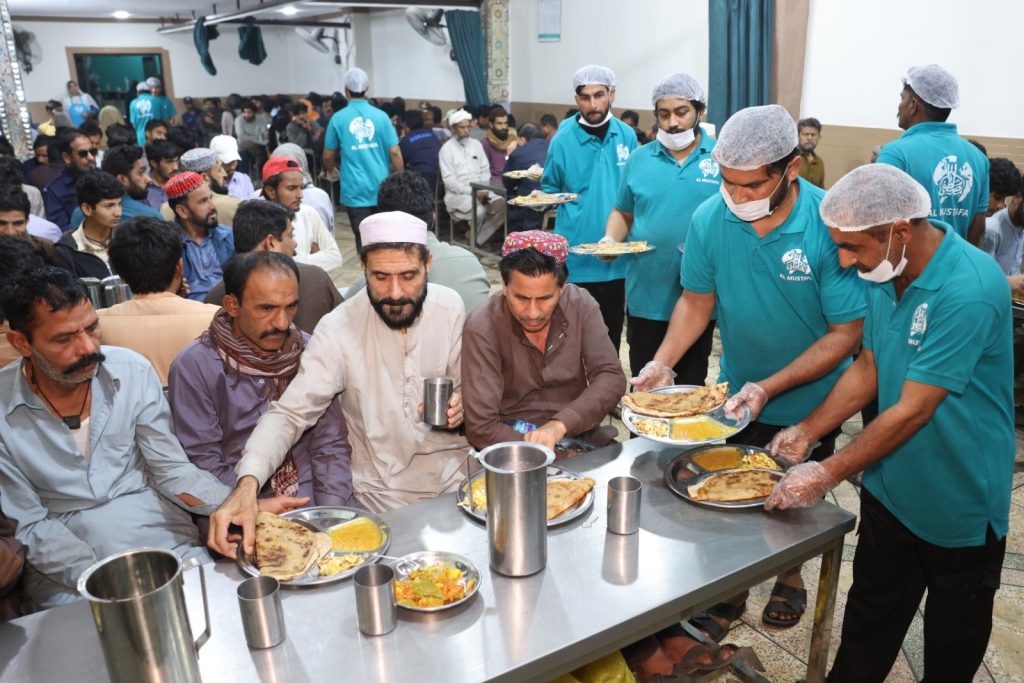
“Due to the unprecedented rise in the cost of living, many families are unable to arrange Sehri and Iftar for themselves,” she said. “Through these initiatives, Al Mustafa Welfare Trust has become a support system for thousands of deserving individuals by providing them food with dignity and respect.”
She also expressed gratitude to the organization’s donors and supporters, whose contributions made the large-scale humanitarian effort possible. According to the trust, the Ramadan food program is part of its broader mission to combat poverty and extend relief to vulnerable communities across Pakistan and beyond.
The gatherings not only provided meals but also created an atmosphere of compassion, solidarity and spiritual reflection, embodying the true values of Ramadan—generosity, unity and service to humanity. Volunteers continued to work tirelessly throughout the month to ensure that the blessings of Ramadan reach as many people in need as possible.
By Wajahat Ali Khan:
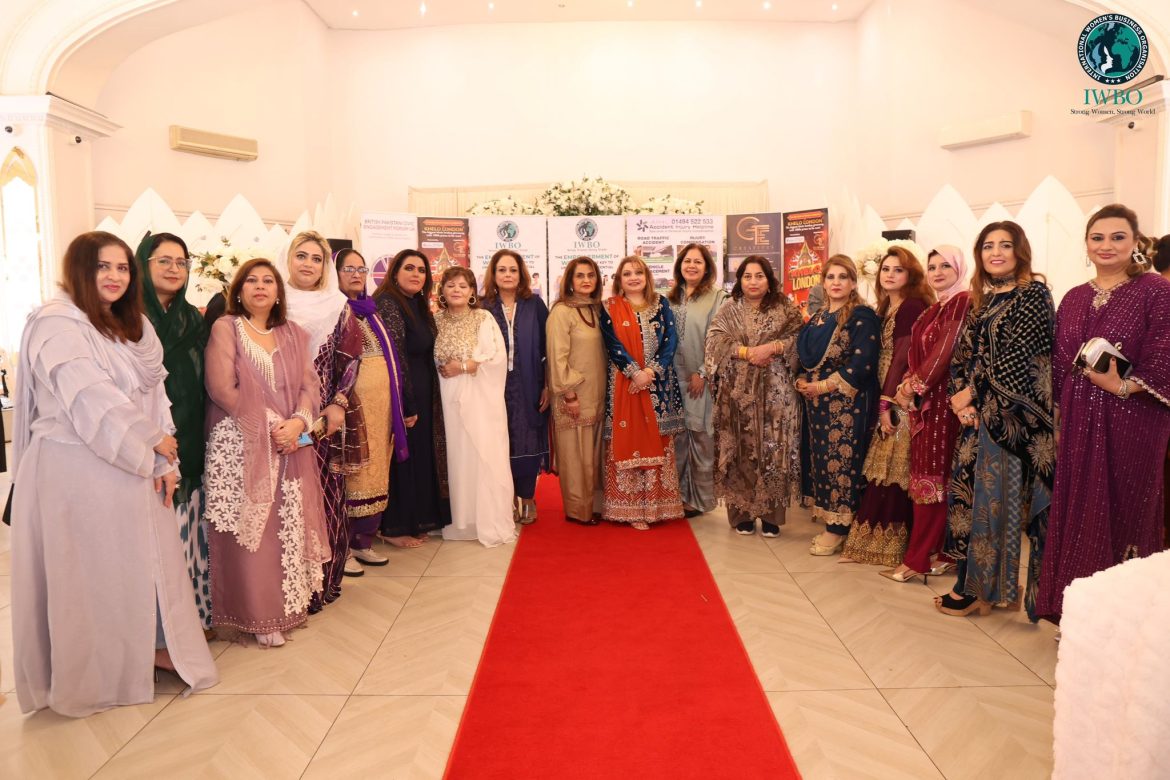
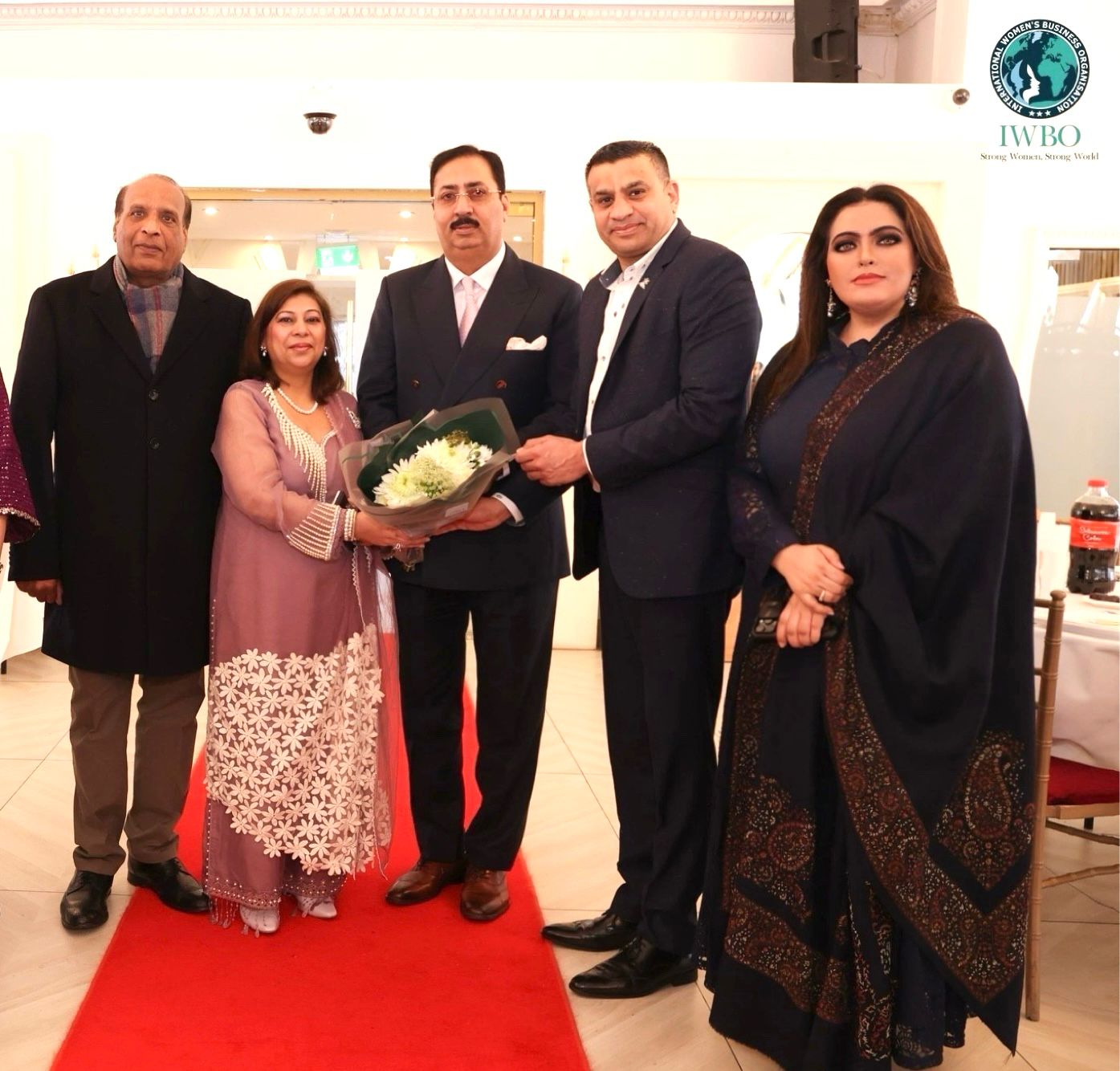
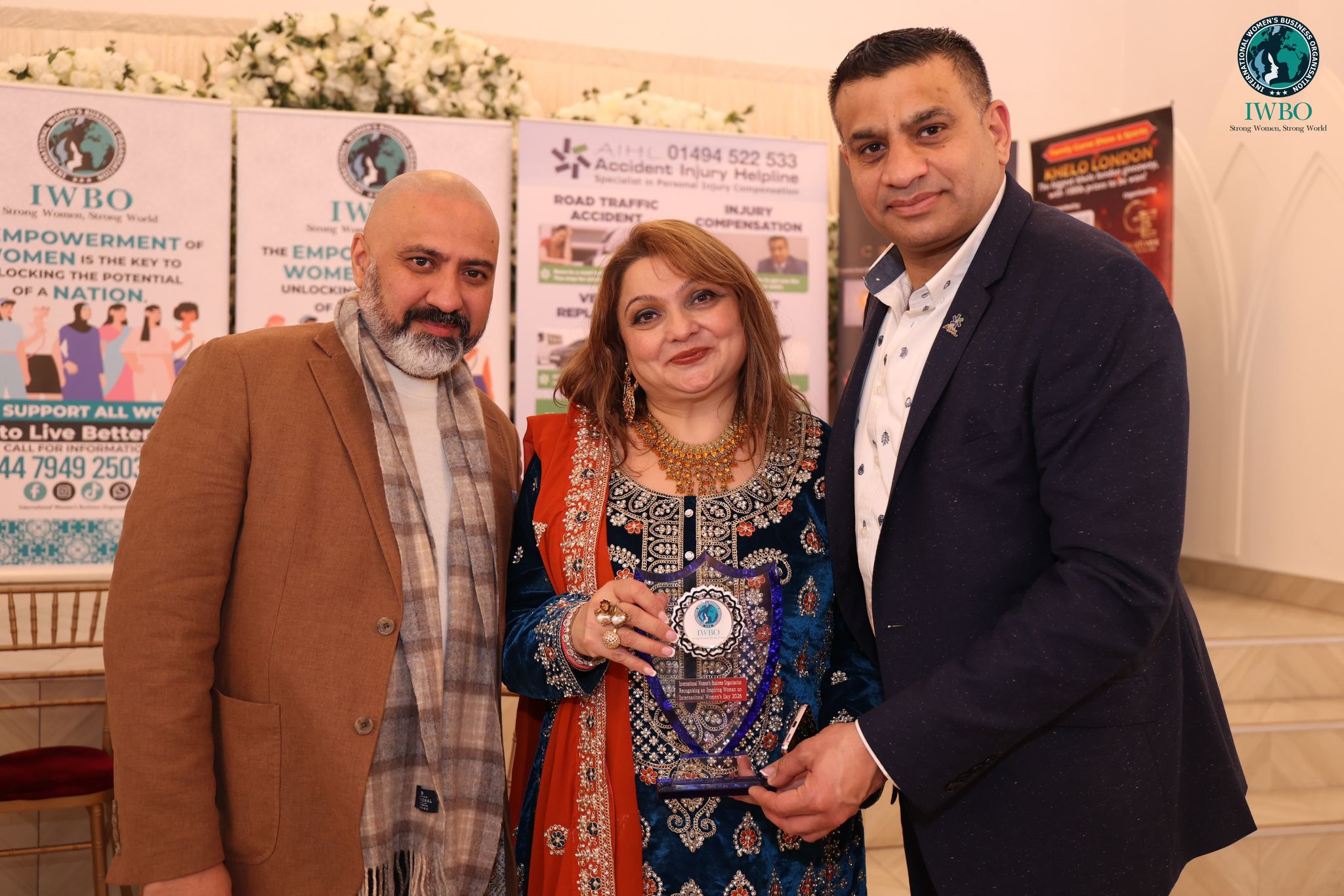
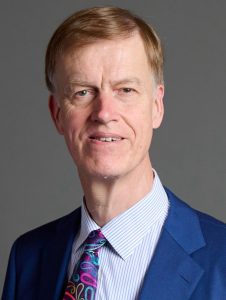
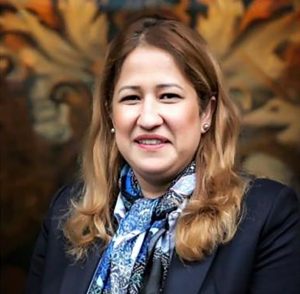
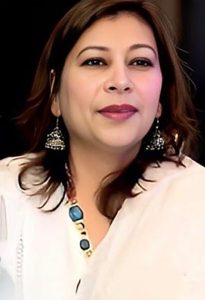
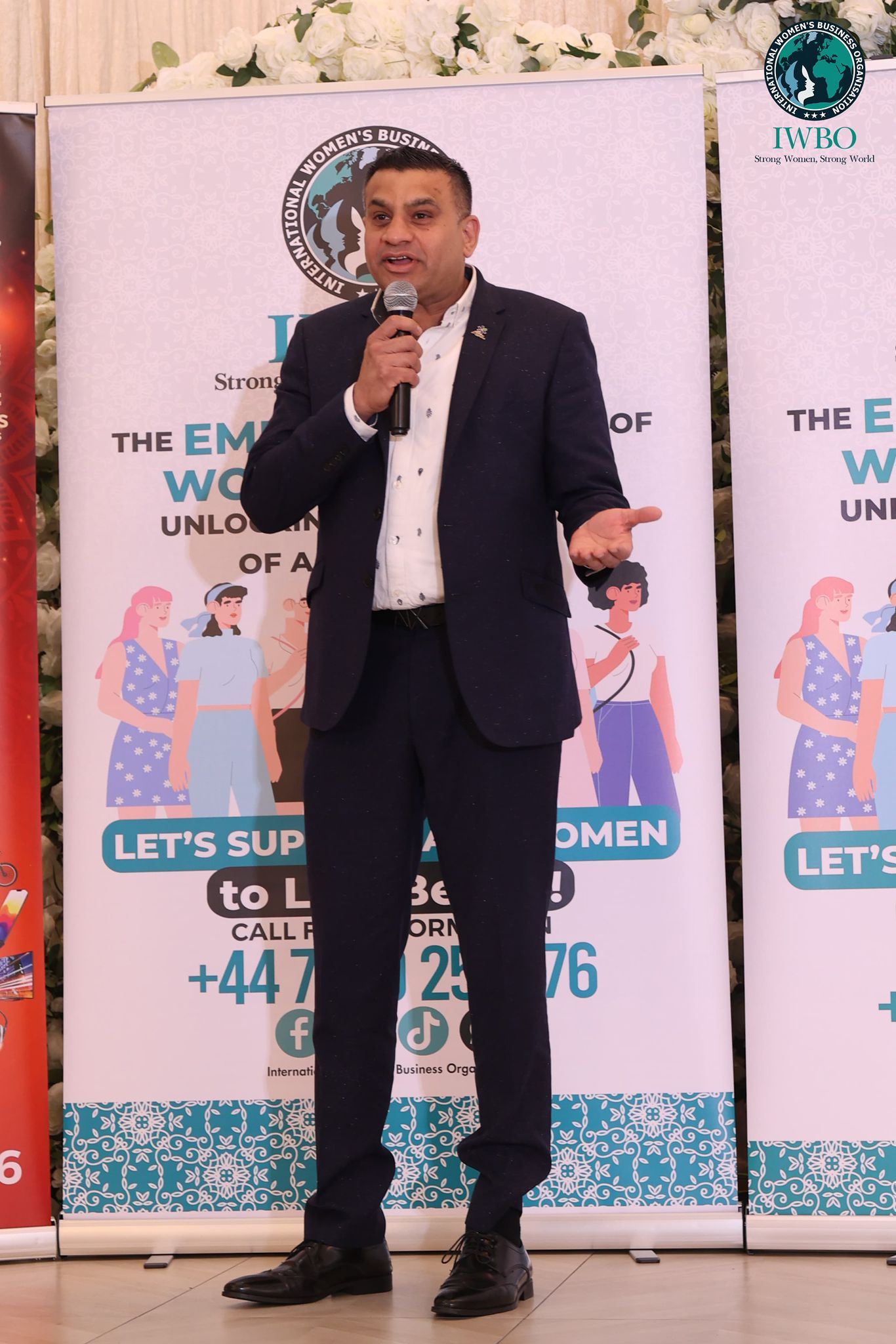
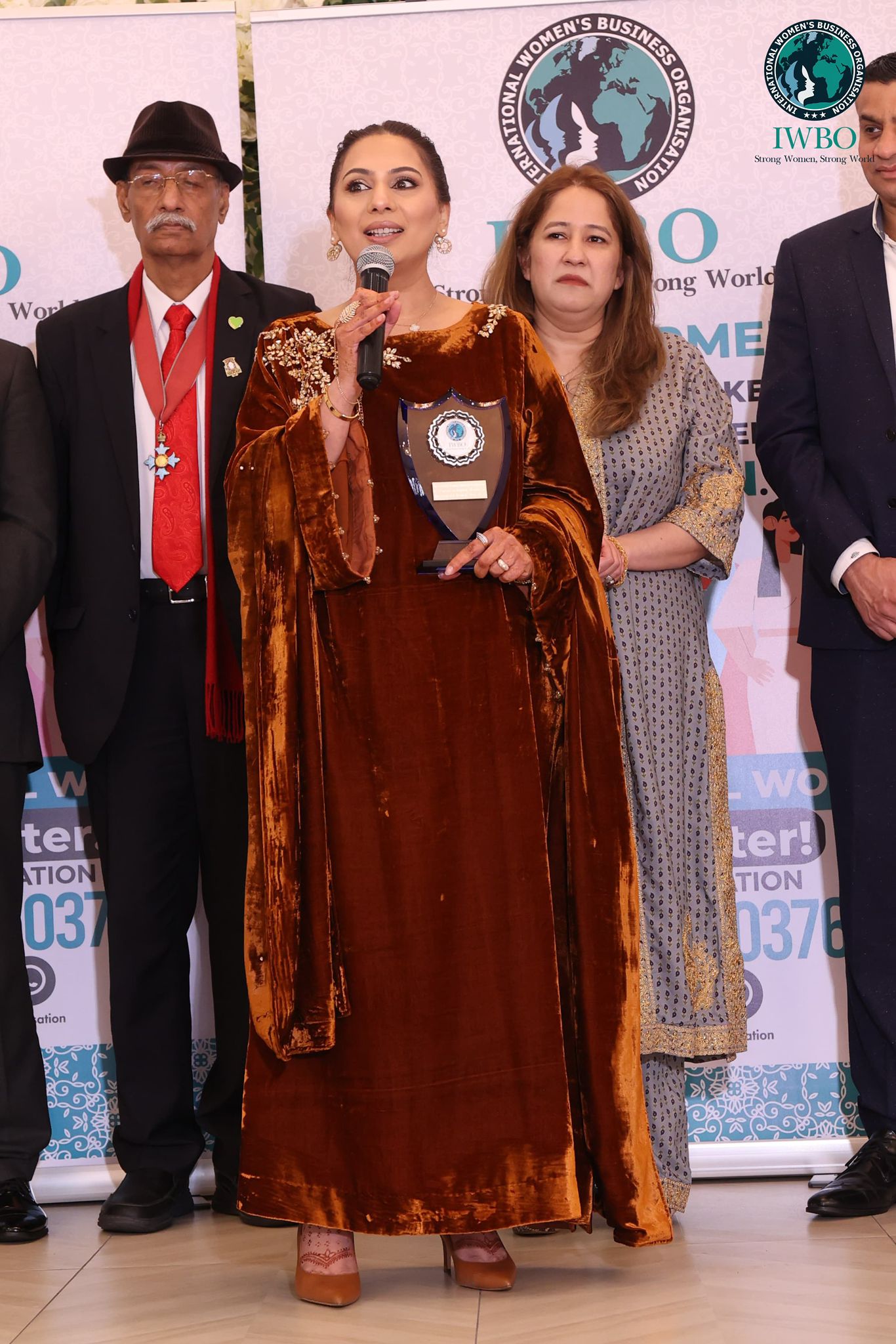
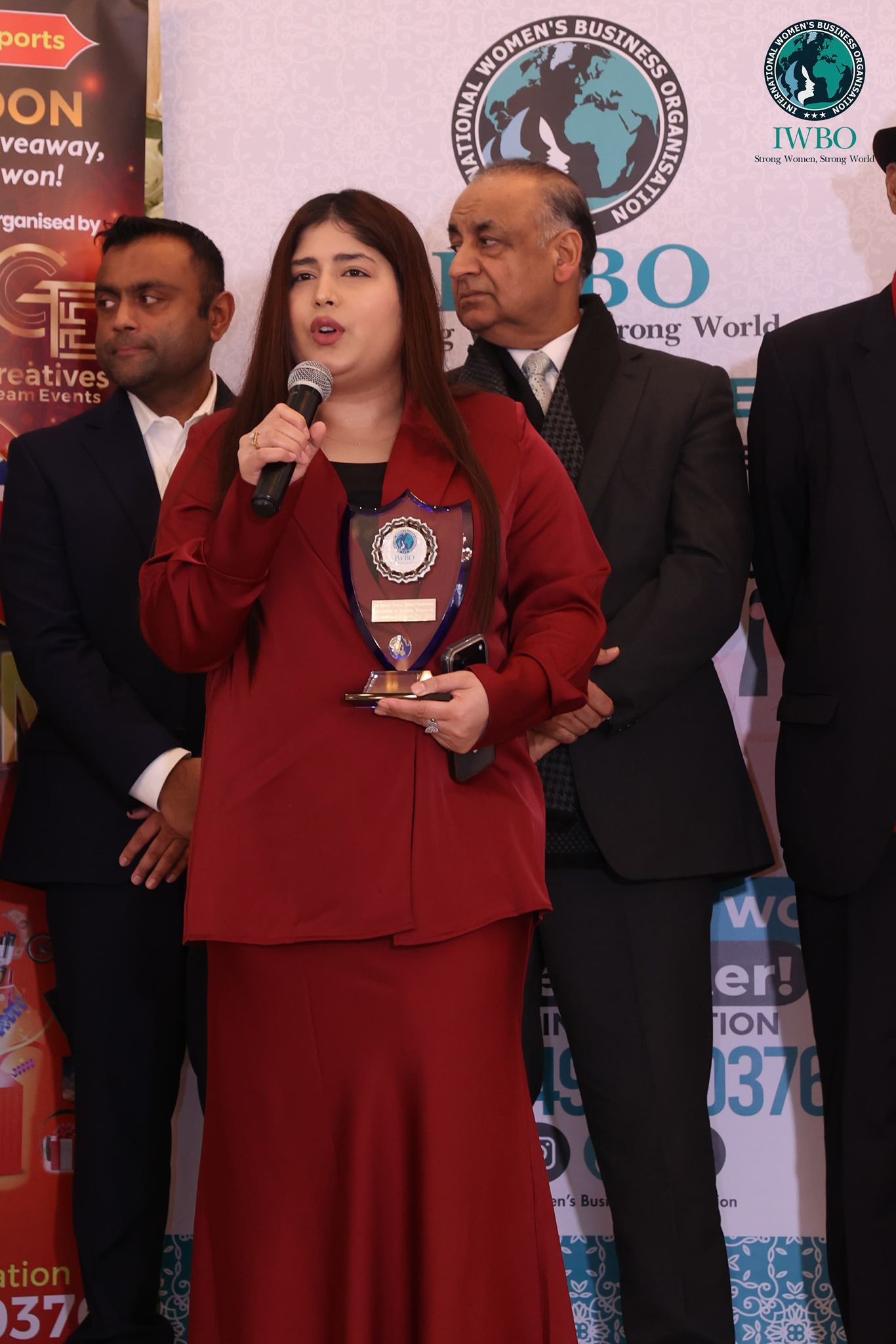
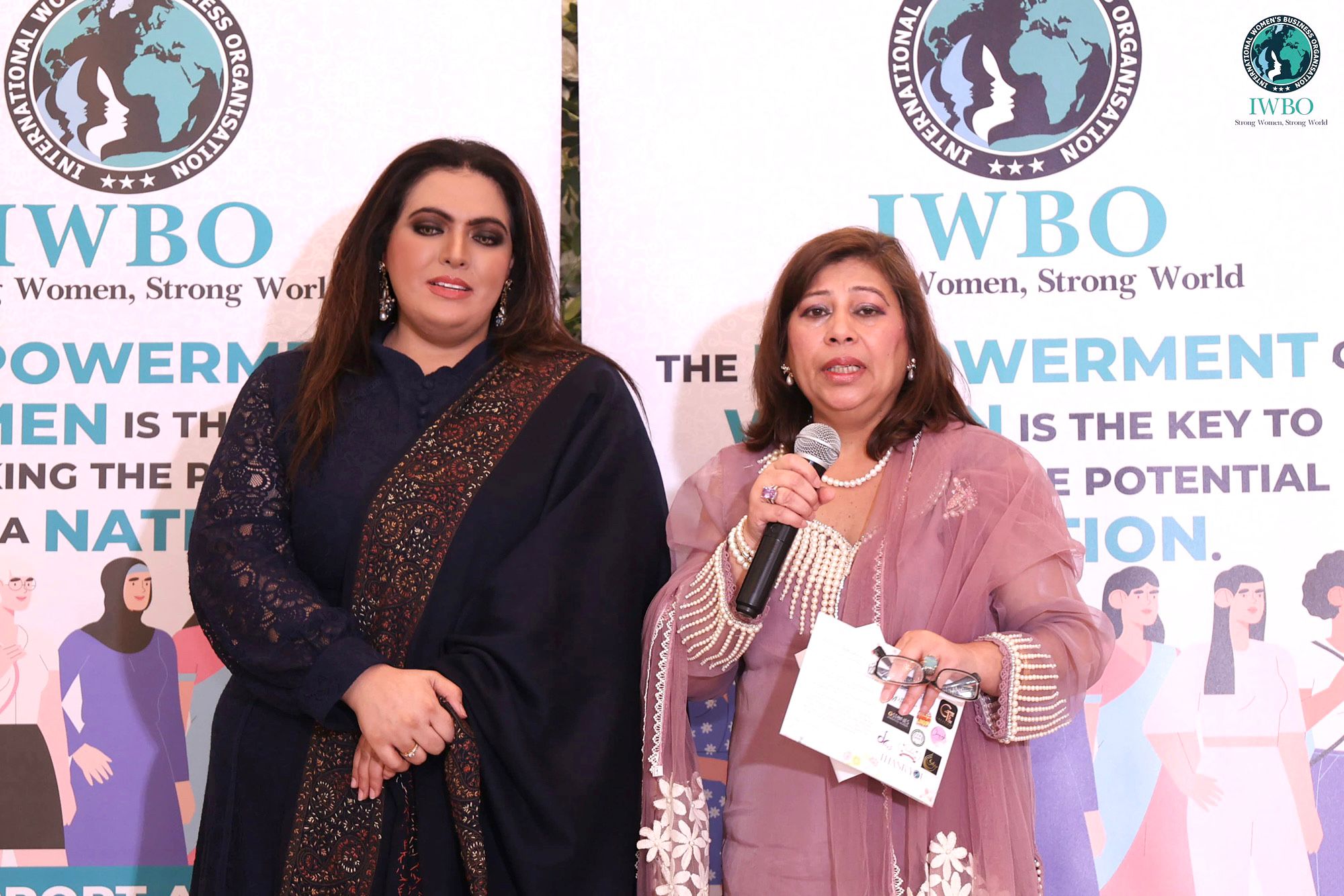
Last week, at the evening of 8th of March on “International Women’s Day”, the international women’s British organisations (IWBO) organised an Iftar dinner, which was attended by a large number of women from all walks of life. The event was hosted by IWBO Founder and Chairperson Samreen Chaudhery. While the chief guest of the event was Syed Qamar Raza, Chairman of the “Overseas Pakistanis Foundation”, and the guest of honour was Sir Stephen Timm MP, UK Minister of State for Racial Equality and Disability. The prestigious event was attended by Naeem Tahir, CEO of “Pakistan Welfare Association”, High Wycombe, Accident Injury Helpline and chairman of Pakistan Community Centre Reading, President of “Third World Solidarity”, Mian Saleem, Shahid Hussain, CEO of “GStones International Properties” and Executive of Sultana, Zafar Iqbal, CEO of Dejaru Events and All About Moi, along with former Deputy Mayor of the Royal Borough of Kensington & Chelsea, Alderman Mushtaq Lasharie CBE, Founder Chairman of Third World Solidarity, former Deputy Mayor of Hounslow, human rights activist IWBO west London’s president solicitor Hina Mir, IWBO’s senior president and senior Journalist Shagufta Nasreen, Amad Hassan CEO Minuteman press Oxford & entrepreneur also attended the event. Addressing the event, speakers highlighted the importance of International Women’s Day and said that this day inspires women and girls to pursue education, leadership roles, and careers in all fields. It helps build confidence and encourages future generations to break barriers. The day unites people worldwide in supporting women’s rights. Events, campaigns, and discussions help create a shared commitment to improving conditions for women everywhere and gives honours the social, economic, cultural, and political contributions of women throughout history and today. From scientists and leaders to teachers and community organisers, it recognises the impact women have made in shaping society. The speakers said that seeing the large number of British Pakistani women at this function today, it is certain that Pakistani women are not behind anyone.


By Tajammul Gurmani:
Rochdale:
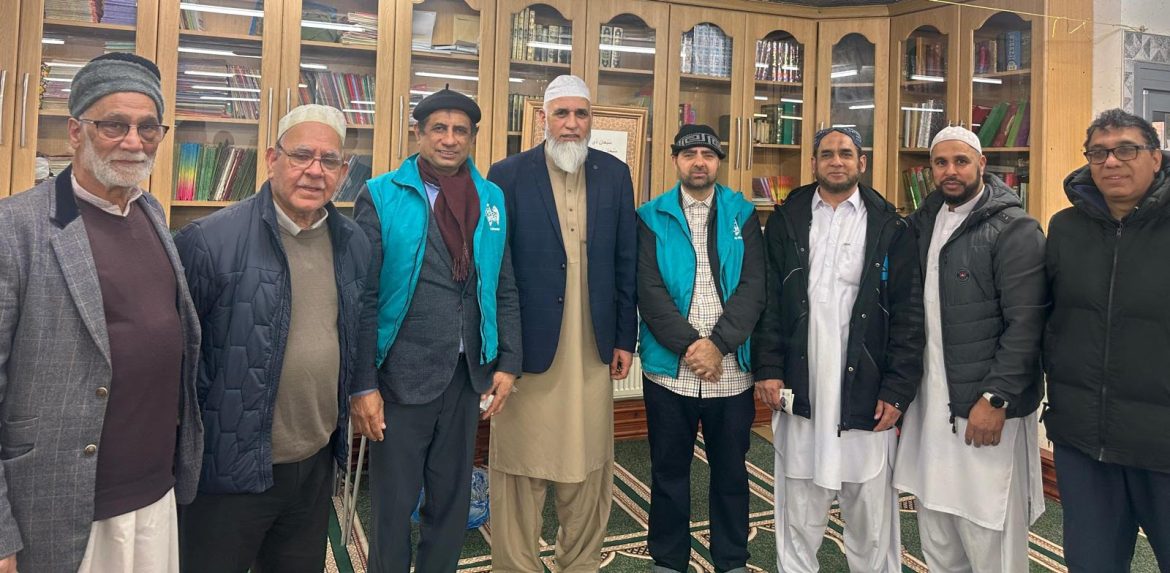
Al Mustafa Welfare Trust (AMWT) collected funds in connection with its Ramadan campaign at Al Quba Jamia Masjid, Rochdale. Volunteers raised funds during the Friday prayer for the construction of an Eye Hospital in Dadyal, Mirpur, Kashmir. The local community donated generously to support the project.
Al Mustafa Welfare Trust expressed special thanks to Muhammad Khalid, General Secretary of the mosque committee.
Bureau report:
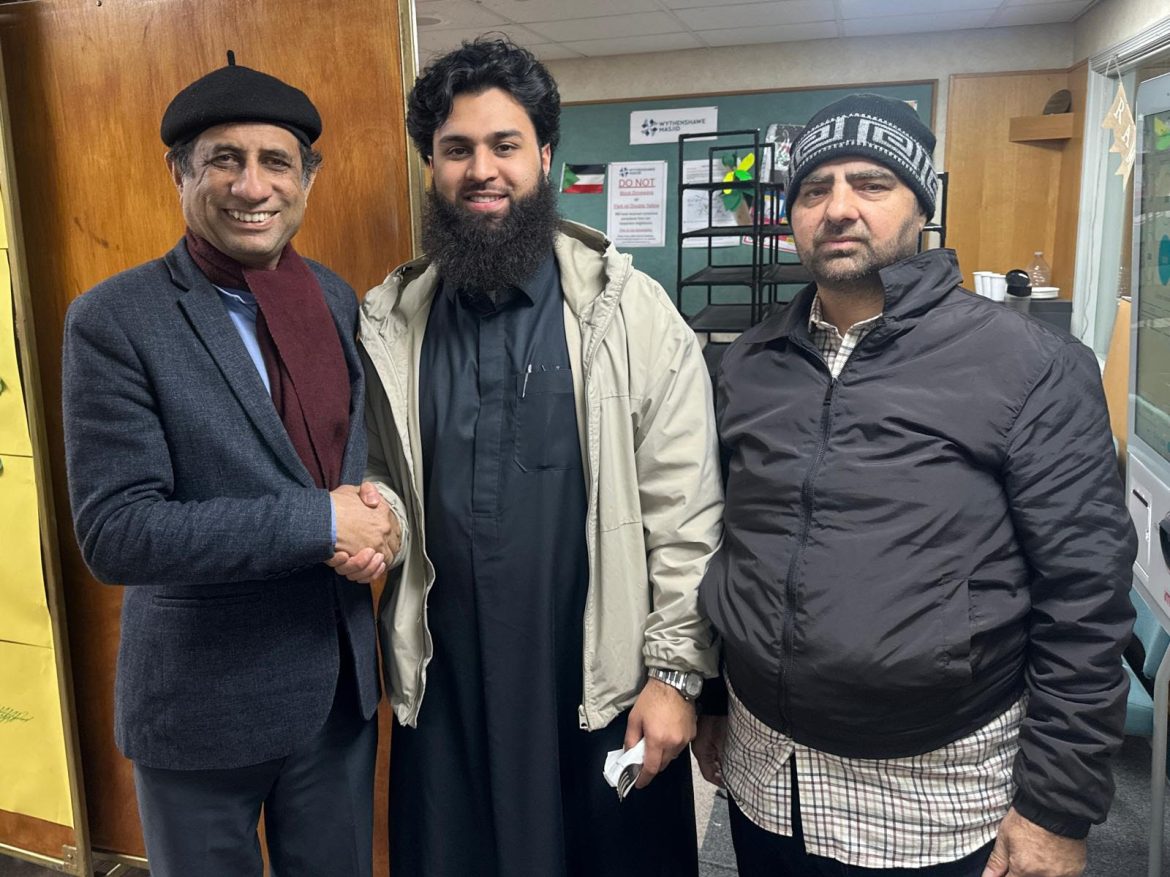
Al Mustafa Welfare Trust collected funds from Wythenshawe Mosque during the Taraweeh prayer. Local people donated generously for food aid for Yemen, Sudan and Gaza. Mosque trustee Yusuf Mirza, admin Zain Sarfraz and volunteers also supported Al Mustafa on the occasion.

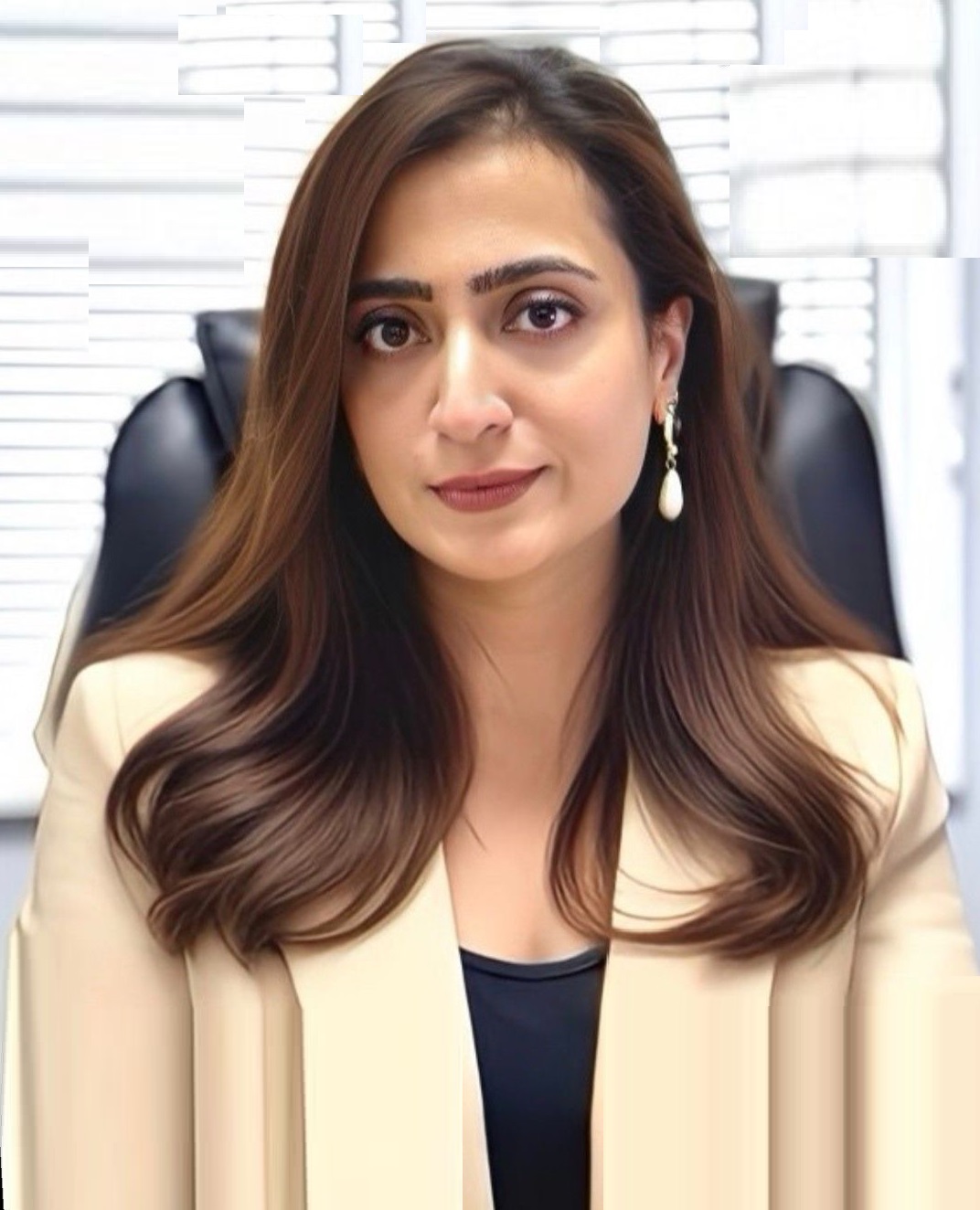
By Ramsha Shahid
London
The modern start-up economy is frequently described through the language of disruption. Bold founders, ambitious technology, venture capital and the promise of rapid growth dominate the narrative. Across the world, from London’s technology corridors to emerging entrepreneurial ecosystems in South Asia, the vocabulary of innovation is remarkably similar. Entrepreneurs pitch ideas, investors analyse growth curves, and entire industries are occasionally promised to be reinvented.
Yet beneath the excitement lies a quieter truth. Before a start-up becomes a commercial success, it must first become a legally coherent business.
Law is rarely the first concern for founders. In the earliest stages of a venture, attention is understandably directed toward developing a product, identifying market demand and persuading investors that the idea is worth backing. Legal structure often appears secondary, something to address once the company has gained momentum.
In practice, however, many of the disputes that arise within growing companies can be traced back to decisions that were either delayed or overlooked during the earliest stages of the business. Questions about who owns the intellectual property, how equity is distributed among founders, or what happens when a co-founder decides to exit the venture rarely appear urgent at the outset. Yet they frequently become decisive issues once the company begins to grow.
Lawyers working within the start-up ecosystem often observe the same pattern. The legal foundations laid during the first months of a company can influence its trajectory for years to come.
One of the earliest and most consequential decisions founders must make concerns the structure of the enterprise itself. Whether a venture operates as a sole trader, partnership or private limited company is not merely a technical choice. It determines liability, governance and the company’s ability to attract investment.
In the United Kingdom, most growth-oriented start-ups incorporate as private limited companies under the Companies Act 2006, which provides the legal framework governing directors’ duties, shareholder rights and corporate accountability. Investors typically expect this structure because it allows the issuance of shares and establishes clear governance mechanisms.
The United Kingdom has also introduced fiscal policies designed to support early-stage companies. The Seed Enterprise Investment Scheme (SEIS) and the Enterprise Investment Scheme (EIS) provide tax relief to investors who finance new businesses. These incentives encourage capital to flow into innovative ventures while acknowledging the risks associated with early-stage investment.
Across the European Union, regulatory initiatives have similarly attempted to foster entrepreneurship while maintaining market stability. Policies such as the EU Start-Up and Scale-Up Initiative aim to improve access to capital and reduce barriers to cross-border entrepreneurship within the single market. European regulation is occasionally criticised for its complexity, yet its broader objective is to create a harmonised economic environment in which businesses can expand across multiple jurisdictions.
In emerging entrepreneurial ecosystems such as Pakistan, the regulatory landscape has also evolved to support innovation and business formation. Companies are incorporated under the Companies Act 2017, which modernised corporate governance provisions and introduced reforms intended to improve transparency and facilitate business activity. The Securities and Exchange Commission of Pakistan (SECP) has further introduced regulatory initiatives such as fintech sandboxes, allowing technology-driven financial services to test new models within a supervised regulatory environment.
Despite these differences between jurisdictions, the fundamental legal architecture of a start-up remains strikingly consistent. Whether a company is incorporated in London, Berlin or Lahore, founders must still determine ownership structures, establish shareholding arrangements, comply with taxation frameworks and create governance mechanisms capable of supporting future growth.
In other words, while regulators may differ, the blueprint of a company remains largely universal.
Having worked within both the Pakistani and British legal environments, I have observed how entrepreneurial ambition transcends borders even when legal frameworks differ. Pakistan’s start-up ecosystem has grown considerably in recent years, producing ventures in sectors such as digital commerce, logistics and financial technology. Companies such as Bykea, a technology-driven ride-hailing and delivery platform, and Airlift, which rapidly scaled a digital commerce model before its closure, illustrate both the potential and volatility that characterise emerging markets. In the United Kingdom, the ecosystem benefits from deeper financial markets and more mature regulatory infrastructure. Companies such as Monzo, Deliveroo, and numerous technology ventures emerging from university incubators demonstrate how access to venture capital and regulatory clarity can accelerate entrepreneurial growth.

What becomes clear when observing these different ecosystems is that talent is rarely the limiting factor.
Entrepreneurs in emerging markets possess the same creativity, ambition and technical capability as those operating within established innovation hubs. The difference often lies in the surrounding environment, including access to capital, regulatory predictability, institutional support and legal infrastructure.
This is where legal advice becomes particularly valuable. Lawyers assisting start-ups are not simply drafting documents, although founders occasionally joke that lawyers possess a unique ability to transform a two-page business idea into a twenty-page agreement. In reality, those additional pages exist for a practical reason. They are designed to prevent disputes before they arise.
Clear shareholder agreements define governance structures and minimise conflicts between founders. Intellectual property assignments ensure that technology developed for the company is legally owned by the company. Employment agreements and compliance mechanisms help businesses operate within regulatory frameworks while protecting commercial interests.
These elements may appear procedural, yet they form the framework within which innovation can grow without constant legal uncertainty.
Importantly, they also support sustainable growth. Start-ups often prioritise rapid expansion, scaling their user base and attracting investment as quickly as possible. Growth that outpaces governance or compliance can quickly become fragile. A company that scales without legal clarity may face disputes over ownership, regulatory complications or investor hesitation.
By contrast, a start-up built upon a stable legal foundation creates the conditions for growth that is not only rapid but durable.
Entrepreneurs sometimes imagine the law as an obstacle to innovation. Lawyers, perhaps unsurprisingly, see it somewhat differently. The law does not exist to slow innovation. It exists to ensure that innovation survives contact with reality.
In an increasingly interconnected global economy, start-ups will continue to emerge across diverse jurisdictions and regulatory systems. Yet one principle remains constant. While laws may vary between countries, the core principles of corporate governance, ownership structures and accountability remain remarkably universal.
A well-advised start-up does not merely comply with the law. It uses the law as a strategic tool. Legal structure builds credibility with investors, stability for founders and confidence for markets. Ultimately, innovation may begin with imagination, but enduring enterprises are built on structure. When entrepreneurial ambition is supported by legal clarity, start-ups are able not only to launch, but to grow responsibly, attract investment and contribute meaningfully to the global economy.
