By Zain Ali Khan:
The T20 World Cup being played in India and Sri Lanka has been in the news for several days and fans as well as former cricketers and commentators have been expressing their views on the controversies related to it. First, there was talk of Bangladesh refusing to play in India and negotiations were underway between the International Cricket Council (ICC) and the Bangladesh Cricket Board. Ultimately, Bangladesh’s demand was not accepted, and Scotland was included in the event instead.
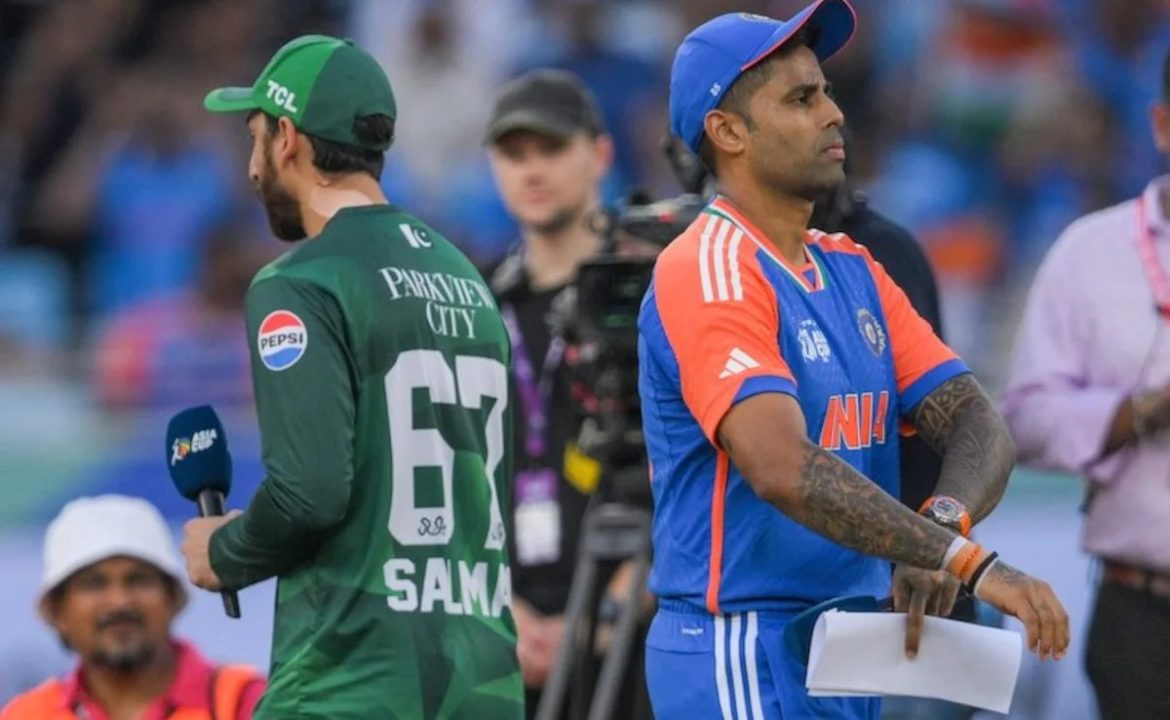
After this, Pakistan refused to play its match against India during the T20 World Cup in support of Bangladesh, on which the ICC warned of the ‘long-term consequences’ and asked Pakistan to review the decision.
Speaking about the crisis, former England team captain Nasser Hussain has supported Pakistan and Bangladesh, for which he is facing criticism in India. Nasir Hussain said, “What would the ICC do if India had demanded a change of venue instead of Bangladesh? Would the ICC have also thrown India out of the event? The ICC will have to deal with Bangladesh and Pakistan equally, just like India.” The former England captain said, “Bangladesh is standing by its word, they stood up for their player. Pakistan did a good job by supporting Bangladesh. Someone must stand up and say, ‘Enough with politics, let’s play cricket now.’ He added, “You never shake hands, you never take trophies. If your reaction to Pakistan and Bangladesh continues like this, cricket will be destroyed. Another former England captain, Michael Atherton, who was part of the same podcast, also criticised the Jay Shah-led ICC and accused it of being biased in favour of India and the BCCI. He stressed that ‘Bangladesh’s demand was also valid because India was allowed to play at a neutral venue during the Champions Trophy 2025.’
‘You have to go back to the time of the Champions Trophy because India did not go to Pakistan, which was the host of the event, and then India was given the concession to play all its matches in Dubai. He said that ‘this concession has not been given to other teams in the past who have opted out of international matches.’
Former England player Mark Butcher said, “If this match does not happen, it will be a big disaster for India, which is the co-host of the T20 World Cup, and for the ICC, because this competition is very important financially.” He added, “India has always done its own thing in cricket and Pakistan has had to put up with it, but this time the situation is different where a tougher path has been taken by Pakistan.”
Former Australian cricketer Brett Lee has also expressed similar mixed views.
News
Sufism and the Tijaniyya Order: A Key Source for Spreading Moderate Islam in Europe
By Amr roshdy:
Amidst the social and cultural transformations sweeping across Europe, and the growing debates surrounding the role of religion in the public sphere, Islamic Sufism stands out as one of the most capable currents for offering a balanced religious discourse that resonates with the specificities of European societies and establishes a relationship based on understanding, coexistence, and social peace. Within this context, the Tijaniyya Order has been playing an increasingly prominent role in Italy and several other European countries in recent years.
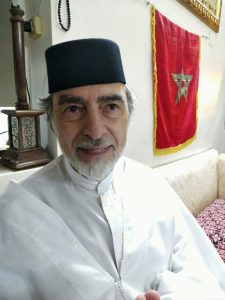
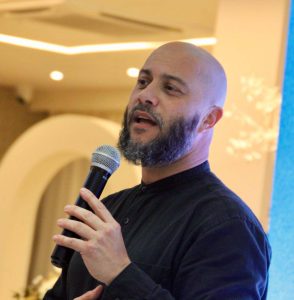
Sheikh Abdel Samad al-Itali, the head of the Italian Sufi community, affirms that Sufism is no longer merely an internal spiritual practice, but has become a civilizational and ethical project that contributes to human development and the strengthening of shared human values. He explains that the essence of Sufism lies in purifying the soul, spreading a culture of love, and distancing oneself from extremism and isolationism.
The Tijaniyya Order and the Discourse of Moderation
Sheikh Abdel Samad points out that the Tijaniyya Order, with its rich spiritual and educational heritage, has contributed to establishing a moderate religious discourse within Muslim communities in Italy and Europe. This has been achieved through a focus on spiritual and moral education, respect for the law, and positive engagement with society. This role is reflected in the organization of open spiritual and cultural gatherings aimed at promoting sound religious awareness and strengthening social bonds among the various segments of society. He added that this Tijani approach has contributed to creating a healthy religious environment within Muslim communities and has mitigated the influence of extremist rhetoric that exploits religion for ideological or political ends. He emphasized that Sufi moderation constitutes the first line of defence against extremism and isolationism.

Spaces for Dialogue and Coexistence
The Sheikh of Sufis in Italy explained that Sufi lodges in Italian and European cities have recently transformed into spaces for spiritual and cultural dialogue. These lodges welcome Muslims and non-Muslims alike and provide a platform for discussion on shared values such as peace, justice, coexistence, and respect for human dignity. He emphasized that these meetings contributed to building bridges of trust with European religious and civil institutions. He also noted that the moderate Sufi presence helped correct many prevailing stereotypes about Islam by presenting a practical model based on ethical conduct and social commitment, far removed from confrontational or exclusionary rhetoric.
Towards a European Islamic Model
Sheikh Abdel Samad believes that Sufism, and the Tijaniyya order in particular, contributes to shaping a European Islamic model that preserves religious principles while simultaneously respecting the cultural and legal specificities of European societies. This makes it an active element in promoting positive integration without assimilation or isolation. He affirmed that this model contributes to strengthening the concept of citizenship and encourages Muslims to actively participate in public life, volunteer work, and social initiatives, reflecting the true values of Islam as a religion of mercy and peace.
Challenges and Future Prospects
Speaking about the challenges, the Sheikh of Sufism in Italy pointed out that Sufism sometimes faces misunderstanding or media marginalization, despite its important role in promoting intellectual and religious stability. He called for supporting moderate Sufi initiatives and involving them in religious and intellectual dialogues at the European level. Sheikh Abdel Samad concluded by emphasizing that the next phase requires strengthening cooperation between Sufi religious institutions and European academic and cultural bodies to establish a rational and humane religious discourse capable of confronting hate speech and extremism and contributing to building a future of peace and coexistence. This Sufi movement comes at a time when Europe is increasingly in need of spiritual religious models that balance faith and humanity, making Sufism and the Tijaniyya order among the most prominent actors in the contemporary European religious and cultural landscape.
Tajammul Gurmani:
Manchester:
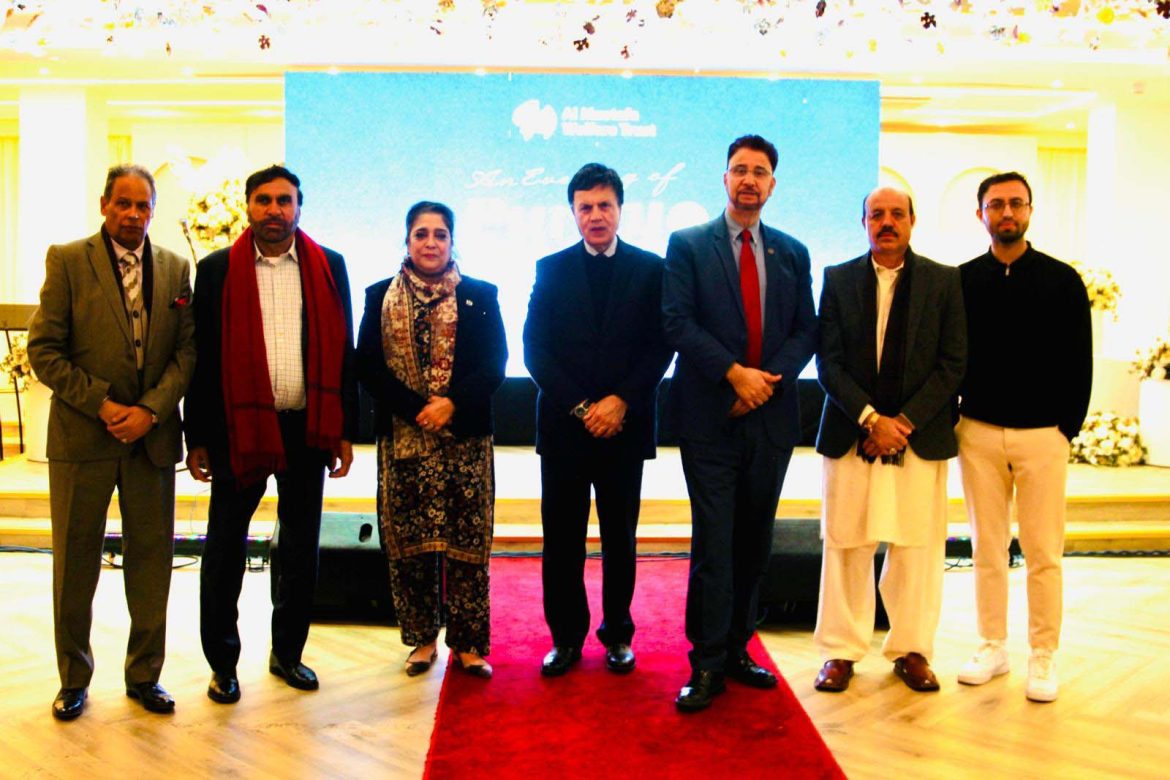
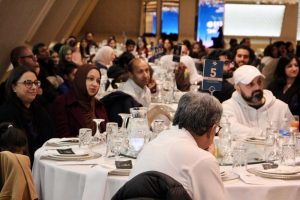
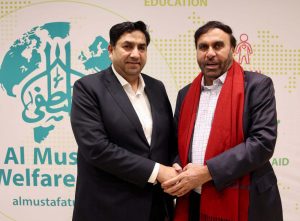
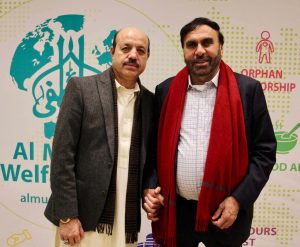
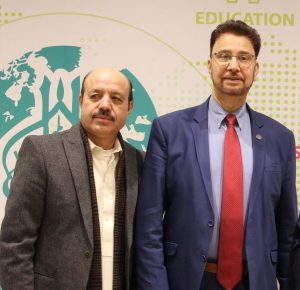
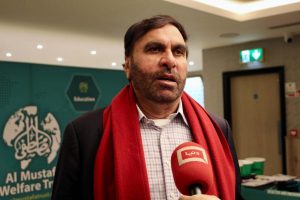
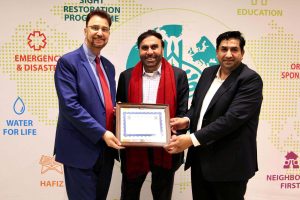
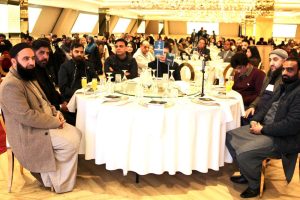
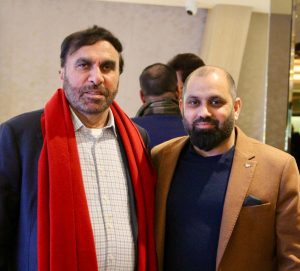
AlMustafa Welfare Trust organised a fundraising dinner at Royal Nawaab, Stockport, Manchester. The event was chaired by Abdul Razzaq Sajid, Chairman of Al Mustafa Welfare Trust. Special guests included MP Afzal Khan and Pakistan’s Consul General in Manchester, Imtiaz Feroz Gondal. The event was hosted by TV anchor Raheem Jang. Prominent participants included Tariq Ghani, Ghulam Haider, Khanzada, Rana Sultan, Aamir Iqbal, Khalid Mahmood Sheikh, Amjad Hussain Mughal, Malik Imran Khalil, Chaudhry Shahid Anwar, Dr Ajmal, Raja Mushtaq Ahmed, Chairman of Bilal Mosque Rochdale, Qari Abdul Rauf, Councillor Muqaddasa Bano, along with journalists and community leaders. On the occasion, Saif Adam, Atif Nawaz and Aalia Um Riyan presented performances. Chairman Al Mustafa Abdul Razzaq Sajid highlighted Al Mustafa’s ongoing welfare projects in Gaza, free eye camps, free food distribution, and humanitarian work across Pakistan, Kashmir and other parts of the world. He said the organisation has set a target of 500,000 eye operations in the coming years, with over 300,000 operations already completed. MP Afzal Khan said it was wonderful to see a successful charity event of Al Mustafa, with so many people participating and supporting a number of much-needed projects including mosque construction, orphan sponsorship, hifz programmes and medical projects such as cataract surgeries. He said it was really impressive to see how people help their fellow human beings through clean water projects and other initiatives, adding that the fundraising dinner was very successful with strong attendance and generous donations. Al Mustafa’s Director of Programmes, Nisar Ahmed, thanked the donors and said there were huge gatherings in Manchester and that there is a long list of projects the organisation is working on. He added that during Ramadan the organisation will set up a tent city in Gaza and provide temporary shelter, iftar meals, clean drinking water and other services. Pakistan’s Consul General Imtiaz Feroz Gondal praised Al Mustafa’s work in the welfare sector and said that Al Mustafa is doing excellent work, especially in the area of cataract surgeries in Pakistan. He said the organisation is also constructing mosques and taking care of orphans, and congratulated Al Mustafa on hosting a successful event. Shahid Anwar Choudhry said that Al Mustafa is doing wonderful work in Pakistan, running eye hospitals and sponsoring Quran circle classes at Masjid Aqsa, adding that it is a brilliant charity and should be supported. Al Mustafa trustee Shamama Latif thanked the participants of the Manchester fundraising dinner, saying that the people of Manchester are very generous and that there was a very good turnout at the event. She said the people are very supportive and that the organisation believes in serving humanity and transparency. Earlier, donations were also collected for projects including mosque construction, free cataract eye camps, clean drinking water, hifz and orphan projects.

The First US Strike on Iran Will Hit Your Phone, Not the Battlefield
By Sajjad Azhar:
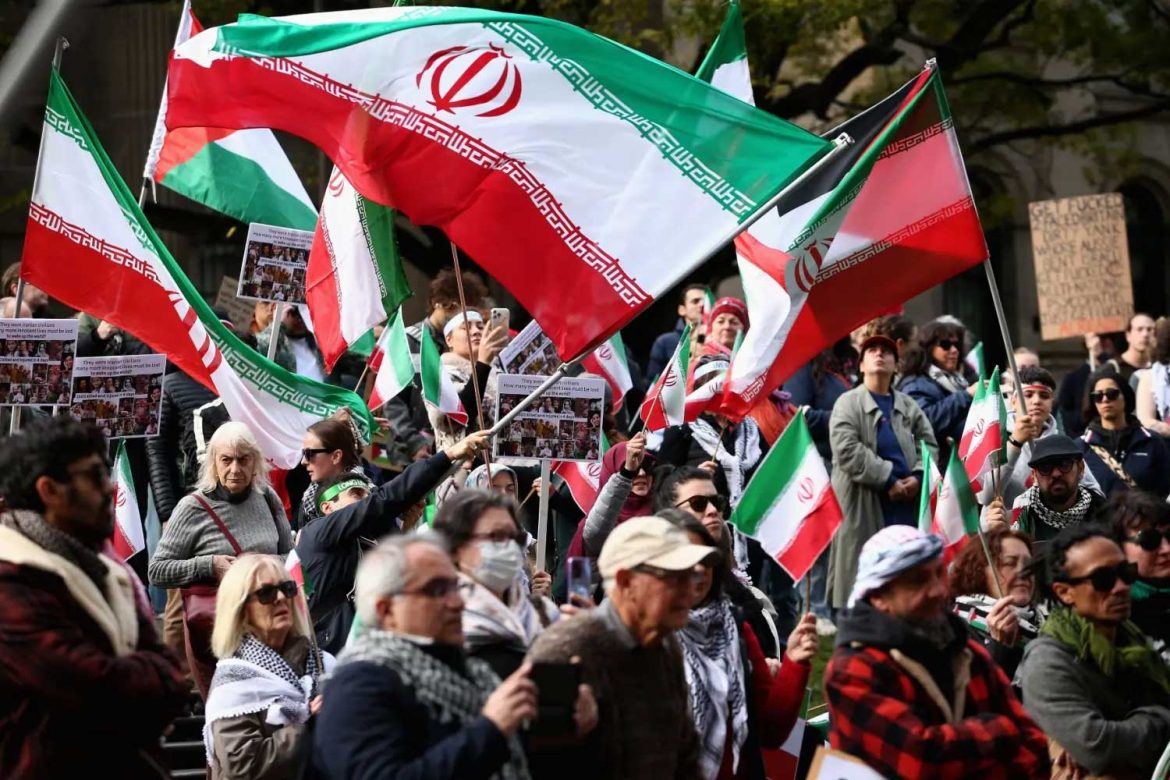
Rather than asking whether the United States will attack Iran, it is more revealing to ask what kind of war it would fight if it did.
The opening phase would be familiar: intense air strikes targeting Iran’s leadership, military command and defence systems. Once Iran’s capacity for conventional retaliation is neutralised, the real battle would begin—not on the ground, but in the digital space.
This would be a war of narratives, fought through algorithms, artificial intelligence and information control. News—true or false—would spread faster than missiles, shaping perceptions, breaking morale and deciding outcomes long before facts are verified.
While Iran has demonstrated its ability to strike deep into Israel and even target US bases in the region, it remains technologically outmatched by the United States. Yet Washington’s ultimate objective may not be military victory alone, but regime change—achieved not through occupation, but through psychological and informational dominance.
By disrupting Iran’s communication networks and controlling digital access, AI-driven systems would flood the public sphere with stories of defections, arrests and leadership collapse. Accuracy would matter less than impact. Supporters of the regime would be disoriented, while opposition voices would appear amplified and unstoppable.
Unlike past conflicts, there would be no need for long-term ground forces or massive propaganda infrastructures. Today, narratives are delivered directly into individual minds through smartphones, powered by data servers thousands of miles away.
Iran is not inexperienced in information warfare, having used similar tactics across the Middle East. However, American technological superiority would make this an uneven contest.
In such a conflict, truth would likely be buried before the first casualty. AI-generated fake videos, manipulated images and viral disinformation would shape reality in real time. By the time facts emerge, public opinion would already be formed.
Strategically, this war would not resemble Iraq or Afghanistan. The United States lacks the appetite—and the economic capacity—for a prolonged conflict. Speed would be essential. The larger objective would be Iran’s energy resources. A friendly regime, lifted sanctions and Iranian oil re-entering global markets could ease pressure on oil prices and help stabilise a fragile global economy. If that fails, instability in the Strait of Hormuz—through which 20 percent of the world’s oil flows—would be enough to shake markets worldwide.
In modern energy politics, fear is often more effective than firepower.
This is why a potential US–Iran war would not target Iran alone. Its consequences would ripple across the global economy, energy markets and political systems.
And when it begins, the first strike will already be in your pocket.
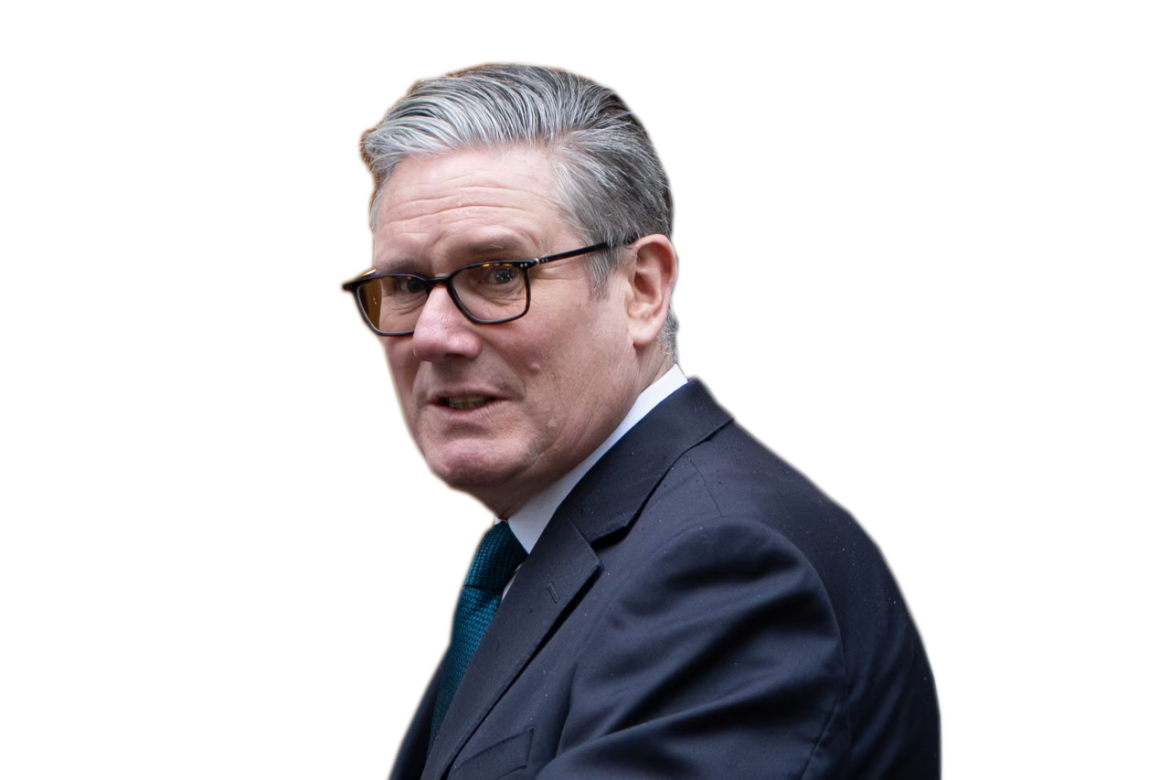
UK citizens can visit China for 30 days without a visa: PM Keir Starmer
By our political correspondent:
London:
British PM Keir Starmer says the UK wants a “more sophisticated” and strategic relationship with China, reflecting
The British Prime Minister, who was on a three-day visit to China with 60 top British businessmen, returned to the UK on Friday night at the end of his visit. Speaking to the media in Beijing, he
says the UK wants a “more sophisticated” and strategic relationship with China, reflecting shared interests in trade, economic growth, climate change and global stability, he emphasised this is about “benefitting the British people” and rebuilding ties after years of strained relations. Prime Ministers also announces that UK citizens will be able to travel visa-free to China for trips under 30 days.
Starmer’s official trip to China was the first by a UK prime minister since 2018.
Al Mustafa Pakistan Launches Women’s Nutrition Awareness Campaign in Urban Lahore
Staff Reporter:
Lahore:
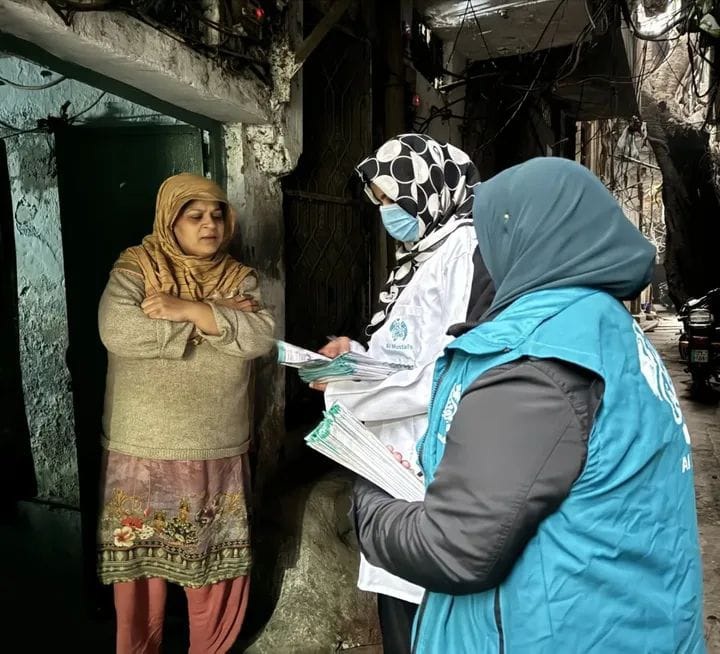
AlMustafa Pakistan has launched a community-based nutrition awareness campaign aimed at improving women’s dietary knowledge and promoting equitable access to nutrition information in urban Lahore.
The initiative is part of the project titled “Advancing Women’s Nutrition and Equity through Participatory Food Distribution Reforms in Urban Lahore,” implemented by Al Mustafa Pakistan in collaboration with the Global Alliance for Improved Nutrition (GAIN).
As part of the campaign, educational brochures and community engagement activities were used to raise awareness among women about balanced meals, nutrition values, and healthy dietary practices. The materials were developed based on field data and insights gathered through baseline surveys conducted by Al Mustafa Pakistan.
According to project organisers, complex nutrition concepts such as macronutrients, the My Plate model, the Food Pyramid, and essential nutrients for women were translated into simple, practical guidance designed for everyday household use.
A total of 1,000 brochures were distributed through door-to-door outreach and community awareness sessions across several neighbourhoods in the Mozang area, including Bagh-e-Jinnah, Kacha Lawrence Road, Fane Road, Panj Mahal Road, and the vicinity of Sir Ganga Ram Hospital.
The campaign focused on engaging women directly within their communities, enabling them to better understand nutritional needs and make informed food choices for themselves and their families. Project officials stated that such participatory approaches are essential to addressing urban nutrition challenges, particularly among vulnerable populations.
Al Mustafa Pakistan has indicated that the initiative reflects its broader commitment to integrating dignity, education, and community participation into food and nutrition programmes across Pakistan.
By Tajammul Gurmani:
Manchester:
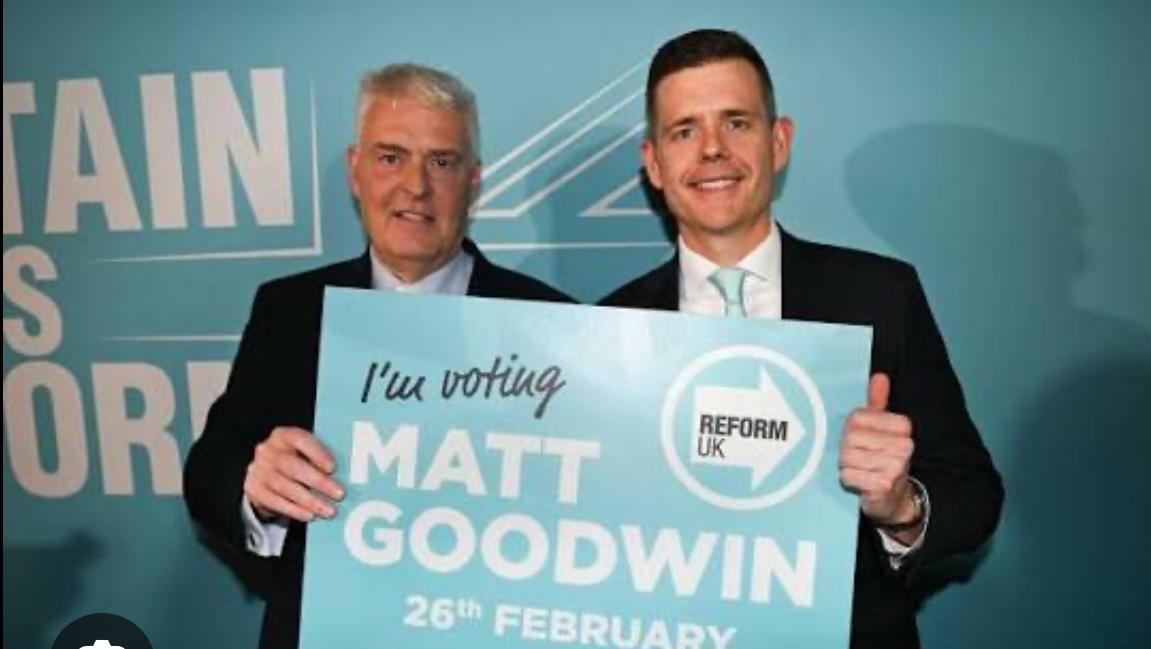
A tough competition is expected in the Gorton and Denton by-election for the MP seat, which fell vacant after the resignation of former Labour MP Andrew Gwynne due to health problems. According to the latest survey reports, there is close competition between the Labour Party and the Reform Party. The Reform Party is leading with 34 per cent, while Labour is close behind with 32 per cent, according to a local opinion poll. Both parties have already started their by-election campaigns and are trying to convince voters through door-to-door campaigning. Candidates from the Workers Party and the Green Party are also contesting the by-election, which will be held on Thursday 26 February 2026. This constituency includes the areas of Gorton, Denton, Levenshulme, Burnage, Longsight and other parts of Manchester, where the Asian community is expected to play a key role in the by-election. According to political sources, the Labour Party has shortlisted two candidates for the Denton and Gorton parliamentary by-election: Eamonn O’Brien, leader of Bury Council, and Angeliki Stogia. Earlier, Labour had six candidates on its longlist, including two British-Pakistani councillors, Cllr Rab Nawaz Akbar and former Lord Mayor of Manchester Cllr Abid Latif Chohan. Labour’s National Executive Committee earlier blocked Greater Manchester Mayor Andy Burnham from standing as a candidate.
Voting between the shortlisted Labour candidates will be held on Saturday 31 January at 9:30am at a local community hall on Stockport Road, Manchester.
The Reform Party has selected Matt Goodwin as its candidate, while the Workers Party has reportedly nominated Longsight councillor Shahbaz Sarwar, though he has not yet confirmed his nomination.
Talking to the media, Labour’s deputy leader and Manchester MP Lucy Powell said this is a very critical by-election and urged people to come out and support Labour. She criticised the Reform Party’s campaign and policies on immigration and said they should be strongly rejected, calling on voters to stand behind Labour.

By Monitoring desk:
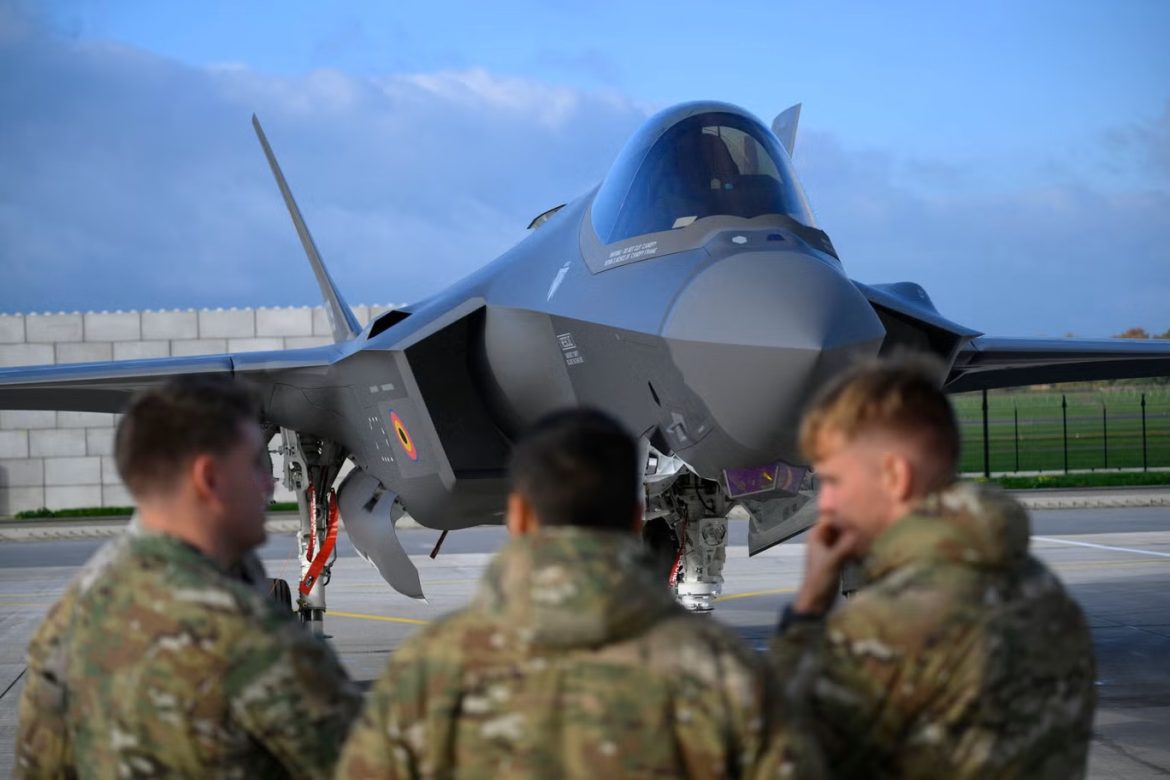
The United States could alter its decades-old North American Aerospace Defence Command deal with Canada should its government backtrack on the purchase of 88 Lockheed Martin F-35 fighter jets, the U.S. ambassador to Canada has warned. In the latest back-and-forth between the U.S. and Canada over the deal, Ambassador Pete Hoekstra cautioned that if Canada purchased fewer fighter jets, the U.S. would “fill those gaps” in security concerns. That could mean the U.S. would need to purchase more F-35 fighter jets for its own use and use them to intervene in Canadian airspace more frequently. Under the current terms of NORAD, the U.S. and Canada can operate in one another’s airspace to track or intercept threats. However, Hoekstra indicated U.S. intervention would go even further, should the fighter jet deal change, thus requiring new terms to the Cold War-era agreement.
But quickly, the program ran into challenges. Not only has it taken longer than anticipated to manufacture the jets, but a 2025 initial audit of the deal found that the program had risen to $27.7 billion in cost – up from its initial $19 billion. With tensions between the U.S. and Canada increasing due to President Donald Trump’s tariff threats, Canadian Prime Minister Mark Carney called for the review.
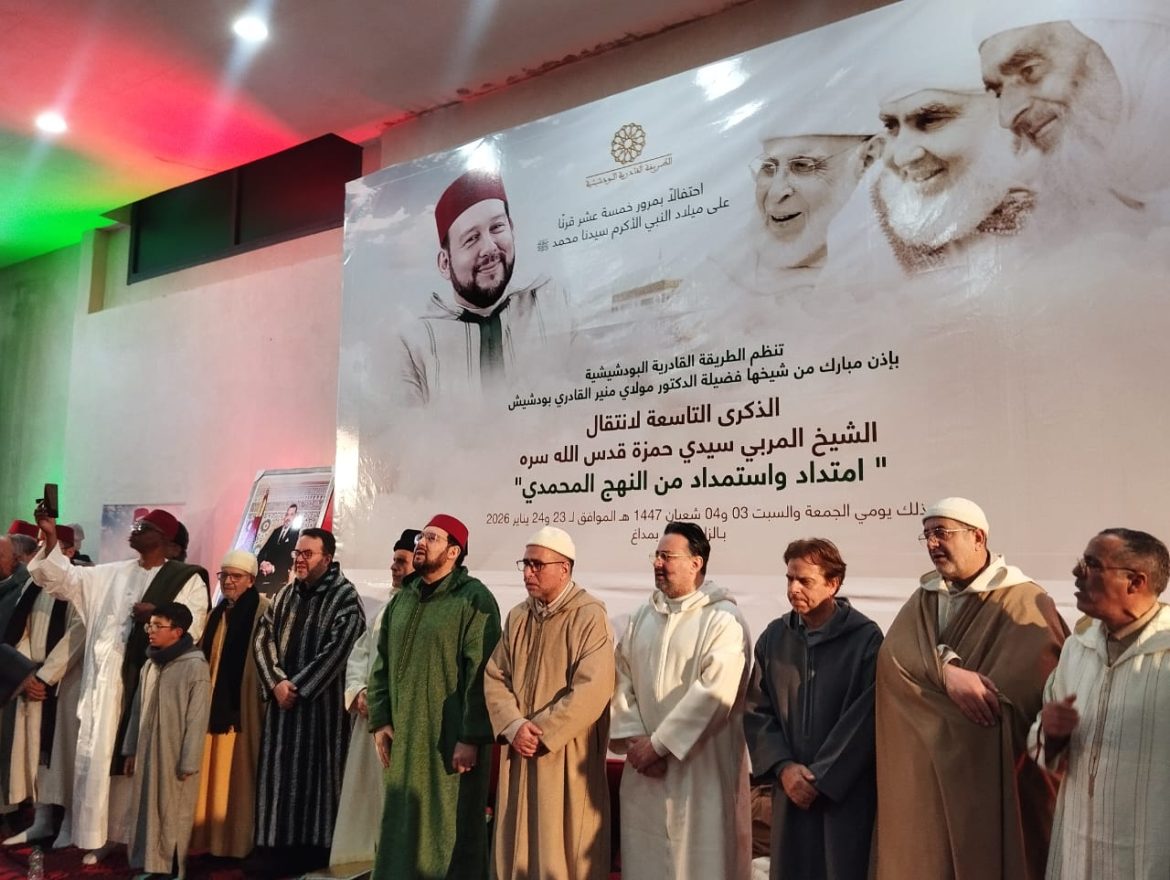
Ceremony in Morocco to commemorate the ninth anniversary of the passing of Sufi master Hamza Ibn Abbas Al-Boudchichi of the Boudchichiya Order
By Amr roshdy
Egypt
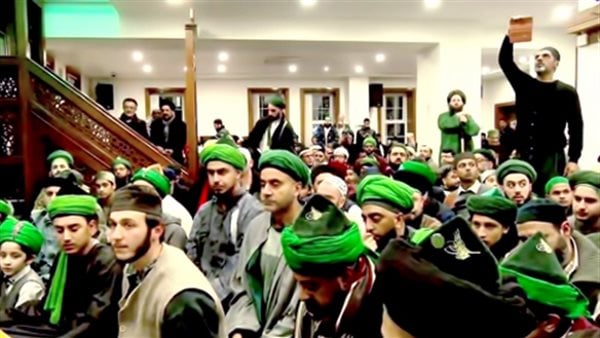
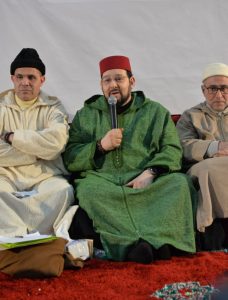
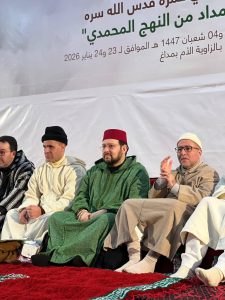
Sufi orders in Morocco, most notably the Qadiriyya Boudchichiya Order, commemorated the ninth anniversary of the passing of the Sufi master Sidi Hamza ibn al-Abbas al-Boudchichi, may God be pleased with him. The commemoration was attended by Sufis from around the world in a deeply spiritual atmosphere characterized by remembrance of God, devotion, and reflection on the sublime meanings of authentic Islamic Sufism.
This spiritual commemoration was held with the permission of the Sheikh of the Qadiriyya Boudchichiya Order, Dr. Moulay Mounir al-Qadiri Boudchich, who continues the path of spiritual and behavioural development, preserving the Sufi legacy established by the late master. This legacy is based on following the noble Prophetic example and instilling the values of love, tolerance, and service to humanity.
The event was attended by a significant number of followers and admirers of the Sufi order from across Morocco and beyond, as well as prominent religious and spiritual figures. The commemoration included collective dhikr (remembrance of God), recitations from the Holy Quran, and prayers upon the Prophet Muhammad (peace be upon him). In addition, speeches were delivered highlighting the life and spiritual stature of Sidi Hamza al-Budshishi, and his prominent role in renewing Sufi discourse and connecting it to contemporary realities without compromising its fundamental principles.
Those who spoke emphasized that commemorating this anniversary is not merely a formal ritual, but rather an educational and spiritual opportunity to renew the commitment to the values to which the late Sufi master dedicated his life. These values include self-purification, the consolidation of moral character, and the dissemination of a culture of spiritual and social peace in a world witnessing escalating tensions and a loss of spiritual meaning.
The participants also emphasized that the Qadiriyya-Budshishiyya Sufi order, under the leadership of its current sheikh, continues to play its influential role both within Morocco and abroad by disseminating a moderate religious discourse that combines authenticity with openness, affirming that Sunni Sufism remains a fundamental pillar of spiritual security and social stability.
Sidi Hamza ibn al-Abbas al-Budshishi is considered one of the most prominent figures of Sufism in the modern era. He established a global spiritual school that has attracted thousands of followers from diverse cultures and countries thanks to his approach based on integrating knowledge and practice, and Sharia and Haqiqah (spiritual truth), thus ensuring that his spiritual legacy remains relevant and vibrant to this day.
The commemoration concluded with prayers for the well-being of His Majesty King Mohammed VI, may God grant him victory, King of Morocco, and supplications to God Almighty for peace and security to prevail, and for the protection of Morocco and all Muslim lands.

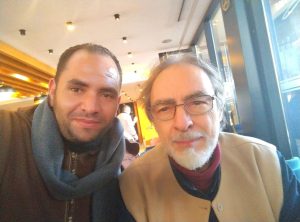
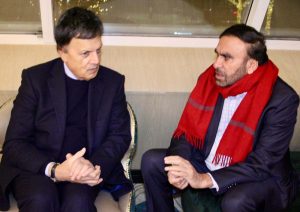
Amr Rushdy with Dr Mounir Boudchichi