Saif Ali Khan
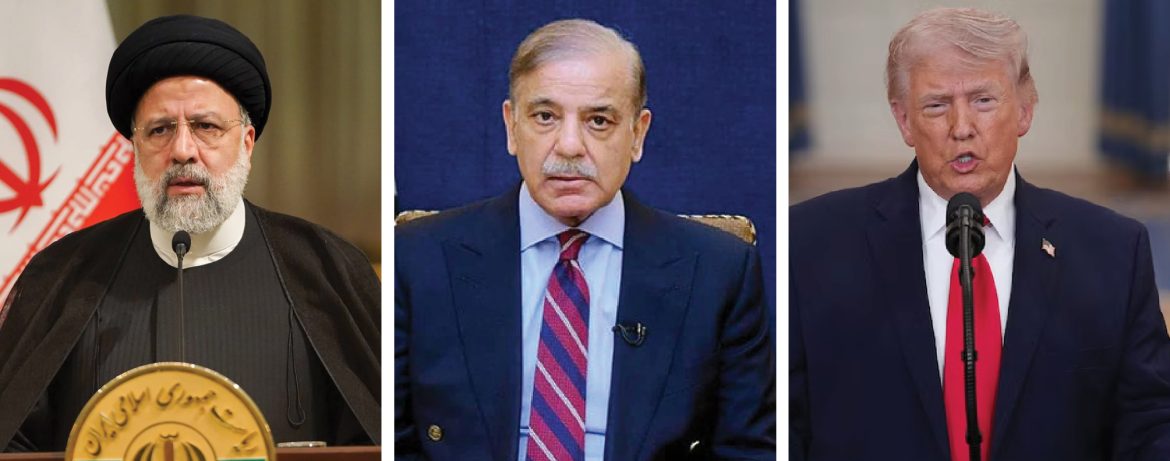
The ‘Islamabad Talks’, scheduled to begin today Friday and final round will be tomorrow April 11, will see high-level teams from Washington and Tehran arrive in Pakistan today, but what we know so far, both sides have chosen strong representation, from US Vice President JD Vance to Iran’s Araghchi. As of now, there is no official, confirmed list of countries that are certain to participate in these ceasefire talks in Islamabad.
However, such talks usually include or may include these countries or parties, oncourse Iran, US, Pakistan as host, Turkiye, Egypt, UN (as mediator or observer) Possibly European countries UK, France and Germany, or regional countries (depending on the situation) as Saudi Arabia, China, Russia and may be involved in. Since such sensitive diplomatic talks are often kept secret or restricted until the last minute, the final list of participants is usually revealed only through official announcements or media briefings.
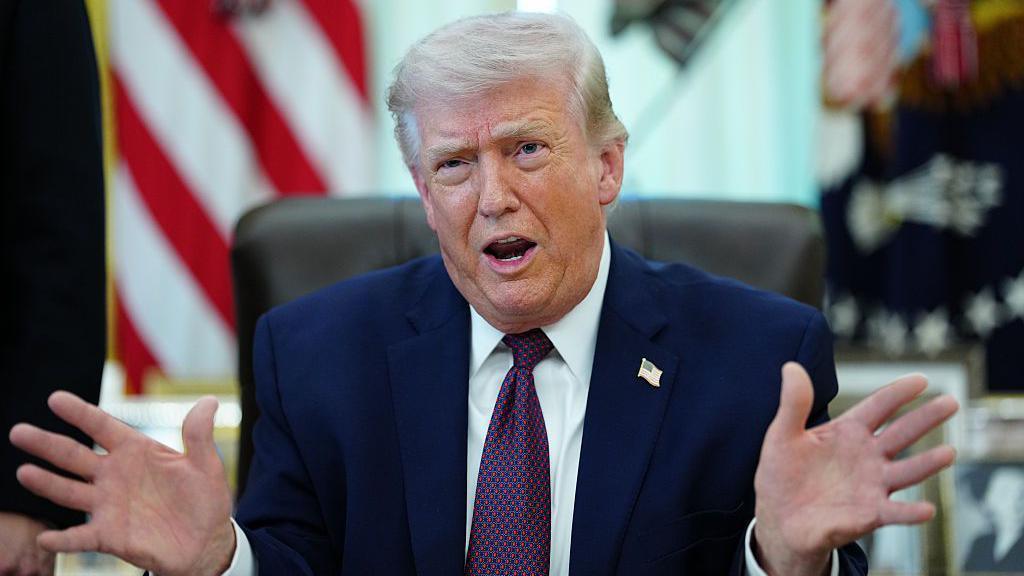
American President Donald Trump announced early last Wednesday a two-week ceasefire halting the US-Israeli war on Iran, which has engulfed the Middle East. The development, anxiously awaited by much of the world, followed a long night of back-channel diplomacy spearheaded by Pakistan. Now, with a fragile ceasefire barely holding and tensions still flaring, Islamabad is set to host talks between the warring parties this Saturday.
In an earlier post on Truth Social, Trump said the US had received a 10-point proposal from Iran, which he described as “a workable basis on which to negotiate”. On the other hand, Iran’s Foreign Minister Abbas Araghchi mentioned a 15-point US proposal that US proposal that negotiators said could end the conflict.
Pakistan
US-Based Dignitaries Visit Al Mustafa Welfare Trust, Appreciate Ongoing Humanitarian Services
Bureau Report
Rawalpindi
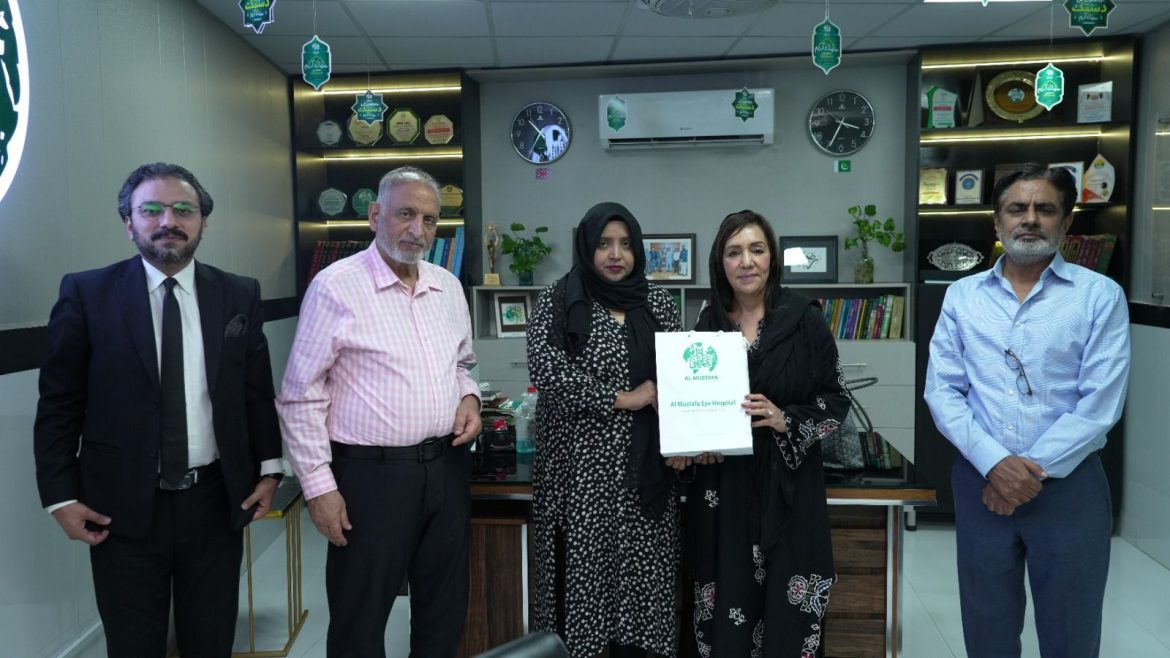
Prominent members of the Pakistani-American community visiting from the United States paid a special visit to Al Mustafa Welfare Trust, where they reviewed the organization’s wide-ranging humanitarian initiatives.
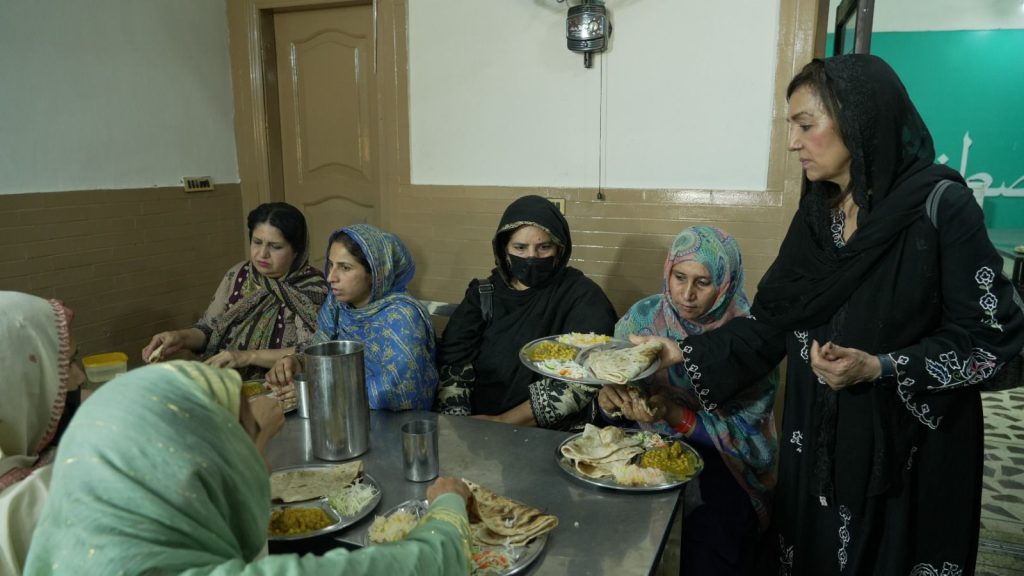
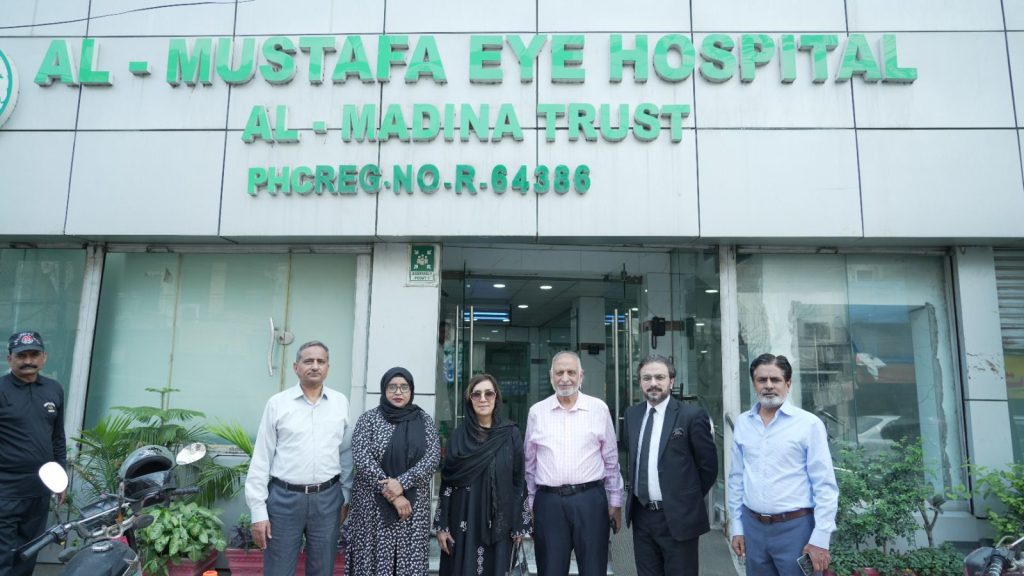
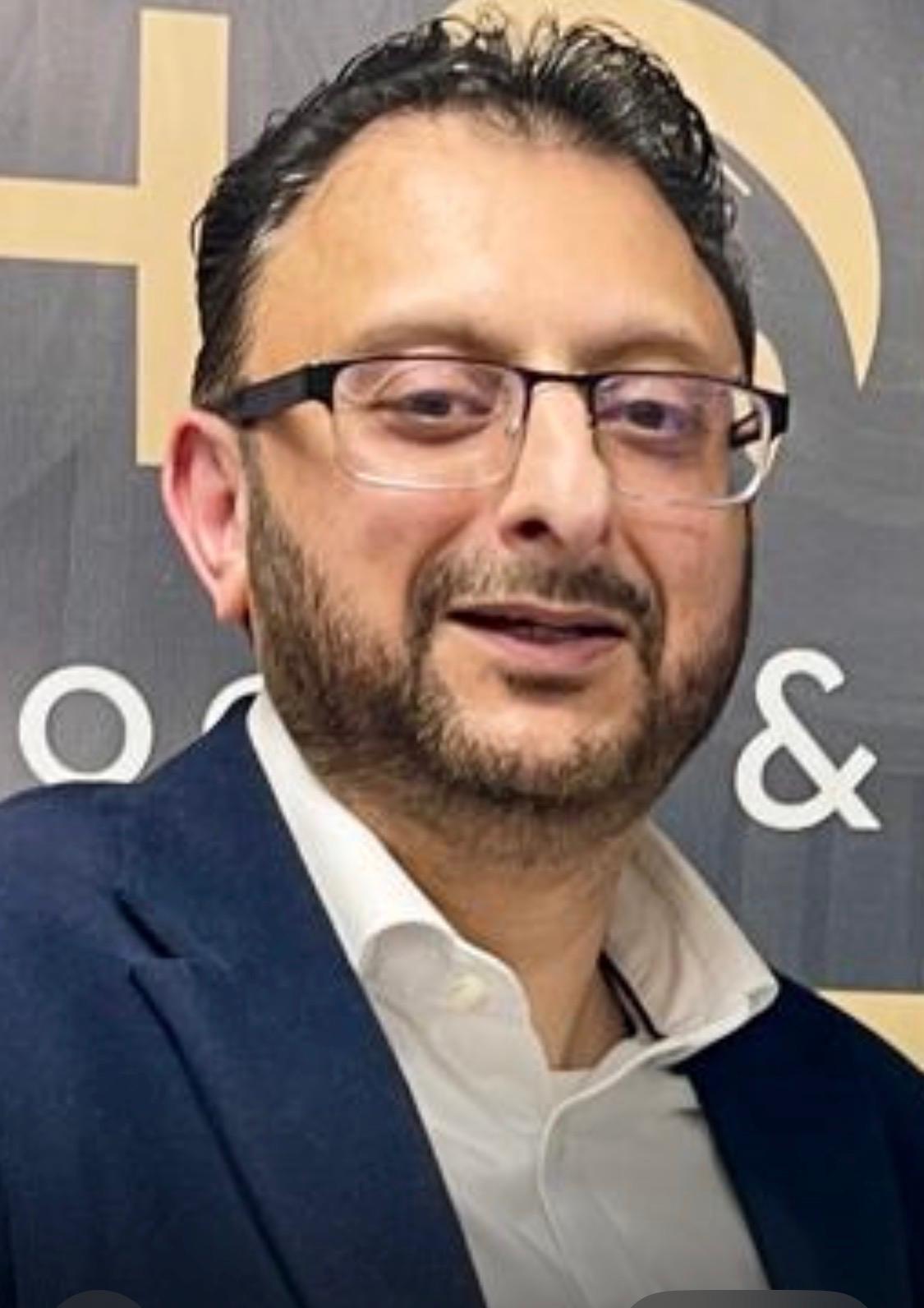
The distinguished delegation included Shakeela Luqman Chaudhry, Khalid Luqman Chaudhry, and Barrister Zohaib Khan Rana. During their visit, the guests toured key facilities including the Al Mustafa Eye Hospital, central office, and the Al Mustafa Dastarkhwan.
They were briefed in detail on the organization’s ongoing welfare projects, particularly its healthcare and food distribution initiatives aimed at supporting underprivileged communities.
In a gesture reflecting their humanitarian spirit, the visiting dignitaries personally participated in distributing meals among deserving individuals at the Dastarkhwan, engaging directly with beneficiaries and appreciating the impact of such efforts on daily lives.
The delegation also held a meeting with Nusrat Saleem, where they discussed various aspects of the organization’s work and future collaborations. The guests expressed deep appreciation for the Trust’s extensive welfare services and ongoing projects, pledging their continued support and cooperation in the future.
The visit highlighted the growing engagement of overseas Pakistanis in supporting charitable initiatives back home, reinforcing a shared commitment to social welfare and community uplift.

Shafique Rehman Appointed as AJK President’s Honorary Advisor for UK
News Desk
Muzaffarabad
The President Secretariat of Azad Jammu and Kashmir has issued an official notification appointing UK-based Kashmiri Shafique Rehman as Honorary Advisor to the President for the United Kingdom.
The appointment highlights efforts to strengthen engagement between the AJK leadership and the Kashmiri diaspora in the UK. Officials believe Rehman will play a key role in fostering closer ties, improving coordination, and representing Kashmiri interests abroad.
Members of the Kashmiri diaspora in the United Kingdom have widely welcomed the appointment, praising the decision and extending their congratulations to Shafique Rehman on his new role.
The notification was issued from Muzaffarabad and shared with relevant authorities, including the Secretary Presidential Affairs.
The move underscores the government’s ongoing commitment to involving overseas Kashmiris in advisory roles, particularly in countries with a strong diaspora presence such as the United Kingdom.
From Ancient Wisdom to Modern Diplomacy: How Pakistan Helped Avert a Global War
Sajjad Azhar
The recent 39-day conflict involving Iran, the United States, and Israel was not merely a military confrontation between three nations; it threatened to engulf the entire Gulf region in instability. Analysts warn that had the war continued beyond the ultimatum issued by Donald J. Trump, the consequences could have been catastrophic—spreading to multiple countries, causing massive casualties, and crippling global energy supplies for years to come.
At the outset of the conflict, Iranian leadership invoked history as a source of resilience. Officials emphasized Iran’s thousands of years of civilizational continuity, framing the war as a defense not just of territory, but of heritage. In response, President Trump issued a stark message on Truth Social, warning that “an entire civilization could disappear overnight,” underscoring the gravity of the situation.
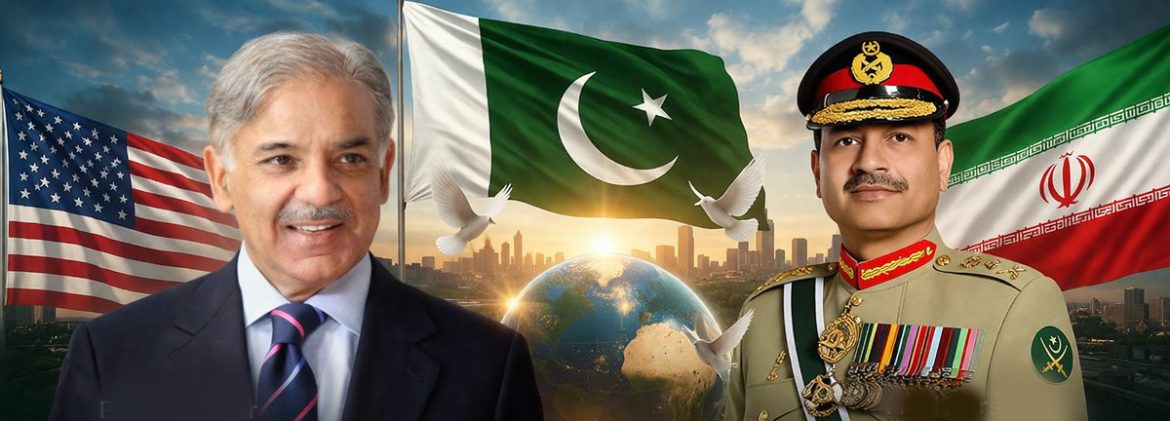
As tensions escalated and reports suggested that U.S. B-52 bombers were prepared for further strikes, an unexpected diplomatic intervention emerged from Pakistan. Prime Minister Shehbaz Sharif publicly urged all parties to agree to a two-week ceasefire, appealing for restraint and giving peace a chance. Shortly thereafter, President Trump confirmed that he had spoken with Prime Minister Shehbaz Sharif and Pakistan’s military chief, Asim Munir, and announced a temporary suspension of hostilities.
This development is now being described as one of Pakistan’s most significant diplomatic achievements in recent history, widely acknowledged across international media. However, beyond immediate geopolitics, the episode also highlights a deeper dimension—Pakistan’s civilizational legacy.
Pakistan is often viewed through the lens of its post-1947 identity, yet it is also the custodian of one of the world’s oldest civilizations: the Indus Valley Civilization. Archaeological discoveries at sites such as Mohenjo-daro and Harappa reveal an advanced urban culture dating back over 4,000 years. More recent findings, including research linked to early settlements like Mehrgarh, suggest that the roots of this civilization may extend as far back as 8,000 years.
Experts argue that such deep historical continuity fosters a form of collective wisdom—shaping how societies perceive conflict, cooperation, and long-term survival. The Indus civilization, notably, shows little evidence of rigid class divisions or militaristic dominance, hinting at a more balanced and organized social structure.
In this context, Pakistan’s recent diplomatic role can be interpreted not only as a strategic maneuver but also as an extension of a long-standing civilizational ethos—one that values stability, negotiation, and coexistence.
The crisis has prompted renewed debate within Pakistan about embracing and promoting its ancient heritage. Scholars contend that recognizing this legacy could help reshape the country’s global image—from one often associated with conflict to one rooted in historical depth and cultural resilience.
As the world continues to grapple with geopolitical tensions, Pakistan’s intervention serves as a reminder that sometimes, the key to peace lies not only in modern diplomacy but also in the accumulated wisdom of ancient civilizations.
AlMustafa’s Eye Camp Brings Hope and Restores Vision in Sialkot
Bureau Report
Sialkot
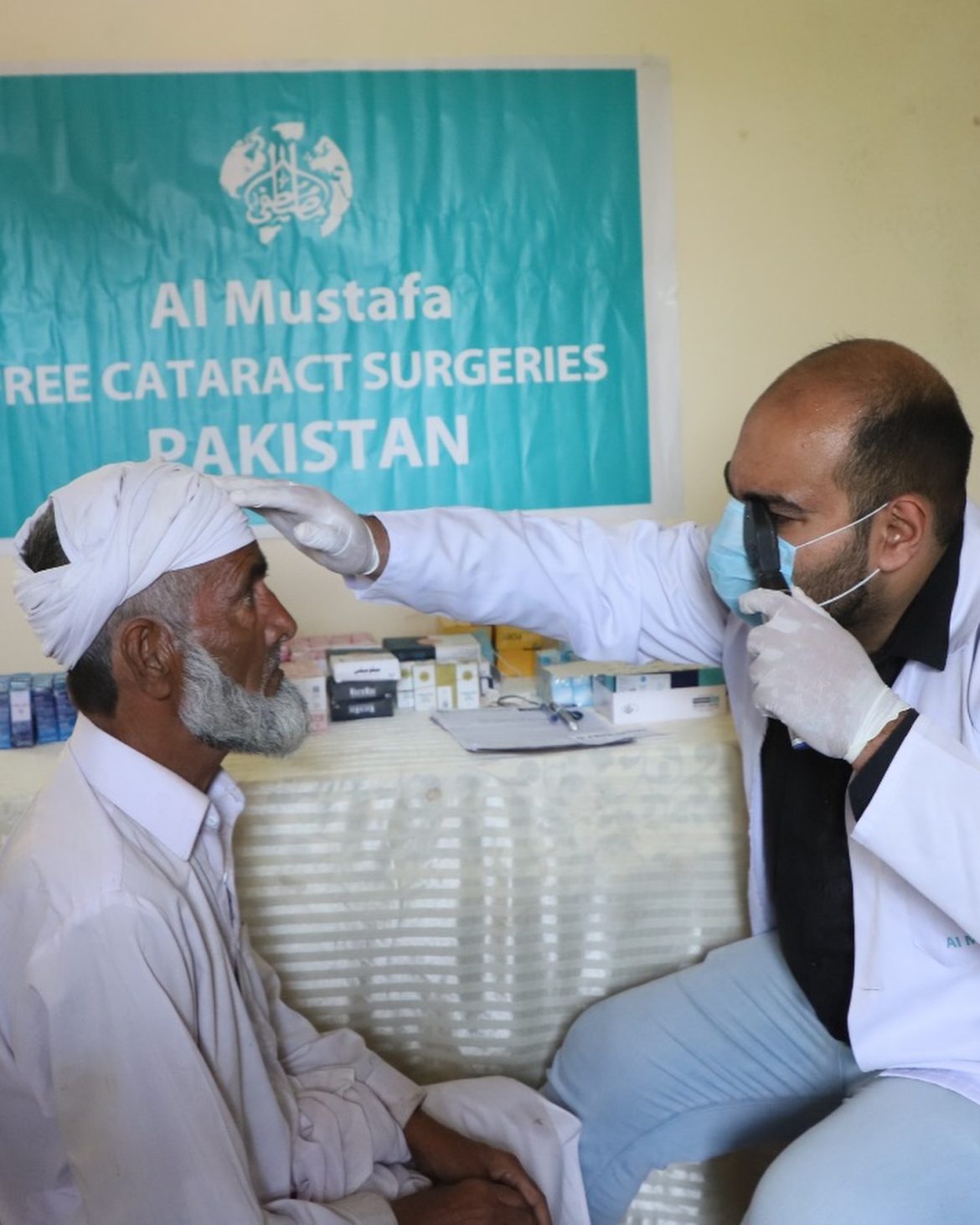
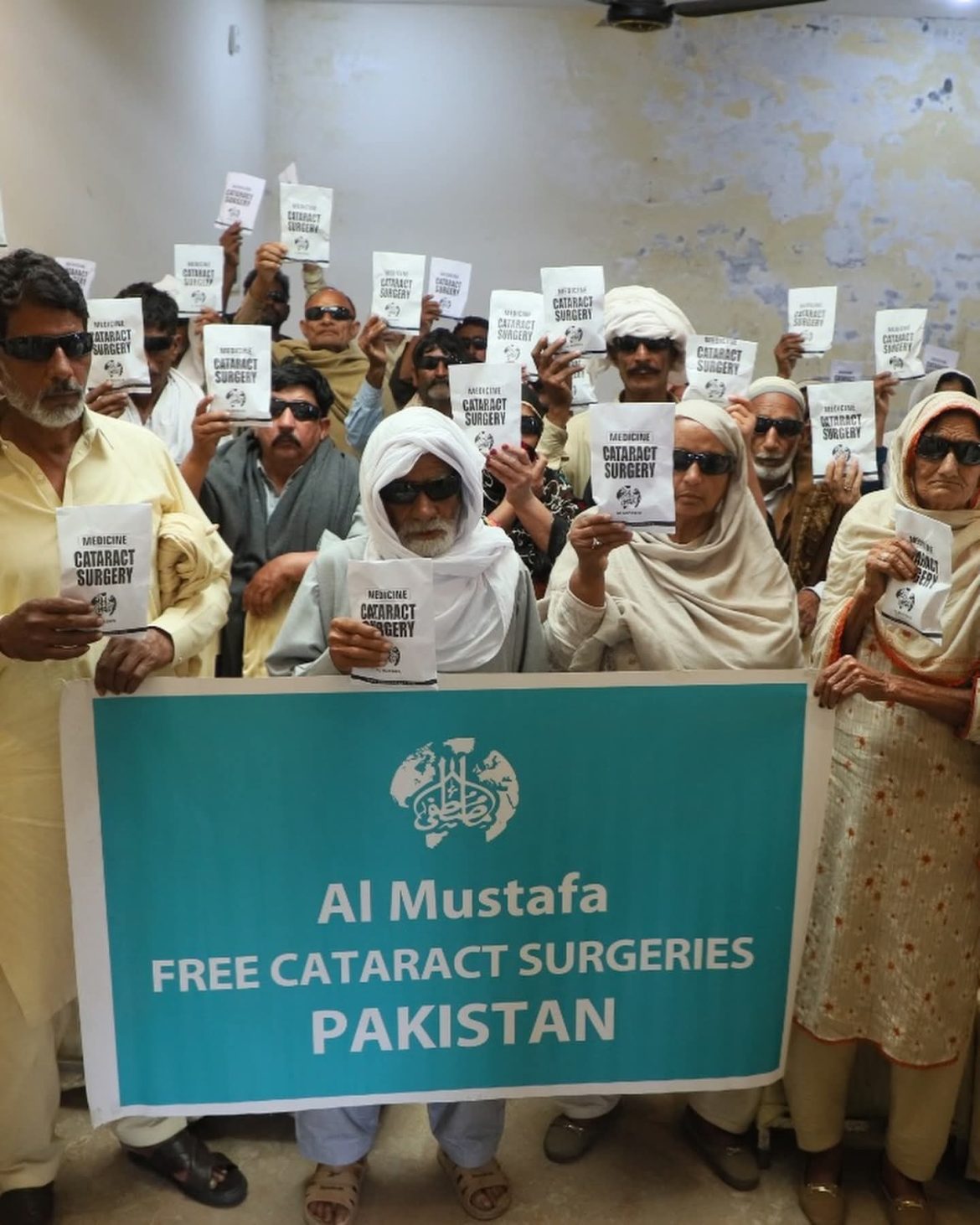
Delivering hope and improved eyesight to underserved communities, Al Mustafa Welfare Trust successfully organized a Free Eye Camp at Kot Dina, Sambrial in Sialkot.
A total of 598 patients were examined through outpatient department (OPD) services, where both men and women received dedicated and professional eye care. The medical team also performed 37 successful eye surgeries, significantly improving the quality of life for patients suffering from vision-related issues.
The camp offered comprehensive health screenings, including tests for Hepatitis C (HCV), Hepatitis B (HBsAg), and HIV, along with special medical attention for diabetic patients—ensuring a holistic approach to patient care.
In addition, 243 patients were provided with free spectacles, enabling them to regain clear vision and carry out their daily activities with greater ease and confidence.
This initiative highlights Al Mustafa Welfare Trust’s continued commitment to delivering accessible and quality healthcare services, particularly to marginalized and low-income communities across Pakistan.
Free Eye Camps Serve Hundreds in Faisalabad, Delivering Critical Eye Care Services
Bureau Report
Faisalabad
A series of free eye camps organized by Al Mustafa Welfare Trust have provided vital medical services to hundreds of patients in different areas of Faisalabad, highlighting the growing need for accessible healthcare in underserved communities. At the first camp held on April 1 in Chak 77GB, a total of 511 patients were examined in the outpatient department (OPD), including 340 female and 171 male. Doctors successfully performed 103 eye surgeries, with 47 female and 56 male benefiting from restored or improved vision. Additionally, 336 patients were provided with free spectacles. Comprehensive screening was also conducted, with 129 individuals tested for Hepatitis C, Hepatitis B, and HIV. Among them, 9 cases of Hepatitis C were detected, while no cases of Hepatitis B or HIV were reported. The camp also identified 31 diabetic patients requiring further care.
The second camp, organized on April 2 at Dera Afzal Akram in Shaheed Haseeb Colony, extended similar services to the local population. A total of 312 patients were treated in OPD, including 147 female and 165 male, while 27 surgeries were carried out. Eye glasses were distributed to 208 patients.
Screening tests conducted on 39 individuals revealed 2 positive cases of Hepatitis C, with no reported cases of Hepatitis B or HIV. Additionally, 14 diabetic patients were identified during the camp.
These initiatives were supervised and reported by Eye Camp Coordinator Wahid Bakhsh, whose team ensured efficient facilities and quality care delivery.
The camps reflect the continued efforts of Al Mustafa Welfare Trust to bridge healthcare gaps, particularly in rural and low-income urban communities, where access to specialized eye care remains limited.
Olive Plantation Initiative Completed in Mansehra Under Tree Plantation Drive
Bureau Report
Mansehra
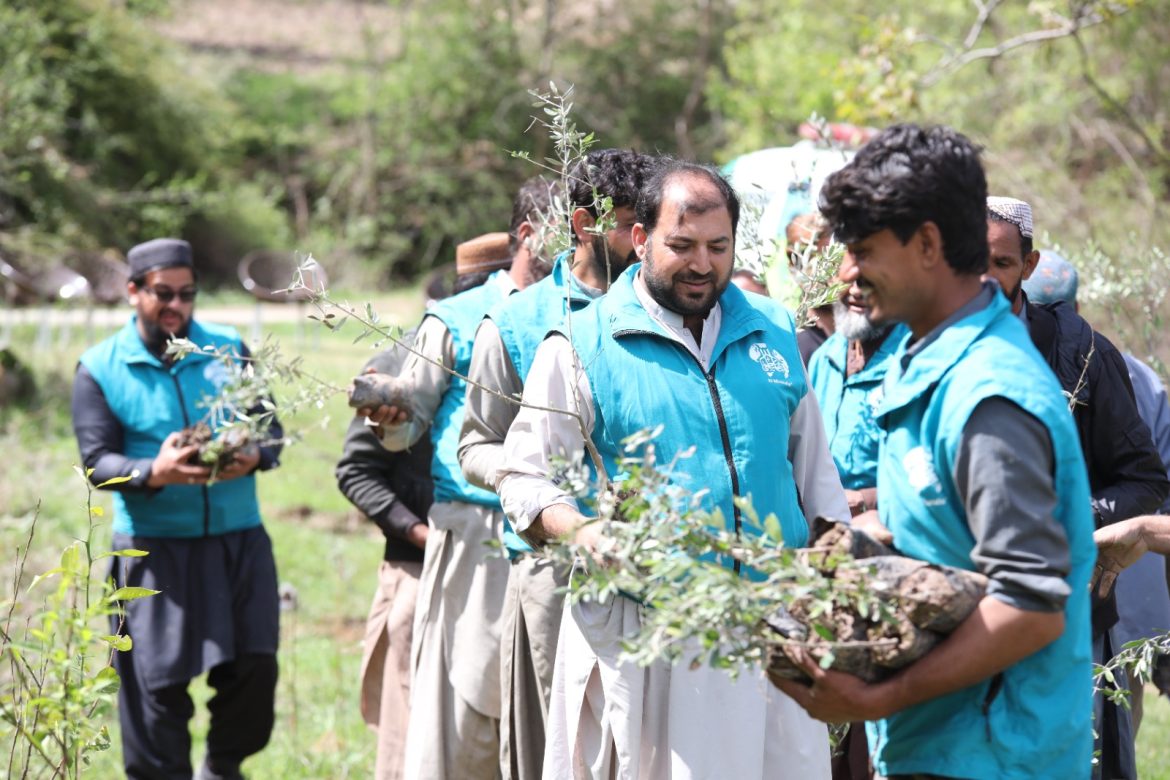
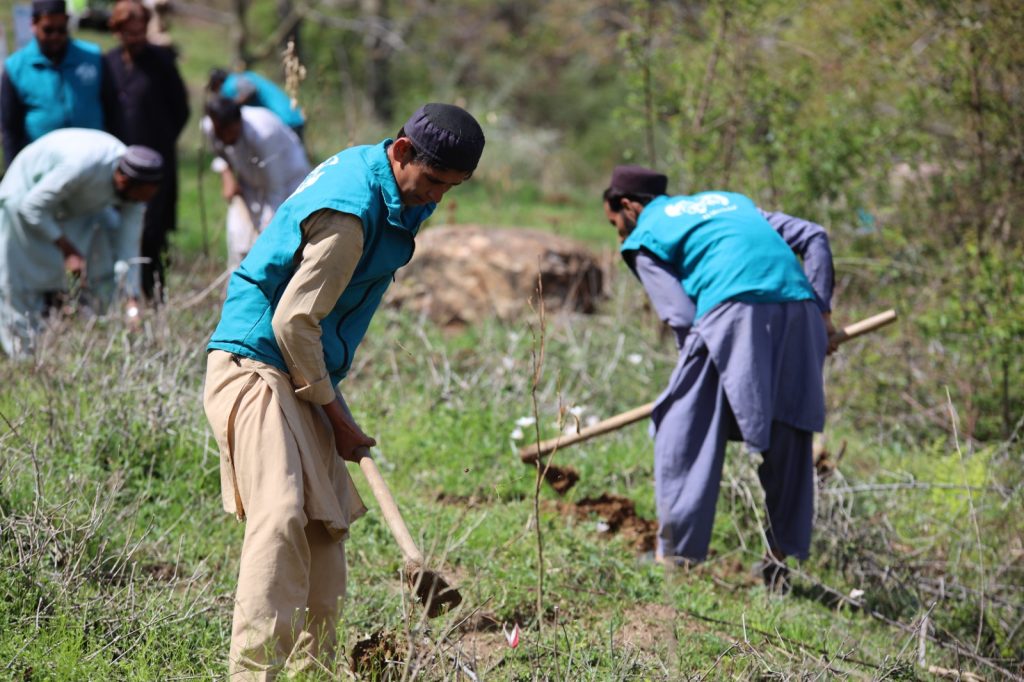
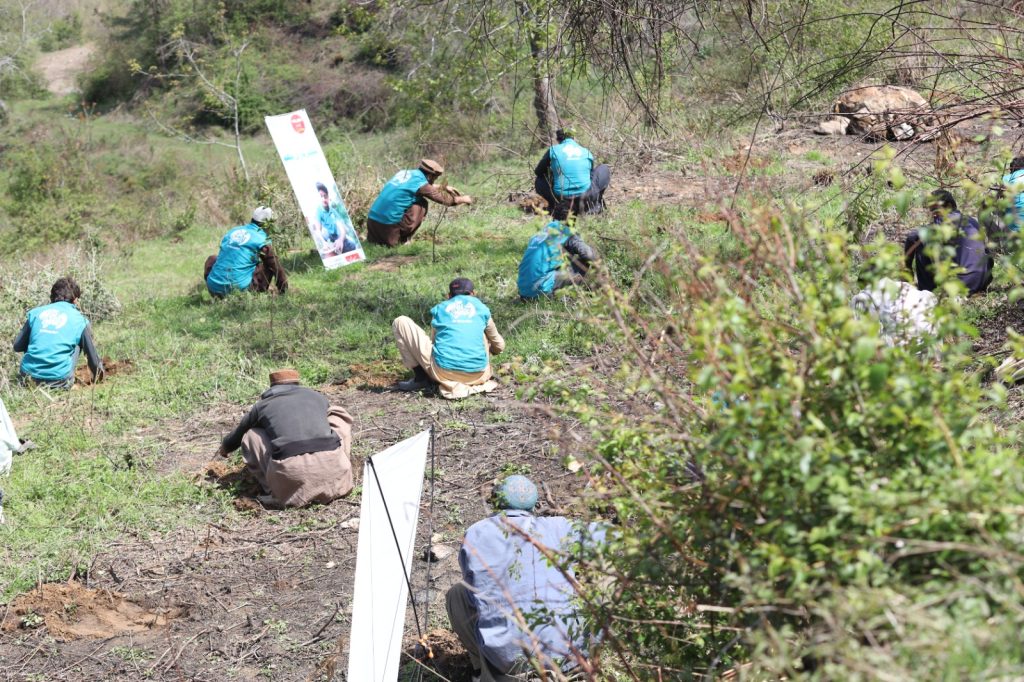
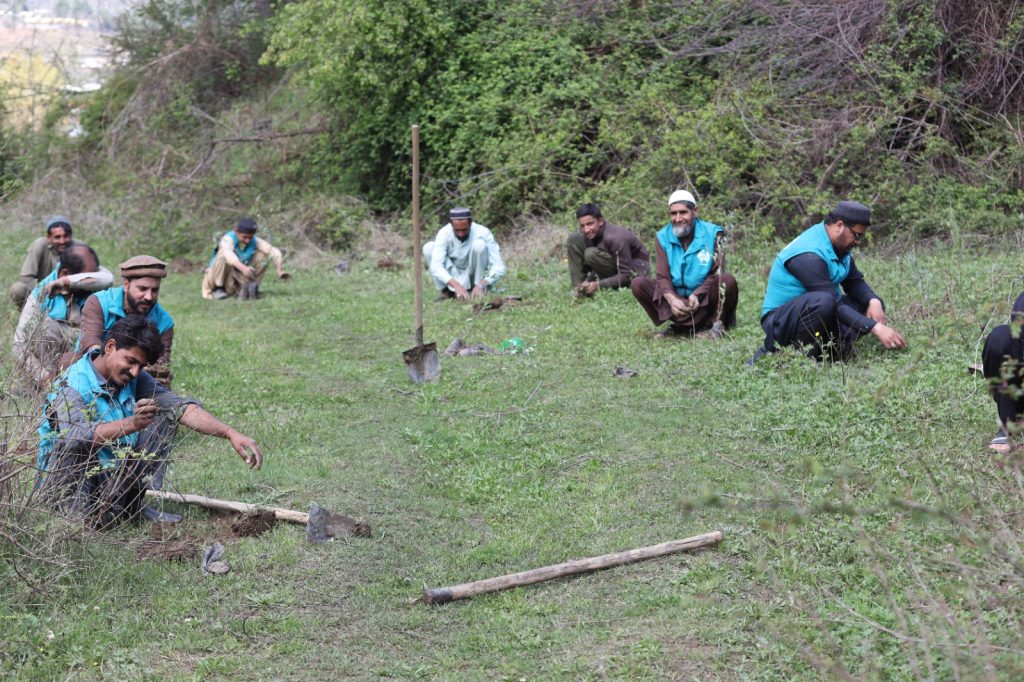
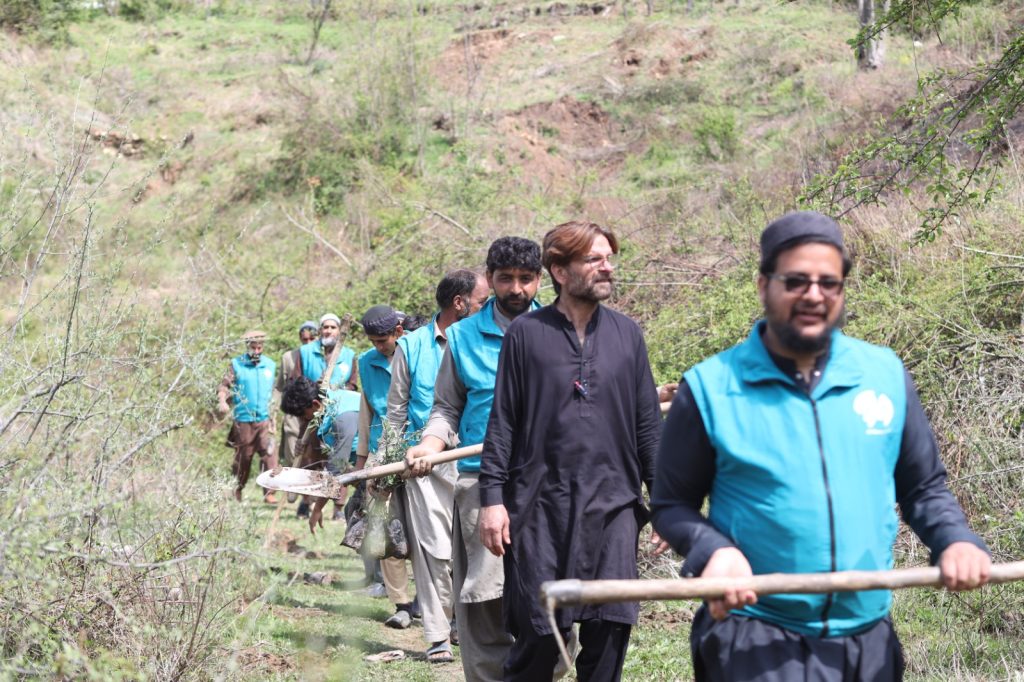
In a significant step towards environmental sustainability, Al Mustafa Welfare Trust has successfully completed an olive plantation project at Chattar Plain in Mansehra as part of its ongoing tree plantation campaign.
The initiative features the development of a well-planned olive orchard, aimed at promoting greenery and contributing to a healthier ecosystem. This commendable effort is expected to help reduce environmental pollution while enhancing the natural beauty of the المنطقة.

Environmental experts emphasize that such plantation drives play a crucial role in combating climate change and improving air quality, particularly in vulnerable to deforestation and ecological degradation.
The project also reflects a broader vision of building a greener and more sustainable Pakistan, encouraging communities to actively participate in environmental protection.
The organization has urged citizens to take part in tree plantation efforts, highlighting that planting trees today will help secure a cleaner, healthier, and more prosperous environment for future generations.
Pakistan’s role in US-Iean ceasefire is commendable: Raja Sikander Khan/Raja Kala Khan
City reporter
Kashmir Supreme Council (GPKSC) Raja Sikandar Khan along with President GPKSC Kala Khan congratulates the entire nation of Pakistan and appreciates the great diplomatic efforts of the Prime Minister of the Islamic Republic of Pakistan, Shehbaz Sharif, Deputy Prime Minister Ishaq Dar and Field Marshal Syed Asim Munir.
Pakistan has played a very important role in the efforts to establish peace between Iran and United States, finally its efforts have borne fruit. The whole world has recognised and appreciated Pakistan for the success of the peace agreement, which is a great achievement for Pakistan, which is being appreciated by world leaders.
In his closing remarks, Raja Sikandar Khan prayed for peace and stability in the region and praised the determined role of the Pakistan Army for peace.
Our political correspondent:
On televised national address, Trump claimed the U.S. military campaign against Iran’s forces is “nearing completion” and that American objectives have largely been achieved, though he gave no firm exit timeline. He said the US will continue strikes “very shortly” and predicted the conflict could end within the next two to three weeks but emphasised hitting Iran “extremely hard”
Trump asserted Iran had requested a ceasefire, but Iranian officials strongly denied this and called the suggestion “baseless.”
Trump’s comments helped push global oil prices higher and drew mixed reactions from U.S. allies. Trump also criticised some NATO members for not supporting the conflict.
Monitoring desk:
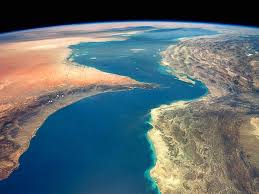
The United Kingdom is set to host urgent international talks involving around 30–35 countries to discuss reopening the Strait of Hormuz, a vital global oil shipping route disrupted by the ongoing Iran conflict. The meeting, led by UK Prime Minister Keir Starmer and chaired by Foreign Secretary Yvette Cooper, will focus on diplomatic and political solutions to restore safe navigation rather than immediate military action.
The crisis has stranded hundreds of ships and disrupted a significant share of global energy supplies, pushing up oil prices and raising economic concerns worldwide.
Notably, the United States is not directly participating in the talks, highlighting differences in approach, as the UK emphasizes diplomacy while tensions in the region continue to escalate.