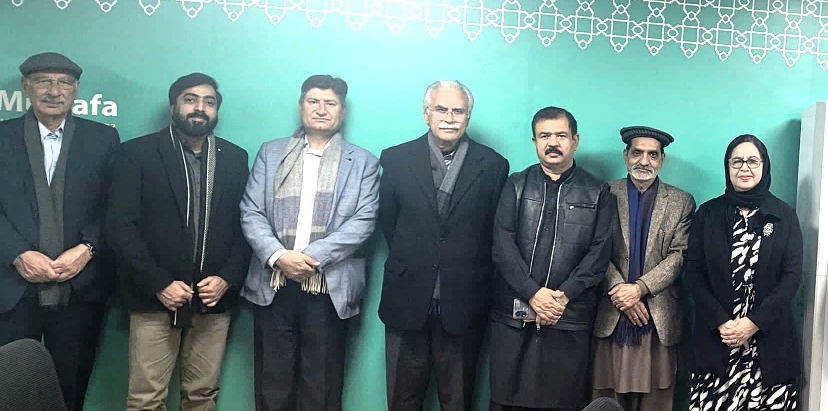
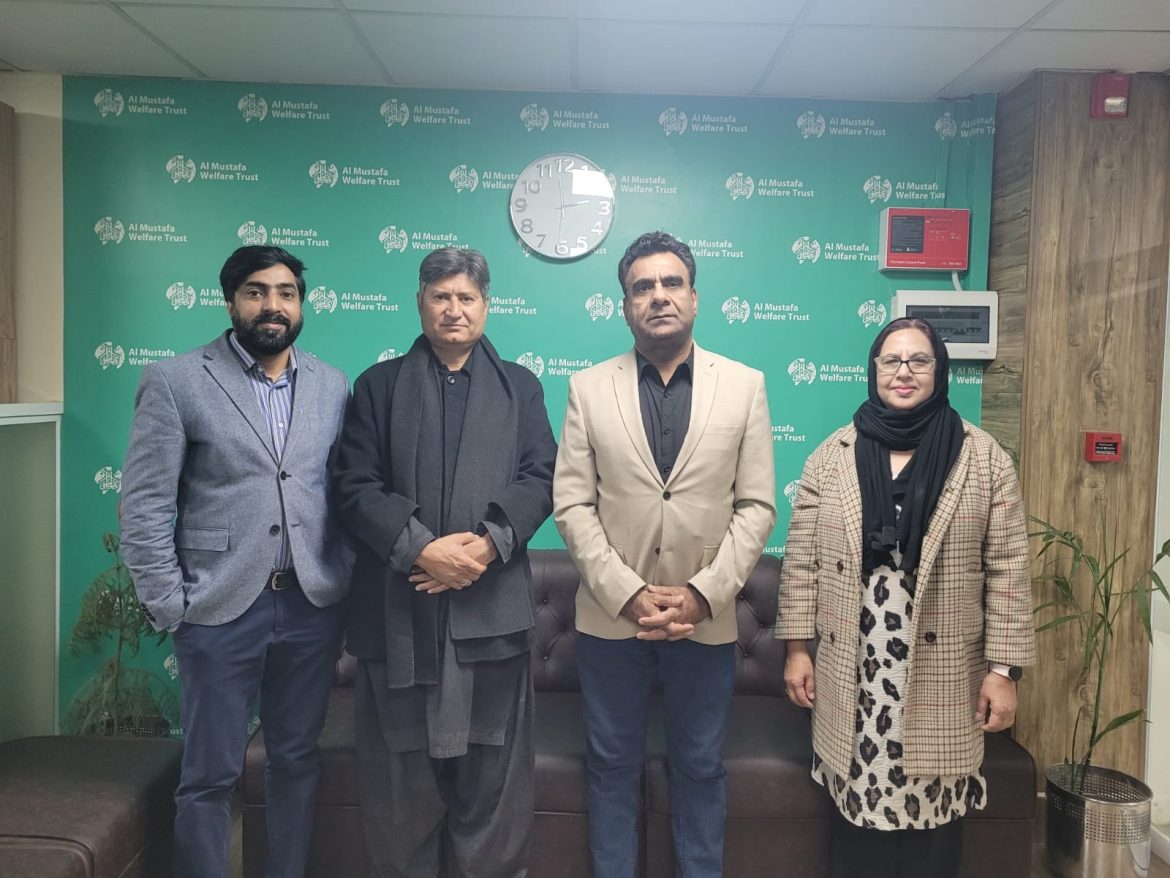
Islamabad: Houston-based poet, anchor, and columnist Dr. Ghazanfar Hashmi, who also serves as CEO of the World Dialogue Forum and the International Academy of Letters, recently visited the Islamabad office of Al-Mustafa Welfare Trust.
During his visit, he was briefed on the Trust’s ongoing activities and initiatives. Present at the briefing were Rubina Khawaja, Trustee of Al-Mustafa London, Sajjad Azhar, Trustee of Al-Mustafa Pakistan, and Syed Farrukh Zafar, Manager at the Trust.
Pakistan
Former Pakistan Health Adviser Calls for Launch of National Cornea Transplant Programme
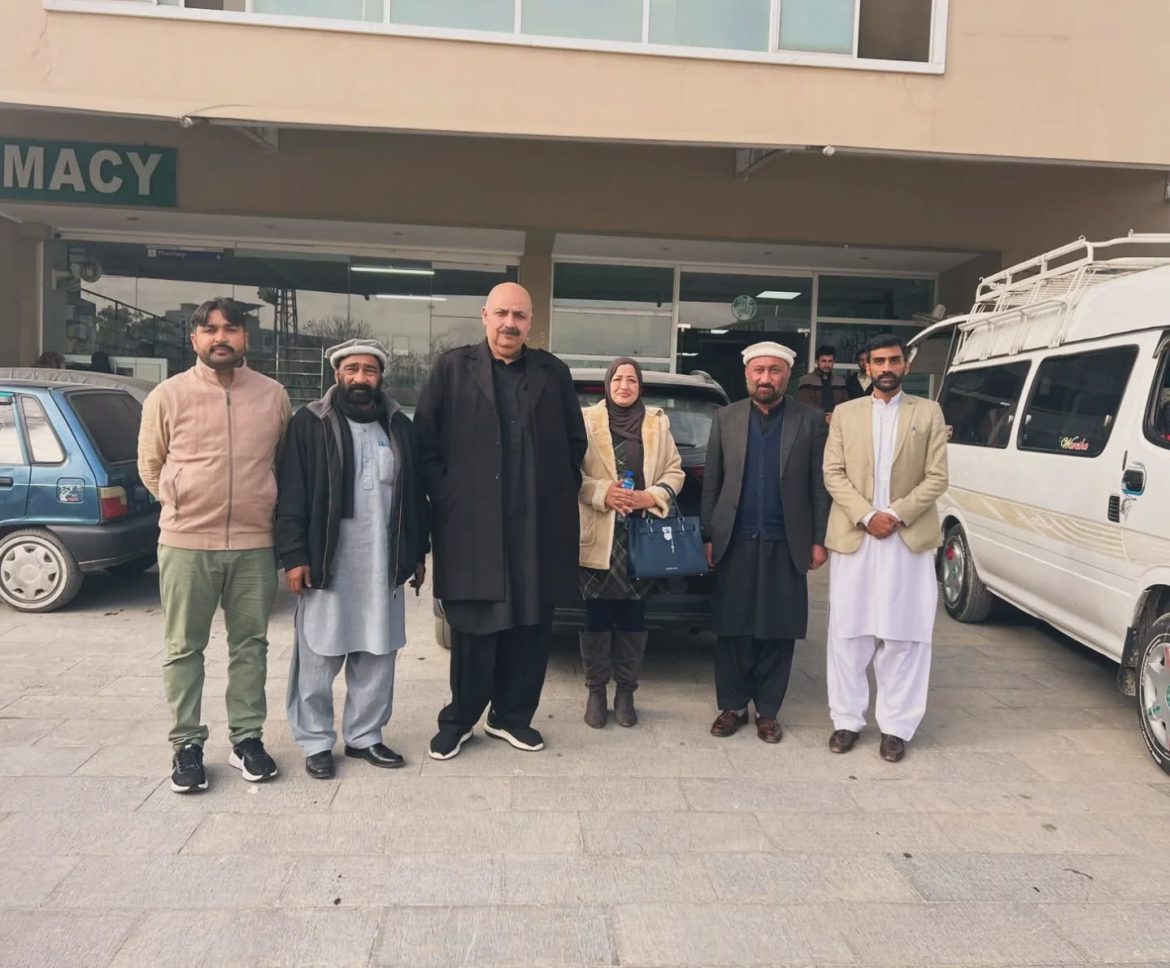
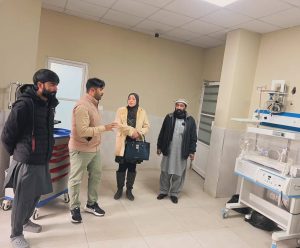
Islamabad: Former Special Assistant to the Prime Minister on Health, Dr. Zafar Mirza, has stressed the urgent need for a national programme to support cornea transplants in Pakistan. He was speaking during a visit to the Islamabad office of Al-Mustafa Welfare Trust, where he was briefed on the organisation’s expanding work in the field of eye care. During the visit, Al-Mustafa representatives informed Dr. Mirza that the Trust is planning to establish a state-of-the-art eye hospital in Bahria Enclave, Islamabad, where land has already been acquired. The proposed facility will offer cornea transplants as well as introduce stem cell technology to restore vision — a pioneering step in Pakistan’s eye-care sector.
Welcoming the initiative, Dr. Mirza expressed his full support and said there is strong public willingness in Pakistan to donate eyes, but the country lacks an effective system to facilitate such donations.
Dr. Mirza was briefed by Rubina Khawaja, Sajjad Azhar and Syed Farrukh Zafar on Al-Mustafa Welfare Trust’s humanitarian and medical work, particularly in the field of ophthalmology. He praised the Trust’s efforts, adding that it had long been his dream to initiate major work in corneal treatment in Pakistan. However, he said government attention and resources had been diverted during the COVID-19 pandemic.
A delegation from civil society also accompanied Dr. Mirza during the visit, including senior analyst Ahmad Ejaz.
London:(By Staff reporter)No heat. No shelter. Just the cold and uncertainty.”
This is the harsh winter reality in Gaza as freezing nights and flooding tents make survival even harder.
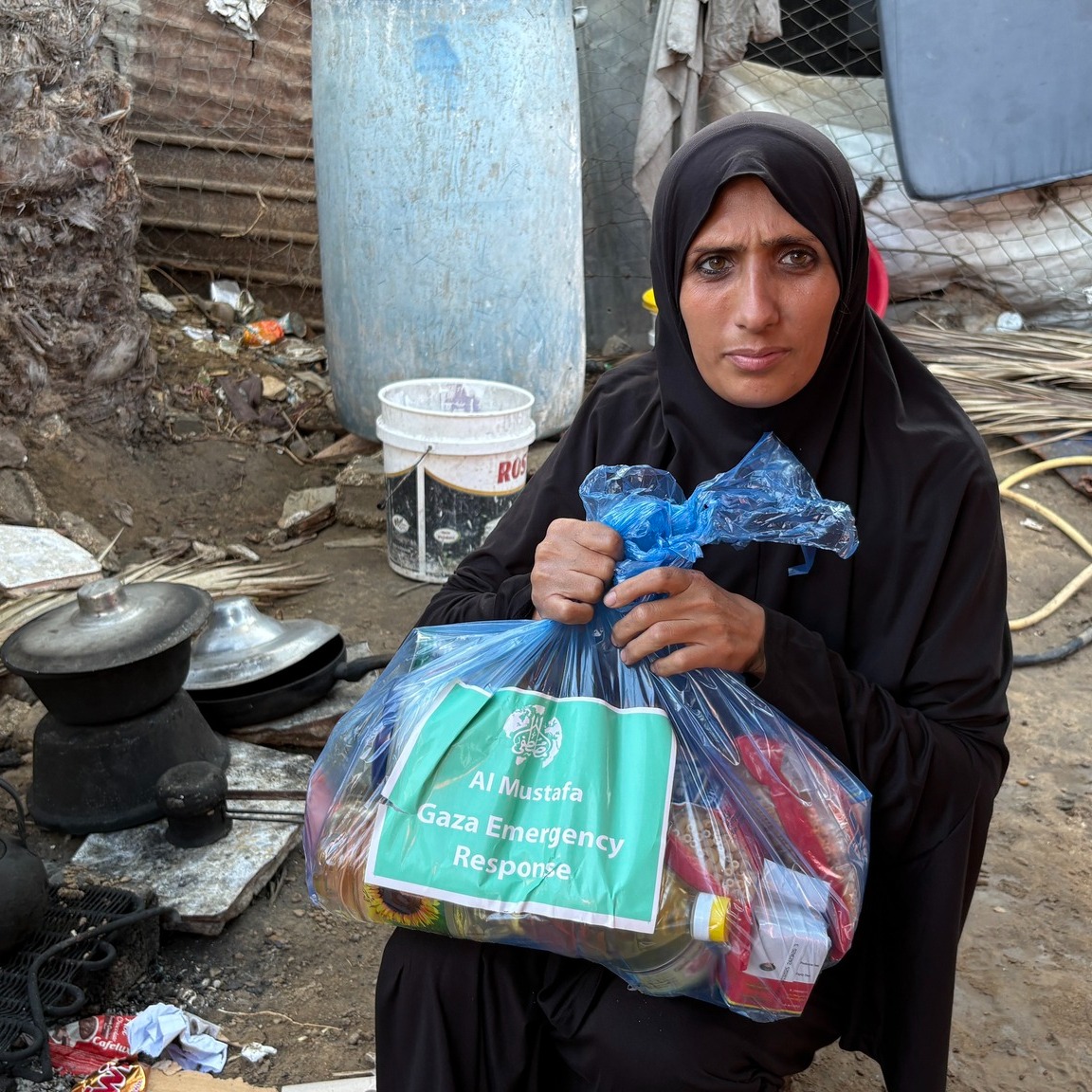
Al Mustafa Welfare Trust is on the ground right now, working around the clock to deliver emergency winter aid, including blankets, warm clothing, hot meals, clean water, hygiene kits, and essential supplies to displaced families struggling to survive every day.
CEO “ of Sam school institute of special education & rehabilitation” Visits “AlMustafa hospital Dhodial
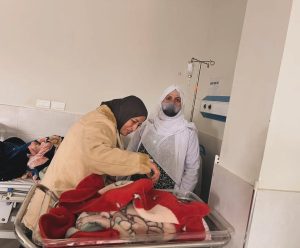
Dhodial: ( By Hamid Raza) A distinguished visit from the USA as Ms. Iffat and Mr. Amjad Hussain, CEO of Saim School Institute of Special Education & Rehabilitation, visited AlMustafa Hospital Dhodial Mansehra.
The visit reflected a shared commitment to inclusive healthcare, rehabilitation, and compassionate support for individuals with special needs strengthening bonds across borders to serve humanity with purpose and care.
Together, we move forward with one vision: dignity, care, and hope for all.

Manchester:(by Tajammul Gurmani) The Chairman of the South Manchester Muslim Community Association (SMMCA) organised the first anniversary of late Iqbal Begum at Quba Masjid, Stockport. She was the wife of SMMCA Chairman Nasrallah Khan Mughal.
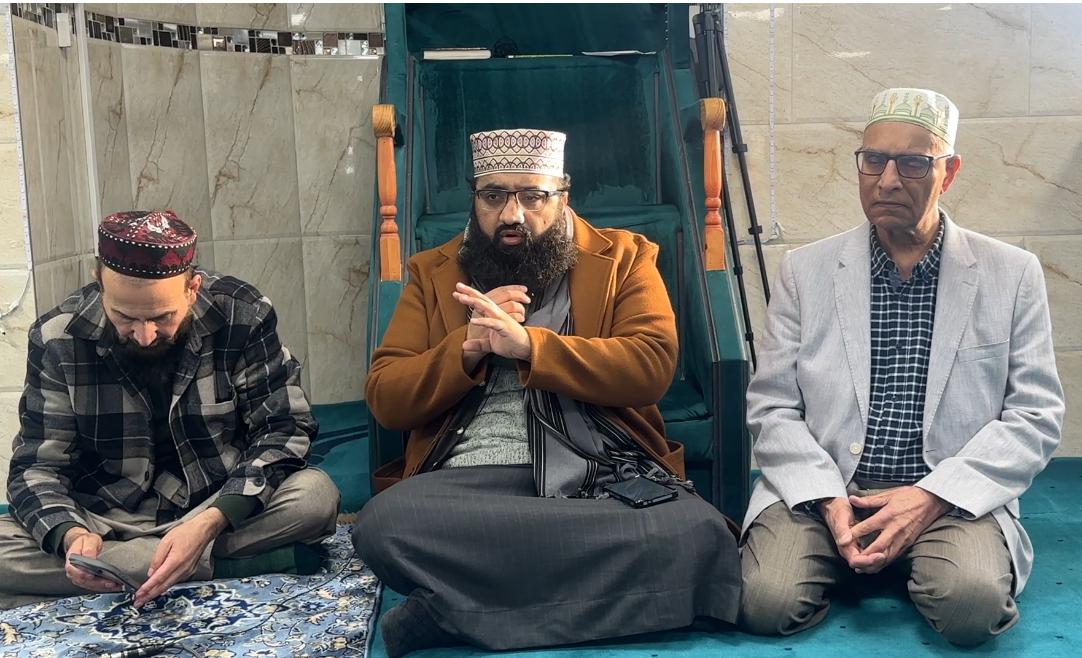
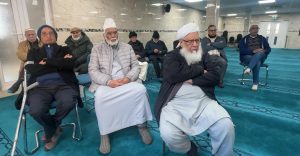
On this occasion, participants recited the Holy Quran, while Qari Umair Tayyab offered Khatam Sharif and special dua for the departed soul. Prominent attendees included Ch Rab Nawaz, Dr Zahid Fahim, Sufi Muhammad Hussain, Qari Nasir, Mahboob Elahi Butt, Pervaiz Mattoo, Sufi Mehmood, Cllr Munawar Rasool, Gulzar Khan, Nasir Aziz, Ch Shamshad Akhtar, and others. Addressing the gathering, Nasrallah Khan Mughal said that his wife was a civil servant who devoted her life to serving the community. She also worked with the All Pakistan Women Association (APWA) and served in local schools. He said she would always be remembered for her services. Food was served at the end of the event.

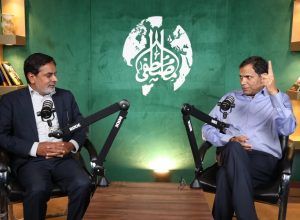
Al-Mustafa Pakistan Inaugurates State-of-the-Art Podcast Studio in Lahore
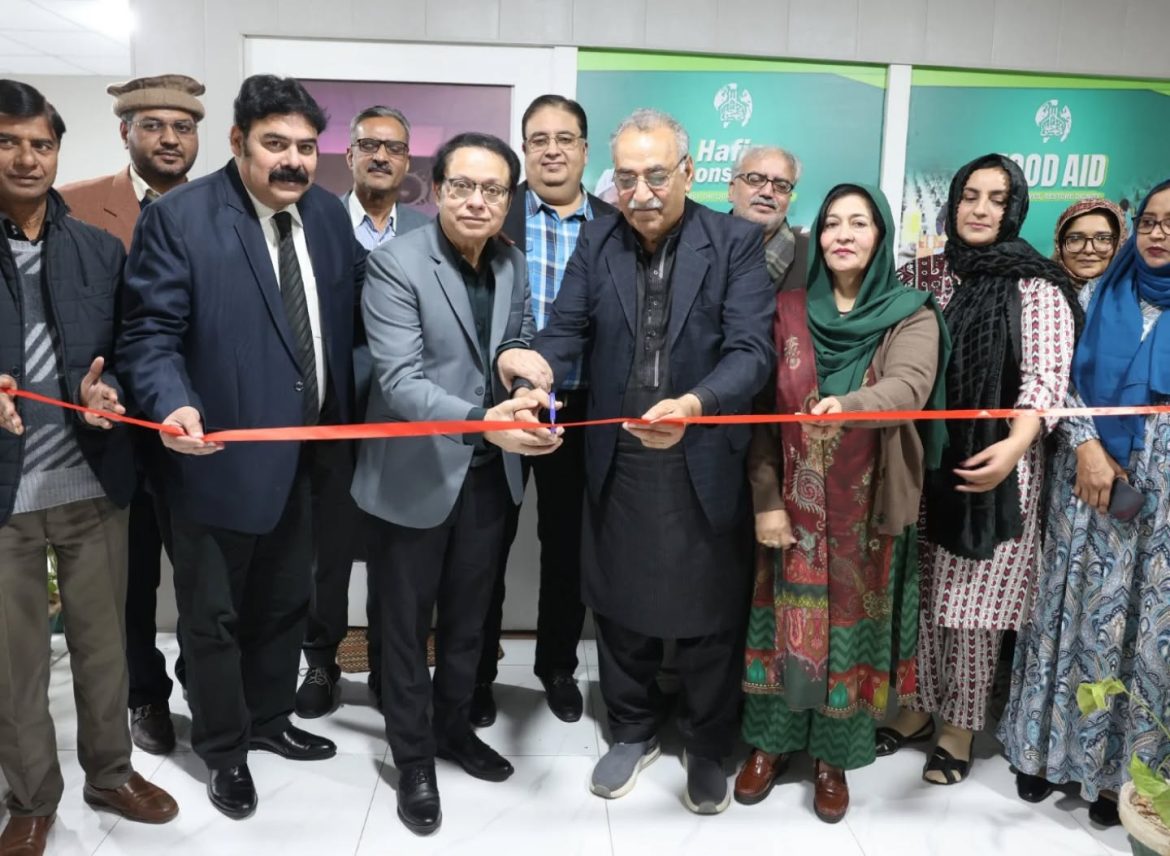
Lahore:(By Nawaz Kharal) Al-Mustafa Pakistan marked a milestone in media and communications with the grand inauguration of its modern, multi-purpose podcast studio at its head office in Lahore. The colourful ceremony was attended by a galaxy of luminaries from various fields, including social media, electronic media, and print journalism.
The ribbon-cutting was performed by renowned anchor, columnist, and editor Isar Rana, officially opening the studio for operations.
The event was graced by several distinguished guests, including former DG Public Relations of Punjab, prominent poet Shoaib bin Aziz, former president of Lahore Press Club Azam Chaudhry, vice president Saima Nawaz Chaudhry, well-known columnist and author Aamir Hashim Khakwani, senior poet Akhtar Hashmi, chief editor of the Punjabi daily Bhaliakha Mudassar Butt, noted columnist Ashraf Sharif, former secretary of Lahore Press Club Abdul Majeed Sajid, celebrated Punjabi poet Veer Sipahi, acclaimed columnist and poet Nasir Bashir, former vice president of Lahore Press Club Amjad Usmani, actor Haseeb Pasha, political leader and columnist Khawaja Jamshed Imam, writer and intellectual Zameer Afaqi, as well as other notable figures from media and civil society including Rabia Rehman, Ughr Nadeem Sahar, HM Shaheen Advocate, Syed Arif Nonari, Saba Sheikh, Qurrat-ul-Ain Shoaib, Akmal Owaisi Pirzada, Farwa Iftikhar, Nadeem Raza, Ch Muhammad Usman Kahloon, Shehzad Ali Zulqarnain, Nargis Naheed Advocate, Zeb-un-Nisa, Rana Khalid Qamar, Kanwal Hanif, Shehzad Roshan Gilani, Kiran Hashmi, and Mohammad Shoaib.
The event was hosted by MD Al-Mustafa Pakistan, Nusrat Saleem, Head of Media & Public Relations, Mohammad Nawaz Kharl, and Head of Production, Rizwan Ansari, ensuring a seamless and engaging programme.
The inauguration marks Al-Mustafa’s commitment to leveraging modern digital media to expand its outreach and connect with diverse audiences across Pakistan and beyond.

By Wajahat Ali Khan
London
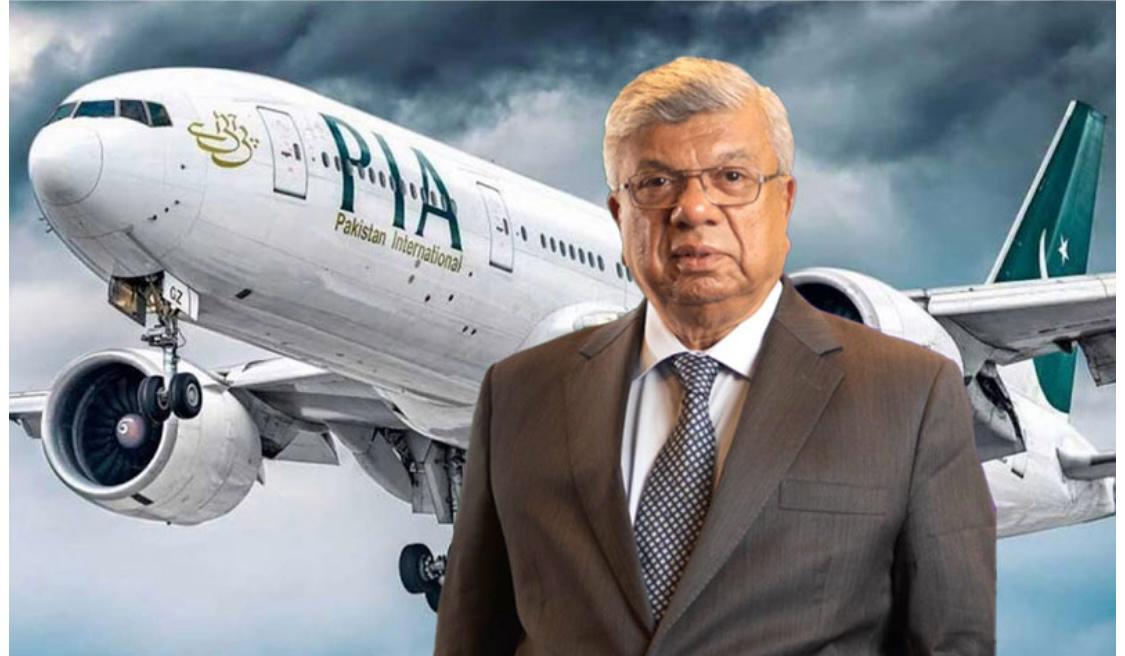
The sale of Pakistan International Airlines (PIA) is not a sudden policy whim nor an isolated economic decision. It is the inevitable outcome of decades of mismanagement, political interference, mounting financial losses, and a changing global aviation landscape that Pakistan could no longer afford to ignore.
Once a symbol of national pride, PIA was among Asia’s leading airlines in the 1960s. It trained crews for foreign carriers, pioneered routes, and represented a confident, outward-looking Pakistan. Today, however, the airline stands as a textbook case of how state-owned enterprises collapse when commercial logic is sacrificed at the altar of politics.
A History of Financial Bleeding: PIA had been running on losses for years, accumulating massive debt that ran into hundreds of billions of rupees. These losses were not caused by market forces alone but by chronic inefficiency: overstaffing, poor fleet management, outdated systems, and non-competitive operations. Successive governments continued to inject taxpayer money to keep the airline afloat, turning PIA into a permanent burden on the national exchequer.
In a country struggling with fiscal deficits, inflation, and external debt, subsidizing a loss-making airline became economically indefensible. Every bailout meant fewer resources for health, education, and social welfare.
Political Interference and Governance Failure
Perhaps the biggest reason behind PIA’s downfall was political interference. Appointments were often made on political grounds rather than merit. Routes were opened or closed for political convenience, not profitability. Decision-making was slow and inconsistent, tied to changing governments and bureaucratic control rather than professional airline management.
No private airline can survive under such conditions—yet PIA was expected to compete globally while carrying the dead weight of political influence at home.
Global Aviation Standards and Safety Issues: PIA’s troubles deepened when international aviation authorities raised serious concerns about safety and licensing standards. The temporary ban on PIA flights to key destinations badly damaged its reputation, reduced revenue streams, and pushed passengers toward foreign carriers. Trust, once lost in aviation, is extremely difficult to regain.
For an airline already struggling financially, this reputational blow proved devastating.
IMF Pressure and Economic Reality
Pakistan’s broader economic situation also played a decisive role. International lenders, particularly the IMF, consistently urged structural reforms, including the privatization or restructuring of state-owned enterprises. PIA topped that list.
Selling the airline—or at least transferring its management to the private sector—was seen as a way to stop financial hemorrhaging, improve efficiency, and signal seriousness about economic reform.
Privatization as a Last Resort, Not a First Choice
Critics argue that selling a national airline is an admission of failure—and they are not entirely wrong. But it is also an admission of reality. The choice was not between keeping PIA as a proud national carrier or selling it cheaply; the real choice was between reform through privatization or eventual collapse through neglect.
Private ownership brings commercial discipline, professional management, and accountability—qualities that PIA lacked under state control. While privatization is no magic wand, it offers a chance to rebuild the airline on sustainable lines.
A Lesson Beyond PIA:The sale of PIA should serve as a national lesson. Institutions do not fail overnight; they decay slowly when incompetence is protected, losses are normalized, and accountability is absent. If Pakistan wishes to avoid repeating this story, it must rethink how it runs public enterprises—placing merit over politics and performance over patronage.
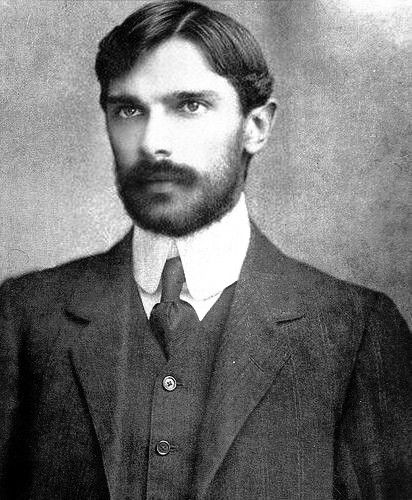
Happy Birthday to Quaid e Azam Mohammad Ali Jinnah from “The London Post”
Happy 148th Birth anniversary of Mohammad Ali Jinnah December 25, 1876 – September 11, 1948) was a 20th century lawyer, politician, statesman and the founder of Pakistan. He is popularly and officially known in Pakistan as Quaid-e-Azam (“Great Leader”) and Baba-e-Qaum (“Father of the Nation”).
The first Governor-General of Pakistan, Jinnah worked to establish the new nation’s government and policies, and to aid the millions of Muslim refugees who had emigrated from India. He also called for minority rights in Pakistan and personally supervised the establishment of refugee camps for those who had fled the new nation of India after the separation. Jinnah died at age 71 in September 1948, just over a year after Pakistan gained independence from the British Raj. He left a deep and respected legacy in Pakistan, though he is less well thought of in India. According to his biographer, Stanley Wolpert, he remains Pakistan’s greatest leader.
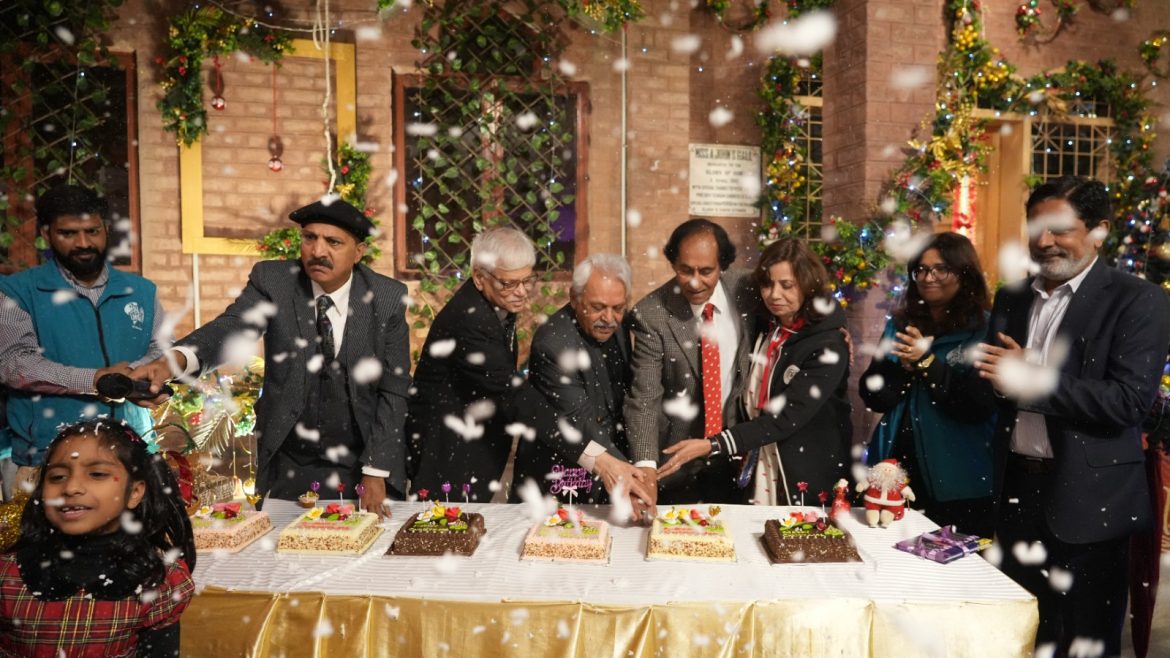
Al-Mustafa Welfare Trust Hosts Interfaith Christmas Celebration at Lahore Church
Lahore
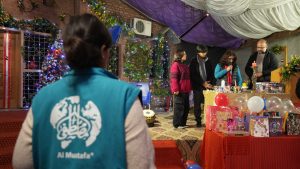
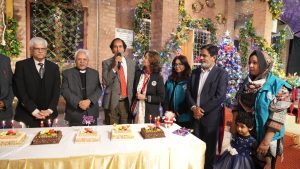
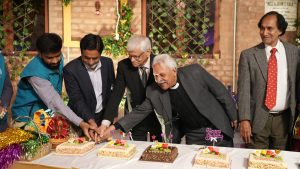
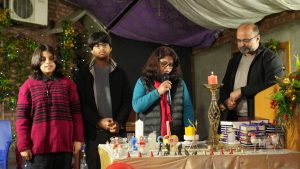
Al-Mustafa Welfare Trust, in partnership with Gyan Book Gallery, hosted an interfaith Christmas celebration at a local church in Lahore to promote religious harmony and express solidarity with the Christian community.
The event drew leading figures from a range of faiths and professions, and saw strong participation from women and children. Gifts were distributed among young attendees, while songs and short speeches highlighted themes of unity, tolerance and mutual respect. The evening concluded with a communal dinner. Proceedings were conducted by Aftab Javed.
Those attending included historian Hassan Jafar Zaidi, senior poet Nazeer Qaiser, Al-Mustafa’s Head of Media and Public Relations Muhammad Nawaz Kharl, Dr Amjad Tufail, Dar-e-Najaf Zaibi, Tauqeer Ahmed Sharifi, Muhammad Abbas Mirza, Muhammad Ali Sabri, Shabnam Mirza, David Percy, Mumtaz Rashid Lahori, Farooq Sahar, Salman Rasool Ashraf, Naseer Ahmed Naseer, Sohail Sani and Minza Sahar.

A suicide attack outside a court in Pakistan’s capital Islamabad has killed 12 people and injured at least 27 others, the country’s interior minister said.
Mohsin Naqvi said a bomber was planning to attack the district courthouse but was unable to get inside.
Naqvi said authorities would prioritise identifying the bomber, and that those involved would be brought to justice.
Pakistani Prime Minister Shehbaz Sharif has alleged that extremist groups “actively backed by India” were involved.
A spokesperson for the Indian government denied what they described as “baseless and unfounded allegations”.
In a statement, Sharif said that “terrorist attacks on unarmed citizens of Pakistan by India’s terrorist proxies are condemnable”.
Jumaat Ul Ahrar, a splinter group of the Pakistani Taliban (TTP), has claimed responsibility, according to local media. But two local journalists have told the BBC that the TTP’s central leadership has sent messages to them saying it has no link to the explosion.
Suicide blasts in Islamabad have been rare in recent years. Footage from the scene on Tuesday showed the remains of a burnt-out car and a police cordon in place.
The 27 people injured are receiving medical treatment, Naqvi said.
He added that the attacker detonated the bomb close to a police car after waiting for up to 15 minutes.
Footage of the aftermath showed plumes of smoke rising from a charred vehicle behind a security barrier. The incident occurred at 12:39 local time (07:39 GMT).
Pakistani President Asif Ali Zardari said he “strongly condemned the suicide blast”.
A lawyer who said he was parking his car outside the court at the time described hearing a “loud bang”.
Rustam Malik told AFP news agency “it was complete chaos”.
“Lawyers and people were running inside the complex,” he added. “I saw two dead bodies lying on the gate and several cars were on fire.”