
Bureau Report
Manchester
Manchester Central Mosque, Victoria Park, will upgrade its facilities for the community and develop a state-of-the-art mortuary to provide one of the best funeral services in the city. This was revealed by Qasim Mohammad Zafar, Building Officer of the mosque committee.
Talking to The London Post, he said the mosque is currently upgrading facilities in different areas. The ladies’ wadukhana is underway and near completion. He said the mosque is also planning to upgrade the mortuary, so its funeral service remains one of the best in Manchester. The mosque is also looking to improve the air conditioning, heating and ventilation systems. For future development, the mosque plans to provide more multi-functional space by extending the front side of the building. He said this is a major project and the mosque is working with the local council, planning department, architects and engineers to bring the plans together, along with local businesses and community members who want to get involved. Talking about the budget, he said the total project cost announced to the community two years ago was £4 million. However, he said the current cost is expected to remain below that figure because many people from the community have provided significant savings through their support and work.
Talking about parking, he said the mosque has consulted with the council regarding the extension plans, and the council is satisfied with the existing parking arrangements. He said the mosque will not encourage more traffic into the area but will improve traffic management with a better layout and a new route system for entering and leaving the car park.
Atta Haq
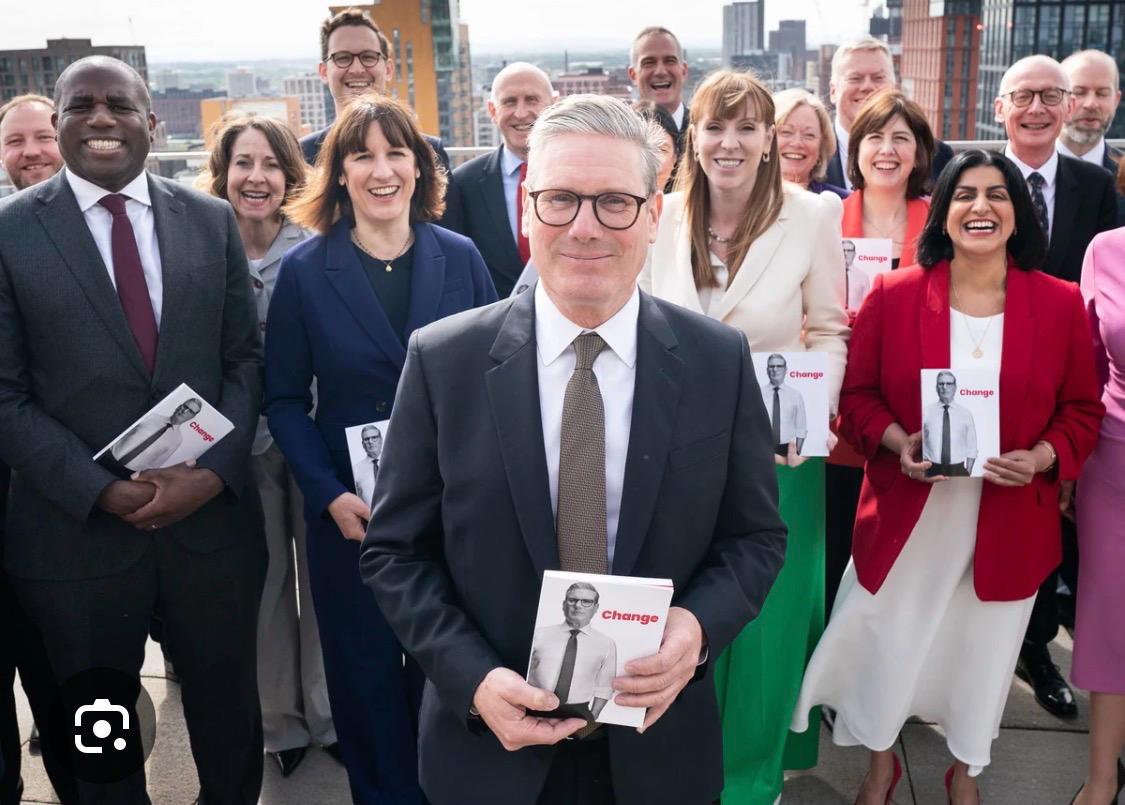
As we approach the upcoming elections, Britain stands at a pivotal crossroads. These are not merely local contests to decide council seats; they are a profound reflection of our national character and the direction in which we want to take our country. In an era where some political voices thrive on the “divide and rule” tactics of the past, the Labour Party stands as the only serious movement dedicated to national unity, community cohesion, and a long-term vision for our children’s future.
Lately, we have seen the rise of smaller parties, from the Greens and the Liberal Democrats to Reform and the Conservatives, who often rely on negative, divisive campaigning. While they may promise quick fixes or tap into local frustrations, their strategies frequently involve highlighting differences rather than building bridges. By focusing on “wedge issues” and identity politics, these groups risk fracturing the very social fabric that makes Britain strong.
A vote for these parties is, unfortunately, a vote for continued uncertainty. Fragmentation in our local councils creates hurdles for national progress, making it harder to implement the cohesive policies our country so desperately needs. When we choose to support “protest parties,” we are effectively choosing a path that leads away from clarity and toward the darkness of political stalemate.
Under the current Labour leadership, we are finally seeing the groundwork being laid for a revitalized Britain. We must remember that fixing a country is not like redecorating a single room or shifting houses; it is a monumental task that requires patience, discipline, and a unified strategy.
The Health Secretary’s recent initiatives are a primary example of this. While the full impact of structural reforms in the NHS may not be visible on every street corner today, the seeds of change have been sown. In the next one to two years, as the backlog clears and the “Best Start” Family Hubs, over 200 of which are opening this year, begin to support our youngest citisens, the difference will be undeniable. Labour is focusing on the “First 1000 Days” of a child’s life, ensuring that health and education are prioritized from the very beginning. This is how we protect our children’s future.
To serve the country without hurdles, we need a seamless connection between our local councils and the national government. When local and national leaders share the same vision of equality and community work, the “red tape” of political bickering disappears.
We must encourage our youth, our parents, and our friends to see the bigger picture. Supporting Labour is about more than just a party preference; it is about choosing a unified national culture over a divided one. It is about allowing a government to complete its mission of renewal without the constant distraction of negativity from those who seek fame through division.
Let us choose hope over darkness. Let us choose a future where our communities are united by their shared aspirations rather than divided by their differences. This election, let’s vote for unity. Let’s vote Labour.
Bureau Report
Manchester
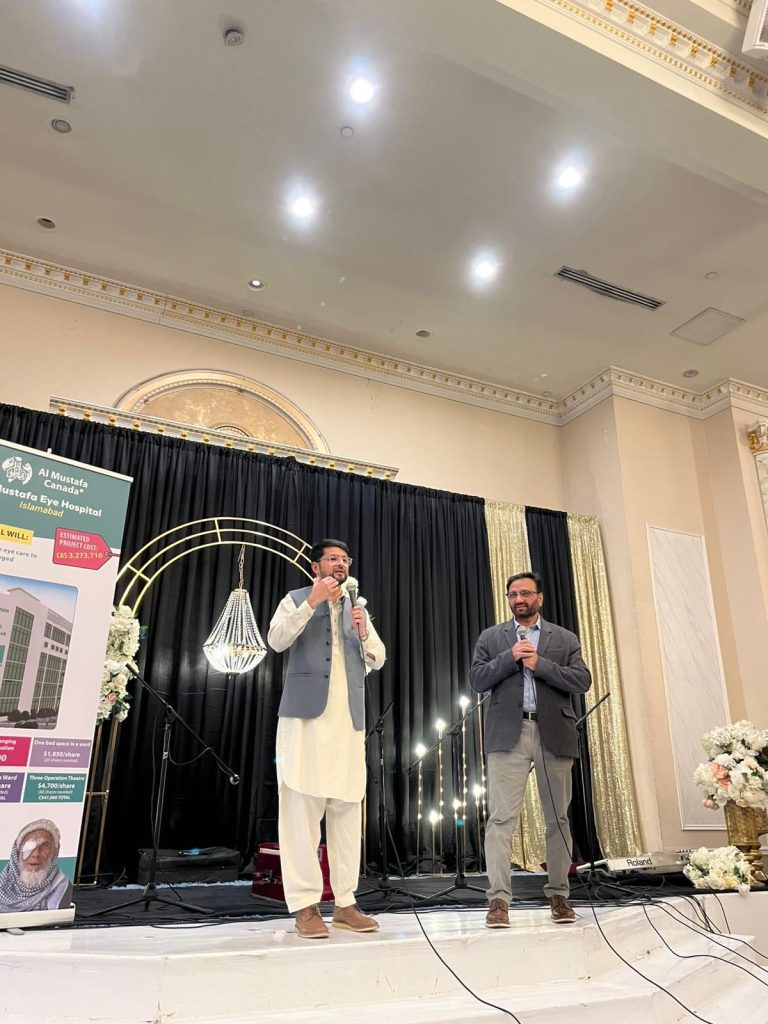
Chairman Al Mustafa Welfare Trust Abdul Razzaq Sajid has said that construction work on eye hospitals in Dadyal and Islamabad has started. He said Al Mustafa will perform 500,000 cataract surgeries and more than 300,000 surgeries have already been completed.
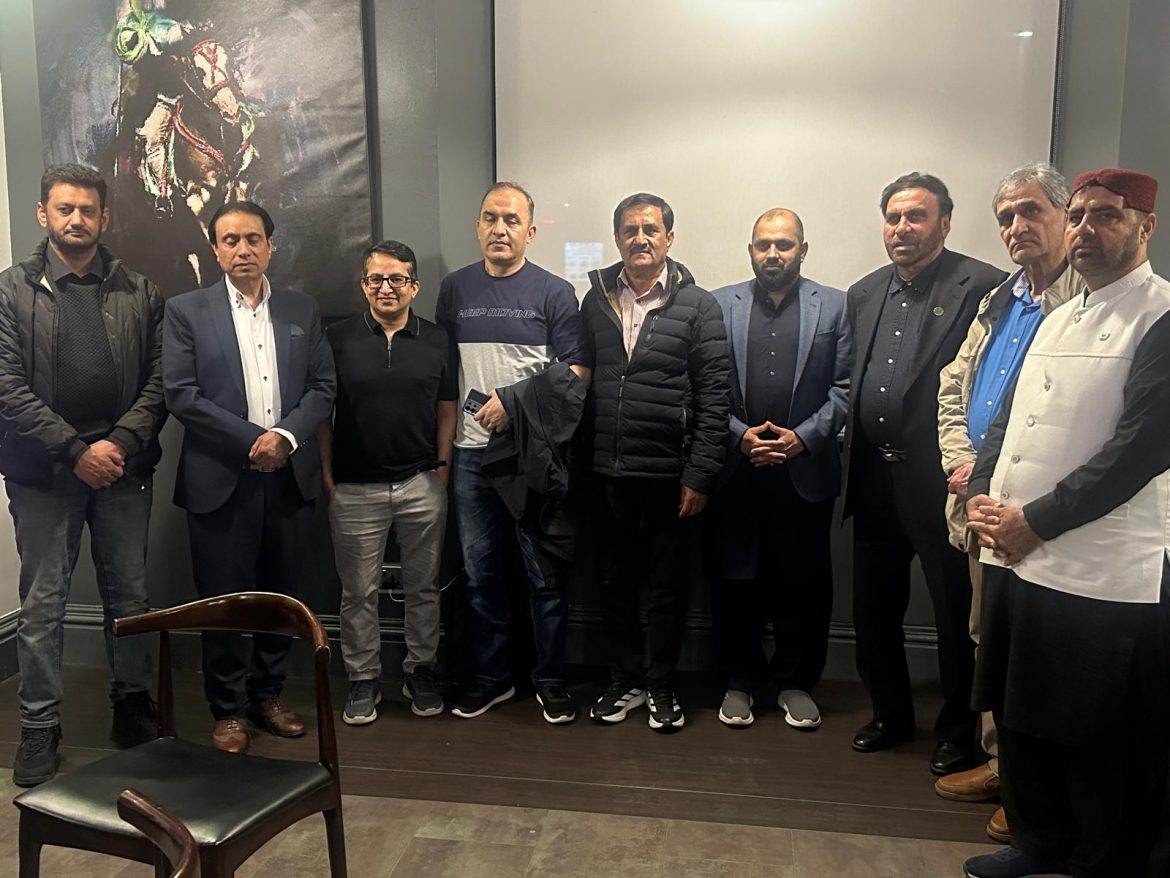
He expressed these views during a briefing at Safire Restaurant in Manchester. Among those present were Asif Butt, Imtiaz Kharl, Ijaz Malhi, Nawab Dogar, Chaudhry Javed Iqbal, Chaudhry Shahid Anwar and Naveed Ahmed Khari. Abdul Razzaq Sajid said free eye camps will be organised this year in Pakistan, Kashmir and other countries, where poor and deserving patients will receive free cataract operations. He added that sacrificial meat will also be distributed among needy families on Eid ul Adha. He appealed to donors to support the charity generously. He said people in Manchester are very generous and all donations will be spent transparently for the service of humanity. He also highlighted projects related to mosque construction, free eye camps, clean drinking water, Quran hifz and support for orphan children.
Nisar Kallu
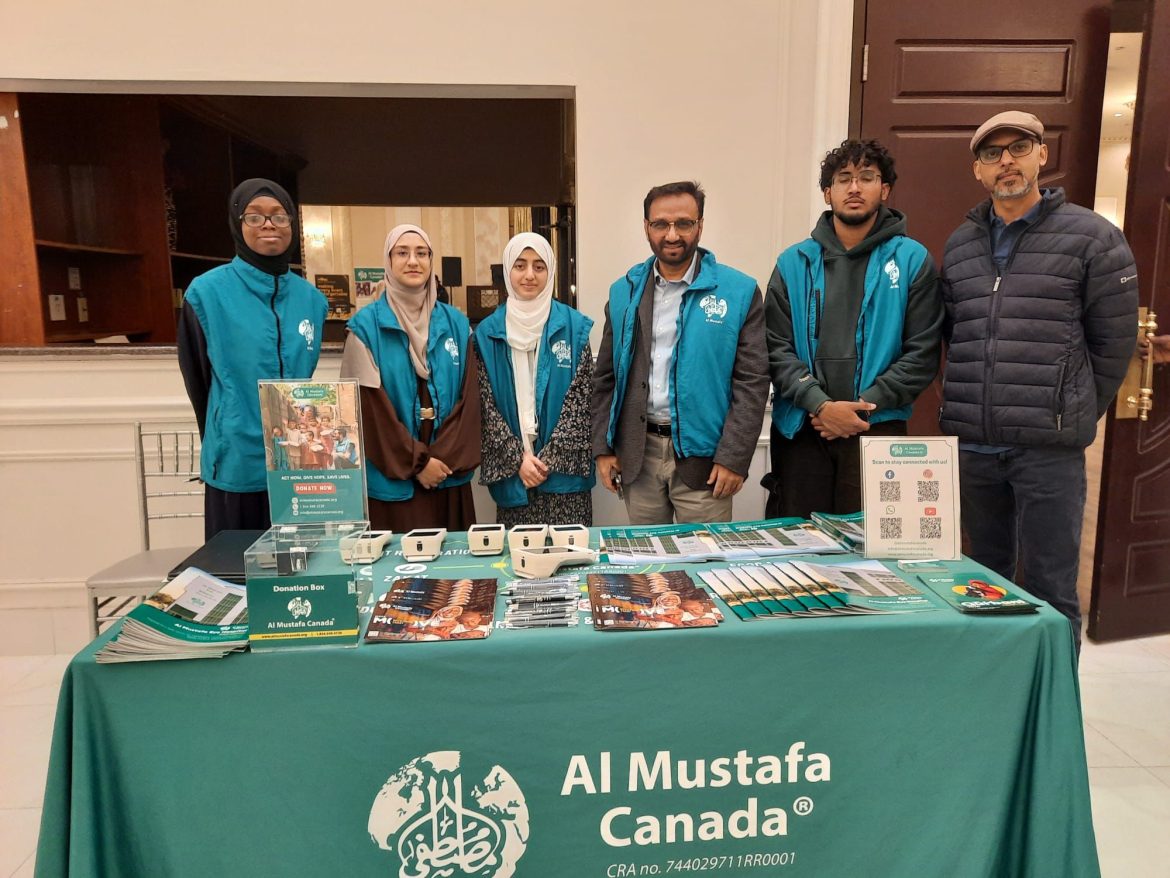
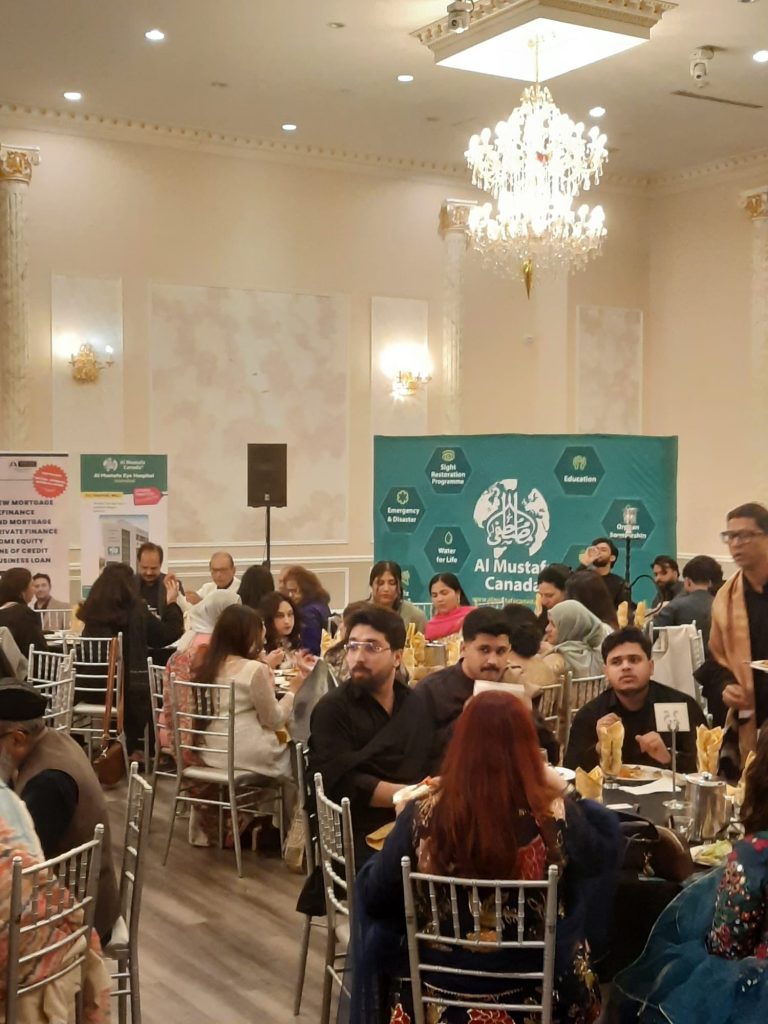
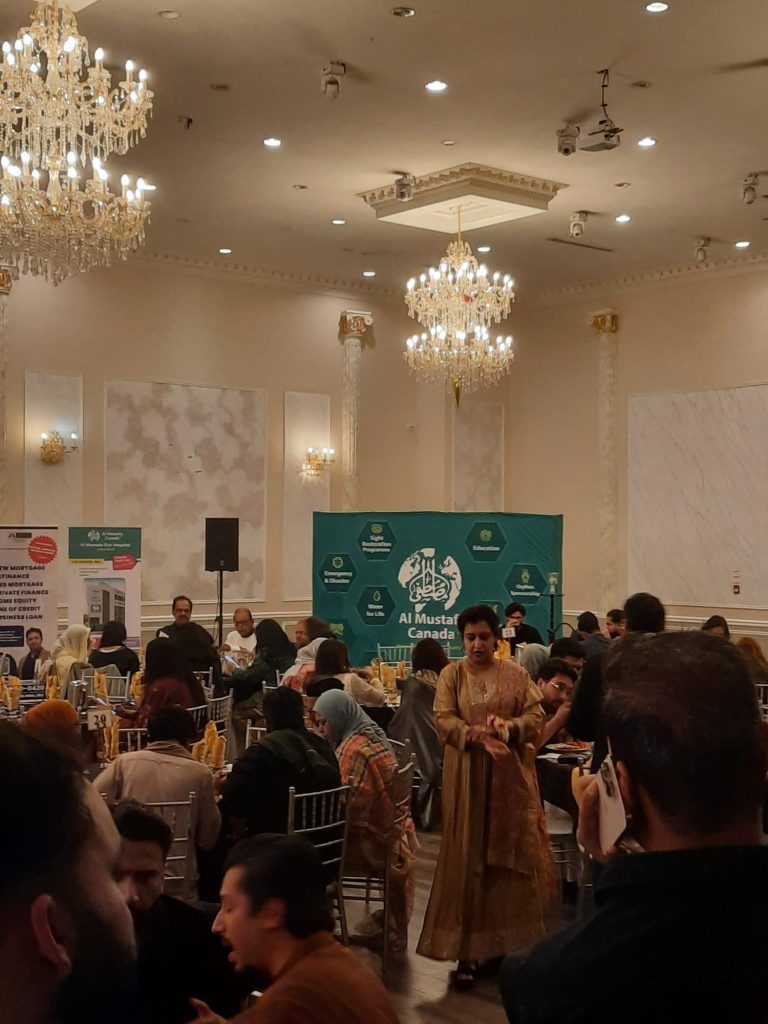
Al Mustafa Canada participated as the official charity partner at the Rang-E-Ishq Dinner & Qawwali Night, hosted at Chandni Convention Centre in Brampton. The event welcomed over 300 attendees for an evening of culture, entertainment, and community engagement, highlighted by a live qawwali performance by Bakhtyar Ali Santoo Khan. Throughout the evening, Al Mustafa Canada engaged with supporters and community members, raised awareness about its humanitarian and local community programs, and successfully generated funds in support of its ongoing initiatives serving vulnerable communities both locally and globally.
Photos from the event can be accessed using the following link. If you have any difficulties accessing the photos, please let me know.
Bureau Report
Manchester
The 2nd International Punjabi Conference concludes at the Mosses Centre, Bury, Greater Manchester. Chairman Al Mustafa Welfare Trust (AMWT), Abdul Razzaq Sajid, chaired the last session of the conference, while a Punjabi poetry session was also held. The participants also announced a declaration and demanded that the government of Punjab teach the Punjabi language in schools, promote Sufism, and set up E-Punjabi libraries in the UK.
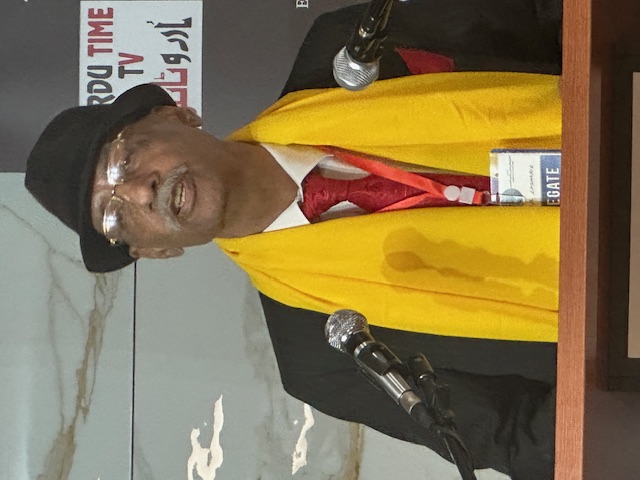
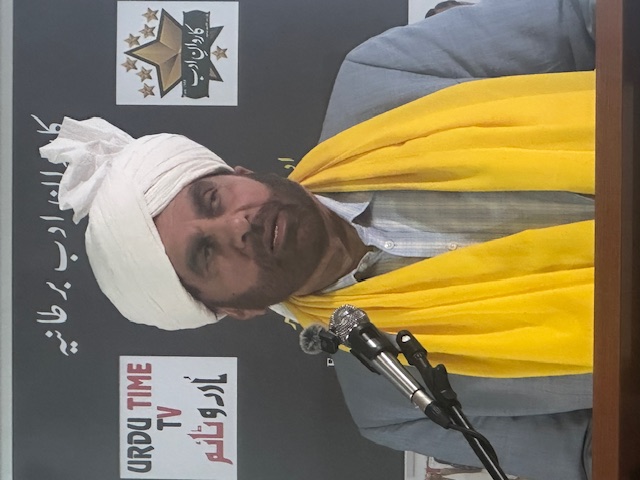
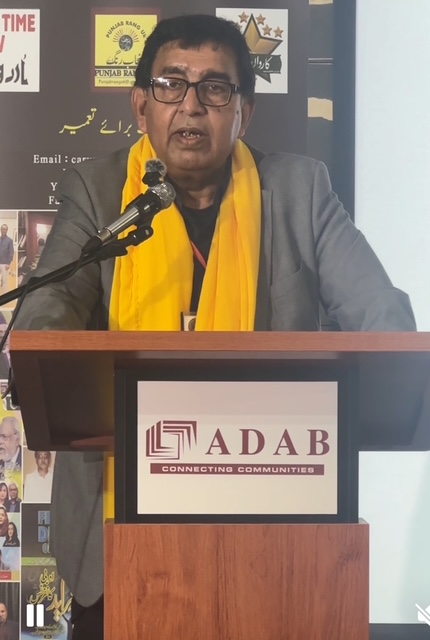
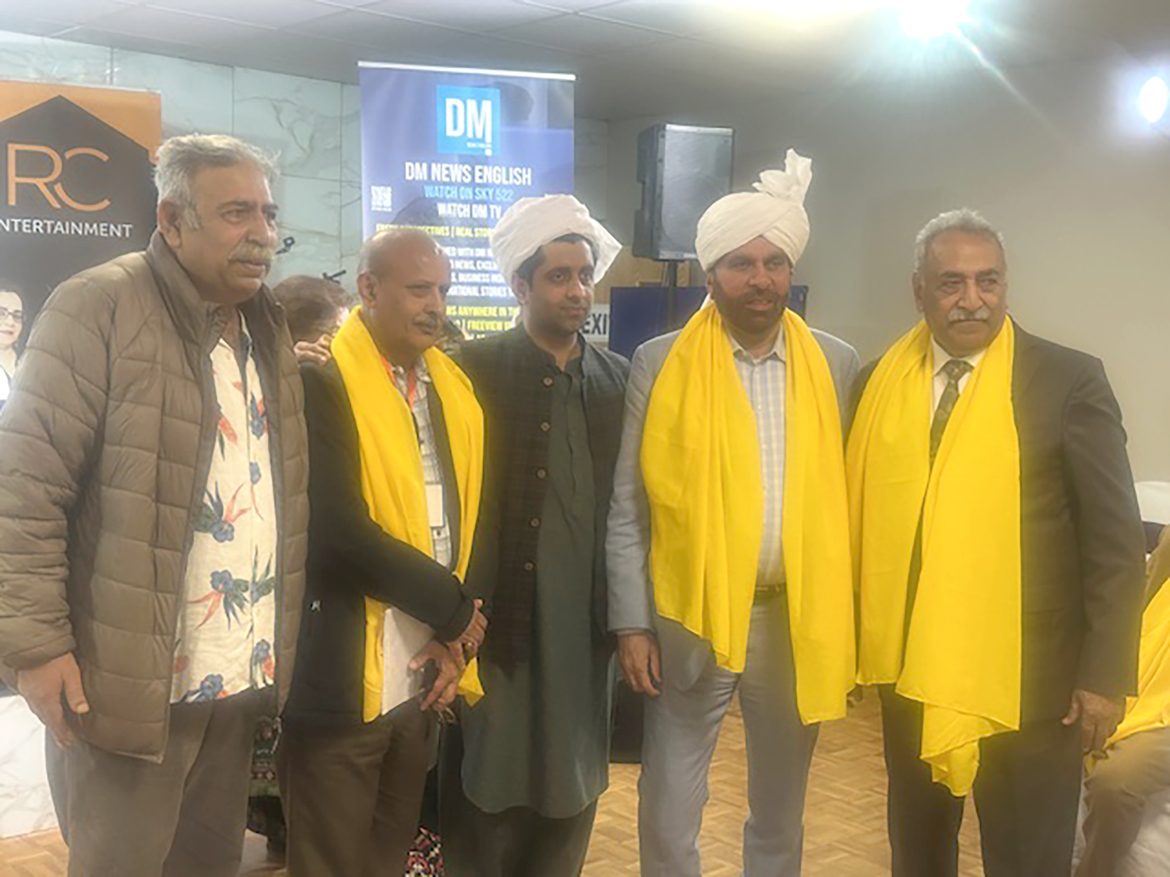
The Chairman, Al Mustafa Abdul Razzaq Sajid, chaired the last session of the conference. He was warmly received on his arrival, and the organising committee honoured him with a traditional Punjabi turban. The speakers, including Abdul Razzaq Sajid, Sabir Raza, Dr Zahid Hassan, Mansoor Afaq, and Mudasir Butt, expressed their views on Punjabi journalism. Abdul Razzaq Sajid said in his address that Sufi poets played a vital role in promoting the Punjabi language. He appreciated Mudasir Butt, who is working for the promotion of the Punjabi language both in Pakistan and the UK. He criticised that the people of Punjab were divided over religion and sectarianism and stressed that they can be united through the Punjabi language. After his speech, a song written by Mansoor Afaq to highlight the services of Al Mustafa was also presented, and participants lauded the humanitarian services of Al Mustafa. Mudasir Iqbal Butt said that during the three-day conference, some 18 sessions were held, and it was a successful event. He stated that “Islam was spread in the subcontinent through the efforts of the Sufis. Punjabi is a sweet language, and it is the need of the hour to promote it among the younger generation.” He also acknowledged the humanitarian services of Abdul Razzaq Sajid and said that Al Mustafa is one of the biggest charities in Pakistan. Dr Zahid Hassan said that Abdul Razzaq Sajid is serving humanity throughout the world. He also admired the services of Mudasir Iqbal Butt, who has been publishing a Punjabi newspaper, “Bulekha,” for the last 35 years. Mansoor Afaq said that Maharaja Ranjit Singh started the first Punjabi newspaper and was the first ruler in Punjab who worked to promote the Punjabi language, and at that time, the literacy rate in Punjab was recorded at 90 percent.
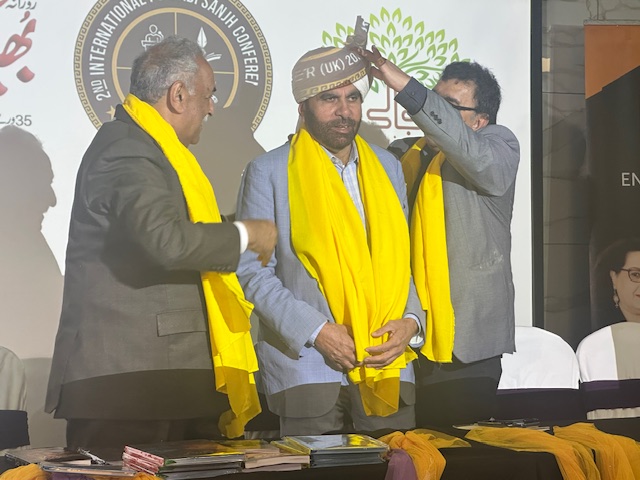
The conference concluded with a poetry session, and folk singers also performed on the occasion. Umair Manzoor also announced the declaration of the conference. During the three-day conference, prominent people who addressed different sessions included Dr Liaquat Ali Malik (DM TV), Ihsan Shahid Bari, Dr Azhar Javed, Shagufta Gimmi, Mushtaq Lashari, Waqas Butt, Nisar Malik (Haji Baba Meat), Razia Chaudhry, Faizan Adil, Harjinder Singh, Manjeet Singh, Balbir Kathiria, Former MPA Sindh Assembly Saleem Khurshid Khokhar, Tahir Hafeez, Naeem Thathal, Manan Qadeer, Dr Fahad Hassan, Shariq Khan, Ali Imran Kazmi, Hassan Firzouq, Liaquat Ali and others.
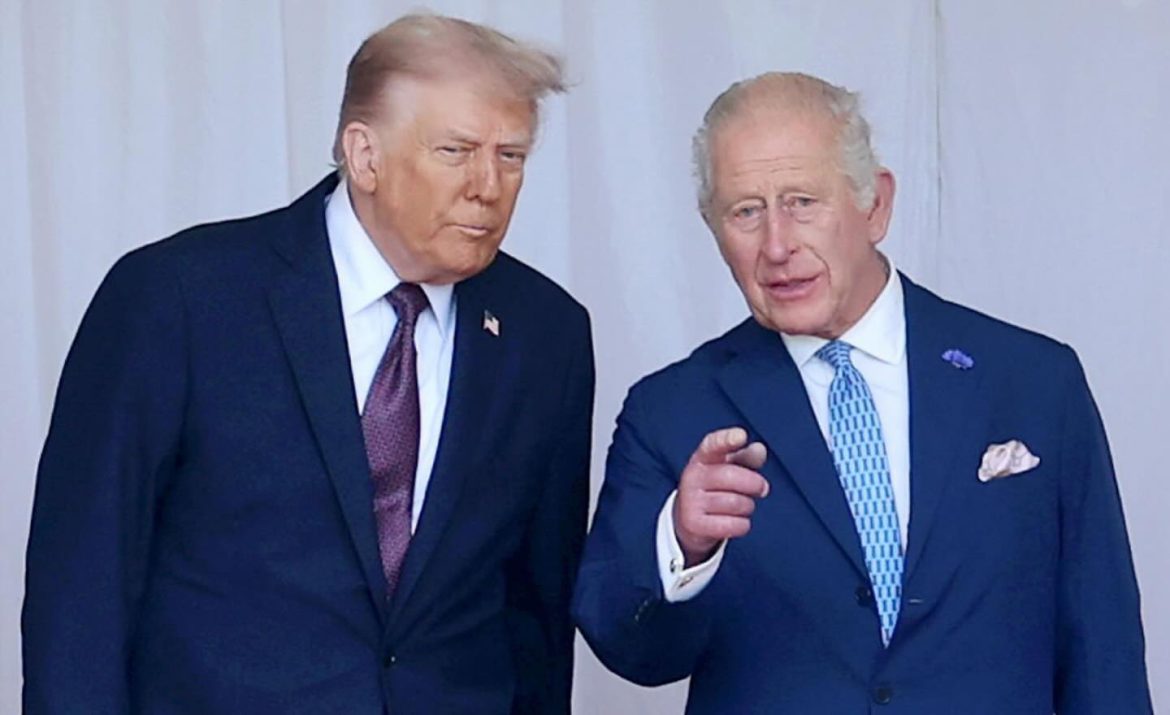
President Trump: World War II, which we successfully won, but without us (America), Britain and all of Europe would be speaking German language or maybe a little Japanese!
King Charles III: Mr President, you recently commented that if there weren’t America, European countries would be speaking German language, so may I dare say that if weren’t Britain, you (Americans) would be speaking French!
Indeed! His Majesty King Charles’s comment on President Trump’s sarcastic remarks was both timely, insightful, and in line with ethical principles. The only thing that remains is that Britain has gained from King Charles’ visit to the United States:
Analysis
Wajahat Ali Khan
King Charles III’s recent visit to the United States was rich in symbolism, but its tangible benefits for Britain lie in diplomacy, soft power, and strategic alignment rather than immediate economic returns. While critics may question the practical outcomes of royal tours, such visits remain a carefully calibrated instrument of statecraft particularly in the evolving post-Brexit landscape.
At its core, the visit reinforced the enduring “special relationship” between the United Kingdom and the United States. In a period marked by geopolitical uncertainty—from the war in Ukraine to rising tensions with China public displays of unity carry weight. The King’s presence, above party politics, allows Britain to project continuity and stability, qualities that are especially valuable as governments on both sides of the Atlantic navigate domestic pressures.
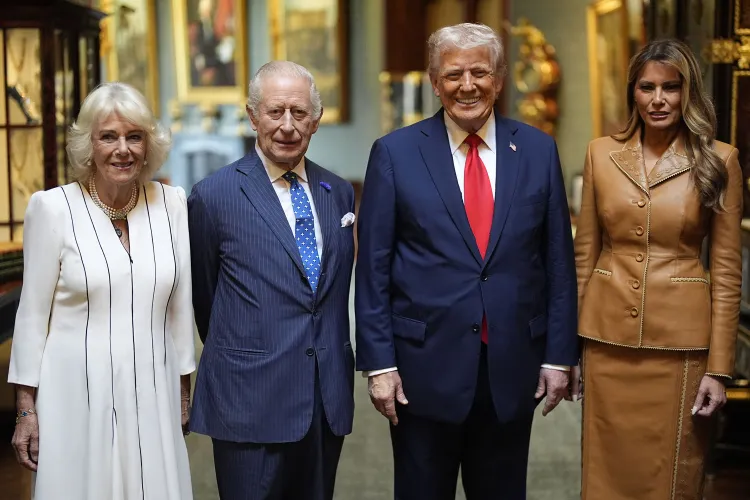
Economically, the gains are indirect but meaningful. Royal visits often act as high-profile endorsements of British industry, culture, and innovation. By attending events tied to sustainability, green finance, and technology, King Charles helped spotlight sectors where Britain seeks global leadership. His long-standing advocacy for environmental causes aligns closely with American priorities under current leadership, potentially strengthening transatlantic cooperation in climate policy and investment.
There is also a cultural dividend. The monarchy remains one of Britain’s most recognizable global assets, and such visits reinforce its relevance abroad. Public appearances, media coverage, and ceremonial engagements generate significant attention, much of it favorable. This contributes to Britain’s broader “soft power” the ability to influence through attraction rather than coercion which remains one of the country’s key international advantages. However, the visit was not without its limitations. In practical terms, it did not produce new trade agreements or concrete policy shifts. Critics argue that in an era of economic strain at home, the value of royal diplomacy can appear abstract. Yet this critique may overlook the long-term nature of influence-building. Relationships nurtured at the highest levels can shape negotiations and cooperation for years to come.
Moreover, the King’s role is inherently constrained. Unlike elected officials, he cannot negotiate deals or set policy. His impact lies in tone-setting creating goodwill, opening doors, and reinforcing shared values. In that sense, success is measured less by immediate outcomes and more by the durability of the connections strengthened during the visit. In the final analysis, Britain’s gains from King Charles’ trip to America are best understood as strategic rather than transactional. The visit reaffirmed alliances, elevated key policy themes, and showcased the enduring appeal of British institutions. While it may not yield headlines in trade figures or legislation, its significance lies in the quieter, longer arc of diplomacy where perception, trust, and continuity often matter most.
Wajahat Ali Khan
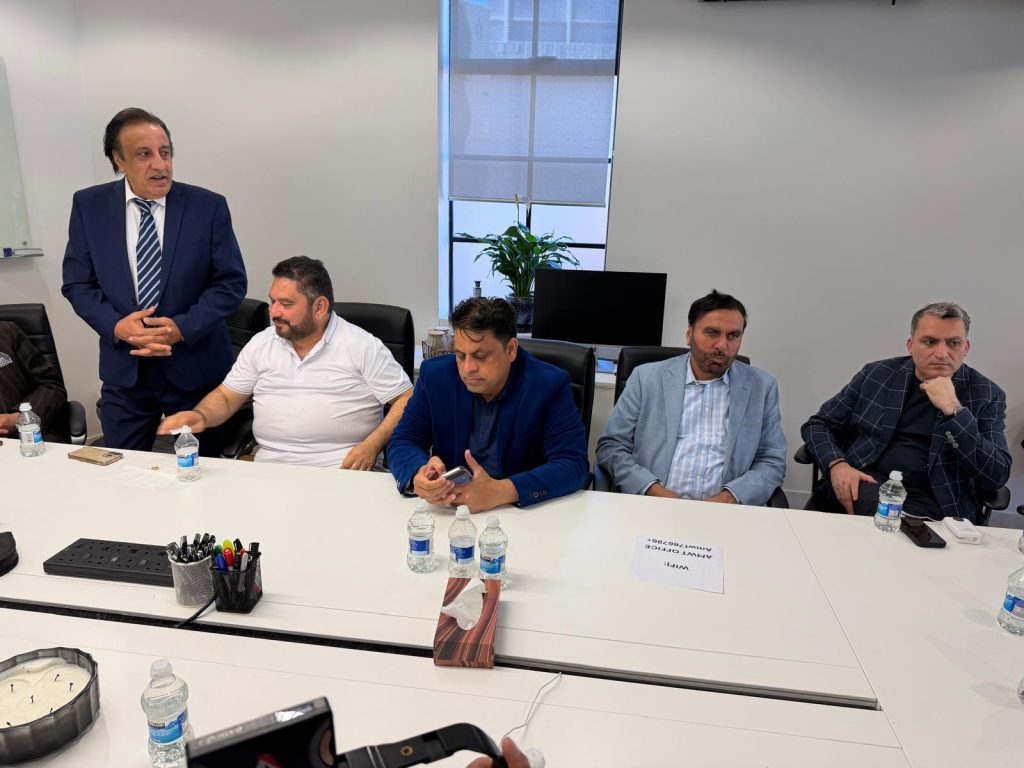
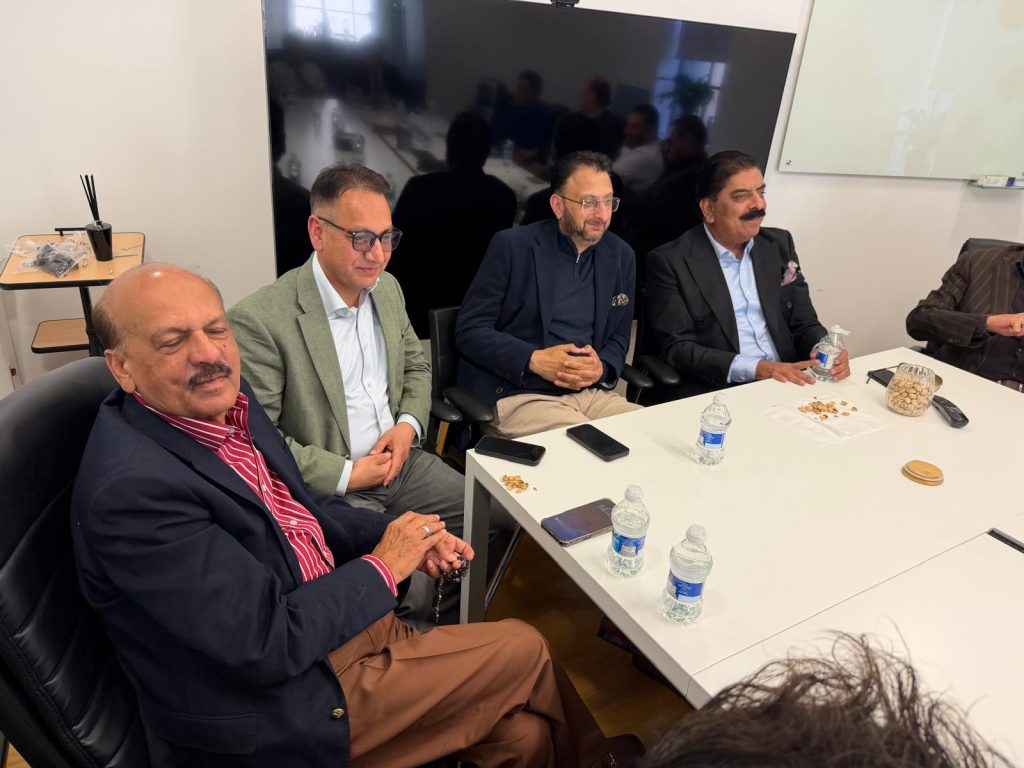
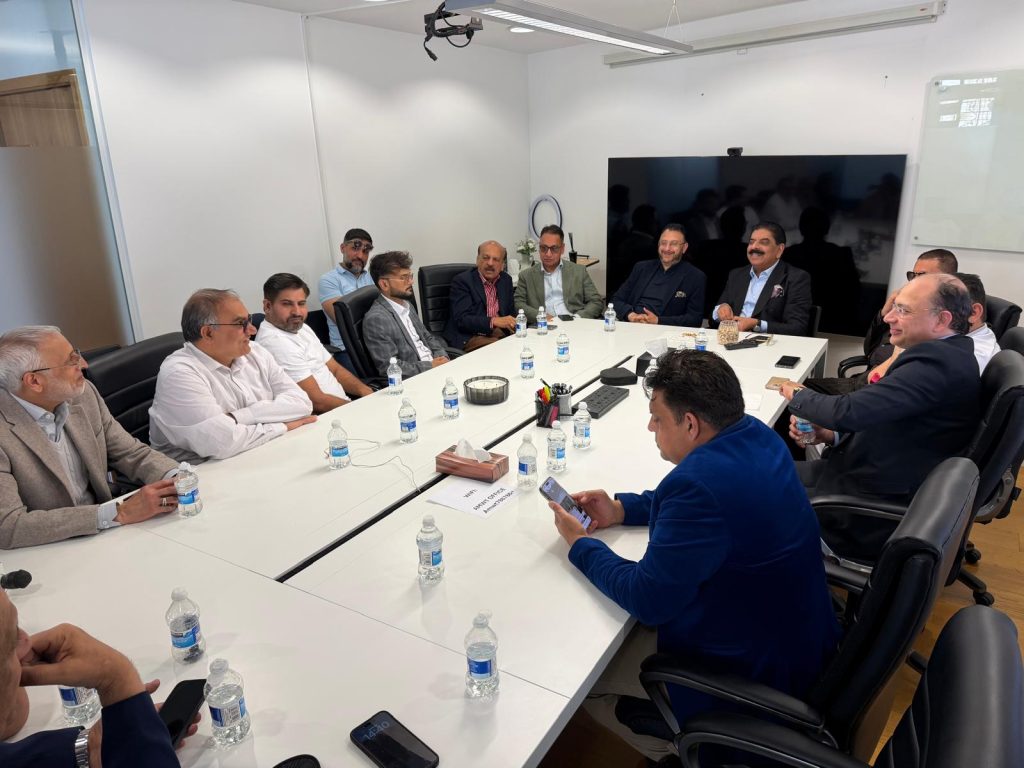
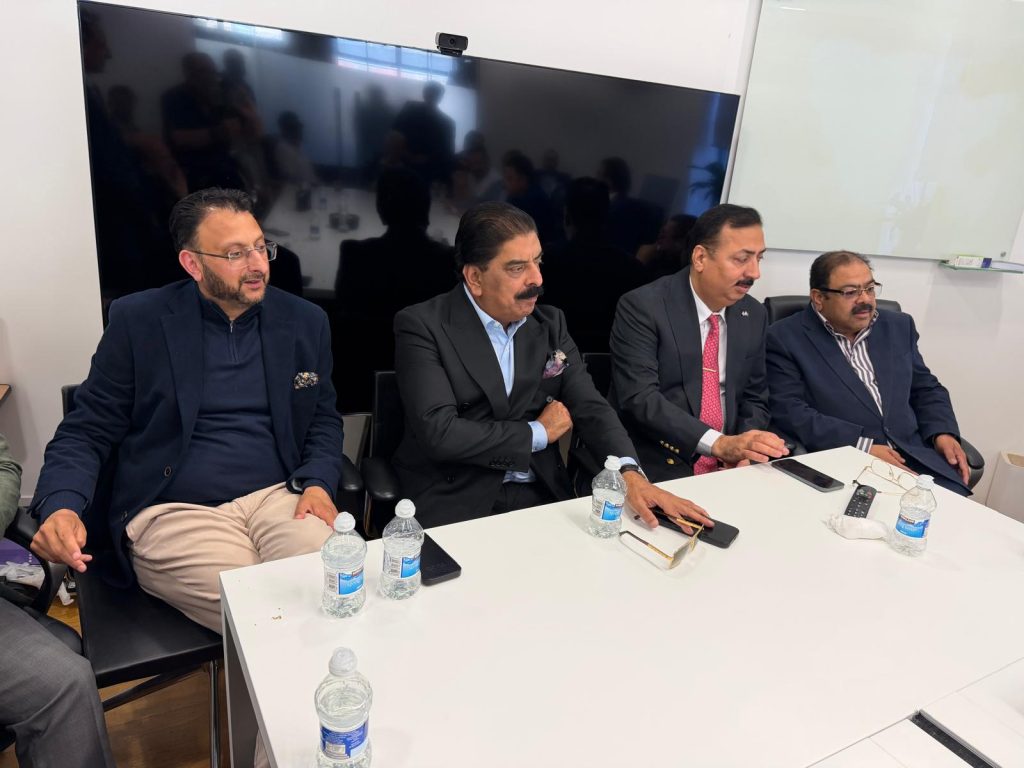
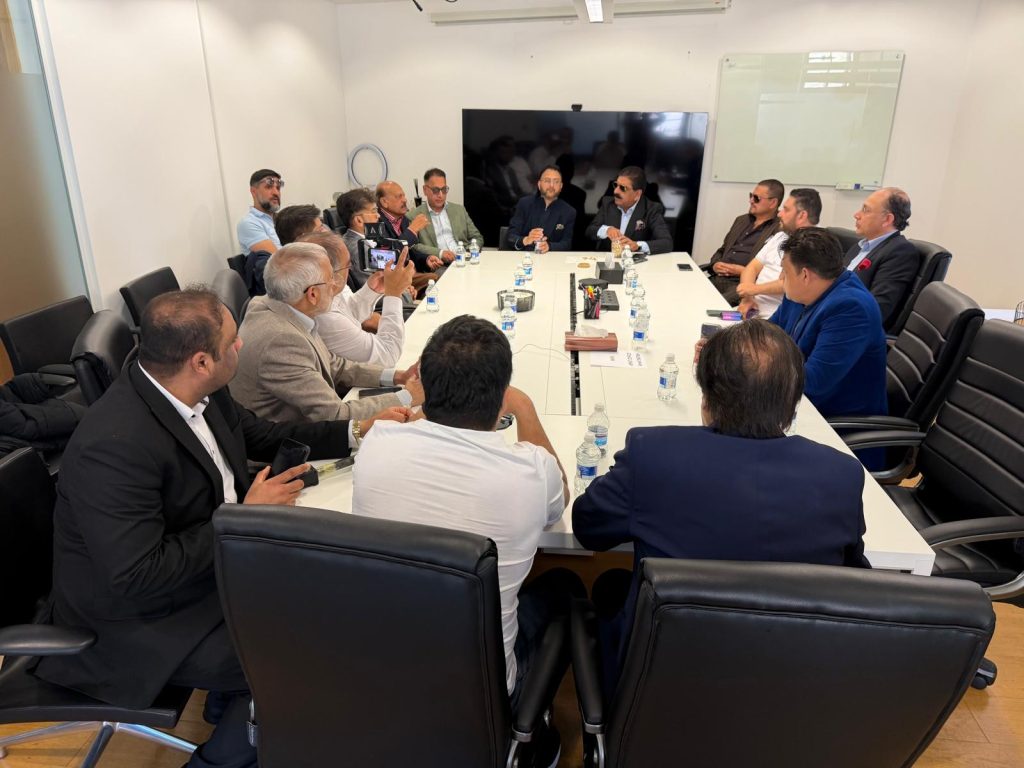
Shafiq Rehman, Advisor for the United Kingdom to the Government of Azad Kashmir, has said that it is a matter of pride for the people of Azad Kashmir living across the UK that Pakistan is currently the centre of attention of the world. Shafiq Rehman was speaking at a luncheon hosted in his honour by “The London Post” newspaper. Shafiq Rehman appreciated the journalistic services of “The London Post” and said that we all cooperate with this institution because at this time there is a dire need for English media in this country.

The special guests of the event were “Chairman Board of Governors Overseas Pakistanis Foundation” Syed Qamar Raza, and a prominent leading leader of “Pakistan Peoples Party” Chaudhry Muhammad Riaz. Addressing the event, Chaudhry Muhammad Riaz congratulated Shafiq Rehman on his appointment as Advisor and said that his responsibilities as Advisor increase further because he will have to make every effort to unite the diaspora living in the UK and solve their problems. He said, the current government and all state institutions should work together for the development and progress of Pakistan. This is the reason why Pakistan has been able to play a key role in preventing the outbreak of a world war. That’s why the United States, including Iran, recognises Pakistan’s strategy. Syed Qamar Raza congratulated the advisor to the Prime Minister of Azad Kashmir, journalist Shaukat Dar, and the advisor to the President of Azad Kashmir, Shafiq Rehman, who were present at the ceremony and said that it is indeed an honour that they have been chosen for this position. It is hoped that they will work for the welfare of the community by utilising their experience for their overseas Pakistanis. In his address, Advisor to the Prime Minister, Shaukat Dar, also emphasised the unity of the community and said that the need here is to make every effort collectively and encourage the best people in different sectors in the community. He praised the welfare projects of “AlMustafa Welfare Trust” and said that I am a witness myself that this organisation is working for the suffering humanity all over the world. Other speakers also expressed their views and stressed the importance of unity, solidarity and brotherhood. At the end of the ceremony, Abdulrazzaq Sajid, Chairman of “AlMustafa Welfare Trust”, thanked the guests and said that we are providing humanitarian services even in the most adverse circumstances. He paid tribute to the services rendered by Shafiq Rehman to the local community and for Hounslow Jamia Mosque. He said Syed Qamar Raza and Chaudhry Muhammad Riaz doing good for the overseas Pakistani community, Abdulrazzaq Sajid also said that no matter who is in power in Pakistan, the person who is doing good work should not be removed. The event was moderated by Wajahat Ali Khan, Executive Editor of “The London Post”.
At the beginning of the ceremony Abdulrazzaq Sajid recited the Holy Quran while Raja Faiz Sultan presented Naat e Rasool Maqbool. The event was attended in large number of by journalists, social and political figures.

Monitoring desk
Reuters photo
With an estimated to be worth over $500m (£370m), left Dubai last Friday night and arrived at Al Mouj, a marina in Oman’s capital, on Sunday morning, according to data on the Marine Traffic platform this superyacht linked to one of Russian President Vladimir Putin’s key allies Mordashov’s is the richest Russian national. The boat has sailed through the Strait of Hormuz, despite the ongoing blockade of the critical shipping channel.
Staff Reporter
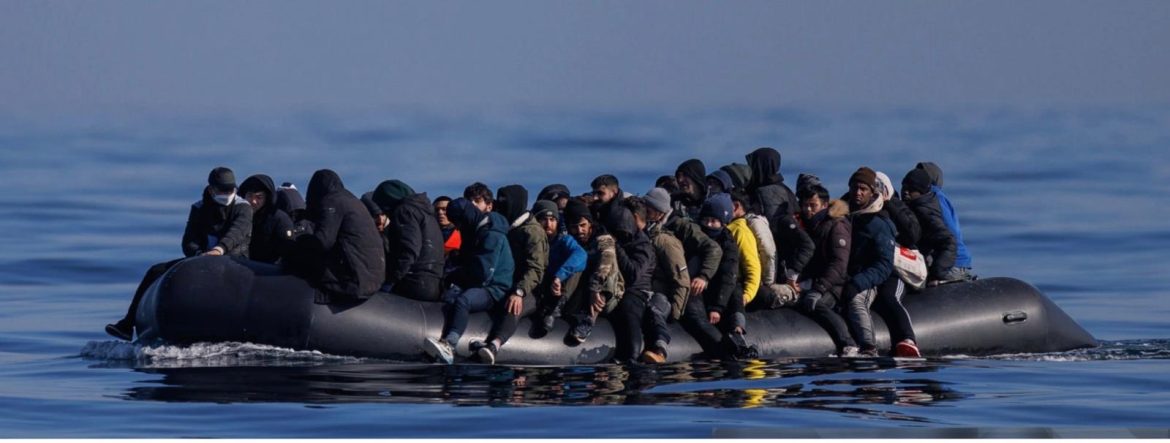
Scotland has seen a noticeable increase in the number of asylum seekers in recent years, prompting discussion across political, social, and community spheres. While the issue is often framed in terms of local impact, experts stress that the reasons behind the trend are largely global.
At its core, the rise in asylum seekers is linked to ongoing conflicts, political instability, and economic hardship in various parts of the world. Individuals and families fleeing war-torn regions, persecution, or extreme poverty often undertake dangerous journeys in search of safety. The United Kingdom, including Scotland, remains a destination due to its reputation for stability, legal protections, and established asylum processes.
Scotland, in particular, has become a key location for dispersal. Under UK policy, asylum seekers are distributed across different regions rather than concentrated solely in London and the southeast of England. Cities such as Glasgow have long been involved in this system, providing housing and support services. As a result, Scotland hosts a proportion of the UK’s asylum population.
Another contributing factor is the availability of accommodation. Local authorities and private contractors working with the UK government have identified housing capacity in certain Scottish areas, making them suitable for relocation. This logistical element, rather than choice by asylum seekers themselves, often determines where individuals are placed.
Community response has been mixed but often supportive. Many local organisations and volunteers have stepped in to assist newcomers with integration, language learning, and access to services. However, concerns have also been raised about pressure on housing, healthcare, and public services, particularly in areas already facing economic challenges.
Political debate continues over how asylum policy is managed at the national level. The Scottish Government has repeatedly called for a more humane and devolved approach, while the UK Government maintains control over immigration and asylum decisions.
The situation in Scotland reflects a broader international pattern. As long as global crises persist, migration pressures are unlikely to ease. The focus, they suggest, will remain on balancing humanitarian responsibilities with local capacity.
For now, Scotland’s role in the UK’s asylum system highlights both the complexity of migration and the interconnected nature of global and local issues.

Wajahat Ali Khan
Donald Trump said there was “no timeframe” for ending the war in Iran, with the standoff over the Strait of Hormuz set to continue indefinitely. The US president said it was “not true” that he wanted to end the war before the US midterm elections in November and insisted there was “no time pressure” on the ceasefire with Iran. He later told t US media that new talks with Iran could take place as soon as today Friday after negotiations scheduled for earlier in the week in Pakistan failed to materialise.
On the other hand, Iran warned that no new peace talks could take place while the US navy’s blockade of Iranian ports remained in place. Mohammad Bagher Ghalibaf, Tehran’s chief negotiator, accused Mr Trump of “holding the global economy hostage” with the blockade.
Pakistan became a mediator in this peace process by virtue of its positive relations with both Iran and the US. But analysts say these relationships are very different. Ties with the US have been complex and up and down over the decades but, for the most part, they are visible on the surface. The two countries have a history of airing grievances publicly. However , Pakistan still awaits of mediation and mediators again.
