Zain Ali Khan
LONDON: New Mexico court delivers one of the largest financial penalties in US history as technology giant vows to appeal
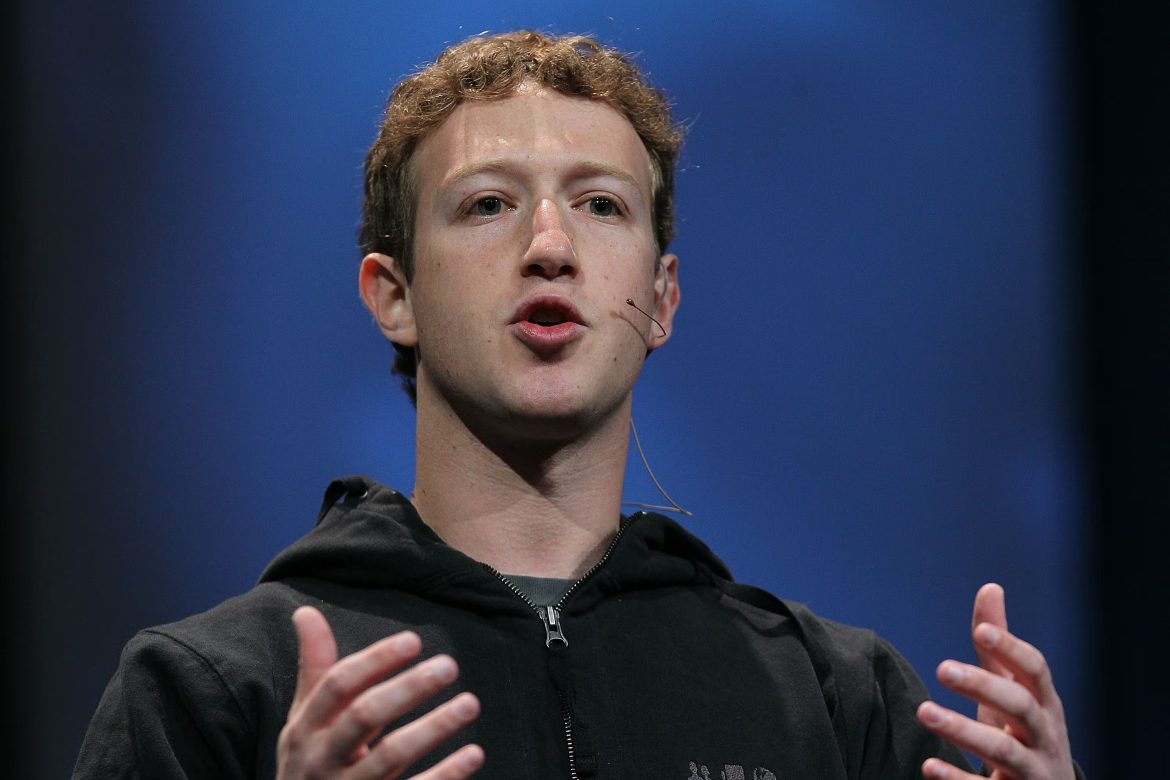
Meta, the parent company of Facebook, has been ordered to pay a staggering $25 billion (£18.6 billion approximately) to the US state of New Mexico after a court found that the social media giant had misled users about the protection of their personal data.
The ruling, delivered by state court Judge Francis Mathew on Wednesday, follows a jury verdict in September that found Meta had committed more than 43 million violations of New Mexico’s consumer protection laws. The case centres on allegations that the company misrepresented how it handled users’ personal information and enforced its policies against hate speech and misinformation.
The legal action dates back to 2021, following the Cambridge Analytica scandal, in which a British political consulting firm improperly obtained personal data from millions of Facebook users. The controversy raised serious questions about Facebook’s privacy safeguards and the use of personal information for political advertising.
The jury found that 26 of 29 statements made by Meta and its leadership about data privacy and related policies were misleading. The court also concluded that Facebook’s privacy controls failed to provide users with meaningful control over their information and that the company did not consistently notify users when applications misused their data.
New Mexico Attorney General Raul Torrez welcomed the outcome, describing it as a significant step towards holding powerful technology companies accountable for their actions.
Meta, however, strongly rejected the ruling and confirmed that it would appeal. The company argued that the case threatened its ability to operate in the state and accused the authorities of using consumer protection laws to restrict online speech. Its chief legal officer, C.J. Mahoney, said the company was confident it would prevail on appeal.
The court had considered a potential penalty exceeding $219 billion under state law before reducing the amount to $25 billion. The final financial liability will depend on the outcome of any appeal and further legal proceedings.
The decision represents a major legal setback for Meta, which operates Facebook, Instagram and WhatsApp. It also sends a warning to other technology companies that claims about privacy, data security and online safety may carry substantial legal consequences if they are found to mislead consumers.
The case has renewed debate over whether existing laws are sufficient to protect personal information in an increasingly digital world, where social media platforms collect vast quantities of data from billions of users.
UK
Israel Election Netanyahu Faces Tough Challenge as Voters Prepare to Go to the Polls
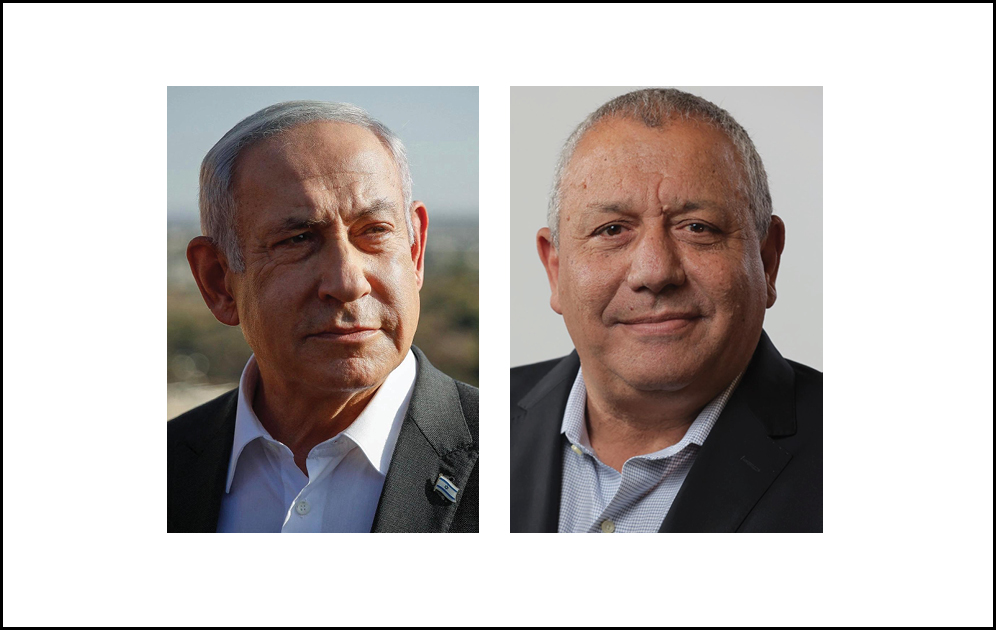
LONDON: (Reuters) Israelis will vote on October 27 in a closely contested general election, with Prime Minister Benjamin Netanyahu facing opposition led by former military chief Gadi Eisenkot.
The election, the first since the Hamas-led attacks of October 7, 2023, will test public confidence in Netanyahu’s leadership and his government’s handling of the attacks and subsequent wars in Gaza and the wider region.
Recent opinion polls suggest that neither Netanyahu’s right-wing coalition nor the opposition is assured of securing the 61 seats needed for a majority in Israel’s 120-member parliament, the Knesset. The outcome could therefore depend on smaller parties and difficult coalition negotiations. Key issues include national security, military service exemptions for ultra-Orthodox Jews, the economy and accountability for the security failures of 2023. The election could reshape Israel’s political direction, although forming a stable government may prove difficult even after votes are counted.
Monitoring desk
Reform UK has suffered a setback in Scotland after MSP Amanda Bland resigned from the party to sit as an independent member of the Scottish Parliament.
Bland, who represents Central Scotland and Lothians West, confirmed her departure on Monday, October 19, saying the decision had been made after “careful deliberation”.
Her resignation reduces Reform’s representation at Holyrood from 17 to 16 MSPs, allowing Scottish Labour, with 17 seats, to become the second-largest party in the Scottish Parliament behind the governing Scottish National Party (SNP).
Bland said her political priorities remained unchanged, including protecting women and children, improving public services, supporting businesses and reforming the criminal justice system.
She said she believed she could pursue these objectives more effectively as an independent MSP and remained committed to holding the Scottish Government to account.
Reform UK, led in Scotland by Malcolm Offord, expressed disappointment at her departure and urged her to resign her parliamentary seat to allow the next candidate on the party’s regional list to take her place.
The departure could also affect parliamentary proceedings, with Scottish Labour leader Michael Marra expected to gain priority over Reform in questioning First Minister John Swinney.
Bland’s resignation marks the first departure of a Reform MSP from the party at Holyrood since its breakthrough in the May 2026 Scottish Parliament election.
The development raises questions about Reform’s internal cohesion and its ability to maintain its position as a leading opposition force in Scotland. However, Bland has not publicly provided a detailed explanation for leaving the party.
She has confirmed that she intends to continue serving her constituents as an independent MSP.
UK Net Migration Falls to Lowest Level Outside Covid Pandemic Since 2012
Staff reporter
LONDON: Net migration to the UK has fallen to its lowest level outside the Covid-19 pandemic since 2012, according to the latest figures, marking a significant decline in the number of people moving to Britain.
Figures from the Office for National Statistics (ONS) show that net migration stood at an estimated 171,000 in the year ending December 2025, down from 331,000 in the previous year. The figure represents a sharp fall from the record peak of 944,000 recorded in the year ending March 2023.
The decline has largely been driven by a reduction in immigration from outside the European Union, particularly among people arriving for work-related reasons. The number of non-EU nationals coming to Britain for employment purposes fell by 47 per cent during 2025.
The figures follow tighter immigration measures introduced by successive Conservative and Labour governments, including restrictions on dependants accompanying international students and higher salary requirements for certain skilled-worker visas.
The Labour government has presented the fall as evidence that its efforts to bring migration under control are having an impact. However, the figures are likely to intensify debate over the economic and social consequences of Britain’s changing immigration system.
Business groups and some employers have warned that tighter restrictions could make it harder to recruit workers in sectors facing staff shortages, including social care and hospitality. Supporters of stricter controls argue that lower migration could ease pressure on housing, public services and local infrastructure.
Net migration is calculated by subtracting the number of people leaving the UK from the number arriving for long-term residence. It is distinct from the total number of people entering the country and does not, by itself, measure irregular migration or small-boat arrivals.
Despite the substantial decline, immigration remains a major political issue, with the government facing continued pressure to demonstrate that border controls are effective while ensuring the economy can attract the skills it needs.
Wajahat Ali Khan
The pandemic exposed serious weaknesses in Britain’s preparedness, leadership and public services. The inquiry is an opportunity to establish what went wrong and how the country can be better prepared for the next crisis. The COVID-19 pandemic was one of the most challenging periods in modern British history. Families lost loved ones, businesses collapsed, schools closed and millions of people faced restrictions on their freedom. The consequences extended far beyond public health, affecting the economy, education, mental wellbeing and public confidence in government.
Against this background, the UK COVID-19 Inquiry was established to examine how Britain prepared for, responded to and managed the pandemic. Its purpose is not simply to revisit the events of 2020, but to understand whether the country’s institutions made the right decisions when faced with an unprecedented national emergency.
The central question is straightforward: could the suffering have been reduced if the government and public authorities had acted differently?
The inquiry is examining a wide range of issues, including pandemic preparedness, political decision-making, public health advice, healthcare capacity, social care and the impact of lockdowns. It is also considering whether lessons were learned from earlier warnings about the possibility of a major infectious disease outbreak.
One of the most controversial aspects of the pandemic was the timing of government action. Decisions about restrictions, testing, travel and public communication had profound consequences. Critics have questioned whether the UK acted quickly enough during the early stages of the outbreak and whether political considerations sometimes interfered with scientific advice.
The inquiry provides a formal process through which evidence can be examined, witnesses questioned and institutional failures identified. It is important, however, to distinguish criticism from established findings: responsibility must be assessed on the basis of evidence rather than hindsight alone. Accountability matters because public trust depends on the knowledge that those exercising power are answerable for their decisions, particularly when lives are at stake.
The inquiry must also look beyond Westminster and consider the experiences of ordinary people. Bereaved families have sought answers about the circumstances in which their relatives died. Healthcare workers faced enormous pressure, while care homes experienced devastating outbreaks. Children and young people lost valuable classroom time, and vulnerable households often carried a disproportionate burden.
These experiences raise difficult questions about whether support reached those who needed it most, whether inequalities were adequately recognised and whether the government communicated risks clearly and consistently.
The economic consequences also deserve scrutiny. Emergency spending helped protect jobs and businesses, but it generated difficult questions about value for money, procurement and the use of public funds.
Ultimately, the inquiry’s greatest value will lie in its recommendations. Another pandemic may be years away, but preparedness cannot wait until a new virus begins spreading.
Britain needs effective emergency planning, stronger public health systems, clear lines of responsibility and transparent communication between scientists, ministers and the public. It must also ensure that care homes, hospitals and local authorities have the resources and guidance necessary to respond effectively.
The inquiry cannot reverse the losses suffered by millions of people. Nor should it become merely a political contest in which parties seek to blame one another. Its real test is whether the lessons identified lead to meaningful reform. If Britain repeats the same mistakes during the next public health emergency, the inquiry will have failed in its most important purpose.
The country deserves more than an account of what happened. It deserves a credible explanation of why it happened, who was responsible for the decisions taken, and what will change as a result. That is why the COVID-19 inquiry matters not only to those who suffered during the pandemic, but to every citizen whose life may one day depend on the government’s response to the next crisis.
Brampton Park to Be Renamed in Honour of Pakistani-Canadian Pioneers
Nisar Kallu
Brampton, Canada: In a historic and proud moment for the overseas Pakistani community, the City of Brampton, Ontario, Canada, is honouring the remarkable contributions of two Pakistani-Canadian pioneers, Muhammad Nawaz Kalair and Muhammad Aslam Kalair, by renaming Eastbourne Park as “Kalair Family Park.”
The recognition celebrates more than five decades of dedicated service, leadership, faith, and community development by the Kalair family, who immigrated from Punjab, Pakistan, in 1967.
The two brothers played a significant role in establishing Jami Makki Masjid in Brampton in 1977, helping lay the foundations of the city’s growing Muslim community. Their commitment to religious education, community welfare, and bringing people together has left a lasting legacy for future generations.
On this occasion, the Brampton Mayor Patrick Brown, Member of Parliament Shafqat Ali, Dr Abdalla Idris Ali, and Mufti Aasim Rashid, along with members of the Kalair family and community representatives were present.
Mayor Patrick Brown has acknowledged the Kalair family’s significant contributions to Brampton’s Muslim community, recognising their faith, leadership, and decades of service.
The recognition also coincides with Islamic History Month in Canada, highlighting the important role Muslim Canadians have played in building stronger, more inclusive communities.
For Pakistanis living around the world, this recognition represents a moment of immense pride. It demonstrates how immigrants from Pakistan have contributed to the social, cultural, and religious development of their adopted countries while maintaining strong connections to their heritage and values.
The Kalair family’s journey, from Punjab to becoming respected community pioneers in Canada, stands as an inspiring example of how dedication, service, and commitment can create a legacy that lasts for generations.
The naming of Kalair Family Park is not merely an honour for one family; it is also a celebration of the achievements and positive contributions of the wider Pakistani-Canadian community.
It is a proud chapter in the history of overseas Pakistanis and a lasting tribute to the pioneering generation that helped build Canada’s vibrant Muslim community.
Bureau report
MISSISSAUGA CANADA: With just three days remaining until the municipal elections on Monday, October 26, 2026, the race for Mayor of Mississauga has become one of the most closely contested political battles in Ontario.
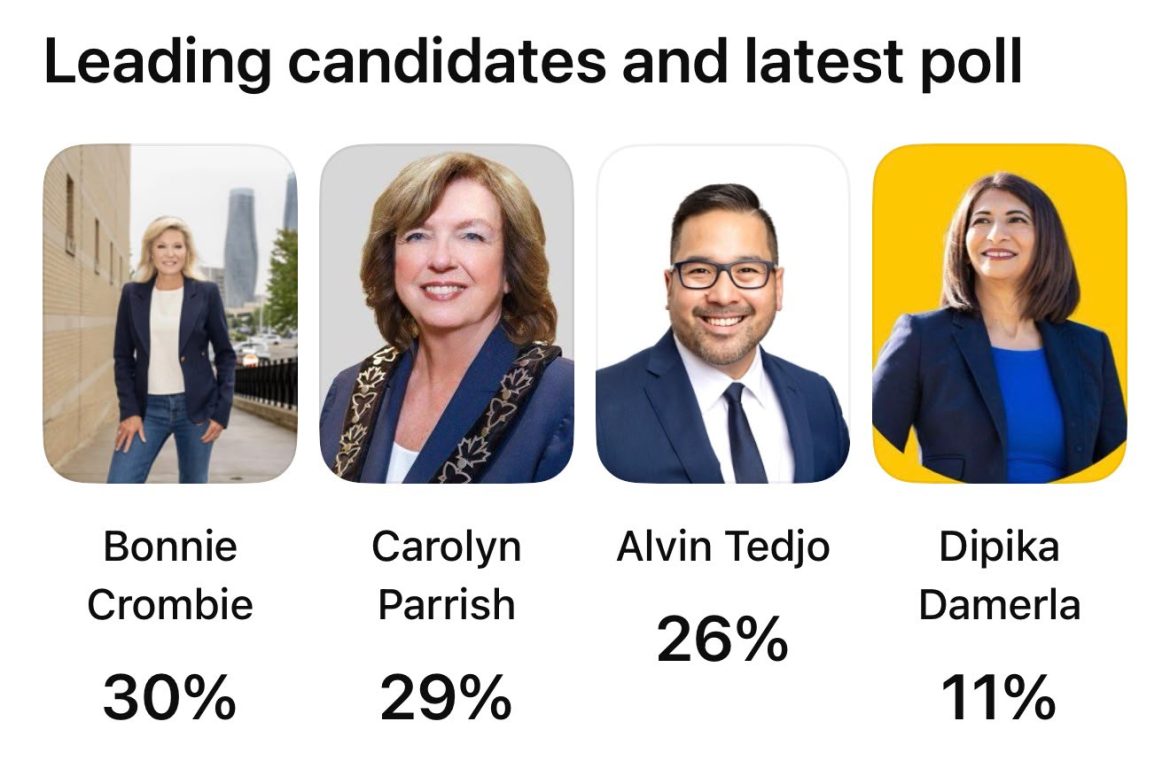
According to the latest Liaison Strategies poll, conducted October 2–4, former Mayor Bonnie Crombie leads with 30% support, followed closely by incumbent Mayor Carolyn Parrish at 29%, Ward 2 Councillor Alvin Tedjo at 26%, and Ward 7 Councillor Dipika Damerla at 11%. The narrow margins suggest an unpredictable election outcome.
Affordability, property taxes, housing, public safety and traffic congestion are among the major issues influencing voters.
Mississauga’s diverse communities, including its large Pakistani-Canadian population, are expected to play an important role in shaping the city’s future leadership.
The election will determine who leads one of Canada’s largest cities for the next four years.
Leading candidates and latest poll
Bonnie Crombie
30%
Carolyn Parrish
29%
Alvin Tedjo
26%
Dipika Damerla
11%
Source: Liaison Strategies, October 2–4, 2026. Survey of 1,000 residents; percentages are among decided and leaning voters. Overall margin of error ±3.1 percentage points.
These are opinion-poll estimates, not election results. The close three-way race remains highly competitive.
Women in Business Expo 2026 – Celebrating Women Inspiring Excellence
City reporter
LONDON: The London Southside Chamber of Commerce organised a women in business Expo 2026, bringing together distinguished leaders, professionals, entrepreneurs and community representatives to celebrate the achievements, talent and contributions of inspiring women.
The event recognised women making a meaningful impact across diverse sectors, including healthcare and medicine, fashion and design, tourism, business and beyond. It provided a valuable platform to showcase innovation, share experiences, build professional networks and encourage new opportunities for collaboration.
The expo was a celebration of women’s leadership, resilience, creativity and entrepreneurial spirit, highlighting the importance of empowering women, promoting equal opportunities and inspiring the next generation of female leaders.
Congratulations to the London Southside Chamber of Commerce and everyone involved in making this inspiring event a success.

An event was organised in London in collaboration with the Pakistan High Commission and Habib Bank
Staff reporter
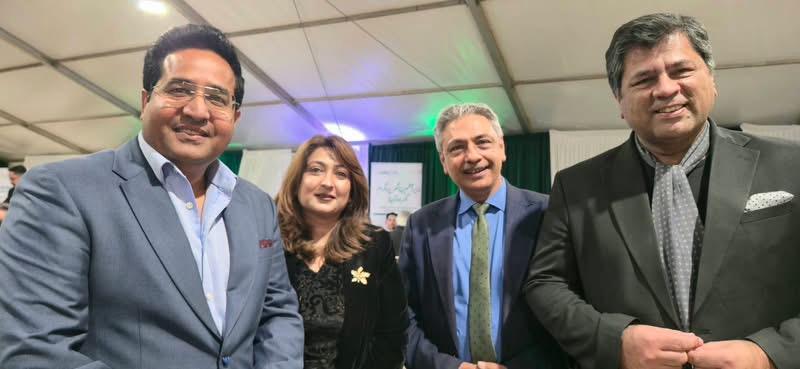
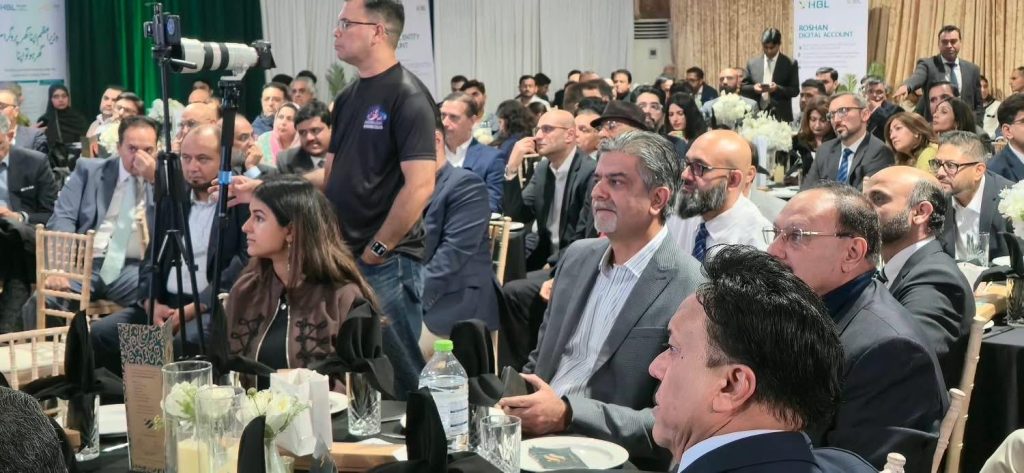
LONDON: Pakistan High Commission London, in collaboration with HBL Pakistan, hosted a distinguished Pakistan Diaspora Leaders’ Evening, bringing together prominent British-Pakistani leaders, entrepreneurs and bankers.
The event was attended by H.E. High Commissioner Tipu Usman and Mr Muhammad Nassir Salim, President & CEO of HBL, as Chief Guests.
The session highlighted investment opportunities in Pakistan, financial solutions for overseas Pakistanis, philanthropic initiatives and secure digital banking through the Roshan Digital Account.
The High Commissioner reaffirmed the Government of Pakistan’s commitment to empowering the diaspora to contribute to Pakistan’s economic growth and development.
The initiative strengthened UK–Pakistan economic ties and encouraged greater collaboration, investment and engagement with the British-Pakistani community.

Polanski Stands by Green Party’s Controversial “Zionism Is Racism” Declaration
Political desk
LONDON: Green Party leader Zack Polanski has reaffirmed his decision not to overturn the party’s controversial declaration that “Zionism is racism”, insisting that the policy will remain in place until at least 2028, despite mounting political criticism.
Polanski said he would not attempt to reverse the decision but hoped to amend aspects of the policy, particularly its support for establishing a single Palestinian state across historic Palestine. He has indicated that he would prefer Israelis and Palestinians to determine their own political future.
The declaration was adopted at the Green Party’s annual conference in Brighton earlier this month, with 1,022 members voting in favour and 813 against. It defines Zionism as a form of racism and calls for a single democratic Palestinian state with Jerusalem as its capital.
Polanski, who did not participate in the vote, has defended the party’s position on Palestinian rights while insisting that criticism of the Israeli government must remain distinct from antisemitism. He has also pledged to ensure Jewish communities feel welcome and protected within the party.
The motion has provoked a strong backlash from Jewish organisations, senior political figures and some Green Party members. Chief Rabbi Sir Ephraim Mirvis condemned the declaration, warning that it threatened British Jews. Israel has also barred Polanski from entering the country following the party’s decision.
The controversy has intensified tensions between Labour and the Greens. Labour has instructed its local groups to end power-sharing arrangements with Green councils that refuse to reject the policy, raising questions about the future of cooperation between the two parties.
Former Green Party co-leader Adrian Ramsay has urged councillors to reconsider support for the motion where it threatens effective local government.
The dispute has placed Polanski under pressure to reconcile the party’s pro-Palestinian position with its commitment to opposing antisemitism and protecting Jewish communities. His proposed amendments may offer a route towards compromise, but the issue remains a significant political challenge for the Greens.