Analysis
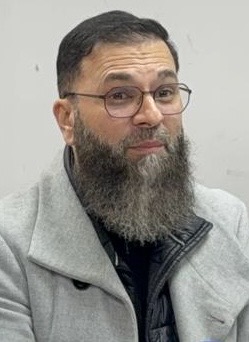
Saif Ali Khan:
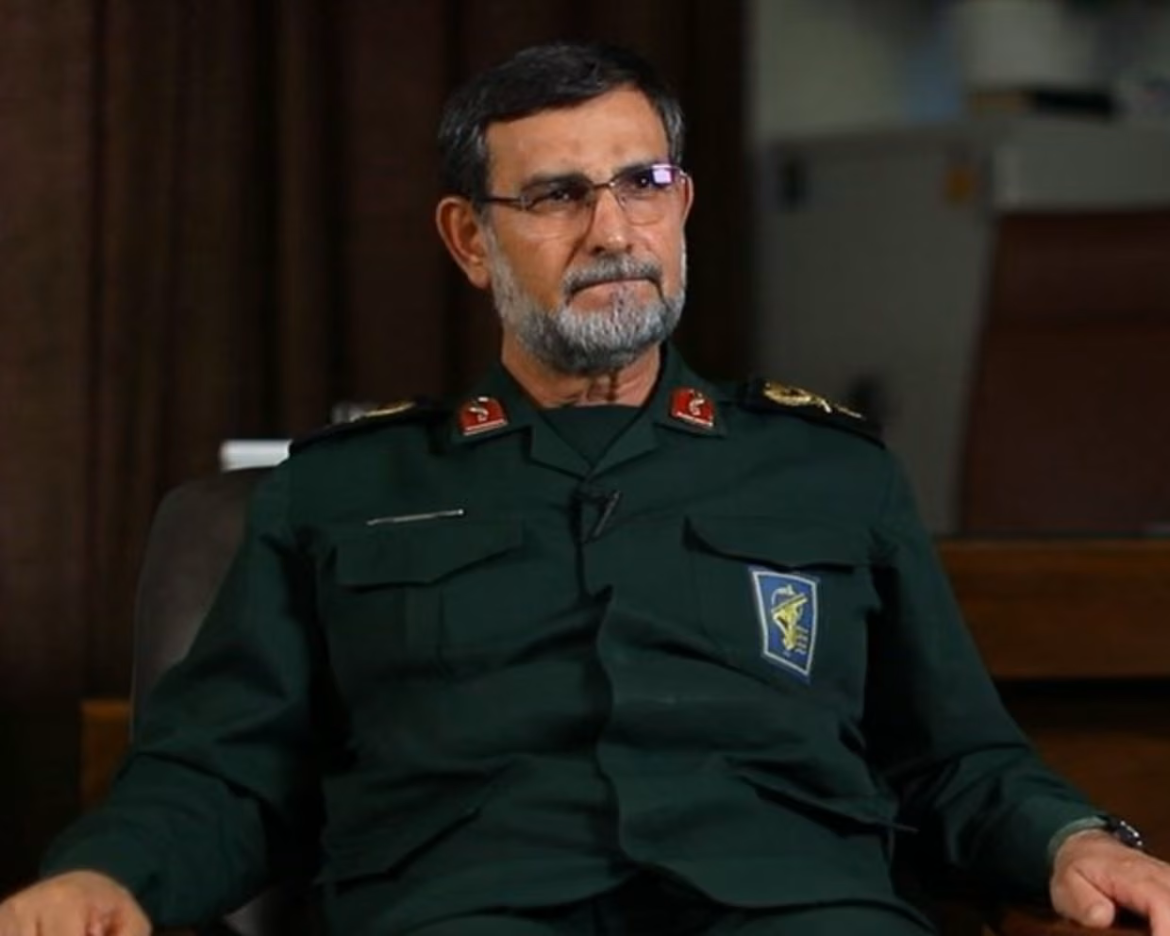
The ongoing conflict between Iran and the United States reflects a complex reality where war and the desire for peace exist at the same time as Israel says yesterday that it has killed an Iranian navy chief overseeing the blockade of the Strait of Hormuz, one of the world’s busiest oil shipping channels. Meanwhile, US President Donald Trump says Iran has been “militarily obliterated” and its negotiators have been “begging” to make a deal – Iran has denied that talks with the US are taking place.
The 2026 confrontation did not emerge suddenly it is the result of decades of mistrust, political rivalry, and disputes over nuclear power and regional influence. The conflict escalated into direct military action when the U.S., alongside allies, launched large-scale strikes on Iranian targets, prompting strong retaliation across the Middle East.
On one side, the logic of war is driven by security concerns and power. The United States aims to limit Iran’s nuclear and military capabilities, while Iran seeks to defend its sovereignty and assert regional influence. At the same time, there is a parallel desire for peace. Even amid ongoing strikes and threats, both sides have explored ceasefire proposals and indirect negotiations through intermediaries. However, these efforts often fail because each side demands conditions the other cannot accept, such as control over strategic regions or political concessions. Regional and global actors also reflect this duality. Countries in the Middle East and beyond are pushing for diplomacy, yet at the same time preparing for further escalation, fearing both the consequences of war and the risks of an unstable peace.
So, conclusion is the Iran–US conflict shows that war and peace are not opposites but often exist together. While military actions dominate the surface, underlying diplomatic efforts continue quietly. The future of the conflict depends on whether strategic interests or mutual survival push both sides more strongly toward continued confrontation or toward compromise.
UK
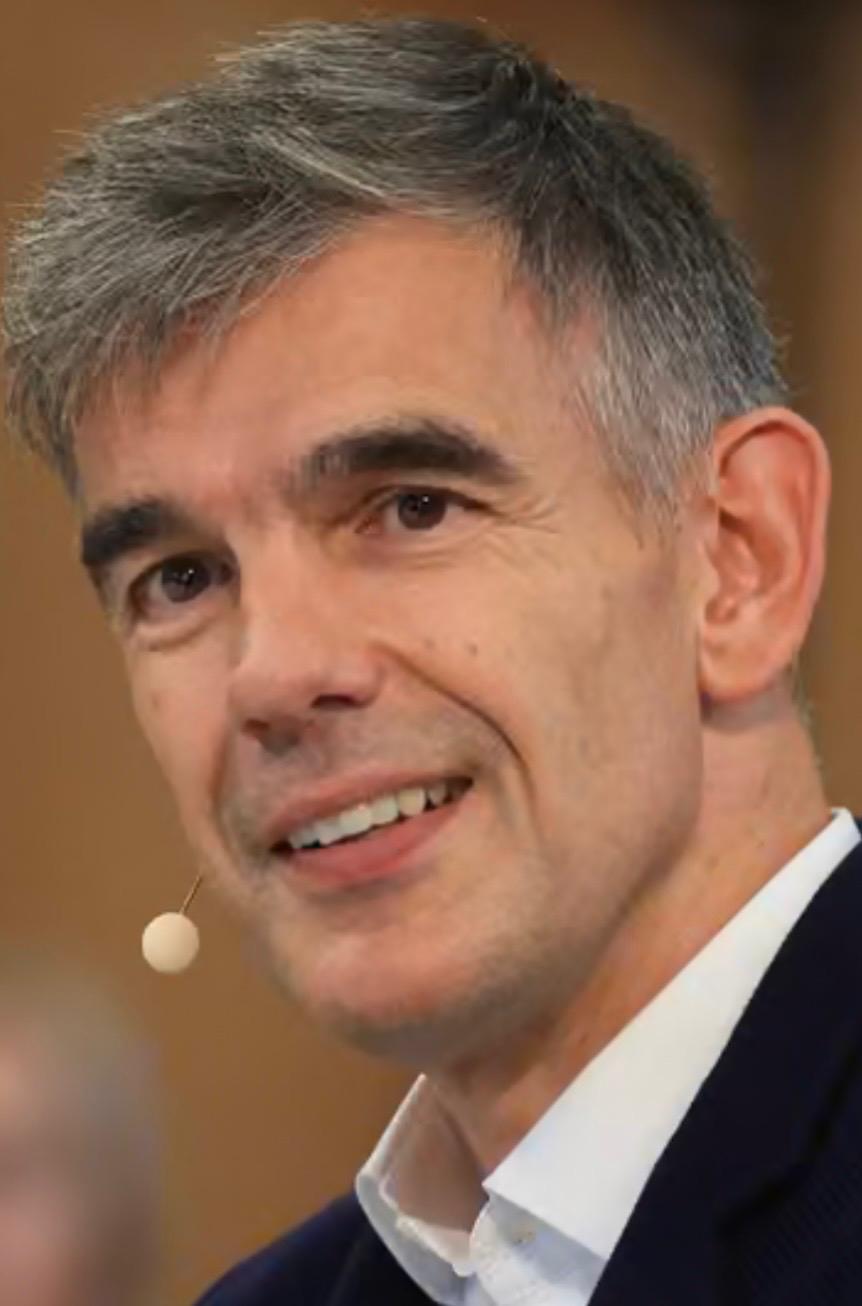
Former Google boss Matt Brittin appointed new BBC Director-General
Monitoring desk
The BBC Board has today appointed Matt Brittin as the 18th Director-General of the BBC. Matt, former President Google EMEA, will take over the role on 18 May.
The Director-General of the BBC is the Corporation’s chief executive officer and editor-in-chief. They are responsible for the creative, editorial and operational leadership of the BBC within the United Kingdom and around the globe.
As previously confirmed, Rhodri Talfan Davies will lead the BBC as Interim Director-General following Tim Davie’s departure on 2 April. During this period, Matt will undergo an onboarding process and begin detailed introductory meetings to get a full understanding of the business. Rhodri will have full executive responsibility until 18 May, when Matt begins his tenure. Matt joins the BBC at a critical time. The Government’s review of the Charter is underway, and it is clear there is need for radical reform of the BBC, its funding model and the framework in which it operates. The stakes for the BBC, and the future of public service broadcasting, have never been higher.
Matt joined Google in 2007 to lead the UK business and left in 2025 after heading their EMEA region for ten years. He previously worked in regional and national press and in consulting on media and technology. Matt served on the Board of Sainsbury’s for nine years and has just stepped down from the Board of the Guardian Media Group.
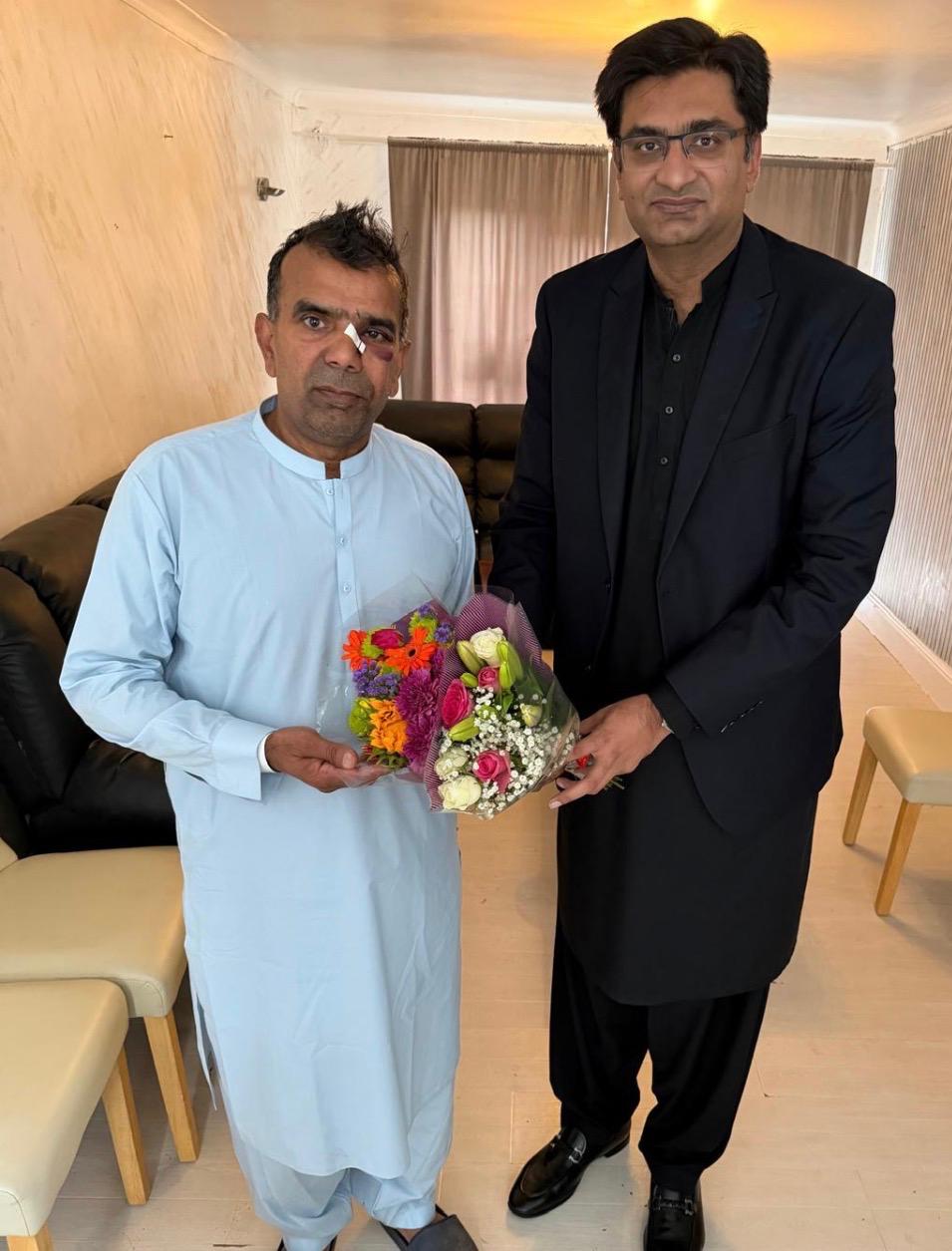
Pakistan’s Consul General in Birmingham Fahad Amjad visited Sardar Khan, a proud Pakistani who was violently attacked when he stood up for Pakistan at our National Day flag raising ceremony yesterday. Beside conveying our sympathies, he was assured of Consulate’s full support for the police investigation.
By Tajammul Gurmani
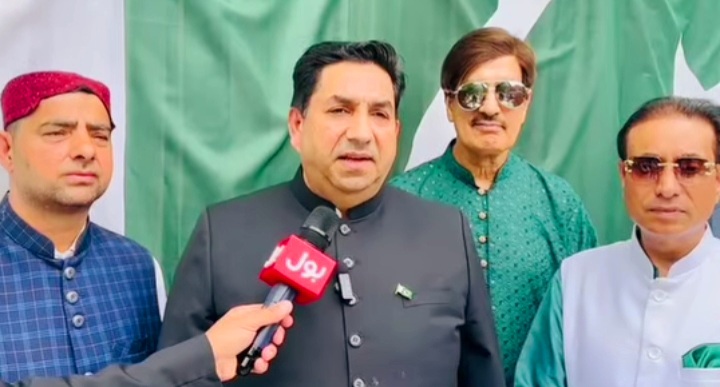
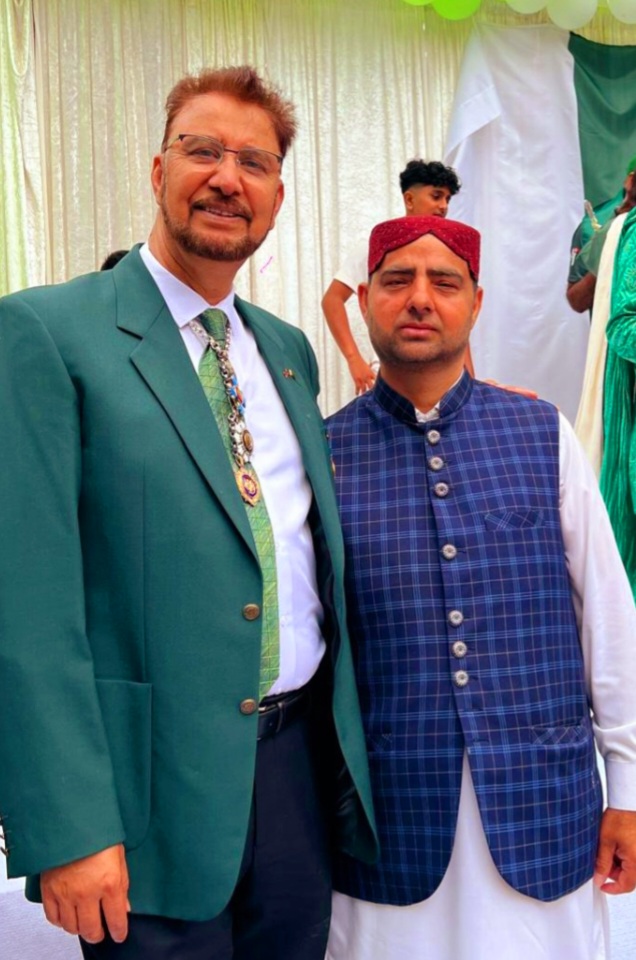
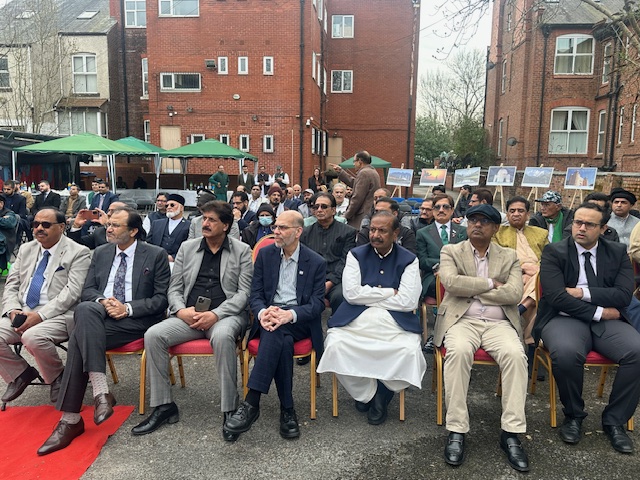
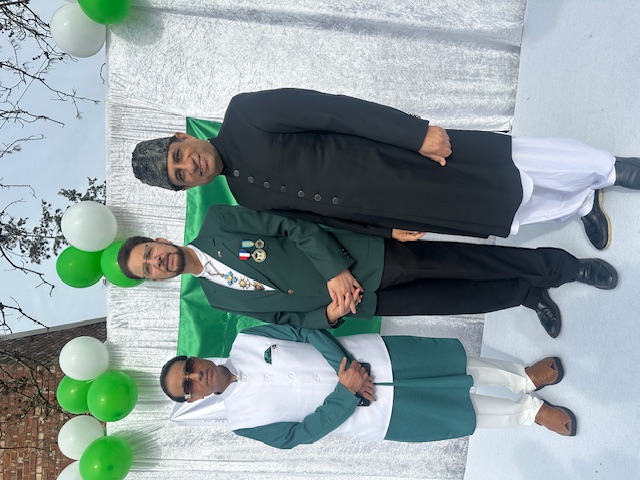
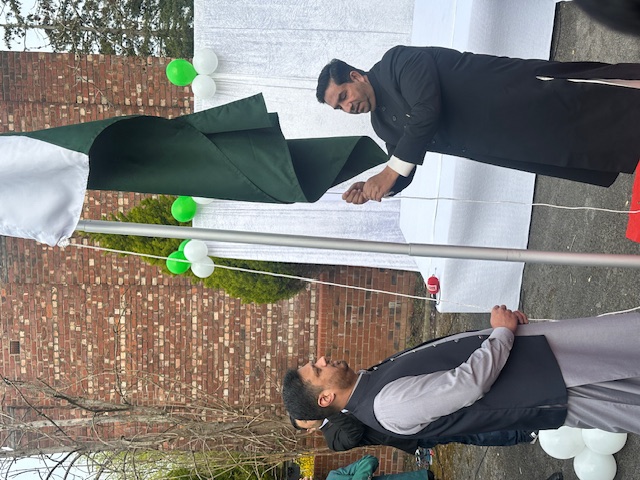
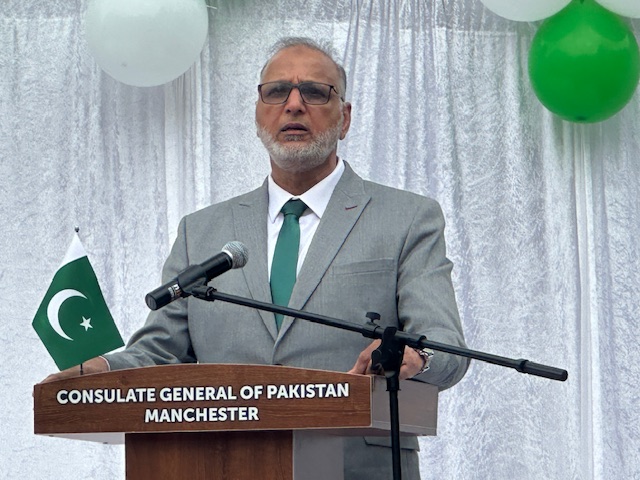
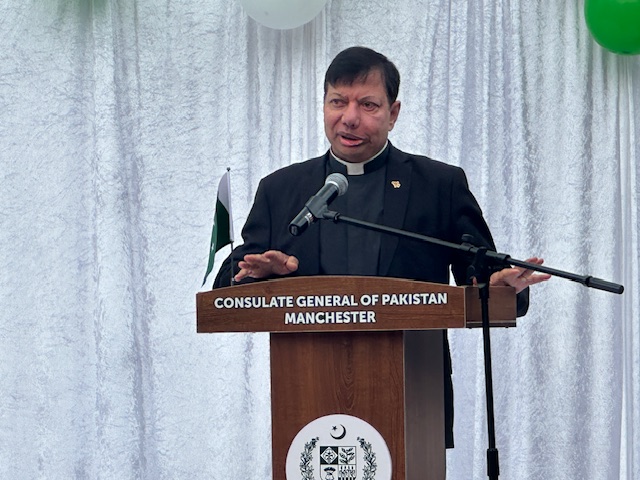
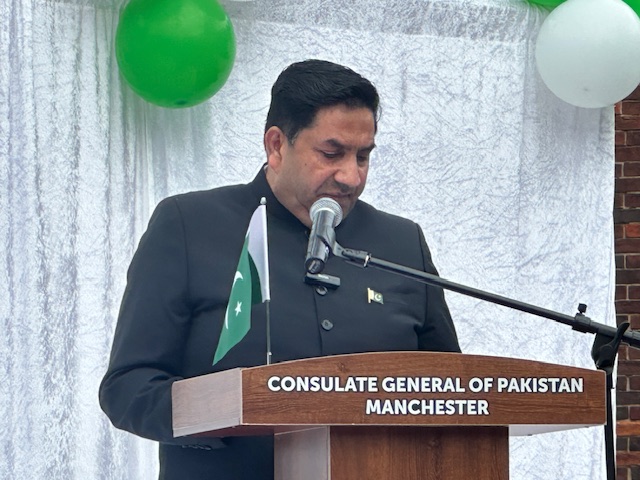
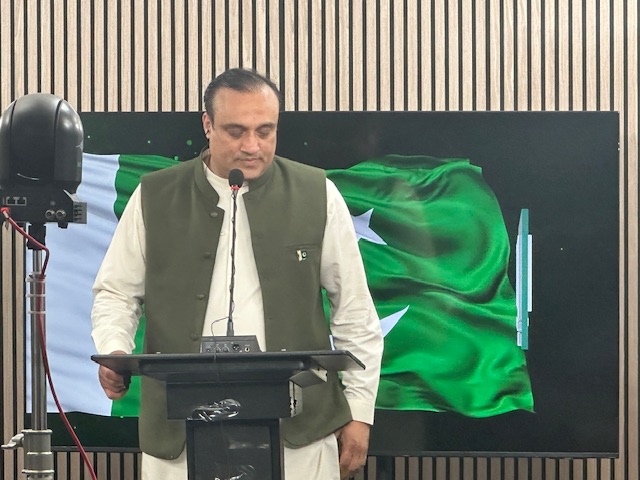
A flag-hoisting ceremony to commemorate Pakistan Day was held at the Consulate General of Pakistan in Manchester. Consul General Imtiaz Feroz Gondal hosted the event, while important personalities, including MP Afzal Khan, Abid Latif Chohan, Haroon Khattana, Cllr. Rabnawaz Akbar, Cllr. Shahbaz Sarwar, Cllr. Naeemul Hassan, Cllr. Shoukat Ali, Barrister Amjad Malik, Asif Butt, Tahir Siddique Choudhry, Dr Younas Parwaz, Awais Hussain, Nawaz Gondal, Iqbal Siddiqui, and Abdul Salam, attended the ceremony. A large number of people from all walks of life and community leaders were also present. The event started with the recitation of the Holy Quran by Dr Younas Parwaz, followed by the national anthem. Messages from the President Asif Ali Zardari and Prime Minister Shehbaz Sharif were also read out. MP Afzal Khan, Consul General Imtiaz Feroz Gondal, Cllr. Shoukat Ali, Cllr Tahir Rafique and Awais Hussain also addressed the gathering on this occasion. Consul General Imtiaz Feroz Gondal said that Pakistan Day is a memorable day and that Pakistanis are a proud nation. He stated that Pakistan desires peace in the region and with neighbouring countries but will not tolerate aggression. He added that the country is progressing economically and increasing its role in global trade. He encouraged British investors to build trade partnerships with Pakistan. He also informed that visa and identity card services at the Consulate are being improved, a new consular hall has been completed, and renovation work is continuing in phases. He appreciated the hard work and dedication of the Pakistani community in Manchester. Cllr. Shoukat Ali said that overseas Pakistanis should actively contribute to the development of their homeland. He added that Pakistan’s nuclear capability has strengthened the country’s security. He extended Pakistan Day greetings to overseas Pakistanis. Cllr. Tahir Rafique said that Pakistan’s map will remain incomplete until Kashmir achieves freedom and urged the United Nations and global powers to play their role. Father Falak Sher congratulated the nation on Pakistan Day on behalf of the Christian community and prayed for peace and justice in the country. He also paid tribute to the armed forces of Pakistan. Vice Chairman Overseas Commission Punjab Barrister Amjad Malik said that around 15 million overseas Pakistanis send £38 billion in remittances every year, playing a vital role in strengthening Pakistan’s economy. He appreciated the efforts of Pakistan’s armed forces in combating terrorism. MP Afzal Khan congratulated all participants and said that Pakistan has an ancient civilisation with historical heritage linked to Buddhist, Sikh, and Hindu traditions. He emphasised the need for unity to tackle racism in the UK and stressed that strengthening Pakistan’s defence and economy is essential for national stability.

Fake Law, Real Consequences Professional Duty in the Age of AI: A Line Drawn by the Courts

Ramsha Shahid
By Ramsha Shahid
London
In a decision that should unsettle every practising lawyer in England and Wales, the Upper Tribunal has delivered a stark warning: if you put fiction before a court, you should expect consequences. The judgment cited as [2026] UKUT 00081 (IAC) is already being talked about as a case on artificial intelligence. It is not. It is about professional discipline, and a profession that has grown a little too comfortable cutting corners.
The facts are almost surreal. Legal representatives cited authorities that did not exist. Not obscure cases or minor errors, but entirely fictitious decisions. What might once have been dismissed as careless drafting now reads as something more serious: a system beginning to rely on tools that sound authoritative without being accurate.
The Tribunal refused to let technology take the blame. This was not about AI. It was about lawyers forgetting the most basic rule of the profession: do not mislead the court. Whether an error comes from a junior fee-earner, a template, or a machine is beside the point. The responsibility sits squarely with the solicitor who signs off the work.
What is striking is where the Tribunal places culpability. The supervisor, not the junior, bears the greater burden. Failing to check and verify is treated as more serious than making a mistake oneself. That is a sharp reminder that supervision is not a formality. It is a duty.
The judgment also exposes a more uncomfortable reality. Modern AI tools are capable of producing answers that look entirely credible while being completely wrong. They do not appear flawed. They appear confident. And that is precisely why they are dangerous in a legal context, where accuracy is not optional.
There is another risk that many practitioners have overlooked. Feeding client documents into open AI platforms is not harmless efficiency. It risks breaching confidentiality and waiving privilege. In a profession built on trust, that is not a technical misstep. It is a serious ethical failure.
The Tribunal has responded by tightening the rules. Lawyers are now required to confirm that the authorities they cite exist and actually support the arguments being made. It is a small procedural change with significant implications. The court is no longer willing to assume that what is put before it has been properly checked. For clients, particularly in immigration cases, the stakes are high. These are not abstract errors. They affect real people, often those least equipped to challenge them. If the system tolerates inaccuracy, it risks losing the confidence of those it is meant to protect.
As a practising lawyer, this decision feels overdue. The profession has been edging towards a culture where convenience risks overtaking care. This judgment pulls it back. It reminds us that the standard has not changed.
The law does not accept “almost right”. It demands that it is right.
Bureau report:
Manchester:
The launching ceremony of DM News Urdu was held in Manchester, while the channel also started test transmissions. The channel has also received its official license. During the ceremony, a national anthem prepared by artificial intelligence was presented. Syed Qamar Raza, Chairman of the Overseas Pakistanis Commission (OPF), attended the ceremony as chief guest, while important personalities, including Dr. Liaqat Malik, Father Falak Sher, Chaudhry Abdul Kareem, Haroon Khattana, Cllr. Shaukat Ali, Cllr. Tahir Rafiq, Chaudhry Khalid, Mahmood Asghar, Dr. Yunus Parwaz, Saeed Ullah Mudabbir, Rana Zia, Syed Khalid Abbas, Chaudhry Malik, Chaudhry Mehboob, Chaudhry Anar, Raja Shamim, Tajammul Gurmani, and other community leaders, also attended the event.
Dr. Liaqat Malik, Chief Executive of DM News, said that test transmissions have started, and formal transmissions will begin in September. He added that the idea for the channel came during India’s aggression and that this TV channel will become the voice of the British Pakistani community in the UK. He said he is not earning financially from this work but is serving the community. Dr. Malik also said that the channel will air documentaries about Pakistan’s national heroes, including Quaid-e-Azam Muhammad Ali Jinnah, Allama Iqbal, Zulifqar Ali Bhutto, and Dr. Abdul Qadeer Khan, highlighting their contributions. During the ceremony, the AI-produced national anthem was also played.

Chairman OPF Syed Qamar Raza congratulated the DM Digital team for starting Urdu transmissions and said that overseas Pakistanis are a pride for the country. He also mentioned that remittances from overseas Pakistanis will be increased to $40 billion per year to strengthen Pakistan’s economy.
Bureau report:
Manchester:
Central Mosque, Victoria Park, Manchester, opened its doors to all, and around 105,000 Muslims from different ethnic backgrounds visited the mosque during the month of Ramadan to offer prayers, including Taraweeh, and to attend community iftars. People from different faiths were also invited to the mosque to share the iftar meal with Muslims. These activities were carried out under the leadership of the mosque’s Chairman, Hammad Khan.
Speaking to The London Post, the Finance Secretary and Trustee of the mosque, Sohail Anwar Kaushal, said that more than 12,000 people offered Eid prayers at the Central Mosque on Eid day, where five Salat al-Fitr congregations were arranged. He added that during the 29 days of Ramadan, about105,000 people attended the mosque in one way or another, whether for Jummah, Taraweeh or daily prayers. He further stated that around 21,000 people were provided with meals at the masjid during this period. Additionally, 1,400 people attended the children’s iftar, while over 1,200 participated in the open iftar, which is organised as an interfaith event. “We had a considerable number of people coming through the doors of the mosque this month,” he added.

Speaking about ongoing development projects, he said that £105,000 has been spent on improvements, including replacing the roof, upgrading the car park, and heating system. The lift was also refurbished, costing around £70,000. The ladies’ wudu area and the kitchen have likewise been upgraded. “In the next 12 months, we intend to spend £395,000 on air conditioning units and a new vehicle for the mortuary,” he concluded.
By our city reporter:
The British Pakistani diaspora turned out in great numbers, showing enthusiastic participation at the Chand Raat festival, beautifully organised by Marya Events and held at the prestigious Royal Nawaab, Perivale, West London.
Distinguished guests included H.E. Syed Qamar Raza, Chairman BOG of the Overseas Pakistanis Foundation; Hon. Alderman Mushtaq Lasharie CBE (TWS); Mian Saleem, President PPP Greater London; Atta Ul Haq, Chairman of the Labour Asians Society and Founder of Samara Events UK; Cllr Pritam Grewal, former Mayor of Hounslow; Cllr Dr Gull Murtaza Raja; Iftikhar Qaisar (travelogue writer and author); journalists Wajahat Khan and Azhar Javed; Mona Baig, Secretary General TWS-UK; TikTok star Jia Khan; Tahira Butt; former Councillor Mahboob Chaudhry; singers Sima Syed, Shafaq Ali, Suhail Salamat, and Nisa B; along with Sheraza Khan, Fariha Quddus, Dr Shahzad Qureshi, Meher Tahir, Haroon & Sidrish Ehsan, Emman, Saima, Najad, Noor, Pinky, Sahiba, Shagufta, and Mohammad Waheed.
A heartfelt thank you to Rumessah Maria Saroya of Marya Events for creating such a wonderful opportunity for the community to celebrate Chand Raat and enjoy the festive spirit of Pakistan here in West London.
We Strive to Spread True Islam and Combat Extremism in Europe and the World: Dr Munir Al-Qadiri
By Amr Roshdy:
Egypt:
The Qadiriyya Budshishiyya Sufi order has recently been very active in Europe, organising a series of spiritual and intellectual events in several European capitals. These events are part of its efforts to promote the values of moderation and tolerance, strengthen the culture of coexistence, and counter extremist and hateful rhetoric.
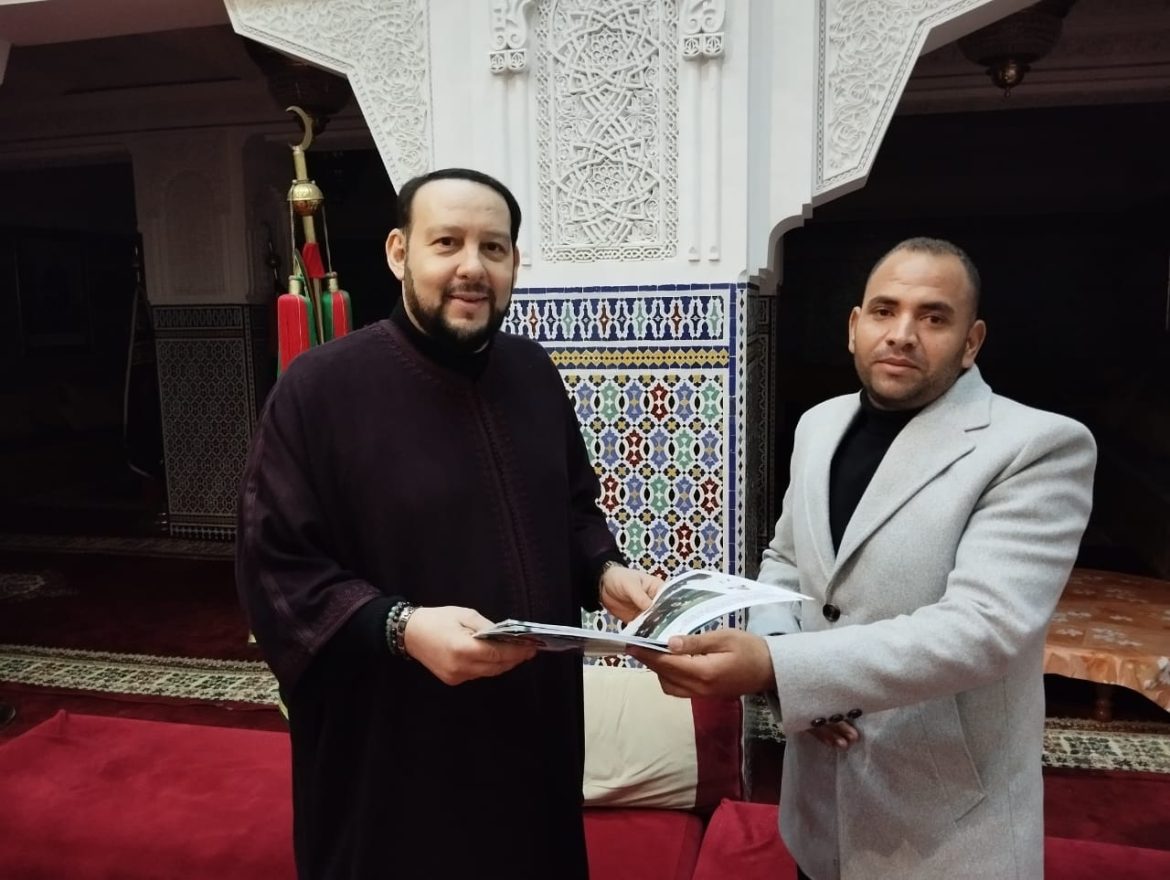
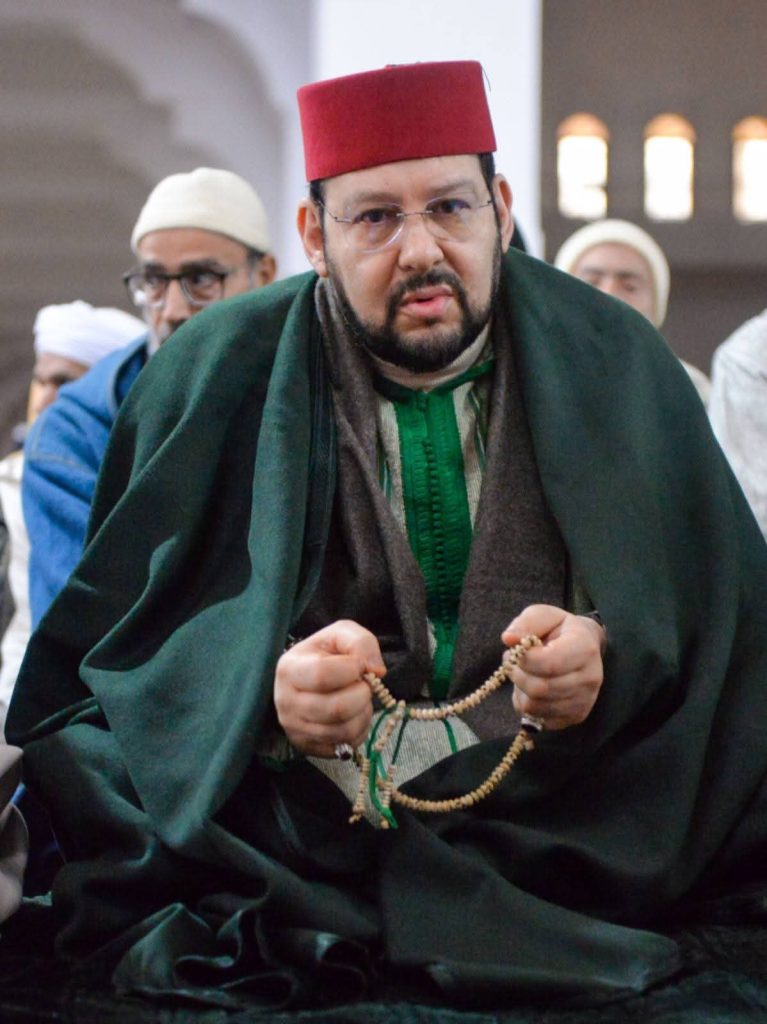
In this context, Dr. Munir al-Qadiri Budshishi, Sheikh of the Qadiriyya Budshishiyya order and President of the Euro-Mediterranean Center for the Study of Islam Today in Morocco and the Muslim world, told the London Post that these initiatives are “a response to the urgent need within European societies for a balanced religious discourse that restores the spiritual dimension of Islam and highlights its authentic values based on mercy, love, and peace.”
He explained that the events, held in several European cities, included intellectual gatherings, academic seminars, and open spiritual evenings, featuring researchers, thinkers, and religious figures from diverse backgrounds, and focused on deconstructing extremist rhetoric and promoting intercultural and interreligious dialogue.
Dr. Qadiri Boudchich added that “the Qadiri Boudchichi Sufi order has been working for years to establish an open Islamic model that aligns with universal values, respects the specificities of European societies, and contributes to the positive integration of Muslims within them. The Boudchichi order strives to introduce people to true Islam and combat extremism, especially in Europe.”
He pointed out that “the challenges facing European societies today, particularly in light of the growing tendencies toward isolationism and extremism, necessitate the combined efforts of various actors, including religious, academic, and civil institutions, to establish an alternative discourse based on wisdom and insight.”
He also emphasized that “the activities organized by the order were not limited to the spiritual aspect alone, but also addressed issues of youth, identity, and citizenship, stressing the importance of involving rising generations in building a future characterized by coexistence and mutual respect.”
In this context, he affirmed that “young people represent a fundamental stake in the battle against extremism, and therefore we are committed to their intellectual development.” Spiritually, and to protect them from extremist rhetoric that exploits their vulnerability or feelings of marginalization.”
He added that “the increasing participation in these events reflects a growing awareness among broad segments of European society of the importance of the spiritual dimension in achieving psychological and social balance, especially in light of the successive crises the world is witnessing.”
He emphasized that “Sufism, as a moral and educational school, is capable of providing profound answers to the questions of contemporary humanity, through its call for love, service to humanity, and the pursuit of inner and outer peace.”

He also pointed out that “confronting extremism cannot be achieved solely through security approaches, but also requires profound intellectual and cultural work that addresses the roots of the phenomenon and offers a convincing alternative for young people.”
He noted that the Euro-Mediterranean Center for the Study of Islam today is keeping pace with this dynamic through research and training programs aimed at qualifying imams and religious figures and equipping them with the necessary knowledge to engage with the challenges of the European context.
In a related context, Dr. Al-Qadiri Boudchich affirmed that “the dialogue between Religions and cultures form one of the cornerstones of our work, as they contribute to dismantling stereotypes, building bridges of trust, and strengthening the values of shared citizenship.
He also called for supporting serious initiatives that promote a culture of peace and encouraging cooperation among various stakeholders to counter hate speech and exclusion.
He concluded his statement by emphasizing that strengthening social peace in Europe requires investing in people, cultivating conscience, and instilling ethical values, which contributes to building more cohesive and harmonious societies.
These efforts are part of a comprehensive vision that seeks to present Islam in its civilized and humane form and contribute to building societies characterized by spiritual security and social stability.