By our political correspondent:
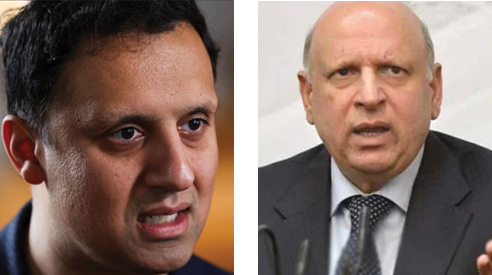
Scottish Labour leader Anas Sarwar has publicly condemned his father, Mohammad Sarwar, for praising Iran’s late supreme leader Ayatollah Ali Khamenei, killed in US-Israeli air strikes. Mohammad Sarwar, a former MP and Punjab governor, called Khamenei a “martyr” and a “strong voice of resistance”, comments his son labelled “wrong” and “deeply” disagreed with. The row comes amid heightened Middle East tensions, with Sarwar urging de-escalation and supporting limited UK cooperation with US defensive operations against Iran.
UK
Bureau Report:
Manchester:
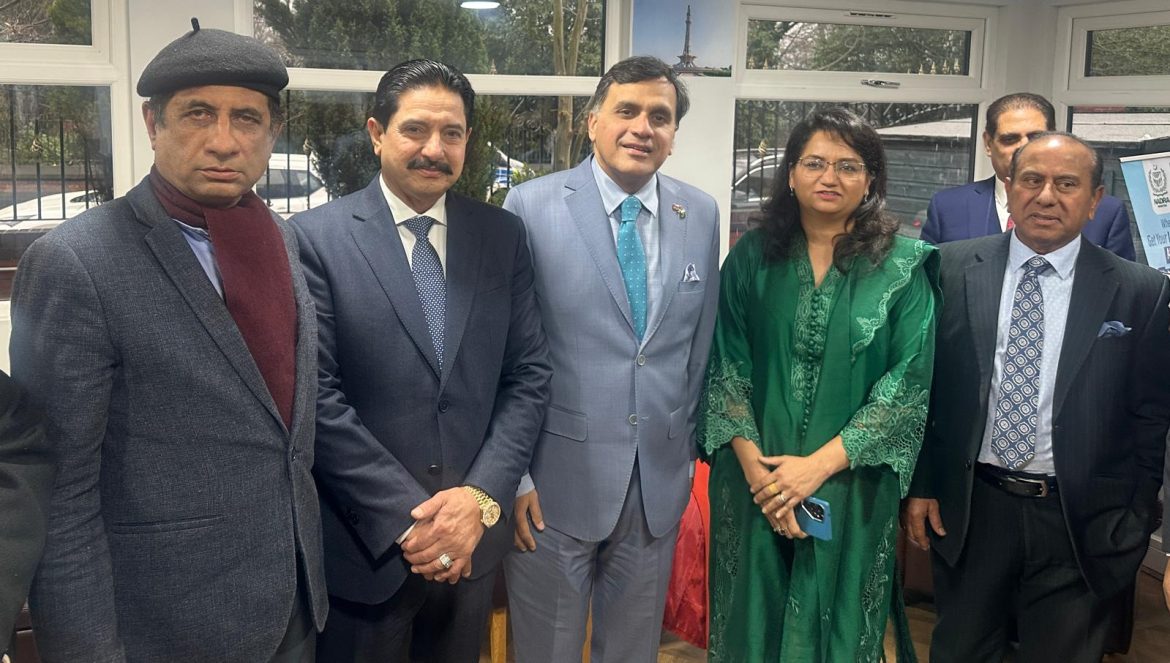
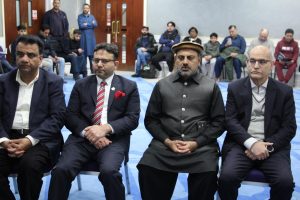
High Commissioner of Pakistan UK Dr Muhammad Faisal, has said that no state in the world allows illegal immigrants to live in their country. It is a policy decision that Afghan nationals should return to their own country. Pakistan would not extend cross-border tensions with the neighbouring country of Afghanistan and is trying to resolve this conflict as soon as possible. He was speaking to the local media after inaugurating the new Consul Hall at the Consulate General in Manchester. A simple and impressive ceremony was held at the Consulate General. MP Afzal Khan, Chairman Overseas Pakistan Foundation (OPF) Syed Qammar Raza, MNA Ihsan Bajwa, and Consul General Manchester Imtiaz Feroz Gondal addressed the event, while a large number of community leaders, including Haroon Khattana, Tahir Chaudhry, Mussarat Chaudhry, Cllr Naeemul Hassan and Cllr Rab Nawaz Akbar, also attended the function. Consul General Imtiaz Feroz Gondal said in his address that Phase 2 of the extension project will start in June. A new exhibition hall will be constructed, and a lift will also be installed for visitors, he added.
By our Staff reporter:
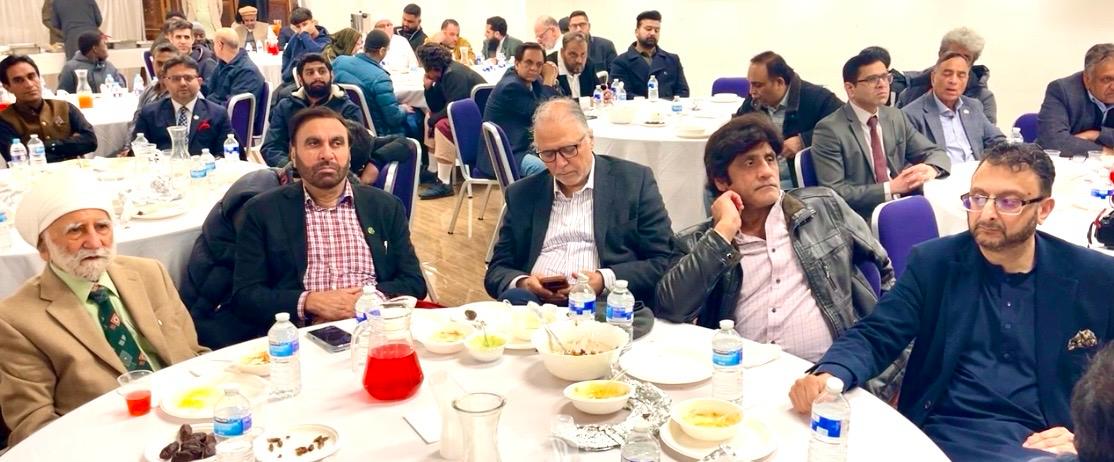
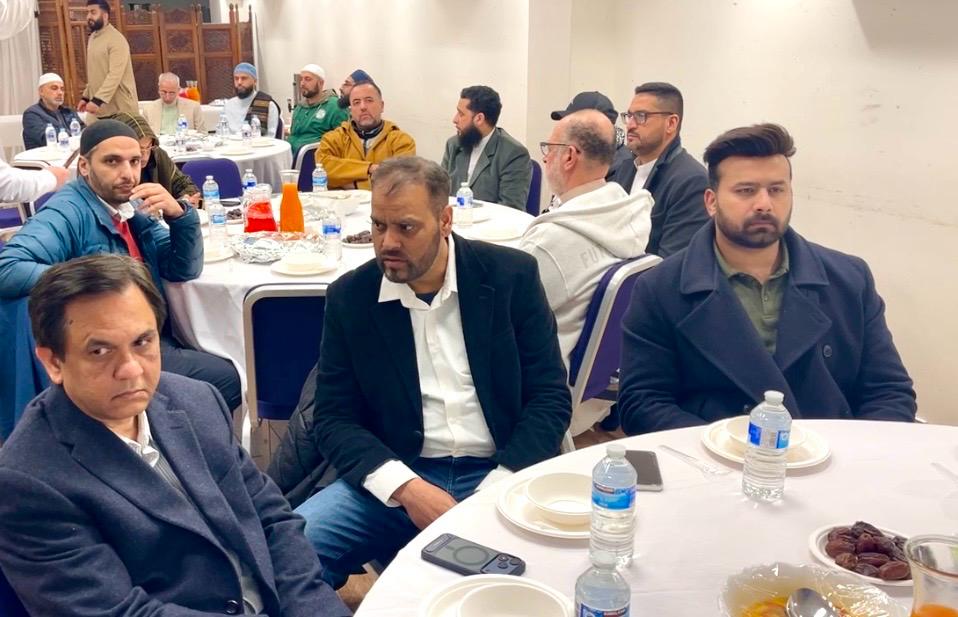
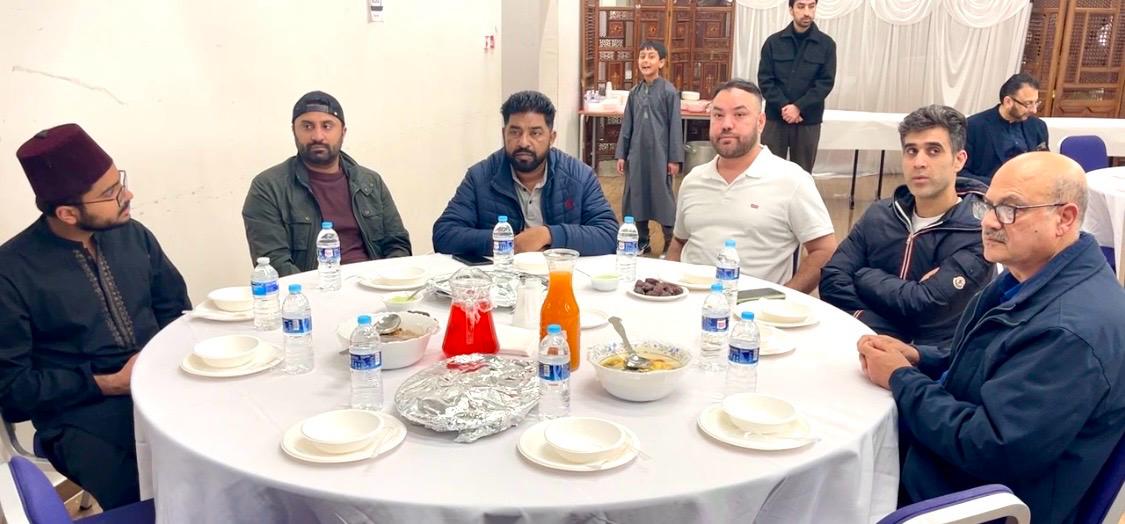
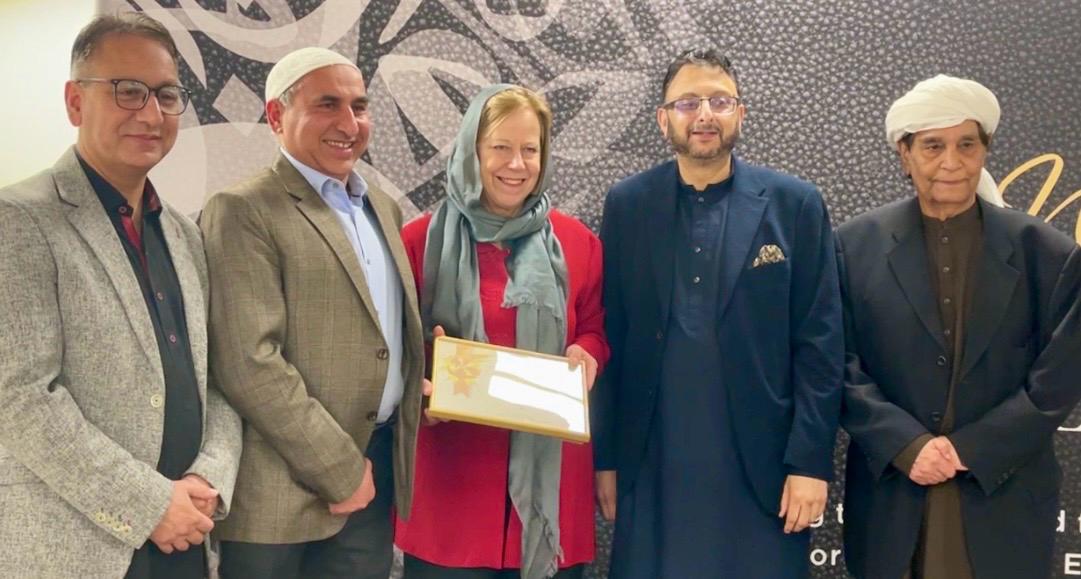
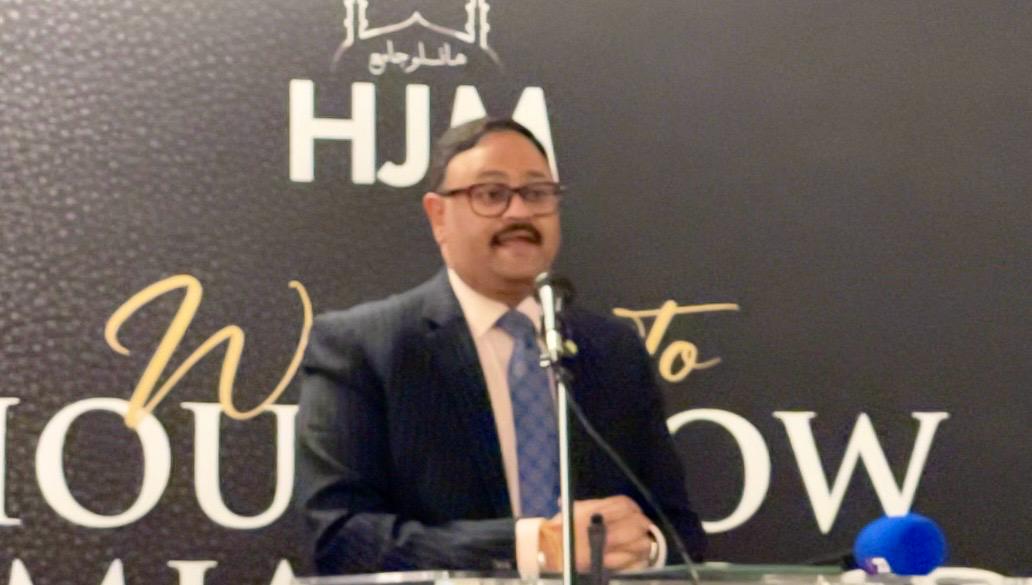
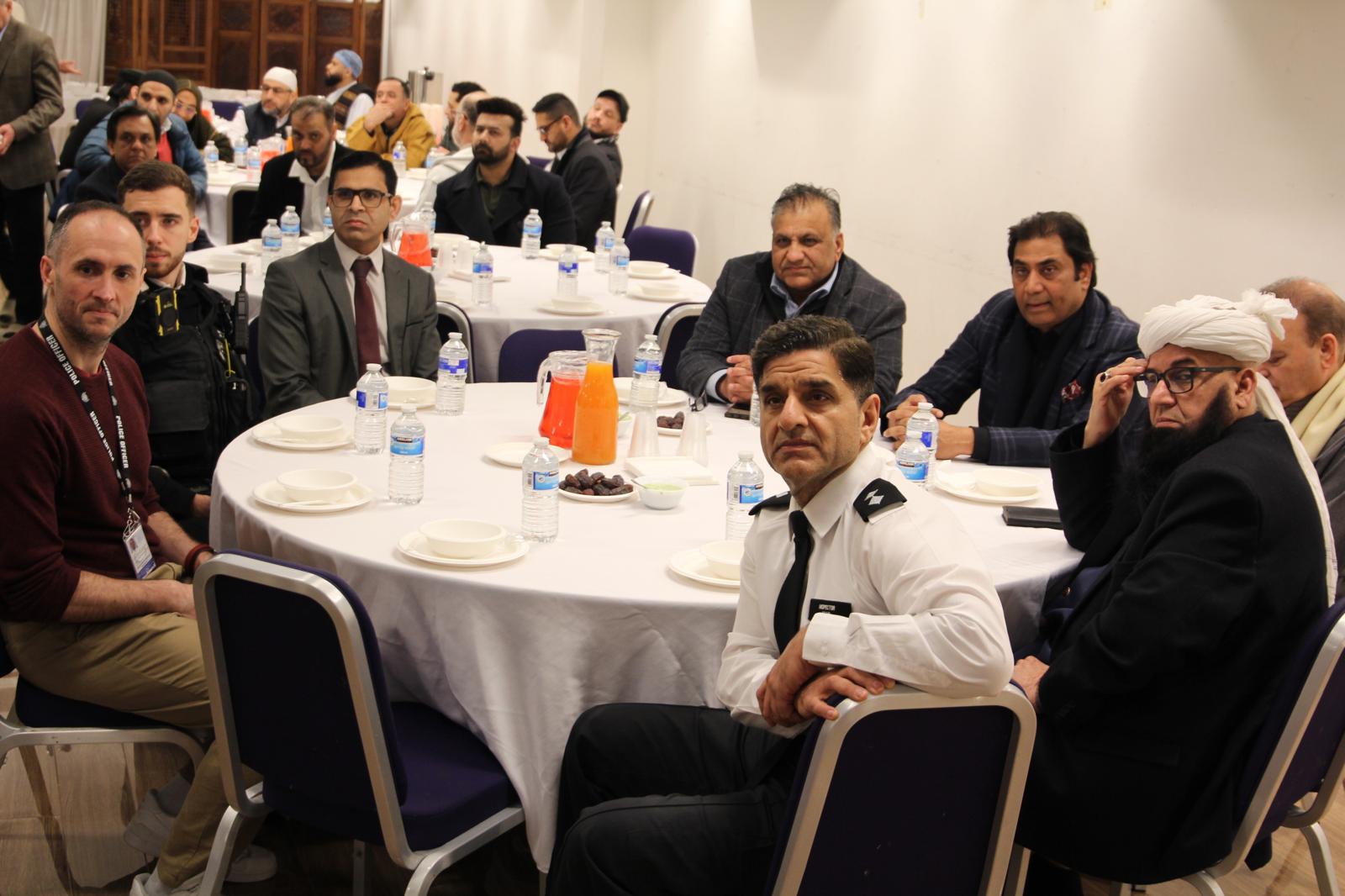
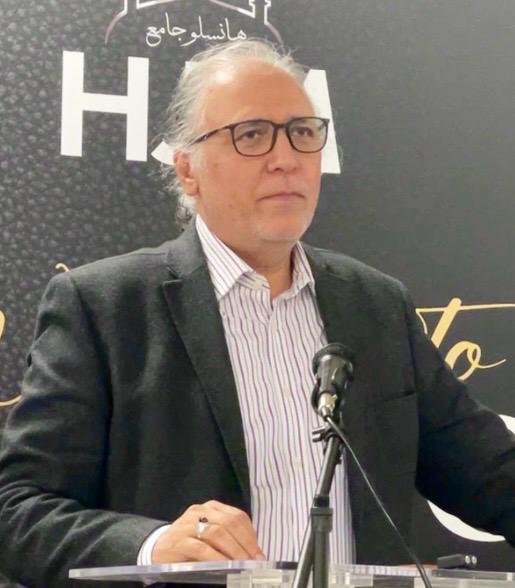
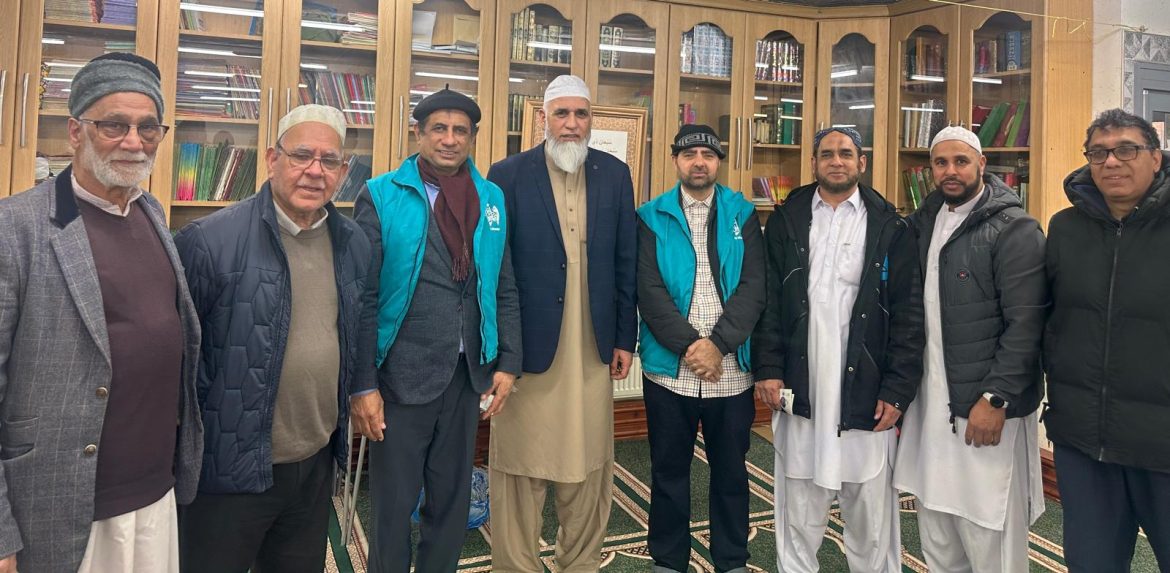
Shafiq Rehman, General Secretary of Hounslow Jamia Mosque, hosted a multi-faith Iftar dinner at Hounslow Jamia Masjid and Islamic Centre, which was attended by people from all walks of life in large numbers. Before the Iftar dinner, select members of the Pakistani and other communities expressed their views, highlighting the benefits of Ramadan and the true philosophy of fasting, and appreciated the spirit of the UK’s multicultural society to work together for the betterment of the community. On this occasion, Member of Parliament Ruth Cadbury, Charanjit Singh, Chair of Hounslow Friends of Faith, Solicitor Dr Tahir Wasti and Leader of Hounslow Council, Councillors Shantanu Rajawat also spoke. At the end of the event, the host Shafiq Rehman thanked all the attendees.

Students from Oxford University arrived for interactive session at Pakistan High Commission UK
By City reporter:
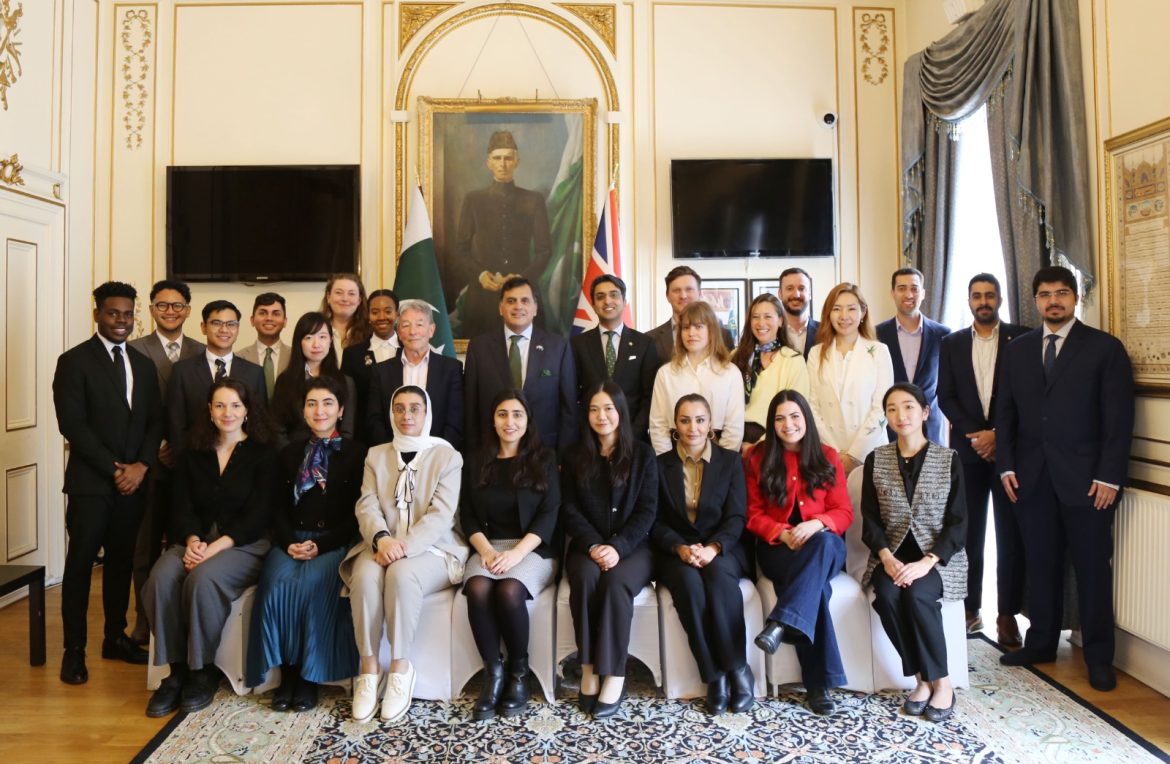
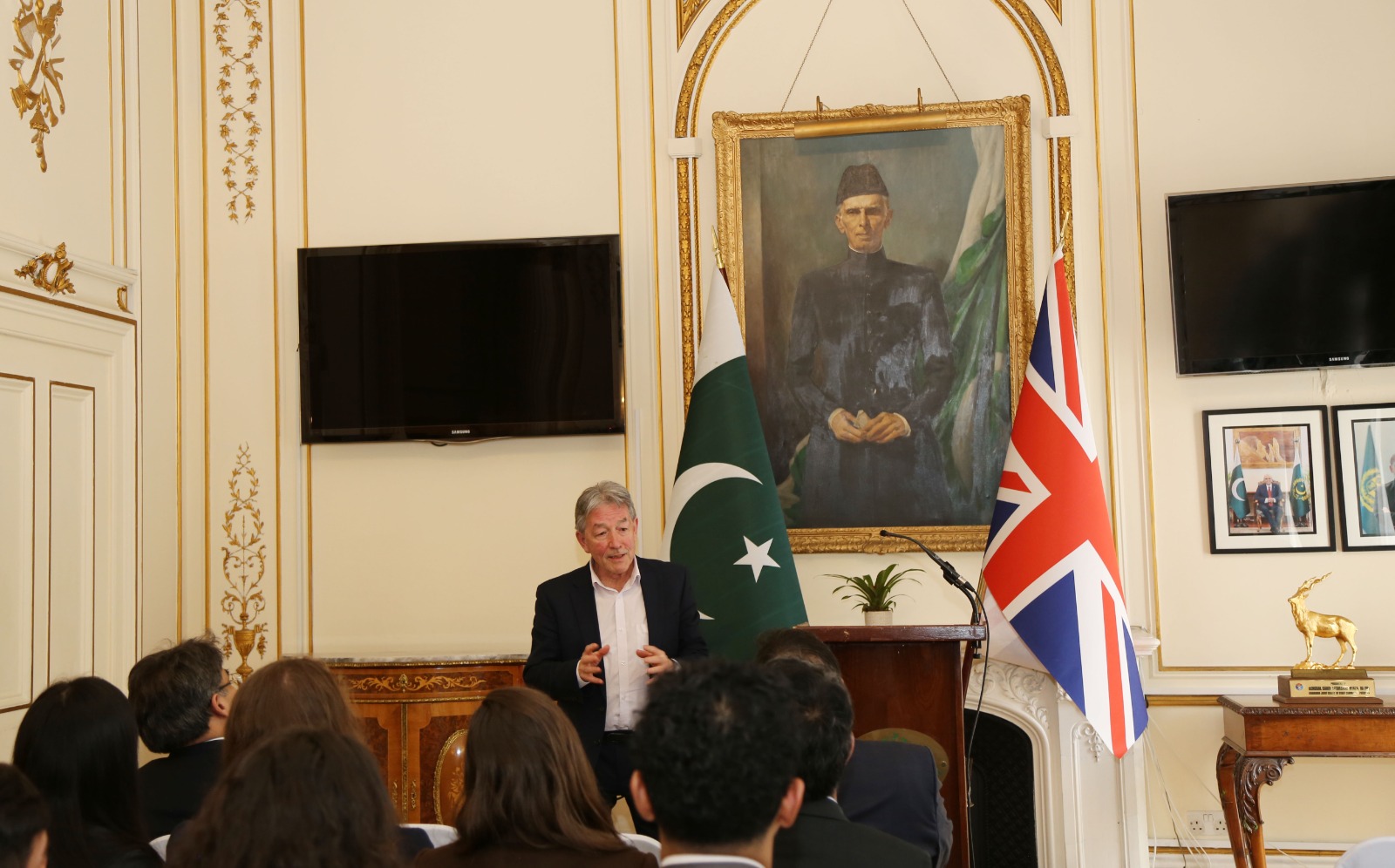
The Pakistan High Commission London hosted a large group of students from the Oxford Diplomatic Studies Programme, University of Oxford for an interactive session on Pakistan’s foreign policy and its perspective on important global issues. The visiting group, comprising accomplished professionals from diverse fields related to diplomacy, represented a wide range of countries and professional backgrounds.
High Commissioner Dr Faisal addressed the students,
sharing his insights on Pakistan’s foreign policy priorities and challenges within a rapidly changing geopolitical landscape, Pakistan-UK relations, Pakistan’s economic potential and contributions to regional and global peace. The High Commissioner also highlighted Pakistan’s rich and diverse cultural heritage. The High Commissioner’s remarks were followed by a free flowing Q&A session.
The High Commissioner responded to a wide range of queries from the students, further enriching the exchange of views and fostering greater understanding of Pakistan’s foreign policy perspectives.

By Erum Masood Global Media Journalist:
On this special day, March 8th, we celebrate the incredible women who inspire and uplift us all across the globe. International Women’s Day shines a spotlight on their achievements, struggles, and the powerful impact of their empowering presence, inspiring future generations.
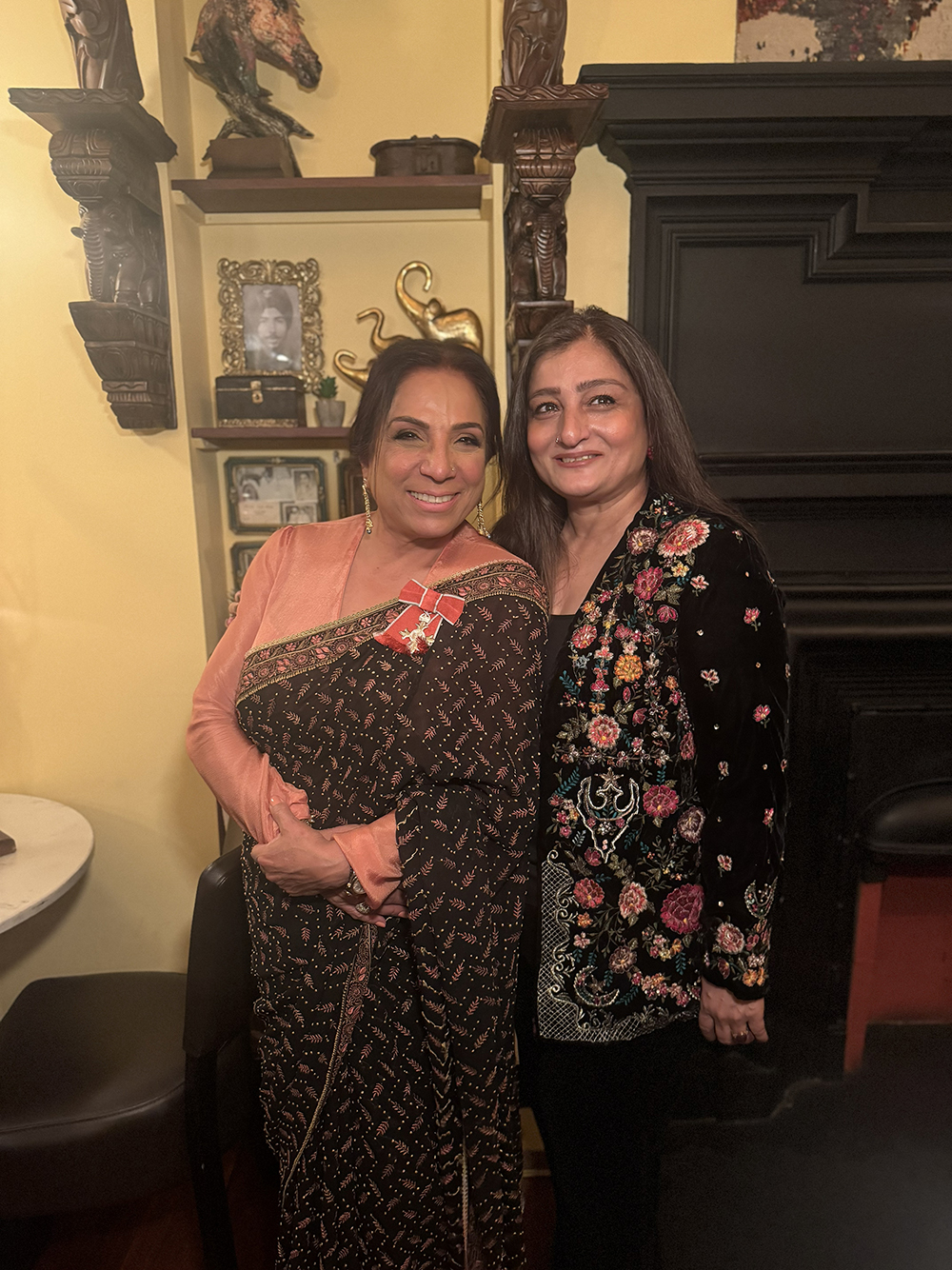
I’ve had the privilege of supporting women in Pakistan, Morocco, and the UK, especially where women are celebrated not just for their origins but also for their strength and spirit. Today, I honor a truly remarkable South Asian woman, Global Woman Mani Kohli MBE, whose journey and accomplishments speak volumes. Her deep roots in PINDI, Pakistan, remind us of our shared heritage and the importance of women supporting each other, regardless of where they come from. As a leading figure in the fashion world, she has styled stars across the UK, Asia, and the US, always making women feel beautiful from within rather than just on the outside. S
She’s also passionate about raising funds and inspiring women entrepreneurs and small businesses, encouraging others to contribute with love and enthusiasm.
Meeting her through the British Asian Fashion Network was a transformative experience—she has truly become my personal fashion mentor. I was privileged to celebrate her MBE with her children and inspiring women from around the world—women who exemplify strength, talent, and kindness.
Today, the PINE Global Community honors women like Ghinaa Khan, Sana Kardar, Rabia Amir, Musarrat Jabeen, Misha Irshad, Maham Masood, Fakiha Fatima, Vinessa Phoebe, and Ramsha Khokar, who support and uplift each other every day.
Let’s celebrate Mani Kohli MBE and these amazing women—not just for what they do but for who they are: mothers, sisters, daughters, friends, and true sources of inspiration.
They make me strive to be a better person every day, simply by being wonderful. Women’s giving isn’t just about gaining; it’s about sharing their time, love, and themselves to create a kinder, brighter world!!!
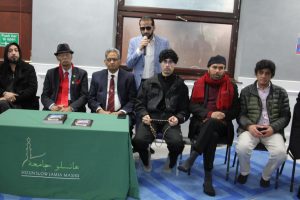
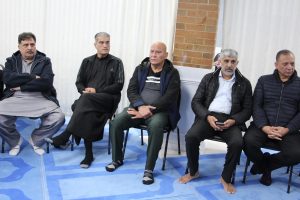
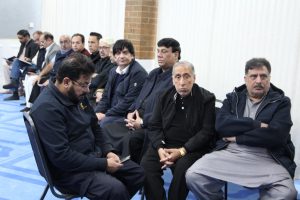
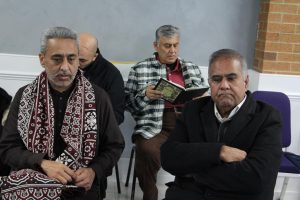
Funeral of the wife of “Pakistan Muslim League UK’s” Information Secretary Iqbal Sandhu was performed at Hounslow Jamia Mosque Hounslow London. A large number of deceased relatives and friends attended the event to pay their respects. Here are some pictures from the event.

Analysis Wajahat Ali Khan:
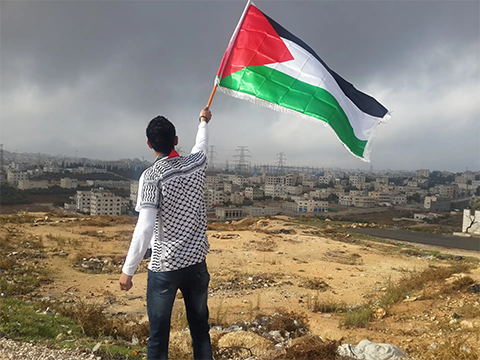
The future of Palestine remains one of the most complex and consequential questions in global politics. More than a century after the fall of the Ottoman Empire and decades after the start of the modern Israeli Palestinian conflict, the issue remains unresolved shaped by war, diplomacy, regional power struggles, and shifting international alliances. The modern conflict traces back to the early 20th century under the British Mandate. The creation of the state of Israel in 1948 led to war with neighbouring Arab states and the displacement of hundreds of thousands of Palestinians an event Palestinians refer to as the Nakba (“catastrophe”). Since the 1967 Six-Day War, Israel has occupied the West Bank and East Jerusalem, territories Palestinians seek for a future state.
Efforts to resolve the conflict have included the Oslo Accords in the 1990s, which created the Palestinian Authority and aimed to pave the way for a two-state solution. However, final-status issues borders, refugees, settlements, Jerusalem, and security were never resolved. The Palestinian Authority, which administers parts of the West Bank. This internal division complicates diplomatic negotiations and weakens unified political representation. Meanwhile, Israeli settlement expansion in the West Bank continues to alter facts on the ground, making territorial compromise more difficult.
Regional dynamics also play a role. Arab states such as the United Arab Emirates and Bahrain normalized relations with Israel under the Abraham Accords, shifting regional priorities and reducing collective Arab diplomatic pressure cantered solely on Palestinian statehood. The internationally endorsed framework envisions an independent Palestinian state alongside Israel, roughly based on pre-1967 borders with land swaps. While still supported by many global actors, including the United Nations, critics argue that expanding settlements and political fragmentation make it increasingly difficult to implement. Some analysts argue that the situation is drifting toward a single state between the Jordan River and the Mediterranean Sea, where Israelis and Palestinians live under unequal legal and political systems. This scenario raises profound questions about democracy, citizenship, and rights.
The most likely short-term outcome may be continued instability: periodic escalations of violence, humanitarian crises in Gaza, and limited diplomatic breakthroughs. In Gaza, repeated conflicts have devastated infrastructure, while restrictions on movement and trade have limited economic growth. In the West Bank, economic dependency and mobility restrictions persist. International aid remains crucial but insufficient for long-term stability. A sustainable future will depend not only on political agreements but also on rebuilding trust, strengthening institutions, promoting economic opportunity, and addressing security concerns on both sides.
Global powers including the United States, the European Union, and regional actors continue to influence developments through diplomacy, aid, and military support. However, geopolitical rivalries often overshadow sustained peace efforts. The future of Palestine is uncertain and deeply intertwined with Israeli politics, regional realignments, and global diplomacy. While the vision of peaceful coexistence remains widely endorsed, political fragmentation, entrenched mistrust, and shifting regional priorities complicate progress. Ultimately, the trajectory will depend on leadership decisions, grassroots movements, regional stability, and international engagement. For now, Palestine’s future stands at a crossroads shaped as much by political will as by historical grievance.
Bureau report:
Manchester:
Al Mustafa Welfare Trust collected funds from Wythenshawe Mosque during the Taraweeh prayer. Local people donated generously for food aid for Yemen, Sudan and Gaza. Mosque trustee Yusuf Mirza, admin Zain Sarfraz and volunteers also supported Al Mustafa on the occasion.
Student from four countries banned from obtaining British visas
News desk:
The UK government will stop issuing study visas to people from Afghanistan, Cameroon, Myanmar and Sudan from this month, Home Secretary Shabana Mahmood has said, as well as stopping skilled work visas to Afghans. The Home Office said the action was being taken due to what it said was widespread visa abuse. According to official figures, people from the four countries were the most likely to make an asylum claim after originally coming to the UK to study. “The government is clamping down on visa abuse so the UK can maintain its ability and proud tradition of helping those genuinely in need,” a government spokesperson added.
In its release, the government said asylum claims from people who had originally travelled to the UK legally – to do something like studying – had more than tripled between 2021 and 2025. Home Office figures showed that people claiming asylum off the back of a study visa make up 13% of all claims currently in the system.
Shabana Mahmood said she was “taking the unprecedented decision to refuse visas for those nationals seeking to exploit our generosity”. I will restore order and control to our borders.” The Home Office said a higher proportion of people than average from the four specified country cited destitution as part of their asylum claim, and there were 16,000 people from the four countries currently being supported. About 95% of Afghans who arrived in the UK on a study visa then applied for asylum since 2021, while applications by students from Myanmar increased 16-fold and claims by students from Cameroon and Sudan more than quadrupled.