Staff Reporter
The UK has seen a significant drop in net migration following the implementation of tougher rules, with figures falling sharply from record highs in 2023 to much lower levels by mid-2025, impacting work and study visas, and creating workforce challenges for employers, though debates continue the precise effectiveness and future trends.
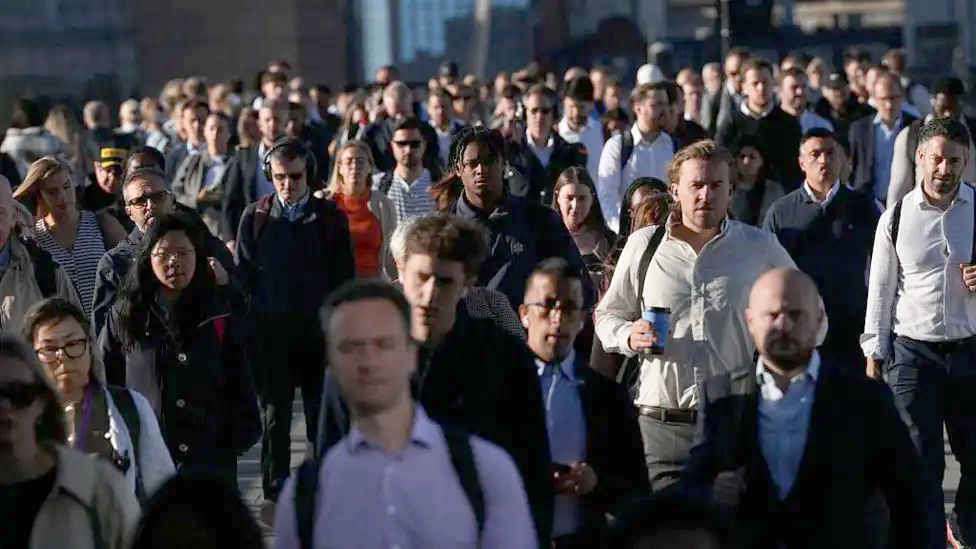
Net Migration Decline: Net migration dropped to 204,000 in the year to June 2025, a substantial decrease from the peak of 944,000 in 2023, driven by stricter visa requirements, higher salary thresholds, and bans on dependants for many routes.
Work & Study Routes Affected: Skilled worker visas saw a 46% reduction, with the health and care sector experiencing a dramatic 94% drop in new arrivals in late 2025 compared to earlier peaks. Workforce Challenges: This decline presents significant issues for UK businesses, forcing HR and talent leaders to rethink workforce planning in tight labour markets.
New Restrictions: Recent government policies, including a major overhaul in late 2025, introduced longer waiting periods for settlement, tougher integration standards, and restrictions on benefits, aiming to control legal migration.
Government View: The current government claims these measures are working to restore order to the immigration system, reducing numbers significantly.
Criticism: Some critics, like Labour MP Kim Johnson, warn of a potential crisis in health and social care sectors due to these cuts, mimicking policies of other parties.
While overall migration is down, predicting the exact impact on asylum claims is complex, though Denmark saw asylum application falls after similar restrictions. There have also been periods with fewer small boat crossings, though overall numbers for 2025 still surpassed many past years, indicating ongoing challenges in managing irregular migration.
UK
Israel to bar 37 aid groups as UK and EU warn of severe impact in Gaza
Israel is to revoke the licences of 37 international non-governmental organisations (INGOs) working in Gaza and the occupied West Bank, saying they failed to meet requirements under new registration rules. ActionAid, International Rescue Committee, Médecins Sans Frontières and Norwegian Refugee Council are among the aid agencies which will have their licences suspended on 1 January, with their operations to end within 60 days. Israel said they had, among other things, failed to hand over “complete” personal details of their staff. The INGOs said that could put them at risk. The move was condemned by 10 countries, which said the rules would have a severe impact on access to essential services. In a joint statement, the foreign ministers of the UK, France, Canada, Denmark, Finland, Iceland, Japan, Norway, Sweden and Switzerland said INGOs were integral to the humanitarian response in Gaza and that any attempt to stem their ability to operate was “unacceptable”. “Without them, it will be impossible to meet all urgent needs at the scale required,” they warned. The European Union’s humanitarian chief, Hadja Lahbib, said: “Israel’s plans to block INGOs in Gaza means blocking life-saving aid.” International humanitarian law “leaves no room for doubt: aid must reach those in need,” she added.
UN human rights chief Volker Türk called the INGO suspensions “outrageous” and “arbitrary”, and said they made “an already intolerable situation even worse for the people of Gaza”. The Humanitarian Country Team of the Occupied Palestinian Territory – a forum that brings together UN agencies and more than 200 local and international NGOs – urged the Israeli authorities to reconsider the registration decisions. It has said INGOs run or support most of Gaza’s field hospitals and primary healthcare centres, emergency shelter responses, water and sanitation services, nutrition stabilisation centres for children with acute malnutrition, and critical mine action activities.
By Amy Walker and David Gritten
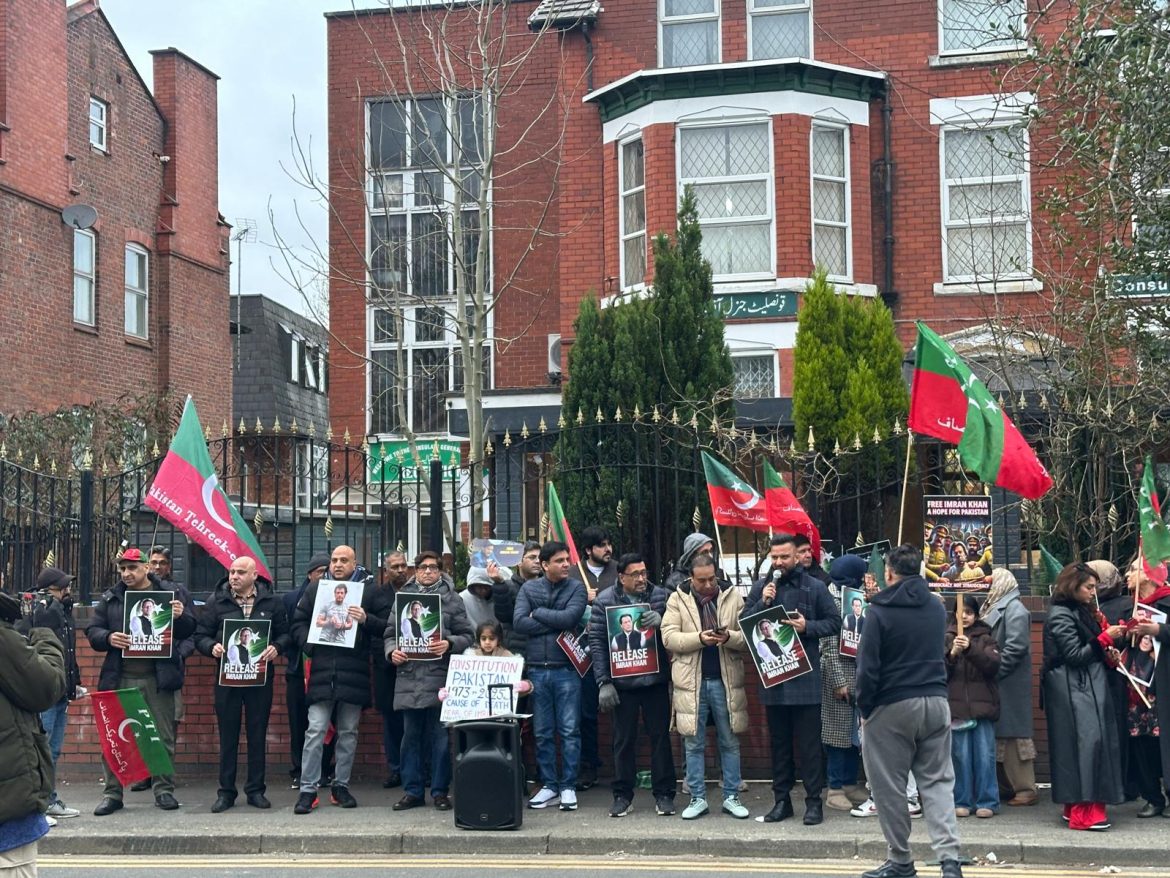
Manchester: (By Tajammul Gurmani) Pakistan Tehreek-e-Insaf (PTI) North West organised a protest outside the Consulate General of Pakistan in Manchester for the release of former prime minister of Pakistan and PTI founder Imran Khan. Former president of PTI North West Asif Butt led the protest, while Faree Butt, Bilal Hussain, Khalid Rehman and other leaders addressed the gathering. A large number of overseas Pakistanis attended the protest. The protesters also raised slogans in favour of their leader, Imran Khan. Asif Butt said that the Pakistani nation should come out on the roads against the illegal detention of Imran Khan. He said Pakistan is suffering from heavy debt from the IMF because the present regime has failed to control inflation in the country. Faree Butt said that Imran Khan has been illegally detained and that all cases against him are fake. He said they should raise their voices for his release, adding that peaceful protest is their right and they will continue this protest for the release of Imran Khan. Bilal Hussain said that the government needs accountability of corrupt generals, judges and bureaucrats, and that they must work within their parameters. The coordinator of PTI South West, Khalid Hussain, said that the Pakistani government sold PIA at a cheap rate and that the present rulers are not eligible to save national assets. “If the Pakistani nation comes out on the roads, Pakistan can get rid of the corrupt regime,” he added.
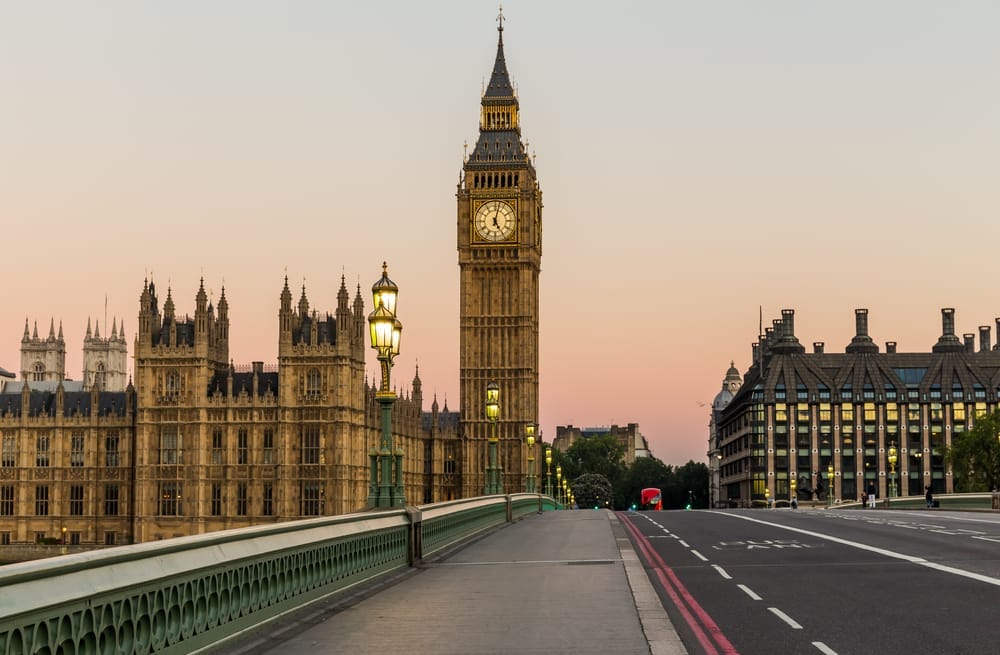
London: (By Chris Powell)The next general election will be no ordinary democratic contest. Not the usual swing of the pendulum this way or that. It will be a key moment in the history of our democracy – and it could be less than three years away.
Be in no doubt: populists represent a new and terrifying threat to the kind of free elections and free society we cherish but now take for granted. As Donald Trump declared at a pre-election rally in July 2024: “In four years you don’t have to vote again. We’ll have it fixed so good, you’re not going to have to vote.” Or, as his fellow populist Recep Tayyip Erdoğan, the Turkish president, said: “Democracy is like a tram. You ride it until you arrive at your destination, then you step off.”
Yet, here in the UK, where is the urgently needed counterplan on a huge scale to thwart and head off such an existential threat? It is simply not in place, nor does it appear to be even at the planning stage. We are at a very dangerous moment. We simply cannot afford to allow Nigel Farage’s Reform UK to have a free run and become established and entrenched as a credible potential government in the minds of disenchanted voters. The longer they go unchallenged, the more unthreatening and risk-free they will seem to voters. Just hoping that Reform and Farage implode, or that the right-wing vote will somehow fracture, is potentially suicidal for our freedom and democracy.
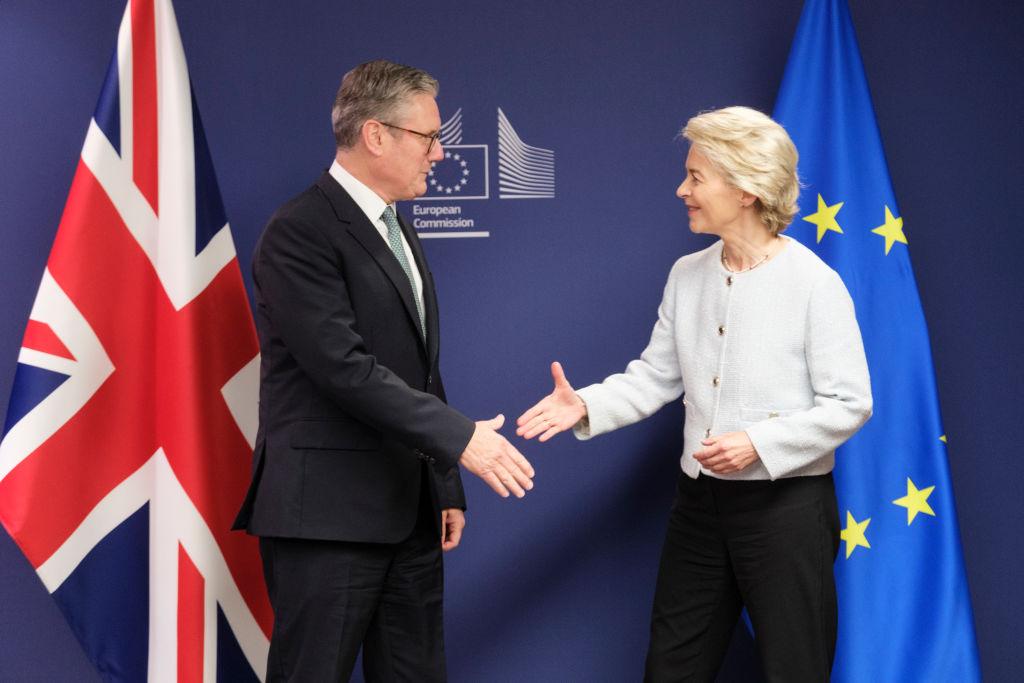
The Labour party has taken some small steps to counter Reform. Keir Starmer has at last begun to talk about a closer relationship with Europe, and more broadly challenge the disastrous failure that is Brexit. Presentationally, we have recently seen the first decent Starmer videos on TikTok. But it is small-scale and the narrative surrounding this government has more often been about its own failings and internal conflicts than the battle it faces against a populist surge.
If this goes on, the threat will grow. It is already doing just that on the international stage. The new US foreign policy strategy aims to support European populist parties. That is frightening. The 50-year-old Conservative Political Action Conference, reinvigorated by hard-right influencer Steve Bannon, brings populist parties in the US and Europe together to combine their electoral experiences and share initiatives. But what is there from the anti-populist side at European level? Nothing.

In September 1995, Tony Blair and his team met at my home for their first election planning meeting. All the key players were involved. New Labour was ahead in the polls. But we did not just hope that the Tories under John Major would continue to decline. We planned scrupulously for a complete reorientation, to signal a real break from the past by Labour: new strategy, new branding, new policy, new presentation, new organisation. This kind of no-holds-barred thinking is needed. A fundamental reset.
Once elected, several populists have faced accusations of rigging democratic political systems to make it nearly impossible for them ever to lose. Viktor Orbán in Hungary, Erdoğan in Turkey, Narendra Modi in India, now Trump in the US, Robert Fico in Slovakia and Andrej Babis in the Czech Republic all seem to adopt the same game plan.
Since he came to power in 2010, Orbán has changed the voting system to benefit himself. The judiciary became accountable solely to him; they appear to freely throw opponents in jail. Last year Erdoğan jailed his presidential opponent, Ekrem İmamoglu, who was ahead in the polls, and demanded he serve a 2,000-year sentence.
Some populists have been accused of meddling with national broadcasters, by appointing cronies to their board. They deny opposition parties equal rights to promote themselves, so they have no chance. This is the populist playbook. What chance then for our elections, our free speech? How will the BBC and independent media fare? An independent judiciary?
London:(By Staff reporter)No heat. No shelter. Just the cold and uncertainty.”
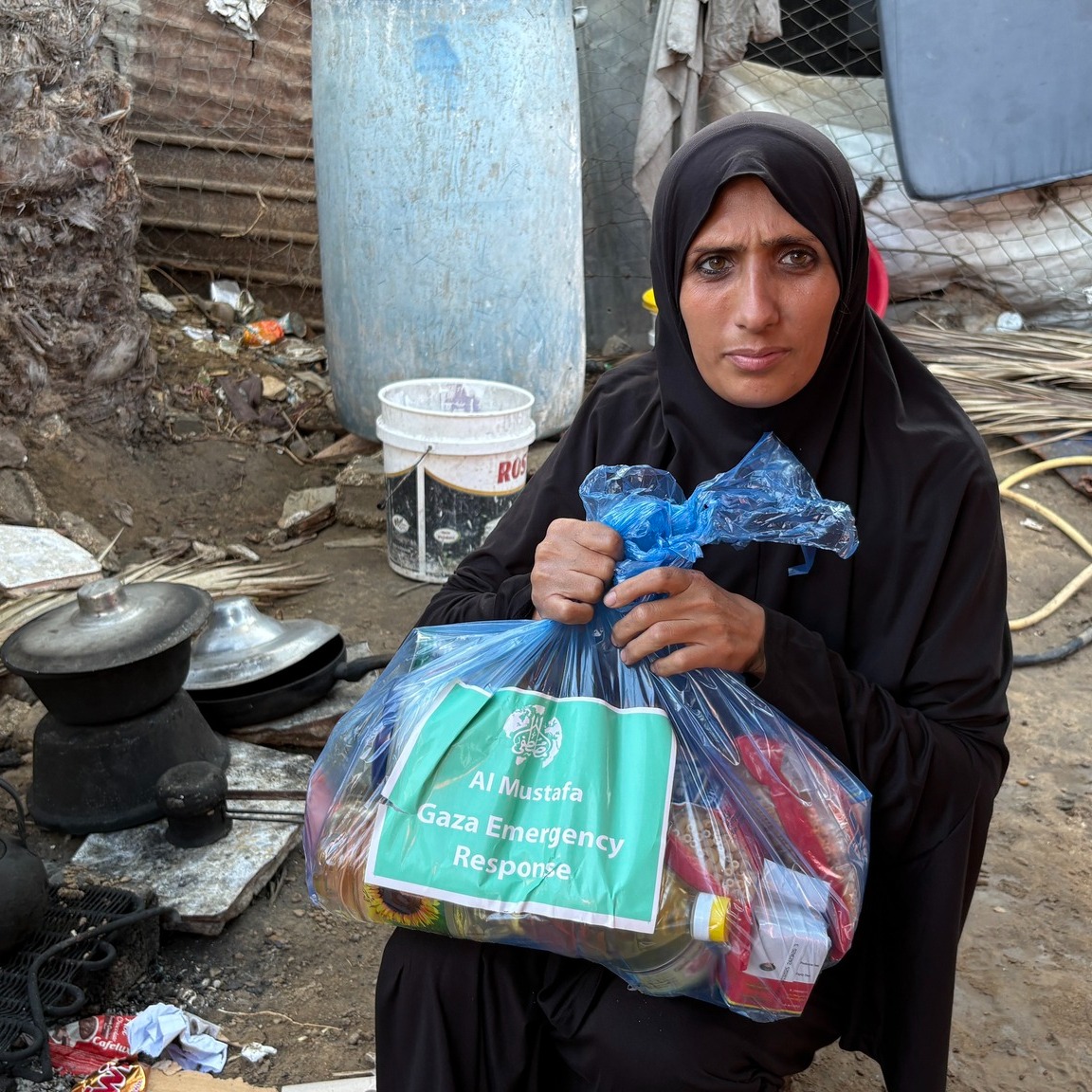
This is the harsh winter reality in Gaza as freezing nights and flooding tents make survival even harder.
Al Mustafa Welfare Trust is on the ground right now, working around the clock to deliver emergency winter aid, including blankets, warm clothing, hot meals, clean water, hygiene kits, and essential supplies to displaced families struggling to survive every day.
Tajammul Gurmani
Manchester
The renowned Pakistani folk singer Zeeshan Rokhari performed a live show at the Wythenshawe Forum Hall in Manchester. Other singers, including Tahir Rokhri, Mehwish, and local artists, also gave their performances. Community leaders Cllr. Shahbaz Sarwar and Asif Butt, along with a large number of people, also attended the event.
It was a presentation by Zulfiqar Ali. The audience enjoyed the musical event and said that it was an unforgettable night of music, as Zeeshan Rokhri, one of the most popular voices of Pakistan, performed live in Manchester. Known for his soulful vocals and heartfelt performances, Zeeshan Rokhri carries forward the legendary Rokhri family tradition, captivating audiences worldwide with his unique style of Punjabi and Saraiki music. It was the last show of Zeeshan Rokhri, and he later left for Pakistan after completing his UK tour.

Proposed changes to UK ILR include longer qualifying periods for some migrants
Staff Reporter
London
Under the proposed “Earned Settlement” model announced in late 2025, the standard qualifying period for Indefinite Leave to Remain (ILR) would increase from five years to a baseline of 10 years. This reform, first introduced in a May 2025 white paper and further detailed in a November 2025 consultation, aims to shift settlement from an automatic right to a status that must be “earned” through economic contribution and integration.
The proposed changes include varying timelines based on specific migrant categories and circumstances: Extended Qualifying Periods Low-Paid/Medium-Skilled Workers: Migrants in roles skilled below degree level (below RQF Level 6), including many in health and social care, could face a 15-year qualifying period.
Refugees: Those on “core protection” status could see their standard path to settlement extended to 20 years. Benefit Recipients: Claiming public funds for less than 12 months could add five years (total 15 years), while reliance for more than 12 months could add 10 years (total 20 years). Irregular Entry or Overstaying: Individuals who entered the UK illegally or overstayed for more than six months could face a wait of up to 30 years. Maintained or Reduced Periods: High Earners: Those earning over £50,270 for three years may still qualify after five years, while those earning over £125,140 could qualify in three years. Global Talent and Innovators: These routes would generally maintain a three-year path to settlement.Family and Hong Kong BN(O): Immediate family members of British citizens and those on the Hong Kong BN(O) visa are expected to retain their five-year pathway.
Public Service: Doctors, nurses, and teachers in specified public sector roles may still be eligible for settlement after five years.
Key Deadlines and StatusThe Home Office is conducting a formal consultation, “A Fairer Pathway to Settlement,” which is open until February 12, 2026. If adopted, the new rules are planned for implementation starting in April 2026. Current Status: These changes are not yet law; existing five-year and 10-year (long residence) ILR routes remain in place until the rules are officially amended. Retrospectivity: The government has proposed applying these changes to everyone currently in the UK who has not yet received ILR, though transitional arrangements for those already on a path to settlement are under review.
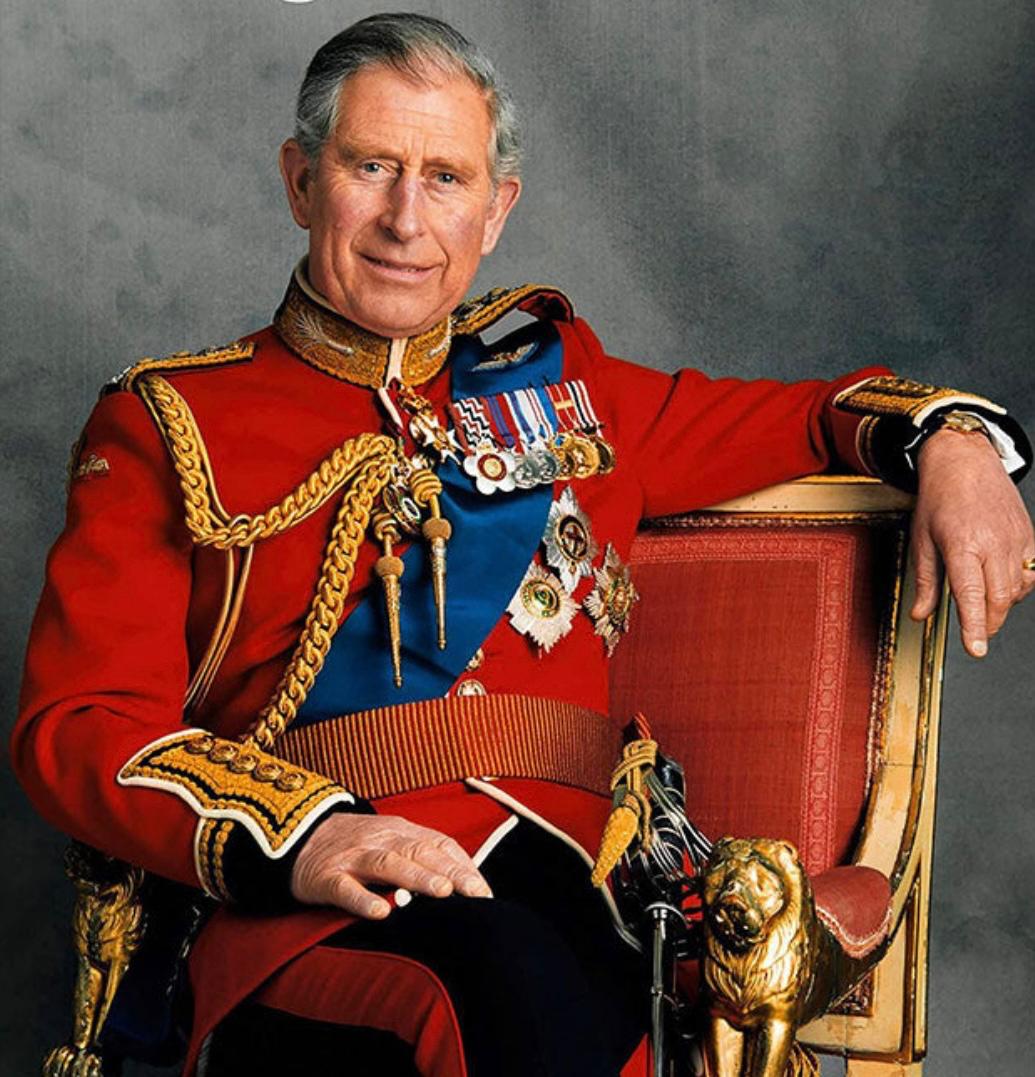
King Charles has used his Christmas message to call on communities to come together in an increasingly divided world, urging them to get “to know our neighbours”.
His traditional speech, recorded in Westminster Abbey, called on themes of unity and respect in a time of global conflict.
“Indeed as our world seems to spin ever faster, our journey may pause to quieten our minds, in TS Eliot’s words, ‘at the still point of the turning world’ and allow ourselves to renew,” he said. The speech included a call for quiet and calm as “our world seems to spin ever faster”, with King Charles quoting poet TS Eliot’s words about finding the “still point of the turning world”.
A royal aide said this was a reference to the social impact of new technologies on communities, and that people might consider a “digital detox”.
For the second year, the message was delivered in a location away from a royal palace, the King using a chapel in the abbey to talk about life’s “pilgrimage” and the lessons for current times.
In front of Christmas trees originally used for the Princess of Wales’s carol concert at the Abbey, he spoke of the importance of community cohesion and bridging divides.
“As I meet people of different faiths, I find it enormously encouraging to hear how much we have in common,” said the King, speaking under the chapel’s famous vaulted ceiling.
“With the great diversity of our communities we can find the strength to ensure that right triumphs over wrong.” He praised the wartime generation’s “courage and sacrifice” and their togetherness in the face of adversity, with the broadcast showing pictures of this year’s commemorations marking 80 years since the end of World War Two in Europe and the Far East. “These are the values which have shaped our country. “As we hear of division, both at home and abroad, they are the values of which we must never lose sight,” said the King.
Local Government Secretary Steve Reed has written to all council leaders in England warning them not to introduce four-day working weeks.
As reported by the Telegraph, the letter is understood to say that “council staff undertaking part-time work for full-time pay without compelling justification would be considered an indicator, among a wide range of factors, of potential failure”. He added that he hoped he had made the government’s policy “unambiguously clear to all councils”.
A Labour source said “Voters deserve high standards and hard work from local councils, and seeing council staff working a four-day week just won’t cut it.”
“They should get on with the job and make sure residents get the best service possible five days a week,” the source added. In the letter to the councils, which was reported by The Telegraph, external, Reed says that local authorities should not be offering “full-time pay for part-time work”. Reed previously expressed his “deep disappointment” in the first UK council to adopt a four-day working week.
South Cambridgeshire District Council, which is led by the Liberal Democrats, became the first to make a permanent move to a four-day week in July after it began trialling a shorter working week in 2023. Reed said there had been a decline in performance in the council’s housing service and he asked how the local authority would “mitigate” this.
The government can intervene in any council if it is deemed to be failing. Last year Prime Minister Sir Keir Starmer also rejected civil servants’ demands for a four-day working week. Critics of a four-day week say it would reduce productivity and slow economic growth but others disagree.
A trial in the Scottish public sector this year found an increase in productivity and improvements in staff well-being. The Autonomy Institute, which was commissioned by the Scottish government to co-ordinate the pilot, found that 98% of staff judged morale and motivation to have improved. Helen Catt & George Wright
BBC Political Correspondent
kwise from J7 Altrincham to J18 for the M62 for Leeds will also be busy this afternoon,” he said.
The AA, which provides traffic updates across the UK, said congestion was occurring in the usual hotspots and was being amplified by the bumper number of vehicles on the road.
On Friday afternoon there was heavy traffic on:
- The M1 around Luton
- The M25 near both Heathrow and Gatwick
- The M42 around Birmingham
- The M5/M6 interchange
- The M60 in areas around Manchester
- The M6 between the Lymm and Croft interchanges
- The M1 towards Mansfield
- The M20 towards Folkestone
The AA said this Christmas could be the busiest on record for UK roads, and advised drivers to allow extra time to complete their journeys.
The insurance company said most people driving during the festive period travelled less than 100 miles, meaning congestion is likely around motorway interchanges and retail destinations.
The M27 will be closed between Junction 9 (Whiteley/Park Gate) and Junction 11 (Fareham East/Gosport) from Christmas Eve to 4 January, so anyone travelling in Hampshire should plan alternative routes.
AA patrol expert Shaun Jones said patience behind the wheel “will be your best present this year”.
“Today marks one of the busiest days of the Christmas getaway, with millions of drivers expected to hit the roads,” he said.
“With more than 24 million car journeys forecast today, our advice is simple: plan ahead, check live traffic updates before you set off, and allow extra time for your journey.”
Airports expecting record Christmas periods
Friday is also expected to be the busiest day of the festive season for airports.
Heathrow Airport is expecting to record its busiest ever December and Christmas Day, with about 250,000 passengers a day travelling through the airport.
Manchester Airport is also on track for a record Christmas period, and Friday is expected to be the busiest day with about 100,000 passengers.
In the lead up to the busy period, the airport’s managing director Chris Woodroofe said there were several things passengers could do to ensure they had a smooth experience, including checking in ahead of time and taking gifts through security unwrapped.
“You want your presents to be opened by your loved ones, not our security staff,” he said.
Edinburgh Airport estimates nearly 250,000 people will pass through the airport between Friday and Christmas Eve, heading to destinations including Tenerife and Paris.
Staff at Gatwick Airport are expecting 741 scheduled flights across Friday, just shy of a peak of 757 flights expected on 28 December.
The Civil Aviation Authority (CAA) said flying on Christmas Day was becoming more popular.
It advised customers to know their rights in case their flight is cancelled or delayed.
If this happens, airlines are required to support passengers. This can include:
- Providing food and drink during extended delays
- Covering accommodation if passengers are delayed overnight
- Offering a refund or alternative travel if a flight is cancelled
If your flight is cancelled, and it is covered by UK law, your airline must let you choose between either getting a refund or being booked on to an alternative flight.
You can check if your flight is covered under UK