
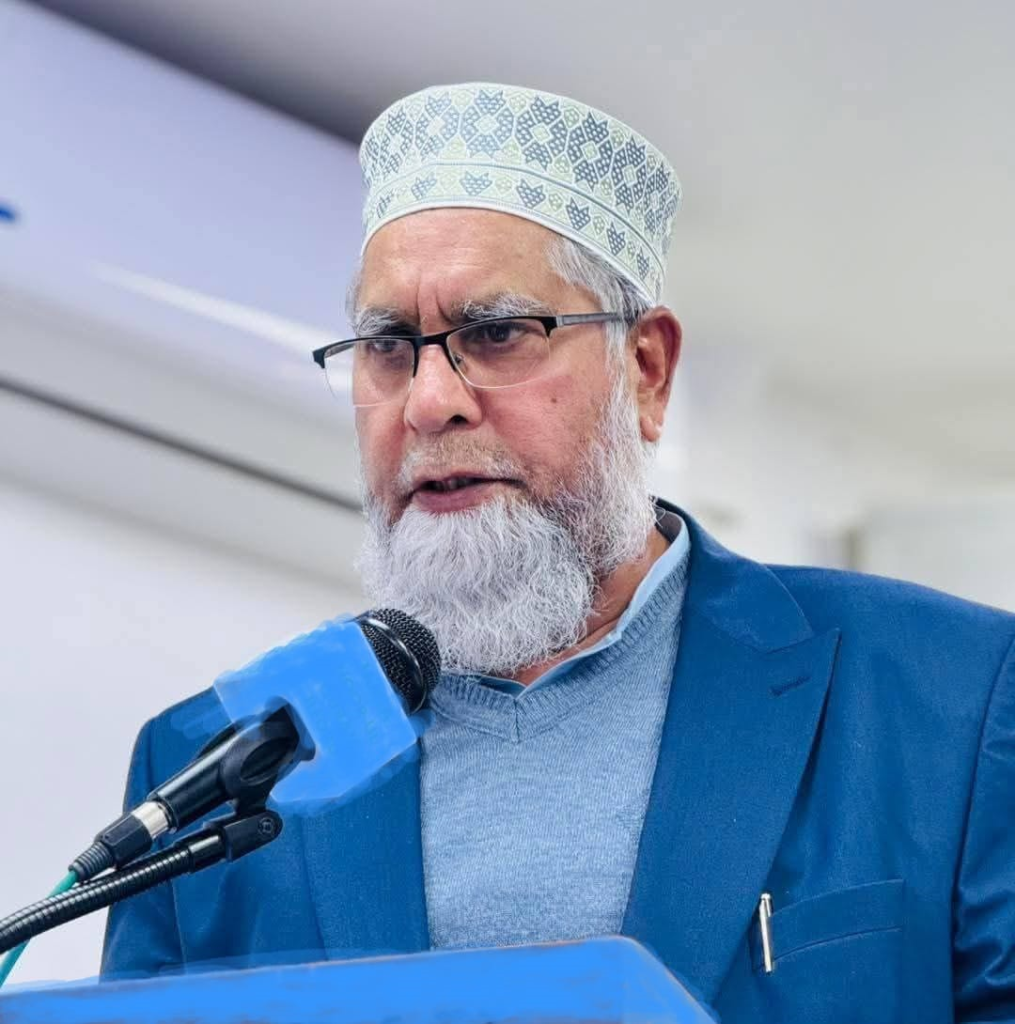
Prof Masood Akhtar Hazarvi
These days, millions of Muslims from across the world are setting out to perform the sacred pilgrimage of Hajj. Airports, homes, and mosques are filled with a deeply spiritual atmosphere. As pilgrims prepare for this blessed journey, their eyes overflow with tears. Elderly parents bid farewell to their children with prayers, while sons and daughters lovingly see off their parents on this sacred voyage. In countless hearts burns an indescribable longing for the first sight of the Holy Kaaba and the blessed resting place of the Prophet Muhammad ﷺ. Pilgrims, overwhelmed with gratitude to Allah, reflect upon their past lives, while one call echoes everywhere: “Labbaik Allahumma Labbaik.”
These words are not merely a religious chant; they are a declaration of servitude, humility, and spiritual awakening. Through this call, a servant says to his Lord: “O Allah, I have left behind the distractions and heedlessness of worldly life and have presented myself at Your door. Accept my presence and make this blessed journey easy for me.” Outwardly, Hajj may appear to be like any other journey, yet in reality it is a unique divine system designed to make human beings aware of their true existence. It reminds man that he has not come into this world forever; he is only a traveler, and this world is merely a temporary resting place.
If a person reflects seriously upon life, he realizes that the human body itself is only a temporary covering. It may be compared to the special protective suit worn by an astronaut during a space mission. That suit is essential for survival in space, yet it is not the astronaut’s true identity. Once the mission ends, the suit is removed. In the same way, the human body is also a temporary garment that will one day be taken off. The Holy Qur’an tells us that man was created from dust and will one day return to it. The true reality is the soul, granted by Allah and destined to endure. Yet the greatest illusion of man is that he often begins to regard this temporary body as everything, spending his entire life beautifying, displaying, and comforting it while remaining completely neglectful of the purification and growth of the soul.
Modern man has become so absorbed in outward appearances that he has lost awareness of his spiritual reality. He worries endlessly about how he dresses, what kind of house he owns, what people think of him, and how much admiration he receives on social media. These concerns have become the center of life. As a result, despite increasing comforts, inner peace continues to decline, and despair and suicides continue to rise. Homes have become larger, yet hearts have grown narrower. Man appears strong outwardly, but inwardly he is restless and broken.
In such circumstances, Hajj shakes a person awake and reminds him of his true reality. The moment a pilgrim enters into Ihram, all artificial distinctions disappear. Neither rich nor poor remains distinguished; neither ruler nor subject. Everyone is dressed alike in two simple white sheets. This scene reminds man of the burial shroud and conveys the message that one day all will depart from this world in the same manner. Wealth, status, and fame will not accompany anyone. Only true faith and righteous deeds will benefit a person. Ihram breaks human pride and reminds him of his real status: that he is merely a humble servant and a beggar at the door of Allah. When the pilgrim proclaims “Labbaik,” he is in fact announcing a transformation of his entire life. He is saying: “O Allah, I am present before You. I have returned to You, and from now on the purpose of my life is only to seek Your pleasure and approval.”
Every stage of Hajj leaves a deep and lasting impression upon the heart. The plain of Arafat presents a scene resembling the Day of Judgment, where millions stand together in one field, in one dress, before one Lord. A person strongly feels that one day he too will stand before Allah in the same manner. Tawaf teaches that the center of a believer’s life should be Allah Almighty. Just as pilgrims circle around the Kaaba, the life of a true believer should revolve around the commands of Allah. But when a person, lost in heedlessness, makes worldly glamour and material attractions the center of life, he becomes inwardly shattered and restless.
Likewise, the ritual of Sa‘i recalls the عظیم struggle of Lady Hajar (AS), who ran in search of water for her thirsty infant son. This scene teaches us that along with trust in Allah, effort and striving are also essential. Alongside prayers, continuous action is necessary. Sacrifice revives the Sunnah of Prophet Ibrahim (AS) and teaches that love for Allah is not proven by mere claims; it requires sacrificing one’s desires and worldly interests for His sake. The stoning of the pillars reminds believers that throwing pebbles at Satan is not merely a ritual but a symbolic rejection of evil whispers, arrogance, greed, jealousy, and sin within oneself.
Hajj is, in reality, a complete and practical system for preparing for the Hereafter. It repeatedly reminds man that one day this body will return to dust, and every human being will stand before his Lord. At that moment, worldly beauty, luxury, and outward appearances will hold no value. Only sincerity, devotion to Allah, and righteous deeds will matter. This is why many pilgrims who return after performing an accepted Hajj experience a complete transformation in their lives. Their thinking, priorities, and way of living visibly change. They come to realize that this world is not the final destination but merely a place of trial.
Hajj reminds man that he is not merely a body; he also possesses a soul, and true success lies in the success of that soul. Islam does not teach withdrawal from worldly life; rather, it teaches balance between this world and the Hereafter. Live in this world, work hard, and strive for progress, but keep your soul alive and pure. Strengthen your relationship with Allah through prayer, the Qur’an, remembrance of Allah, repentance, and good character, because the real life begins after death.
The greatest beauty of Hajj is that it reminds human beings of their true identity. It makes them realize that we are all travelers. This world and our bodies are temporary, while the life of the Hereafter is eternal. Truly successful is the one who values these fleeting moments of worldly life and prepares for the everlasting journey ahead.
