Amr khalifa
EGYPT
The 11th International Conference of the General Secretariat of Fatwa Institutions Worldwide, held on Wednesday and Thursday under the title “Family Challenges Amidst Major Transformations: A Fatwa Approach to Protecting the Family, envisioning its Future, and Preserving Identity,” discussed a number of scholarly and intellectual themes addressing the rapid transformations the world is witnessing and their impact on the family, values, and identity. It also explored ways to develop fatwa approaches capable of addressing these challenges and anticipating the future of the family.
The conference also addressed the phenomenon of “modern individualism” and the transformations it has brought about in patterns of thought, behaviour, and social relations. It examined the impact of rising individualism on the concept of family and shared responsibility, while also exploring ways to achieve a balance between respecting individual privacy and strengthening the values of solidarity, mutual support, and responsibility within the family and society.
The conference also discussed the issue of “digital isolation” and its associated transformations in the nature of human relationships, given the increasing influence of technology and digital spaces on communication and belonging patterns. It addressed the challenges the digital environment poses to families, necessitating a search for ways to promote the conscious use of technology, preserve family and social bonds, and mitigate the effects of isolation and social separation.


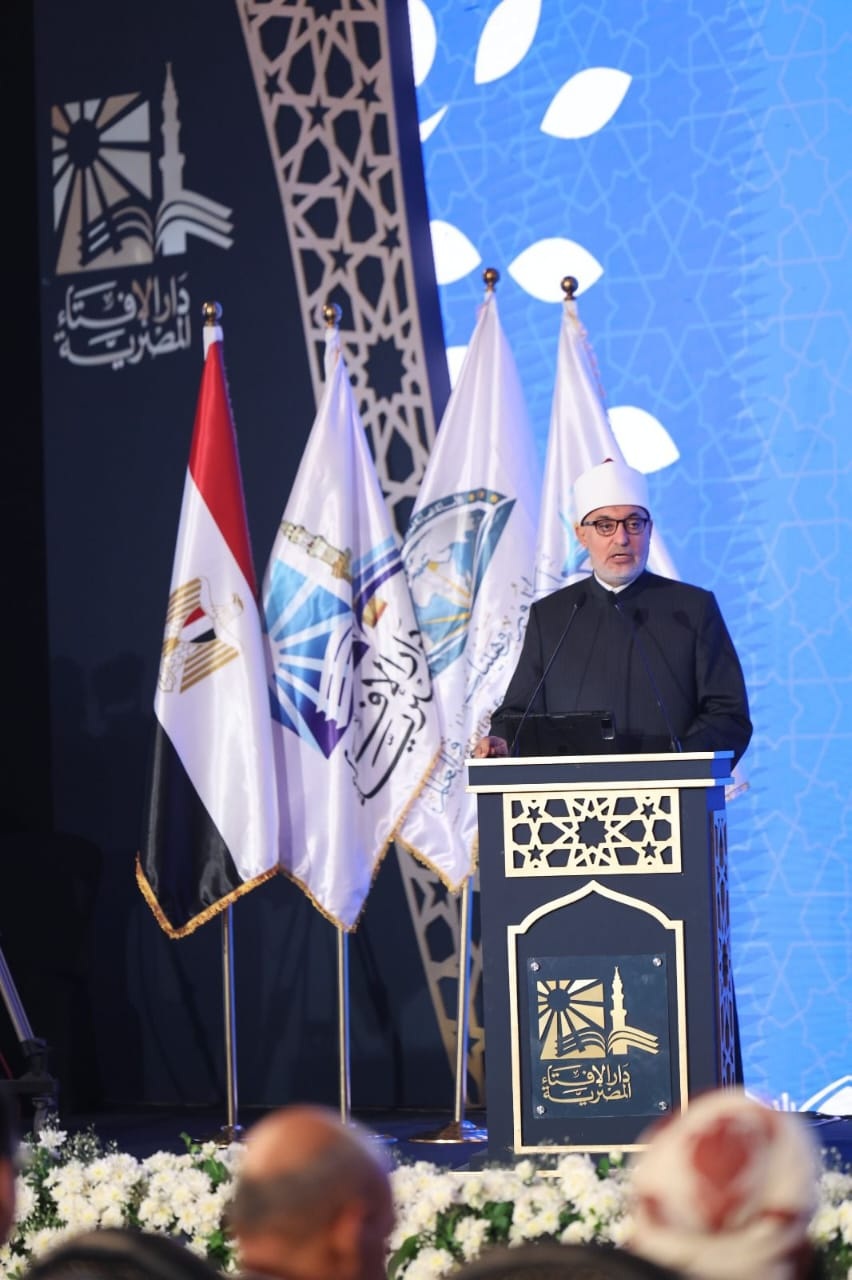
Dr. Nazir Muhammad Ayyad, the Grand Mufti of Egypt, stated that the conference’s scientific sessions also addressed issues of “belonging and coexistence.” This inrespect andning the role of the family and religious, cultural, and educational institutions in instilling the values of citizenship and belonging, promoting a culture of dialogue and mutual respect, and building awareness capable of confronting the polarization and intellectual and social challenges posed by major transformations.
He added that the conference’s themes also explored “social, cultural, economic, and technological transformations affecting the family,” and their repercussions on family stability, marital relationships, and child-rearing. Emphasis was placed on the importance of providing scholarly and legal perspectives capable of consciously interpreting these transformations and addressing emerging issues in a way that preserves fundamental principles while utilizing modern tools.
In a related context, Dr. Ahmed Al-Haddad, the Grand Mufti of Dubai, praised the pioneering role played by Dar al-Ifta al-Misriyyah (the Egyptian Fatwa House) and the General Secretariat of Fatwa Institutions Worldwide, noting the importance of bringing together scholars and religious authorities from around the world to discuss critical issues affecting the very core of societies.
Mr. Mahmoud Al-Sharif, Head of the Syndicate of Ashraf (descendants of the Prophet Muhammad), also expressed his pride in participating in this global event, emphasizing that discussing contemporary problems facing Muslim families is a fundamental step towards protecting society from factors of disintegration and isolation.
For his part, Dr. Arshad, the Grand Mufti of South Africa, affirmed the important and pivotal role played by the General Secretariat of Fatwa Institutions Worldwide, headed by Dr. Nazir Muhammad Ayyad, highlighting Dar al-Ifta al-Misriyyah’s dedication to addressing the issues and problems faced by Muslim families across the globe.
The conference pays particular attention to the role of fatwa-issuing institutions and religious, cultural, and educational institutions in addressing contemporary family challenges. It aims to present scholarly and legal perspectives grounded in a precise understanding of reality, integrating Islamic, humanistic, and social sciences to offer practical and applicable solutions, enhance family awareness, and protect families from factors contributing to their disintegration. The conference also aims to develop a comprehensive approach to issuing fatwas that safeguards the family, anticipates its future, and preserves its identity. This approach involves analysing the major transformations the world is witnessing and strengthening the system of belonging, coexistence, and mutual support, thereby contributing to the development of well-rounded individuals capable of positive interaction with their environment while simultaneously preserving the foundations and stability of the family.
The 11th International Conference of the General Secretariat for the Role and Bodies of Fatwa in the World was held on the second and third of September 2026, under the patronage of His Excellency President Abdel Fattah El-Sisi, President of the Republic, with the participation of scholars, muftis and researchers from 80 countries around the world, reflecting the importance of the conference as an international platform for dialogue on the future of the family, and enhancing the role of fatwas in dealing with issues and transformations that affect the lives and stability of societies.