
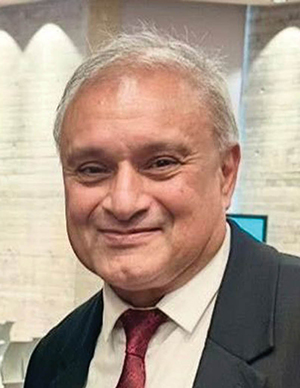
Dr. Shahzad Qureshi
Unity does not erase our differences; it turns them into collective strength.”
We live in a world full of differences. We come from different countries, cultures, religions and backgrounds. We may speak different languages, have different traditions and hold different opinions. But these differences should never become a reason to divide us. Instead, they can become one of our greatest strengths.
Unity does not mean that everyone has to think, speak or live in the same way. True unity means respecting each other while accepting that we are different. It means standing together for the common good and understanding that every person has something valuable to contribute.
A strong community is built when people listen to each other. Sometimes we may disagree, but disagreement does not have to create hatred. We can have different views and still respect one another. We can come from different backgrounds and still work towards the same goals.
This is especially important in Britain today. Our society is made up of people from many cultures and communities. Generations of families from across the world have contributed to British life through business, healthcare, education, public service, charity, science, technology and many other areas. This diversity brings different experiences, skills and ideas together.
When we work together, we become stronger. Unity is also important in our everyday lives. It begins with simple actions: helping a neighbour, supporting someone who is struggling, listening to another person’s point of view and treating everyone with dignity. Small acts of kindness and understanding can have a much greater impact than we sometimes realise.
We also have a responsibility to the younger generation. Young people should grow up understanding that differences are not something to fear. They should be encouraged to learn from people from different cultures, backgrounds and experiences. Education, community activities and open conversations can help build understanding from an early age.
Leadership also plays an important role. Whether in government, business, healthcare, education or community organisations, good leaders should bring people together rather than push them apart. Leadership should create opportunities for people to participate, contribute and feel that their voices matter.
There will always be challenges in society. Economic pressures, international conflicts and social tensions can sometimes create fear and division. During difficult times, unity becomes even more important. We must remember that blaming one another does not solve our problems. Working together gives us a much better chance of finding solutions.
Our differences are part of who we are. We should not try to remove them. We should celebrate them while recognising the values we share: respect, fairness, compassion, opportunity and hope.
A truly united society is not one where everyone is the same. It is one where different people stand side by side, respect each other and work together.
That is the real meaning of unity. Our differences do not make us weaker. When we bring them together with respect and understanding, they become our collective strength.
