
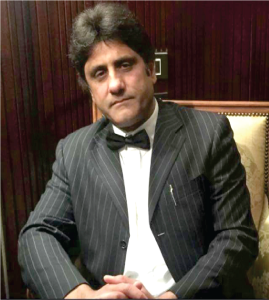
Wajahat Ali Khan
Across the world, millions of young Pakistanis are growing up far from the streets of Punja, Sindh, Baluchistan, KP, or Azad Kashmir. They live in United Kingdon, USA, Canada, Saudi Arabia, UAE, Europe or anywhere else in the world, they speak with hybrid accents, celebrate multiple cultures, and navigate identities that are both Pakistani and global. This diaspora is one of Pakistan’s greatest untapped strengths, but only if we give serious attention to the education of its younger generation.
Education for overseas Pakistanis cannot be treated as a private family matter alone. It is a national concern with long-term implications for Pakistan’s economy, global image, cultural continuity, and diplomatic influence.
Children of the diaspora are growing up in education systems that are often more advanced, better funded, and more skills-oriented than those at home. This is an advantage, but it also creates a widening gap between them and Pakistan’s intellectual and cultural life. Many second- and third-generation Pakistanis struggle to read Urdu, have limited understanding of Pakistan’s history beyond headlines, and feel only a symbolic connection to the country of their parents or grandparents. Without deliberate educational bridges, emotional ties weaken with each generation.
This matters because diaspora youth are not outsiders. They are future investors, academics, policymakers, entrepreneurs, artists, and advocates who can shape how Pakistan is understood globally. Countries such as India, China, Israel, and Ireland have long recognized this. They invest heavily in language programs, cultural education, youth exchanges, and diaspora-focused curricula. Pakistan, by contrast, has largely relied on nostalgia and family traditions to do the work that institutions should be doing.
Special attention is needed first in language education. Urdu and regional languages such as Punjabi, Pashto, Sindhi, and Balochi are not just tools of communication; they are vessels of culture and thought. Community-run weekend schools exist in many countries, but they are uneven in quality and often under-resourced. Pakistan’s government, universities, and cultural bodies should support standardized, modern, and engaging language programs abroad, using digital platforms, trained teachers, and age-appropriate curricula.
Second, there must be a stronger focus on Pakistan studies for the diaspora, distinct from domestic textbooks. Overseas youth do not need rote memorization or politicized narratives. They need balanced, critical, and contemporary understandings of Pakistan. Its history, diversity, constitutional framework, scientific contributions, and social challenges. If young Pakistanis abroad only encounter Pakistan through crisis-driven news or social media arguments, their connection will be fragile and defensive rather than informed and confident.
Third, skills alignment is essential. Many diaspora students excel in science, technology, finance, healthcare, and research. Pakistan should actively create educational pathways that connect these skills to national needs through virtual internships, joint research programs, summer placements, and mentorship networks. A medical student in Canada or a software engineer in Germany should see clear, credible ways to contribute intellectually to Pakistan, even without permanent relocation.
Equally important is identity education. Young Pakistanis abroad often face questions of belonging, discrimination, or cultural confusion. Education that helps them understand Islam, Pakistani culture, and civic values in a contextual, open, and confident way can protect them from both alienation and extremism. This is not about isolation from host societies, but about integration with self-respect and clarity.
Parents cannot carry this burden alone. Mosques, community centres, embassies, universities, and media must work together. Pakistani media should produce content aimed at diaspora youth—podcasts, documentaries, online courses, and interactive platforms that speak their language and address their realities.
Finally, policymakers in Pakistan must shift their mindset. Overseas Pakistanis should not be viewed merely as sources of remittances, but as partners in knowledge, innovation, and soft power. Investing in the education of their children is not charity, it is strategic nation-building.
The younger generation of Pakistanis living abroad will decide, consciously or unconsciously, how connected they remain to Pakistan. If we fail to engage them educationally, we should not be surprised when that connection fades. But if we invest wisely, we will find that Pakistan’s future is not confined by its borders, it is being shaped, right now, in classrooms across the world.
