Education Correspondent
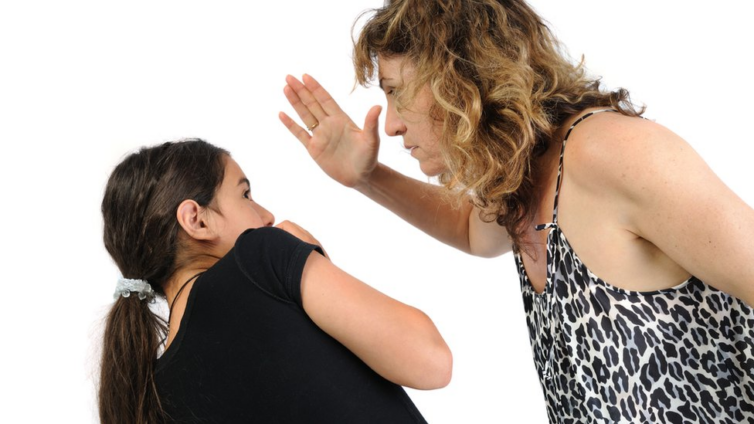
Children who experience physical punishment at home may be more likely to achieve lower GCSE results, according to new research that adds to growing evidence linking childhood experiences with educational outcomes.
The study found an association between being hit during childhood and reduced academic performance in adolescence, with researchers suggesting that stress, anxiety and difficulties with concentration could play a role.
Education experts say a child’s home environment is an important factor in learning and development. They argue that positive discipline strategies, such as setting clear boundaries and consistent consequences, are more effective in supporting both behaviour and long-term academic success.
Researchers cautioned that the findings show a correlation rather than proving that physical punishment directly causes lower GCSE grades. They noted that other factors, including family income, parental education and access to support services, can also influence academic achievement.
Child welfare organisations have welcomed the findings, saying they reinforce the importance of creating safe and supportive environments for young people. They argue that reducing physical punishment could benefit children’s emotional wellbeing as well as their educational progress.
Teachers have also highlighted the impact of emotional security on classroom performance, pointing out that students who feel safe and supported are often better able to concentrate, participate and achieve their potential. The researchers called for further studies to better understand the relationship between parenting practices and educational outcomes, while encouraging families to consider non-violent approaches to discipline. The findings contribute to an ongoing debate about child development and education, with experts continuing to examine how experiences at home can shape a young person’s learning and future opportunities.
30