Wajahat Ali Khan
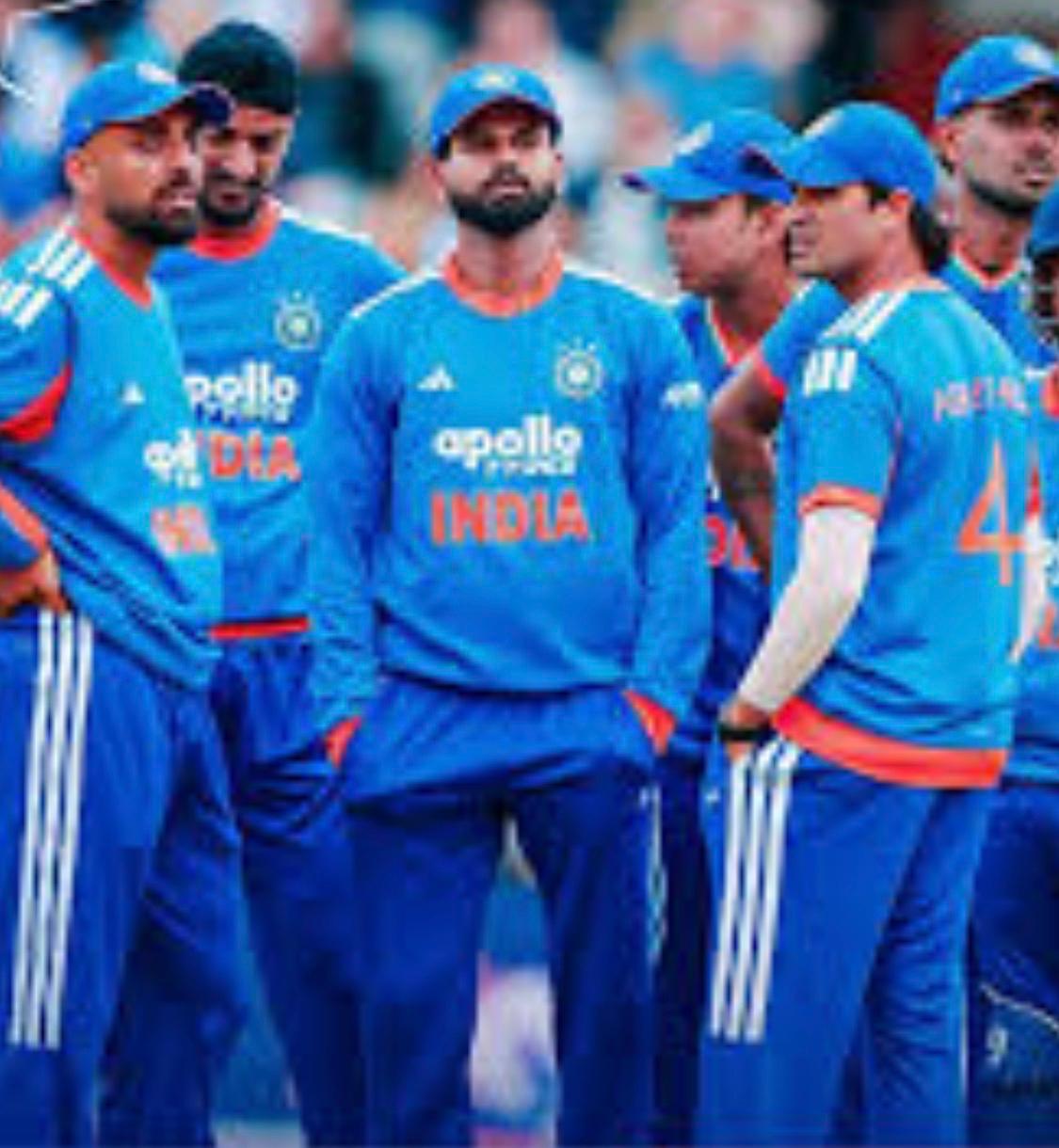
India’s recent tour of England has reignited concerns over whether the country’s cricketing dominance particularly in overseas condition is beginning to erode. While defeats in England have never been uncommon, the latest performances have revealed problems that extend beyond a single series. Questions are now being raised over leadership, squad planning, bowling resources, batting consistency and the transition from one generation to another.
Although India remain among the world’s strongest cricketing nations, the England tour highlighted structural weaknesses that opponents are increasingly exploiting.
Indian cricket is currently undergoing one of its biggest transitions in more than a decade. With several senior players either retired or nearing the end of their careers, the responsibility has shifted to a younger generation. While the new players possess immense talent, consistency at the highest level particularly in English conditions has remained elusive.
The absence of experienced match-winners during crucial sessions often left the team without clear direction when pressure mounted.
One of India’s biggest concerns has been batting inconsistency. Rather than collective partnerships, victories have increasingly depended on one or two individual performances. When those players failed, the middle order frequently collapsed under sustained pressure from England’s disciplined pace attack.
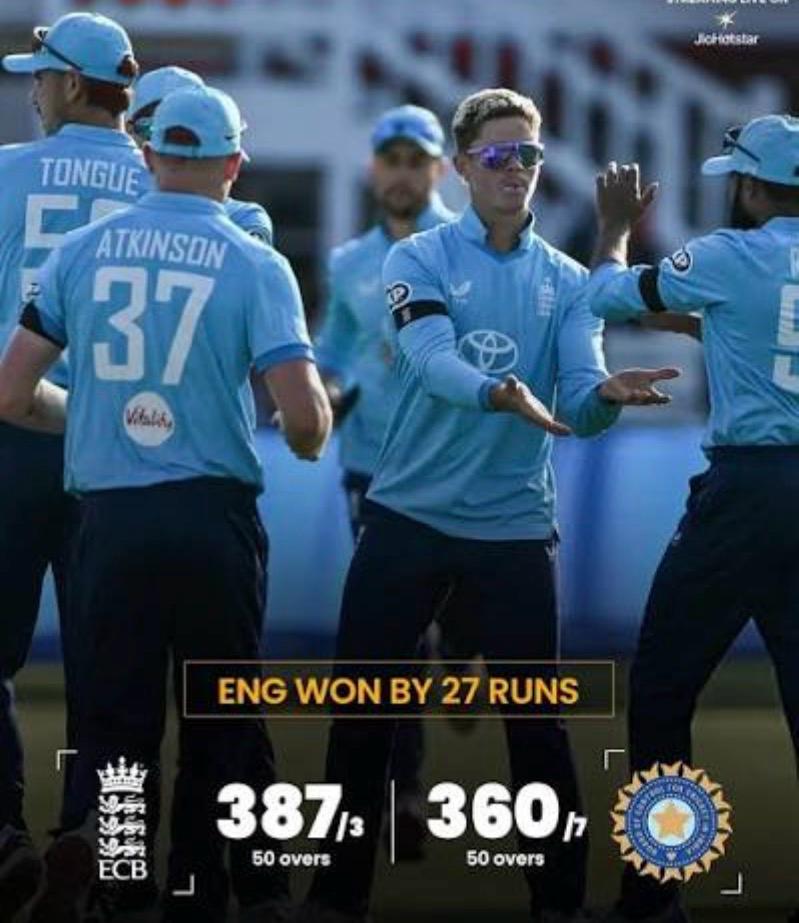
English bowlers successfully exposed technical weaknesses against the moving ball, particularly during the first hour of play.
Former Indian teams built overseas victories on patience and long partnerships. The current side has often struggled to occupy the crease for extended periods.
India’s pace attack, once regarded as among the world’s best, appeared considerably less threatening.
The absence or limited availability of premier fast bowlers reduced both pace and control. Without experienced leaders spearheading the attack, England’s batsmen were able to dominate long phases of play.
Recent white-ball matches further underlined the issue, with captain Shubman Gill acknowledging that injuries had disrupted combinations and weakened the bowling unit.
Analysts also pointed to inadequate middle-over planning and a lack of sustained pressure once the new ball lost. Frequent changes in the playing XI have prevented stability.
Several young players were introduced and dropped within short periods, leaving little opportunity to settle into international cricket. Critics argue that India’s domestic system continues to produce exceptional cricketers, but translating domestic success into overseas Test performances requires patience and clearly defined roles.
Credit must equally go to England. Their batsmen adapted better to varying conditions, rotated strike effectively and punished loose bowling.
Their pace bowlers maintained disciplined lines while exploiting seam movement throughout the series.
England’s tactical flexibility often contrasted with India’s reactive approach.
India’s traditionally high fielding standards have shown signs of decline.
Missed catches, inconsistent ground fielding and occasional lapses in intensity proved costly during critical moments.
Statistics from recent England-India contests have shown dropped catches becoming an increasingly influential factor in deciding matches.
Another recurring concern has been India’s inability to seize momentum after gaining advantageous.
Such trends point toward mental resilience becoming as significant as technical ability.
India’s packed cricket calendar has also contributed to declining consistency.
A big reason could also be that, IPL,Test cricket, ODIs, T20 Internationals. The constant transition between formats places enormous physical and mental demands on players.
Fitness concerns and recurring injuries have disrupted team balance throughout the England tour.
The captaincy transition remains a work in progress.
While the new leadership has demonstrated confidence and aggression, tactical decision making in difficult sessions remains under scrutiny. Successful overseas captains have historically been distinguished by their ability to adapt quickly to changing match situations a quality India is still attempting to develop consistently.
Calling it a “continuous decline” may overstate the situation. India continue to possess one of the strongest talent pipelines in world cricket and remain competitive across formats. In fact, the 2025 England Test series ended in a hard-fought 2-2 draw, illustrating that the gap between the two sides has often been narrow despite tactical shortcomings.
England exposed India’s vulnerabilities with disciplined cricket rather than overwhelming superiority. Whether these shortcomings become a prolonged decline or merely a temporary setback will depend on how effectively Indian cricket addresses these structural issues over the next two to three years.