
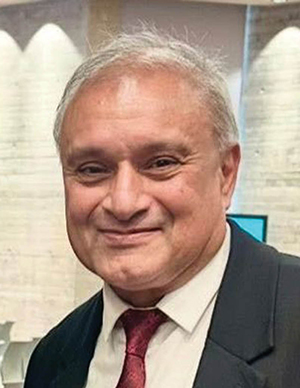
Dr Shahzad Qureshi
In a world filled with instant gratification, constant distractions and endless opportunities to seek comfort, self-discipline has become one of the most valuable qualities a person can develop. The simple idea that “self-discipline is choosing what builds your future over what satisfies you today” carries a powerful message: meaningful success rarely comes from doing what is easiest in the moment. It comes from making decisions today that create a better tomorrow.
Self-discipline is not about living a joyless life or denying ourselves every pleasure. Rather, it is about understanding priorities and having the strength to remain committed to them. It means recognising that some things we want immediately may not be what we truly need in the long term.
Whether in business, education, sport, relationships or personal development, progress requires consistency. A successful entrepreneur may have to work when others are relaxing. A student may need to study when friends are enjoying themselves. An athlete must train repeatedly, even on days when motivation is low. These choices may not always provide immediate satisfaction, but they build something far more valuable: a stronger future.
One of the greatest challenges to self-discipline is the attraction of instant rewards. Modern technology has made entertainment, shopping, social media and communication available at the touch of a button. We can easily spend hours consuming content without realising how much valuable time has passed. The problem is not enjoyment itself; the problem arises when temporary pleasure repeatedly takes priority over important long-term goals.
Self-discipline allows us to ask a simple but important question: “Will this decision help the person I want to become?” That question can change the way we approach our daily lives.
Success is rarely the result of one extraordinary decision. More often, it is the result of hundreds of small decisions repeated over time. Choosing to wake up early, learning a new skill, keeping a promise, exercising regularly, managing finances responsibly or completing an important task instead of postponing it may seem insignificant on a single day. However, repeated consistently, these habits can transform a person’s life.
The same principle applies to leadership. People who lead organisations, businesses and communities cannot depend solely on motivation. Motivation can come and go, but discipline creates consistency. A disciplined leader understands that reputation, trust and achievement are built through actions repeated over time.
Importantly, self-discipline should not be confused with perfection. Everyone has difficult days, makes mistakes and occasionally loses focus. What matters is the ability to recognise the setback, learn from it and return to the path. Discipline is not about never falling; it is about refusing to remain down.
Our future is ultimately shaped by the choices we make when nobody is watching. The decision to sacrifice a little comfort today for a greater opportunity tomorrow can be difficult, but it is often the difference between wishing for success and actually working towards it.
In the end, self-discipline is an investment. What we sacrifice today can become the strength, success and freedom we enjoy tomorrow. The future does not suddenly appear, it is built, one disciplined choice at a time.
