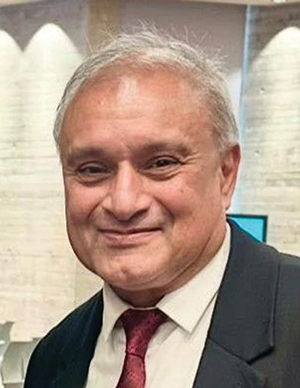
Dr Shahzad Qureshi
True leadership begins when personal success becomes a pathway for others to rise.” This powerful thought captures an important truth about leadership: achievement has its greatest value when it creates opportunities for others.
Success is often measured through titles, wealth, professional recognition or personal influence. These achievements deserve respect, particularly when they are built through years of discipline and sacrifice. But leadership demands something more. It asks a simple question: once you have climbed the ladder, are you prepared to help someone else climb it too?
The strongest leaders understand that success should never end with the individual. Knowledge should be shared, opportunities should be opened, and experience should be used to guide those who are still finding their way.
This principle is especially important in business, healthcare, education and community service. A successful professional can mentor a young person. An established entrepreneur can support a new business. A senior doctor can inspire the next generation of healthcare professionals. Someone with influence can give a voice to those who are too often unheard.
These actions may appear small, but collectively they can transform lives.
Leadership is therefore not simply about occupying a position of authority. Some people hold impressive titles without truly leading, while others possess no formal title yet influence hundreds of lives through compassion, encouragement and service. Leadership is demonstrated through what we enable others to become.
Our communities need this approach more than ever. Young people require mentors and role models who are willing to invest time in them. Families facing hardship need people prepared to turn concern into practical action. Talented individuals from disadvantaged backgrounds need doors opened that might otherwise remain closed.
The responsibility becomes even greater for those who have already achieved professional or financial success. Experience creates an opportunity to give back, not necessarily through money alone, but through time, knowledge, introductions, guidance and encouragement.
There is also something deeply human about helping another person succeed. Personal achievements can provide satisfaction, but contributing to someone else’s journey creates a legacy. Buildings, businesses and titles may change over time, but the people we empower can continue carrying forward the values and opportunities they received.
This is how leadership becomes generational. A young person who receives support today may become the mentor of another tomorrow. An entrepreneur given an opportunity may eventually employ hundreds. A student encouraged at the right moment may become a doctor, teacher, scientist or community leader who serves thousands.
The measure of leadership, therefore, should not simply be “How successful did I become?” It should also be “How many people became stronger because I succeeded?”
That is the difference between achievement and impact. Personal success can build a reputation. But when that success becomes a platform from which others are encouraged, supported and empowered to rise, it builds something far greater: a legacy.