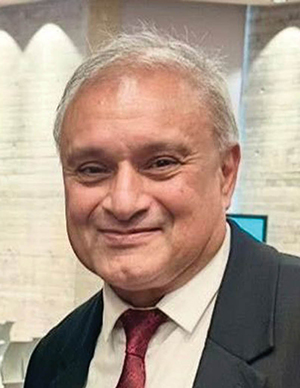
Dr Shahzad Qureshi
Success is often measured by personal achievement, how far we have travelled, what we have accomplished, the position we hold or the recognition we receive. But true leadership demands something more. It asks a simple but powerful question: how many people have risen because we were willing to help them?
“True leadership begins when personal success becomes a pathway for others to rise.”
This idea captures the difference between simply being successful and becoming a genuine leader. Reaching the top may require ambition, determination, discipline and hard work. Leadership begins when we use the experience, influence and opportunities we have gained to create opportunities for others. It is when success stops being only about “me” and starts becoming about “we”.
Every successful person has knowledge that can benefit someone else. They may have professional experience, valuable contacts, financial resources or simply the ability to offer encouragement at the right moment. When these advantages are shared responsibly, individual achievement can become a force for wider progress.
Unfortunately, some people see another person’s progress as a threat to their own position. They protect opportunities, withhold knowledge and believe that helping others somehow reduces their own importance. Strong leaders think differently. They understand that developing capable people around them does not weaken leadership, it strengthens it.
A leader should never be afraid of creating more leaders. This principle matters particularly when we consider younger generations. Across our communities there are talented young people with ideas, energy and ambition, but many lack access to mentors, networks and opportunities. Sometimes all they need is someone established to open the first door, make an introduction, offer guidance or simply say, “I believe you can do this.”
One opportunity can transform a life. Leadership therefore carries responsibility. Whether we work in business, healthcare, education, politics, charity or community service, our influence should extend beyond our own achievements. If we have climbed a difficult ladder, we should not pull it up behind us. We should make the journey easier for those coming next.
Helping others rise does not mean giving people positions they have not earned. Genuine empowerment means providing opportunities while encouraging responsibility, hard work and merit. A good mentor does not carry someone forever; they help that person develop the confidence and skills to stand independently.
There is also something deeply human about this approach. Titles eventually disappear. Positions change. Awards gather dust. Wealth can come and go. But the positive difference we make in another person’s life can continue long after our own chapter has changed.
Imagine the impact if every successful professional mentored one young person, every established entrepreneur supported one new business, and every community leader created space for emerging voices. The collective effect could be extraordinary.
Ultimately, leadership should not be measured only by how high we rise, but by what happens around us as we rise. Personal success may create recognition, but shared success creates legacy. The greatest leaders therefore leave behind more than achievements bearing their own names. They leave behind stronger people, greater opportunities and new leaders capable of helping the next generation rise.