
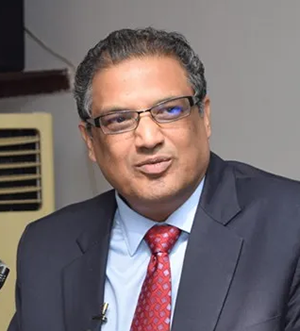
Suhail Warraich
Preparations begin well in advance when signs of a seasonal shift appear. A ten-day Basant festival has been announced in Lahore, and the season of kites is just around the corner, currently, crucial negotiations are underway between two major factions to determine the nature of Basant’s festivities. One group is led by Paddi Ustad the uncrowned king of kite flying and a master tactician of aerial duels while the other is led by Ziddi Ustad, an outspoken advocate for revolutionary changes to Basant’s traditional rules. He seeks to abolish restrictions on kite strings, allowing anyone to use chemical-coated lines, create a raucous spectacle, play loud music, or even start fires without facing any objection. The final verdict on these negotiations’ rests with Falaki Shah, who holds ultimate authority over the freedoms and restrictions governing the festival.
Paddi Ustad is short in stature, and age has rendered him frail; having ruled the world of kite flying for years, his popularity among kite enthusiasts has waned over time, though he remains highly favoured in official circles. He is a seasoned veteran unrivalled in the art of aerial combat and cutting down opponents’ kites and while he is still hailed as a “King,” the masses have turned against him. On the other hand, the obstinate master is inexperienced yet relatively powerful and immensely popular; however, the freedoms he demands for kites during Basant have previously sparked riots and unrest. The public chafes against the cautious pragmatism of the ‘Paddi Ustad’ (the ‘Little Master’) and, despite their reservations, finds itself compelled to rally behind the obstinate master. They view restrictions on kites as contrary to the spirit of the sport, desire the release of those imprisoned following the May Basant, and hope that the Paddi Ustad will ultimately crown the obstinate master the “King of the National Basant”
Based on years of reporting, this writer anticipates that negotiations could lead to Imran Khan being allowed to visit the hospital, the transfer of Bushra Bibi to Bani Gala, and the release of his sisters’ parameters beyond which no further concessions seem likely. There is currently no prospect of Imran Khan’s release or return to active politics; rather, Bushra Imran’s transfer to Bani Gala would be part of a new strategy to drive a wedge between the factions led by Aleema Khanum and Bushra Imran. Moving Bushra Imran to Bani Gala would diminish Aleema Khanum’s influence, given that Imran Khan places greater weight on the counsel of his spiritual guide and wife than on that of his sister. Both the government and the establishment are deeply frustrated by the narratives propagated by YouTubers and aim to split the party into two distinct factions. the overseas wing and the domestic wing. The establishment and political stakeholders have reached a critical juncture where their prestige and credibility could be bolstered, or should negotiations fail completely despair and uncertainty could deepen further.
Both ‘Paddi’ and ‘Ziddi’ must exercise prudence and seek reconciliation for the sake of the country’s betterment and prosperity; it is essential to take ‘Falaki Shah’ fully into confidence. ‘Ziddi Ustad’ should formally announce the end of the sit-in, and a joint principle should be established that no such sit-in will be staged in Islamabad in the future. Any progress possible in the negotiations between ‘Paddi’ and ‘Ziddi’ depends entirely on ‘Falaki Shah’ ensuring that both parties ‘Paddi’ and ‘Ziddi’ grasp the gravity of the situation, accept what is achievable, and steer the ship out of the political whirlpool. The recent conflict between the ‘Paddis’ and ‘Ziddis’ has brought matters to a point where political and democratic freedoms have been curtailed, the space for political workers has shrunk, and restrictions have been imposed on speech and writing. Politicians can only engage in politics if democratic freedoms exist where there is liberty of expression rather than restrictions. Politics and democracy will only be possible if political workers have the breathing space to function.
There is no need to pin excessive hopes on the ‘Paddi-Ziddi’ negotiations; no revolution is imminent, nor is the government about to change. However, if the political temperature cools, Parliament resumes functioning, the government and opposition begin to interact, and measures such as allowing a medical check-up for Imran Khan in a hospital and treating female prisoners leniently are implemented, it would mark a significant success for these talks. Otherwise, the situation will remain deadlocked exactly where it is.
