Tajammul Gurmani
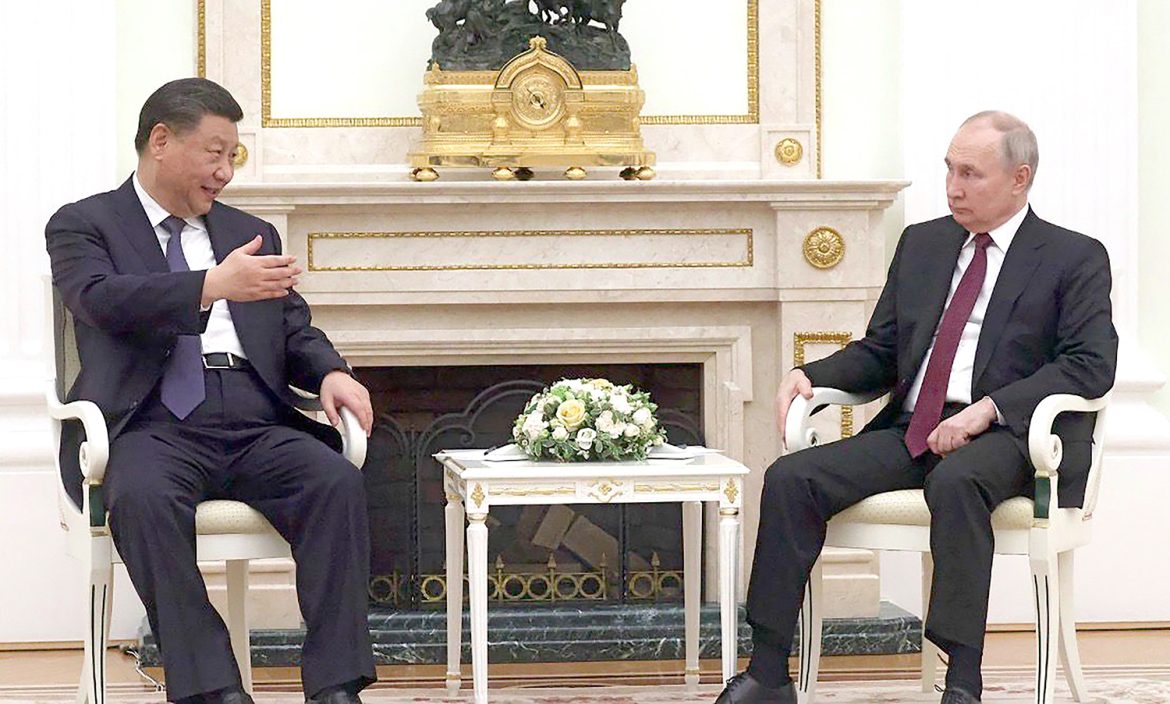
Beijing — Chinese President Xi Jinping and Russian President Vladimir Putin emerged from their latest summit in Beijing with a broad show of political unity, expanding cooperation in trade, security and global diplomacy, while also revealing limits in their economic partnership.
The meeting, held against the backdrop of continuing tensions with the United States and the war in Ukraine, produced a lengthy joint statement condemning what both leaders described as Western “hegemonic” policies and calling for a more “multipolar world order.”
Strategic Unity Against the West
The two leaders sharply criticised American foreign and military policy, particularly missile defense systems, sanctions and Western backing for Ukraine. Beijing and Moscow said the “root causes” of the Ukraine conflict needed to be addressed language widely interpreted as support for Russia’s longstanding opposition to NATO expansion.
Both governments also condemned recent American and Israeli military actions in the Middle East and warned that instability around the Strait of Hormuz could threaten global trade and energy supplies.
Expanding Military and Technology Cooperation. A key outcome of the summit was an agreement to deepen military coordination and strategic cooperation. Reports said the joint declaration included plans for expanded defense collaboration, alongside agreements covering artificial intelligence, media cooperation and technology exchanges.
The summit comes amid growing Western scrutiny of China’s relationship with Russia during the Ukraine war. Reuters separately reported allegations that Chinese facilities may have trained Russian troops, claims firmly denied by the Kremlin. Strengthen
trade and energy remained central themes of the talks. bilateral trade between China and Russia has continued to grow despite western sanctions on Moscow, with Russian officials highlighting rising oil exports to China this year.
More than 40 agreements were reportedly signed during the visit, spanning energy, digital technology, agriculture and logistics. Major Gas Deal Still Unresolved
despite the warm rhetoric, the summit failed to deliver a breakthrough on the long-delayed Power of Siberia 2 gas pipeline, a project Moscow sees as crucial for redirecting gas exports from Europe to Asia.
Negotiations reportedly stalled over pricing, financing and supply terms, exposing underlying tensions in the increasingly unequal relationship between the two countries. Analysts note that Russia has become more economically dependent on China since the Ukraine war began. The summit was also rich in symbolism. Coming shortly after high-level US China contacts, the meeting allowed Beijing to demonstrate that it can maintain ties with both Washington and Moscow while still presenting itself as a global power center independent of the West. For Putin, the visit reinforced Russia’s strategic pivot toward Asia as Moscow remains isolated from much of Europe.
Xi, meanwhile, used the occasion to underline China’s vision of a reshaped international order less dominated by the United States.
Arab
Mounir al-Qadiri Boudchich: The Sheikh of Moroccan Sufism and a Pioneer of Spiritual Diplomacy in the World
Amr khalifa
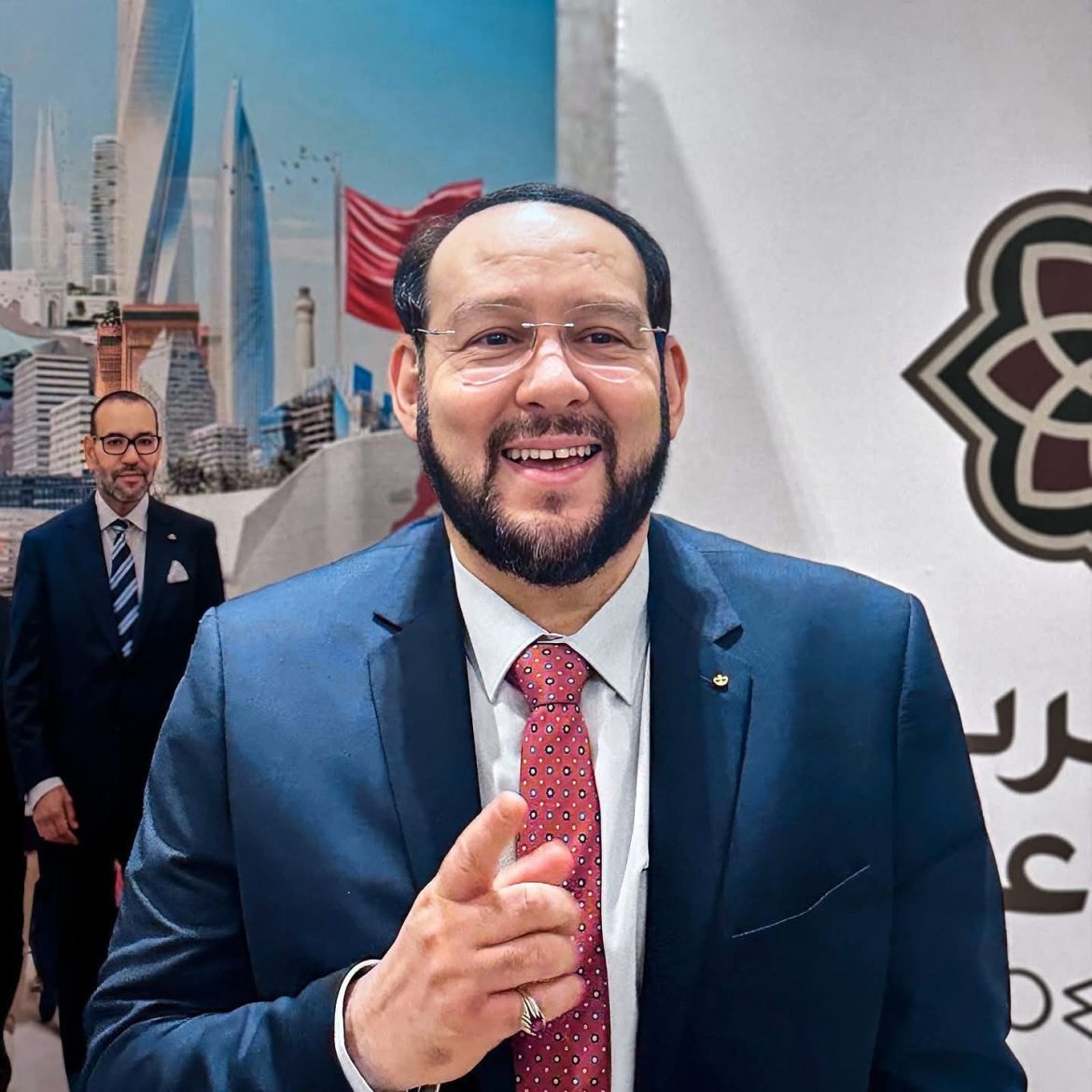
In a rapidly evolving religious and intellectual landscape, Mounir al-Qadiri Boudchich, the new Sheikh of the Qadiri Boudchichi Sufi order in Morocco, has emerged as one of the most prominent contemporary Sufi figures. He has successfully transitioned Moroccan Sufism from its traditional sphere to the realm of global dialogue and spiritual diplomacy. From within the Qadiri Boudchichi zawiya (Sufi lodge) in Madagh, eastern Morocco, he leads an intellectual and spiritual project that seeks to solidify the values of moderation, love, and coexistence through a discourse that combines spiritual depth with openness to contemporary issues.
Dr. Mounir al-Qadiri Boudchich belongs to a distinguished Sufi family whose name is synonymous with the Qadiri Boudchichi order, one of the most renowned Sufi orders in Morocco and the Islamic world. He received his scholarly and spiritual formation within this environment before turning to intellectual and cultural work, where he has established a notable presence at international conferences and forums concerned with religious and cultural dialogue.
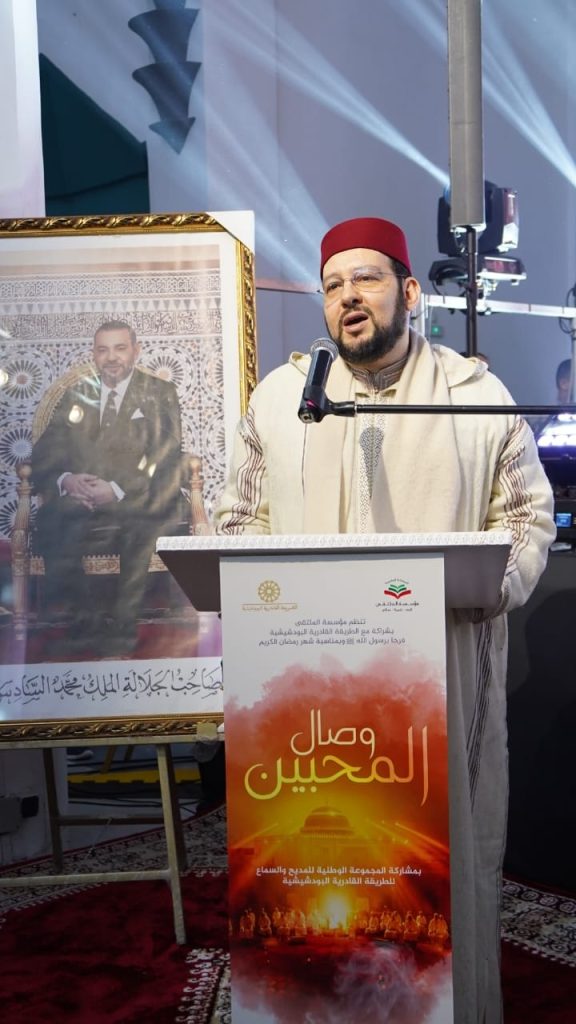
Dr. Moulay Mounir al-Qadiri recently assumed the leadership of the Qadiriyya Budshishiyya Sufi order, succeeding his late father, Dr. Moulay Jamal al-Din, according to a written will. Al-Qadiri also serves as the director of the World Sufi Forum, an international event held annually in the city of Madagh. This forum attracts scholars, thinkers, and researchers from around the world and has, over its successive sessions, become an intellectual and spiritual platform for discussing contemporary human issues from a Sufi perspective, such as world peace, tolerance, spiritual diplomacy, and moral development.
Dr. Mounir al-Qadiri Budshishi is known for his focus on what he calls “practical Sufism,” meaning Sufism linked to serving society and promoting human values, moving beyond the stereotypical image of Sufism as isolation and seclusion. In many of his interventions, he emphasizes that moderate Sunni Sufism constitutes one of the most important intellectual and spiritual bulwarks against extremism and hatred.
He also leads several cultural and spiritual initiatives both within and outside Morocco, including overseeing institutions dedicated to intercultural and interreligious dialogue, in addition to his active involvement in a number of international Sufi organizations, where he focuses on utilizing the spiritual dimension to build bridges of understanding between peoples.
At the international level, Mounir al-Qadiri al-Boudchich has contributed to expanding the presence of the Qadiriyya Boudchichiyya Sufi order in Europe, Africa, and North America, capitalizing on the growing global interest in the Moroccan spiritual model based on moderation and openness. He is also seen as one of the figures representing what is known as “Moroccan spiritual diplomacy,” which employs the Kingdom’s Sufi and cultural heritage to promote dialogue and peace.
Between intellectual activity and spiritual influence, Dr. Mounir al-Qadiri Boudchich continues to present a model of contemporary Sufi leadership that combines authenticity and openness, at a time when there is a growing need for a religious discourse that reaffirms shared human values.
Morocco – The Qadiriyya Budshishiyya Order Affirms Sheikhdom for Munir al-Qadiri… and Reaffirms its Commitment to the Kingdom’s Religious and National Principles
Amr khalifa
The Council of the Qadiriyya Budshishiyya Order in Morocco and the Islamic world announced its complete rejection of the fallacies and lies circulated in recent weeks that attempted to undermine the status of its Sheikh and renewer of its path, Dr. Moulay Munir al-Qadiri Budshishi, who possesses a continuous chain of transmission (isnad). The Council also condemned attacks on some prominent figures of the Budshishiyya order worldwide, particularly in France, where followers have worked diligently to register and protect the order’s name from the exploitation that has occurred recently.
The historic statement, issued in the name of the senior leaders of the Qadiriyya Budshishiyya order, clarified several points and came in response to the recent “fallacies, lies,” and misleading news circulating on some social media platforms. It emphasized the spiritual and national role the order plays in serving the public good and Moroccan society.
Legal and Regulatory Clarifications
The statement resolved the controversy surrounding three key points that have been circulating recently. Putting it in its proper context:
Firstly: Regarding the trademark in France, the Council clarified that registering the name of the Sufi order as a trademark in France is a “purely legal procedure” undertaken by the followers there to protect the name from unauthorized exploitation by unauthorized parties, and has no connection to any suspicious activities as has been alleged.

Secondly: Regarding the Al-Fath Institute in Madagh, the statement affirmed that the institute is an educational and scientific project dedicated to teaching Islamic sciences and Sunni Sufism to strengthen Moroccan identity, and is subject to technical and legal oversight by joint committees. It also indicated that the use of the main prayer hall was a temporary and exceptional measure due to the renovation of the adjacent mosque.
As for the World Sufi Union, the Council emphasized that the independence of the order and its methodology, which is linked to the religious and national constants of the Kingdom of Morocco and the institution of the Commander of the Faithful, are unwavering and unaffected by any biased interpretations, in line with the Kingdom’s role in spiritual diplomacy.
Intensive Activity and Celebration of Constants
The report reviewed the spiritual and social achievements of the order during the past period, which The statement highlighted the organization of over 70 spiritual and cultural activities both within and outside Morocco. These activities ranged from nights of remembrance (dhikr) and scholarly seminars to the celebration of International Women’s Day, emphasizing the role of Moroccan Sufi women in building society.
The statement also mentioned solidarity initiatives, including the distribution of Ramadan food baskets to support needy families, in line with the Kingdom’s commitment to social solidarity. It further emphasized the renewal of loyalty and condemned attempts to exploit the situation.
The Council of the Order expressed its strong condemnation of attempts by some parties to question the patriotism and pride of the Order’s followers in the Kingdom’s symbols. It affirmed that displaying images of His Majesty King Mohammed VI in the Order’s zawiyas (Sufi lodges) and facilities is a sincere expression of love, loyalty, and devotion—a firmly established principle beyond question.
Spiritual Education as a Tool for Development
The statement concluded by emphasizing that the charitable education practiced by the Qadiriyya Budshishiyya Order aims to revive the values of faith and good deeds, and to contribute to the upbringing of young people aware of their national responsibilities, far removed from the rhetoric of… Hatred, in order to actively participate in the development and construction process under the wise leadership of the Commander of the Faithful.
Monitoring desk
Reuters photo
With an estimated to be worth over $500m (£370m), left Dubai last Friday night and arrived at Al Mouj, a marina in Oman’s capital, on Sunday morning, according to data on the Marine Traffic platform this superyacht linked to one of Russian President Vladimir Putin’s key allies Mordashov’s is the richest Russian national. The boat has sailed through the Strait of Hormuz, despite the ongoing blockade of the critical shipping channel.
Qadiriyya Kasnazani Sufi Order in Iraq Celebrates the Prophet’s birthday
Amr kalifa
The leadership of the Qadiriyya Kasnazani Sufi Order in Iraq, headed by Sheikh Shams al-Din Muhammad Nahru al-Kasnazani, announced the commencement of its celebrations of the Prophet Muhammad’s birthday according to the Gregorian calendar, with the participation of thousands of Sufis from around the world. Dervishes of the Qadiriyya Kasnazani Order flocked to Iraq from all over the world to participate in the major events organised by the Order today, Friday, at all its centers. Followers of the Order began reciting the Kasnazani litanies and prayers upon the best of creation, our Prophet Muhammad, peace and blessings be upon him.
Several Sufi orders around the world extended their congratulations to Sheikh Shams al-Din Muhammad Nahru al-Kasnazani on this auspicious occasion, the anniversary of the birth of the Prophet Muhammad (peace and blessings be upon him). The Naqshbandi Jahriyya order sent a message of congratulations and gratitude, stating: “We extend our deepest appreciation and gratitude to the Qadiriyya Kasnazani order in Iraq for the invitation extended to us by the order’s leadership to participate in the international celebrations they are organising to commemorate the Prophet’s birthday.”
She continued: Sheikh Abdul Raouf Al-Yamani Al-Hassani Al-Husseini, Sheikh of the Naqshbandi Jahri Order and Sufi guide in China, extends his thanks and congratulations to the leadership of the Kasnazani Qadiri Order in Iraq and the Islamic world, and to its Sheikh, Shams Al-Din Muhammad Nahro Al-Kasnazani Al-Qadiri Al-Husseini, may God protect and preserve you, on the occasion of the anniversary of the Prophet’s birth, according to the solar calendar. We thank you for the kind invitation to participate in the grand celebration organized by the Kasnazani Qadiri Order in Iraq on the occasion of the birth of the Greatest Prophet, the Light of Existence, our master Muhammad, peace and blessings be upon him, according to the Muhammadan solar calendar.
She added: “On this happy occasion, we extend our deepest gratitude and appreciation to Sheikh Nahro Al-Kasnazani, to all members of the blessed Kasnazani family, and to the followers of the Order throughout the world. We ask God to grant you His support, to always grant you victory, and to bestow upon you goodness, support, and great success. We ask God to always unite us in obedience to Him, in His love, and in serving the path of the people of God and spreading the message of our master, the Messenger of God, peace and blessings be upon him.” Prophetic Sufism is present throughout the world to fulfill the words of God Almighty: “And We have not sent you, [O Muhammad], except as a mercy to the worlds.”
She added: “From the Republic of China, we announce our support for these international gatherings, celebrations, and events organized by the Qadiriyya Kasnazaniyya Order and other Prophetic Sufi orders from around the world on the occasion of the birth of the Prophet Muhammad. These gatherings bring together Muslims from all walks of life, whether Sufi or not, especially since the message of Islam is for all people and all of humanity. Sufism is the spirit and heart of Islam, and Sufi orders are paths of service that benefit all of humanity. Therefore, we appreciate your efforts and ask God to grant you success in uniting the people of God across the globe. Thank you very much.”
The closing ceremonies for the events are scheduled to take place this Friday in Baghdad and Sulaymaniyah, with the participation of a large number of Iraqi government officials and international figures from several Arab and foreign countries.
Wajahat Ali Khan
Donald Trump said there was “no timeframe” for ending the war in Iran, with the standoff over the Strait of Hormuz set to continue indefinitely. The US president said it was “not true” that he wanted to end the war before the US midterm elections in November and insisted there was “no time pressure” on the ceasefire with Iran. He later told t US media that new talks with Iran could take place as soon as today Friday after negotiations scheduled for earlier in the week in Pakistan failed to materialise.
On the other hand, Iran warned that no new peace talks could take place while the US navy’s blockade of Iranian ports remained in place. Mohammad Bagher Ghalibaf, Tehran’s chief negotiator, accused Mr Trump of “holding the global economy hostage” with the blockade.
Pakistan became a mediator in this peace process by virtue of its positive relations with both Iran and the US. But analysts say these relationships are very different. Ties with the US have been complex and up and down over the decades but, for the most part, they are visible on the surface. The two countries have a history of airing grievances publicly. However , Pakistan still awaits of mediation and mediators again.
Abdulrazzaq Sajid
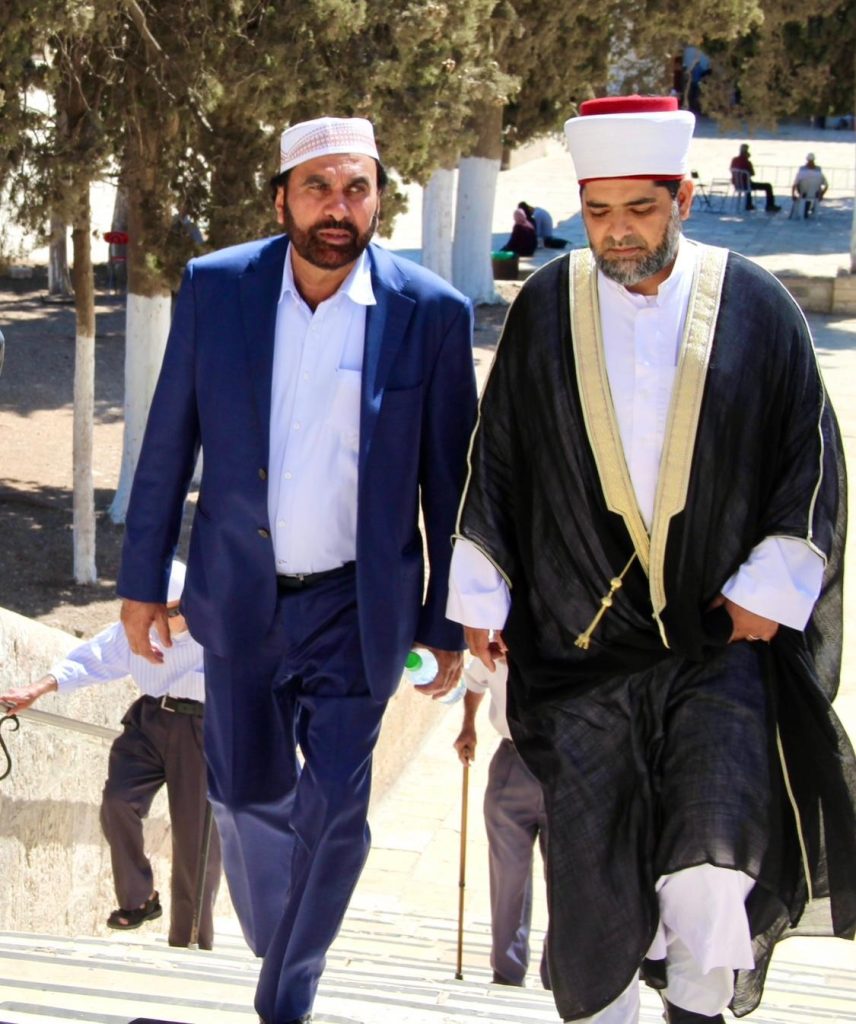
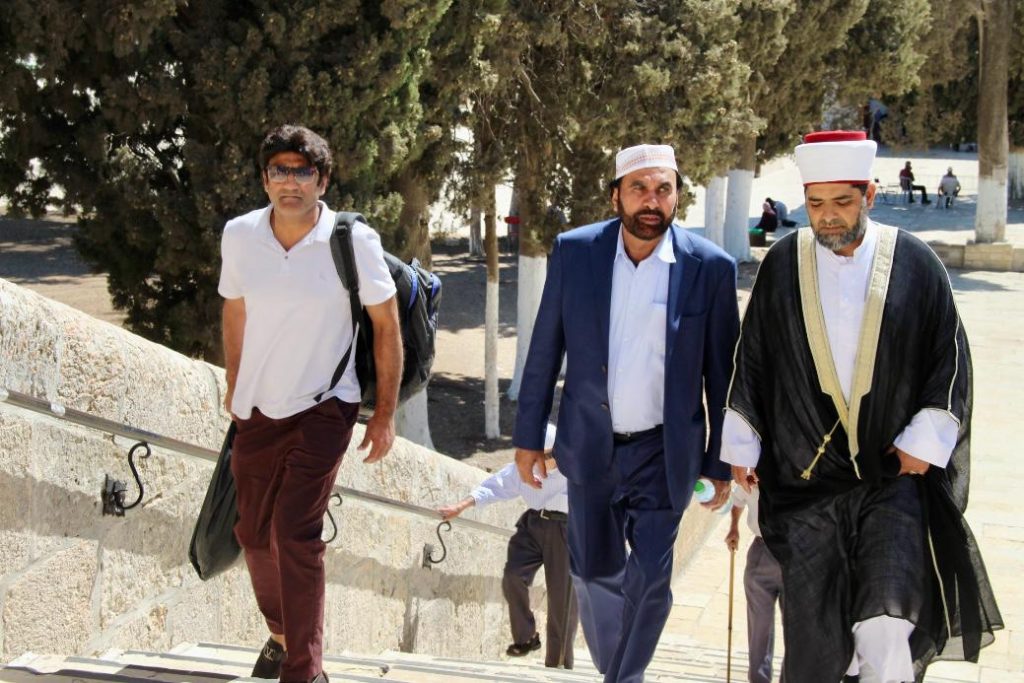
The holy land where time passes silently, where the scent of the breath of the prophets can still be felt in the air, and where every brick also tells the lament of centuries-old history and the song of hope. This is the place where morning is not just the name of the rising of sun, but the beginning of a new spiritual light. A light that tears through the darkness of hearts and reaches deep within.
In this blessed atmosphere, “AlMustafa Welfare Trust” has lit a lamp to spread the light of the Holy Quran, which does not just spread light but also awakens hearts, awakens souls and refreshes the flame of faith. This Quran Circle, established in the mercy of the first Qibla in (Al-Quds) is not just an educational activity, but a spiritual movement. A silent revolution, which knocks on hearts through divine verses without noise and commotion and makes man aware of his true place.
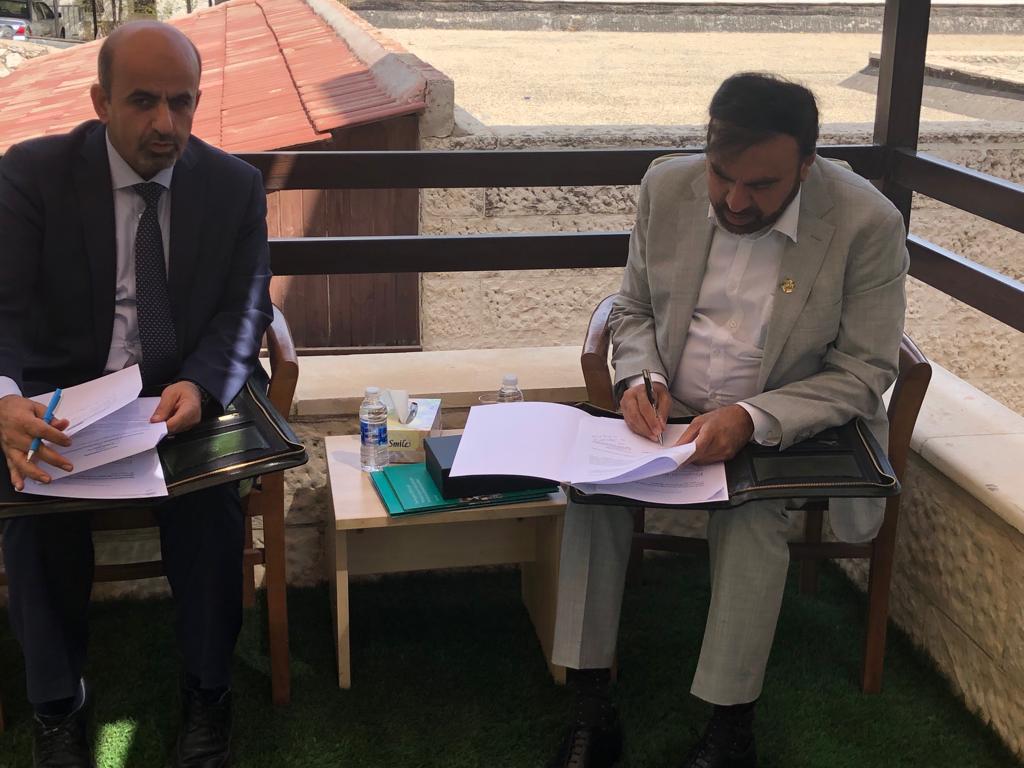
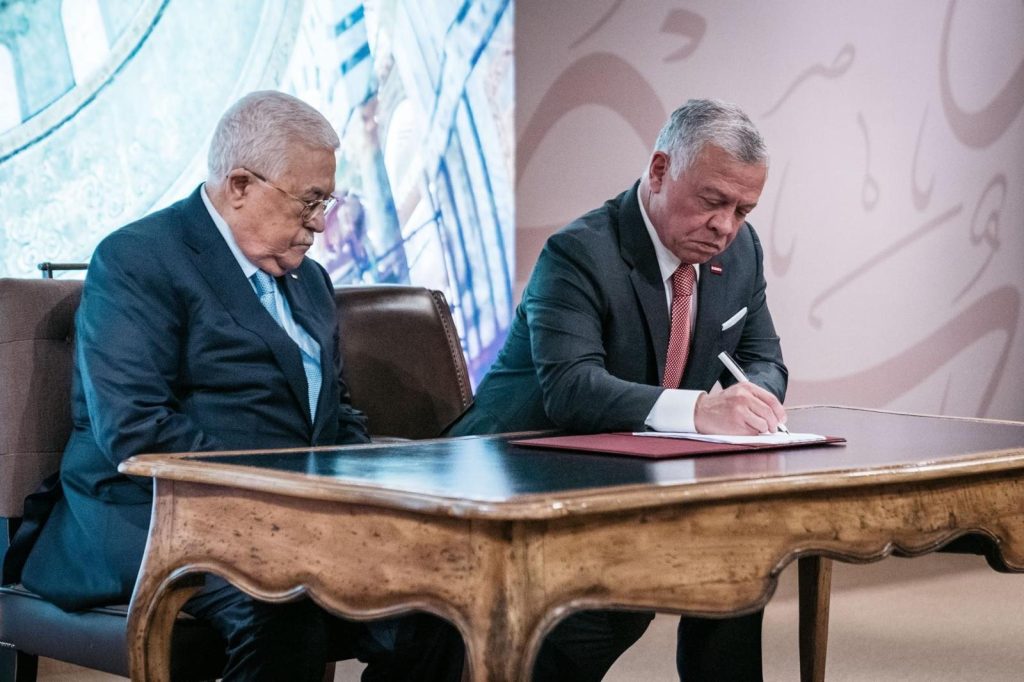
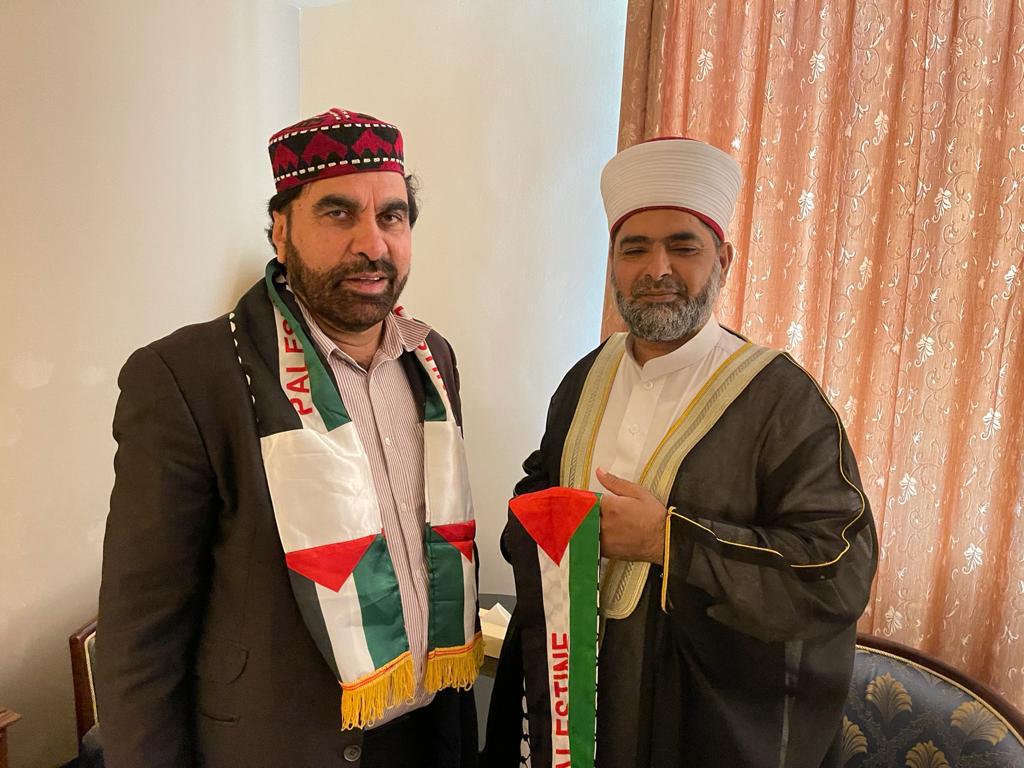
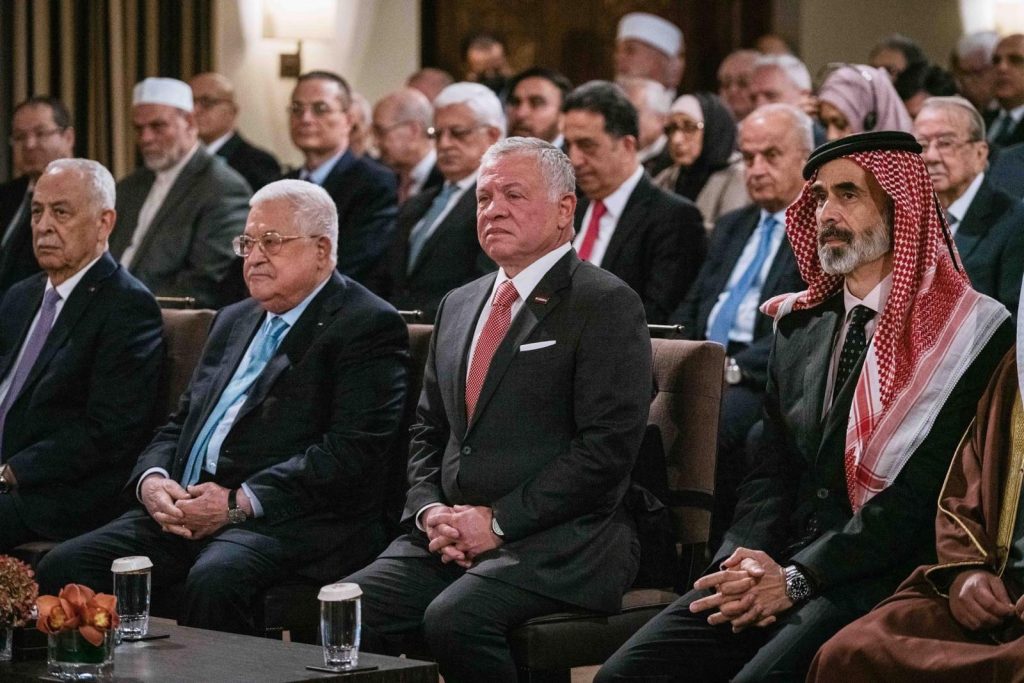
The foundation of this sacred mission was laid in a moment that can be written in golden letters in the pages of history. “AlMustafa Welfare Trust” made this agreement seven years ago with the Jordanian royal family was not just a formal document, but a spiritual covenant. A promise that the light of the Quran would never be allowed to dim. This moment is also witnessed by figures who are part of history themselves, such as Palestinian President Mahmoud Abbas and Jordanian Prince Hussein, whose presence gave added dignity to the covenant.
This Quran Circle teaches the Holy Quran in seven recitations. Each recitation descends into the hearts with a new level, a new dimension, a new impact. Here, learners do not just read words but are immersed in their meanings. Each verse creates a new light within them; each letter leaves an imprint on their hearts. Those who come here do not remain mere students but become trustees of this light that is to be passed on to generations.
But the real beauty of this mission is not limited to education alone. It also embodies the aspect of service that reflects the true spirit of humanity. The people living around the first Qiblah. Those who are struggling with the hardships of poverty. They are provided with vouchers of two thousand dollars. These vouchers are not just financial assistance, but a protection of self-respect. They are given the authority to buy things according to their needs, so that not only their needs are met, but also local businesses survive. Thus, this system is not just charity, but a manifestation of a complete economic wisdom.
These residents of Jerusalem are not just residents. They are the guardians of this land, of this faith, of this history. They are offered millions of dollars to leave their homes, but they refuse. Because they know that their homes are not a collection of bricks and stones, but an ideology, an identity, a resistance. They are part of a silent war that aims to keep the spirit of this holy land alive.
They are pressured, there are attempts to expel them, conspiracies are hatched to break their morale. But they remain steadfast with the first Qibla, with its walls, with its calls to prayer. There they offer their prayers, there they shed tears, and there they keep their hopes alive. Their lives are a living picture of patience, perseverance, and faith.
The verse of the Holy Quran, which describes the greatness of this land, shakes hearts,
سُبْحٰنَ الَّذِيْٓ اَسْرٰى بِعَبْدِهٖ لَيْلًا مِّنَ الْمَسْجِدِ الْحَرَامِ اِلَى الْمَسْجِدِ الْاَقْصَا الَّذِيْ بٰرَكْنَا حَوْلَهٗ لِنُرِيَهٗ مِنْ اٰيٰتِنَا ۭ اِنَّهٗ هُوَ السَّمِيْعُ الْبَصِيْرُ
This verse does not just describe an event, but rather a declaration of the spiritual greatness of this land. This is a place that Allah Almighty has surrounded with His mercy, where blessings descend at every moment, and where a spiritual connection is established between the earth and the sky.
The atmosphere of the Quran Circle is filled with the echo of verses from morning to evening. Here, not only knowledge is imparted, but characters are carved, here not only words are taught, but the meaning of life is explained. This is the light of the “Book of Revolution”, the light of the “Book of Guidance”, which is spreading from the hearts and spreading in the air and enveloping everyone who comes close to it.
The people here not only learn the Quran but also take care of the first Qibla. They are its servants and protectors. Their lives are an example. Of faith, sacrifice, and perseverance. There is certainly fatigue in their eyes, but there is a light in their hearts that is enough to defeat any darkness.
This project is not just a project, but a prayer. A prayer that comes from the hearts and reaches the heavens. We wish that Muslims around the world become part of this mission, spread this light further, strengthen this lamp so that its light does not dim until the Day of Judgment.
Because if this world exists, the light of the Quran must also exist, and as long as the first Qiblah stands, this candle of faith must also remain lit.


Two Israeli soldiers jailed for desecrating statue of Jesus Christ
Monitoring cell
An image of an Israeli soldier apparently hitting a statue of Jesus with a sledgehammer in southern Lebanon has prompted widespread condemnation after being widely shared online.
Israel’s Prime Minister Benjamin Netanyahu said he was “stunned and saddened”, external by what happened. Foreign Minister, Gideon Saar, said: “We apologise for this incident and to every Christian whose feelings were hurt.”
Locals say the statue was on a crucifix outside a family home on the edge of Debel, one of the few villages where residents have remained during Israel’s war with Hezbollah.
The head of Debel’s congregation, Father Fadi Flaifel, told the BBC: “We totally reject the desecration of the cross, our sacred symbol, and all religious symbols.
“It goes against the declaration of human rights, and it doesn’t reflect civility.”
He claimed similar acts had happened before. The Israeli military confirmed that the image circulating on social media was genuine, and said it viewed the incident “with great severity and emphasises that the soldier’s conduct is wholly inconsistent with the values expected of its troops”.
“Appropriate measures” will be taken against those involved, the Israel Defence Forces (IDF) added, saying it was working with the Christian community to “restore the statue to its place”.
Thousands of Israeli troops continue to occupy a wide area of southern Lebanon after a US-brokered ceasefire came into force between Israel and Lebanon on Friday. However, The soldier who desecrated a statue of Jesus Christ and the officer who took his picture have been found guilty. In addition to being sentenced to one month in prison, both soldiers have been recalled from the front.
Qadiriyya Kasnazani Order Celebrates the Birth Anniversary of its Late Sheikh
Amr roshdy
Egypt
The Qadiriyya Kasnazani order in Iraq and various countries across the Islamic world is preparing to commemorate the birth anniversary of its late Sheikh, Muhammad al-Muhammad al-Kasnazani. The final night of the Mawlid celebrations will take place this Friday, in an annual event that attracts widespread attention from the order’s followers and admirers.
This commemoration is taking place amidst a distinctly spiritual atmosphere, with various religious activities including gatherings for remembrance (dhikr), recitation of the Holy Quran, and collective supplications. The spiritual life of the late Sheikh and his impact on contemporary Islamic Sufism will also be reflected upon.
Global Presence and Growing Spread
This occasion witnesses broad participation from the order’s followers in several Arab and Islamic countries, in addition to a notable presence in Europe and Asia, reflecting what the order describes as its growing global reach in recent decades.
This spread, according to observers, is attributed to the efforts of the late Sheikh in disseminating the Sufi approach based on moderation and balance. This path continues today under the leadership of Sheikh Shams al-Din Muhammad Nahru al-Kasnazani al-Qadiri al-Husseini, who oversees the activities of the order and strengthens its intellectual and educational presence.
About Sheikh Muhammad al-Muhammad al-Kasnazani
Sheikh Muhammad al-Muhammad al-Kasnazani is considered one of the most prominent figures of Sufism in the modern era. He led the Qadiriyya Kasnazani order for many years, working to solidify its principles based on self-purification, spiritual conduct, and adherence to Islamic values.
The late Sheikh was born in Iraq and raised in a Sufi religious environment, where he received his religious and spiritual education from the sheikhs of the order before later assuming its leadership. He was known for his role in expanding the order’s reach beyond its local boundaries, extending it to a large number of countries worldwide and attracting followers from diverse backgrounds and cultures.
He was also credited with focusing on the educational and spiritual aspects of individuals’ lives, emphasizing inner development through the dissemination of values such as love, tolerance, and coexistence. This earned him a special place among his followers.
Commemoration: Between Loyalty and Renewal of the Pledge
Those in charge of the Sufi order affirm that commemorating the Sheikh’s birth is not merely a celebratory occasion, but rather an annual opportunity to renew their commitment to the Qadiri-Husseini path and to draw lessons from the life of the late Sheikh.
The events also include speeches and presentations highlighting key moments in his life and his role in establishing the principles of moderate Sufism, as well as calls to strengthen spiritual values in the face of contemporary challenges.
Spiritual Messages and Prayers
The occasion witnessed an exchange of greetings and blessings among the order’s followers worldwide, with participants praying that the order’s mission to spread the values of goodness and peace would continue, and that it would remain a unifying spiritual platform.