Saif Ali Khan
The ‘Islamabad Talks’, scheduled to begin today Friday and final round will be tomorrow April 11, will see high-level teams from Washington and Tehran arrive in Pakistan today, but what we know so far, both sides have chosen strong representation, from US Vice President JD Vance to Iran’s Araghchi. As of now, there is no official, confirmed list of countries that are certain to participate in these ceasefire talks in Islamabad.
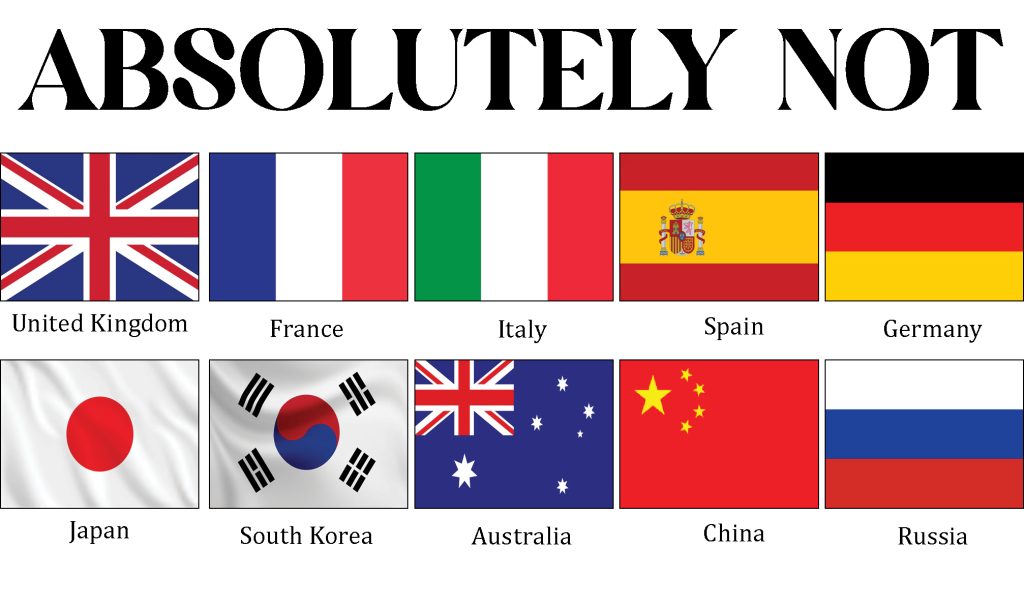
However, such talks usually include or may include these countries or parties, oncourse Iran, US, Pakistan as host, Turkiye, Egypt, UN (as mediator or observer) Possibly European countries UK, France and Germany, or regional countries (depending on the situation) as Saudi Arabia, China, Russia and may be involved in. Since such sensitive diplomatic talks are often kept secret or restricted until the last minute, the final list of participants is usually revealed only through official announcements or media briefings.
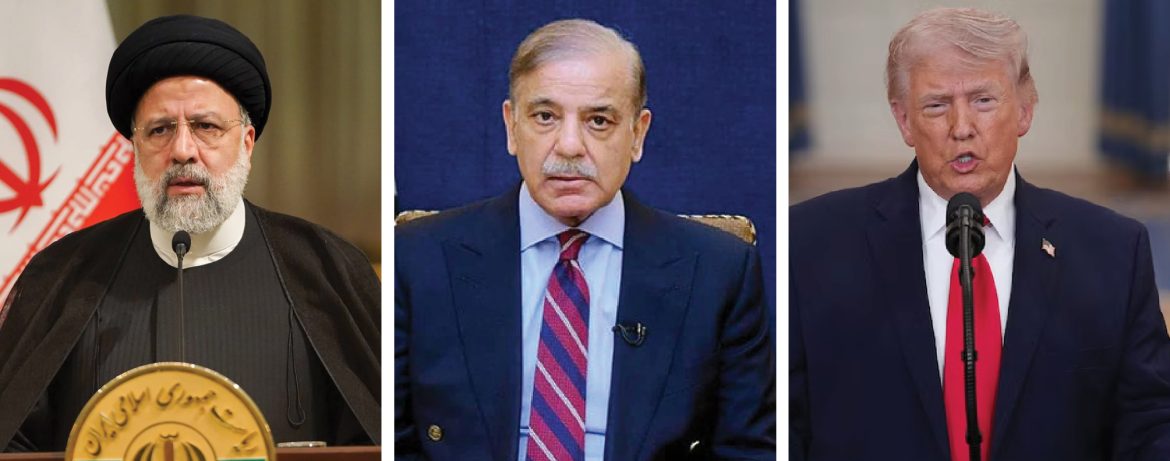
American President Donald Trump announced early last Wednesday a two-week ceasefire halting the US-Israeli war on Iran, which has engulfed the Middle East. The development, anxiously awaited by much of the world, followed a long night of back-channel diplomacy spearheaded by Pakistan. Now, with a fragile ceasefire barely holding and tensions still flaring, Islamabad is set to host talks between the warring parties this Saturday.
In an earlier post on Truth Social, Trump said the US had received a 10-point proposal from Iran, which he described as “a workable basis on which to negotiate”. On the other hand, Iran’s Foreign Minister Abbas Araghchi mentioned a 15-point US proposal that US proposal that negotiators said could end the conflict.
Arab
From Ancient Wisdom to Modern Diplomacy: How Pakistan Helped Avert a Global War
Sajjad Azhar
The recent 39-day conflict involving Iran, the United States, and Israel was not merely a military confrontation between three nations; it threatened to engulf the entire Gulf region in instability. Analysts warn that had the war continued beyond the ultimatum issued by Donald J. Trump, the consequences could have been catastrophic—spreading to multiple countries, causing massive casualties, and crippling global energy supplies for years to come.
At the outset of the conflict, Iranian leadership invoked history as a source of resilience. Officials emphasized Iran’s thousands of years of civilizational continuity, framing the war as a defense not just of territory, but of heritage. In response, President Trump issued a stark message on Truth Social, warning that “an entire civilization could disappear overnight,” underscoring the gravity of the situation.
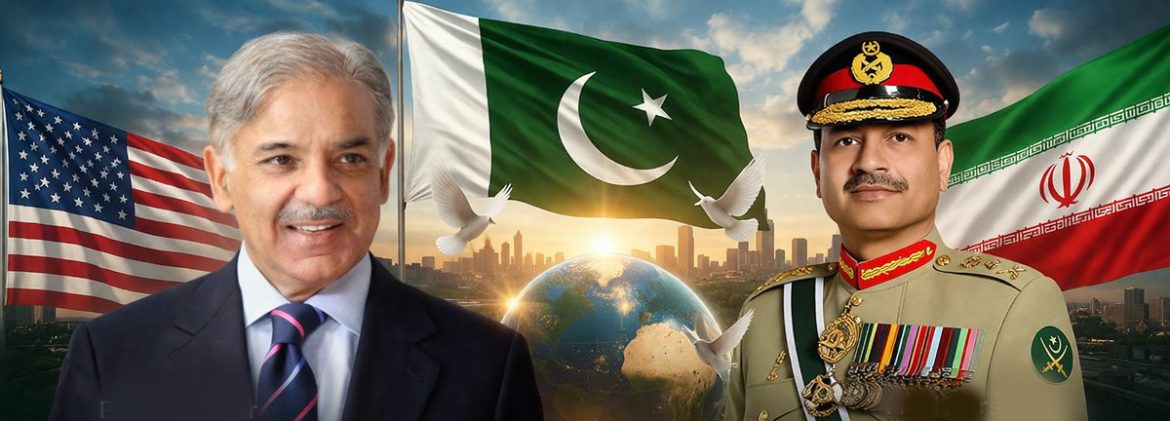
As tensions escalated and reports suggested that U.S. B-52 bombers were prepared for further strikes, an unexpected diplomatic intervention emerged from Pakistan. Prime Minister Shehbaz Sharif publicly urged all parties to agree to a two-week ceasefire, appealing for restraint and giving peace a chance. Shortly thereafter, President Trump confirmed that he had spoken with Prime Minister Shehbaz Sharif and Pakistan’s military chief, Asim Munir, and announced a temporary suspension of hostilities.
This development is now being described as one of Pakistan’s most significant diplomatic achievements in recent history, widely acknowledged across international media. However, beyond immediate geopolitics, the episode also highlights a deeper dimension—Pakistan’s civilizational legacy.
Pakistan is often viewed through the lens of its post-1947 identity, yet it is also the custodian of one of the world’s oldest civilizations: the Indus Valley Civilization. Archaeological discoveries at sites such as Mohenjo-daro and Harappa reveal an advanced urban culture dating back over 4,000 years. More recent findings, including research linked to early settlements like Mehrgarh, suggest that the roots of this civilization may extend as far back as 8,000 years.
Experts argue that such deep historical continuity fosters a form of collective wisdom—shaping how societies perceive conflict, cooperation, and long-term survival. The Indus civilization, notably, shows little evidence of rigid class divisions or militaristic dominance, hinting at a more balanced and organized social structure.
In this context, Pakistan’s recent diplomatic role can be interpreted not only as a strategic maneuver but also as an extension of a long-standing civilizational ethos—one that values stability, negotiation, and coexistence.
The crisis has prompted renewed debate within Pakistan about embracing and promoting its ancient heritage. Scholars contend that recognizing this legacy could help reshape the country’s global image—from one often associated with conflict to one rooted in historical depth and cultural resilience.
As the world continues to grapple with geopolitical tensions, Pakistan’s intervention serves as a reminder that sometimes, the key to peace lies not only in modern diplomacy but also in the accumulated wisdom of ancient civilizations.
Sufism attracted Europeans to Islam: Sheikh Abdul Samad Al-Tijani
Amr Roshdy
Egypt
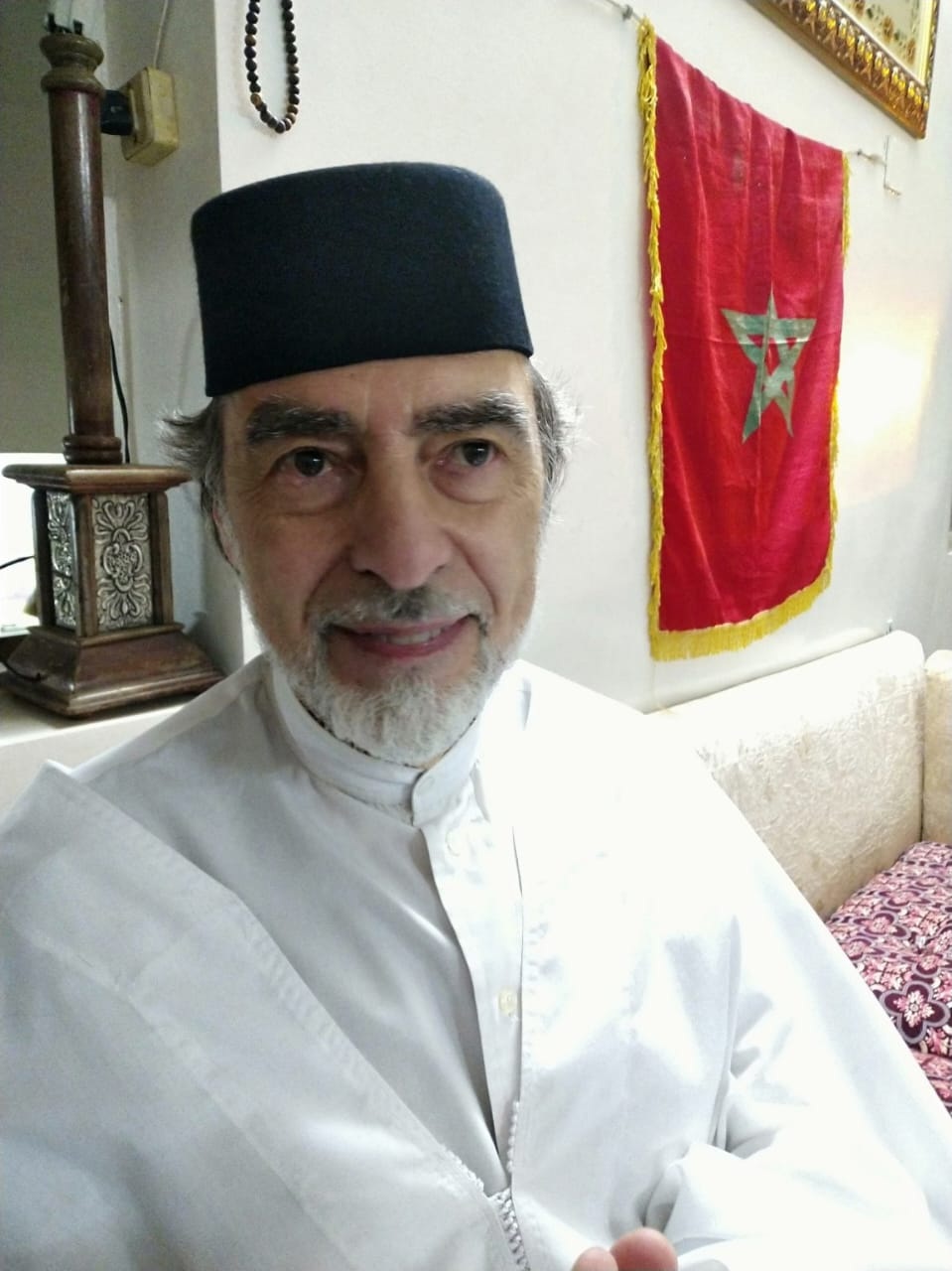
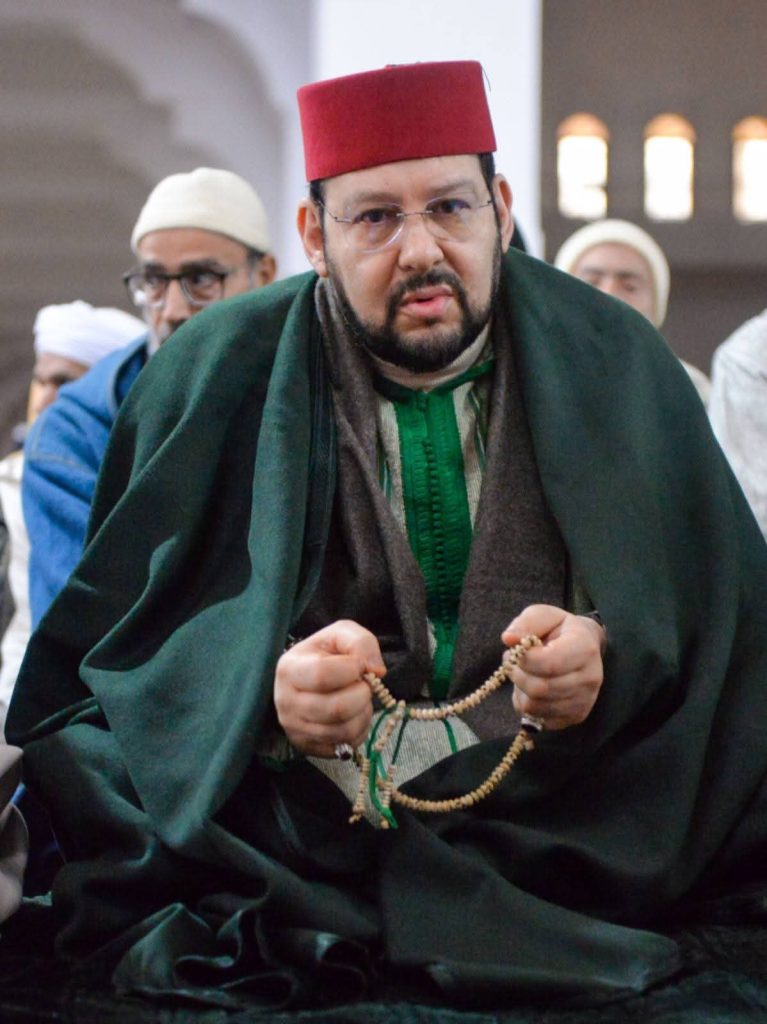
In depth and detailed interview of Sheikh Abdul Samad Al-Tijani the Sheikh of the Tijaniyya Order and Sufi leader in Italy, reflects on his spiritual journey and his initiation into Sufism, explaining how his spiritual quest led him to the Tijaniyya path, which has become an essential part of his life and work.
The Sheikh also discusses the role of Sufism in the modern era, particularly within the European and Italian context. He provides insight into the challenges faced by Sufi orders in the West, as well as the relationship between Sufism and values of tolerance and coexistence among religions. Additionally, he clarifies the role of dhikr (remembrance of God) and awrād (daily spiritual practices) in the disciple’s life, and explains how Sufism integrates both the spiritual and intellectual aspects of life in the Western world.
How did your journey into Sufism begin, and what specifically led you to the Tarīqa Tijāniyya?
In brief, my beginnings with Sufism were the fruit of a sincere spiritual yearning for truth and knowledge. This yearning first led me to the writings of René Guénon, and then to the legacy of the Great Master Muhyī al-Dīn Ibn ‘Arabī, may God be pleased with him. My encounter with his book Fusūs al-Hikam was a pivotal moment, for it opened my inner sight to the Mashrab al-Muhammadī (the spiritual source of Muhammadan tradition) in its purest form.
After that, I traveled to Cairo to study the Arabic language and to seek a complete and realized Shaykh who could guide me on the path. Everything that followed was by God’s grace and guidance, for He led me directly to Shaykh Muhammad al-Hāfiz al-Tijānī, may God be pleased with him. Meeting him was one of the greatest blessings and clearest signs in my life.
How would you describe your current role as Shaykh of the Tijāniyya Order in Italy?
In its essence, my role does not differ from that of any other muqaddam of this Tarīqa: it is a function of service — service to the Shaykh, to the Tarīqa, and to the ahbāb, the name given to the Tijānī disciples entrusted to my care. This service also entails an intellectual clarification of the haqāʾiq al tawhīd, al risāla, and al walāya.
Since our return to Italy, after the years spent in Egypt studying Arabic and the Islamic sciences in the 1970s, we have devoted ourselves to publishing translations and studies on Sufism in Italian, and more recently also in French and English. This project will, God willing, continue in the years to come.

How do you view the current state of Islamic Sufism in Europe in general, and in Italy in particular?
René Guénon’s work opened, both in Europe and in Italy, a new intellectual horizon, restoring to contemporary consciousness the possibility of a rigorous approach to the ḥaqāʾiq ʿirfāniyya — the intelligible and gnostic realities — beyond emotional or sentimental expressions, however religious or mystical they may appear. Yet this remains, by its very nature, a circumscribed reality: a niche addressed to those genuinely moved by the search for metaphysical meaning and principial order.
At the same time, other dimensions of Sufism have taken root in recent decades, for Islam has entered the West through various channels: globalisation, migration, and the presence of Turuq of a more popular character. The European landscape — and the Italian one in particular — thus reflects this dual dynamic: on the one hand, a more selective intellectual and initiatic interest; on the other, a broader diffusion linked to communal and devotional forms.
What are the most significant challenges that Sufi orders face in Western societies?
The foremost challenge is to preserve an inner equilibrium and a profound vision of the Supreme Reality (al ḥaqīqa al ʿāliya al kulliyya), so as to remain centred despite the upheavals that mark this age of decisive transformations. It is essential not to be drawn into outward movements, nor to become entangled in the radicalised tendencies of contemporary society — whether Islamic or otherwise.
Truth remains the sole essential criterion. As Guénon wrote at the end of The Crisis of the Modern World, the motto of the Western ʿirfānī Sufis should be: “Vincit omnia veritas” — Truth always prevails.
Is there interest among non Muslims in deepening their knowledge of Sufism and how does this interest manifest?
There is indeed an interest, though it does not concern the Western public at large. It appears rather among those who are moved by an inner need for “spiritual” truth — at times not yet clearly defined. At this point, however, different paths open, depending on the inner dispositions — what Guénon would have called qualifications — of each individual.
Many are drawn by a taste for the exotic, for what appears “Eastern”: the same current that leads Westerners towards the interior forms of Hinduism or Buddhism. Within this tendency we also find those who approach Sufism as one among several Eastern spiritual movements, often motivated by disappointment with what remains of the ancient spiritual world of Christianity.
For those, however, who have studied and assimilated Guénon’s work, the matter presents itself in an entirely different light: more esoteric (in the authentic sense of bāṭinī, not in the sense of the deviant currents within Islam) and more genuinely gnostic, oriented towards the understanding of principial realities and intelligible truths.
Our political correspondent:
On televised national address, Trump claimed the U.S. military campaign against Iran’s forces is “nearing completion” and that American objectives have largely been achieved, though he gave no firm exit timeline. He said the US will continue strikes “very shortly” and predicted the conflict could end within the next two to three weeks but emphasised hitting Iran “extremely hard”
Trump asserted Iran had requested a ceasefire, but Iranian officials strongly denied this and called the suggestion “baseless.”
Trump’s comments helped push global oil prices higher and drew mixed reactions from U.S. allies. Trump also criticised some NATO members for not supporting the conflict.
Monitoring desk:
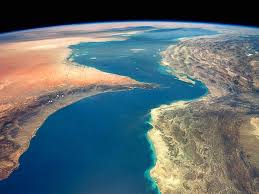
The United Kingdom is set to host urgent international talks involving around 30–35 countries to discuss reopening the Strait of Hormuz, a vital global oil shipping route disrupted by the ongoing Iran conflict. The meeting, led by UK Prime Minister Keir Starmer and chaired by Foreign Secretary Yvette Cooper, will focus on diplomatic and political solutions to restore safe navigation rather than immediate military action.
The crisis has stranded hundreds of ships and disrupted a significant share of global energy supplies, pushing up oil prices and raising economic concerns worldwide.
Notably, the United States is not directly participating in the talks, highlighting differences in approach, as the UK emphasizes diplomacy while tensions in the region continue to escalate.
Amr Roshdy:
Egypt:
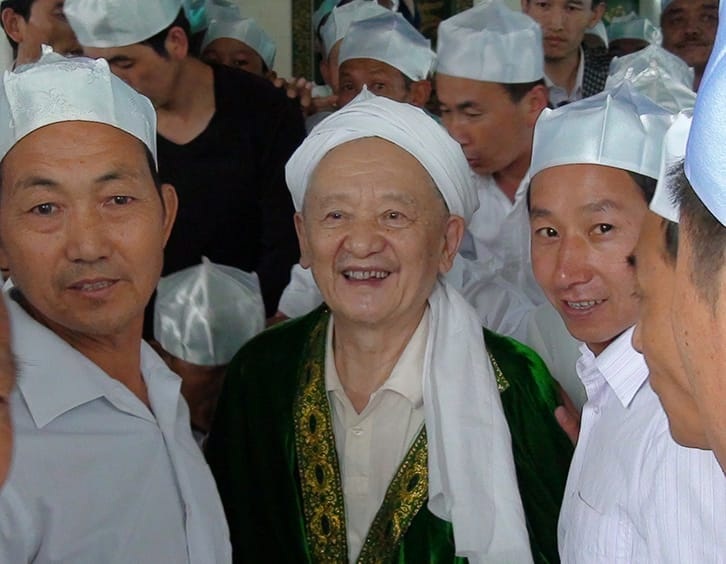
Sheikh Abdul Raouf Al-Yamani Al-Hassani, head of the Naqshbandi Jahri Order and a leading Sufi figure in China, affirmed that Sufi orders play a vital role in establishing the values of moderate Islam and promoting the principles of tolerance and peaceful coexistence amidst the intellectual challenges facing the contemporary world. He explained that the Sufi experience in China represents a distinguished model of balance between preserving religious identity and embracing diverse cultures.
In exclusive statements to “The London Post” Al-Yamani pointed out that the Naqshbandi Jahri Order’s approach is based on profound spiritual education, which focuses on refining the soul, strengthening morals, and instilling compassion and love among people. He added that this approach directly contributes to protecting individuals, especially young people, from falling prey to extremist ideology, which exploits spiritual emptiness and weak religious awareness to spread its ideas. He emphasized that these activities contribute to building a balanced personality capable of positive interaction with society, far removed from isolation or extremism.
Regarding confronting extremist currents, Sheikh Abdul Raouf Al-Yamani Al-Hassani stressed that addressing this phenomenon requires a comprehensive approach that combines intellectual awareness, educational reform, and community engagement.

He explained that Sufism in China has contributed throughout its history to consolidating these values through its positive relationships with various segments of society. In a related context, the Sheikh addressed the phenomenon of Islamophobia, emphasizing that it represents a global challenge requiring a conscious and responsible approach. He explained that negative stereotypes about Islam often arise from conflating the teachings of the true religion with the practices of some extremist groups. He stressed that confronting this phenomenon begins with presenting the true model of Islam, based on mercy, justice, and respect for humanity. He also called for a greater role for media outlets and educational institutions in correcting misconceptions and disseminating accurate knowledge about Islam, free from bias or exaggeration.
He also pointed out that modern media represents an important platform for disseminating moderate thought, emphasizing that the Sufi order seeks to utilize these media positively to spread its message and reach the widest possible segment of youth, using languages and methods appropriate to the times. Sheikh Abdul Raouf Al-Yamani Al-Hassani concluded his remarks by affirming that the message of Sufism will remain based on calling to God with wisdom and good counsel, spreading the values of mercy and justice, and working to strengthen human brotherhood. He expressed his hope that these efforts will contribute to building a more peaceful and understanding world, one governed by the values of moderation and mutual respect among different peoples and cultures.
The Dream of Nebuchadnezzar: Do Its Echoes Still Shape the Middle East?
By Sajjad Azhar:
More than 2,600 years ago, a king’s dream and a city’s destruction carved a narrative that still resonates in the politics and identity of the modern Middle East. The story of Nebuchadnezzar II—the formidable ruler of ancient Babylon—remains deeply embedded in Jewish history, theology, and, some argue, even contemporary geopolitics.
The Fall of Jerusalem and the Babylonian Exile
Around 586 BCE, Nebuchadnezzar II, king of the Babylon, launched a decisive campaign against Jerusalem. The conquest was not merely military—it was civilizational. The city was razed, and the Solomon’s Temple, the spiritual and cultural heart of the Jewish people, was destroyed.
Survivors faced stark choices: death, escape, or captivity. Thousands were taken to Babylon in what became known as the “Babylonian Exile”—a defining trauma in Jewish collective memory. Even today, it is remembered as one of the darkest chapters in Jewish history.
Nebuchadnezzar ruled for over four decades, presiding over one of the most powerful empires of the ancient world, stretching across present-day Iraq, Syria, فلسطين, Israel, parts of Turkey, and Iran. His reign left an enduring legacy—not only in architecture and conquest but in psychological and religious narratives that would outlive his empire.
A Dream That Transcended Time
According to the Book of Daniel, Nebuchadnezzar experienced a mysterious dream that troubled him deeply. The prophet Daniel interpreted it as a vision of successive empires—symbolized by a grand statue—each destined to rise and fall.
For many scholars and believers, this dream became more than a prophecy; it evolved into a theological framework for understanding history and divine order. Some strands of thought—particularly within religious interpretations—see in it a narrative of ultimate triumph and restoration.
From Ancient Trauma to Modern Ideology
Historians often link the Babylonian Exile with the strengthening of Jewish identity, scripture, and longing for return. Centuries later, these themes found echoes in the political ideology of Zionism, which advocated for a return to the ancestral homeland.
While it would be an oversimplification to draw a straight line from Nebuchadnezzar’s dream to modern statehood, the symbolic weight of exile, وعدہ (promise), and restoration undeniably played a role in shaping Jewish historical consciousness—and, indirectly, the creation of the modern state of Israel in 1948.
Historical Conflict and Its Modern Echoes
Nebuchadnezzar’s hostility toward the اليهود stemmed partly from rebellion and refusal to submit to Babylonian authority. Jerusalem’s resistance was met with overwhelming force—an approach not uncommon in ancient imperial politics but one that left scars lasting millennia.
Today, as tensions continue across the Middle East, echoes of ancient grievances and narratives can still be detected. The destruction of Jerusalem, the exile, and even the interpretation of prophetic dreams continue to influence religious discourse and political rhetoric.
A Story Still Unfolding
Is the modern Middle East truly shaped by a 2,600-year-old dream? Not directly—but history, especially sacred history, has a long memory. The story of Nebuchadnezzar is not just about conquest; it is about identity, belief, and the enduring power of narrative.
In a region where past and present are deeply intertwined, the shadow of Babylon still lingers—reminding the world that history is never entirely past.
We Strive to Spread True Islam and Combat Extremism in Europe and the World: Dr Munir Al-Qadiri
By Amr Roshdy:
Egypt:
The Qadiriyya Budshishiyya Sufi order has recently been very active in Europe, organising a series of spiritual and intellectual events in several European capitals. These events are part of its efforts to promote the values of moderation and tolerance, strengthen the culture of coexistence, and counter extremist and hateful rhetoric.
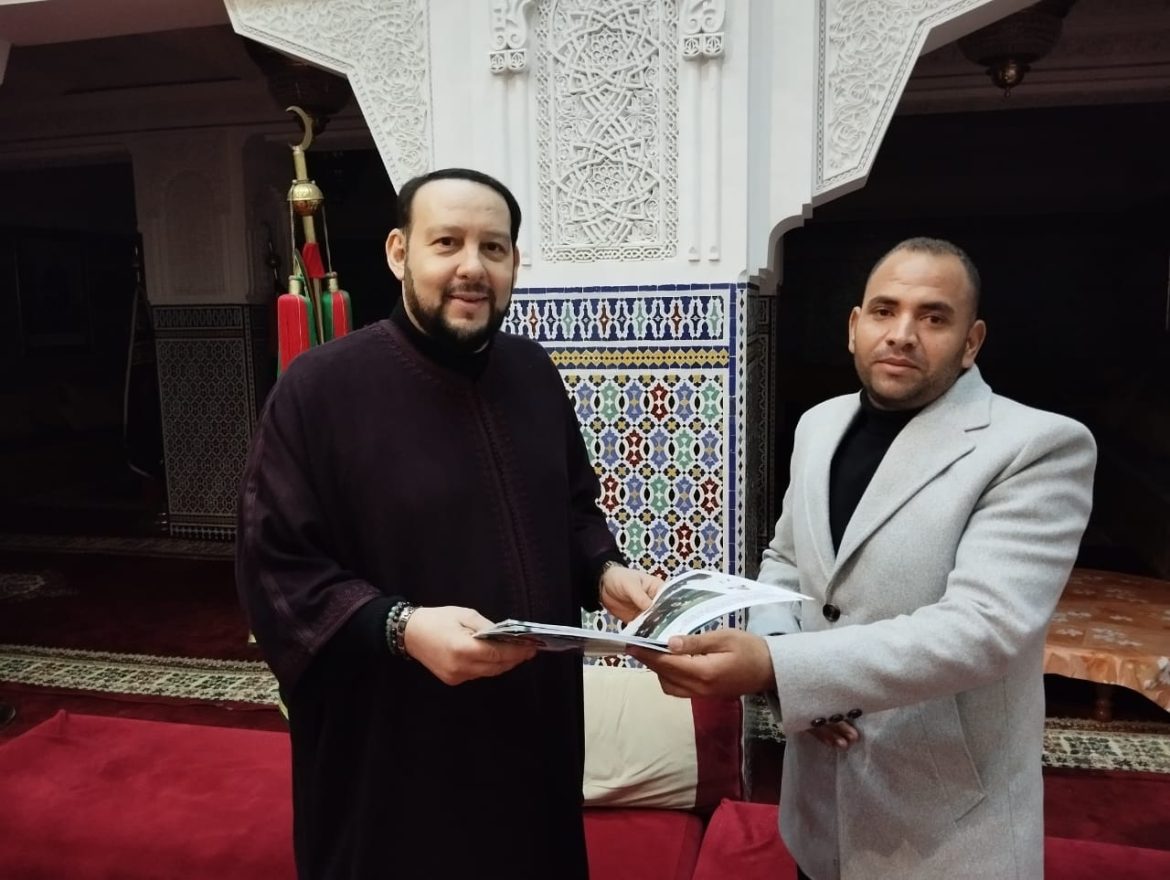
In this context, Dr. Munir al-Qadiri Budshishi, Sheikh of the Qadiriyya Budshishiyya order and President of the Euro-Mediterranean Center for the Study of Islam Today in Morocco and the Muslim world, told the London Post that these initiatives are “a response to the urgent need within European societies for a balanced religious discourse that restores the spiritual dimension of Islam and highlights its authentic values based on mercy, love, and peace.”
He explained that the events, held in several European cities, included intellectual gatherings, academic seminars, and open spiritual evenings, featuring researchers, thinkers, and religious figures from diverse backgrounds, and focused on deconstructing extremist rhetoric and promoting intercultural and interreligious dialogue.
Dr. Qadiri Boudchich added that “the Qadiri Boudchichi Sufi order has been working for years to establish an open Islamic model that aligns with universal values, respects the specificities of European societies, and contributes to the positive integration of Muslims within them. The Boudchichi order strives to introduce people to true Islam and combat extremism, especially in Europe.”
He pointed out that “the challenges facing European societies today, particularly in light of the growing tendencies toward isolationism and extremism, necessitate the combined efforts of various actors, including religious, academic, and civil institutions, to establish an alternative discourse based on wisdom and insight.”
He also emphasized that “the activities organized by the order were not limited to the spiritual aspect alone, but also addressed issues of youth, identity, and citizenship, stressing the importance of involving rising generations in building a future characterized by coexistence and mutual respect.”
In this context, he affirmed that “young people represent a fundamental stake in the battle against extremism, and therefore we are committed to their intellectual development.” Spiritually, and to protect them from extremist rhetoric that exploits their vulnerability or feelings of marginalization.”
He added that “the increasing participation in these events reflects a growing awareness among broad segments of European society of the importance of the spiritual dimension in achieving psychological and social balance, especially in light of the successive crises the world is witnessing.”
He emphasized that “Sufism, as a moral and educational school, is capable of providing profound answers to the questions of contemporary humanity, through its call for love, service to humanity, and the pursuit of inner and outer peace.”

He also pointed out that “confronting extremism cannot be achieved solely through security approaches, but also requires profound intellectual and cultural work that addresses the roots of the phenomenon and offers a convincing alternative for young people.”
He noted that the Euro-Mediterranean Center for the Study of Islam today is keeping pace with this dynamic through research and training programs aimed at qualifying imams and religious figures and equipping them with the necessary knowledge to engage with the challenges of the European context.
In a related context, Dr. Al-Qadiri Boudchich affirmed that “the dialogue between Religions and cultures form one of the cornerstones of our work, as they contribute to dismantling stereotypes, building bridges of trust, and strengthening the values of shared citizenship.
He also called for supporting serious initiatives that promote a culture of peace and encouraging cooperation among various stakeholders to counter hate speech and exclusion.
He concluded his statement by emphasizing that strengthening social peace in Europe requires investing in people, cultivating conscience, and instilling ethical values, which contributes to building more cohesive and harmonious societies.
These efforts are part of a comprehensive vision that seeks to present Islam in its civilized and humane form and contribute to building societies characterized by spiritual security and social stability.