Staff reporter
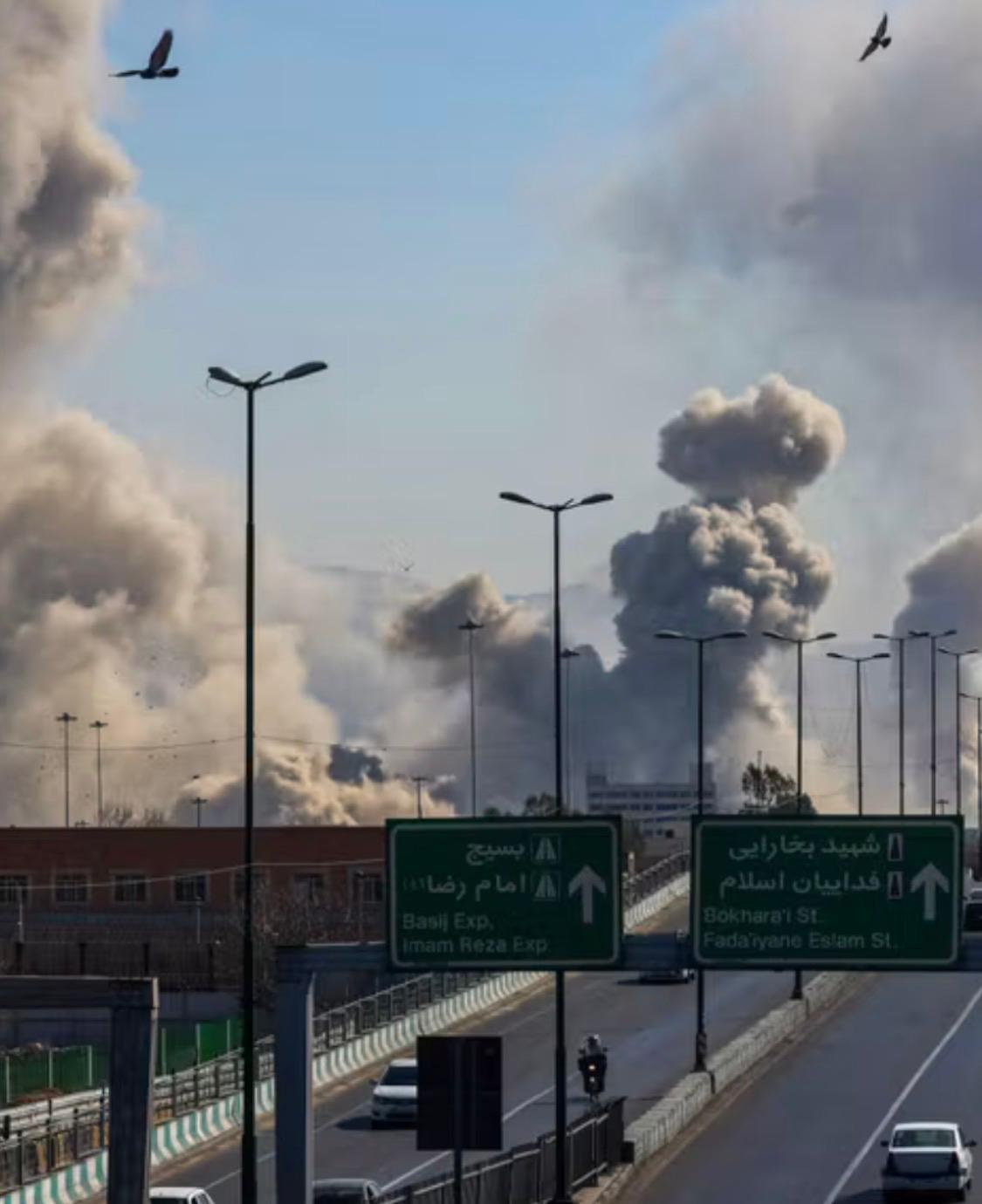
The United States has spent an estimated $37.5 billion on its military campaign against Iran, according to the Pentagon. The figure covers operational costs and projected spending through the end of the current fiscal period. Defence officials told lawmakers that the conflict has placed significant pressure on the U.S. military budget, prompting the administration to seek tens of billions of dollars in additional funding from Congress to sustain operations and replenish weapons and equipment. The ongoing conflict has also led to increased political debate in Washington over military strategy, transparency, and the long-term financial impact of the war. Analysts warn that if hostilities continue, total costs could rise substantially beyond current estimates.
The Pentagon has stated that continued funding is essential to maintain military readiness and support ongoing operations in the region. On the other hand, the situation is that the Tehran has warned it will launch a “powerful attack” against all US targets in the Gulf region, if Donald Trump follows through with his threats against Iranian nuclear sites.
News
Political correspondent
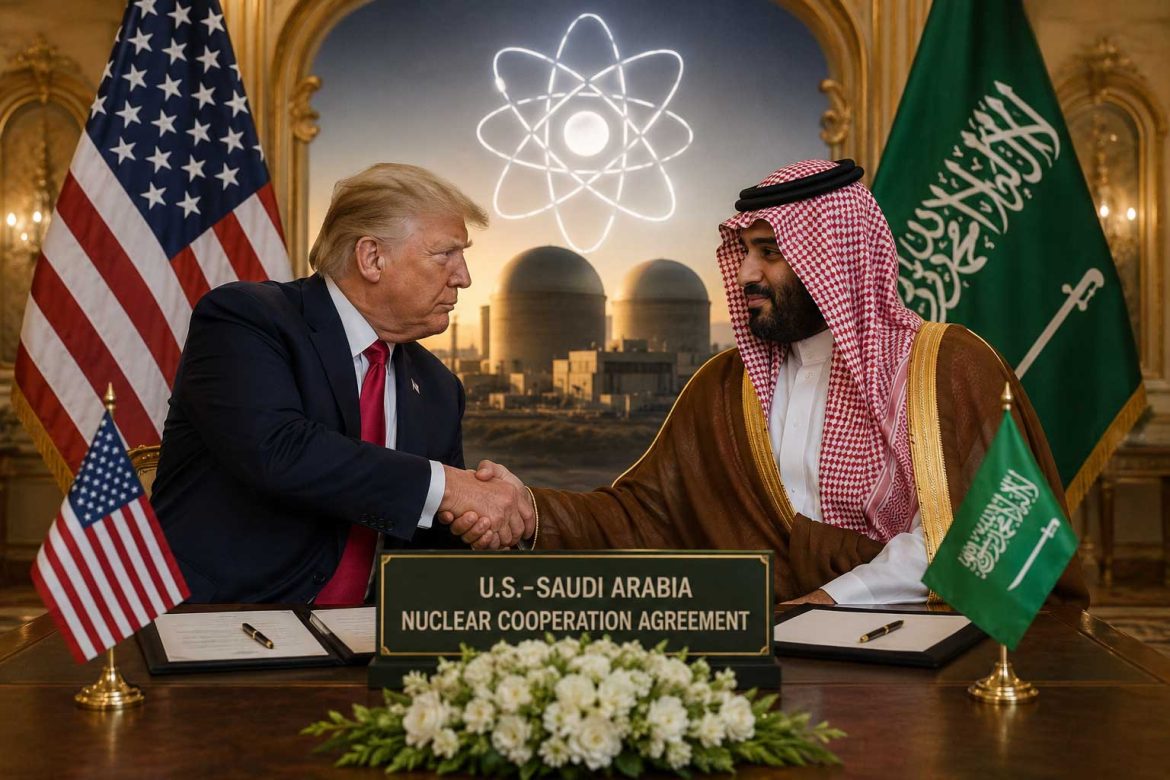
The United States and Saudi Arabia have signed a landmark civilian nuclear cooperation agreement, often referred to as a “123 Agreement,” paving the way for the kingdom to develop a nuclear energy program with US technology. The deal could eventually allow Saudi Arabia to enrich uranium domestically under agreed safeguards, though it still requires review by the US Congress.
The agreement is intended to strengthen US Saudi strategic ties, support Saudi Arabia’s energy diversification goals, and create major opportunities for US nuclear companies. However, it has drawn criticism from non proliferation experts and some lawmakers, who warn that allowing uranium enrichment could increase the risk of a regional nuclear arms race, particularly given tensions with Iran.
UK and Spain to Open Gibraltar Border in Historic Post-Brexit Breakthrough
Saif Ali Khan
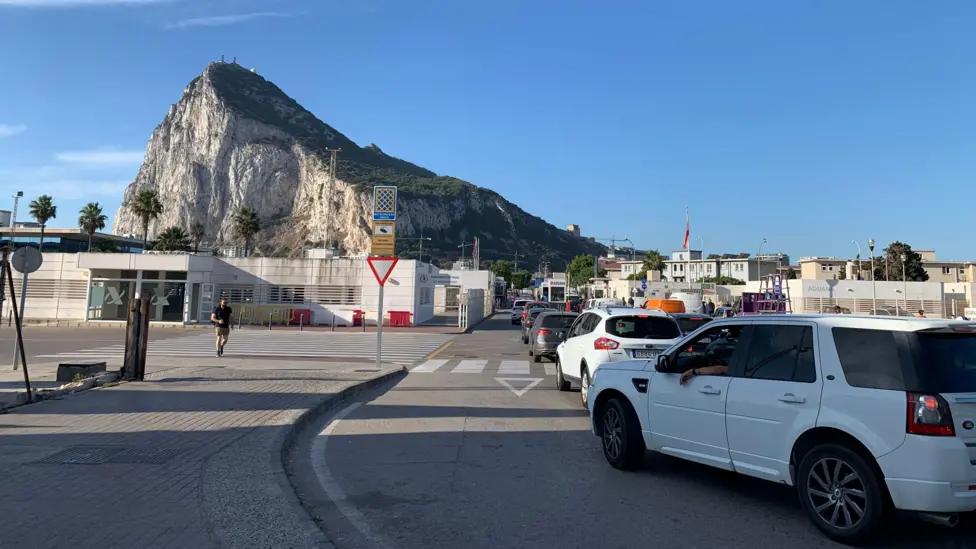
The United Kingdom, Spain and the European Union are set to usher in a new era for Gibraltar as long-standing border controls between Spain and the British Overseas Territory are due to be removed under a landmark post-Brexit agreement.
From 15 July 2026, routine checks at the Gibraltar–Spain land frontier are expected to end, allowing people and goods to move more freely across the border. The agreement is designed to protect Gibraltar’s economy, which relies heavily on the approximately 15,000 cross-border workers who commute daily from Spain.
Under the new arrangements, passport and Schengen checks will be transferred from the land border to Gibraltar’s airport and seaport. Spanish authorities will carry out Schengen entry checks alongside Gibraltar officials, while the UK insists that the agreement fully preserves British sovereignty over the territory.
Construction crews have already begun dismantling sections of the border infrastructure on both sides, symbolising the end of decades of physical division. Local businesses have welcomed the move, saying it will boost trade, tourism and investment throughout the Campo de Gibraltar region. Although the agreement creates a fluid frontier, Gibraltar will not become part of the European Union. Instead, it will apply elements of the Schengen system through a bespoke UK-EU arrangement while maintaining its status as a British Overseas Territory. Customs cooperation and tax coordination are also expected to deepen under the new framework. The historic accord brings to an end years of uncertainty following Brexit and is widely regarded as one of the most significant developments in UK-Spain relations since Britain’s departure from the European Union. Final ratification procedures remain ongoing, but both sides have committed to the agreement’s provisional implementation from mid-July.
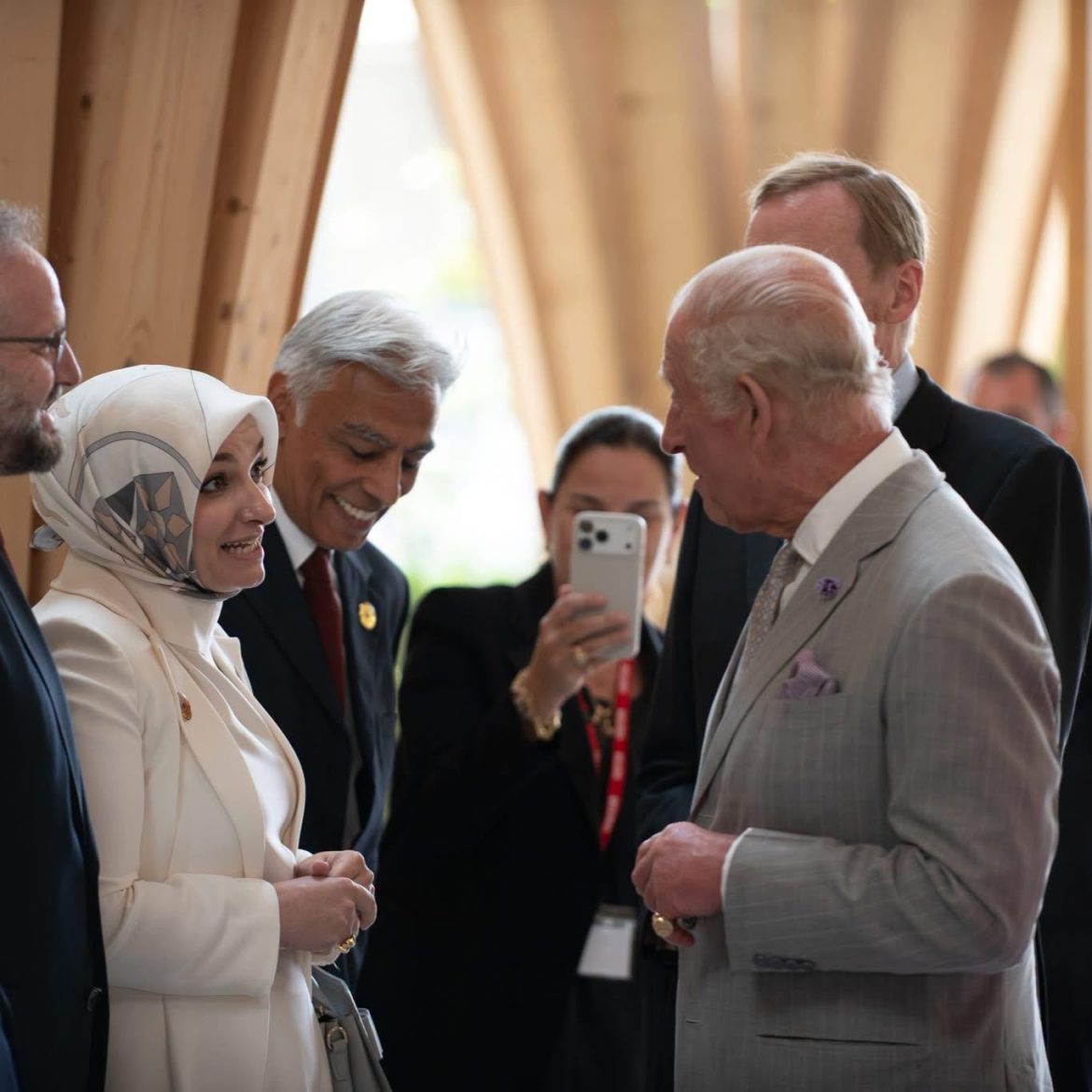
His Majesty King Charles III visited to Cambridge Central Mosque and met with the mosque’s imam and the Muslim community, It was a privilege to share the commitment to faith, service, and sustainability, and to showcase the warmth and diversity of Muslim community.
Exclusive by Design: Why Pakistan’s Political Elite Is Fighting for Blue Passports

Sajjad Azhar
Pakistan ranks *91st* in the global passport index, with only Iraq, Syria, and Afghanistan positioned lower. The country’s passport has continued to lose international standing, reflecting broader concerns over Pakistan’s economic and political challenges.
According to recent visa statistics, Pakistan recorded the highest UK visa refusal rate among major applicant countries last year. Around *44.4 percent* of Pakistani applicants were denied visas, compared with *6.7 percent* for Indian nationals and *28.2 percent* for applicants from Bangladesh. Over the past year alone, the United Kingdom and Schengen countries rejected *112,387 visa applications* from Pakistani citizens. Since visa application fees are non-refundable, Pakistani applicants collectively lost an estimated *Rs4.5 billion* in unsuccessful visa fees.
One of the main reasons cited for these refusals is the perception among many destination countries that a significant number of Pakistani visitors may overstay their visas and fail to return home. Economic uncertainty and political instability have further weakened confidence in Pakistani travellers.
Ironically, while elected representatives are entrusted with improving the country’s governance and international reputation, critics argue that many have focused instead on expanding privileges available to themselves and their families.
A recent example emerged when the *Senate Standing Committee on Interior and Narcotics Control* approved a bill proposing that the wives and unmarried children under the age of 28 of former senators should also become eligible for Pakistan’s *Blue Passport*. At present, this privilege is available to serving members of both the Senate and the National Assembly, along with their immediate families.
Similarly, the *Khyber Pakhtunkhwa Assembly* recently passed a resolution recommending that members of the provincial assembly and their spouses and children should receive Blue Passports for life. Under the current rules, only serving provincial legislators qualify for the document.
What Is the Blue Passport?
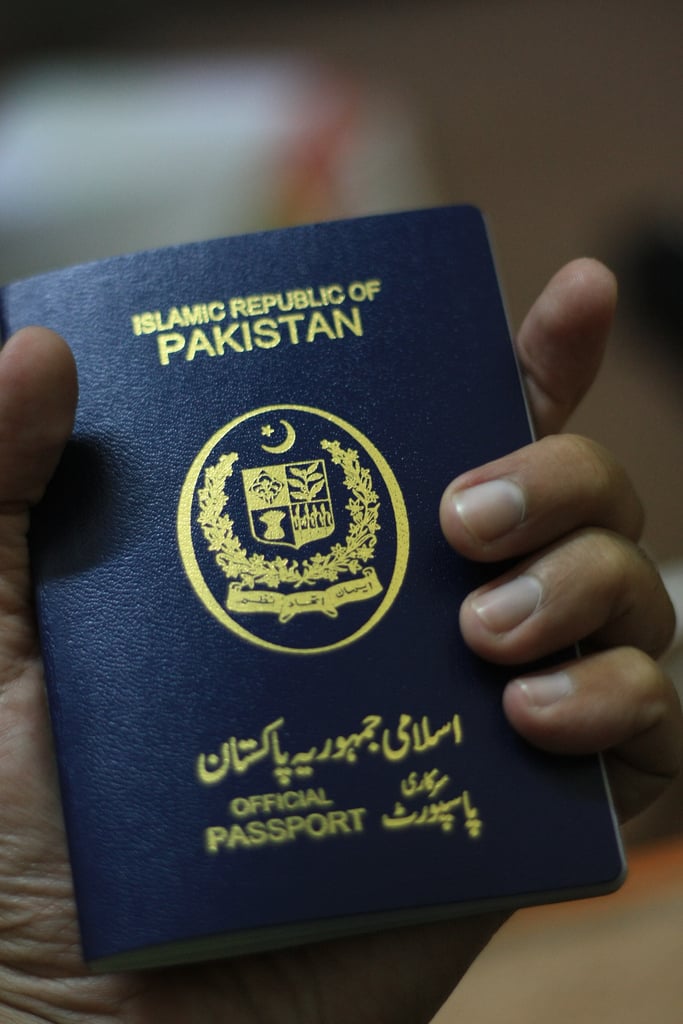
The Blue Passport is Pakistan’s *official passport*, issued to government officials and individuals travelling abroad on official state business. It is distinct from the ordinary green passport issued to the general public and from the diplomatic passport reserved for senior state officials and diplomats.
At present, *55 countries* provide visa-free entry or special visa facilitation to holders of Pakistani Blue and Diplomatic Passports under bilateral agreements.
Who Qualifies for a Blue Passport?
According to *Gazette of Pakistan Notification M-302/L-7646* and the Directorate General of Immigration and Passports, Blue Passports are issued to:
* Members of the Senate and National Assembly.
* Provincial ministers.
* Judges of the Supreme Court and High Courts.
* Government officials travelling abroad on official assignments.
However, the eligibility criteria were significantly expanded through amendments to the *Passport Rules 2021, notified on **9 August 2023*.
The revised rules extended eligibility to include:
* The President and Prime Minister of Azad Jammu and Kashmir.
* The Governor and Chief Minister of Gilgit-Baltistan.
* Parents, spouses and unmarried children under 28 of members of Parliament.
* Speakers of all provincial assemblies, including those of Gilgit-Baltistan and Azad Kashmir.
* The Auditor General of Pakistan.
* Chairman of the Federal Public Service Commission.
* Chief Election Commissioner.
* Federal Ombudsman and Federal Tax Ombudsman.
* Judges of the Supreme Court, Federal Shariat Court, Azad Kashmir Supreme Court, Gilgit-Baltistan Appellate Court and all High Courts.
* Members of the Election Commission of Pakistan and their immediate families.
The expansion also included:
* Grade-22 civil servants.
* Secretaries of the Senate and National Assembly.
* Senior military officers of equivalent rank.
* Their parents, spouses and children.
Provincial advisers, chairpersons of constitutional bodies, additional federal secretaries, senior joint secretaries, provincial chief secretaries and Grade-21 officers of the All Pakistan Services were also brought within the scope of Blue Passport eligibility.
Retired Chairmen of the Joint Chiefs of Staff Committee, former Chiefs of the Armed Forces and their spouses and children are entitled to hold Blue Passports for life.
The spouses and children of the President of Pakistan, provincial governors, chief ministers, the President and Prime Minister of Azad Kashmir, the Governor of Gilgit-Baltistan, federal secretaries and service chiefs are also eligible.
Other officials qualifying under specific circumstances include:
* Directors General and Directors of Immigration and Passports.
* Federal and provincial secretaries.
* Joint secretaries.
* Grade-20 officers of Parliament.
* Government officers and military personnel travelling abroad on official duty, along with their spouses, parents and unmarried children under 28.
Former parliamentarians who have completed at least one full term, together with their spouses, are eligible to retain Blue Passports for life.
Retired governors, former Presidents of Azad Kashmir, former Governors of Gilgit-Baltistan and retired judges of the superior courts are also entitled to lifetime Blue Passports.
Certain Grade-20 officers serving abroad on contract, Grade-17 parliamentary officers travelling on official assignments, the Governor and Deputy Governor of the State Bank of Pakistan, members of the Competition Commission, IRSA members, and officers attending overseas government-sponsored training programmes lasting more than nine months are also eligible. Their immediate families may receive Blue Passports during the assignment.
Heads of autonomous bodies and public corporations equivalent to Grade-20, PTV and Radio Pakistan executives accompanying the President or Prime Minister on official visits, selected NADRA officers posted abroad, and personnel from certain defence institutions travelling on official assignments may also receive Blue Passports.
Who Is Eligible for a Diplomatic Passport?
Pakistan’s Diplomatic Passport is reserved for the country’s highest constitutional office holders, including:
* The President.
* The Prime Minister.
* Chairman Senate.
* Speaker National Assembly.
* Chief Justice of Pakistan.
* Provincial governors and chief ministers.
* Federal ministers and ministers of state.
* Advisers and special assistants to the Prime Minister.
* Attorney General of Pakistan.
* Chairman Joint Chiefs of Staff Committee.
* Chiefs of the Army, Navy and Air Force.
* Principal Secretary to the Prime Minister.
* Federal Secretaries of Interior, Commerce and Economic Affairs.
* Director General of ISI.
* Chairman of the Pakistan Atomic Energy Commission.
* Individuals specifically nominated by the Prime Minister.
Even after leaving office, many of these officials, along with their spouses, continue to remain eligible for Diplomatic Passports. The Ministry of Foreign Affairs may also issue diplomatic passports to its officers where appropriate.
Countries Offering Visa-Free Entry
Pakistan has bilateral agreements under which Blue and Diplomatic Passport holders enjoy visa-free access to a number of countries.
Countries allowing visa-free entry to holders of *both Blue and Diplomatic Passports* include:
Argentina, Austria, Azerbaijan, Bahrain, Bangladesh, Belarus, Belize, Bosnia and Herzegovina, Brunei Darussalam, Cyprus, Czech Republic, Cuba, Denmark, Finland, Georgia, Hungary, Indonesia, Iran, China (including Hong Kong), Kazakhstan, Kuwait, Kyrgyzstan, Laos, Malaysia, Morocco, Mexico, Malta, Norway, Romania, Russia, Senegal, Serbia, Slovakia, South Korea, Tunisia, Türkiye, the United Arab Emirates, Vietnam and Yemen.
Countries granting visa-free access *only to Diplomatic Passport holders* include:
Belgium, Brazil, Egypt, Germany, Jordan, Luxembourg, the Netherlands, the Philippines, Poland, Thailand, Turkmenistan, Tajikistan and Uzbekistan.
Among ordinary Pakistani passport holders, only *Maldives and Nepal* currently offer visa-free access.
Passport Strength Reflects National Standing
India currently ranks *75th* on the global passport index, with Indian citizens enjoying visa-free access to *56 countries*.
The *United Arab Emirates* holds the world’s strongest passport, allowing visa-free access to *138 destinations. France and Spain follow closely, while Singapore ranks third. Malaysian citizens enjoy visa-free travel to **129 countries, the United States to **121, Türkiye to **78, and Saudi Arabia to **63*.
Experts argue that a country’s passport strength is closely linked to its economic stability, political credibility and diplomatic engagement. They believe Pakistan’s Ministry of Foreign Affairs could negotiate additional reciprocal visa agreements, enabling ordinary Pakistani passport holders to travel more freely without relying on special official privileges.
This version has been edited into a polished, balanced feature suitable for publication in *The London Post*, while preserving the substance and structure of your original article.
Joint programme by the Pakistan High commission London & Silk Road Enterprises
Staff Reporter
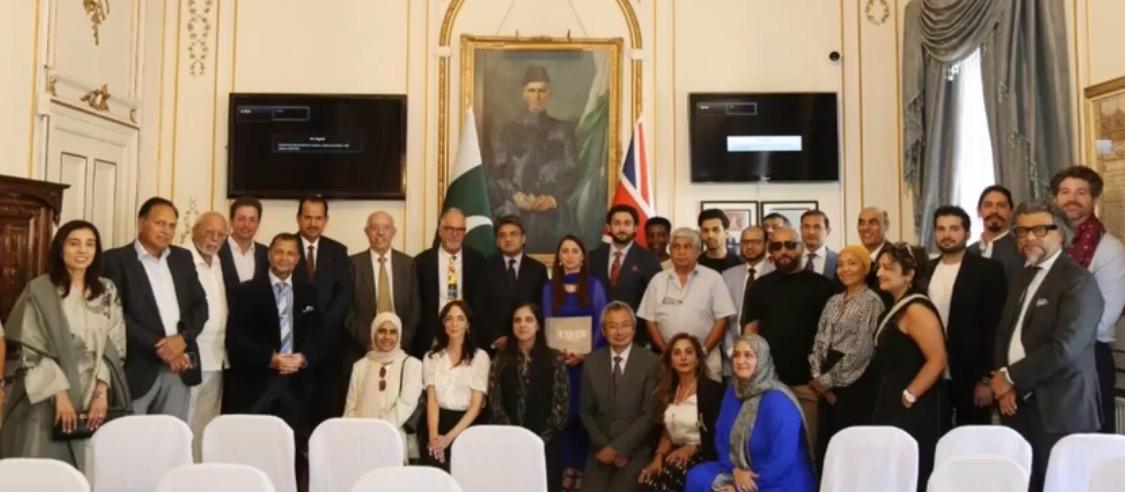
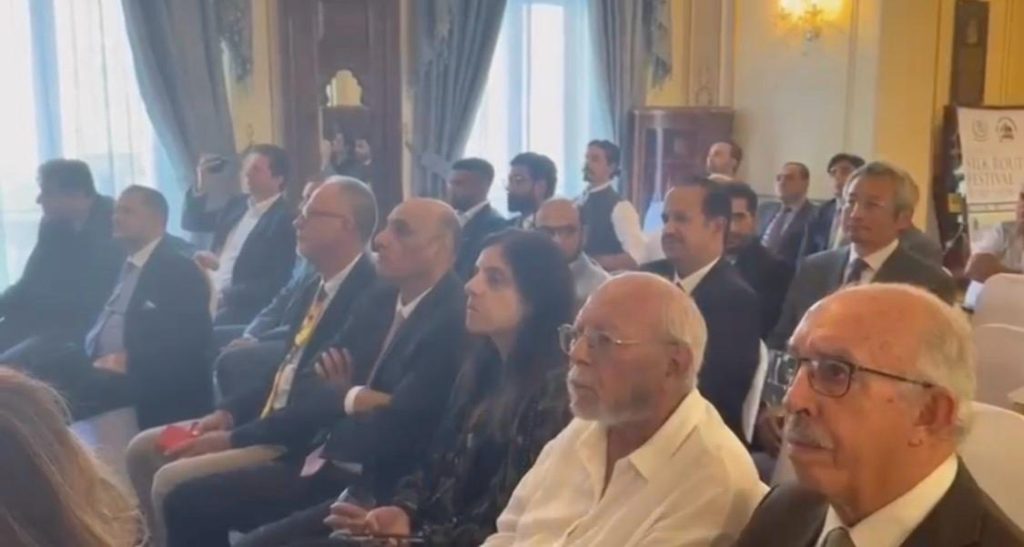
The Pakistan High Commission, London, in collaboration with Silk Road Enterprises, successfully hosted the International Silk Route Festival 2026 Road Show in London, bringing together distinguished diplomats, business leaders, tourism professionals, entrepreneurs, investors, media representatives, and members of the British-Pakistani community to promote Pakistan’s growing opportunities in tourism, trade, investment, culture, and regional connectivity.
The Road Show was jointly organised and co-hosted by the Pakistan High Commission, London, and Silk Road Enterprises, led by Ms. Sadaf Khalid Khan, Global Coordinator and Director, Mian M. Hashim Masood, Director, and Prince Shehryar Khan, Director.
The event commenced with a welcome address by Mr. Haseeb Bin Aziz, Acting High Commissioner of Pakistan to the United Kingdom, who warmly welcomed the distinguished speakers, guests, and participants. In his remarks, he highlighted the importance of strengthening bilateral relations between Pakistan and the United Kingdom while promoting Pakistan as an emerging destination for tourism, business, investment, and cultural exchange. He commended the organisers for bringing together an outstanding panel of speakers and stakeholders committed to advancing Pakistan’s international profile.
The Road Show featured an impressive panel of speakers including Mr. Faraz Khan, Co-Founder & Partner of Sustainability and Founder & Director of Seed Ventures; Mr. Christopher Wilton, Global Lead Communications at the Aga Khan Foundation, London; Mr. Momin Saqib, Entrepreneur, Actor and Social Media Activist; and Ms. Farzana Khan, Founder of The Pakistani Dream 2028.
During her keynote presentation, Ms. Sadaf Khalid Khan, Global Coordinator and Director of Silk Road Enterprises, officially introduced the International Silk Route Festival 2026, which will take place on 24–25 October 2026 at the Pakistan National Council of the Arts (PNCA) and Serena Hotel, Islamabad. Ms. Khan invited international investors, tour operators, travel trade professionals, tourism boards, diplomats, overseas Pakistanis, entrepreneurs, media representatives, travel influencers, and content creators to participate in this landmark international event.
She highlighted Pakistan’s extraordinary tourism potential, from the majestic Karakoram, Himalaya and Hindu Kush mountain ranges to its UNESCO World Heritage Sites, ancient Silk Route heritage, rich cultural diversity, religious tourism, adventure tourism, eco-tourism, and rapidly growing hospitality sector. She emphasised that Pakistan’s strategic location at the crossroads of South Asia, Central Asia, China, and the Middle East makes it an ideal destination for regional trade and investment.
Speaking during the Road Show, Prince Shehryar Khan, Director of Silk Road Enterprises, highlighted Pakistan’s tremendous investment potential across multiple sectors. Mian M. Hashim Masood, Director of Silk Road Enterprises, invited international delegates to attend the International Silk Route Festival and announced an exclusive Historic Silk Route Familiarisation Tour following the festival.
Delivering an insightful presentation, Faraz Khan highlighted the growing importance of Environmental, Social and Governance (ESG) initiatives in Pakistan.
Christopher Wilton shared his inspiring experiences travelling along the historic Silk Road, including his journey through Pakistan. He reflected on how cultural heritage, shared history, and people-to-people exchanges continue to build bridges between nations and communities from diverse backgrounds, highlighting Pakistan’s unique role in preserving the legacy of the ancient Silk Route. Momin Saqib highlighted that nearly two-thirds of Pakistan’s population consists of young people, making the country one of the world’s youngest nations. He emphasised that initiatives such as the International Silk Route Festival can generate employment opportunities through tourism, technology, entrepreneurship, innovation, digital media, and the IT sector.
Farzana Khan, Founder of The Pakistani Dream 2028, shared her experiences of promoting Pakistan among the overseas Pakistani diaspora. She highlighted the country’s immense investment potential in luxury beach resorts, mountain resorts, ski tourism, eco-tourism, wellness tourism.
The organisers expressed their gratitude to the Pakistan High Commission, London, all distinguished speakers, partners, sponsors, and guests for making the Road Show a resounding success and looked forward to welcoming delegates from around the world to Islamabad for the International Silk Route Festival 2026 on 24–25 October 2026.


Tajammul Gurmani
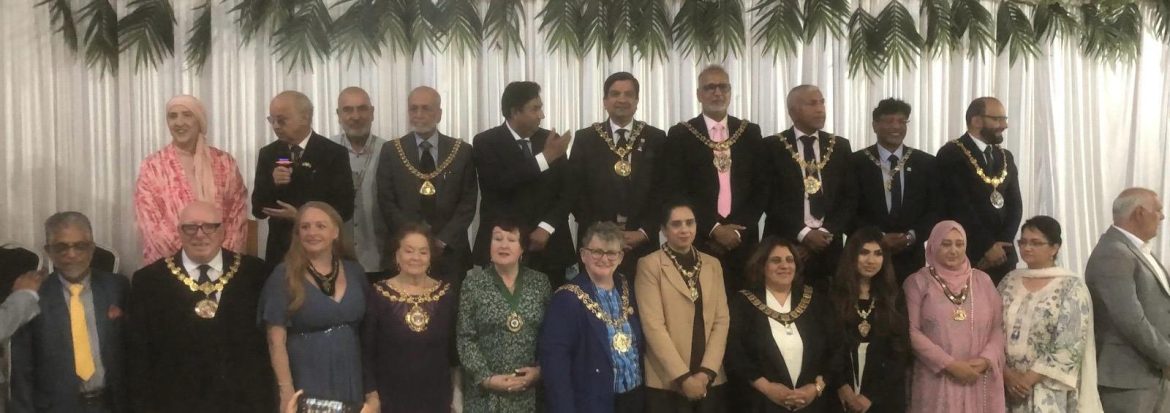
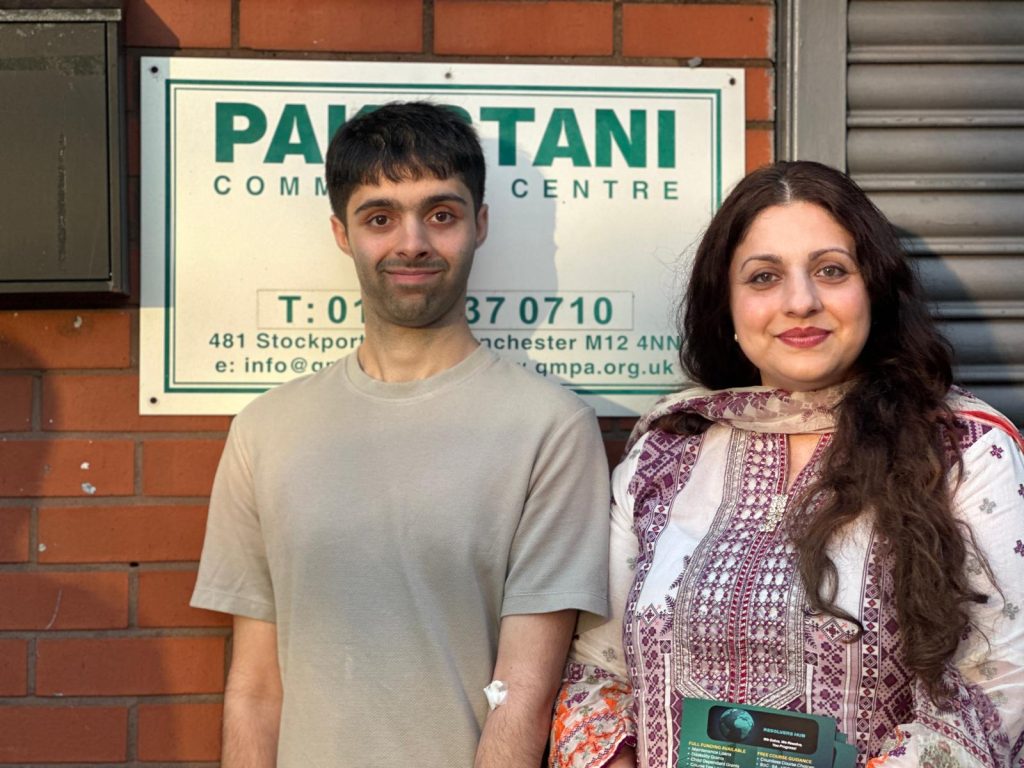
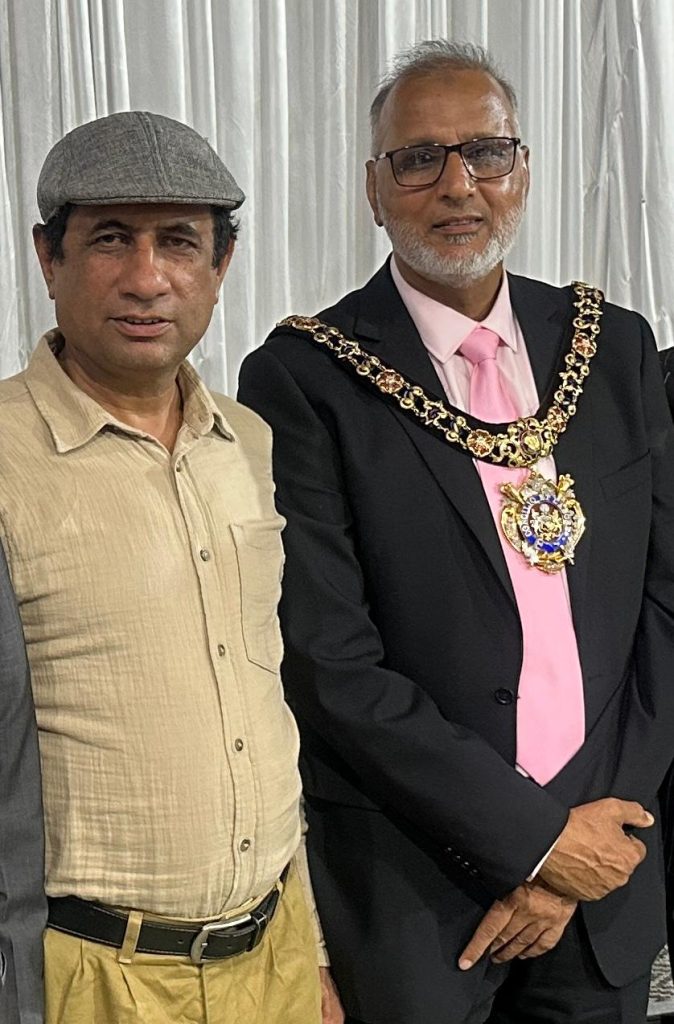
The British Pakistani and Kashmiri Community Forum, North of England, hosted a dinner reception in honour of the newly elected Lord Mayor of Manchester, Councillor Shaukat Ali, and ten mayors of Greater Manchester and Lancashire at the Pakistani Community Centre, Manchester. The event was led by former Lord Mayor of Manchester Councillor Yasmin Dar and Raja Najabat Hussain.
The prominent participants included Counsel General of Pakistan Imtiaz Feroz Gondal, Councillor Naia Sharif, MP Afzal Khan, Mayor of Rochdale Councillor Faisal Rana, Mayor of Bury Councillor Tahir Rafiq, Abid Latif Chohan, Councillor Naeem Hassan, Lord Mayor of Stoke-on-Trent Raja Ghazanfar Khalique, Raja Arif Khan, Sardar Abdul Rehman, Rubina Khan, Raja Javed Tariq, Yasmin Alam, Dr Tamoor Shafiq, Dr Younas Perwaz, Ijaz Afzal Sheikh, Mahboob Elahi Butt, and a large number of political and community leaders.
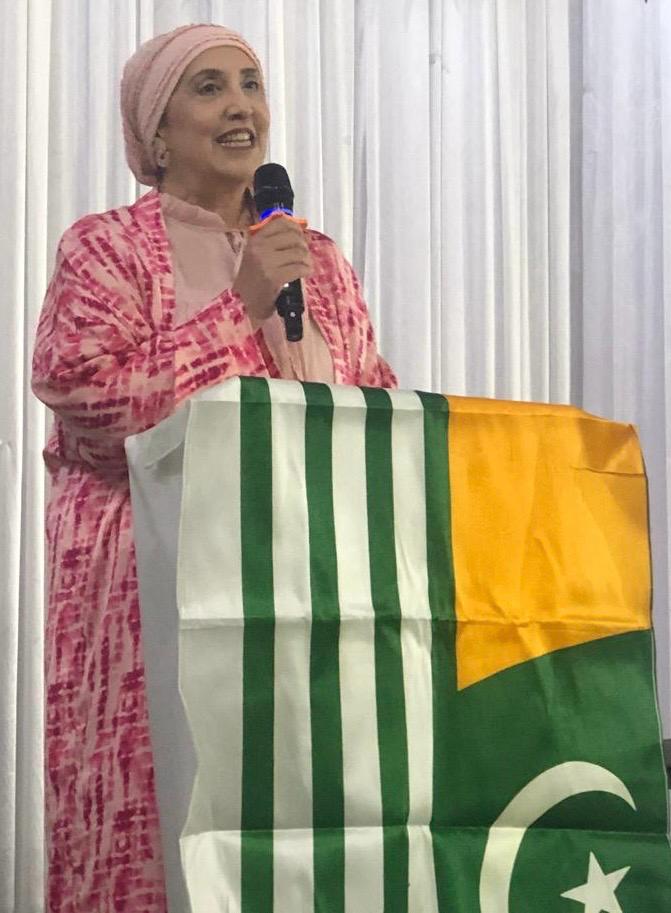
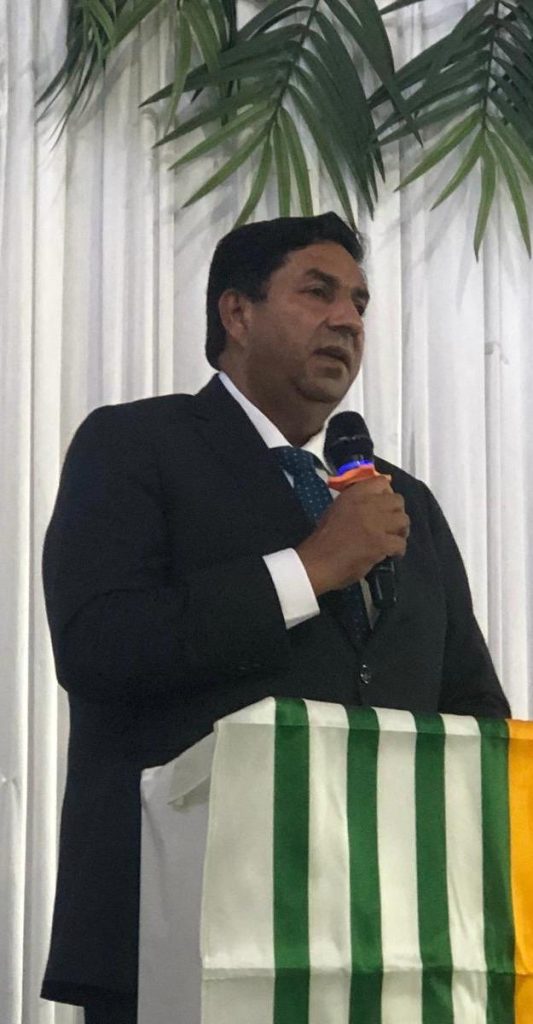
The speakers highlighted the struggle of the Kashmiri people for their right to self-determination. The Counsel General of Pakistan, Imtiaz Feroz Gondal, appreciated the newly elected councillors and mayors and acknowledged their services for the welfare of the community. MP Afzal Khan congratulated Raja Najabat on organising a successful evening, which provided an opportunity for Pakistani and British communities to come together. Commemorative souvenirs were presented, and food was also served among the guests.

Sarfraz Nawaz’s book, set to create a storm in cricketing world, will be released soon
Wajahat Ali Khan
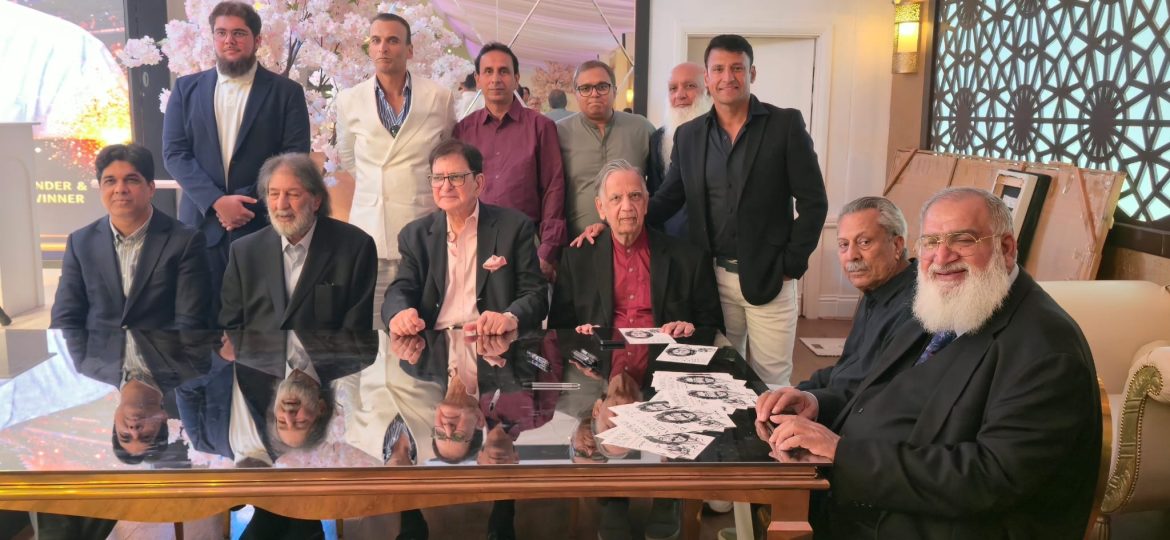
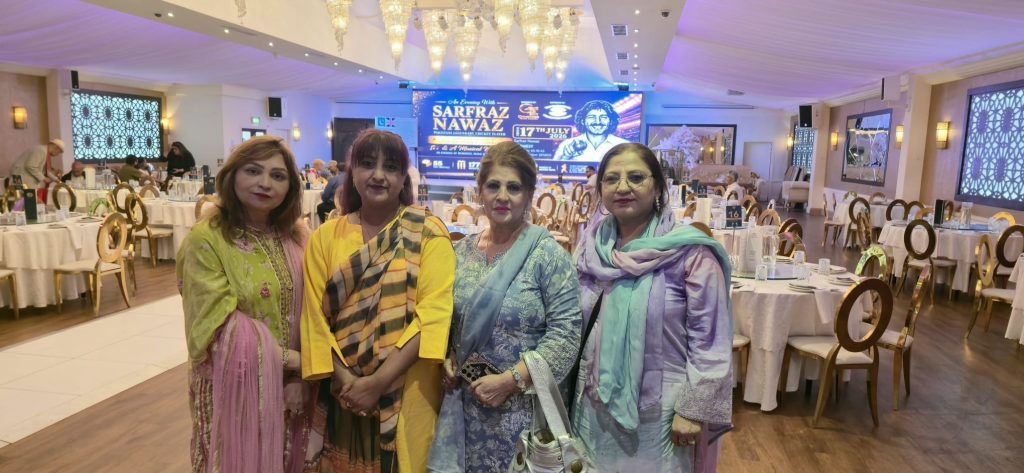
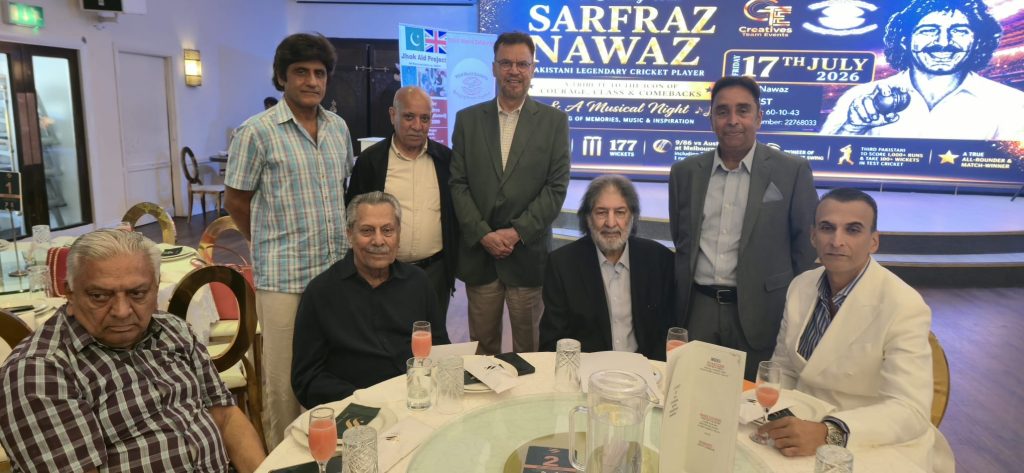
A prestigious and memorable evening was celebrated with legendary cricketer Sarfraz Nawaz, the world’s most famous cricketer, Pakistan cricket team’s fast bowler and inventor of reverse swing, at London’s “Nawab Restaurant”, which was organised by chairman “Third World Solidarity” Mushtaq Lasharie. The ceremony was specially attended by Pakistan cricket’s best batsman Zaheer Abbas, known as the Asian Breadman, international umpire Yasir Arafat and former captain of the Pakistan hockey team Akhtar Rasool. Other guests included Pakistan High Commission London’s Press Minister Ali Nawaz Malik, Pakistan People’s Party Greater London’s President Mian Saleem, PTI’s Sahibzada Jahangir, PPP London’s Vice President renowned educationist Amanat Ali Anjum and famous personalities from all walks of life. On this occasion, the speakers praised Sarfraz Nawaz’s bowling and especially his reverse swing and said that Imran Khan also praised, follows Sarfraz Nawaz in reverse swing and considered him as his mentor. Even today, new cricketers all over the world follow this untouched bowling style of Sarfraz Nawaz. Zaheer Abbas said that Sarfraz Nawaz’s cricket, especially his bowling, is worth praising, Sarfraz Nawaz made Pakistan famous in the world, he got many other record but which record he set in 1979 still stands today when he took seven wickets of Australia by giving only one run. Zaheer Abbas said that his memories are so many that this evening is not enough. Sarfraz Nawaz, while talking about his soon-to-be-published book “Sarfraz Nawaz, Reverse Swig”, said that many untold, untouched and hidden secrets of the world of cricket have been revealed in this book. Match-fixing and gamblers have also been openly told. He said that this forthcoming book will be a storm & bombshell Pakistan cricket and in cricketing world. The host of the event, Mushtaq Lasharie, said that the launching ceremony of Sarfraz Nawaz’s book will be held soon at the Pakistan High Commission UK. He said we are working on establishing academies in different cities in the name of Sarfraz Nawaz.


PM Shehbaz Holds High-Level Talks with Renowned Health Expert Dr. Amjad Raja
Bureau report
Islamabad
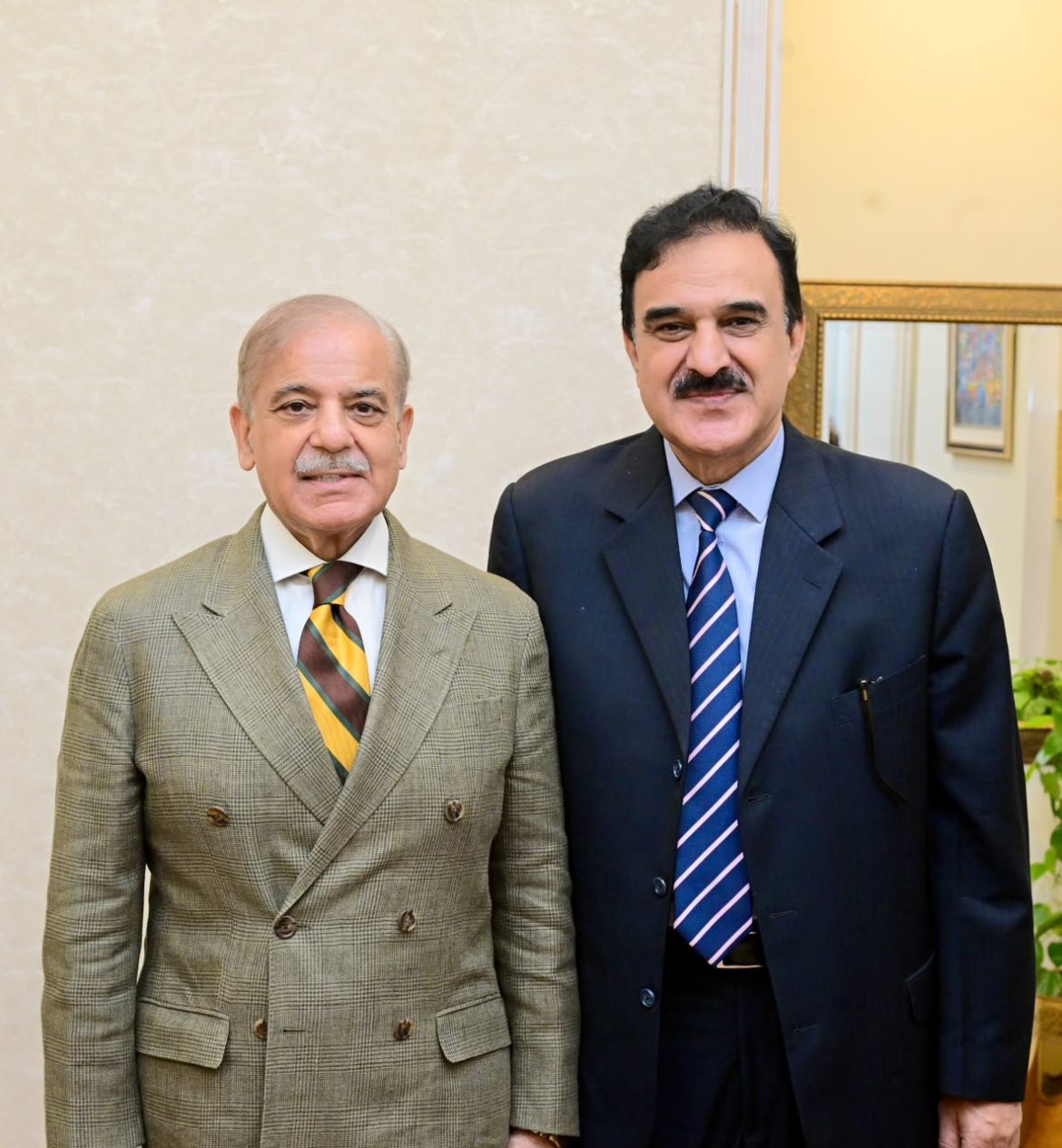
Dr. Amjad Raja, Health Consultant to Al Mustafa Welfare Trust and one of Pakistan’s leading healthcare experts, called on Prime Minister Muhammad Shehbaz Sharif at the Prime Minister’s House, where the two held a detailed discussion on the country’s public healthcare system and the challenges facing the health sector.
During the meeting, Dr. Raja shared his views on improving healthcare delivery, expanding access to quality medical services, and strengthening public health infrastructure across Pakistan. The discussion also focused on enhancing healthcare facilities and addressing the needs of underserved communities through effective policy measures and collaboration.
Dr. Amjad Raja is a highly respected figure in Pakistan’s medical community. He has served as Executive Director of the Pakistan Institute of Medical Sciences (PIMS) and has also headed the Pakistan Medical and Dental Council (PMDC). His extensive experience in healthcare administration and medical regulation has earned him national recognition.
The meeting reflects the government’s continued engagement with experienced healthcare professionals to explore practical solutions for improving public health services and ensuring better healthcare access for people across the country.
Al Mustafa Welfare Trust Brings Free Eye Care to Remote Swat Community
Bureau report
SWAT, Pakistan
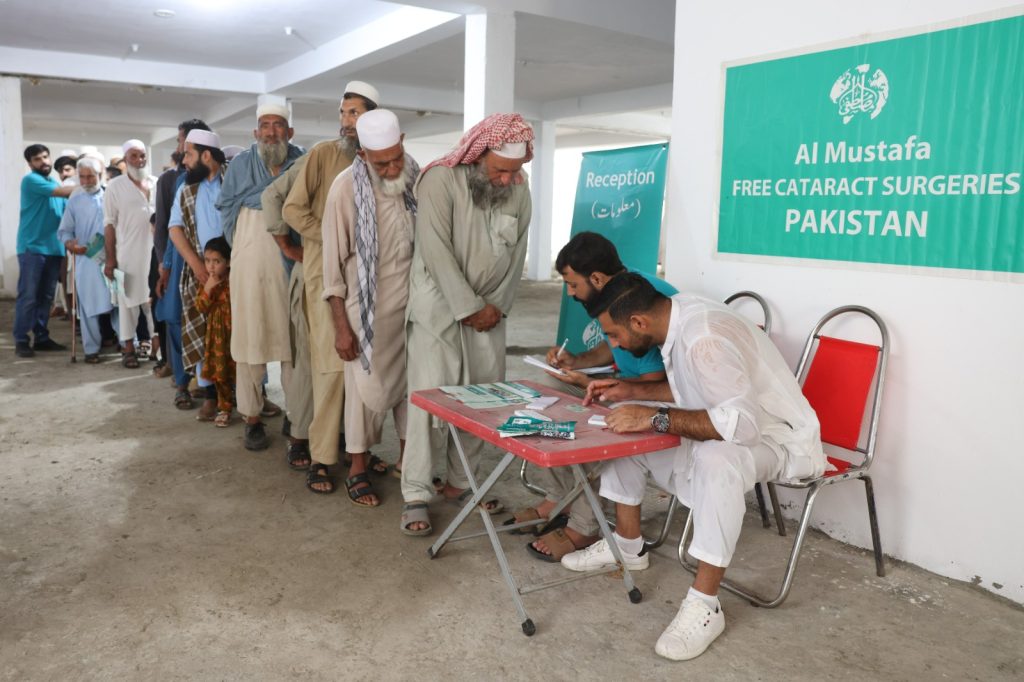
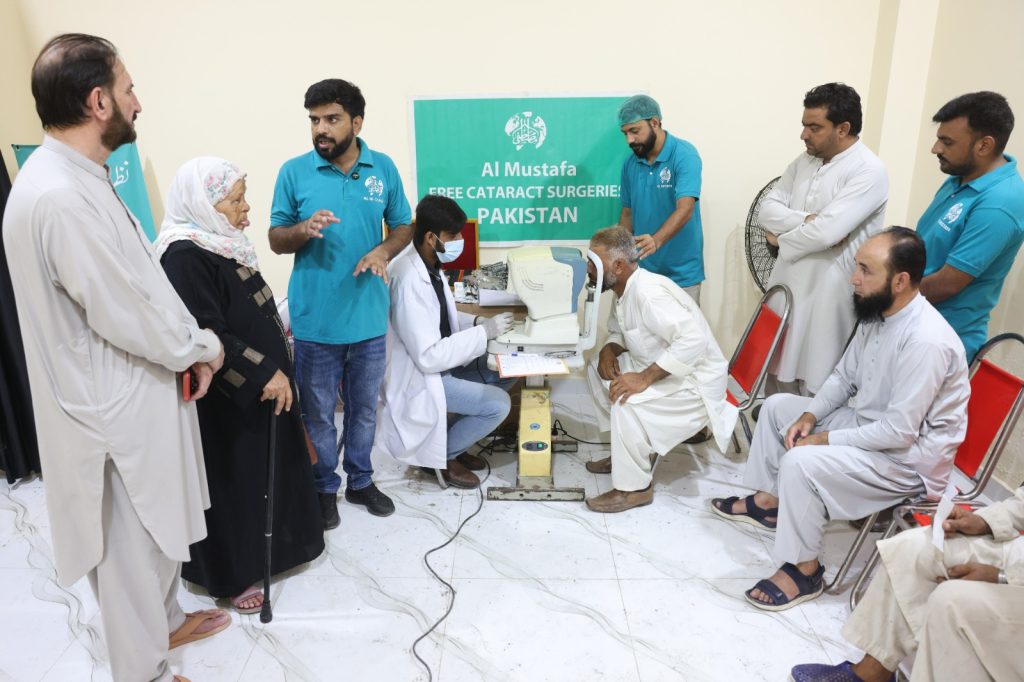
Al Mustafa Welfare Trust continued its Mid-Year Free Eye Camp Campaign by organizing a one-day free eye camp in Dadahara, Kabal, Swat, providing essential eye care services to hundreds of people living in one of Khyber Pakhtunkhwa’s remote communities.
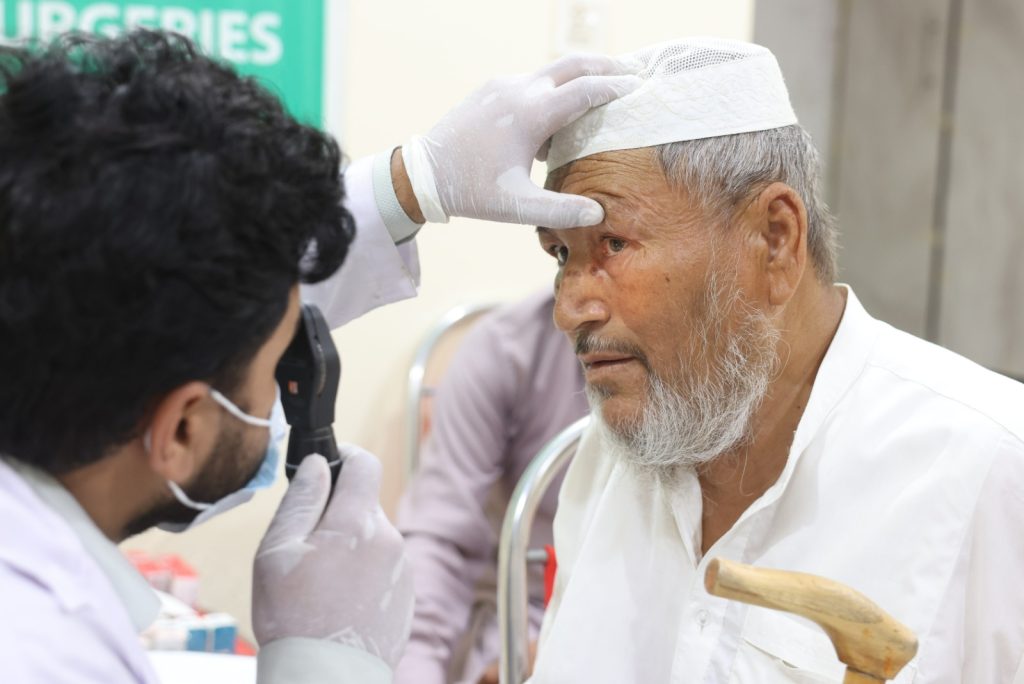
The camp offered free eye examinations, specialist consultations, essential laboratory screening, refraction services, and near-vision spectacles to women, children, and elderly patients. Free cataract surgeries were also performed for patients suffering from vision impairment, helping restore sight and improve their quality of life.
According to the camp’s official report, a total of 237 patients received outpatient consultations, including 98 women and 139 men. The medical team successfully performed seven cataract surgeries, while 129 patients were provided with free prescription spectacles. In addition, 37 patients underwent refraction tests to assess their vision needs.
As part of the pre-surgical screening process, eight patients were tested for Hepatitis C (HCV), Hepatitis B (HBsAg), and HIV, with all results returning negative. One diabetic patient was also identified and provided with appropriate medical advice.
Al Mustafa Welfare Trust said many people living in Pakistan’s remote and underserved regions continue to suffer from preventable vision problems because they lack timely access to specialist healthcare. Without early diagnosis and treatment, minor eye conditions can develop into permanent blindness.
Through its nationwide Mid-Year Free Eye Camp Campaign, the Trust is extending quality eye care services to vulnerable communities, ensuring that no one is deprived of the gift of sight simply because they cannot afford medical treatment.
The eye camp was coordinated by Wahid Bakhsh, Eye Camp Coordinator, Al Mustafa Pakistan, while photographs of the humanitarian initiative were captured by Tariq Hassan.