Staff reporter
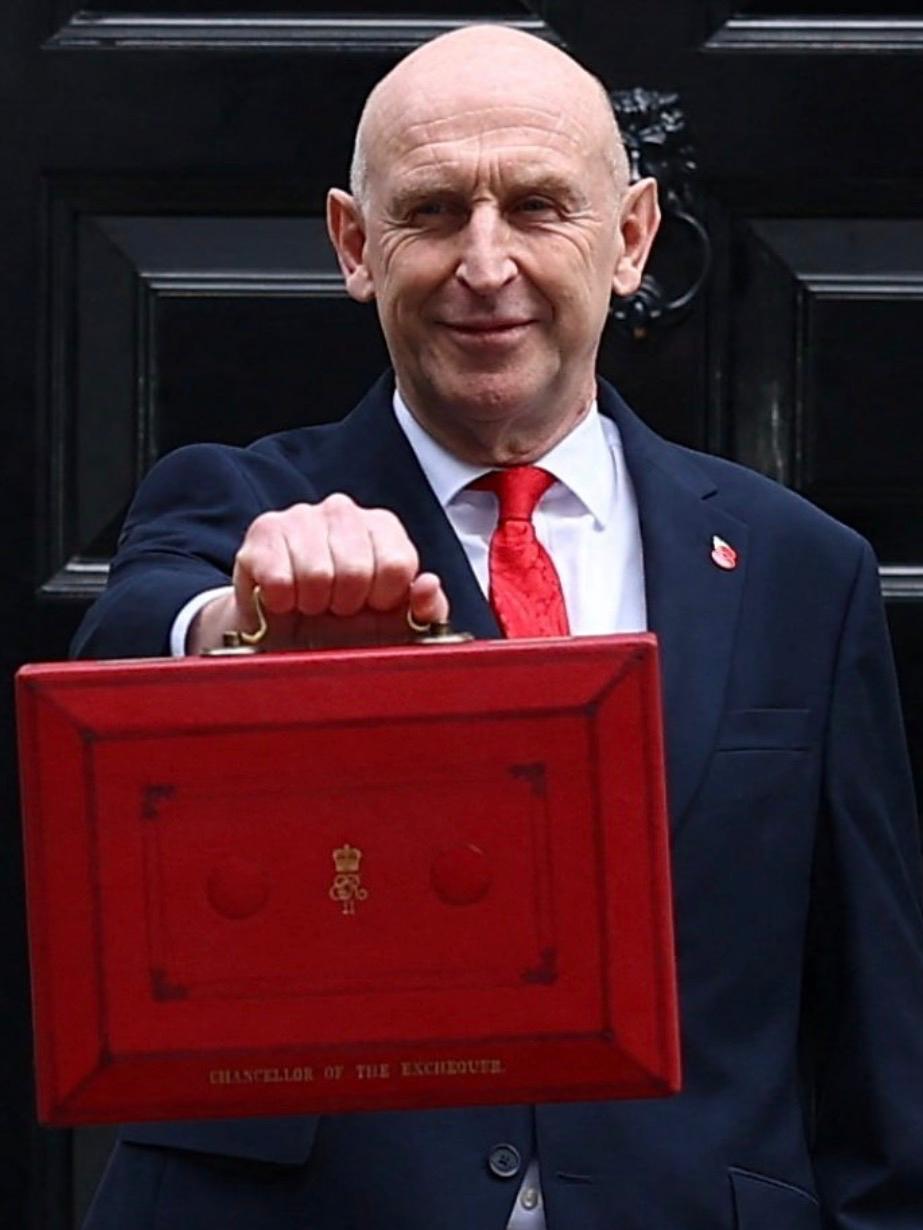
LONDON: John Healey has delivered his first Budget as Chancellor of the Exchequer, setting out the government’s financial priorities amid rising living costs, mounting public debt and pressure to increase defence spending.
The Budget, presented to Parliament on Wednesday, 28 October, is the first under Prime Minister Andy Burnham’s government. Healey faces the challenge of supporting struggling households and businesses while maintaining fiscal discipline.
Defence funding is a central issue, with the government seeking to address a reported £4.7bn shortfall in its military investment plans and establish a credible route towards higher Nato spending commitments. The chancellor must also contend with rising debt-interest costs and limited room for additional public expenditure.
Measures expected to feature in the Budget include targeted help with household energy bills, changes affecting banks and online marketplaces, and support for first-time homebuyers. The government has also promised measures to ease financial pressures on families and businesses.
Healey’s task is to demonstrate that the government can respond to the cost-of-living squeeze without undermining its economic commitments. The impact of the Budget will depend on the final measures, their funding and whether they deliver meaningful relief to households while protecting public finances.
News
Sports reporter
LONDON: England captain Harry Kane has won the 2026 Ballon d’Or, becoming the first English footballer in 25 years to receive the prestigious award recognising the world’s outstanding male player.
The 33-year-old Bayern Munich striker was crowned at a ceremony at London’s Palladium Theatre on Monday, beating France’s Kylian Mbappé and Spain’s teenage sensation Lamine Yamal to football’s highest individual honour.
Kane’s victory follows a remarkable 2025-26 campaign in which he scored 73 goals for club and country, cementing his reputation as one of the most prolific forwards in world football. His performances helped Bayern secure major domestic honours, while his contribution to England’s World Cup campaign further strengthened his case for the award.
The last Englishman to win the Ballon d’Or was Michael Owen, who received the honour in 2001. Kane now joins an illustrious group of English winners that includes Sir Stanley Matthews, Sir Bobby Charlton and Kevin Keegan.
Speaking after receiving the trophy, an emotional Kane expressed his gratitude to those who had supported him throughout his career, including his teammates, coaches, family and supporters.
Kane’s success is particularly significant given his long journey from early loan spells in English football to becoming one of Europe’s leading strikers. His career has been marked by consistent goalscoring, professionalism and a determination to establish himself among the game’s elite. The England captain also received recognition for his prolific goalscoring during the season, adding to an already impressive collection of individual.
Kane’s triumph marks a historic moment for English football and provides a fitting reward for a season in which his individual brilliance and contribution to team success made him a leading contender for the game’s most coveted individual prize.
India’s actions in IIOJK are a threat to both regional and global peace and security: High Commissioner Tipu Usman
City reporter
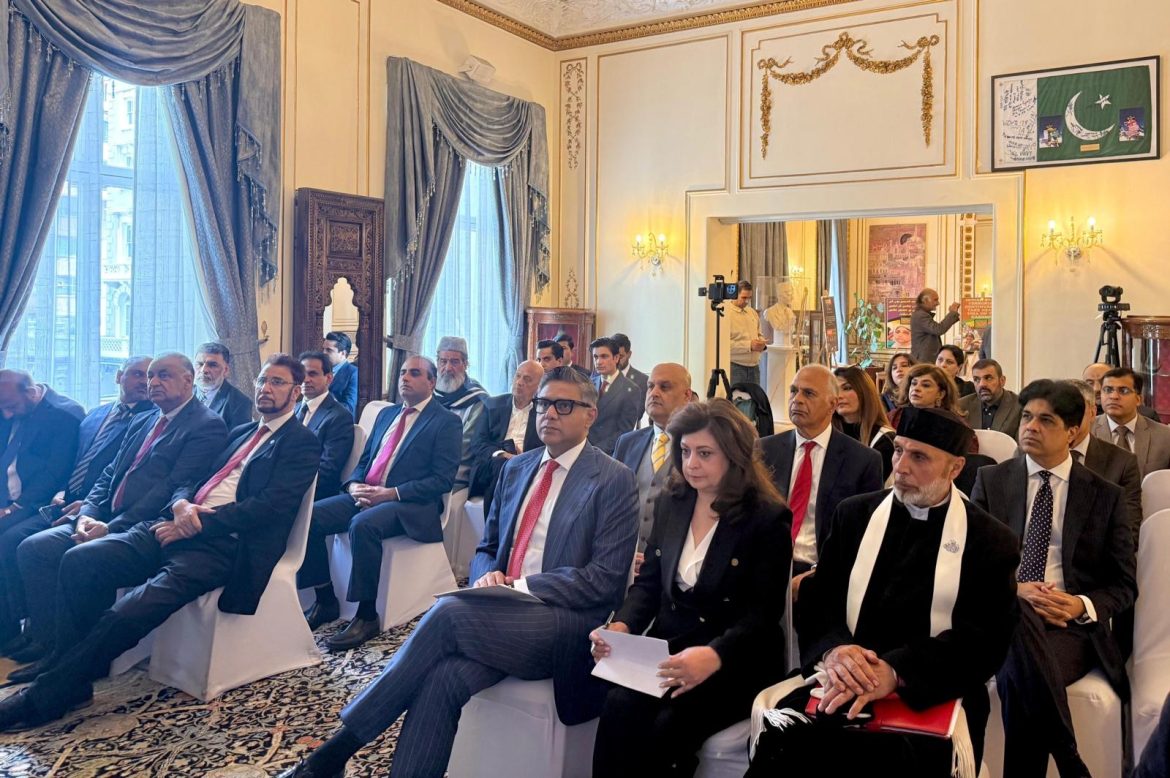
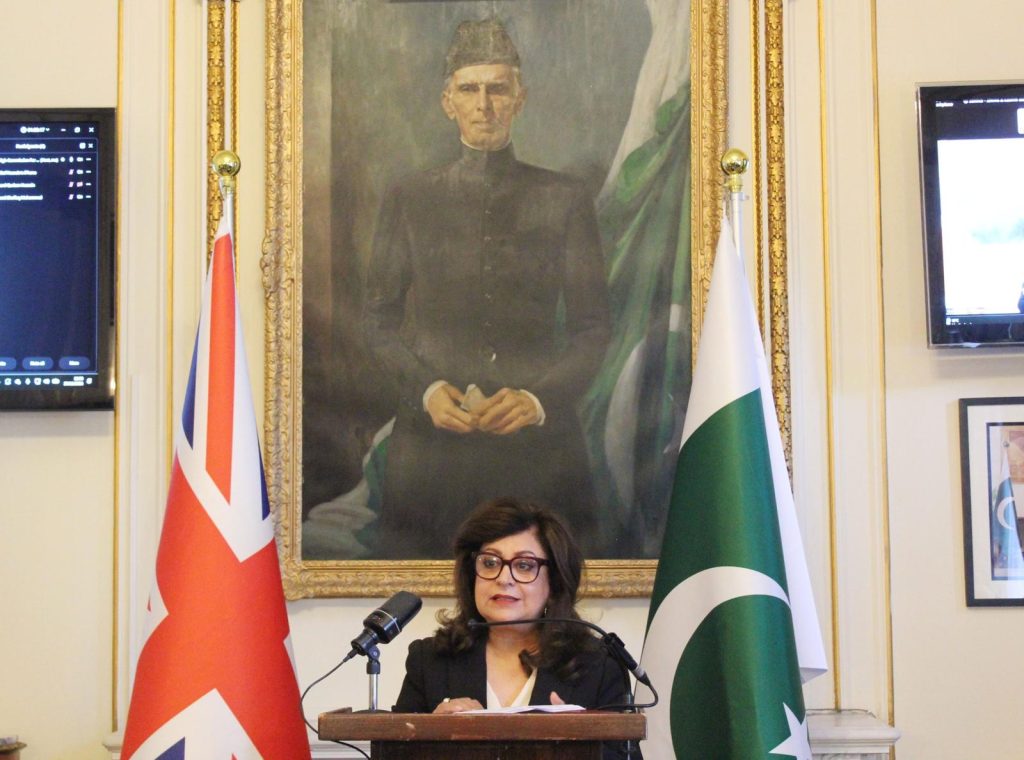
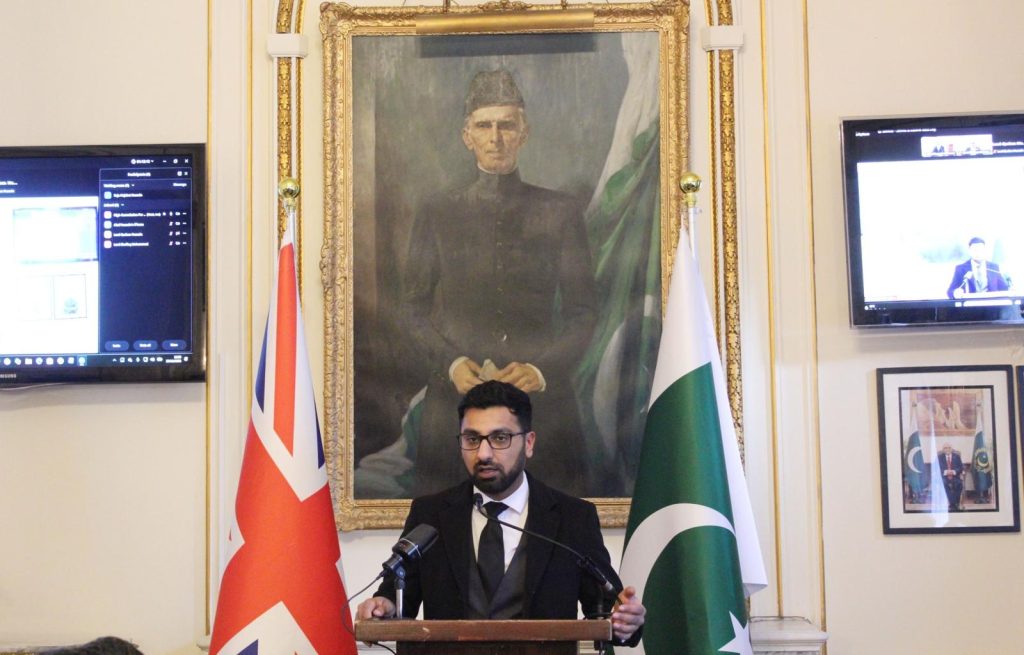
LONDON: The Pakistan High Commission in London organized a solemn event to commemorate “Jammu and Kashmir Black Day”. British parliamentarians including Lord Qurban Hussain, Lord Shaffaq Mohammed, Baroness Nosheena Mobarik, Mr. Adnan Hussain MP, Mr. Afzal Khan MP, and Mr. Ayoub Khan MP as well as many British Kashmiris, civil society activists and media representatives attended the event.
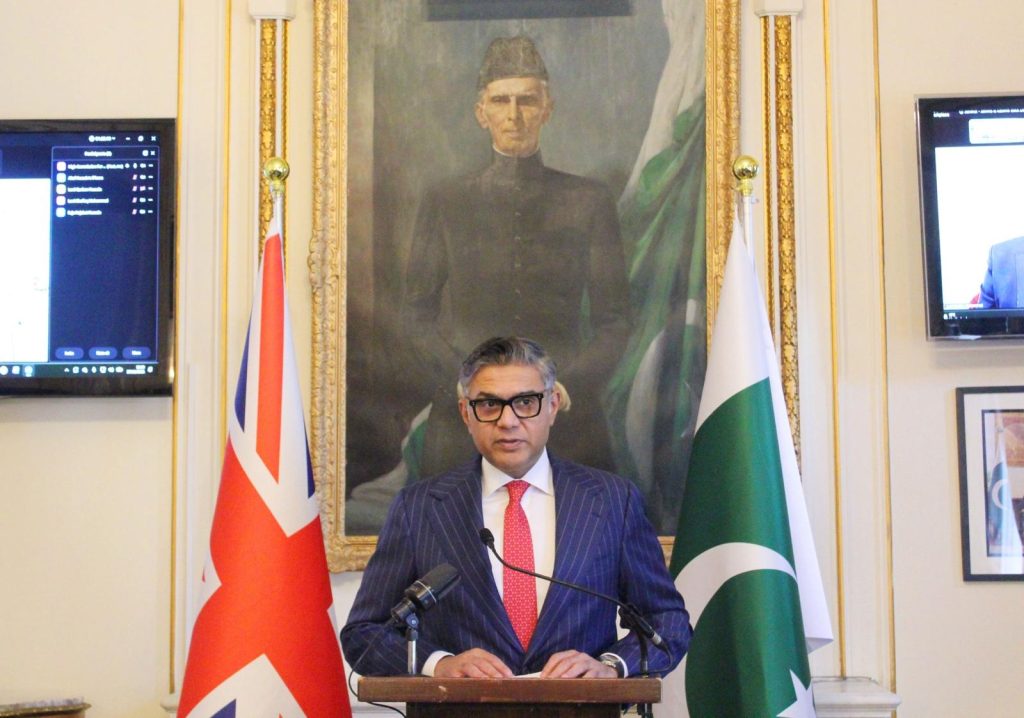
In his keynote address, High Commissioner Tipu Usman condemned the reign of terror and brutal oppression unleashed by Indian occupation forces in Indian Illegally Occupied Jammu and Kashmir. He noted that the people of IIOJK had been subjected to a severe and prolonged military siege, under which torture, enforced disappearances and extrajudicial killings had become rampant.
The High Commissioner emphasised that India’s actions violated both international law and basic morality and threatened not only regional but global peace and security. He urged the international community to hold India accountable for violating the UN Security Council resolutions that guarantee the Kashmiri people their right to self-determination. High Commissioner Usman appreciated the role of British parliamentarians for raising the Jammu and Kashmir dispute in Parliament and with the British government. He reiterated the High Commission’s desire to work with the parliamentarians and the wider Kashmiri community for highlighting the Kashmir cause.
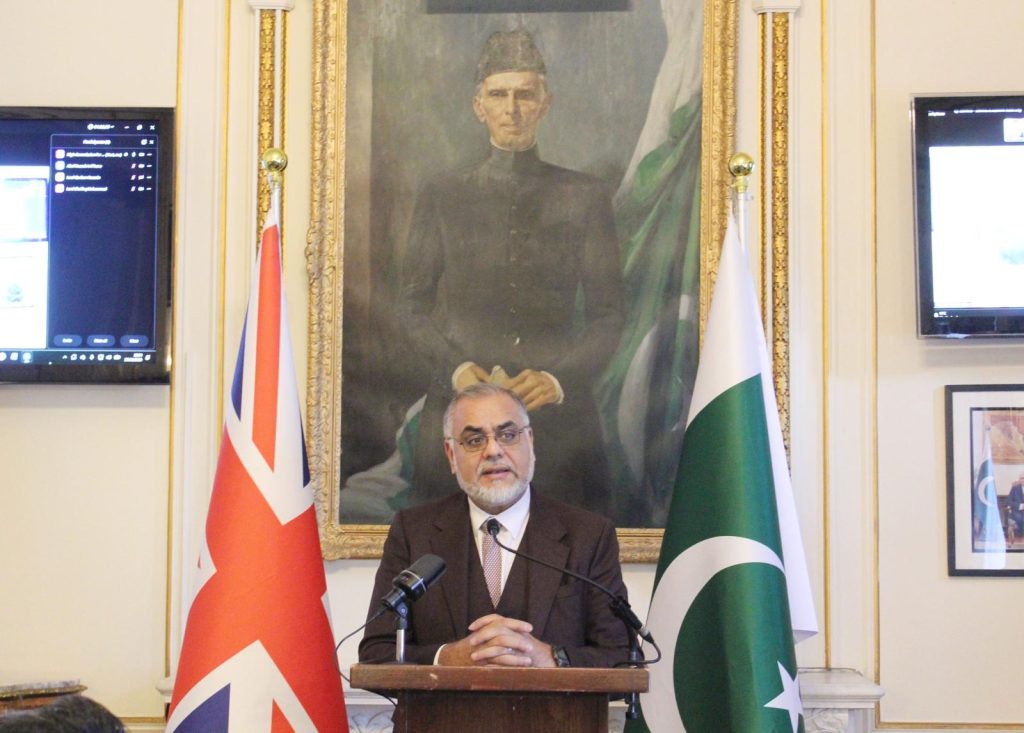
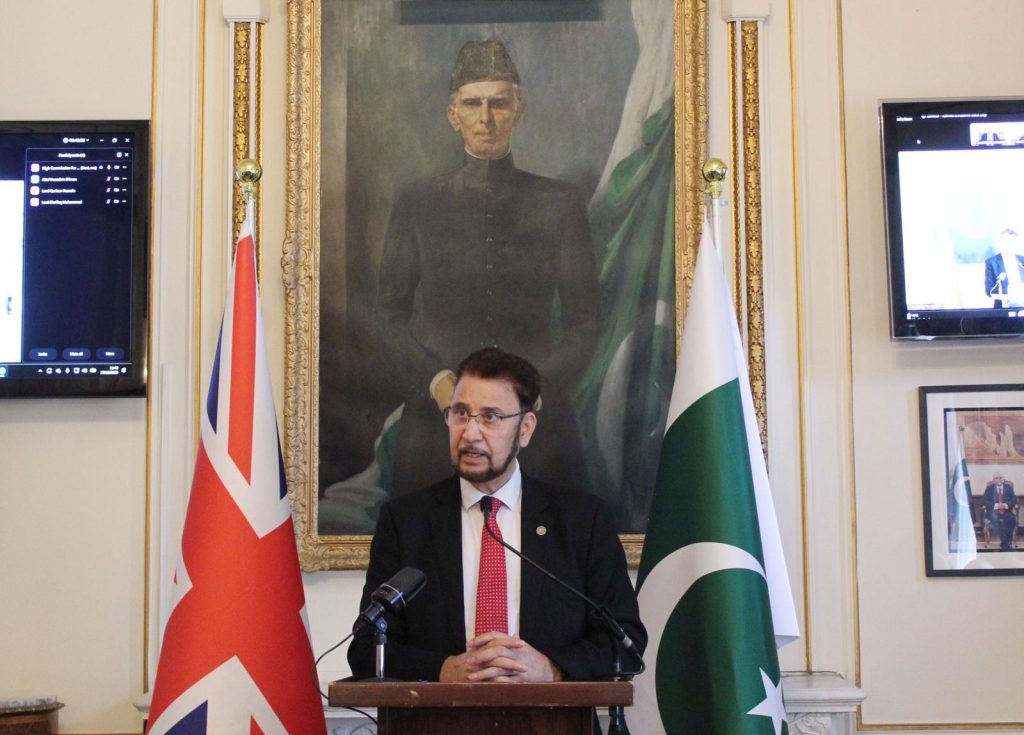
British parliamentarians and guest speakers, in their remarks, expressed their solidarity with the people of Jammu and Kashmir. Members of Parliament emphasized that Jammu and Kashmir is not a bilateral issue between Pakistan and India, but a long-standing international dispute. They urged the international community to call upon India to put an end to the systematic violations of human rights in IIOJK and abide by its international commitment of holding a free and fair plebiscite in the occupied territory.


Mushtaq Lasharie organised a “Mushaira” in honour of renowned poet Ashfaq Hussain
Wajahat Ali Khan
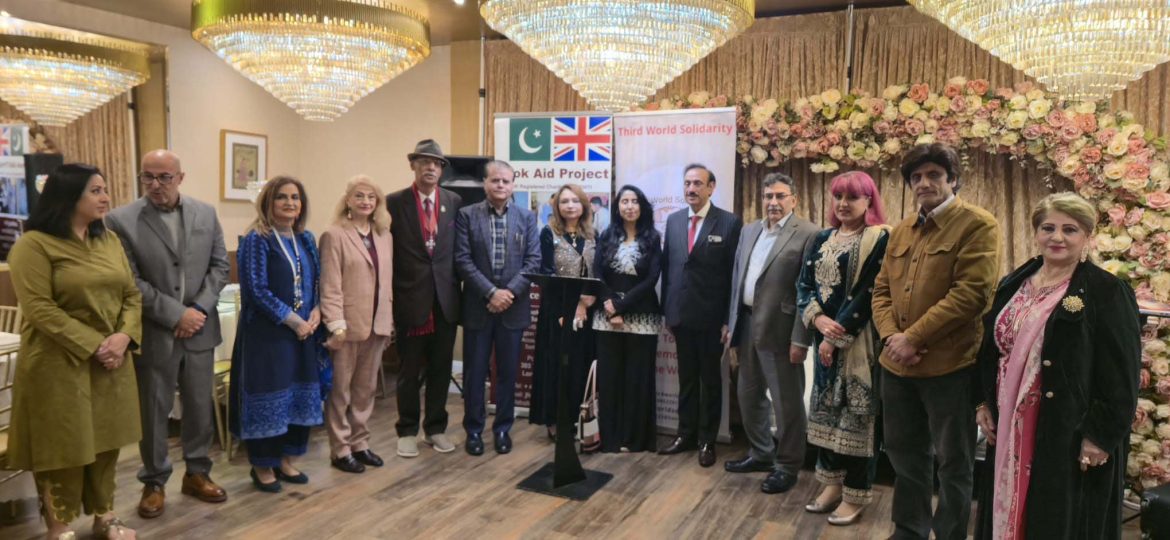
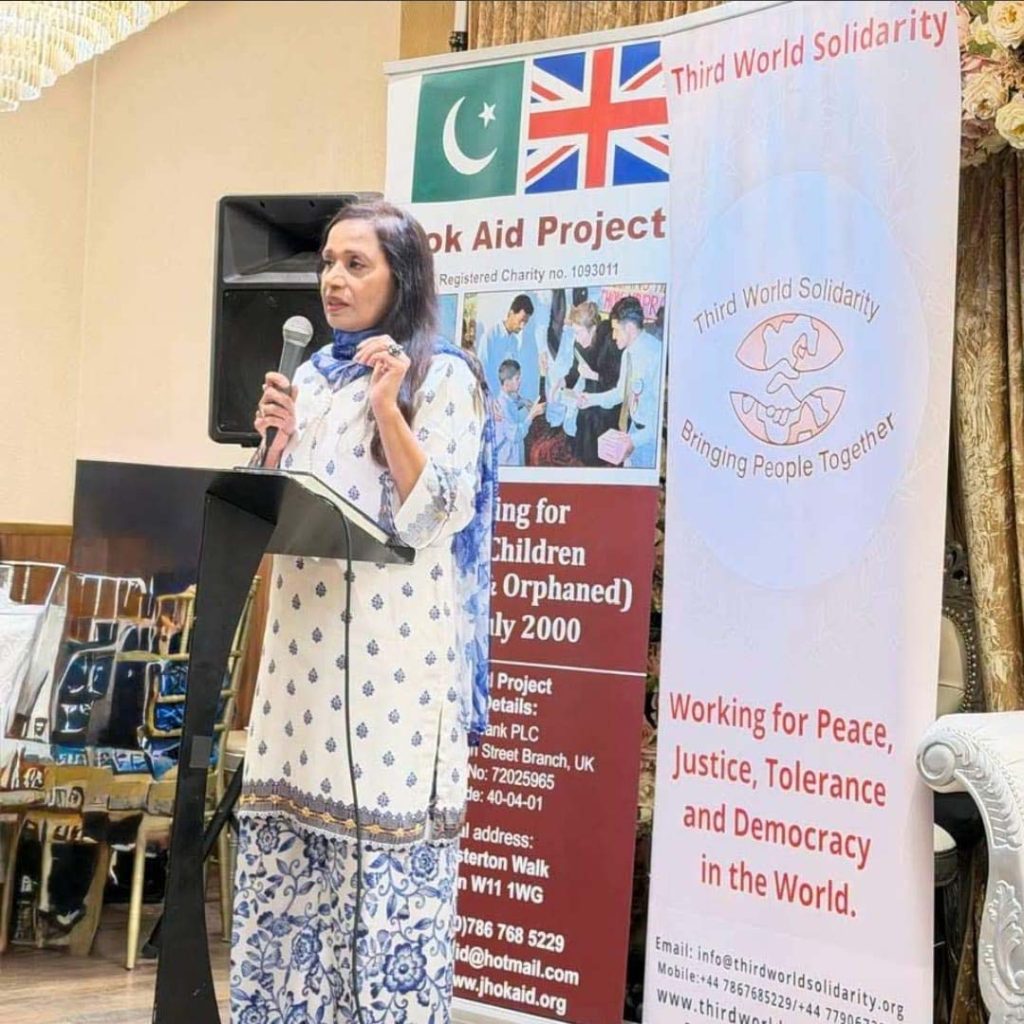
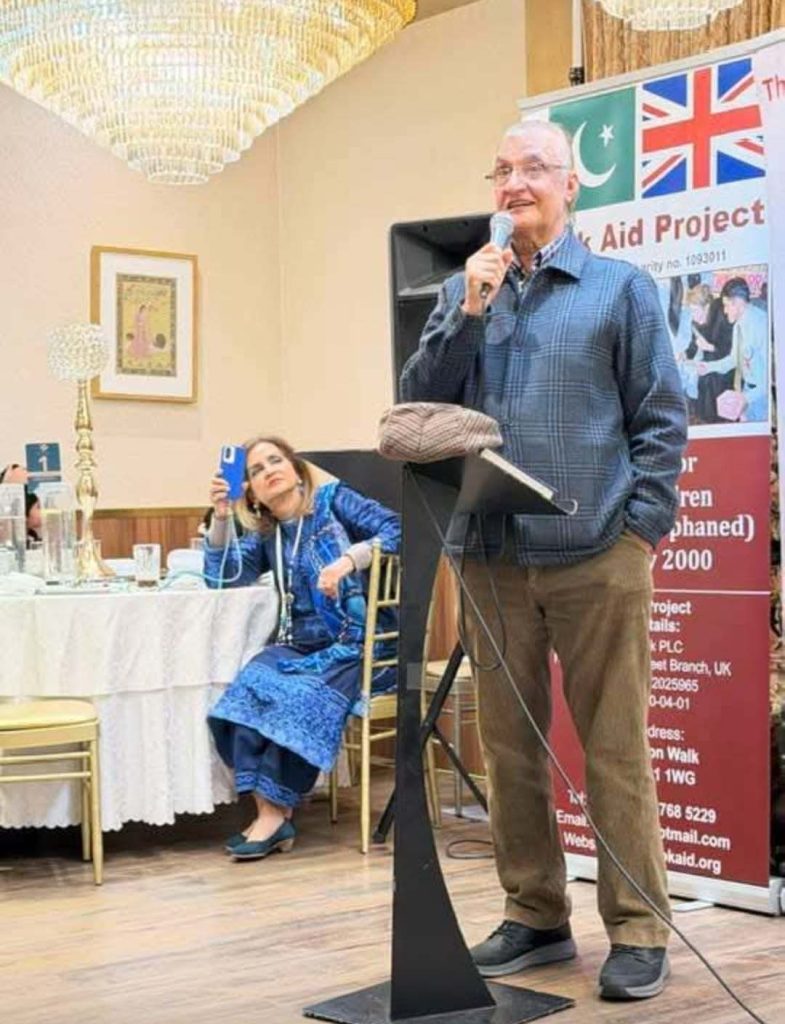
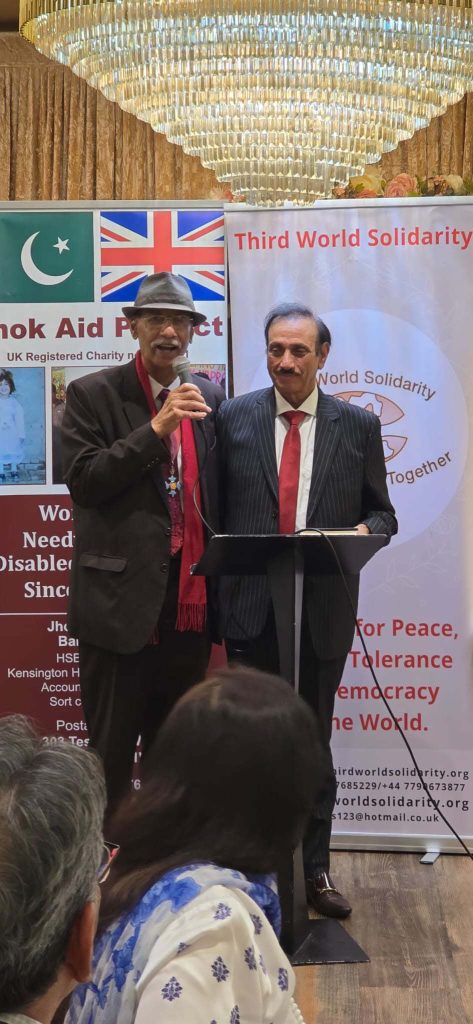
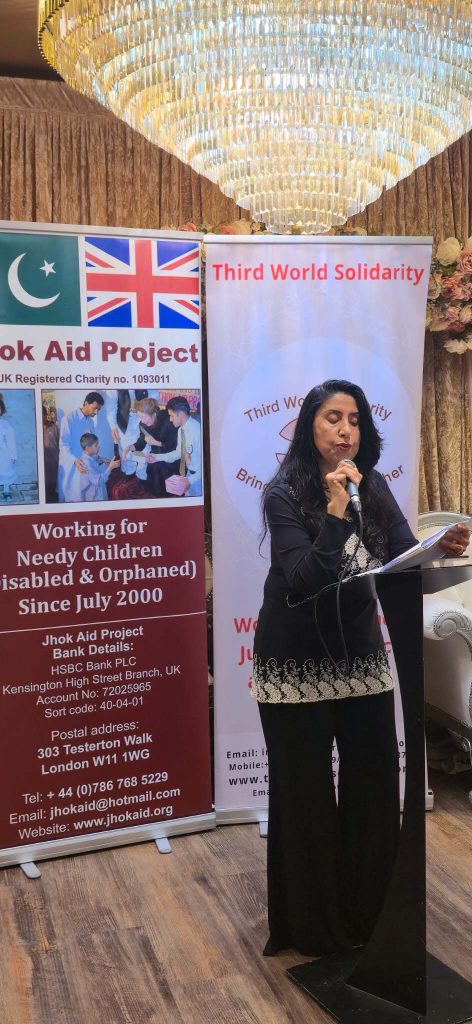
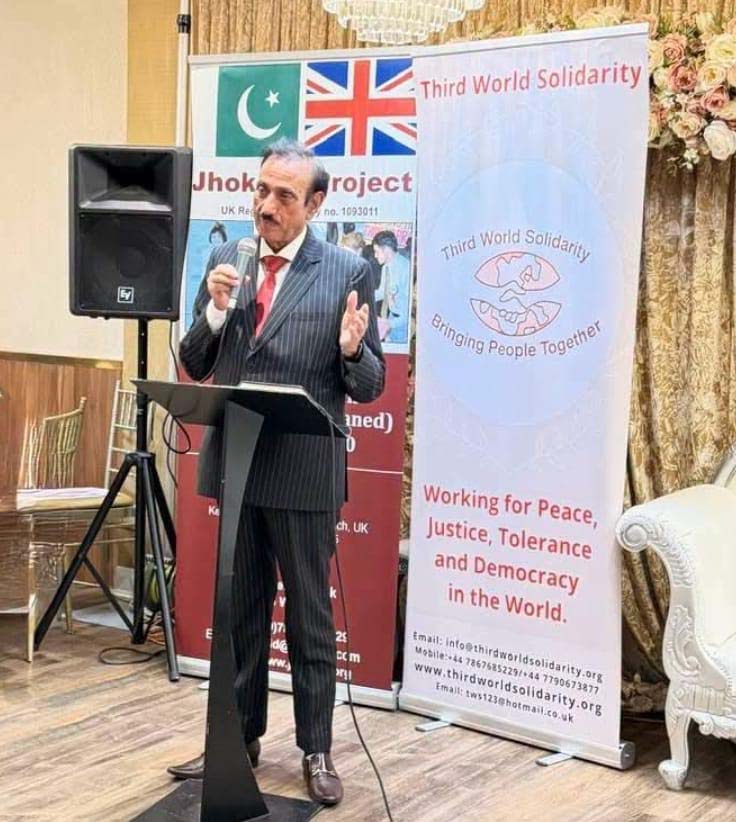
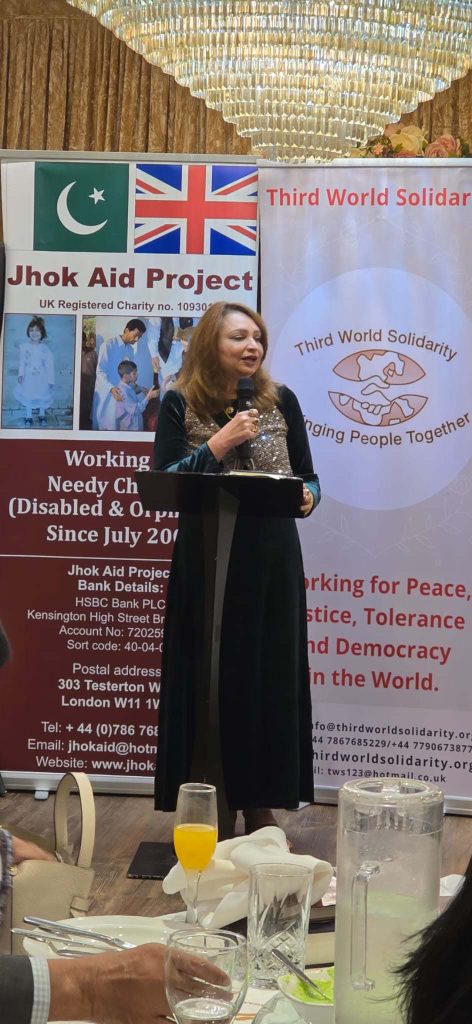
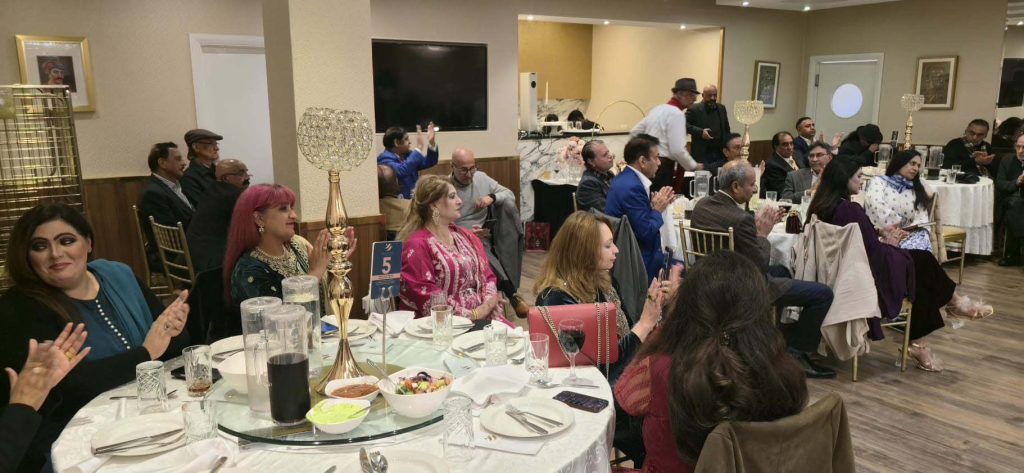
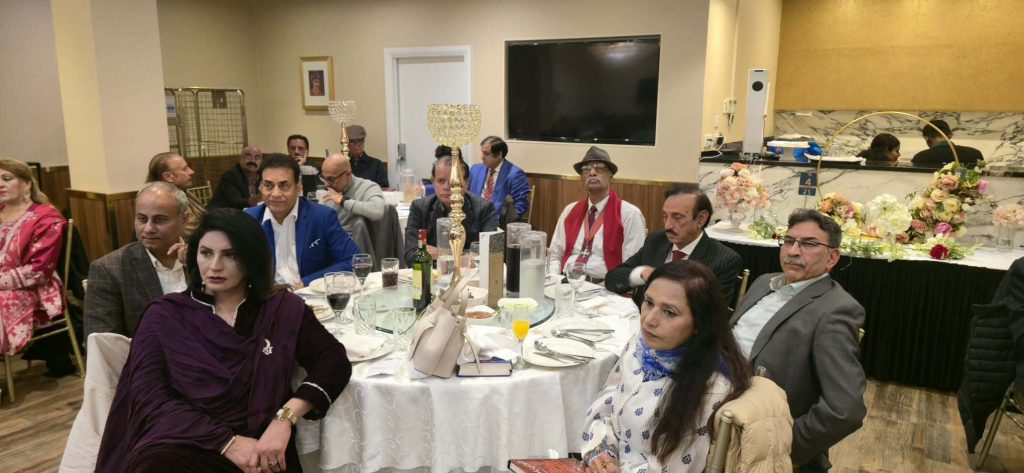
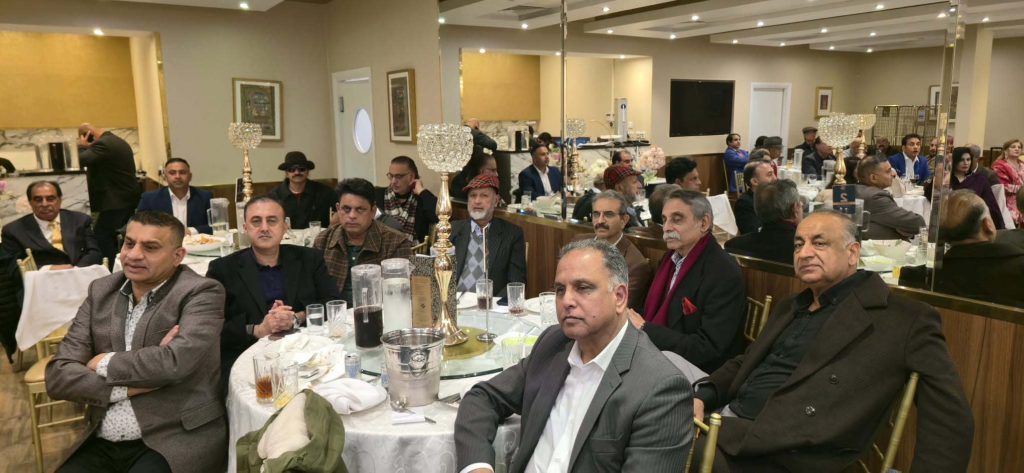
LONDON: Chairman “Third World Solidarity” and “Jhok Aid Project” Alderman Mushtaq Lasharie CBE organised a memorable evening of poetry and music at Royal Nawaab, Perivale, London, in honour of Ashfaq Hussain, the distinguished poet, author, writer and former TV producer.
The gathering brought together prominent community leaders, journalists, writers, poets and friends, including, prominent poet Rukhsana Rakhshi, Dr Shahnaz Shoro, Akbar Leghari, Solicitor Dr Akbar Malik, Iftikhar Qaisar, former head of Geo and Jang London, Mian Saleem, President of PPP Greater London and TWS-UK, Mona Baig, Secretary General of TWS-UK; Sheraza Khan, former President of Heston Lions Club; Abbas Dadou, Vice Chairman of LWRA, Afzaal Kiani, former Mayor of Hounslow, Raja Mussarat Iqbal, Secretary General of Pakistan Press Club UK, Yashab Tamanna, poet and author, Wajahat Ali Khan, Executive editor of “The London Post” Ghulam Hussain Awan, former UK Bureau Chief of 92 News, Muzaffar Chaudhry, Abdul Majid, Samreen Chaudhry, Naeem Tahir director AIHL, Aamad Hassan, Akram Kaim Khani, Naeem Khan, Tanveer Zaman Khan, Javed Soomro, Dr Nazia Memon, Dr Sonia Zaffar, Sikandar Rashid, Mian Shahjahan, Jasmine Ahmed, Amanat Ali Anjum Educationist, Zaffar Raja, Sajjad Butt and many other distinguished guests.
The evening was enriched by captivating poetry, live music and a wonderful performance by singer Shahbaz Ahmed, celebrating the power of literature, culture and community solidarity in a warm and convivial atmosphere.
While the guest of honour also garnered appreciation from the audience by presenting “Ghazals and Poems” from his latest collection of poetry. The proceedings were moderated by Alderman Mushtaq Lasharie (CBE) and former Deputy Mayor of the Royal Borough of “Kensington and Chelsea”, the event was attended by individuals from all walks of life.


Senator Pir Noor-ul-Haq Qadri, Abdul Razzaq Sajid Offer Condolences to Senior Anchor and Analyst Mazhar Barlas
Wajahat Ali Khan
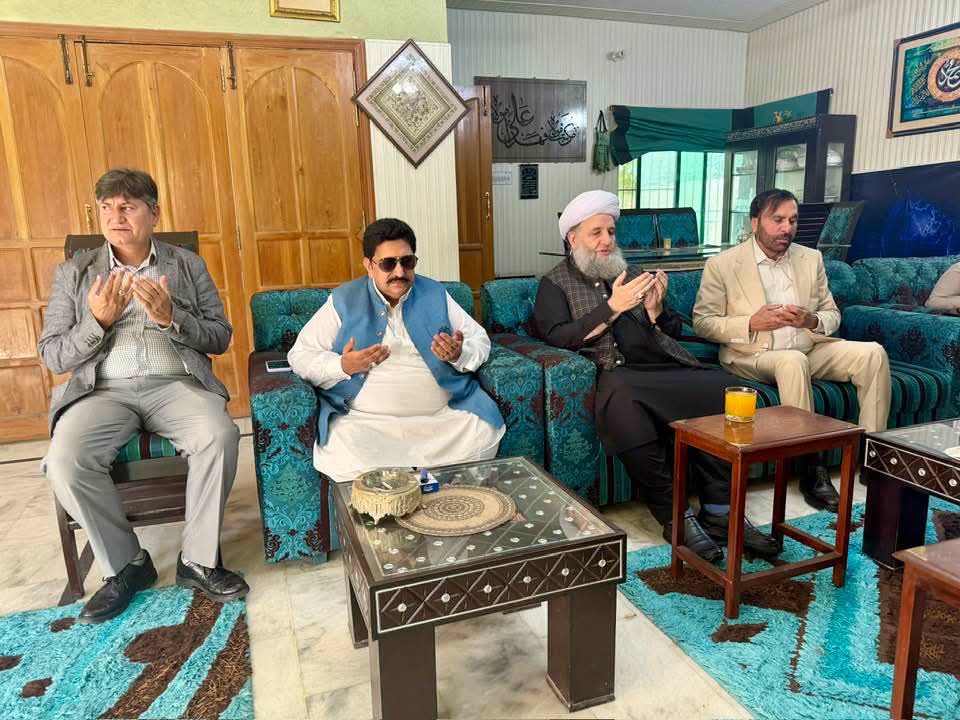
ISLAMABAD: Senator Sahibzada Dr Pir Noor-ul-Haq Qadri, Chairman Al Mustafa Welfare Trust International Abdul Razzaq Sajid, columnist Sajjad Azhar, Ammar Barlas, Muhammad Nawaz Kharl, Asim Dogar, Anees Barlas, Chaudhry Ehsan-ul-Haq and Ali Ehsan, along with others, have expressed their heartfelt condolences to senior anchorperson and analyst Mazhar Barlas on the sad demise of his brother and sister-in-law.
The visitors shared the bereaved family’s grief and offered prayers for the departed souls, seeking Allah Almighty’s mercy and forgiveness for them. They also prayed for patience and strength for Mazhar Barlas and his family to bear this irreparable loss.
They conveyed their deepest sympathies and solidarity with the bereaved family during this difficult time.
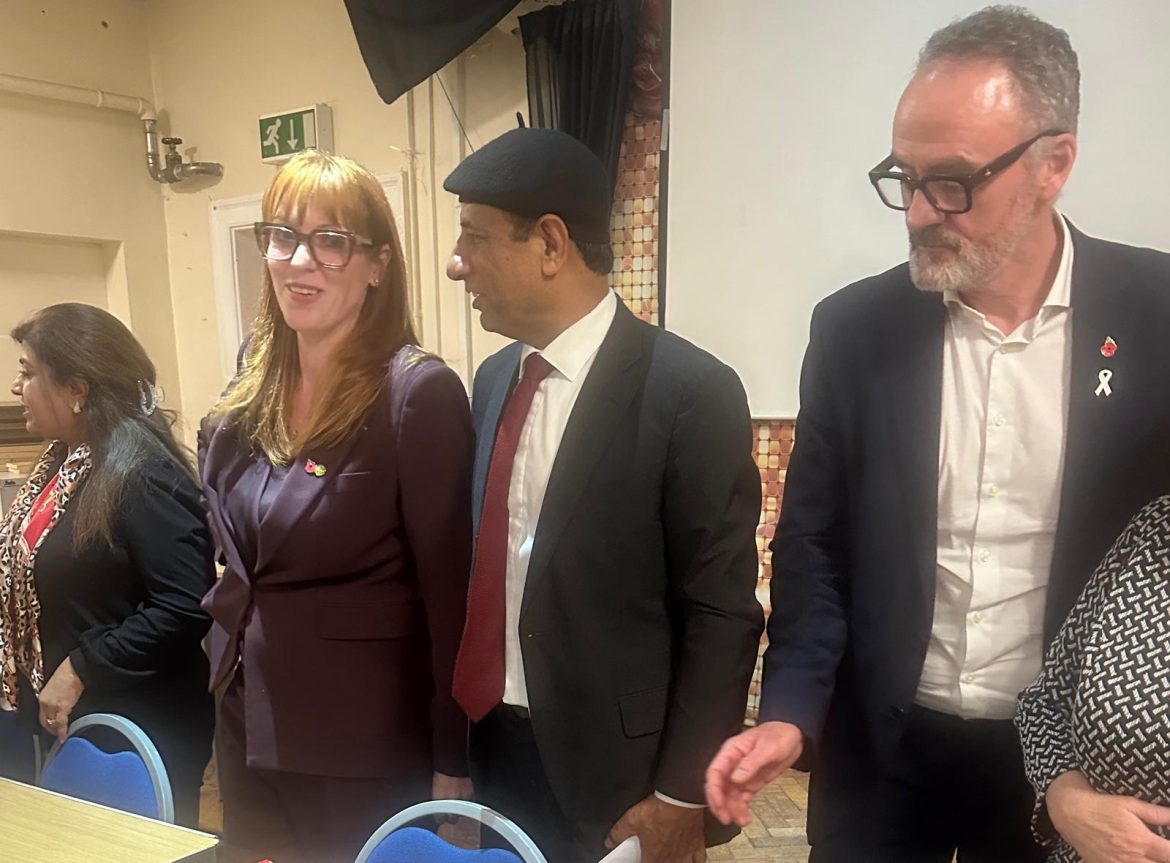
Tameside (Tee Jay) The Deputy Leader of Tameside Council, Greater Manchester, Councillor Andrew McLaren, has said that work on Ashton Town Hall is expected to be completed by the end of November or the first week of December. He also confirmed that the Lantern Parade will take place next month. He was addressing a group of Labour Party members at Broadoak Community Centre in Ashton-under-Lyne. Those attending the meeting included MP Angela Rayner, Attaul Rasool, Teresa Smith, Mr Ghazanfar and other Labour Party members.
Speaking about the progress of work at Ashton Town Hall, he said: “We’ve gone on site, we’ve looked at the progress. There’s lots of people busy on site, and they do lots of work. We’re confident that not only will that go away on the end of November or first week in December.” He also discussed other improvements planned for Ashton town centre, saying that the kiosk would open on the 14th. He described the installation as a straightforward process, adding that the lighting columns were already in place and additional benches were being installed. Overgrown planting is being removed and replaced, while CCTV and Wi-Fi facilities are expected to be installed in next week. Additional CCTV and security measures are also planned, with marshals expected to be present in the town centre. Mr McLaren further said that the police had allocated two additional officers dedicated to Ashton town centre.
The steps at the Town Hall on Wellington Gardens are expected to be completed by the end of February 2027. He also referred to additional funding from the central government, saying that grants would help fund further paving work around Electric Square. He clarified that this work would be separate from the improvements planned for the market square. Summing up the developments, Mr McLaren acknowledged that the work had taken longer than expected.

Al Mustafa Welfare Trust Chairman Abdul Razzaq Sajid Offers Condolences on Demise of Allama Pir Syed Hussainuddin Shah
Bureau Report
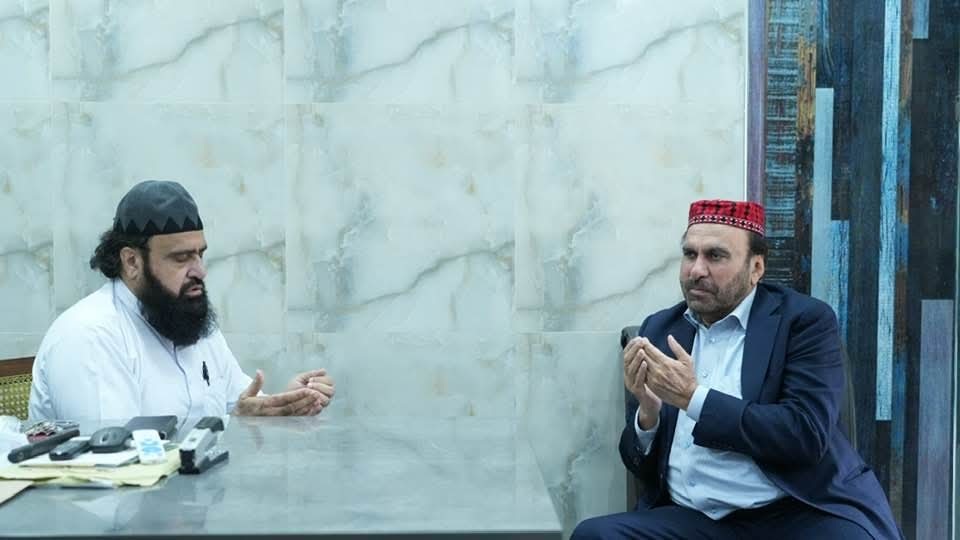
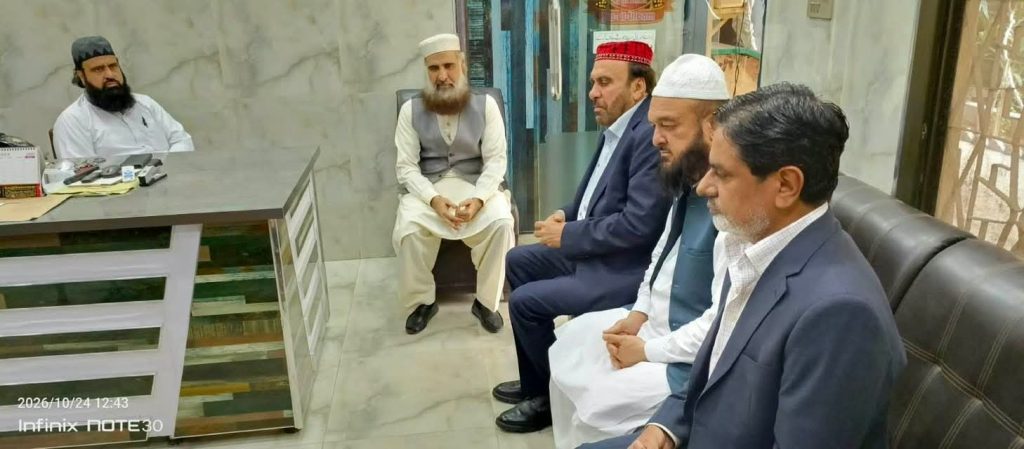
RAWALPINDI: Chairman Al Mustafa Welfare Trust International, Abdul Razzaq Sajid, visited Jamia Rizvia Zia-ul-Uloom in Rawalpindi to offer condolences and recite Fateha on the sad demise of the renowned religious scholar and intellectual, Hazrat Allama Pir Syed Hussainuddin Shah (may Allah have mercy on him).
During the visit, Abdul Razzaq Sajid met Pir Syed Habib-ul-Haq Shah Sultanpuri and Pir Syed Inam-ul-Haq Shah Sultanpuri to convey his heartfelt sympathies and share in their grief.
He paid tribute to the late scholar’s religious, intellectual and spiritual contributions and prayed that Allah Almighty grant him the highest ranks in Jannat-ul-Firdous and bless his family, disciples and followers with patience and strength to bear this profound loss.

Dr. Rasheed Ahmed
How a simple rainwater harvesting system could turn 600 acres of dry grazing land in Gandaf Syedan, Haripur, into orchards and bring a livelihood back to the village.
A Village Beside Tarbela, Far from Everything
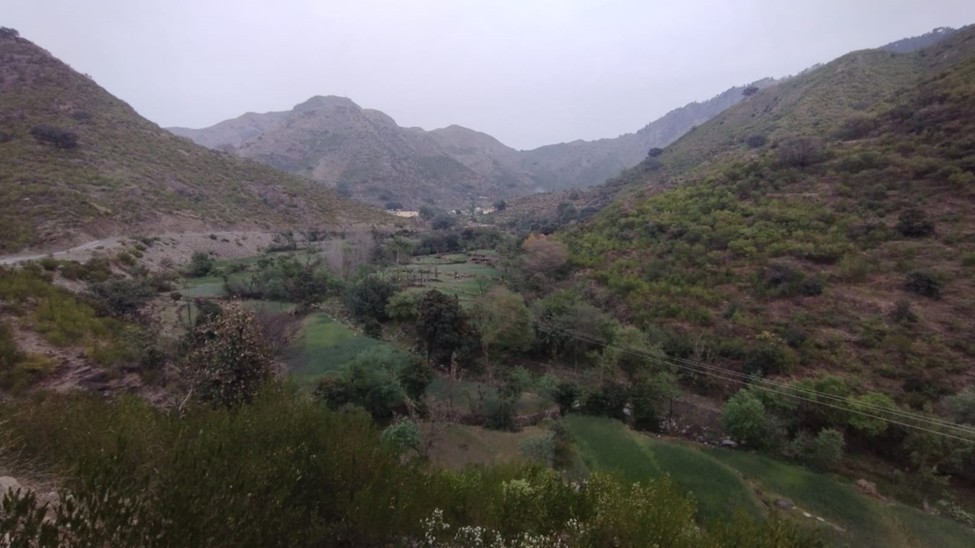
Gandaf Syedan lies in Haripur district, Khyber Pakhtunkhwa, close to the banks of Tarbela. Yet the village sits about an hour and a half by road from Haripur city, and for the people who live there it may as well be a world away. The road climbs through mild-to-moderate hill terrain, past terraced slopes and dry watercourses, and ends in a valley that has been left almost entirely to cattle grazing.
The irony is hard to miss. Here is a community living near one of the country’s largest reservoirs, and still the land around them is arid. The village depends almost wholly on rainfall. When the rain is irregular or insufficient, wells and springs run low, crops fail, and families are left with little to eat and nothing to sell.
Too Little Water, Then Too Much
The water problem here has two faces. For most of the year the land is dry. The summers are hot, the winters are dry, and almost all the rain arrives in a few weeks of monsoon, between July and September. When it comes, it comes all at once. With no structures to hold it, the water races down the bare slopes, tears away the topsoil and leaves the village with floods, gullies and a thinner, poorer soil every year.
So, the same slopes that suffer from drought also suffer from flooding. Water is both missing and wasted.
Meanwhile, there is almost nothing else to fall back on. Apart from grazing, the area offers no agriculture or other regular source of income. Wheat, maize and livestock keep some households going, but every year inflation pushes up the price of food, fuel and basic needs while incomes stay where they were. Literacy is low, schools are hard to reach, and good jobs are far away. The result is a community that is hospitable and close-knit, but under severe economic strain, and for many families’ lives have become miserable.

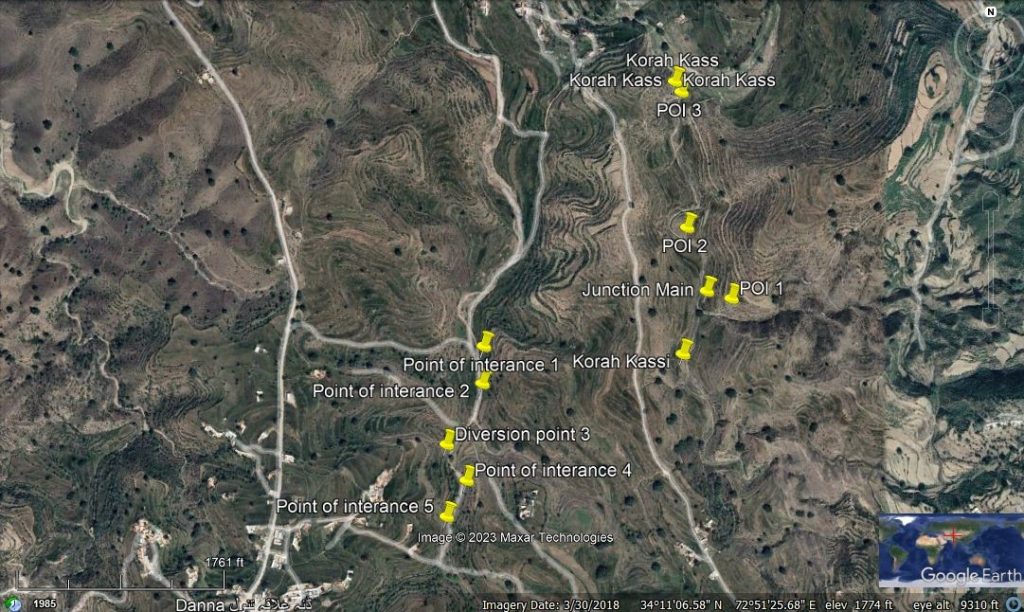
Sites marked on Google Earth during the survey, including points of entrance, a diversion point and the main junction.
Listening Before Building
The project began with an invitation. Syed Naveed Hussain Shah of Gandaf Syedan visited the office of Green Celestial, a design and consulting firm working on water resources, and asked its technical team to come and see the problem for themselves. The team travelled to the village for a reconnaissance survey: an early field visit meant understanding the land, the water situation and, above all, the people.
They walked the slopes, observed how water moves across the landscape, and sat with the elders and young men of the village to hear what they needed. The conversations made one thing clear. The community did not want charity. They wanted a way to use their own land.
The Idea: Hold the Rain on the Hill
The survey found a simple answer. Around 600 acres of moderately steep strips around the village, now used only for grazing, have the slope and terrain to support orchards. The same slope that sends the monsoon rushing away also lets water be captured high up and carried down by gravity, with no pumps and no electricity bill.
Based on community demand and technical checks, the team identified 10 sites that are feasible for rainwater harvesting structures. Depending on what a detailed survey shows, these could be retaining walls and weirs, diversion canals and embankments, or small dams with canals. Each site can store a useful amount of water and has the slope to run a gravity-fed irrigation system.
This is not rocketing science, and it is not expensive. Dry-stone and masonry walls, earthen embankments and simple diversion channels are well-understood techniques, and they can be built largely with local labour and local material. With modest resources we can establish a good system, and one that the village itself can maintain.
From Water to Orchards
Stored water changes what the land can do. The slopes of Gandaf Syedan are suited to olive, litchi, guava and citrus, fruit trees that suit hillside planting and bring a better return than grazing. Once the water is in place, the system is completed with an irrigation method matched to each site: low-pressure drip irrigation, pitcher irrigation, sprinkler guns or surface irrigation.
The design also must be looked after. The recommendations of the survey include sizing each structure to its catchment and to the demand for water, keeping storage large enough to meet need while limiting losses from overflow and evaporation, protecting water quality with simple screens and sand filters, and setting up community-based management so that cleaning, inspection and repair become a shared habit.
The benefits would reach well beyond the orchards. Terraces, walls and tree cover hold the soil in place and soften the monsoon floods. Water stays in the ground longer. Orchards create seasonal work, fruit to sell and a reason for young people to stay. In an area with no other source of income, that is the difference between getting by and getting ahead.
An Invitation to Our Readers
The reconnaissance survey is only the first step. The next stage is a semi-detailed survey of the 10 sites, followed by design, construction and the planting of the first orchards. That work needs partners: donors, volunteers, engineers, agricultural experts and organizations that believe water should be kept, not lost.
The Welfare Trust has always stood with communities in need. Gandaf Syedan is a chance to support something that lasts, a system that keeps working after the ceremony is over and the donors have gone home. A few walls and channels built now can give a village its water, its soil and its livelihood back.
The rain will come again next monsoon. The only question is whether it runs away down the hill or stays to grow something. With your support, we hope it will stay.
Prominent Personalities, Media Representatives and Social Leaders Meet Al Mustafa Chairman in Islamabad
Bureau Report
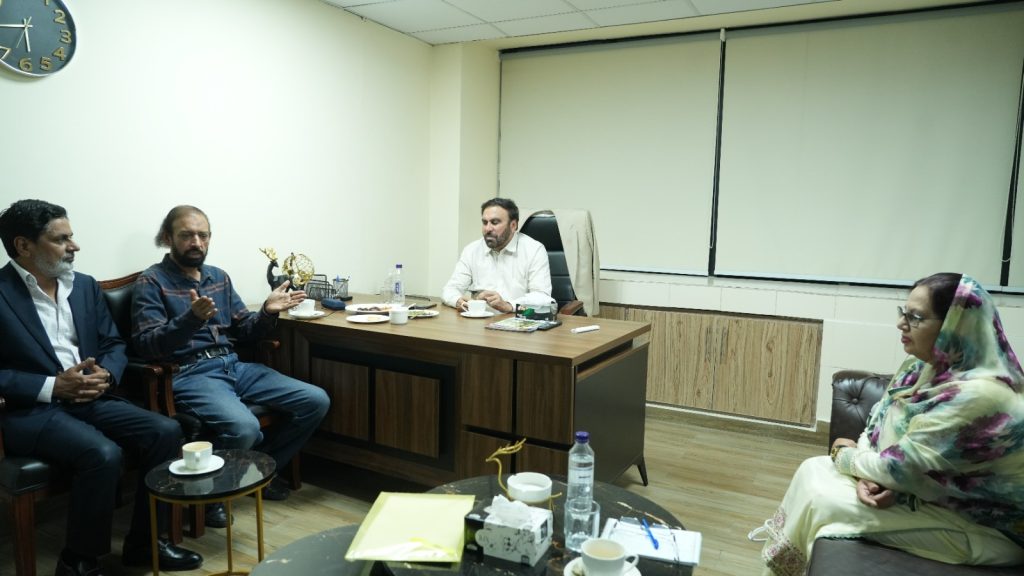
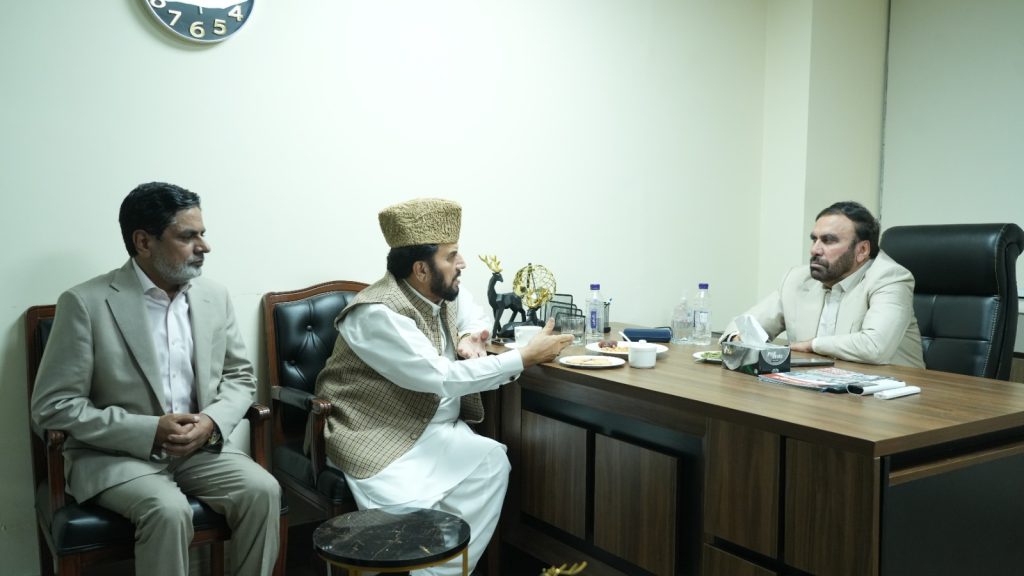
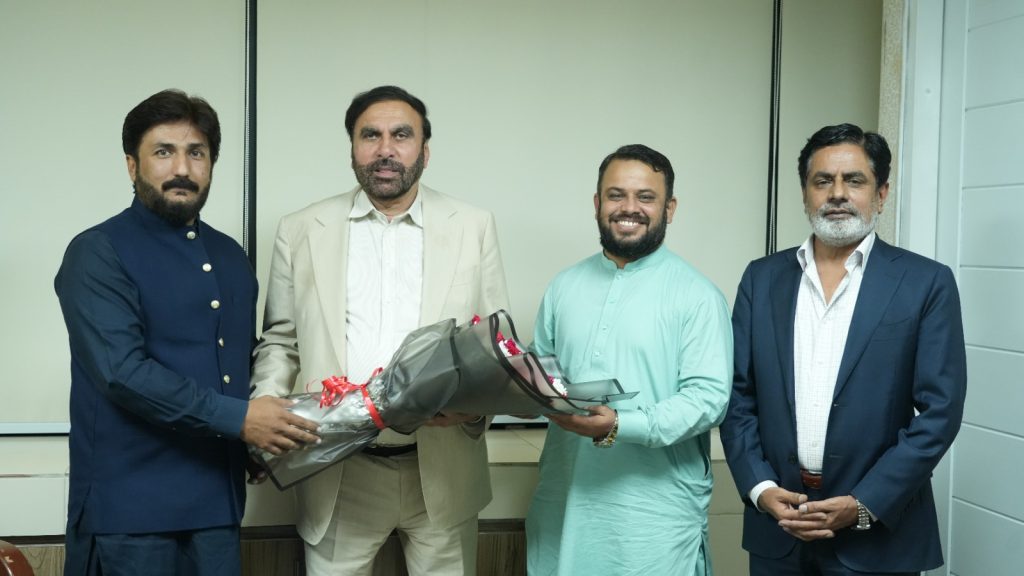
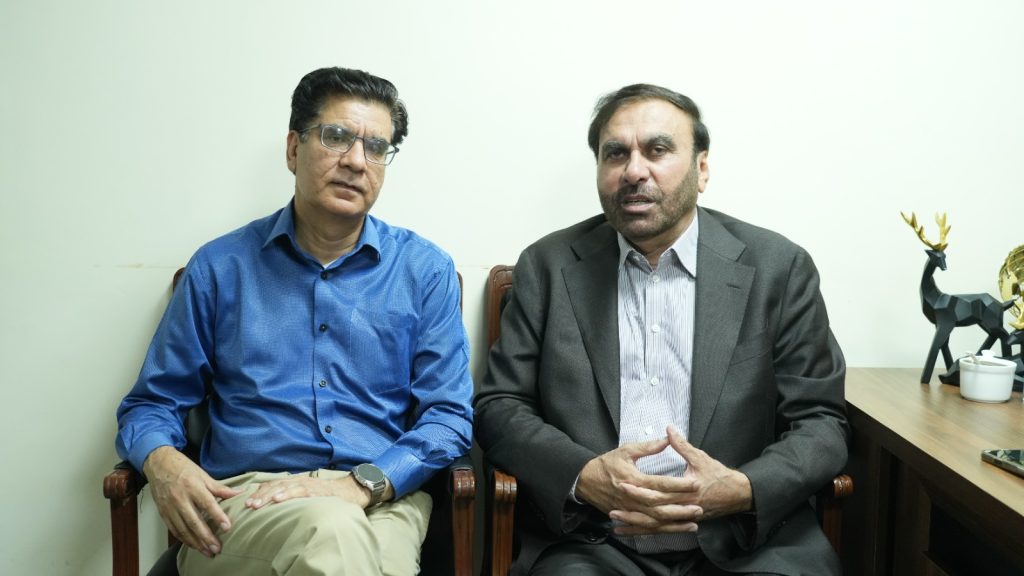
ISLAMABAD: Chairman of Al Mustafa Welfare Trust Abdul Razzaq Sajid held a series of meetings with various delegations and prominent personalities at the trust’s Islamabad office, providing an opportunity to exchange views on social welfare, media, literature and community service.
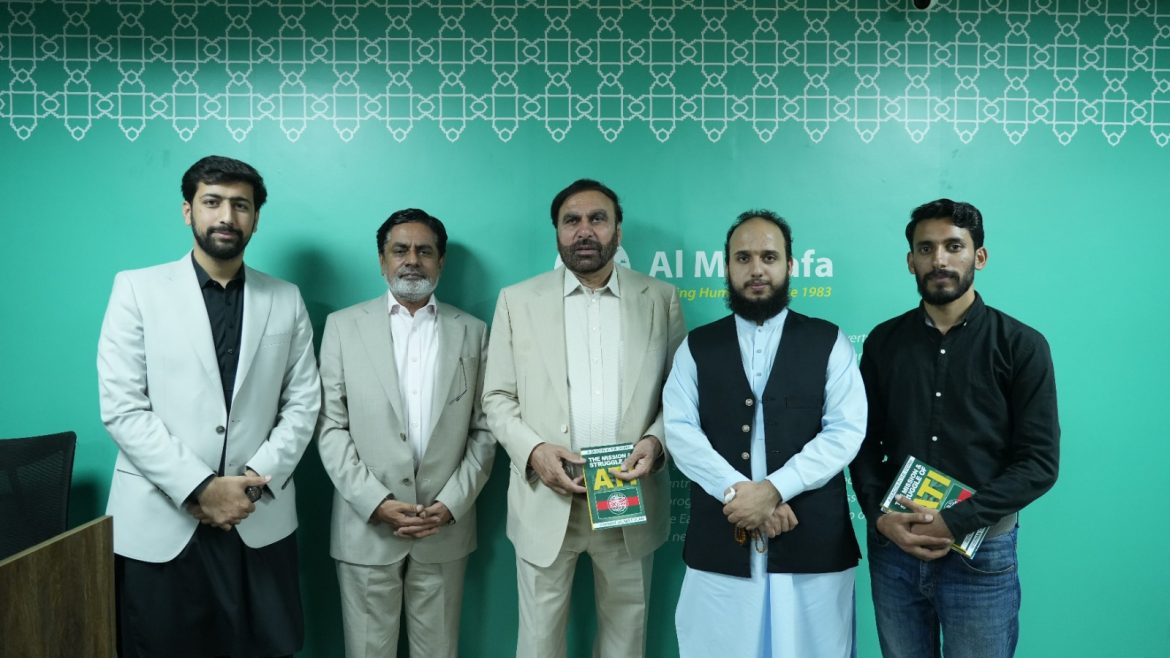
Those who met the Al Mustafa chairman included internationally renowned Qari Syed Sadaqat Ali, PTV Digital Head and noted novelist Ziaf Syed, central president of Anjuman Talaba Islam Faisal Qayyum Magray, and Al Mustafa UK trustee Rubina Khawaja.
Other visitors included Shoaib Hashmi, Manager Media and Public Relations at Alkhidmat Foundation; BBC’s Zahir Mahmood; Advocate Afshan Saeed; prominent businessman Rana Muhammad Irfan; Imran Siddiqui; Rehan Tahir; Tahir Loon; Engineer Muhammad Arshad; Ahmad Raza, Nazim of Anjuman Talaba Islam Azad Kashmir; Mufti Muhammad Abid Hussain Chishti; Najam Shakoor; Amin Mirza; Muhammad Majid; and several other guests.
The meetings brought together representatives from media, literature, religious circles, business and social organisations, reflecting the diverse professional and community networks engaging with Al Mustafa Welfare Trust.
Abdul Razzaq Sajid, who leads the trust’s humanitarian work, welcomed the visitors at the Islamabad office. The meetings also highlighted the importance of engagement and cooperation among individuals and organisations working in different fields of public service.
Photography: Nasir Iqbal

Chairman Al Mustafa Abdul Razzaq Sajid Meets General (R) Abdul Qayyum in Islamabad
Bureau Report
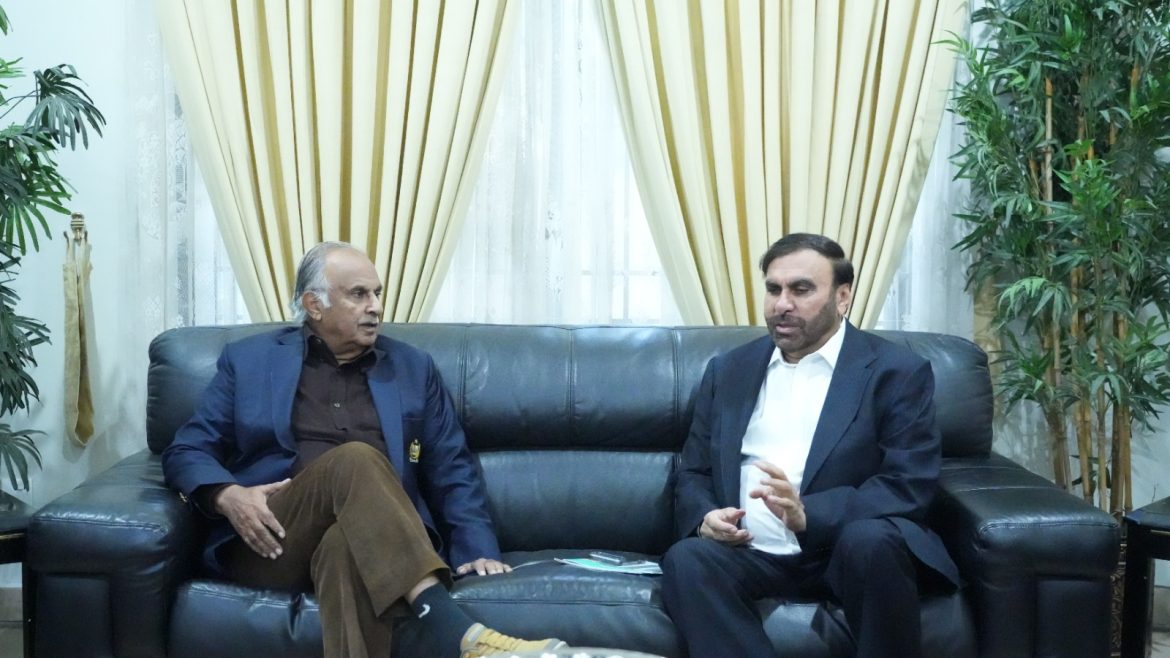
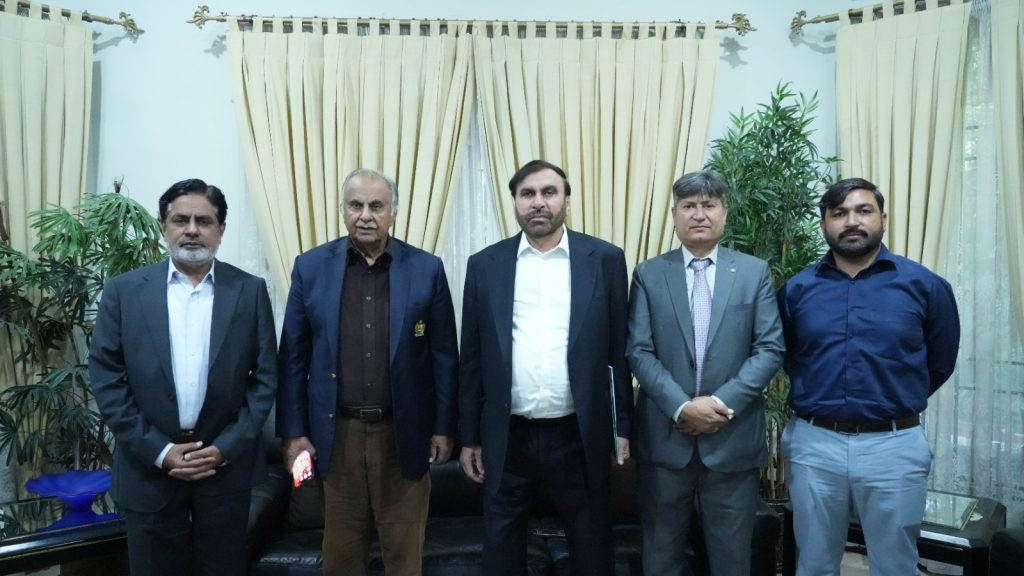
ISLAMABAD: General (R) Abdul Qayyum, President of the Ex-Servicemen Society (ESS), met Abdul Razzaq Sajid, Chairman of Al Mustafa Welfare Trust, in Islamabad to discuss the construction and establishment of the Al Mustafa Eye Hospital in the federal capital and other humanitarian initiatives.
During the meeting, the two discussed the proposed eye hospital project and explored ways to support the trust’s ongoing welfare activities.
General (R) Abdul Qayyum appreciated Al Mustafa Welfare Trust’s humanitarian services and its global mission to help vulnerable communities. He acknowledged the organisation’s efforts in providing healthcare and other essential services to people in need and assured Abdul Razzaq Sajid of his support and cooperation in this noble cause.
General Abdul Qayyum has held several prominent positions during his public service career, including Senator, Chairman of Pakistan Steel Mills, head of Pakistan Ordnance Factories and Military Secretary to former Prime Minister Benazir Bhutto.
He is also known for his contributions as a columnist and intellectual, regularly expressing his views on national affairs and public issues.
The meeting highlighted the importance of cooperation between individuals and organisations committed to humanitarian service, particularly in expanding access to healthcare for underserved communities.
The proposed Al Mustafa Eye Hospital in Islamabad is part of the trust’s efforts to strengthen its healthcare services and make eye treatment more accessible to people who cannot afford it.
Photography: Nasir Iqbal