Staff Reporter
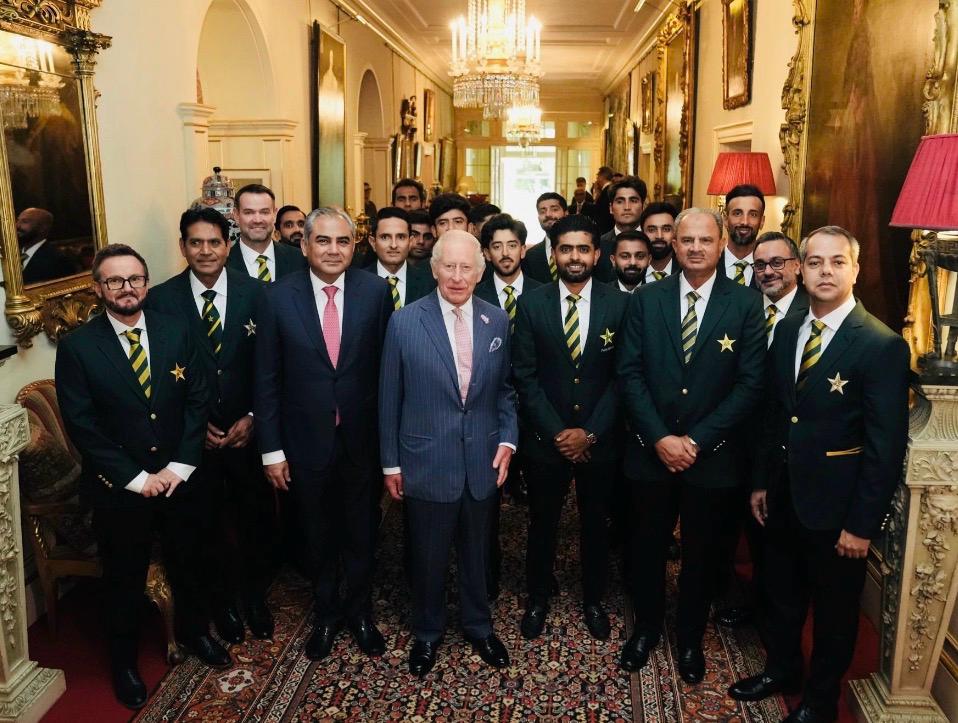
Players dropped from squad told they had to attend Clarence House event as cricket board feared embarrassingly low numbers. Pakistan’s discarded players were ordered to Clarence House to meet the King on last Wednesday amid fears a low turnout would embarrass the country’s cricket board.
One of the seven players recently discarded from the Pakistan squad refused to turn up for the team’s meeting with King Charles of England ahead of the third Test, starting next Wednesday at Edgbaston. The unnamed player was a no-show in protest against the treatment dished out by the Pakistan Cricket Board after he, along with six others, was axed following an embarrassing 194-run defeat at Lord’s, which also effectively ended Pakistan’s hopes in the series.
UK
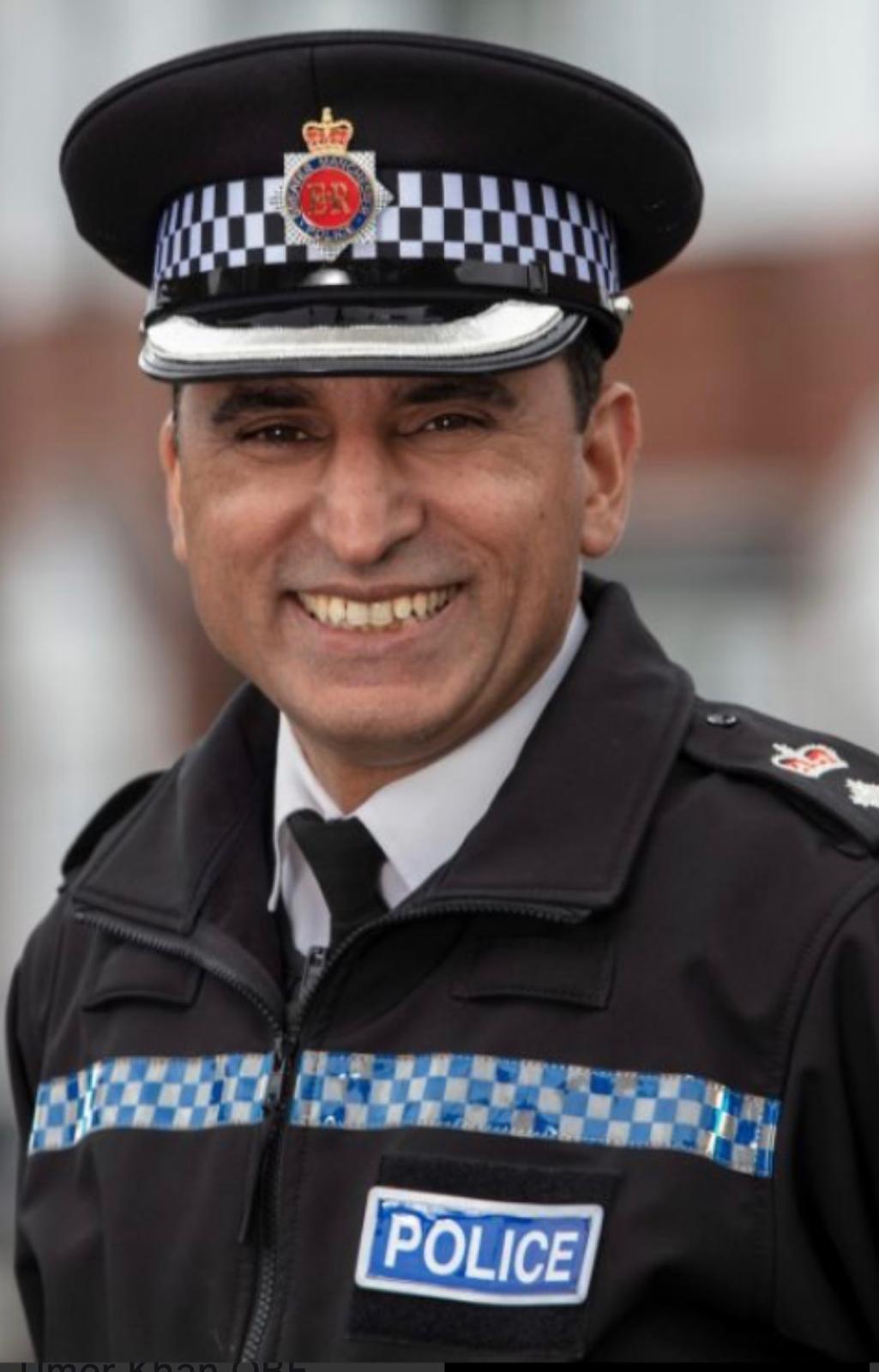
Umer Khan, the capital’s most senior British Asian police officer says he is “truly humbled” to have been awarded the Freedom of the City of London
Umer Khan, the capital’s most senior British Asian police officer says he is “truly humbled” to have been awarded the Freedom of the City of London. First week of June 2026, City of London Police Commander Umer Khan was given the honour in recognition of more than three decades of “exemplary service” to policing and work in cohesion, the City of London Corporation said. Originally from Pakistan, Khan served with Greater Manchester Police for 27 years before joining City of London Police, where he was the first officer of his background to be appointed at commander level. After receiving the honour on Tuesday, Khan told the BBC he would continue to “dedicate himself to the service of the City and communities and the UK”. “I accept the Freedom of the City of London with great humility and gratitude,” Khan said. Having moved to Manchester from Pakistan at the age of 11, Khan began his policing career as a constable aged 21.
NATO Vows to Step Up Pressure on Russia after failed drone attack on Germany
Monitoring desk
Brussels
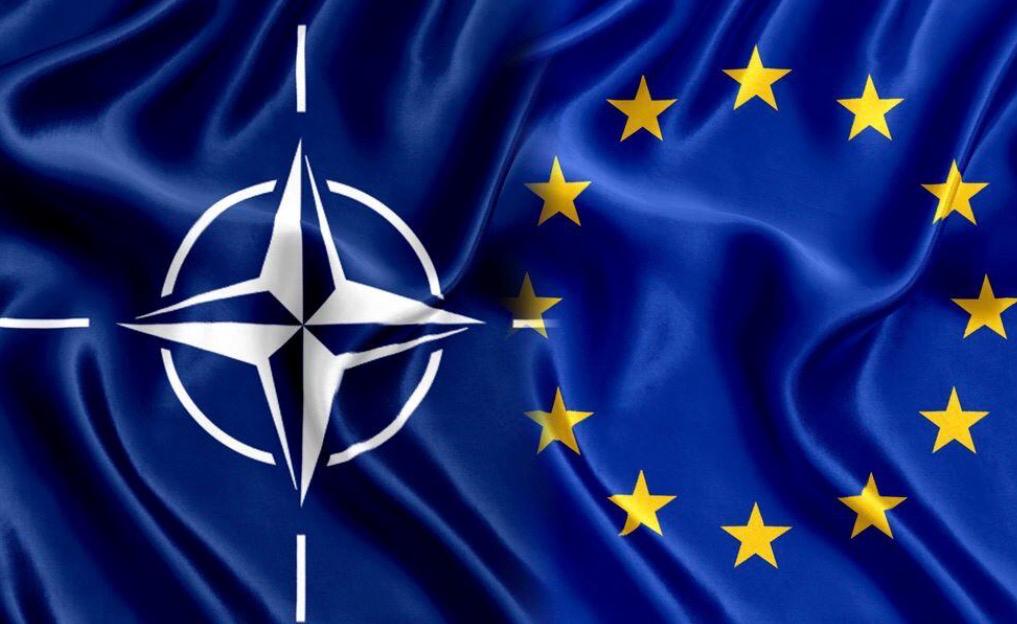
NATO and the European Union have vowed to increase pressure on Russia following a suspected Russian drone attack at Leipzig/Halle Airport in Germany, marking a further escalation in tensions between Moscow and the West. European Commission President Ursula von der Leyen and NATO Secretary General Mark Rutte said Europe and NATO would not only maintain existing pressure on Russia but would step it up. Von der Leyen described the Leipzig incident as a new escalation on European soil and said the West would continue supporting Ukraine until Russia ends its war.
Germany has accused Russia of orchestrating the failed drone attack, in which explosive-laden drones were reportedly discovered near the airport. Berlin has responded by announcing the closure of Russia’s consulate in Bonn and additional restrictions on Russian diplomatic and cultural activities. Moscow has denied involvement and rejected the accusations.
NATO officials have also stressed the need for continued military assistance to Ukraine, particularly air-defence systems. NATO Deputy Secretary-General Radmila Shekerinska said Russia had shown no willingness to end the war and called for sustained pressure on Moscow alongside increased support for Kyiv.
The latest developments come amid growing concern across Europe over alleged Russian hybrid activities, including sabotage, cyberattacks and airspace violations. NATO has pledged to strengthen its defences while maintaining its support for Ukraine.
The tougher stance signals that the alliance and its European partners intend to respond more firmly to what they regard as Russian attempts to destabilise Europe and undermine support for Ukraine.
Wajahat Ali Khan
The Mecca Defence Alliance is a defence pact between Pakistan, Saudi Arabia, and Turkey signed into force on 7 August 2026. It builds upon the earlier Strategic Mutual Defence Agreement signed between Pakistan and Saudi Arabia on 17 September 2025 to include Turkey. The pact’s ratification was officially announced amidst the 2026 Iran war.
The newly formed Mecca Defence Alliance, bringing together Saudi Arabia, Pakistan and Turkey, is the product of years of growing military cooperation and a rapidly changing security environment in the Middle East.
The three countries signed the Mecca Joint Defence Agreement in Mecca on August 7, 2026. Under the pact, an armed attack against any one of the three members is to be regarded as an attack against all three. The governments have described the arrangement as defensive and have stressed that it is not directed against any country.
Roots in Saudi-Pakistan military ties
The alliance did not emerge suddenly. Saudi Arabia and Pakistan have maintained close defence relations for decades, with Pakistan providing military training, technical assistance and personnel support to Saudi Arabia. The relationship was upgraded in September 2025, when Riyadh and Islamabad signed a Strategic Mutual Defence Agreement. That bilateral arrangement provided the foundation on which the broader three-country pact was later built.
At the same time, Pakistan and Turkey had been expanding military cooperation, while Saudi Arabia and Turkey developed stronger defence industrial links, including cooperation involving Turkish defence technology. These overlapping relationships created a foundation for trilateral security cooperation.
Why was the alliance formed?
The immediate background is the worsening security situation across the Middle East. The 2026 conflict involving Iran, Israel and the United States, along with missile attacks and threats to Gulf security, has encouraged regional powers to reconsider their defence arrangements.
For Saudi Arabia, the agreement offers another layer of strategic security. Pakistan brings extensive military experience and a long-standing relationship with the Saudi armed forces, while Turkey contributes a large conventional military and an increasingly important defence industry.
The big question is that, Is it a ‘Muslim NATO’?
The agreement has frequently been compared with NATO because of its collective defence principle. However, analysts caution against treating it as a fully developed NATO-style military organisation.
Pakistan’s Foreign Minister Ishaq Dar has described the pact as purely defensive, while the agreement remains open to possible participation by other countries that accept its principles.
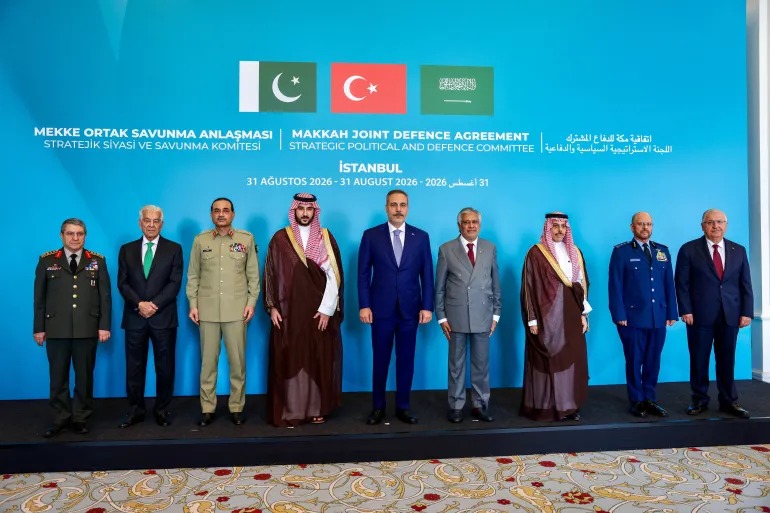
Alliance begins taking institutional shape. The pact moved a step closer to becoming a permanent organisation on August 31, when senior officials from the three countries held the first meeting of its Strategic Political and Defence Committee in Istanbul.
The countries also agreed to establish a permanent secretariat in Riyadh. Turkey’s Foreign Minister Hakan Fidan said the first secretary-general would come from Pakistan and serve an initial three-year term.
What lies ahead?
The alliance’s real significance will depend on whether its political declaration can be converted into practical military cooperation. Questions remain over command arrangements, the response to an attack and the extent of each country’s military commitment.
For now, the Mecca Defence Alliance represents an important new alignment between three influential Muslim-majority states. Its creation signals that Saudi Arabia, Pakistan and Turkey intend to play a more coordinated role in shaping the region’s security at a time of profound geopolitical uncertainty.
Health Correspondent
London
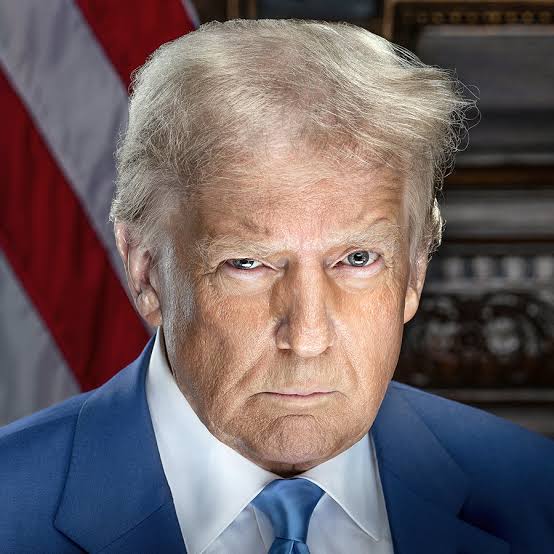
Britain’s already stretched National Health Service has been thrust into the centre of a furious transatlantic row after President Donald Trump’s administration pressed the UK over the price Britain pays for medicines.
Critics have accused the Government of caving in to Washington and Big Pharma, warning that higher drug costs could mean billions of pounds having to be found elsewhere in the NHS. The warning has triggered a storm at Westminster, with campaigners asking a stark question.
Who will pay for Trump’s deal the NHS or the patient?
The controversy follows a UK-US pharmaceutical agreement under which Britain agreed to changes affecting the pricing and availability of medicines.
Ministers insist the agreement will help secure access to innovative treatments and protect Britain’s pharmaceutical sector from the threat of US tariffs. But opponents claim the price could be devastating.
Analysis cited by critics has suggested that tens of billions of pounds could ultimately be diverted from other areas of NHS spending.
One modelling exercise went as far as estimating 229,000 additional deaths in England over the longer term if healthcare resources were displaced a disputed projection rather than a confirmed forecast.
Campaigners have also raised concerns about changes to the role of NICE, the body responsible for assessing whether medicines provide sufficient value for NHS funding. They fear political and commercial pressure could increasingly influence decisions that were previously based on clinical and economic evidence.
For millions of NHS patients, the argument is about more than pharmaceutical pricing. It is about whether money spent on increasingly expensive medicines means less money for hospital beds, GP appointments, nurses and waiting-list treatment.

The Government has defended its position, arguing that Britain must remain competitive in the global pharmaceutical market and that patients should benefit from faster access to new medicines. Yet the political fallout is growing.
Opposition MPs and health campaigners are demanding greater transparency over the negotiations and warning that any additional costs must not be allowed to undermine already overstretched frontline services.
The row has placed Britain in an uncomfortable position caught between an American President demanding a tougher approach to medicine pricing and an NHS struggling to meet the demands of an ageing and increasingly complex population.
THE BIG QUESTION
If the NHS has to pay more for medicines, what will it have to give up to foot the bill? For patients waiting for treatment, the answer could prove painfully important.
Pakistan People’s Party is a symbol of confederation in Pakistan: Sultan Hayat
Tajammul Gurmani
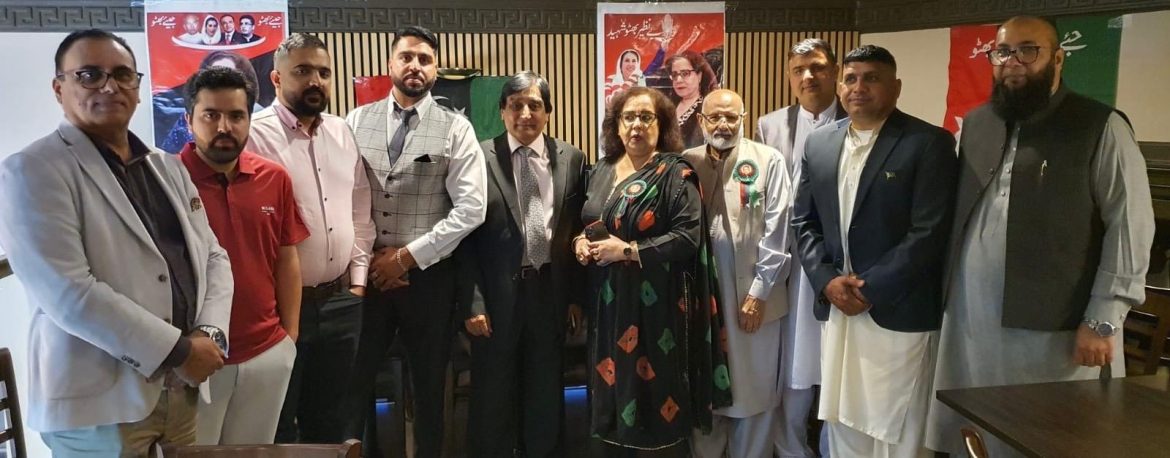
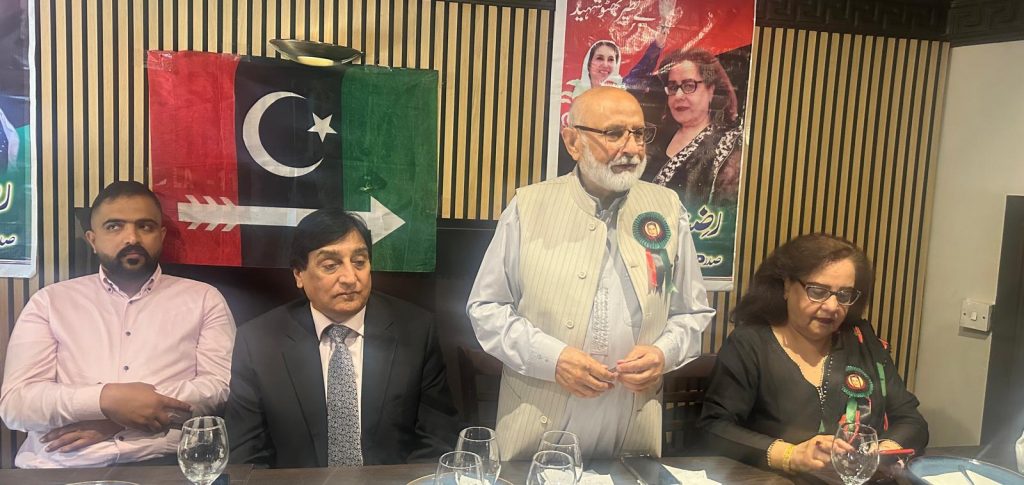
Senior leader of Pakistan People’s Party UK, Sultan Hayat, has said that PPP is a symbol of confederation in Pakistan and that the party leadership has always shown patience. He said the youth must stand with party chairman Bilawal Bhutto. He was addressing an important meeting held to reorganise the PPP UK chapter. The meeting was held at a local restaurant on Stockport Road, Manchester. The meeting was hosted by Gulzar Khan, President PPP Northwest, and Razia Choudary, President PPP Women Wing North West, while Sultan Hayat was the chief guest. Local community leaders who attended the meeting included Babar Farooq, Mahmood Asghar Chaudhry, Amjad Bhatti, Mahboob Elahi Butt, Bilal Durrani, Shah Farid and Cllr. Muqaddasah Banu.
Gulzar Khan, in his address, said that he had always remained loyal to the party. He said they would reactivate the party in the UK and that a delegation would soon meet the leadership. He added that membership and the reorganisation of the party would start soon. Razia Choudary said that there was a lack of coordination between workers and the leadership. She said the leadership was not giving enough importance to the workers and that the central leadership returned to Pakistan after visiting London. “The leadership should create unity among the young workers and give them a chance to lead the party. When the youth lead, the party will become stronger,” she added. Cllr. Muqddasah Banu, Talib Hussain, Shah Farid and Bilal Durrani also expressed their views on the occasion.

Bureau Report
Manchester
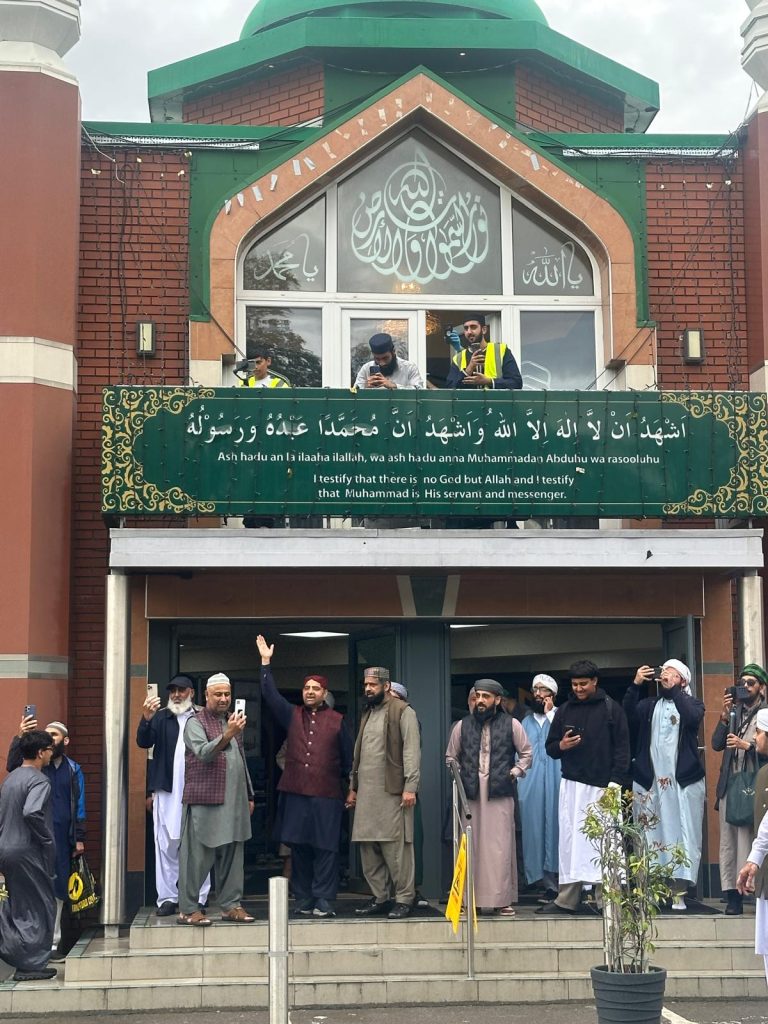
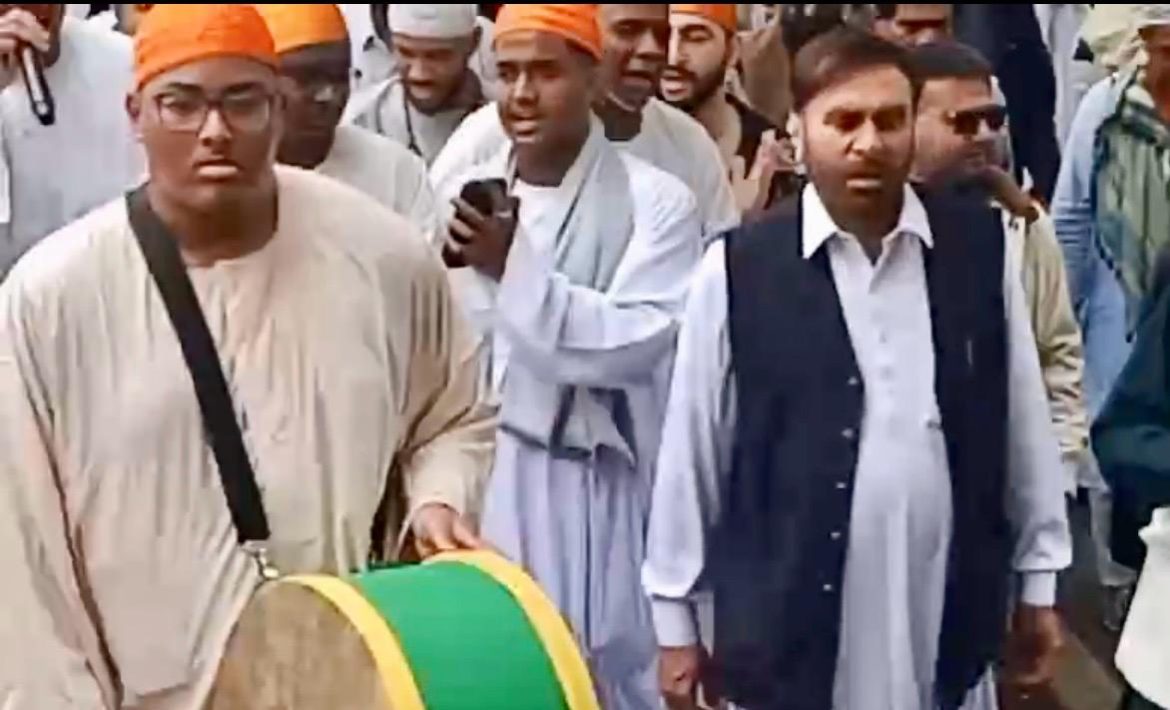
The annual procession of Eid Miladun Nabi was held in Manchester with religious enthusiasm, while hundreds of people participated in the event. Local organisations and traders set up stalls along the procession route, where they distributed free sweets and food among the participants. The procession started from Darul Uloom Islamia, Longsight and after completing the route, concluded at Manchester Central Mosque, Victoria Park.
The participants offered Duhr prayer at Darul Uloom, where Central Mosque President Hammad Khan delivered a speech and appealed to the participants to maintain discipline. Later, the procession started and reached Qadria Jillania Islamic Centre. After crossing Dickenson Road, Curry Mile and other roads, it concluded at Central Mosque, where local organisations distributed hot drinks, sweet and food among all participants. A Milad conference was also held at Central Mosque, where local religious scholars, including Qari Javed Akhtar, Maulana Sohail Rafique , Hafiz Mueen Akhtar, Allama Ahed Waqar Baig, Allama Khurshid Kasuri, Allama Faheem Sajjad Qadri and others, delivered speeches.

Bureau Report
Manchester
The renowned accountant and founder of Watermark Accountants, Syed Zahid Hassan Shah Bukhari, passed away due to cardiac arrest. He was laid to rest in a local cemetery in Manchester. His funeral prayer was held at Manchester Central Mosque, where hundreds of people attended his final rituals. His Khatame Qul and Quran Khawani will be held on Saturday, 5 September, from 6.00 pm to 8.00 pm at Manchester Central Mosque, Victoria Park.
Congratulations to the Newly Appointed Prime Minister of Azad Jammu & Kashmir
Press release
London
Chairman Global Pak Kashmir Supreme Council Raja Sikander Khan stated in his press release. I extend my heartfelt and sincere congratulations to Syed Iftikhar Ali Gillani the newly appointed Prime Minister of the Government of Azad Jammu & Kashmir on assuming this important responsibility.
I pray to Almighty ALLAH to bless him with immense strength, courage, wisdom, and foresight to lead AJK towards greater prosperity, development, peace, and stability, and to transform Azad Jammu & Kashmir into a model of good governance, progress, and harmony for the world. At this crucial juncture, the people of AJK need leadership that rises above political differences and brings all stakeholders together in the larger national and public interest. I sincerely hope that the new government will pursue an inclusive, peaceful, and constructive approach, particularly through meaningful dialogue and engagement with the Awami Action Committee, to address genuine public concerns and build mutual trust.
The restoration of law and order, protection of the rights and dignity of citizens, and preservation of peace must remain among the highest priorities. Dialogue, reconciliation, and democratic engagement are the strongest means of resolving differences and creating lasting stability.
May Almighty Allah guide the Honourable Prime Minister in every decision, grant him wisdom and strength, and enable him to serve the people of Azad Jammu & Kashmir with integrity, justice, and dedication.
Procession organised by Hounslow Jamia Mosque on the occasion of “Eid Milad-un-Nabi”
Shaukat Dar
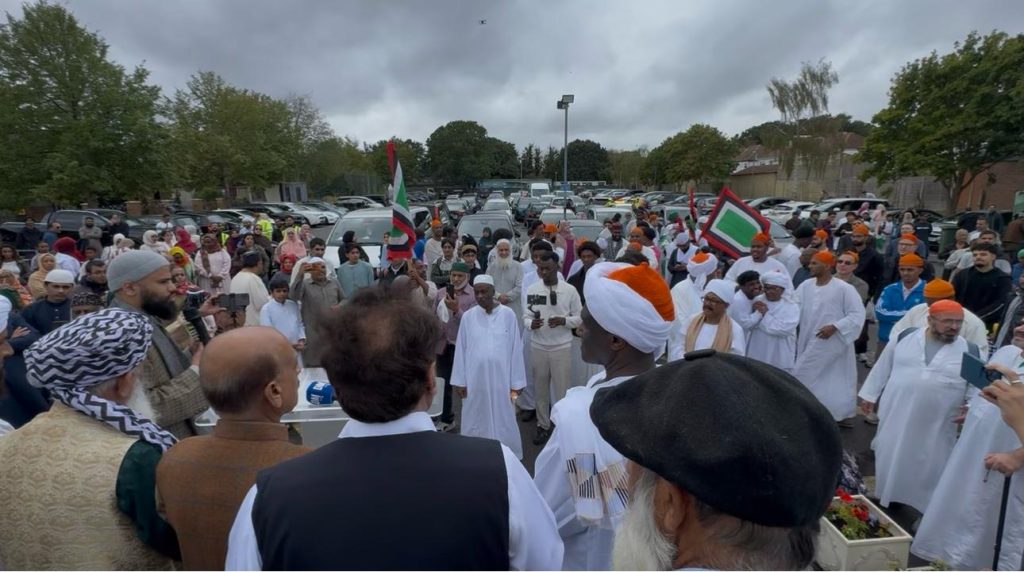
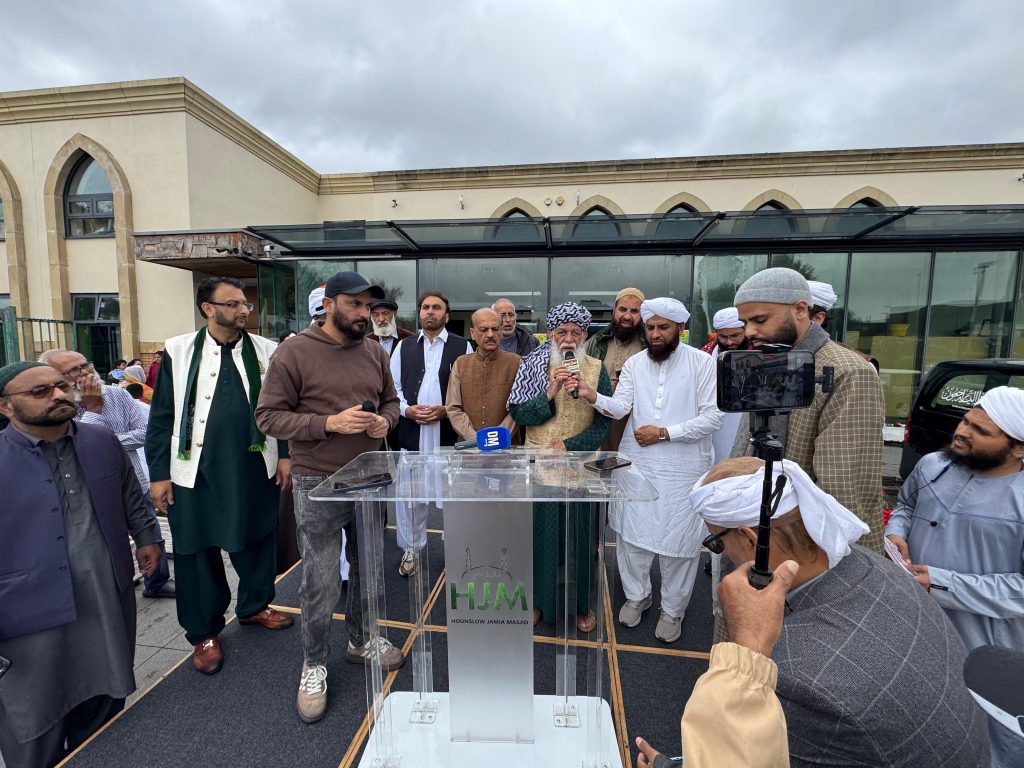
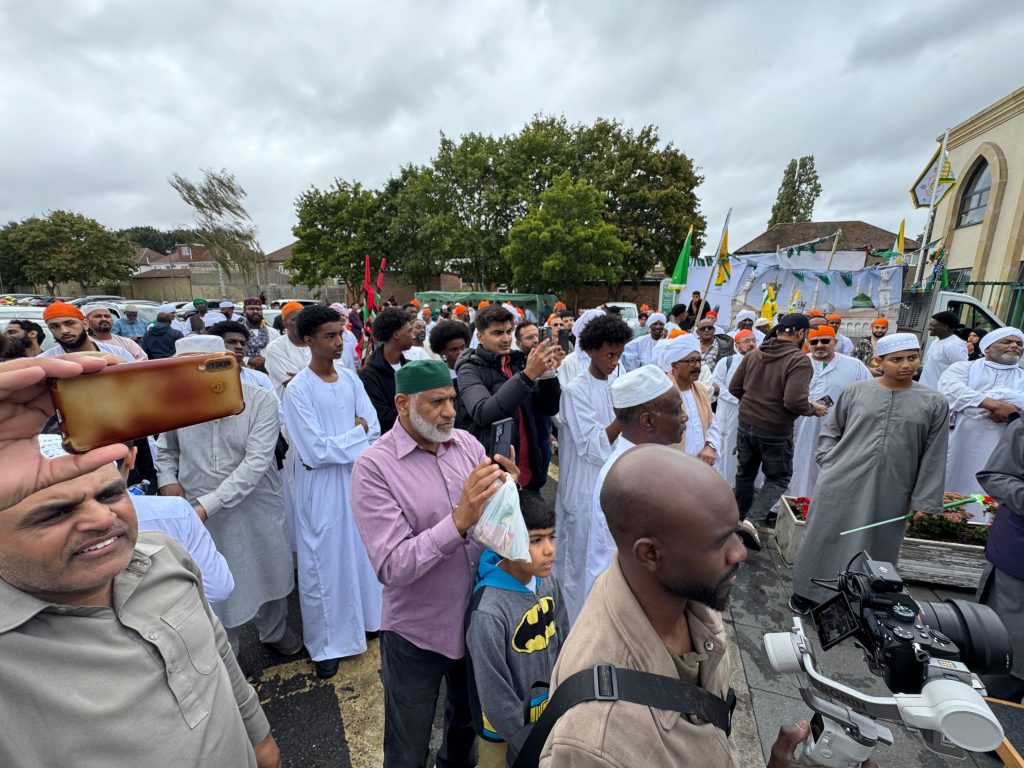
The procession started from Hounslow Central Jamia Mosque and passed through various main streets of Hounslow before returning to the mosque, where it concluded peacefully.
The procession was led by Mosque Committee Chairman Raja Javed, Abdulrazzaq Sajid, Shafiq Rehman, Councillor Tariq Gujjar and Councillor Shakeel Akram.
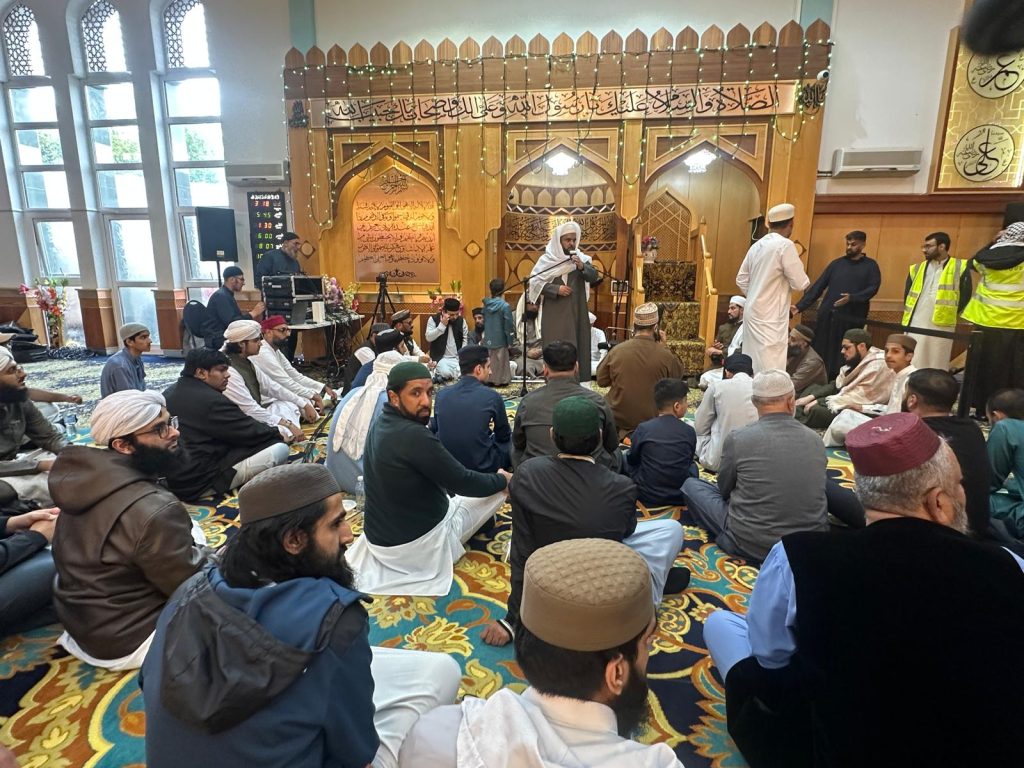
A large number of women and children also participated in the procession. Local businesses along the route welcomed the participants and arranged stalls providing water and refreshments. Following the procession, a special gathering was held at the mosque. Hazrat Manani Mian of Barelvi Sharif, grandson of Imam Ahmad Raza Khan, addressed the gathering and shed light on the life, character and teachings of the Holy Prophet Muhammad (PBUH).
The event concluded with special prayers for peace, unity and the prosperity and well-being of the community.
Photos: Raja Faiz Sultan