
Health reporter
The amount of time children in England spend on screens at school could be harming their “physical and developmental health”, a group of more than 150 clinicians has warned.
GPs, pediatrician and other specialists said in an open letter to Education Secretary Lucy Powell and Health Secretary Yvette Cooper that tablets and laptops are being used without a full understanding of their long-term health impacts, including on eye health.
The clinicians said they are prescribing glasses, hearing aids and speech therapy to children “for a problem that is unintentionally being made worse in our schools”.
The government said it was consulting on screen time guidance for children aged five to 18 but that technology could be a powerful learning tool if used properly.
Many children now spend longer on screens in the classroom than is recommended in a 24-hour period, the letter said, adding: “As a country, we need to wake up to this now, and start rolling back screen use in schools before the damage compounds further.”
Bureau report
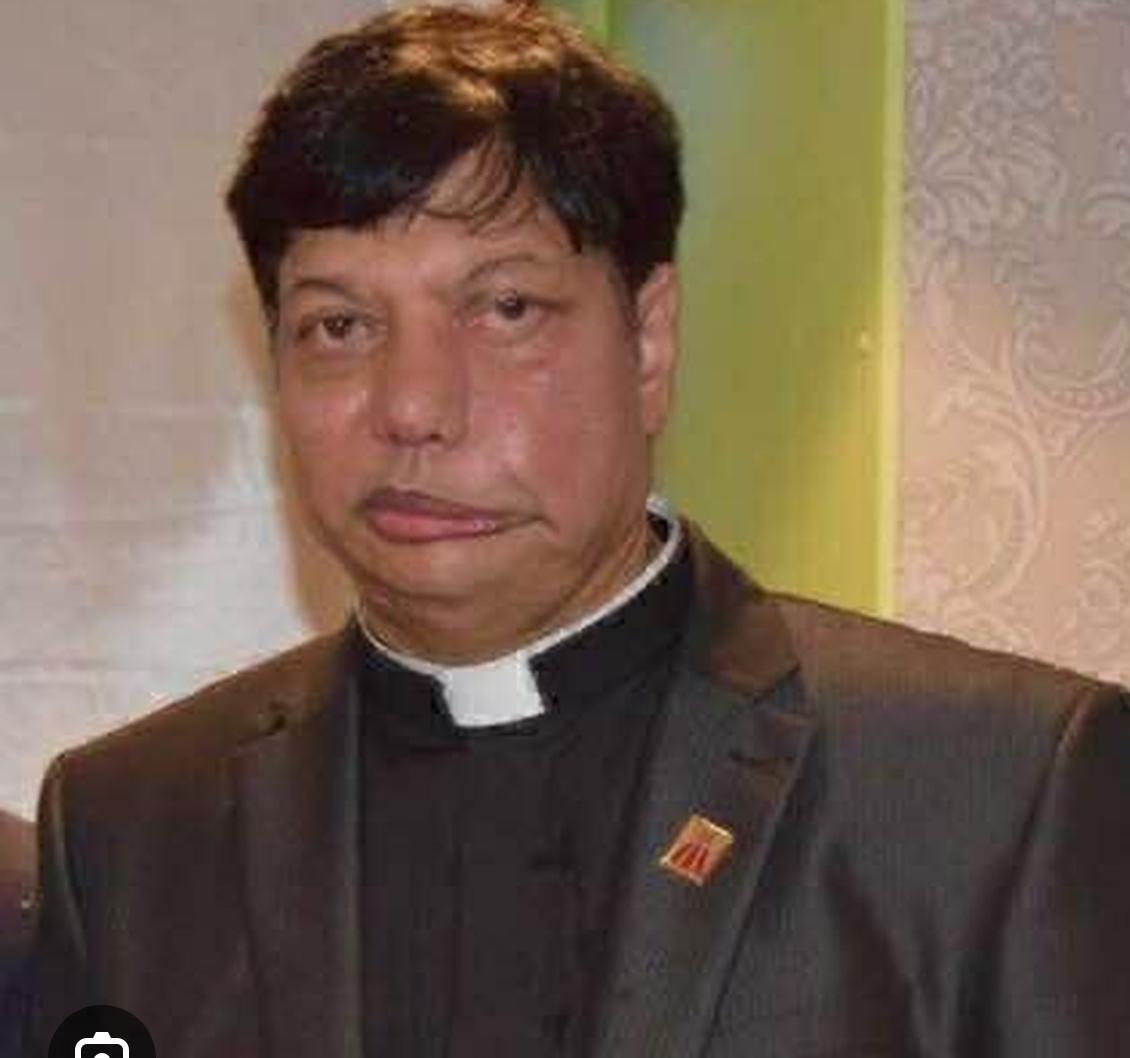
MANCHESTER: The Church of the Ascension will host a charity dinner on Friday, 23 October, at Ascension Road, Salford. This was announced by Father Falak Sher, the organiser of the event.
A special feature of the event will be a Persian and Pakistani art exhibition and auction. During the live auction, exquisite Persian calligraphy, elegant Pakistani heritage art, luxurious textiles and contemporary masterpieces will be presented to the audience. All funds raised will be used to support the church’s heating system, helping to keep the church warm and welcoming throughout the winter. “We will specially invite Muslim business community leaders and appeal to them to join us and donate generously for this noble cause,” Father Falak Sher added.

Staff reporter
London: The Conservative Party has pledged to establish a new Removals Force capable of removing 150,000 illegal immigrants a year if it returns to government, as Kemi Badenoch’s party steps up its campaign for tougher immigration controls.
Under the Conservatives’ proposed BORDERS plan, all new illegal arrivals would face deportation within a week, while foreign criminals would also be removed. The party says the annual target of 150,000 removals would be delivered by a dedicated enforcement force.
The plan goes considerably further than simply increasing deportations. The Conservatives say they would leave the European Convention on Human Rights, withdraw from the European Convention against Trafficking in Human Beings, repeal the Human Rights Act and introduce a total ban on asylum claims by people who enter Britain illegally.
The party also proposes ending the Immigration Tribunal and legal aid for immigration cases, while negotiating returns agreements with other countries and using visa sanctions where governments refuse to cooperate.
The Conservatives argue that the measures are necessary to regain control of Britain’s borders and deter people from making illegal journeys to the UK. Their proposals come as immigration remains one of the most politically contested issues in British politics.
The government, meanwhile, has also increased enforcement. The Home Office said in June that nearly 70,000 people with no right to remain had been removed since Labour came to office, including foreign national offenders and failed asylum seekers.
The Conservative target of 150,000 removals a year would therefore represent a substantial expansion of the UK’s current removal operation. Its implementation would also raise legal and diplomatic questions, particularly over the proposed withdrawal from the ECHR and the practical ability to secure return agreements with countries of origin.
The Conservatives say their plan is intended to create a fundamentally different immigration system, with rapid removal replacing prolonged asylum and appeals procedures for illegal entrants. Critics are expected to focus on the legal, administrative and humanitarian implications of such a system.

Wajahat Ali Khan
Reform UK has received a political financial windfall unlike anything seen in recent British politics. Cryptocurrency billionaire Ben Delo donated £36 million to Nigel Farage’s party in September at the time the largest single donation to a British political party. Within 24 hours, fellow crypto billionaire Christopher Harborne pledged a further £36 million, taking the total raised from the two men to £72 million.
For Reform, the immediate benefit is obvious: money on this scale gives the party the resources to build its organisation, communicate its message and prepare for the next general election. Delo said his purpose was to create a “level playing field” and give Reform a “fair fight” at the polls.
But the same money could become a political liability if voters begin to see Reform as excessively dependent on a handful of extremely wealthy individuals.
The central issue is not simply how much money Reform has received, but where it came from and whether the donations comply with Britain’s evolving political-finance rules. The government has proposed a £100,000 annual cap on donations from overseas electors and a moratorium on cryptocurrency donations. Crucially, the proposed changes are intended to apply retrospectively from 25 March 2026.
That creates an unusual legal uncertainty around the Reform donations. The Electoral Commission says that, under existing rules, crypto donations are not prohibited, but parties must establish that donors are permissible and must properly value and report cryptoassets.
The question of donor eligibility therefore matters enormously. Reports have indicated that Delo has been registered as a UK-based voter for years, while questions have been raised about Harborne’s status. If the proposed legislation takes effect in its current form, the parties receiving donations could face obligations to return donations that become unlawful.
There is also a broader political problem. Reform has already faced scrutiny over allegations concerning political donations and the activities of party officials allegations the party denies. The timing of the £36 million donations therefore means that questions about funding transparency are unlikely to disappear simply because the money has arrived.
The donations could also change the debate about political spending. Ministers have been considering restrictions on party expenditure outside election periods, partly because the £72 million influx gives Reform substantial financial capacity well before the next general election.
Yet there is another side to the argument. Reform can reasonably say that British political parties have always depended on major donors, and that wealthy individuals are entitled to support political causes provided they comply with the law. Delo has presented his donation as an attempt to allow Reform to compete with the established parties rather than as payment for a particular policy.
That distinction will be important. The political question is not whether a billionaire is entitled to donate money; it is whether the public believes Britain’s electoral system allows financial power to exercise disproportionate influence.
For Reform, therefore, the £36 million is both an opportunity and a test of transparency. If the money is unquestionably lawful and its use is clearly accounted for, it could provide the party with unprecedented organisational resources. If legal questions, donor eligibility or concerns about political influence persist, the donation could instead become a continuing source of controversy.
Ultimately, the biggest challenge for Reform may not be spending the £36 million. It may be convincing voters that the party’s political message rather than the wealth of its donors is what determines its direction.

Sports reporter
London: Lionel Messi bids an emotional farewell to Argentina after an extraordinary international career Lionel Messi, widely regarded as one of the defining footballers of his generation, has brought his remarkable international career with Argentina to an emotional close.
The 39-year-old captain made his final appearance for Argentina on Tuesday, scoring and providing two assists as Argentina defeated Benin 3–0 at the Estadio Monumental in Buenos Aires. FIFA confirmed that it was Messi’s final match for the national side. Messi leaves international football as Argentina’s record appearance maker and leading goalscorer. He finished with 208 caps and 126 goals, having represented his country for more than two decades. His greatest achievement came in Qatar in 2022, when he finally lifted the World Cup after Argentina defeated France in the final. He also led the country to Copa América titles in 2021 and 2024.
The farewell in Buenos Aires was filled with emotion. Surrounded by his three sons, Messi struggled to contain his feelings during the tributes and later addressed the crowd, reflecting on what representing Argentina had meant to him. Although his international journey is over, Messi has not retired from football altogether. He continues his club career with Inter Miami, meaning supporters may still have the opportunity to watch the Argentine maestro on the pitch.
For Argentina, however, an extraordinary chapter has closed. For millions of football fans around the world, the farewell marks the end of an era defined by extraordinary skill, unforgettable goals and a player who turned the number 10 shirt into a symbol of footballing excellence.


Amanat Ali Anjum
Buckinghamshire New University has had its licence to sponsor international students suspended last Wednesday, raising concerns for overseas students whose studies, visas and future plans could be affected.
The suspension means the university is temporarily unable to sponsor new international students under the UK’s student visa system. Existing students may also face uncertainty while the authorities assess the institution’s compliance with immigration and sponsorship requirements.
Universities that recruit students from overseas are required to meet strict conditions set by the UK authorities, including maintaining accurate student records, monitoring attendance and complying with immigration rules.
A suspension does not necessarily mean that the university will permanently lose its licence. The institution may be required to provide further information or demonstrate that it has addressed the concerns that led to the action.
The development is likely to be closely watched by current students, prospective applicants and education agents, particularly those from countries where studying in Britain is a major route into higher education.
For affected students, the key questions will be whether their existing visas remain valid, whether they can continue their courses and what arrangements will be made if the university is unable to resume sponsorship.
The case also highlights the growing scrutiny faced by British universities over international student recruitment and compliance with the UK’s immigration rules.
The university has been given 20 working days to respond, and its licence will be revoked if it cannot show why it should be reinstated. The Home Office’s published guidance does not explain why the suspension occurred.

City reporter
London: Conservative shadow justice secretary Nick Timothy has reignited the debate over Muslim women wearing the niqab and burqa, describing the face coverings as harmful to women and to wider British society. Speaking at a Spectator event during the Conservative Party conference in Birmingham, Timothy said he strongly opposed the garments and compared the experience of seeing a woman wearing one to seeing a person with a “ball and chain” attached. He argued that covering the face could reduce social interaction and trust within communities.
Timothy said Britain should remain an open society in which people are free to make their own choices, but argued that the impact of full-face coverings went beyond the individual wearer. He said that living in communities where people regularly cover their faces could affect social trust and engagement.
His comments come after a controversy surrounding a photograph of a Muslim woman wearing a niqab alongside her husband at a Lambeth Palace awards ceremony. Timothy and Conservative colleague Rebecca Paul subsequently questioned whether the image sent the wrong message about women’s freedom and dignity.
The Conservative Party is understood to be considering its position on face coverings. Timothy referred to restrictions introduced in several European countries, including France, while stopping short of outlining a specific Conservative policy.
The remarks have nevertheless prompted concern among some Muslim organisations and commentators, who argue that criticism of the niqab must take account of women who say they wear it voluntarily as an expression of faith.
The wider argument is therefore likely to centre on a difficult balance between individual religious freedom, women’s autonomy, social integration and public policy. Timothy’s intervention has ensured that the question of whether Britain should impose restrictions on the niqab and burqa remains firmly on the political agenda.

Saif Ali Khan
London: A new government-backed housing scheme designed to help first-time buyers overcome the deposit barrier is set to be confirmed in the October Budget.
The “Your First Home” scheme will allow eligible first-time buyers in England to purchase a new-build property with a deposit of as little as 2.5 per cent. The government is expected to provide an equity loan worth up to 20 per cent of the property price, reducing the amount buyers need to borrow through a conventional mortgage.
The government says the scheme is particularly aimed at people who can afford monthly mortgage payments but struggle to accumulate a large deposit, including those without financial assistance from the so-called “Bank of Mum and Dad”. The government equity loan will initially be interest-free, potentially reducing monthly mortgage costs compared with a 95 per cent mortgage.
However, the scheme will not be open to every buyer. The government has said there will be household-income limits and regional property-price caps, with the precise thresholds to be announced by Chancellor John Healey in the 28 October 2026 Budget. Developers participating in the scheme will also be expected to make a contribution.
The initiative is intended not only to help households buy their first property but also to stimulate the new-build housing market at a time when higher construction costs and mortgage rates have weakened demand.
The scheme bears similarities to the former Help to Buy programme, which ended in 2023, but the government says the new initiative will be more targeted. Analysts have nevertheless warned that increasing purchasing power without a corresponding increase in housing supply could put upward pressure on house prices.
The government has indicated that pre-registration could begin by the end of 2026, although the final terms and implementation timetable remain subject to the Budget announcement.
Important distinction: “Your First Home” is a new proposed equity-loan scheme. It is not the same as the existing First Homes scheme, under which eligible buyers in England can purchase certain properties at discounts of at least 30 per cent.
City reporter
LONDON: British Pakistani businessman and community figure honoured at historic Guildhall ceremony, marking a significant milestone in a career spanning business, communications, culture and community engagement
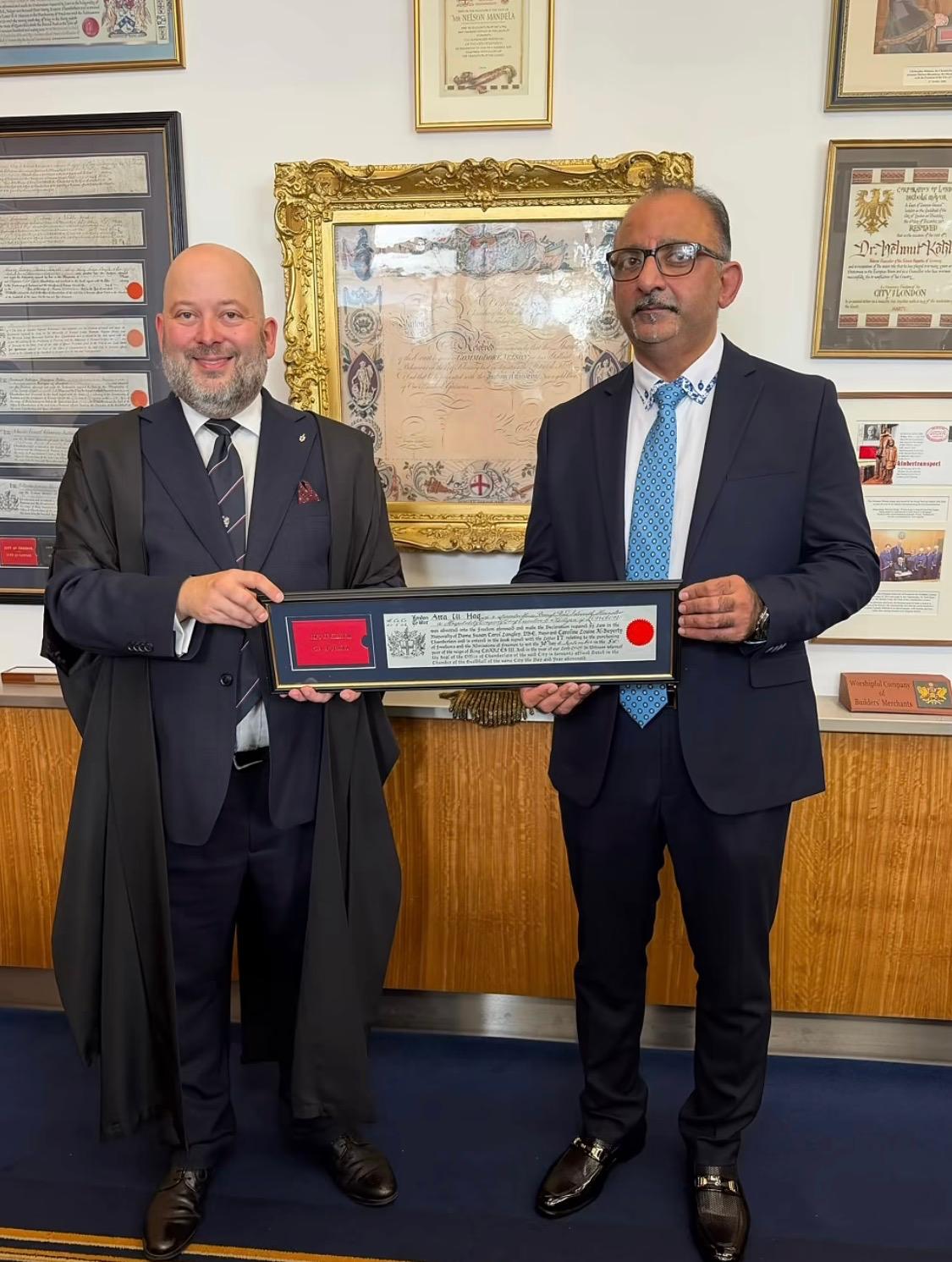
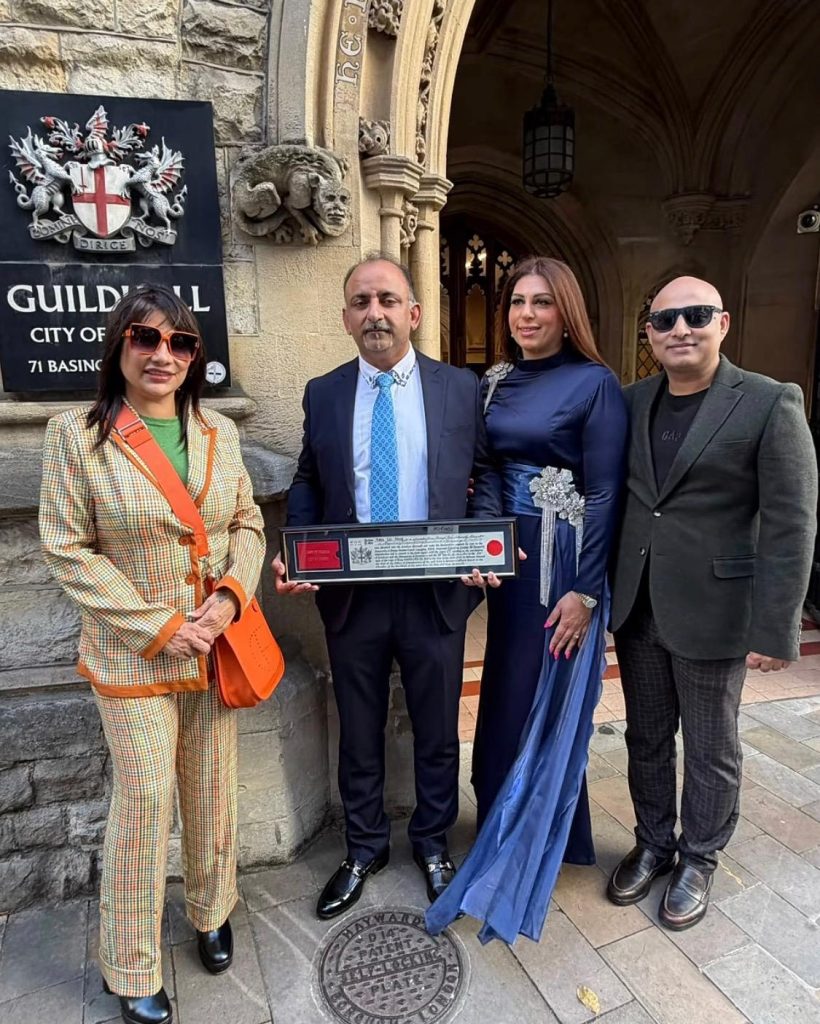
British Pakistani businessman, communications and events professional Atta Haq has been admitted to the Freedom of the City of London at a traditional ceremony at Guildhall, joining a civic tradition whose origins stretch back centuries.
The occasion marked a significant personal milestone for Mr Haq, as well as a proud moment for his family, friends and the communities with which he has worked throughout a career spanning business, public relations, marketing, media, events and community engagement.
The Freedom of the City of London is among the capital’s oldest surviving civic traditions. Historically associated with the rights of medieval citizens to trade and conduct business within the City, it has evolved from a practical status into a ceremonial institution that connects contemporary recipients with centuries of London’s civic history.
For Mr Haq, that connection between past and present carries particular significance. His admission places a contemporary British Pakistani story within an institution whose history long predates the multicultural, globally connected London of today. It is a reminder that historic institutions do not exist apart from the societies around them; their continuing relevance is also reflected in the people who become part of their story.
Much of Mr Haq’s professional and community work has centred upon bringing people together across cultural and social boundaries, promoting British Asian achievement and creating platforms through which enterprise, culture and community contribution can receive wider recognition.
Speaking following the ceremony, Mr Haq said:
“This is a great honour and an incredibly emotional moment for me. It is difficult to put into words what receiving the Freedom of the City of London means to me and my family.
“I dedicate this very special moment to my country, my family, my friends and all the communities I have had the privilege of working with over the years.
“Britain has given so many of us opportunities to build our lives, raise our families, establish businesses and fulfil our ambitions. We all have a responsibility to give something back.
“My message is simple: let us remain united. Let us work together for the country we call home, respect one another and use our individual success to create opportunities for others.
“I am extremely grateful to everyone at the City of London and Guildhall who supported my admission and made the ceremony such a memorable occasion. I will always treasure this moment.”
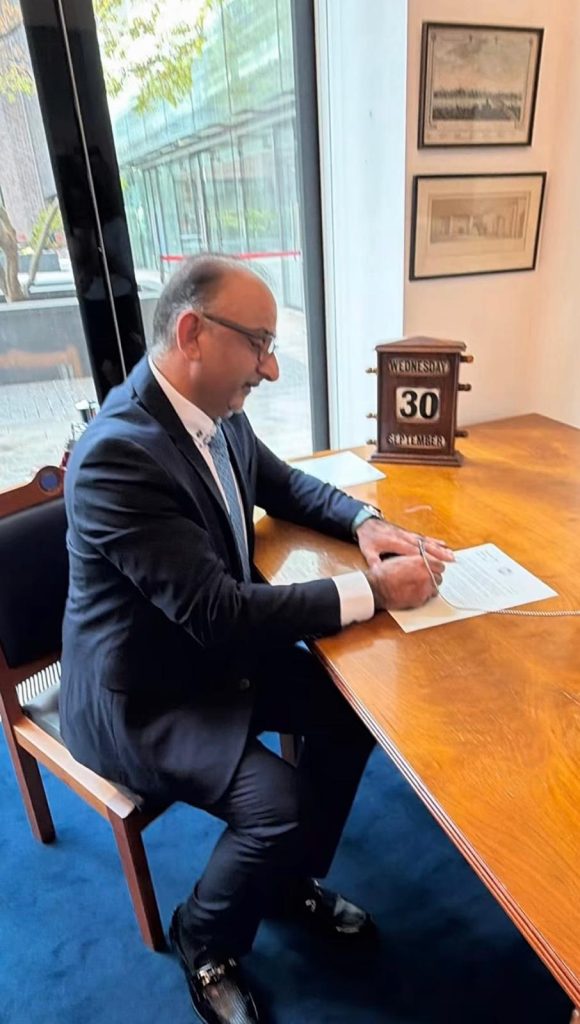
Freedom ceremonies continue to take place at the Chamberlain’s Court at Guildhall, preserving customs associated with an institution that has formed part of London’s civic life for generations. During the traditional ceremony, a new Freeman makes the Declaration of a Freeman and signs the official declaration book before receiving a parchment copy of the Freedom and the historic Rules for the Conduct of Life.
During the ceremony, Mr Haq was also referred to, in accordance with City tradition, as the “youngest Freeman”, an expression denoting the most recently admitted Freeman rather than the recipient’s biological age.
His admission also resonates beyond an individual achievement. The story of British Pakistanis in Britain is one of successive generations establishing roots while contributing across business, medicine, law, politics, education, charity, media, culture and public service. Mr Haq’s admission offers another moment within that broader history: one in which heritage and participation in British civic life are not competing identities, but complementary parts of the same story.


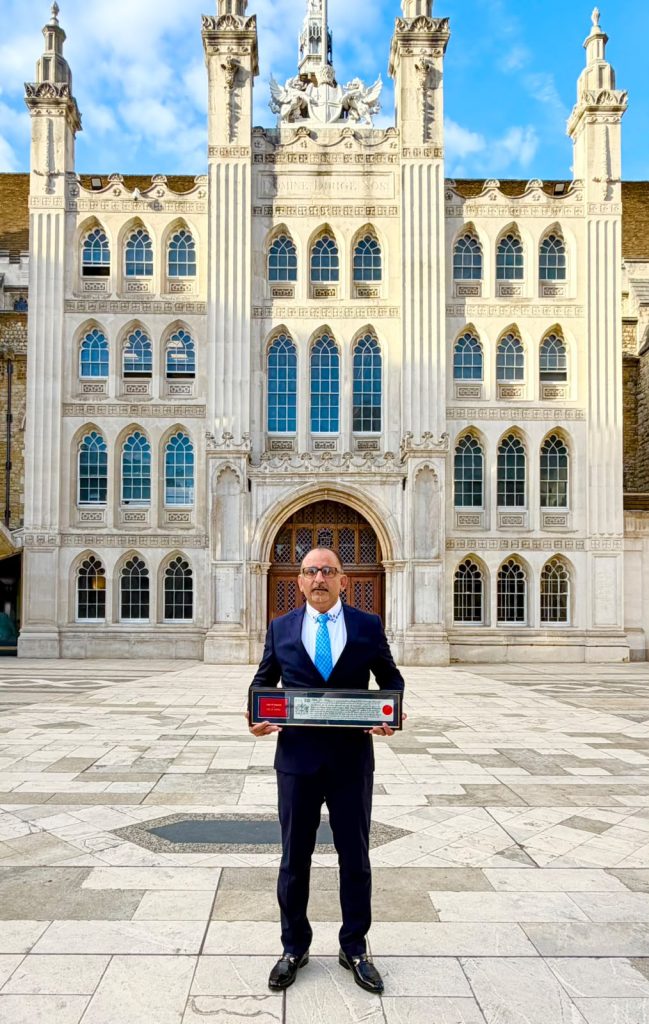
Throughout his career, Mr Haq has been associated with business, media, cultural and community initiatives, with a particular emphasis on promoting achievement and providing platforms for people from diverse backgrounds. His work across public relations, marketing and the events industry has enabled him to champion British Asian talent, businesses and cultural initiatives while strengthening connections between communities and wider British institutions.
For Mr Haq, the recognition therefore carries a responsibility extending beyond the ceremony itself. He said he hoped the occasion would encourage younger generations, particularly young British Pakistanis and British Asians, to participate confidently in British life without feeling that doing so requires them to diminish the heritage from which they come.
Reflecting on the occasion, he said:
“Whatever our background, religion, language or heritage, we share a future in this country. We should celebrate where we come from, but we should also be proud of the country in which we live and contribute to its future.
“Success has greater meaning when we use it to
help other people. I hope this moment encourages younger generations, particularly young British Pakistanis and British Asians, to believe that they can participate fully in British life while remaining proud of their heritage.
“This Freedom gives me an even greater sense of responsibility to continue serving communities, promoting unity and diversity, and creating opportunities that bring people together.”
Mr Haq expressed his appreciation to the officials associated with the City of London and Guildhall, as well as to his family, colleagues, friends and supporters who shared the occasion with him.
The ceremony at Guildhall was, for him, both the culmination of one chapter and the beginning of another. Yet perhaps its wider significance lies in the meeting of two histories: an ancient civic tradition shaped over centuries, and the evolving story of a Britain continually enriched by people whose journeys, identities and contributions have become woven into its national life.
As he left Guildhall as a newly admitted Freeman of the City of London, Mr Haq returned to the message he hopes will endure beyond the ceremony:
“Let us work together, give back to the country that has given us opportunities, and build an even stronger, more united Britain for the next generation.”
Inam Sehgal
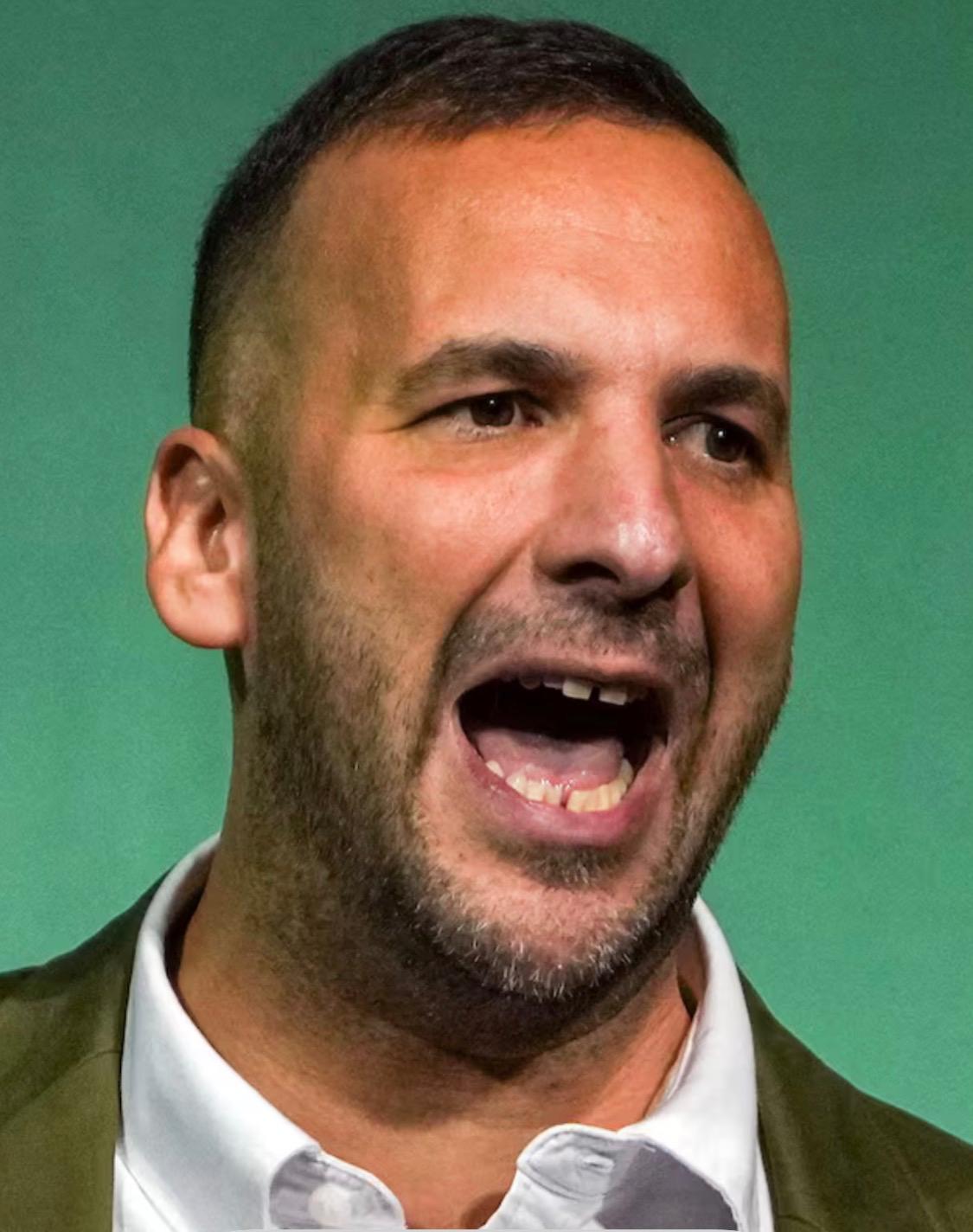
LONDON: The Green Party leader Zack Polanski has called for an end to UK arms exports to Israel, comprehensive sanctions on the Israeli government and stronger international action over alleged crimes in Gaza, putting renewed pressure on ministers to clarify Britain’s policy.
Polanski has accused successive governments of failing to respond adequately as the humanitarian crisis has deepened, arguing that the UK must not remain “complicit” in the conflict. His demands include support for international legal accountability and the sharing with international courts of intelligence gathered by RAF reconnaissance flights.
In July, he challenged Prime Minister Andy Burnham to say whether Britain would end what he described as its participation in the “genocide” in Gaza.
Taken together, the proposals would represent a significant shift in the UK’s relationship with Israel, affecting arms policy, sanctions and cooperation with international investigations. They also sharpen the political divide over whether Britain should use its influence to pressure the Israeli government.
The intervention reinforces the Greens’ position as one of Britain’s most outspoken pro-Palestinian political forces and is likely to intensify debate in Westminster over the UK’s role in the conflict.
Polanski has also insisted that criticism of the Israeli government must not be confused with antisemitism.
Following a controversial Green Party vote on Zionism this week, he said the rights and safety of both Palestinians and Jewish communities must be protected.
The Green leader has previously described criticism of Israel’s government as a “moral responsibility”, while calling for justice, safety and freedom for Palestinians and Israelis alike. His latest intervention is expected to keep Gaza high on the political agenda and increase pressure on ministers to explain whether Britain will change its policy on arms exports, sanctions and diplomatic relations with Israel.
