Staff reporter
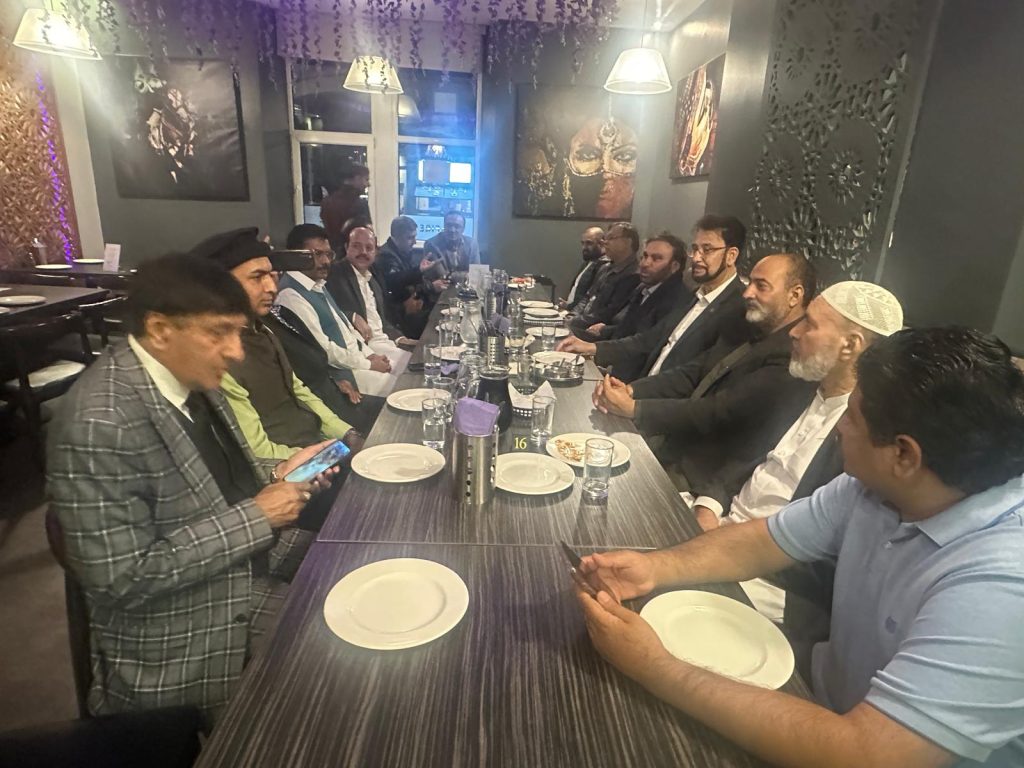
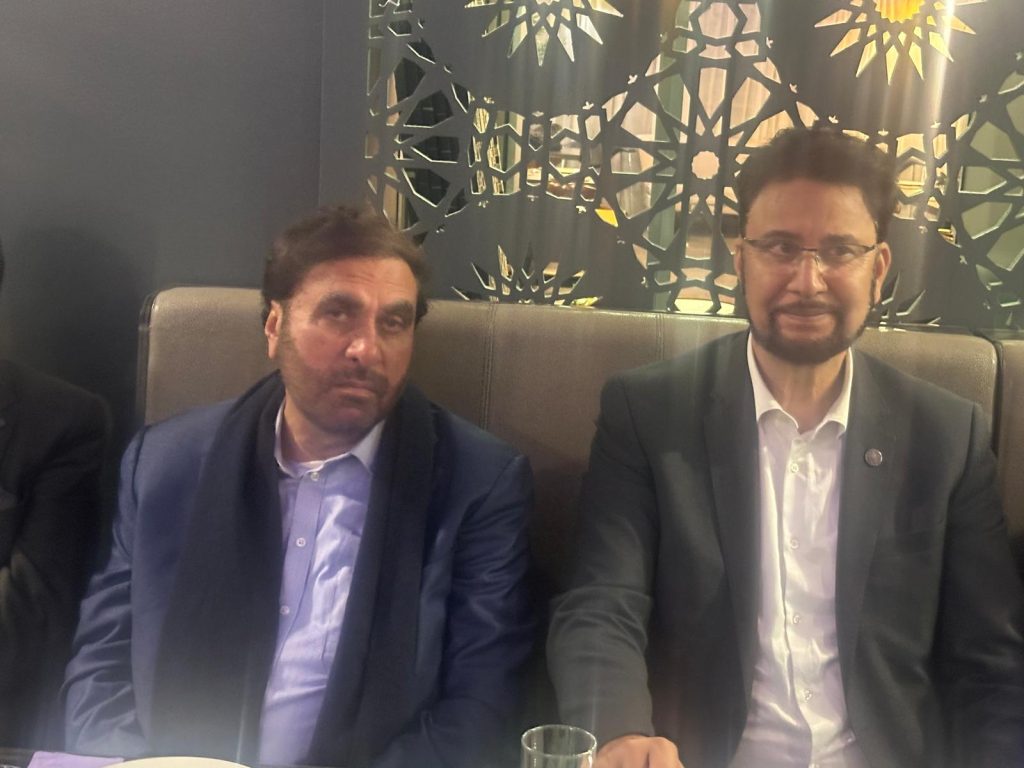
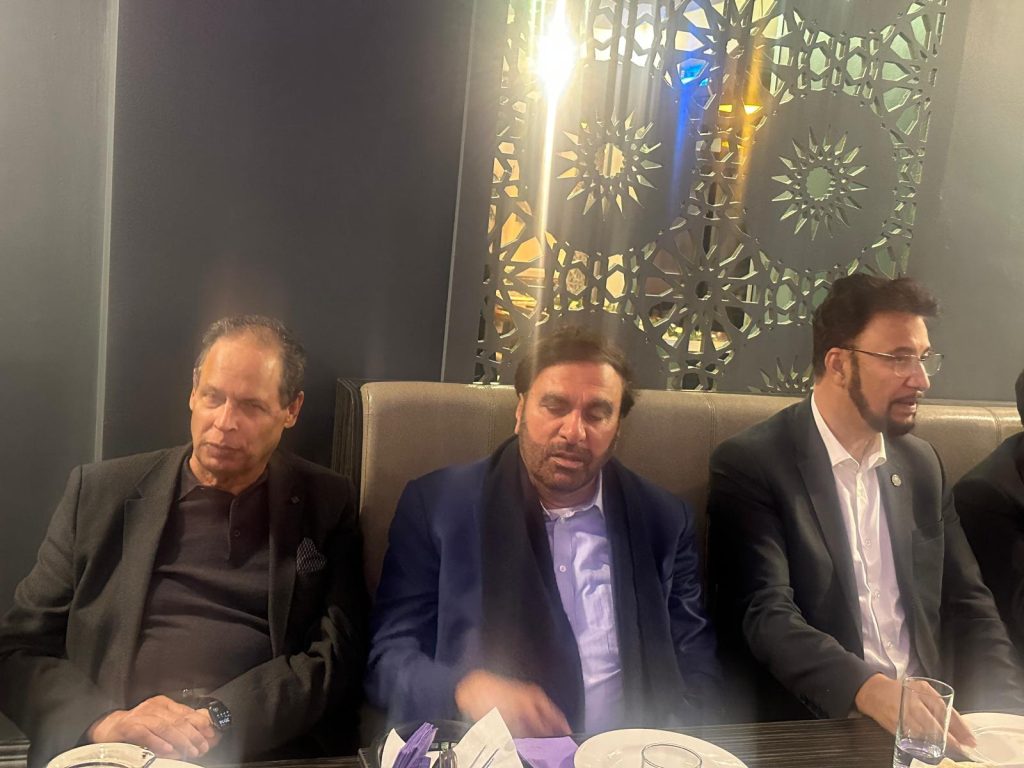
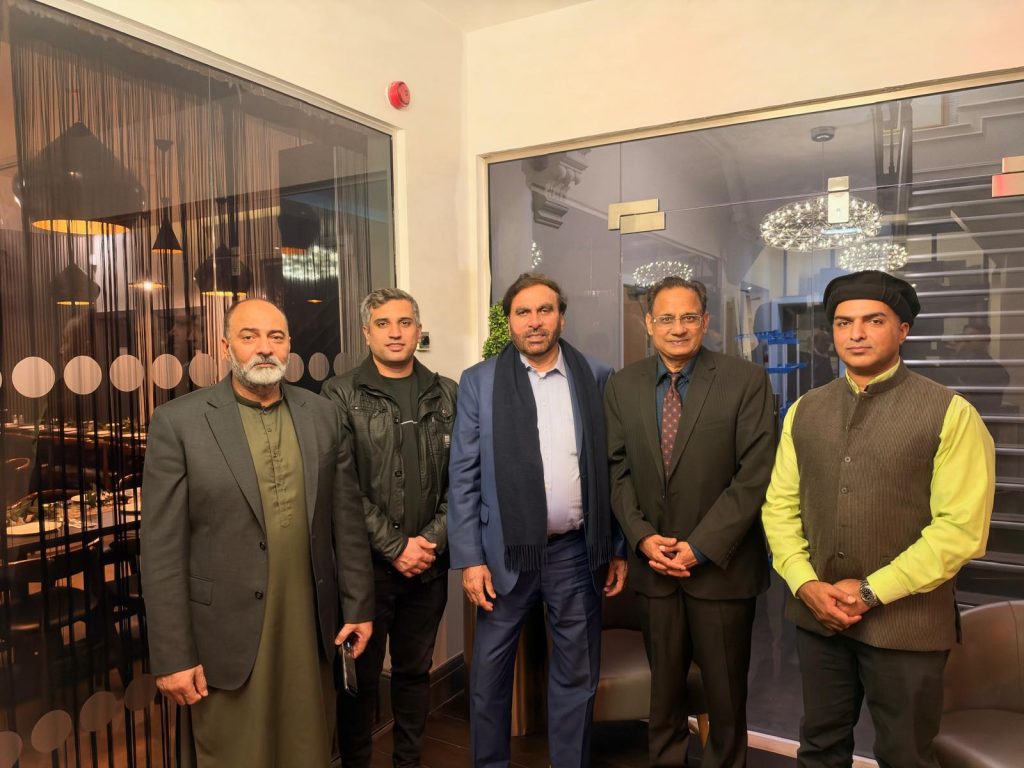
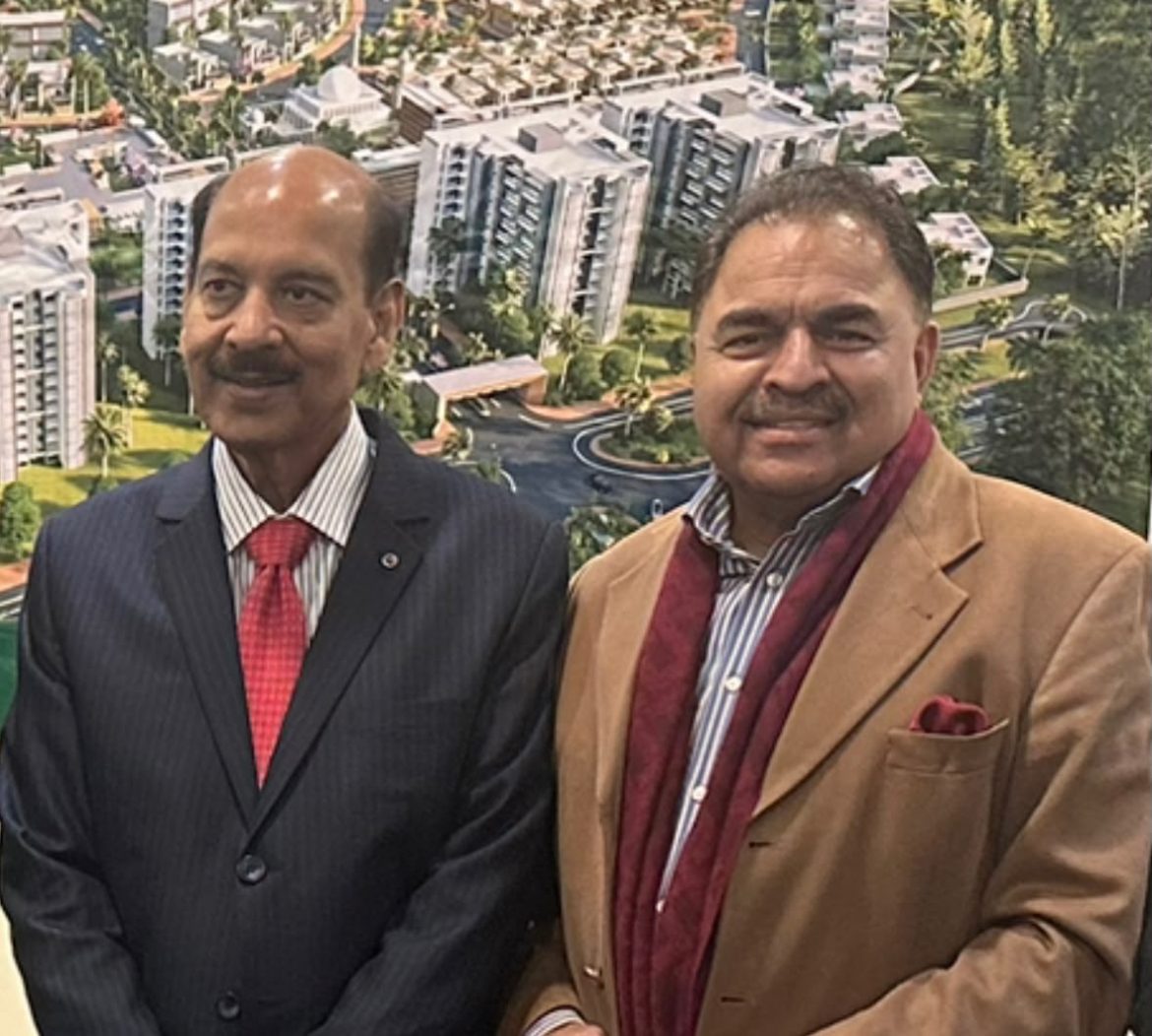
LONDON: Chairman of the Global Pak Kashmir Supreme Council, Raja Sikander Khan, has extended his heartfelt congratulations and best wishes to his long-standing friend, Ch Muhammad Saeed, former President of the Federation of Pakistan Chambers of Commerce & Industry (FPCCI) and former Minister of the Government of Azad Jammu & Kashmir, on his unopposed election as a Member of the Azad Jammu & Kashmir Council, as formally notified by the AJK Election Commission.
In a statement issued on the occasion, Raja Sikander Khan said that he has had the privilege of knowing Ch Muhammad Saeed for the past 36 years and has closely observed his personal and professional journey over this long period.
He described Ch Muhammad Saeed as a person of integrity, dedication, responsibility and commitment, who has consistently demonstrated a strong sense of duty in both his public and private life. He further commended him as a highly educated and accomplished individual, an intellectual of considerable knowledge, a successful businessman and a committed political figure.
Raja Sikander Khan particularly highlighted Ch Muhammad Saeed’s loyalty to his political party, friends and associates, noting that he has always remained willing to extend assistance to those in need and has demonstrated a genuine commitment to the welfare and betterment of others.
Raja Sikander Khan expressed confidence that Ch Muhammad Saeed’s extensive experience, knowledge, administrative capabilities and understanding of public affairs would enable him to make a valuable and meaningful contribution to the Azad Jammu & Kashmir Council.
Extending his sincere wishes on the assumption of his new responsibilities, Raja Sikander Khan prayed that Almighty Allah bless Ch Muhammad Saeed with continued strength, courage, wisdom and steadfastness, enabling him to discharge his responsibilities with distinction and serve the people of Azad Jammu & Kashmir with dedication and sincerity.
Raja Sikander Khan once again conveyed his warmest congratulations to Ch Muhammad Saeed on this significant achievement and wished him continued success, prosperity and honour in his new constitutional role.
UK
Bureau Report
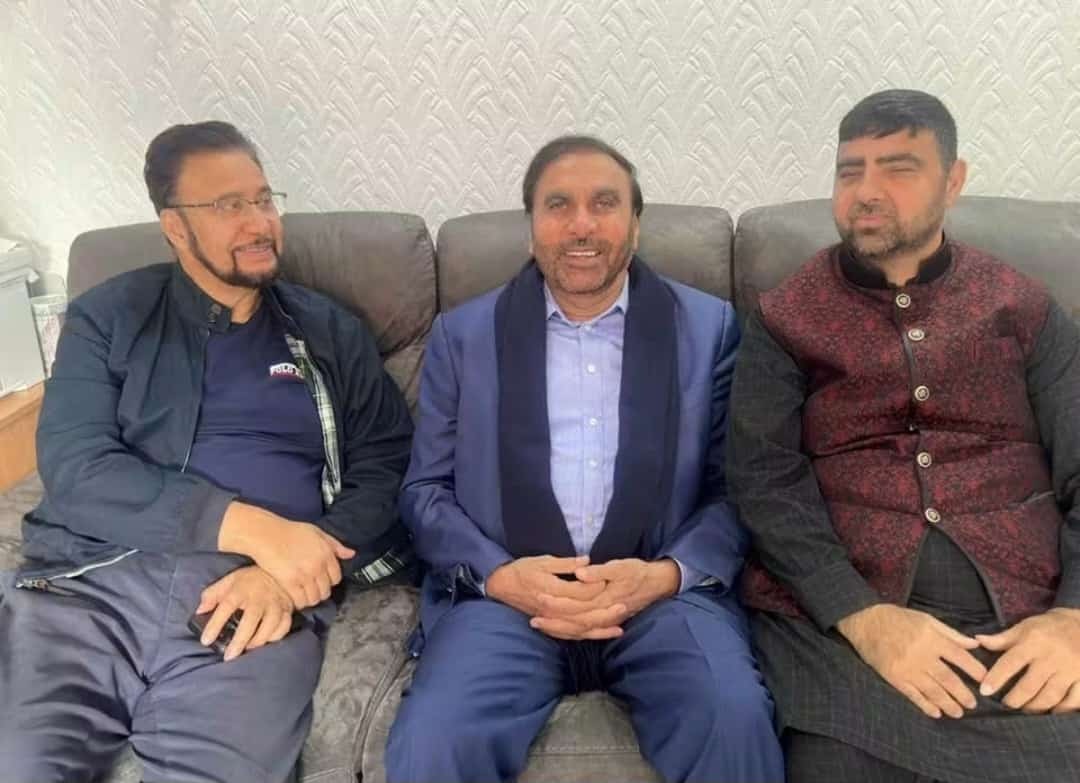
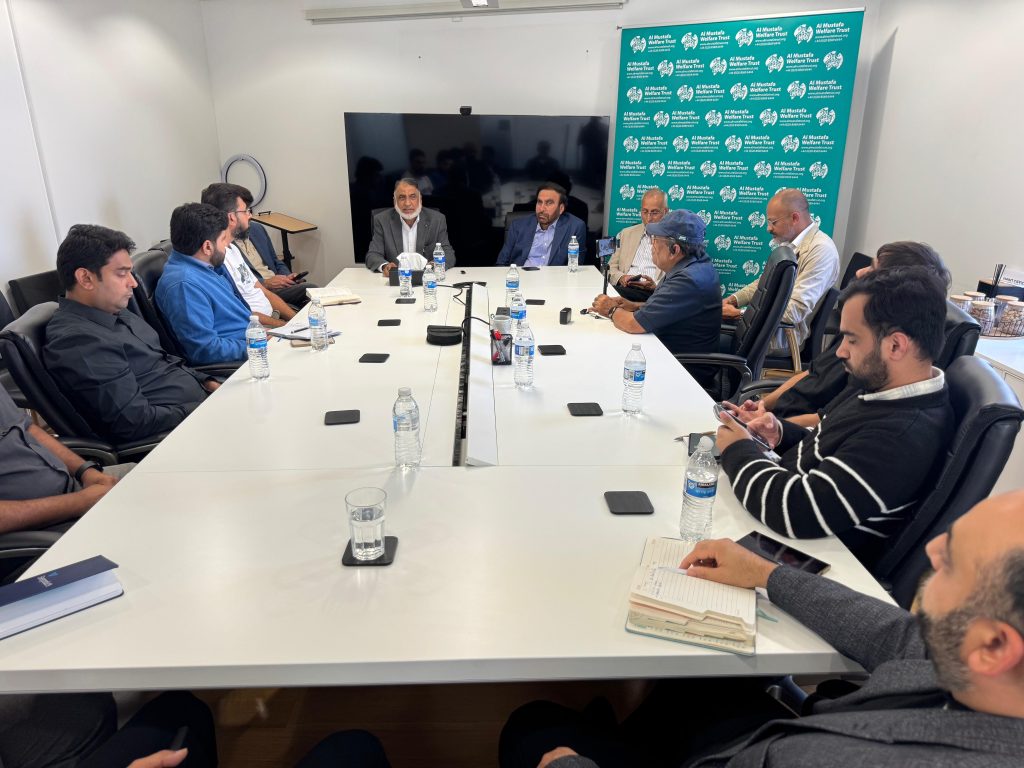
Manchester: Chairman Al Mustafa Welfare Trust Abdul Razzaq Sajid attended a breakfast hosted by renowned social and community leader Khan Zada at his residence in Salford. MP Afzal Khan, Raja Faiz Sultan, Tajammul Gurmani and Ejaz Ahmed Malhi were also present on the occasion. Abdul Razzaq Sajid discussed the Free Kitchen (Dastarkhwan) Project in Manchester with MP Afzal Khan and said that Al Mustafa Welfare Trust will provide free breakfast and dinner to homeless asylum seekers and refugees under this project. He said that the Trust is looking for a suitable place in Manchester and also appealed to MP Afzal Khan to help and support the project. MP Afzal Khan acknowledged the humanitarian activities of Al Mustafa Welfare Trust and assured that he would help to set up a free kitchen in Manchester. He also promised to visit the Trust’s head office in London. Both sides also discussed matters of mutual interest.
Khan Zada served delicious Asian food to the guests. At the end of the breakfast, a group photo was also taken. Mr Khan Zada thanked all the guests for attending the breakfast event. He praised the welfare activities of Al Mustafa Welfare Trust and said that he had already visited Al Mustafa Medical Centre in Mansehra with his family and described it as a state-of-the-art hospital serving local people. He pledged to continue supporting the welfare projects of the Trust.
Al-Mustafa Eye Hospital in Dadyal is in final stages of completion
Bureau report
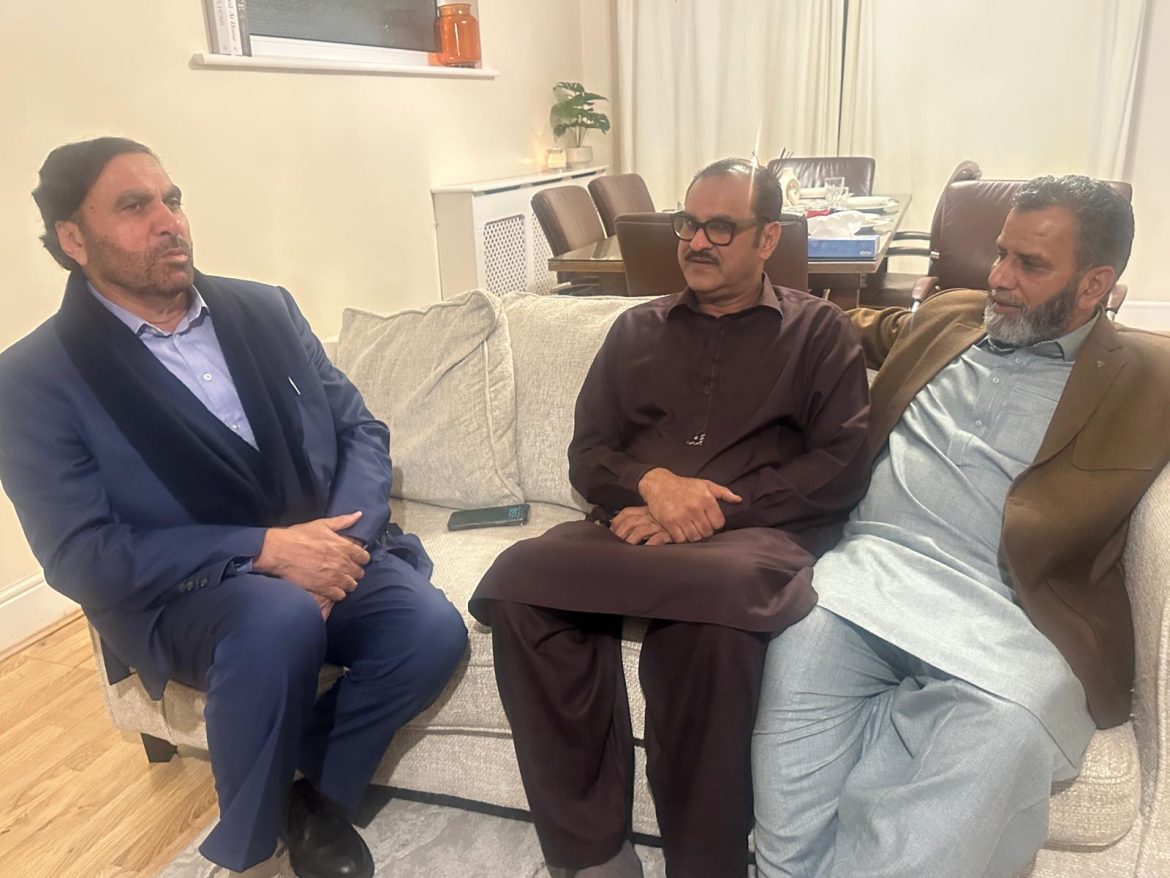
MANCHESTER: Chairman Al Mustafa Welfare Trust Abdul Razzaq Sajid has said that Al Mustafa Eye Hospital in Dadyal, Mirpur, Kashmir, will be completed soon, He was talking to a group of local Kashmiri community during a meeting at the home Amjad Hussain Mughal in Manchester. The meeting was attended by Sagheer Mughal, Raja Faiz Sultan, Ejaz Malhi, Tajammal Gurmani, Fareed Ahmed Mughal, Atique Ahmed, Sarim Fareed, Adil and others. Abdul Razzaq Sajid said construction work on the hospital is currently underway. He said the hospital will provide free eye treatment to deserving patients. He added that Al Mustafa Eye Hospital in Dadyal, Kashmir, will be a state-of-the-art eye hospital and will provide modern eye-care facilities to the local community.
Bureau report
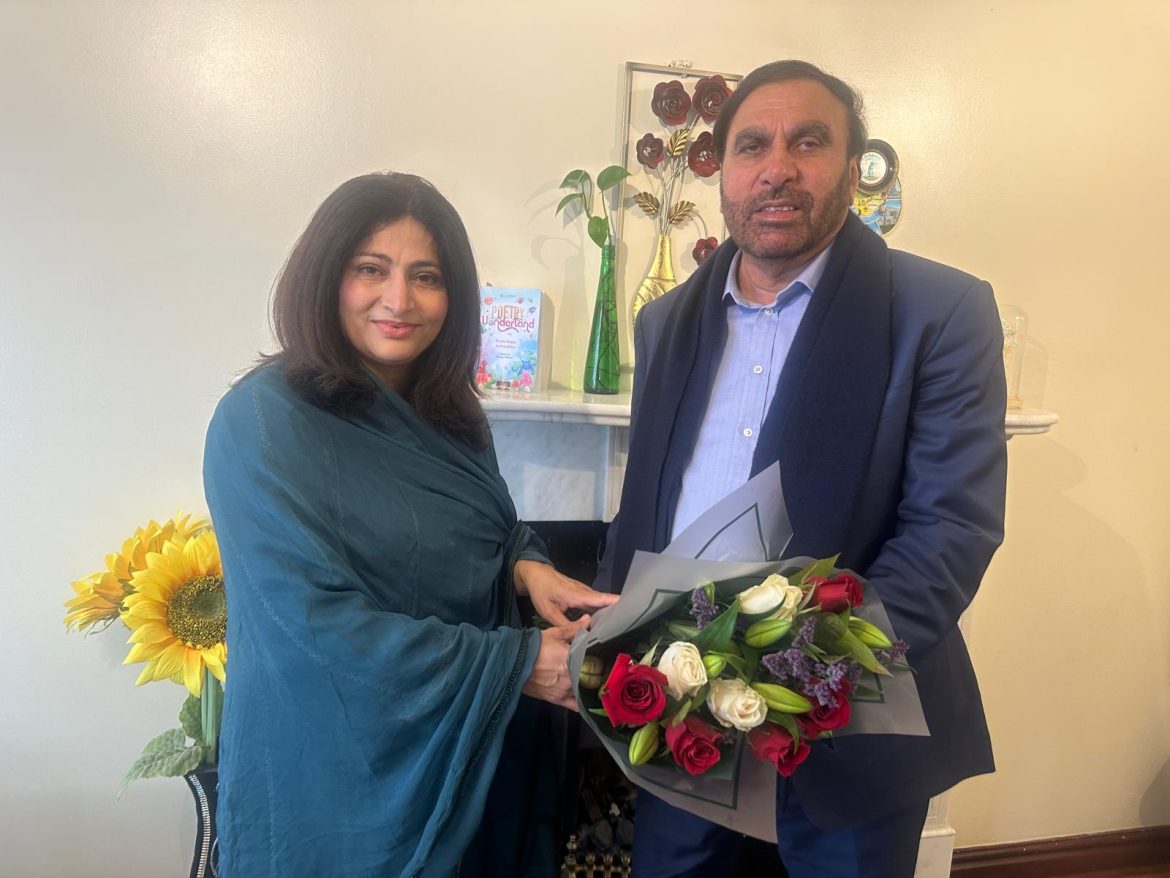
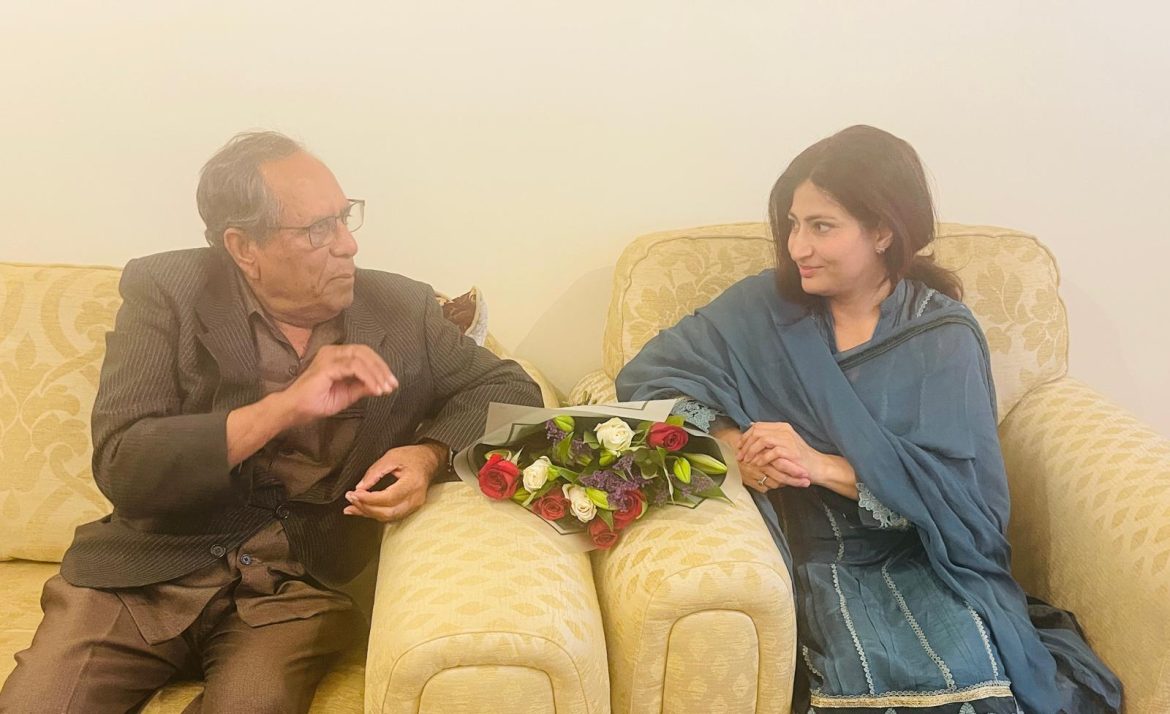
MANCHESTER:Chairman Al Mustafa Welfare Trust Abdul Razzaq Sajid met Wigan Council Leader Nazia Rehman at her residence. Raja Faiz Sultan, Tajammul Gurmani, and Mr Atif were also present on the occasion. Sajid also presented a bouquet to the Council Leader of Wigan. Abdul Razzaq Sajid said that we should focus on the training and development of young people. The Pakistani community should take part in local politics and end division and support each other.
Nazia Rehman said that she is Wigan’s first woman Council Leader. She said the Asian community in Wigan is very small and there is a need to play a positive role for the community in Britain.
Tajammul Gurmani
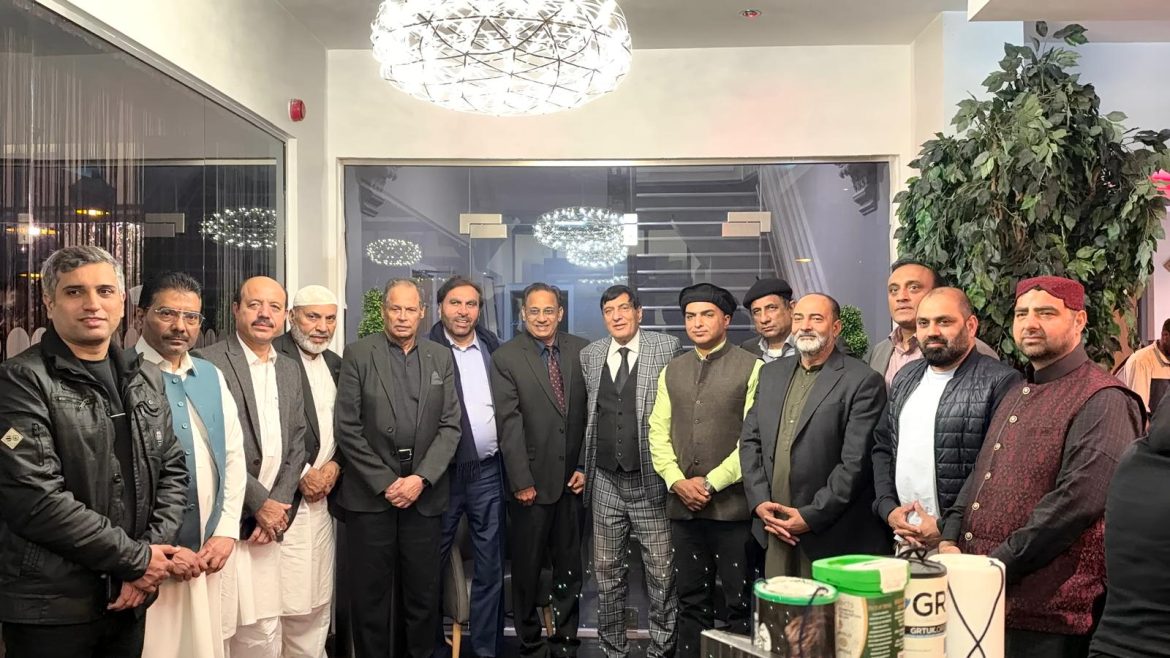
MANCHESTER: A reception was held in honour of Chairman Al Mustafa Welfare Trust Abdul Razzaq Sajid at a local restaurant in Manchester. Member of Parliament Afzal Khan, Ghulam Haider Mughal, Councillor Shahbaz Sarwar, Chaudhry Shahid Anwar, Khanzada, Tariq Anwar, Ejaz Malhi, Ustad Safdar and a large number of journalists also attended the event. Speaking on the occasion, Abdul Razzaq Sajid said that Al Mustafa is providing free eye treatment to people suffering from eye diseases. He said Al Mustafa has treated more than 300,000 people and has set a target of performing cataract surgeries for 10,000 people this year. He said construction work on a state-of-the-art hospital in Dadyal, Mirpur Kashmir, is in progress. He added that a nationwide free eye camp campaign has started in Pakistan and Kashmir. The campaign will continue until December, with free eye camps being organised in more than 40 cities. At these camps, poor and deserving patients will receive free eye check-ups, medicines, glasses, laboratory tests, cataract operations and lenses. Accommodation and food will also be provided for patients and their attendants. Abdul Razzaq Sajid appealed to the Pakistani and Kashmiri communities to contact Al Mustafa to arrange free eye camps in their areas and to donate generously to support the charity’s work.
MP Afzal Khan said that providing eye treatment is a great act of charity. He said Al Mustafa is doing excellent work in providing eye treatment to people. He said eye treatment is expensive, and many poor people in Pakistan and Kashmir cannot afford treatment and may lose their eyesight. Al Mustafa is providing free treatment through its five hospitals and free eye camps in small towns and villages. Afzal Khan added that people in Britain are fortunate to have free healthcare through the NHS, but in developing countries such as Pakistan, many people cannot afford medical treatment. He said Al Mustafa is providing free treatment to those people, which is highly appreciated. He said it is our responsibility to support Al Mustafa in its charitable work.

Health correspondent
The winter pressures are already affecting the NHS in England, according to senior health leaders. The warning comes as new data reveals the waiting list for routine hospital treatment in England rose for the second month in a row.
An estimated 7.37 million treatments were waiting to be carried out at the end of August, relating to 6.24 million patients.
The numbers are the highest since October 2025 and have raised questions over whether the NHS will meet a government target of treating 92% of patients within 18 weeks by 2029.
The rise in waiting lists comes despite the NHS in England delivering what were described as record levels of planned, elective care over the summer, while demand for services also reached its highest level ever.
A record 4.7 million planned treatments, procedures and appointments occurred across June, July and August – more than in any previous summer.
But both A&Es and ambulance services also saw a record number of patients for the month of September.
NHS England’s national medical director, Professor Frankie Swords, warned that despite the progress delivered by frontline teams, winter pressure was already building.
“Staff are already seeing the ominous early signs of pressure, with more patients coming to A&E with flu and other respiratory viruses than usual for this time of year, and unfortunately many people are still waiting longer than we would like them to,” she said.
Raja Faiz Sultan of RFS News interviewing Nazia Rehman, a councillor from the Wigan area of Greater Manchester
Manchester: Raja Faiz Sultan of RFS News interviewing Nazia Rehman, a councillor from the Wigan area of Greater Manchester. Councillor Nazia Rehman, first elected in 2016, is a Cabinet Member for Finance, Resources and Transformation. A Chartered Accountant by profession. Represents UK Government on The Council of Europe and Chair of Social Inclusion and Human Dignity Committee. An LGA Peer with a breadth of experience in peer reviews and mentoring councillors and cabinet members across parties. Nazia also represents the Council on the Greater Manchester Combined Authority (holding the portfolio for Resources and Investments), GM Pension Fund, North West Employers Association, Statutory Functions Committee, GM Reform Executive and Yorkshire Purchasing Organisation Joint Management Committee. Currently, she is leading on implementing Progress with Unity, leading on transformation plans, public service reform and growth & customer services. She also has responsibility for human resources and links to communication in relation to its strategic lead for outward-facing services across the Council in terms of commissioning i.e. organisational development, reputation management, policy support and performance management. She is responsible for ensuring that the Council has high standards of accountability by monitoring how well resources are used, which includes technology, property/assets, finances and people and the One Council theme, together with the client functions.
Analysis
Wajahat Ali Khan
For almost three years, the Israeli-Palestinian conflict has confronted the international community with a question that diplomacy has repeatedly failed to answer: how long can the world condemn suffering without taking meaningful action to stop it?
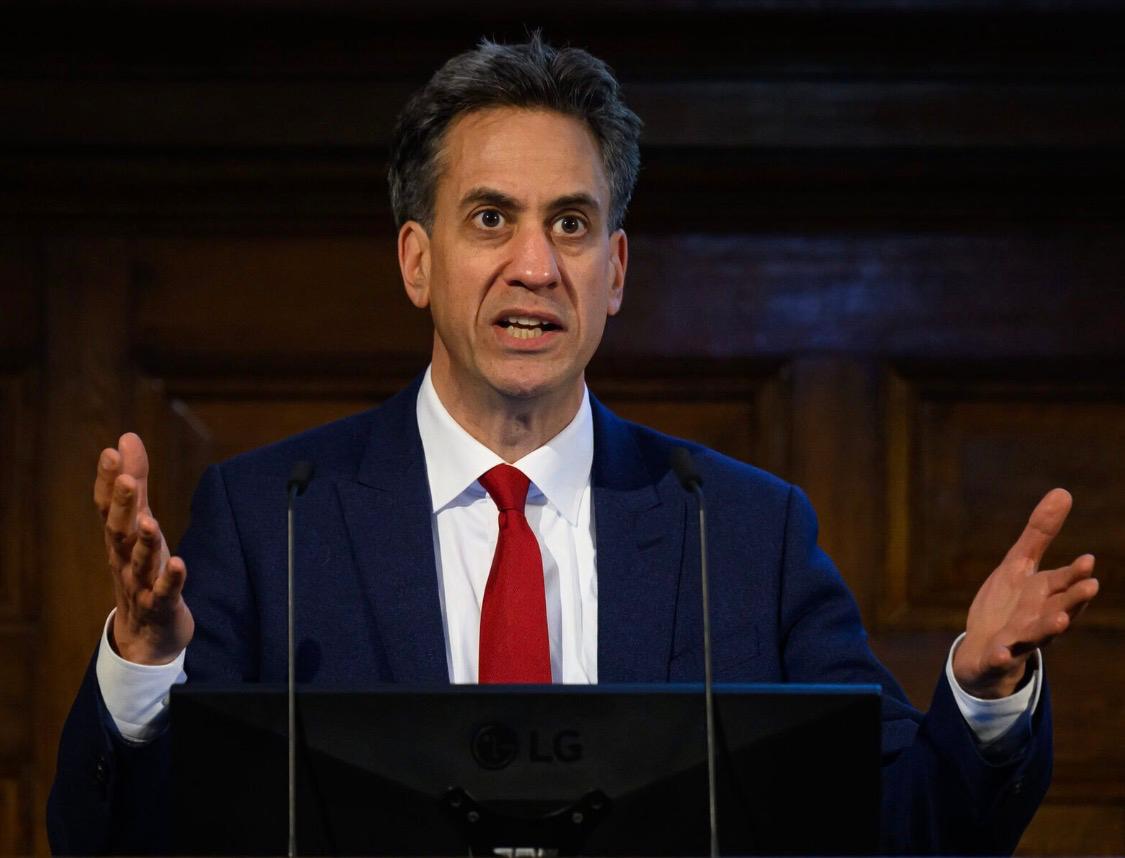
Britain’s latest language is unusually direct. Foreign Secretary Ed Miliband has described the situation in Gaza and the West Bank as “a stain on the conscience of the world”, while accusing Israeli settlers in the occupied West Bank of ethnic cleansing and pointing to evidence of war crimes in Gaza. The government has also declared Israel’s continued occupation of Palestinian territory unlawful.
The significance lies not merely in the rhetoric, but in the change in British policy accompanying it.
Prime Minister Andy Burnham told the UN General Assembly that Israel’s security and its right to defend itself against threats, including from Iran, remained important to Britain. But he added that this could not justify the Israeli government’s actions in Gaza and the West Bank. He cited the number of deaths, including children, the inadequate flow of humanitarian aid and the danger posed by expanding settlements to the possibility of a Palestinian state.
Britain has subsequently banned trade in goods from Israeli settlements and sanctioned people involved in settlement construction. The measures have been coordinated with a group of other countries, including France and Canada.
From words to consequences
This is where Britain’s position becomes more consequential. For decades, British governments have supported a two-state solution while maintaining close diplomatic and security relations with Israel. The new approach argues that defending the prospect of two states requires confronting developments that Britain believes are making such an outcome increasingly difficult.
The British government has particularly focused on the proposed E1 settlement project in the West Bank. Burnham told the UN that the project could divide the West Bank and make a viable Palestinian state harder to achieve.
At the UN Security Council this week, Britain’s deputy permanent representative, Kate Foster, similarly warned that the two-state solution was being threatened by facts created on the ground.
But Britain’s tougher language has also produced a diplomatic cost. Israel has announced plans to close the British consulate in East Jerusalem after Britain, France and Canada moved against settlement imports.
There is an important distinction between condemning Israeli government policy and hostility towards Israeli or Jewish people. Britain has continued to condemn the Hamas attack of 7 October 2023 and has reaffirmed Israel’s security as a legitimate concern. Burnham explicitly repeated that position at the UN.
Equally, recognising Israel’s security concerns cannot mean ignoring Palestinian civilian suffering. International humanitarian law is supposed to place limits on the conduct of war regardless of the identity of the victims or perpetrators.
That is why Britain’s new language matters beyond Britain itself. A country with historic responsibilities in the region is now arguing that silence, when civilian suffering and settlement expansion continue, is not a neutral position.
Yet words alone will not resolve the conflict. Humanitarian access, protection of civilians, accountability for alleged violations, the release of hostages, an end to settlement expansion and a credible political route towards Palestinian self-determination all require sustained diplomatic pressure.
The deeper test for Britain is therefore not whether it can produce stronger statements. It is whether its policies consistently match those statements.
For Palestinians, the issue is survival, dignity and political self-determination. For Israelis, it is security and protection from attacks. For the international community, the challenge is to uphold both principles without allowing one to become an excuse for denying the other.
Britain’s blunt statement has therefore moved the argument beyond the familiar language of “deep concern”. The question now is whether the international community will turn its conscience into consistent action.
Decline in Charitable Donations Highlights Need for Greater Transparency and Tighter Regulations: Dr Fazal ur Rehman
Skindar Iqbal
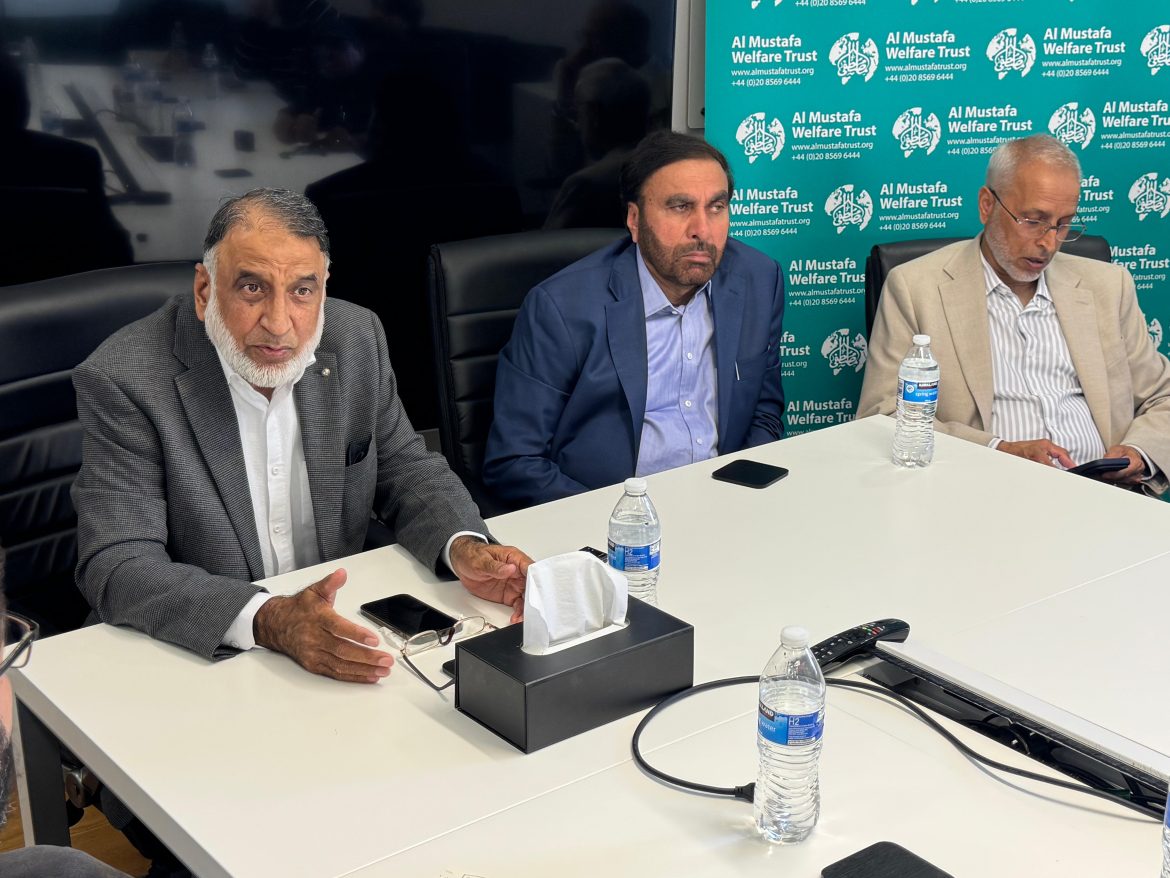
LONDON: Dr Fazal ur Rehman, Country Director for the United States and Pakistan at “Zakat Fund” has said that the global charity sector has experienced a decline in donations over the past few years, particularly following increased government control and scrutiny of the sector under US President Donald Trump. He was speaking at a reception held in his honour at the London head office of “Al Mustafa Welfare Trust”.
Dr Fazal ur Rehman said that today’s donors, particularly younger people, want to see the long-term impact and tangible results of their contributions. Simply providing financial assistance is no longer enough; donors also want to know what positive difference their donations are making to society. He claimed that the global charity sector was worth more than $15 billion two years ago, but had fallen to $14 billion last year and declined further since then.
He said the charity sector had become increasingly sensitive and subject to strict scrutiny. However, he regarded this as a positive development, as it would help promote greater transparency and accountability.
Highlighting the challenges facing charitable organisations in Pakistan, Dr Fazal ur Rehman said regulations governing the sector were becoming increasingly stringent. He pointed out that an organisation might be carrying out effective charitable work in Khyber Pakhtunkhwa but could still face difficulties obtaining a licence to operate in Punjab or another province for various reasons.
He said the charity sector was now fully regulated, leaving little room for negligence or administrative shortcomings. Established charities, he added, needed to modernise their traditional working practices and pay greater attention to developing their human resources.
Referring to the growing problem of Islamophobia in Western countries, Dr Fazal ur Rehman said Muslim communities needed to reach beyond their traditional circles and build stronger relationships with people from other communities.
He stressed that Muslims must become more actively involved in wider society, step outside their comfort zones and participate in interfaith programmes. Such engagement, he said, was essential to addressing the challenges facing Muslim communities and strengthening their role in society.
At the conclusion of the event, prayers were offered for the late journalist Shaukat Dar.

The Prime Minister of Pakistan Visited the London Stock Exchange
Monitoring desk
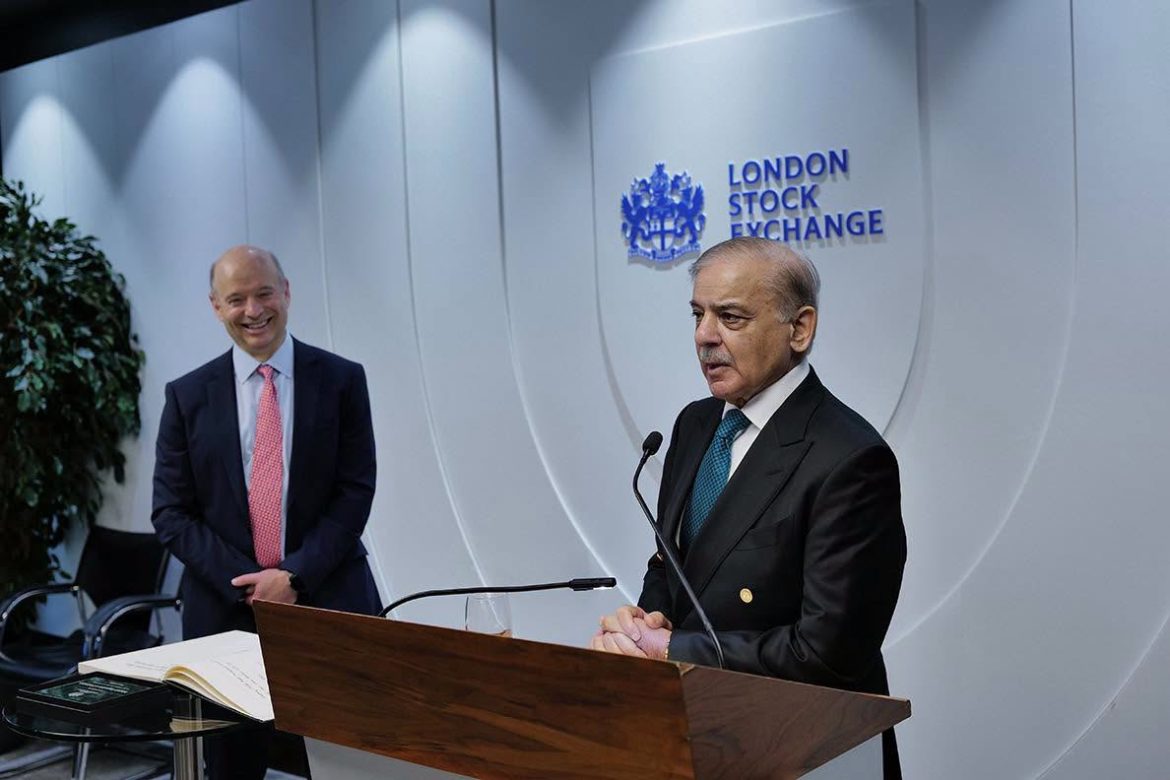
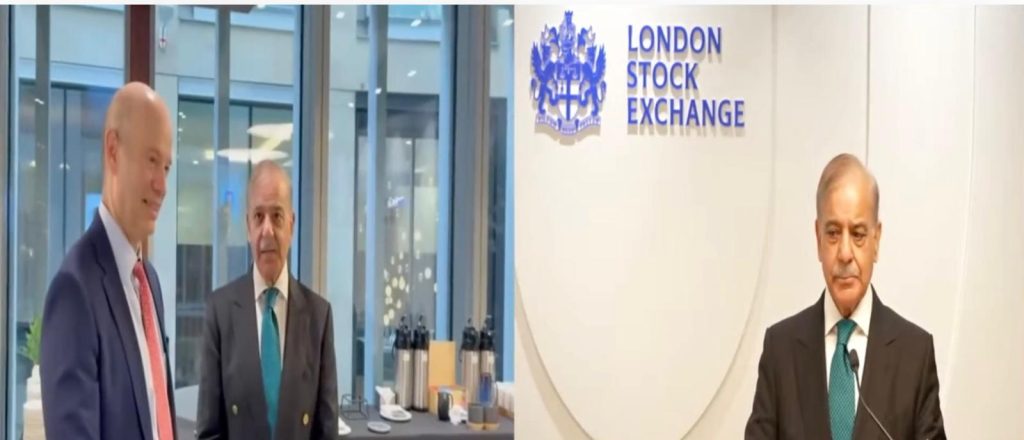
LONDON: Prime Minister Muhammad Shehbaz Sharif attends the London Stock Exchange’s market-opening ceremony. The event also marked the listing of Pakistan’s $3 billion dual-tranche Eurobonds.
Muhammad Shehbaz Sharif is the first Prime Minister of Pakistan to have the honour of opening trading at the London Stock Exchange. Prime Minister Shehbaz Sharif’s participation in the market-opening ceremony reflects the growing ties between Pakistan and key financial institutions in London.
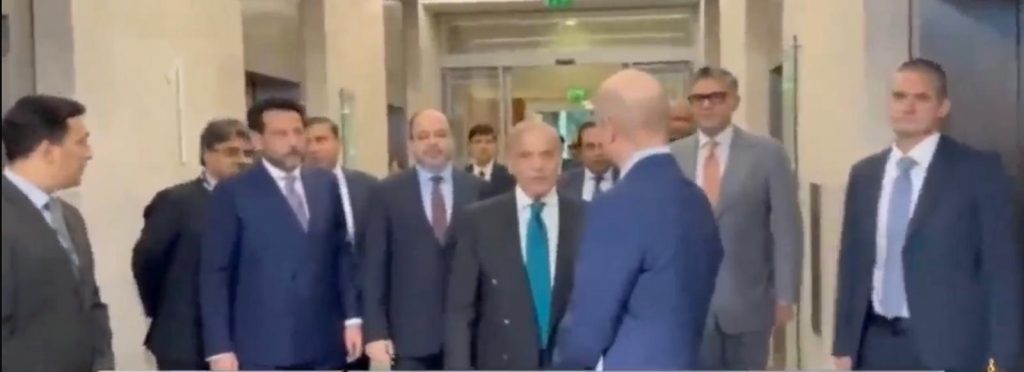
David Schwimmer, Chief Executive Officer of the London Stock Exchange Group, along with senior officials from the Group, welcomed the Prime Minister.
The London Stock Exchange’s market-opening ceremony takes place at its headquarters in Paternoster Square and marks the official start of the day’s trading in London.