Staff reporter
LONDON: Passengers and airline crew have been credited with preventing a potential aviation disaster after a flydubai aircraft travelling from Dubai to Tel Aviv was forced to make an emergency landing in Saudi Arabia following a violent incident in the cockpit.
Flight FZ1073, carrying 174 people, including a large number of Israeli passengers, was approaching Israel on Wednesday, September 30, when an alleged confrontation between the two pilots developed into a life-threatening emergency.
According to Israeli Prime Minister Benjamin Netanyahu, one pilot stabbed the other and apparently attempted to bring down the Boeing 737 aircraft.
Passengers reported that the plane suddenly began shaking violently and plunged thousands of feet, prompting fears that it was out of control. Flight-tracking information indicated that the aircraft descended from approximately 33,000 feet to 17,000 feet within a minute. In a remarkable intervention, several passengers, assisted by off-duty airline crew members travelling on board, managed to enter the cockpit and overpower the suspected attacker. One passenger reportedly restrained the alleged assailant while others helped regain control of the aircraft. The injured pilot and another crew member were subsequently taken to hospital. The aircraft transmitted emergency signals before diverting to Tabuk Airport in north-western Saudi Arabia, where it landed safely. All passengers were accounted for.
Netanyahu praised the courage of those who intervened, saying their actions had helped prevent a major catastrophe. Saudi authorities detained the suspected attacker for questioning.
The motive behind the incident remains under investigation. Israeli officials have raised the possibility of a deliberate terrorist attack, but Netanyahu has cautioned against drawing conclusions about who might have been responsible.
Flydubai confirmed that an altercation had taken place in the flight deck and said the aircraft had been secured by airline crew members travelling on the flight.
The airline subsequently announced the suspension of flights to and from Israel while investigations continue. Replacement aircraft were also dispatched to Saudi Arabia to assist passengers and crew.
The incident has raised fresh questions about cockpit security, pilot safety and the procedures designed to prevent unauthorised interference with commercial aircraft.
For the 174 people aboard flight FZ1073, however, the immediate outcome was one of relief: what could have become a devastating air disaster ended with everyone surviving.

UK
Labour Party Conference Ends: Housing, Economy and Public Services Dominate Agenda
Political reporter
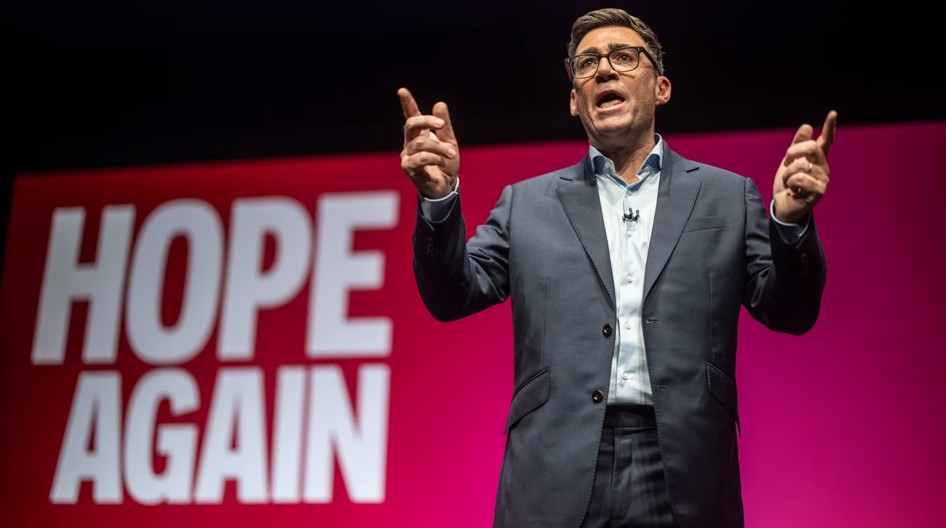
LIVERPOOL: The Labour Party’s annual conference has concluded after several days of debate, political speeches and policy discussions, with the government seeking to demonstrate progress on its domestic priorities and restore public confidence. Prime Minister Andy Burnham used his keynote speech to announce a series of major policy proposals, including the creation of a National Care Service, greater public control of water companies and reforms to the housing market. Key outcomes included:
Social care: Plans for an NHS-style National Care Service offering free personal care for older people.
Pensions: Changes to the state pension triple lock from 2030 to help finance social care.
Housing: Further council house-building, restrictions on Right to Buy for newly built social housing and assistance for first-time buyers.
Water industry: Plans to remove legal barriers to public ownership of water companies.
Brexit: Burnham said Brexit had done more harm than good and called for a fresh discussion about Britain’s long-term relationship with the European Union.
Electoral reform: A national commission will examine alternatives to the first-past-the-post voting system.
Public transport: A £2 cap on single bus fares across England throughout 2027.
The conference also heard Foreign Secretary Ed Miliband acknowledge public anger over the suffering of Palestinians, signalling a change in the government’s tone on the Middle East.
However, questions remain over the cost, funding and timetable for implementing several of the proposals. Business representatives and political observers have called for greater clarity on how the ambitious programme will be delivered.
The conference closed with Burnham’s message of national renewal under the slogan “Hope Again”, as Labour sought to establish a new political direction
Staff reporter
LONDON: Prime Minister Andy Burnham is to introduce a new “Your First Home” scheme aimed at helping first-time buyers in England who struggle to save a large deposit or cannot rely on financial support from their families.
Under the proposal, eligible buyers will be able to receive an equity loan worth 20% of the purchase price of a new-build home. The scheme will require buyers to provide a minimum deposit of 2.5%, with the government loan making up part of the remaining cost. The loan will initially be interest-free.
The programme is specifically designed for people with regular incomes who can afford mortgage repayments but have been unable to build up a substantial deposit. Household-income and deposit limits, along with regional property-price caps, are expected to prevent the scheme from being used by higher earners or buyers purchasing expensive properties.
The government says the scheme will be announced by Housing Secretary John Healey in the Budget, with registration expected to open by the end of 2026. Funding is expected to come from reallocating existing government budgets rather than additional borrowing.
Burnham said the policy was intended to help young people who have been priced out of home ownership and do not have access to the so-called “bank of mum and dad”. He also argued that giving buyers additional support would provide developers with greater confidence to build new homes.
The announcement comes after a government review of the previous Help to Buy programme, which supported more than 387,000 home purchases. The earlier scheme was criticised by some economists and campaigners for benefiting people who might have been able to buy without government assistance and for potentially contributing to higher house prices.
Burnham’s new proposal therefore represents a modified return to government-backed assistance for first-time buyers, with tighter eligibility rules intended to focus support on households facing the biggest deposit barriers.
Ghulam Hussain Awan
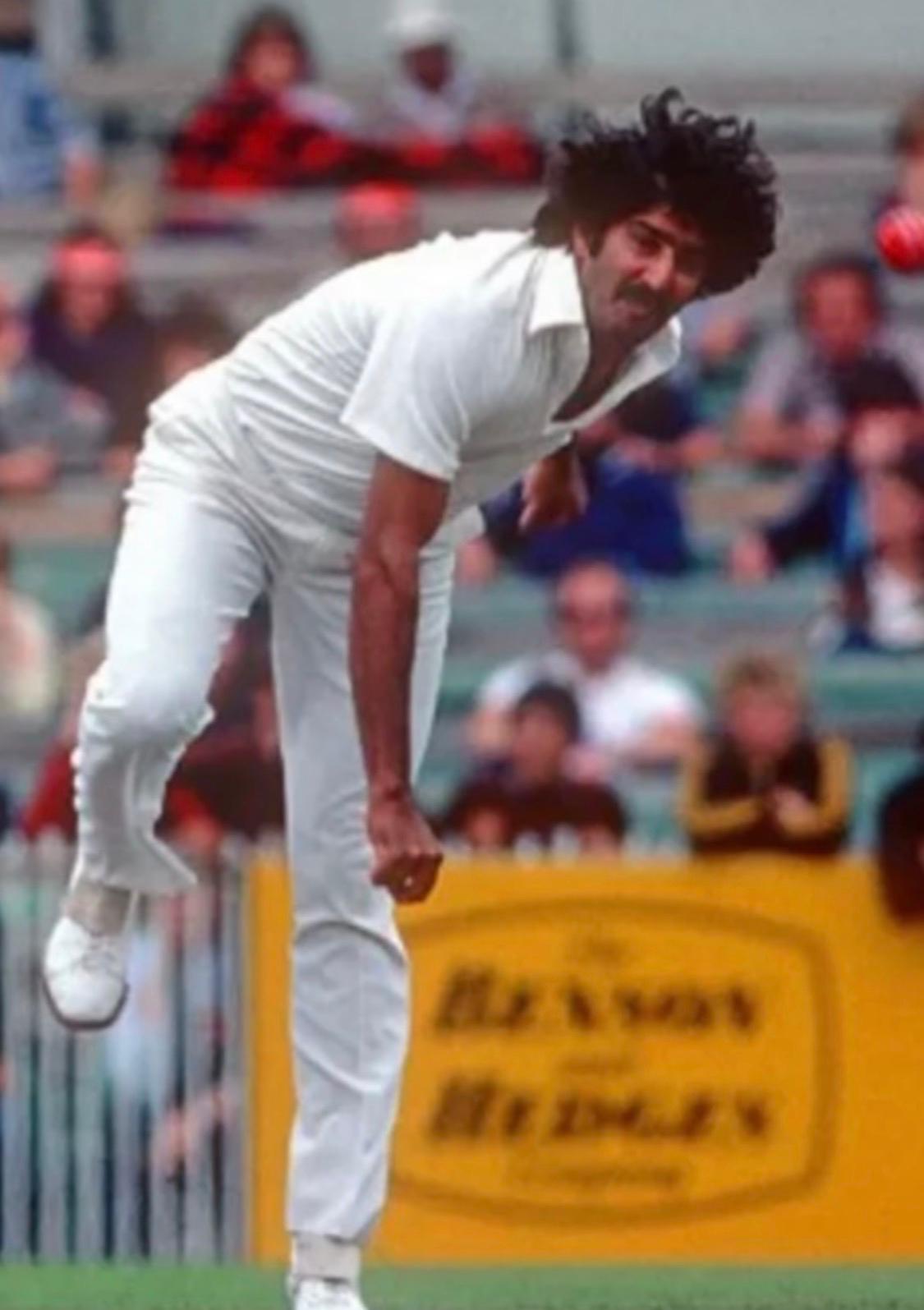
LONDON: Former Pakistan fast bowler Sarfraz Nawaz has launched his autobiography, “Reverse Swing”, last week at the historic Lord’s Cricket Ground, bringing together cricket fans, former players and members of the Pakistani British communities and media personnel.
The book signing attracted a sizeable gathering, with fans queuing to buy copies and meet the former Pakistan paceman. Nawaz described Reverse Swing as more than a cricket book, saying it contains personal experiences, behind the scenes stories and the “sweet and bitter” moments of his career.

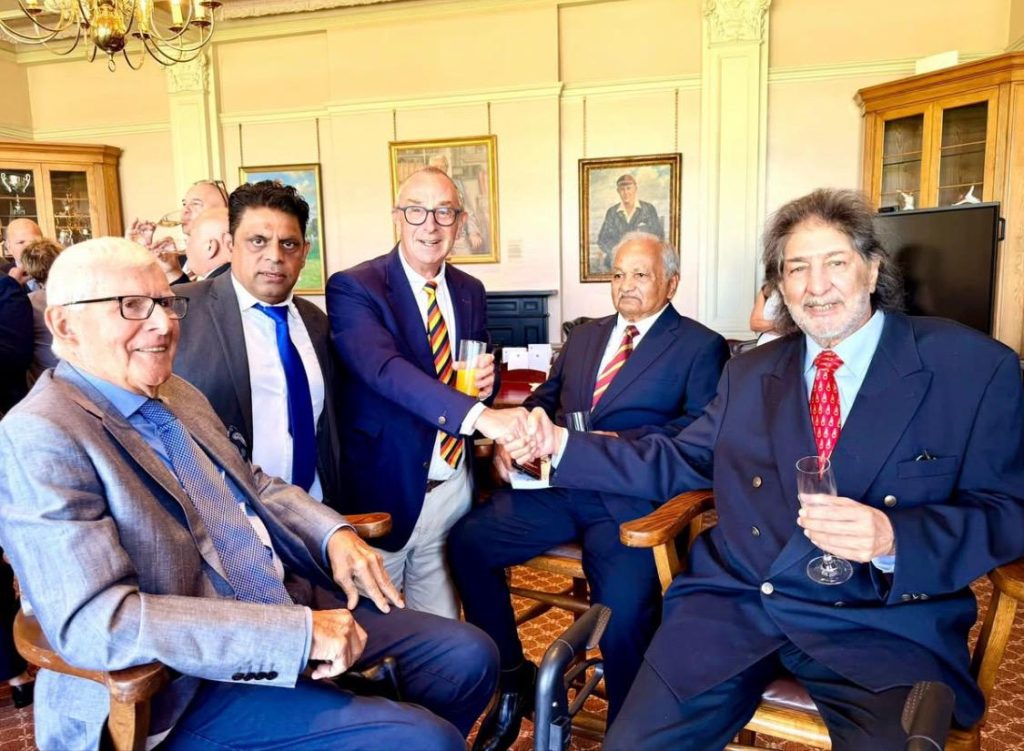
Sarfraz Nawaz with former English cricketers, former Pakistan captains Mushtaq Mohammad and Journalist Ghulam Hussain Awan at Lord’s Cricket Ground.

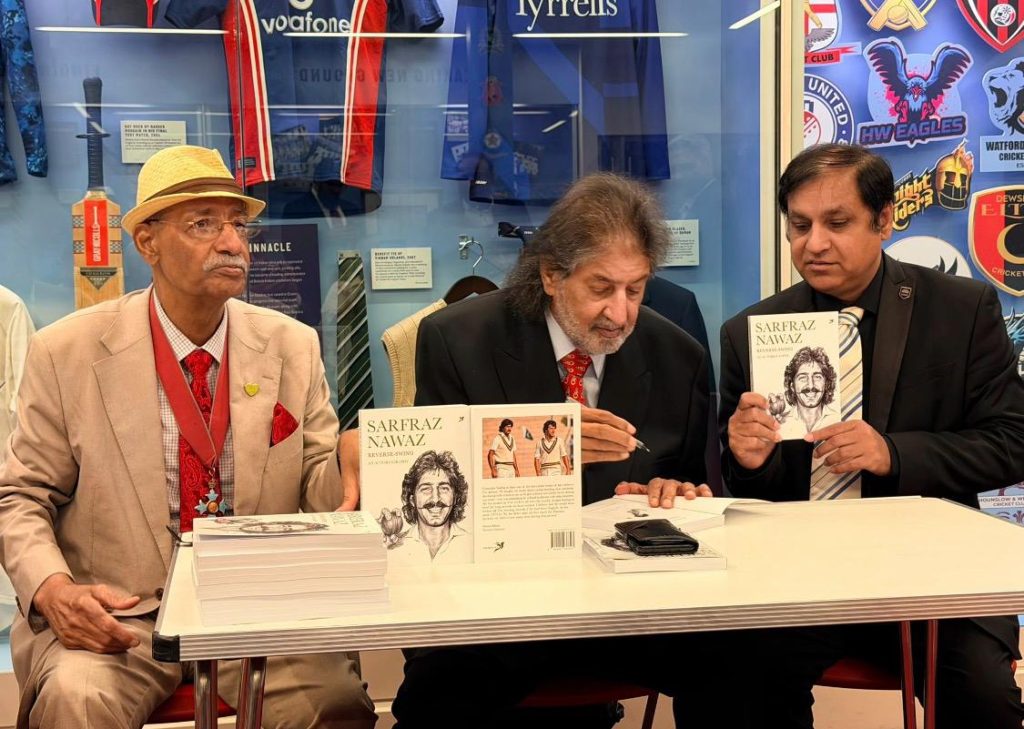
Sarfraz Nawaz with former Deputy Mayor of Chelsea and Kensington alderman Mushtaq Lasharie and renowned British educationist Amanat Ali Anjum
Nawaz’s name is closely associated with the development of reverse swing. He has previously described how experimentation with an old cricket ball helped him discover the technique, which he subsequently refined through practice in Lahore. Cricket historians regard him as one of the leading early exponents of reverse swing.
The autobiography also offers an insight into Pakistan cricket’s golden era and Nawaz’s experiences alongside some of the country’s most celebrated players. In earlier interviews, he recalled teaching a young Imran Khan the principles of swing bowling during Pakistan’s 1974 tour of England and later unofficial matches in the West Indies.
At the London launch, Nawaz said he hoped his experiences would provide useful guidance to a new generation of fast bowlers. For cricket followers, Reverse Swing promises a personal account from one of the bowlers who helped transform the art of pace bowling and make reverse swing a defining weapon in international cricket.
Sarfraz Nawaz also has revealed that his outspoken campaign against match-fixing and cricket gamblers came at a personal cost, claiming that he was threatened by people connected with the betting world.
He speaking about his autobiography Reverse Swing, recalled how his efforts to expose what he regarded as corruption in cricket made him a target. He has previously said that armed men threatened him because of his public criticism of gamblers and match-fixers.
At the conclusion of the event, a dinner was also held in honour of Sarfraz Nawaz at the prestigious “Mumtaz Restaurant” on Baker Street, London, attended by journalists and other members of the community.

Sarfaraz Nawaz is presenting signed copies of his book to various individuals at Lord’s Cricket Ground and the Mumtaz Restaurant London
Inam Sehgal
LONDON: The use of fake and cloned vehicle number plates is increasing across England, prompting the Government and police to step up efforts to identify drivers using false registrations to evade enforcement and conceal criminal activity.
Official figures show that the number of people contacting the Driver and Vehicle Licensing Agency (DVLA) after receiving correspondence or penalties relating to vehicles they did not recognise rose from 7,377 cases in 2020 to 10,461 in 2024. There were a further 9,385 reports in the first ten months of 2025. The figures can include cases caused by registration errors, so they do not represent confirmed cases of cloning alone.
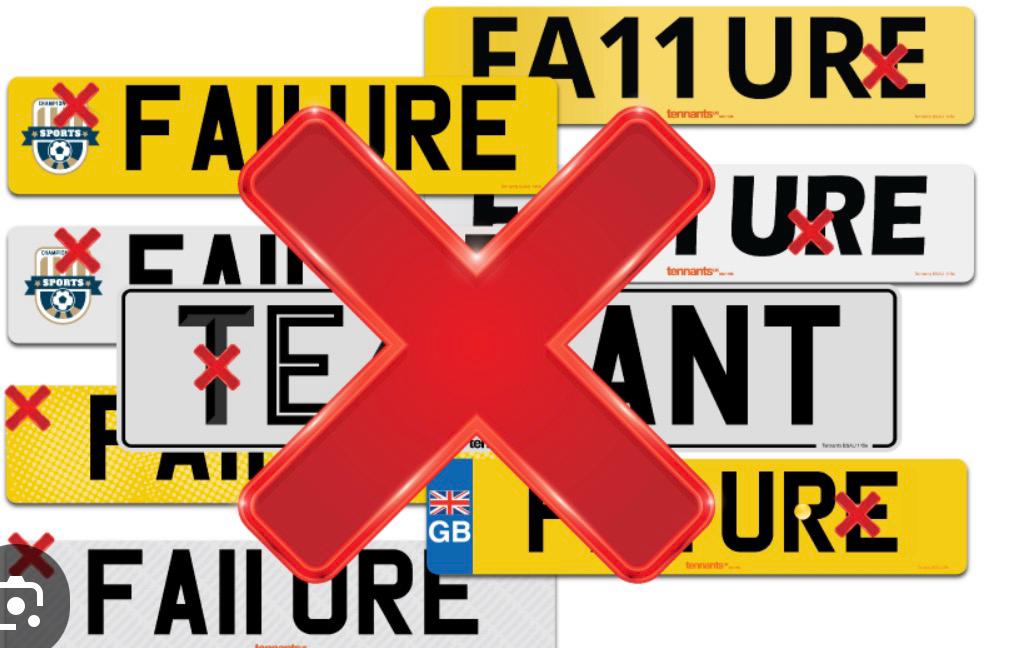
The problem includes cloned plates, where criminals copy the registration of a legitimate vehicle, and so-called “ghost plates”, designed to prevent automatic number plate recognition (ANPR) cameras from reading a vehicle’s registration. Police say such plates can be used to evade fines and facilitate more serious offences.
In September, the Government announced a new National Roads Policing Coordination Centre, bringing police forces across England together to share intelligence and improve the use of technology against illegal number plates and organised crime.
The Government is also considering tougher penalties, including penalty points and vehicle seizure for drivers caught using incorrect, altered or false number plates. The DVLA is reviewing its system for regulating number-plate suppliers, with tighter checks also under consideration.
Police forces have reported the impact locally. Avon and Somerset Police said cases of cloned vehicles seized in its area had doubled compared with 2023, while a recent West Yorkshire operation resulted in six cloned vehicles being seized during a week-long crackdown.
For innocent motorists, number-plate cloning can lead to unexpected speeding, parking or clean-air-zone penalties. The DVLA can issue a replacement registration number where cloning is established, while motorists may be asked to provide evidence showing that their vehicle was elsewhere when an alleged offence occurred.
The use of fake and cloned vehicle number plates is increasing across England, prompting the Government and police to step up efforts to identify drivers using false registrations to evade enforcement and conceal criminal activity.
Official figures show that the number of people contacting the Driver and Vehicle Licensing Agency (DVLA) after receiving correspondence or penalties relating to vehicles they did not recognise rose from 7,377 cases in 2020 to 10,461 in 2024. There were a further 9,385 reports in the first ten months of 2025. The figures can include cases caused by registration errors, so they do not represent confirmed cases of cloning alone.
The problem includes cloned plates, where criminals copy the registration of a legitimate vehicle, and so-called “ghost plates”, designed to prevent automatic number plate recognition (ANPR) cameras from reading a vehicle’s registration. Police say such plates can be used to evade fines and facilitate more serious offences.
In September, the Government announced a new National Roads Policing Coordination Centre, bringing police forces across England together to share intelligence and improve the use of technology against illegal number plates and organised crime.
The Government is also considering tougher penalties, including penalty points and vehicle seizure for drivers caught using incorrect, altered or false number plates. The DVLA is reviewing its system for regulating number-plate suppliers, with tighter checks also under consideration.
Police forces have reported the impact locally. Avon and Somerset Police said cases of cloned vehicles seized in its area had doubled compared with 2023, while a recent West Yorkshire operation resulted in six cloned vehicles being seized during a week-long crackdown.
For innocent motorists, number-plate cloning can lead to unexpected speeding, parking or clean-air-zone penalties. The DVLA can issue a replacement registration number where cloning is established, while motorists may be asked to provide evidence showing that their vehicle was elsewhere when an alleged offence occurred.
Prime Minister Meets Senior Executives of Leading Global Financial Institutions in London
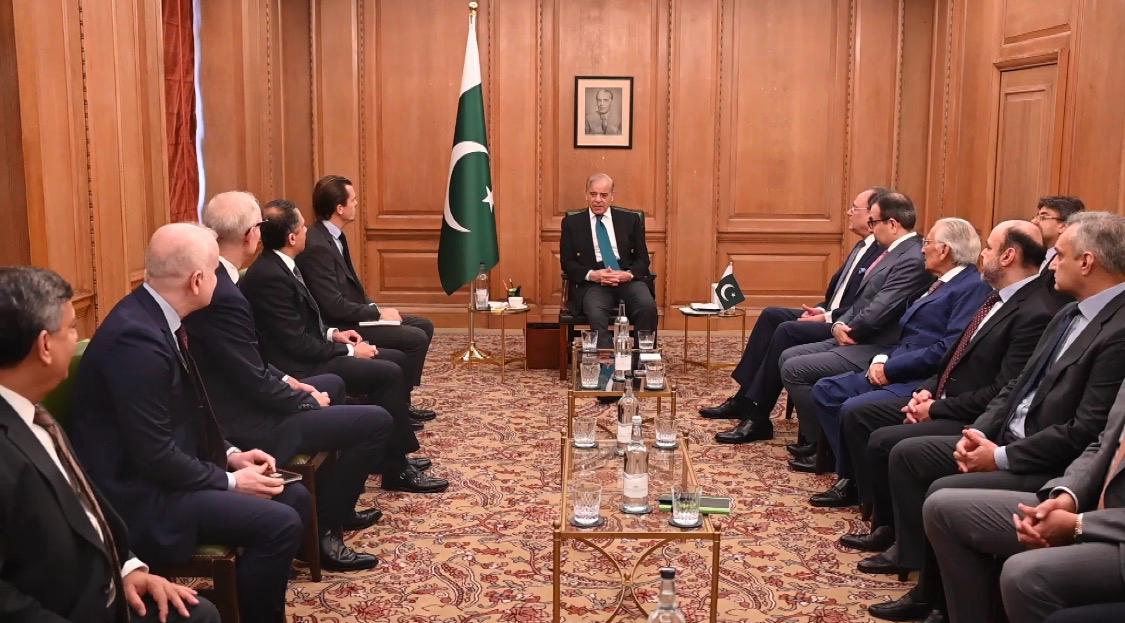
PM Office Media Wing: Prime Minister Muhammad Shehbaz Sharif held a series of meetings today with senior executives from leading global financial institutions Barclays, J.P. Morgan, Citi, BlackRock and Rothschild & Co — during his visit to the United Kingdom. The engagements underscored growing international financial sector interest in Pakistan’s economic reform trajectory and improving investment climate.
Meeting Mr Mohammad Kamal Syed, Head of Private Bank and Wealth Management UK at Barclays, the Prime Minister welcomed the bank’s interest in Pakistan and briefed him on the government’s macroeconomic stabilization measures, encouraging Barclays to explore opportunities in the country’s financial sector.
With a high-level J.P. Morgan delegation led by Mr. Matthieu Wiltz, Co-CEO for EMEA, the Prime Minister discussed deepening the partnership across capital markets, trade finance, and investment banking, and invited the firm to expand its footprint in Pakistan. The delegation reaffirmed its interest in sovereign debt capital markets and corporate banking opportunities.
The Prime Minister also met a group of senior officials of Citi, led by Mr. David Livingstone, Chief Client Officer. Prime Minister commended the bank’s long-standing presence in Pakistan and encouraged an expansion of its corporate and institutional banking services in the country.
In a meeting with a BlackRock delegation comprising Gordon Fraser and Sam Vecht, Co-Heads of Emerging Markets and Frontiers, and Emily Fletcher, Portfolio Manager and Research Analyst, the Prime Minister invited increased allocations to Pakistani equities and fixed income within the firm’s frontier markets strategy, with both sides emphasizing the importance of sustained policy consistency in building investor confidence.
In a meeting with Rothschild & Co, represented by Lord Mark Sedwill, Chair of Geostrategic Advisory and Mr. Majid Ishaq, Head of UK Investment Banking, discussions centered on Pakistan’s geo-economic priorities and potential advisory collaboration on capital markets and investment strategy.
Report Wajahat Ali Khan
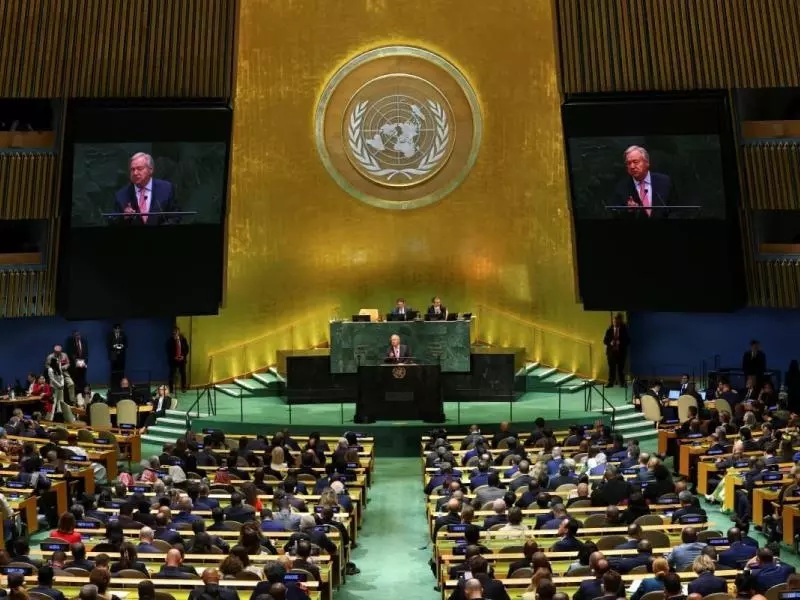
The 81st session of the United Nations General Assembly has opened against a backdrop of wars, diplomatic tensions and growing doubts about the ability of international institutions to respond effectively to global crises. Its theme — “Restoring Trust, Managing Transformation: A United Nations That Delivers for All” — reflects perhaps the central challenge facing the organisation. The immediate expectation is that world leaders will use the gathering not simply for speeches, but for diplomacy. The conflicts in the Middle East and Ukraine remain among the most pressing issues, while Sudan, climate change, nuclear risks and the rapid development of artificial intelligence are also demanding international attention.
The Middle East is likely to receive particular attention. The humanitarian situation in Gaza and the wider confrontation involving Iran have raised fears of further regional escalation. The UN faces pressure to encourage negotiations, protect civilians and create space for meaningful diplomatic solutions. Whether the major powers can narrow their differences will be crucial.
The General Assembly has repeatedly called for an end to the war and renewed diplomatic efforts, but translating international resolutions into negotiations remains difficult.
Beyond individual conflicts, the session is also about the future credibility of the United Nations itself. Its leadership has acknowledged the need to restore trust through concrete results and institutional reform.
The expectations, therefore, are substantial but realistic. Progress on ceasefires, humanitarian assistance, diplomacy and global cooperation. The real measure of the 81st session will not be the rhetoric heard in New York, but whether that rhetoric produces practical action after the leaders have gone home.
Trump Calls Xi Jinping “a Great Leader,” Offers Extraordinary Welcome After Waiting an Hour at Airport
Monitoring desk
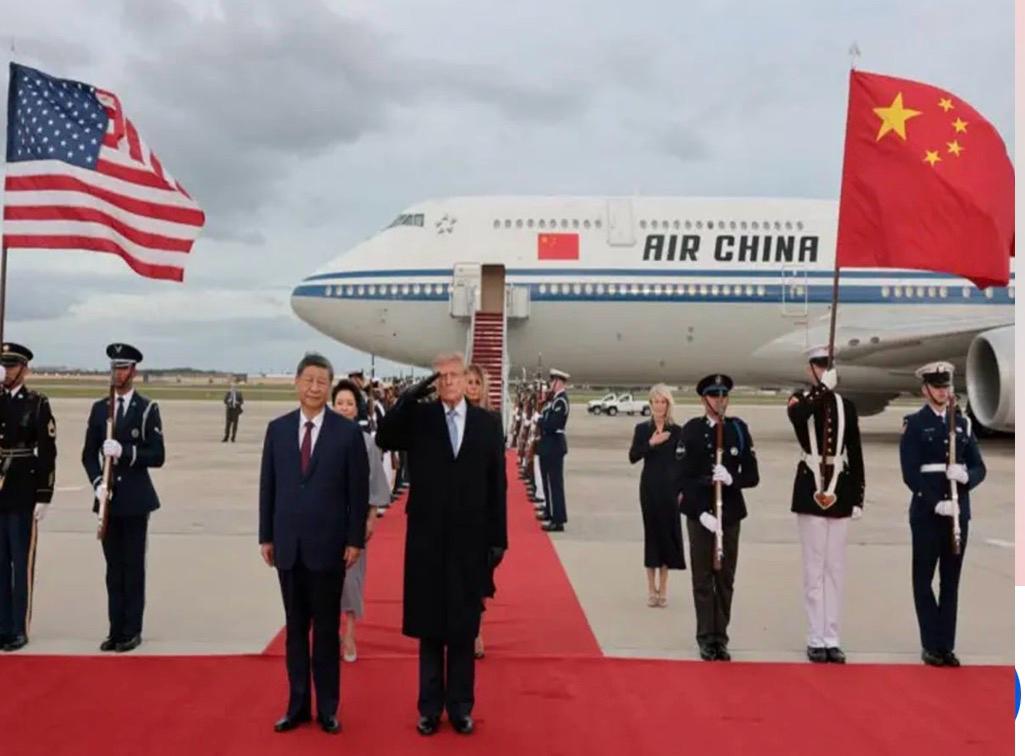
US President Donald Trump extended an imperial-style welcome to Chinese President Xi Jinping,
personally going to the airport to greet him ahead of their summit. Xi reciprocated the gesture but once again appeared “stiff,” responding with remarks that maintained his own firm stance. The world is watching to see what results Trump’s effort to placate China and Xi’s determination to speak frankly to the United States will produce at the leaders’ meeting between the two countries. The summit, scheduled to take place at the White House on the 24th (local time), is expected to address the trade war, semiconductors, rare earths and Taiwan.
Trump arrived by helicopter at Joint Base Andrews in Maryland on the 23rd, before Xi’s private aircraft landed, and waited for more than an hour in his private car. When Xi stepped off the aircraft stairs, Trump walked up to the bottom of the stairs to shake his hand. This was the first time Trump had gone to an airport to welcome a foreign leader since beginning his second term. Melania Trump also joined him to greet Xi’s wife, Peng Liyuan. The two leaders are meeting for the second time this year, four months after their summit in Beijing in May.
Xi returned to the White House for the first time in 11 years since his state visit in September 2015 during the Barack Obama administration. High-ranking Chinese officials, including Politburo Standing Committee member Cai Qi and Foreign Minister Wang Yi, accompanied the delegation.
A separate official welcome ceremony will be held again at the White House on the 24th. The event, taking place on the South Lawn and in the White House Rose Garden, will feature 479 service members representing all branches of the U.S. military. One B-2 Spirit stealth bomber and four F-22 Raptor fighter jets will conduct a ceremonial flyover. Formal talks and a state dinner in the East Room will follow. The dinner is expected to be attended by leaders of major U.S. technology companies, including Tesla CEO Elon Musk, Amazon founder Jeff Bezos, Apple CEO Tim Cook and NVIDIA CEO Jensen Huang.
Unlike the cordial reception, sharp clashes are expected during the main summit. After completing the airport welcome, Trump returned to the White House and made clear the key issues to be discussed. He stressed that the talks would focus on Iran, blocking the flow of fentanyl into the United States and additional tariffs on China. The two sides are still expected to remain far apart on advanced technology. The United States is seeking a stable supply of critical minerals, including rare earths, while China is strongly demanding that Washington ease its semiconductor export controls.
In the field of artificial intelligence, the two sides are expected to discuss establishing a hotline through which they would notify each other when an incident occurs. The idea is to prevent accidental clashes while allowing competition to continue, although specific operating procedures have not yet been determined. Taiwan is another variable. Since Trump’s remarks on Taiwan also sparked controversy at the Beijing summit in May, attention is focused on how the two sides will address the issue this time.
Sports reporter
Prime Minister Andy Burnham has called for a review of the long-standing ban on football supporters drinking alcohol in the stands, arguing that the rules are outdated and unfairly and discrimination single out football fans.
The ban, introduced in 1985, prohibits spectators from drinking alcohol within sight of the pitch at matches in the top five tiers of English men’s football. Burnham said the legislation was created when football faced much greater problems with hooliganism and violence.
Speaking while travelling to New York for the United Nations General Assembly, Burnham said there was a case for removing the restrictions and suggested that any change could initially be tested through a trial.
The Football Supporters’ Association welcomed the proposal, pointing to successful trials allowing alcohol in the stands at women’s football matches. The English Football League has also indicated that it would be receptive to a review of the legislation.
However, the UK Football Policing Unit has urged caution, saying alcohol can contribute to violence and disorder among a minority of football supporters. Police have called for a full assessment of the evidence and consultation before any fundamental change is made.
Any permanent change to the current restrictions would require amendments to the 1985 legislation.
Political editor
WASHINGTON — A federal judge has ordered the Trump administration to restore White House access to journalists from CNN, MS NOW and Politico, temporarily blocking a ban imposed by President Donald Trump on the three news organisations.
US District Judge Timothy Kelly issued the order early Thursday after the three outlets challenged the administration’s decision in court. The judge ordered officials to immediately return and restore the journalists’ White House press credentials and barred enforcement of the ban for 14 days. The ruling followed an emergency hearing on Wednesday in Washington, where Kelly questioned whether the administration had followed legally required procedures before revoking the reporters’ access.
The three news organisations argued that the ban violated their First Amendment rights and denied them due process. The administration, meanwhile, maintained that access to the White House is a privilege and defended the restrictions partly on national security grounds.

Kelly said the government had not provided adequate factual support for the argument that barring the outlets would protect national security. He also pointed to earlier court decisions requiring journalists to receive notice and an opportunity to challenge the withdrawal of their White House press credentials. Trump announced the ban on September 18, accusing the three organisations of unfair and inaccurate coverage. The administration subsequently argued that some of their reporting posed national security concerns.
The legal challenge is expected to continue beyond the temporary 14-day order. The ruling does not finally decide the broader constitutional dispute, but restores the journalists’ access while the case proceeds.
The case represents another major legal confrontation between the Trump administration and news organisations over access to the White House and the constitutional protections afforded to the press.