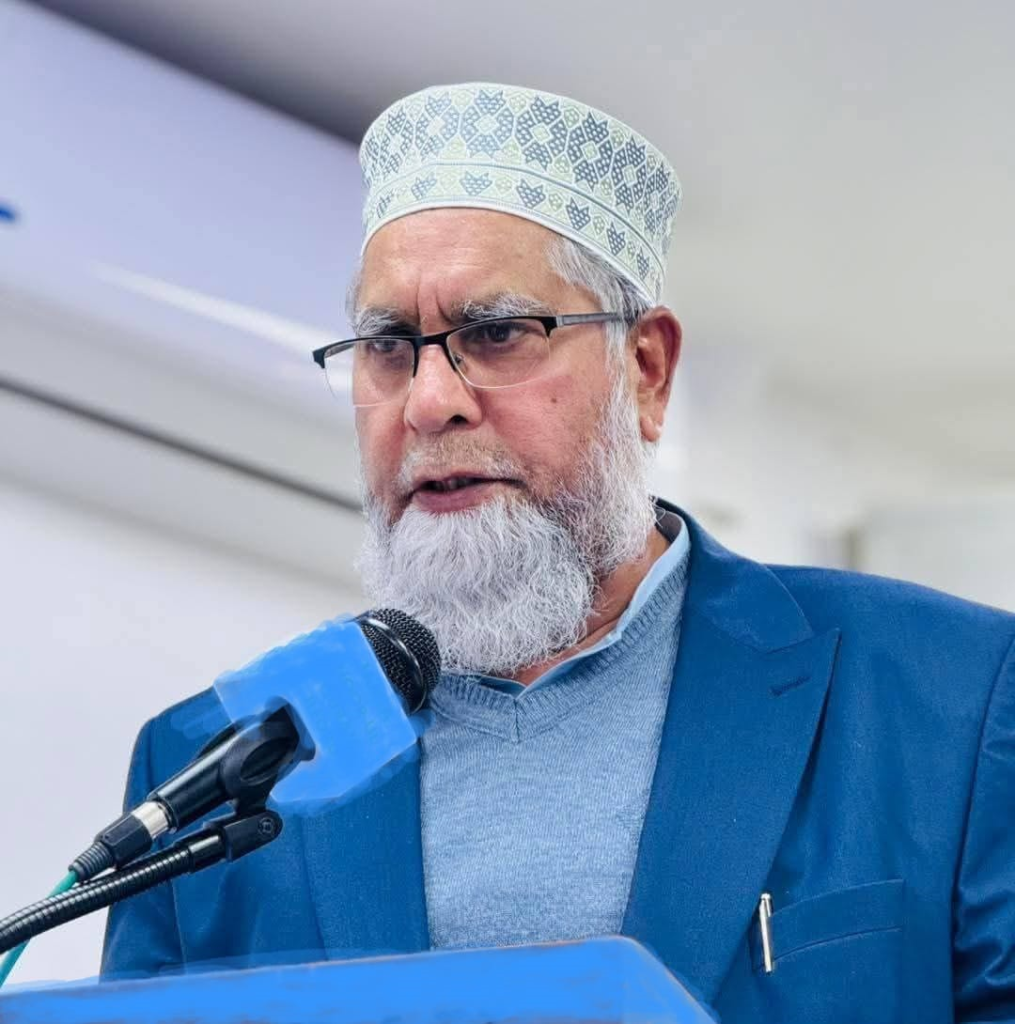
Prof Masood Akhtar Hazarvi
Journalism is a powerful instrument for building society, raising public awareness, and presenting facts accurately. It is founded upon truthfulness, integrity, and social responsibility. Because of its vital role in promoting justice, accountability, and social harmony, the media is often regarded as the fourth pillar of the state. Responsible journalism is not merely a means of disseminating news; it also plays a decisive role in shaping public opinion and guiding the moral direction of society. However, even a minor lapse in journalistic responsibility can lead to widespread intellectual confusion and social unrest. This responsibility becomes even greater when matters concern religious sanctities, the honour and dignity of the Prophets (peace be upon them), and the sacred symbols of Islam. Any negligence or lack of editorial care in such sensitive matters not only hurts the religious sentiments of millions but can also create division and instability within society. Therefore, a responsible and conscientious media must exercise the highest degree of caution, integrity, and professionalism when dealing with issues of religious significance.
In recent days, a controversial incident involving Geo News’ programme Safar-e-Ishq came to public attention during the sacred month of Muharram. The programme broadcast sketch-like depictions of revered religious personalities, which many Muslims regarded as offensive to their religious sentiments. The Pakistan Electronic Media Regulatory Authority (PEMRA) declared that the content had hurt religious feelings and consequently suspended Geo News’ broadcasting licence for fifteen days. Geo News later issued an apology, stating that the material had been aired unintentionally, was immediately removed, and disciplinary action had been taken against those responsible. Nevertheless, despite this acknowledgement, the incident represented an indefensible editorial failure. Broadcasting such material during the blessed month of Muharram caused widespread public distress. When a nationally televised channel commits such an error, its consequences extend far beyond a limited audience and inevitably affect the broader social environment.
Another controversial incident arose in Episode 20 of the Geo Entertainment drama serial Zabt. In one particular scene, actress Sarah Ejaz Khan, while portraying anger, throws an Islamic Studies textbook onto the floor. What made the scene especially sensitive was that the book’s cover displayed images of the Prophet’s Mosque (Al-Masjid an-Nabawi) and the Noble Rawdah (the resting place of the Prophet Muhammad ﷺ). Television drama sets and props are carefully selected and prepared; therefore, viewers have reasonably questioned why an Islamic Studies textbook, bearing such sacred imagery, was chosen when any ordinary book could have served the same dramatic purpose. The scene quickly went viral on social media and generated widespread concern among the public. Although the episode was subsequently removed from YouTube, the damage had already been done. Many viewers were left with the impression that the Geo network had once again failed to demonstrate due sensitivity towards matters of religious importance.
According to Islamic teachings, safeguarding the honour and dignity of the Prophet Muhammad ﷺ is a fundamental component of faith. The Holy Qur’an repeatedly commands believers to show the utmost respect and reverence towards the Messenger of Allah ﷺ. Likewise, honouring Al-Masjid an-Nabawi and everything associated with it forms an essential part of Muslim belief and devotion. The depiction of an Islamic Studies book being thrown onto the ground deeply offended many viewers and wounded their religious sentiments. The issue therefore extends beyond a single dramatic scene; it raises broader questions regarding editorial responsibility and an apparent disregard for religious sensitivities within sections of the media.
Media organisations, particularly major broadcasters such as Geo, are respectfully urged not to prioritise television ratings or an unrestricted interpretation of freedom of expression over the deeply held religious beliefs of millions of viewers. Whether in news programming or television dramas, the utmost care should be exercised whenever religious material or sacred symbols are involved. Producers, directors, and editors should consult qualified religious scholars where appropriate and avoid presenting scenes that are likely to provoke unnecessary controversy or offend religious sentiments. Freedom of expression should never be interpreted as a licence to disrespect what others hold sacred. Every form of expression carries ethical, social, and legal responsibilities. When a media organisation repeatedly commits similar editorial lapses, it is only natural for the public to question its editorial standards and the motivations behind such recurring incidents.
It must always remain clear that no compromise is acceptable where the honour of the Prophet Muhammad ﷺ and the sanctity of Islamic symbols are concerned. Geo Group, along with all other media organisations, should strengthen its editorial oversight, improve staff training, establish rigorous review procedures for sensitive content, and ensure that respect for religious values remains a fundamental editorial principle. The media should produce programmes that promote not only religious awareness but also noble character, patience, mutual respect, and civility.
Ideally, Muslim media outlets should truly represent the values of the Muslim Ummah by promoting the noble teachings of the Prophet Muhammad ﷺ—teachings that have, throughout history, won hearts through compassion, wisdom, justice, and exemplary moral conduct. May Allah Almighty grant us the ability to make the blessed life and character of the Prophet ﷺ the centre of our lives, and to promote peace, tolerance, mutual respect, and harmony within society. Ultimately, incidents such as these, together with the public response they provoke, serve as an important reminder that freedom of expression must always be accompanied by accountability and by unwavering respect for religious sanctities.