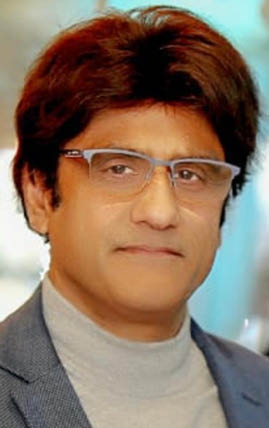
Wajahat Ali Khan
For too long, the word integration has been misunderstood within sections of Britain’s Pakistani community. Some hear it and immediately think it means giving up their religion, abandoning their language or forgetting their cultural heritage. Nothing could be further from the truth. Integration is not surrender; it is participation. It is not about becoming less Pakistani or less Muslim—it is about becoming a more active and influential British citizen.
More than seventy years have passed since the first wave of Pakistani migrants arrived to help rebuild post-war Britain. They worked in factories, drove buses, staffed the NHS and made enormous sacrifices so that future generations could enjoy better lives. Their contribution to Britain is beyond question and deserves lasting respect. Yet the aspirations of one generation cannot become the limitations of the next.
Despite producing successful doctors, lawyers, entrepreneurs, academics and politicians, parts of the Pakistani community remain socially isolated. In some towns and cities, people can spend years living in Britain without developing meaningful friendships outside their own ethnic circle. Many children grow up interacting almost exclusively with people from similar backgrounds. Such self-imposed separation weakens community confidence and deprives young people of opportunities that come only through wider engagement.
The uncomfortable truth is that integration requires effort. It demands learning fluent English where necessary, participating in local community organisations, volunteering, joining sports clubs, attending civic events and taking an interest in the country’s history, institutions and democratic values. These are not acts of cultural betrayal; they are acts of responsible citizenship.
Parents also have a crucial role. Too often, academic success is treated as the only measure of achievement. Education is essential, but so are confidence, communication skills, leadership and social interaction. Young British Pakistanis should be encouraged to play football and cricket with local clubs, join debating societies, participate in youth organisations, stand for student elections and engage in charitable activities. These experiences build character and open doors that qualifications alone cannot.
Religious institutions must also recognise their wider responsibility. Mosques should not simply be places of worship; they should become centres of civic engagement, encouraging young people to contribute positively to British society while remaining firmly grounded in Islamic values. Faith and citizenship are not competing identities. They can strengthen one another.
Integration, however, is a two-way street. British society also carries responsibilities. Equal opportunities must be protected, discrimination challenged and prejudice confronted wherever it appears. People cannot be expected to integrate fully if they continue to face barriers because of their name, ethnicity or faith. A truly successful multicultural society is one in which diversity is respected and talent is rewarded regardless of background.
The media also has a part to play. Headlines that focus exclusively on extremism, crime or cultural tensions create distorted perceptions of entire communities. The overwhelming majority of British Pakistanis are law-abiding citizens who contribute positively to every sector of national life. Their stories deserve greater visibility.
Yet communities must also be willing to engage in honest self-reflection. It is neither racist nor anti-Pakistani to acknowledge that some cultural practices, social attitudes or patterns of isolation can hinder progress. Constructive criticism is not an attack; it is an invitation to improve. The strongest communities are those willing to examine themselves honestly rather than blame every challenge on external forces.
Britain in the twenty-first century offers opportunities unimaginable to previous generations. Politics, business, science, journalism, the arts and public service are open to anyone with ability and determination. The question is whether future generations of British Pakistanis will seize those opportunities with confidence or remain confined within self-created boundaries.
Identity should never become a prison. It should be a foundation from which people engage confidently with the wider world. A British Pakistani can cherish family traditions, celebrate Eid, speak Urdu or Punjabi at home and still feel equally comfortable cheering England or Scotland at a football match, volunteering at a local charity, attending a community festival or serving as a magistrate, councillor or Member of Parliament.
The future belongs to communities that build bridges rather than walls. Integration does not erase identity; it enriches it. It transforms diversity from a collection of separate communities into a shared national strength. British Pakistanis have already contributed enormously to this country. The next chapter should not simply be one of success within the community, but of leadership across the whole of British society. That is not assimilation. It is belonging. And belonging is the strongest foundation upon which any community can build its future.