Wajahat Ali Khan
The Mecca Defence Alliance is a defence pact between Pakistan, Saudi Arabia, and Turkey signed into force on 7 August 2026. It builds upon the earlier Strategic Mutual Defence Agreement signed between Pakistan and Saudi Arabia on 17 September 2025 to include Turkey. The pact’s ratification was officially announced amidst the 2026 Iran war.
The newly formed Mecca Defence Alliance, bringing together Saudi Arabia, Pakistan and Turkey, is the product of years of growing military cooperation and a rapidly changing security environment in the Middle East.
The three countries signed the Mecca Joint Defence Agreement in Mecca on August 7, 2026. Under the pact, an armed attack against any one of the three members is to be regarded as an attack against all three. The governments have described the arrangement as defensive and have stressed that it is not directed against any country.
Roots in Saudi-Pakistan military ties
The alliance did not emerge suddenly. Saudi Arabia and Pakistan have maintained close defence relations for decades, with Pakistan providing military training, technical assistance and personnel support to Saudi Arabia. The relationship was upgraded in September 2025, when Riyadh and Islamabad signed a Strategic Mutual Defence Agreement. That bilateral arrangement provided the foundation on which the broader three-country pact was later built.
At the same time, Pakistan and Turkey had been expanding military cooperation, while Saudi Arabia and Turkey developed stronger defence industrial links, including cooperation involving Turkish defence technology. These overlapping relationships created a foundation for trilateral security cooperation.
Why was the alliance formed?
The immediate background is the worsening security situation across the Middle East. The 2026 conflict involving Iran, Israel and the United States, along with missile attacks and threats to Gulf security, has encouraged regional powers to reconsider their defence arrangements.
For Saudi Arabia, the agreement offers another layer of strategic security. Pakistan brings extensive military experience and a long-standing relationship with the Saudi armed forces, while Turkey contributes a large conventional military and an increasingly important defence industry.
The big question is that, Is it a ‘Muslim NATO’?
The agreement has frequently been compared with NATO because of its collective defence principle. However, analysts caution against treating it as a fully developed NATO-style military organisation.
Pakistan’s Foreign Minister Ishaq Dar has described the pact as purely defensive, while the agreement remains open to possible participation by other countries that accept its principles.
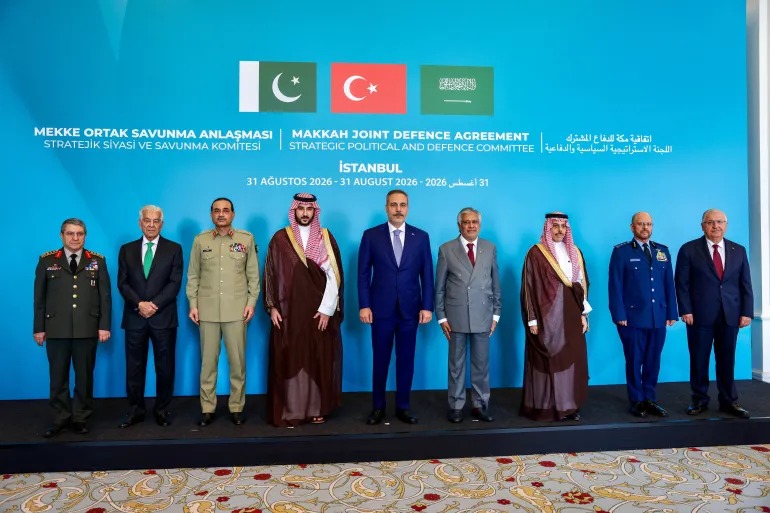
Alliance begins taking institutional shape. The pact moved a step closer to becoming a permanent organisation on August 31, when senior officials from the three countries held the first meeting of its Strategic Political and Defence Committee in Istanbul.
The countries also agreed to establish a permanent secretariat in Riyadh. Turkey’s Foreign Minister Hakan Fidan said the first secretary-general would come from Pakistan and serve an initial three-year term.
What lies ahead?
The alliance’s real significance will depend on whether its political declaration can be converted into practical military cooperation. Questions remain over command arrangements, the response to an attack and the extent of each country’s military commitment.
For now, the Mecca Defence Alliance represents an important new alignment between three influential Muslim-majority states. Its creation signals that Saudi Arabia, Pakistan and Turkey intend to play a more coordinated role in shaping the region’s security at a time of profound geopolitical uncertainty.
London Post
Health Correspondent
London
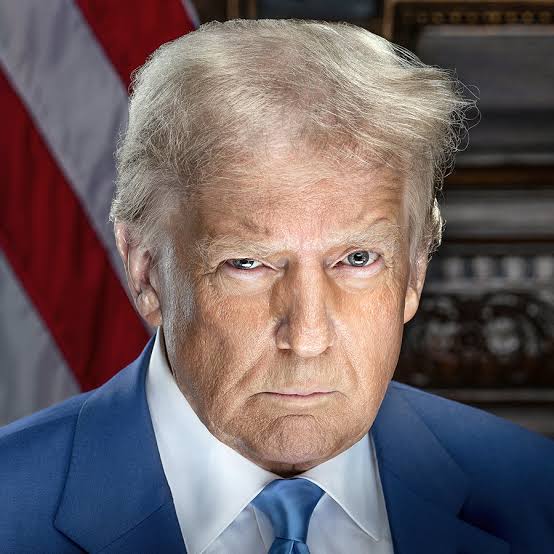
Britain’s already stretched National Health Service has been thrust into the centre of a furious transatlantic row after President Donald Trump’s administration pressed the UK over the price Britain pays for medicines.
Critics have accused the Government of caving in to Washington and Big Pharma, warning that higher drug costs could mean billions of pounds having to be found elsewhere in the NHS. The warning has triggered a storm at Westminster, with campaigners asking a stark question.
Who will pay for Trump’s deal the NHS or the patient?
The controversy follows a UK-US pharmaceutical agreement under which Britain agreed to changes affecting the pricing and availability of medicines.
Ministers insist the agreement will help secure access to innovative treatments and protect Britain’s pharmaceutical sector from the threat of US tariffs. But opponents claim the price could be devastating.
Analysis cited by critics has suggested that tens of billions of pounds could ultimately be diverted from other areas of NHS spending.
One modelling exercise went as far as estimating 229,000 additional deaths in England over the longer term if healthcare resources were displaced a disputed projection rather than a confirmed forecast.
Campaigners have also raised concerns about changes to the role of NICE, the body responsible for assessing whether medicines provide sufficient value for NHS funding. They fear political and commercial pressure could increasingly influence decisions that were previously based on clinical and economic evidence.
For millions of NHS patients, the argument is about more than pharmaceutical pricing. It is about whether money spent on increasingly expensive medicines means less money for hospital beds, GP appointments, nurses and waiting-list treatment.

The Government has defended its position, arguing that Britain must remain competitive in the global pharmaceutical market and that patients should benefit from faster access to new medicines. Yet the political fallout is growing.
Opposition MPs and health campaigners are demanding greater transparency over the negotiations and warning that any additional costs must not be allowed to undermine already overstretched frontline services.
The row has placed Britain in an uncomfortable position caught between an American President demanding a tougher approach to medicine pricing and an NHS struggling to meet the demands of an ageing and increasingly complex population.
THE BIG QUESTION
If the NHS has to pay more for medicines, what will it have to give up to foot the bill? For patients waiting for treatment, the answer could prove painfully important.
11th International Fatwa Conference discusses the themes of “Family Challenges Amidst Major Transformations”
Amr khalifa
EGYPT
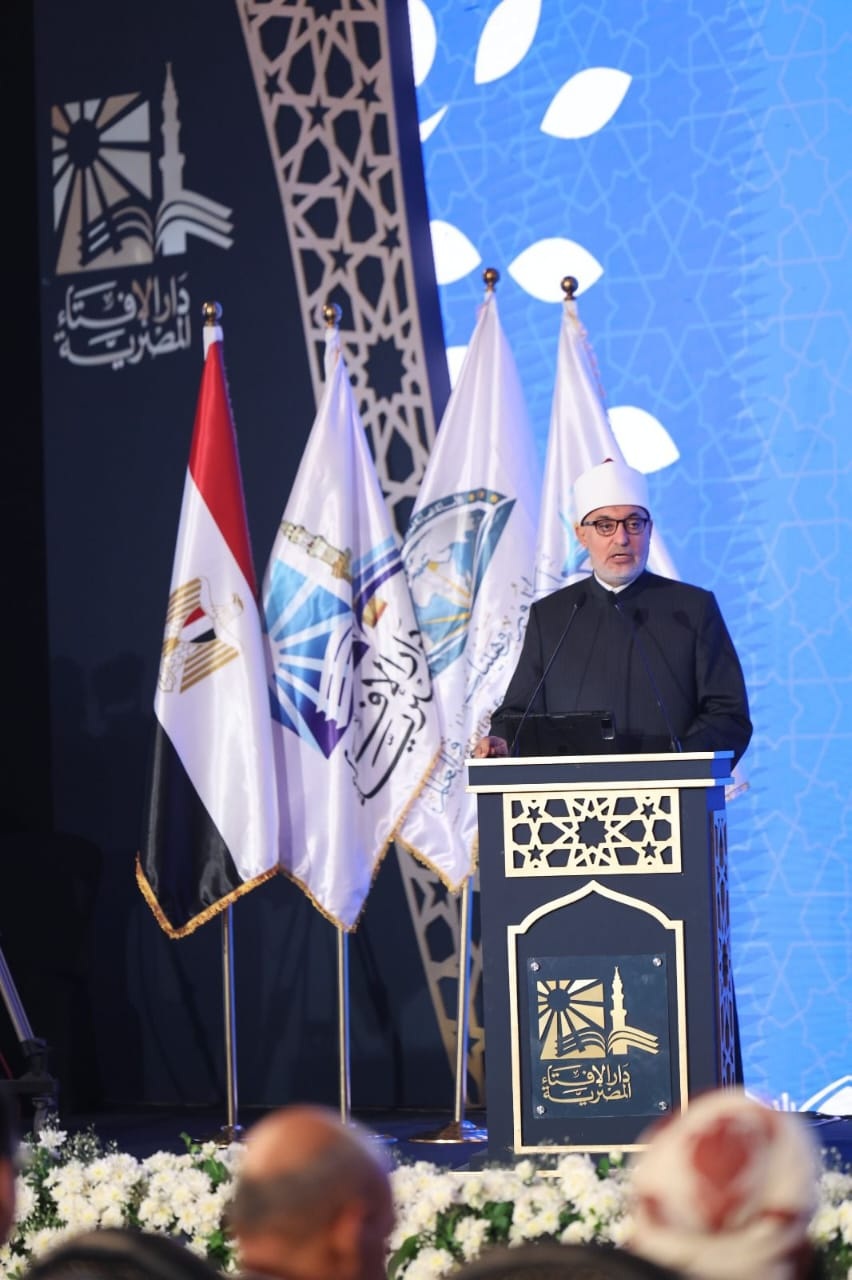
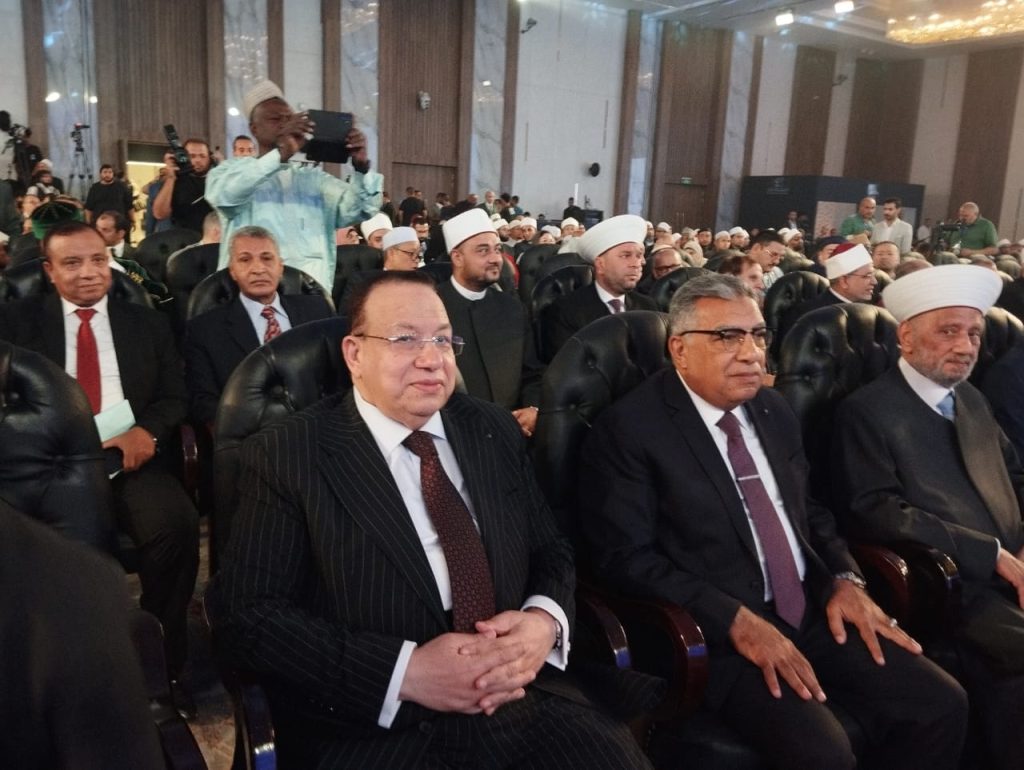
The 11th International Conference of the General Secretariat of Fatwa Institutions Worldwide, held on Wednesday and Thursday under the title “Family Challenges Amidst Major Transformations: A Fatwa Approach to Protecting the Family, envisioning its Future, and Preserving Identity,” discussed a number of scholarly and intellectual themes addressing the rapid transformations the world is witnessing and their impact on the family, values, and identity. It also explored ways to develop fatwa approaches capable of addressing these challenges and anticipating the future of the family.
The conference also addressed the phenomenon of “modern individualism” and the transformations it has brought about in patterns of thought, behaviour, and social relations. It examined the impact of rising individualism on the concept of family and shared responsibility, while also exploring ways to achieve a balance between respecting individual privacy and strengthening the values of solidarity, mutual support, and responsibility within the family and society.
The conference also discussed the issue of “digital isolation” and its associated transformations in the nature of human relationships, given the increasing influence of technology and digital spaces on communication and belonging patterns. It addressed the challenges the digital environment poses to families, necessitating a search for ways to promote the conscious use of technology, preserve family and social bonds, and mitigate the effects of isolation and social separation.

Dr. Nazir Muhammad Ayyad, the Grand Mufti of Egypt, stated that the conference’s scientific sessions also addressed issues of “belonging and coexistence.” This inrespect andning the role of the family and religious, cultural, and educational institutions in instilling the values of citizenship and belonging, promoting a culture of dialogue and mutual respect, and building awareness capable of confronting the polarization and intellectual and social challenges posed by major transformations.
He added that the conference’s themes also explored “social, cultural, economic, and technological transformations affecting the family,” and their repercussions on family stability, marital relationships, and child-rearing. Emphasis was placed on the importance of providing scholarly and legal perspectives capable of consciously interpreting these transformations and addressing emerging issues in a way that preserves fundamental principles while utilizing modern tools.
In a related context, Dr. Ahmed Al-Haddad, the Grand Mufti of Dubai, praised the pioneering role played by Dar al-Ifta al-Misriyyah (the Egyptian Fatwa House) and the General Secretariat of Fatwa Institutions Worldwide, noting the importance of bringing together scholars and religious authorities from around the world to discuss critical issues affecting the very core of societies.
Mr. Mahmoud Al-Sharif, Head of the Syndicate of Ashraf (descendants of the Prophet Muhammad), also expressed his pride in participating in this global event, emphasizing that discussing contemporary problems facing Muslim families is a fundamental step towards protecting society from factors of disintegration and isolation.
For his part, Dr. Arshad, the Grand Mufti of South Africa, affirmed the important and pivotal role played by the General Secretariat of Fatwa Institutions Worldwide, headed by Dr. Nazir Muhammad Ayyad, highlighting Dar al-Ifta al-Misriyyah’s dedication to addressing the issues and problems faced by Muslim families across the globe.
The conference pays particular attention to the role of fatwa-issuing institutions and religious, cultural, and educational institutions in addressing contemporary family challenges. It aims to present scholarly and legal perspectives grounded in a precise understanding of reality, integrating Islamic, humanistic, and social sciences to offer practical and applicable solutions, enhance family awareness, and protect families from factors contributing to their disintegration. The conference also aims to develop a comprehensive approach to issuing fatwas that safeguards the family, anticipates its future, and preserves its identity. This approach involves analysing the major transformations the world is witnessing and strengthening the system of belonging, coexistence, and mutual support, thereby contributing to the development of well-rounded individuals capable of positive interaction with their environment while simultaneously preserving the foundations and stability of the family.
The 11th International Conference of the General Secretariat for the Role and Bodies of Fatwa in the World was held on the second and third of September 2026, under the patronage of His Excellency President Abdel Fattah El-Sisi, President of the Republic, with the participation of scholars, muftis and researchers from 80 countries around the world, reflecting the importance of the conference as an international platform for dialogue on the future of the family, and enhancing the role of fatwas in dealing with issues and transformations that affect the lives and stability of societies.
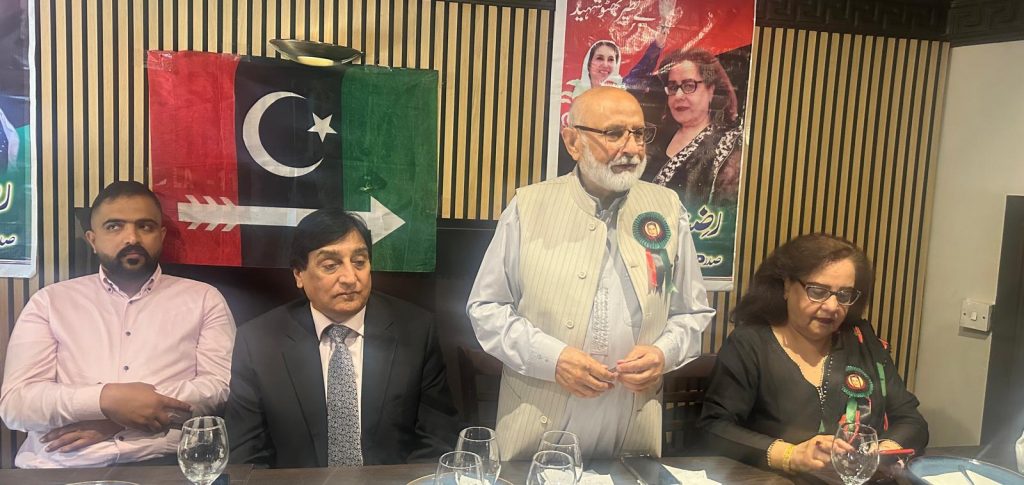
Pakistan People’s Party is a symbol of confederation in Pakistan: Sultan Hayat
Tajammul Gurmani
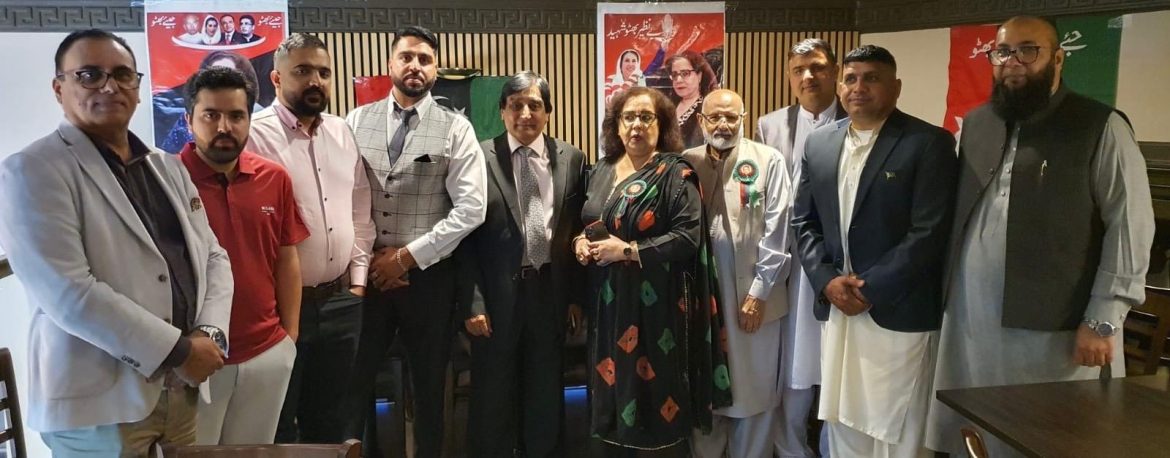
Senior leader of Pakistan People’s Party UK, Sultan Hayat, has said that PPP is a symbol of confederation in Pakistan and that the party leadership has always shown patience. He said the youth must stand with party chairman Bilawal Bhutto. He was addressing an important meeting held to reorganise the PPP UK chapter. The meeting was held at a local restaurant on Stockport Road, Manchester. The meeting was hosted by Gulzar Khan, President PPP Northwest, and Razia Choudary, President PPP Women Wing North West, while Sultan Hayat was the chief guest. Local community leaders who attended the meeting included Babar Farooq, Mahmood Asghar Chaudhry, Amjad Bhatti, Mahboob Elahi Butt, Bilal Durrani, Shah Farid and Cllr. Muqaddasah Banu.
Gulzar Khan, in his address, said that he had always remained loyal to the party. He said they would reactivate the party in the UK and that a delegation would soon meet the leadership. He added that membership and the reorganisation of the party would start soon. Razia Choudary said that there was a lack of coordination between workers and the leadership. She said the leadership was not giving enough importance to the workers and that the central leadership returned to Pakistan after visiting London. “The leadership should create unity among the young workers and give them a chance to lead the party. When the youth lead, the party will become stronger,” she added. Cllr. Muqddasah Banu, Talib Hussain, Shah Farid and Bilal Durrani also expressed their views on the occasion.

Milad-e-Mustafa ﷺ Gathering Held at Al Mustafa Hospital in Mansehra
Bureau Report
Mansehra
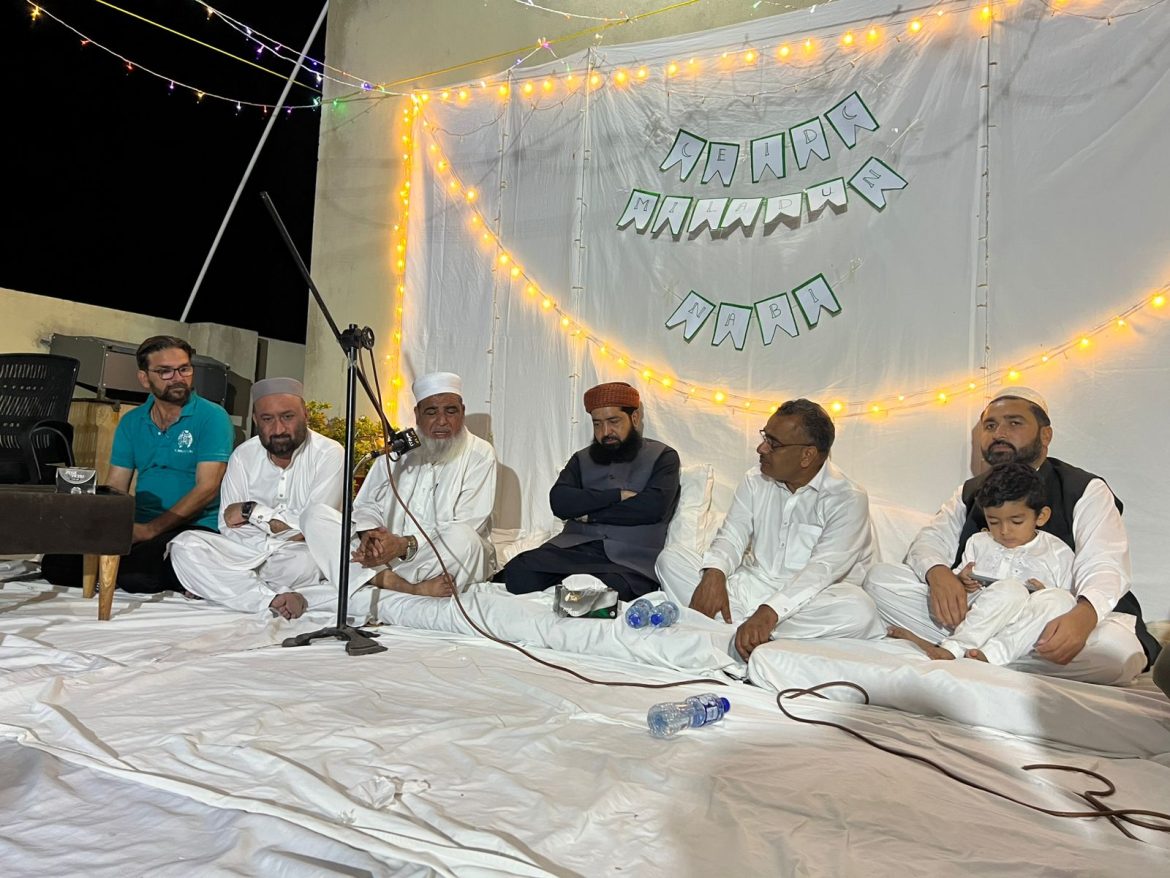
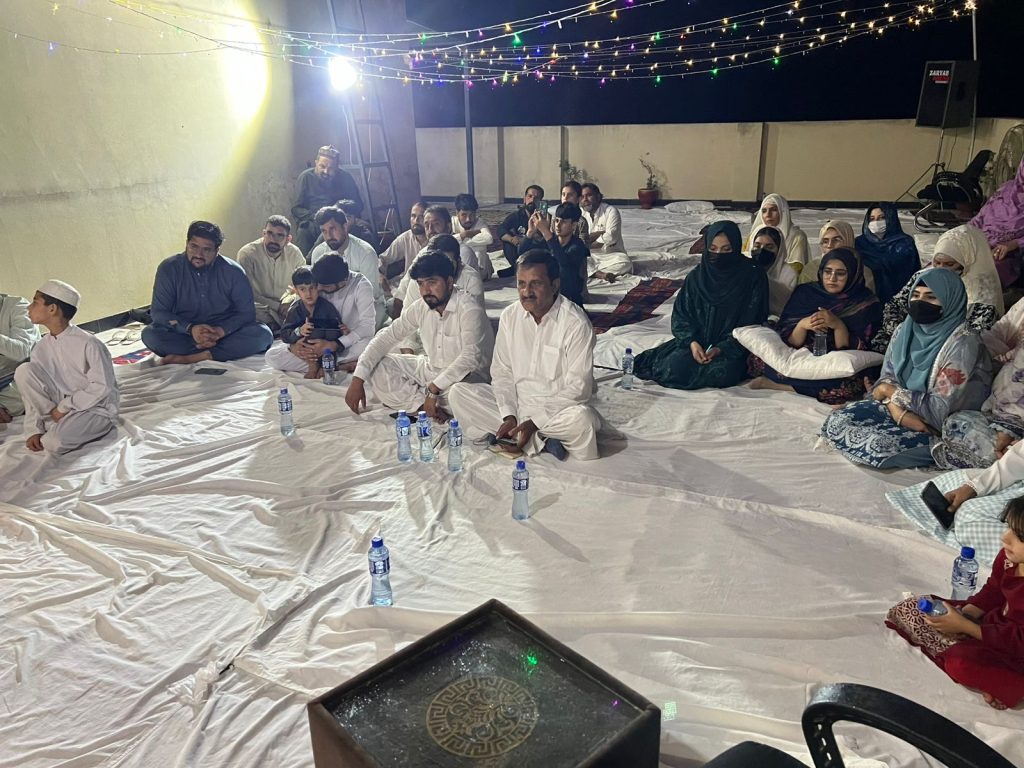
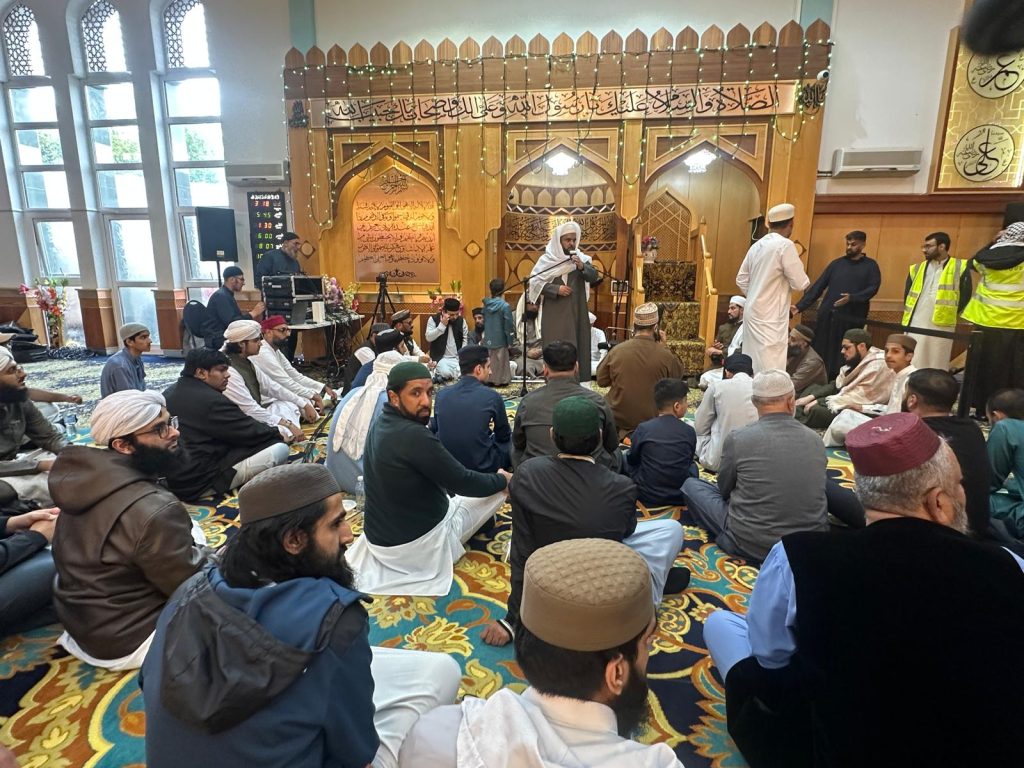
A spiritual and religious gathering, Mehfil-e-Milad-e-Mustafa ﷺ, was organised at Al Mustafa Hospital in Dhodial, Mansehra, bringing together religious scholars, distinguished personalities, hospital management and staff.
The gathering focused on the life, character and teachings of the Holy Prophet Muhammad ﷺ, with speakers highlighting the importance of love for the Prophet ﷺ and following his Sunnah in everyday life.
The keynote address was delivered by Allama Hafiz Sheikh Muhammad Qasim, who spoke about the Seerah of the Holy Prophet ﷺ, the significance of love and devotion to him, and the importance of adopting his teachings and Sunnah.
Allama Syed Qasim Shah also attended the gathering and addressed the participants, sharing his reflections on the blessed life and message of the Holy Prophet ﷺ.
Additional Deputy Commissioner Mansehra Asad Mahmood Lodhi was also present at the event and expressed his devotion and love for the Holy Prophet ﷺ.
The gathering concluded with a special prayer for the peace, prosperity and progress of Pakistan and the Muslim Ummah, as well as for the continued success and development of Al Mustafa Hospital Dhodial, Mansehra.
The event was marked by an atmosphere of devotion and reverence, with participants paying tribute to the life and enduring message of the Holy Prophet Muhammad ﷺ.

Bureau Report
Manchester
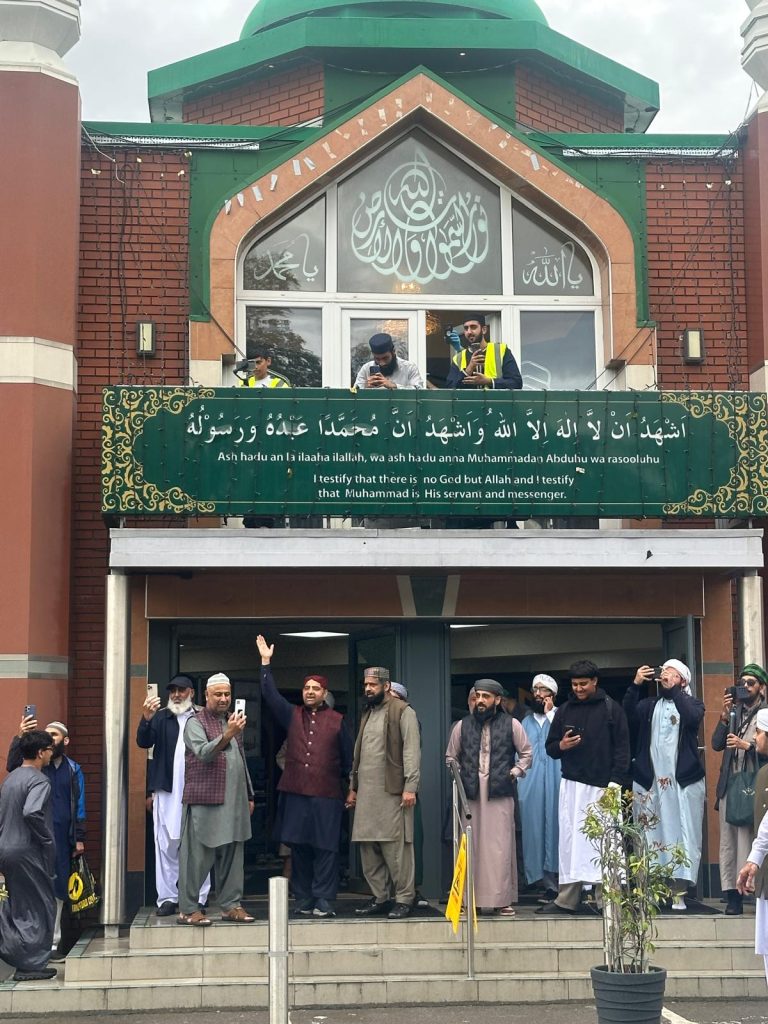
The annual procession of Eid Miladun Nabi was held in Manchester with religious enthusiasm, while hundreds of people participated in the event. Local organisations and traders set up stalls along the procession route, where they distributed free sweets and food among the participants. The procession started from Darul Uloom Islamia, Longsight and after completing the route, concluded at Manchester Central Mosque, Victoria Park.
The participants offered Duhr prayer at Darul Uloom, where Central Mosque President Hammad Khan delivered a speech and appealed to the participants to maintain discipline. Later, the procession started and reached Qadria Jillania Islamic Centre. After crossing Dickenson Road, Curry Mile and other roads, it concluded at Central Mosque, where local organisations distributed hot drinks, sweet and food among all participants. A Milad conference was also held at Central Mosque, where local religious scholars, including Qari Javed Akhtar, Maulana Sohail Rafique , Hafiz Mueen Akhtar, Allama Ahed Waqar Baig, Allama Khurshid Kasuri, Allama Faheem Sajjad Qadri and others, delivered speeches.

Bureau Report
Manchester
The renowned accountant and founder of Watermark Accountants, Syed Zahid Hassan Shah Bukhari, passed away due to cardiac arrest. He was laid to rest in a local cemetery in Manchester. His funeral prayer was held at Manchester Central Mosque, where hundreds of people attended his final rituals. His Khatame Qul and Quran Khawani will be held on Saturday, 5 September, from 6.00 pm to 8.00 pm at Manchester Central Mosque, Victoria Park.
Al Mustafa Launches Tree Plantation Campaign at University of Haripur
Bureau Report
Haripur, Khyber Pakhtunkhwa
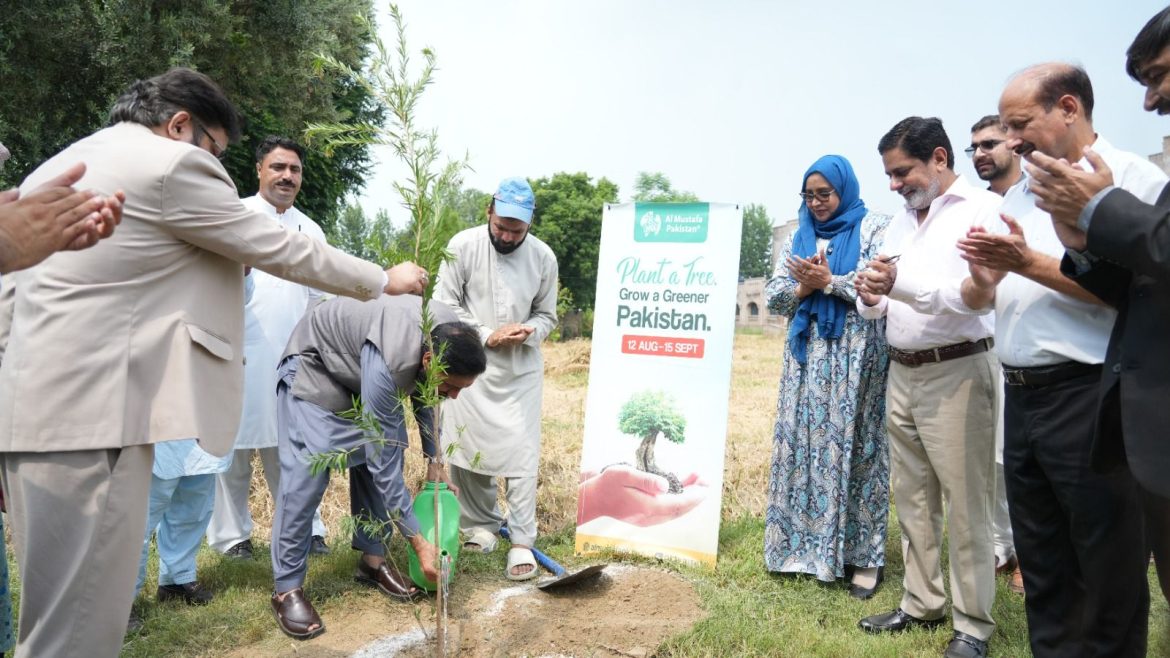
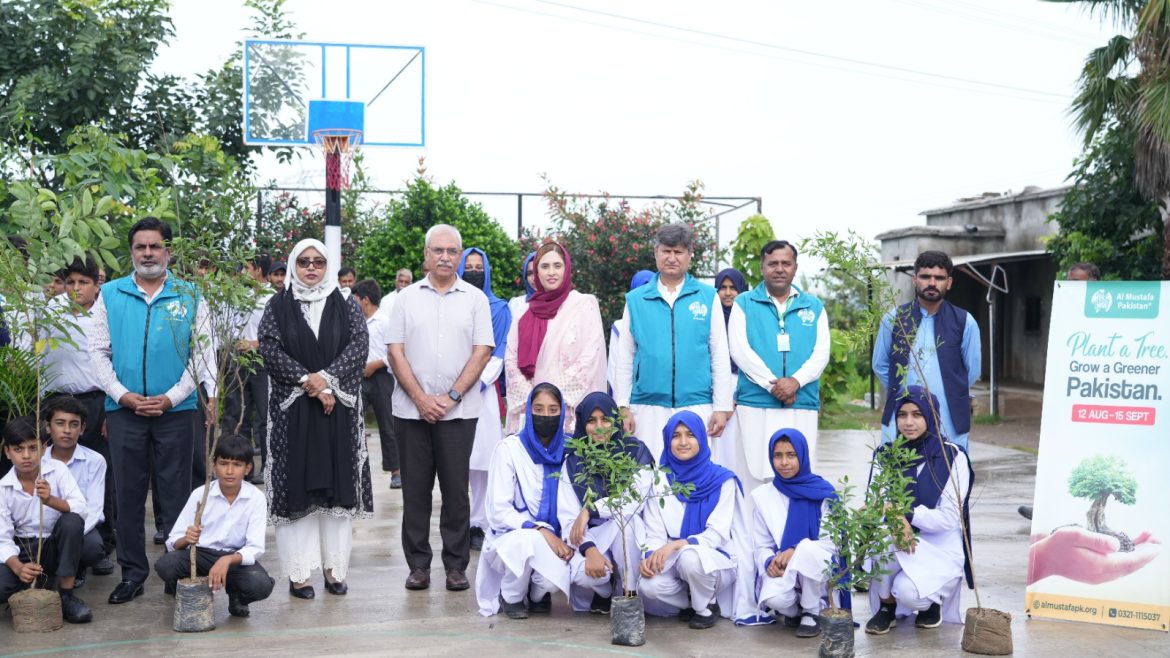
Al Mustafa Pakistan has launched a tree plantation campaign at the University of Haripur, with the aim of planting hundreds of trees across the university campus.
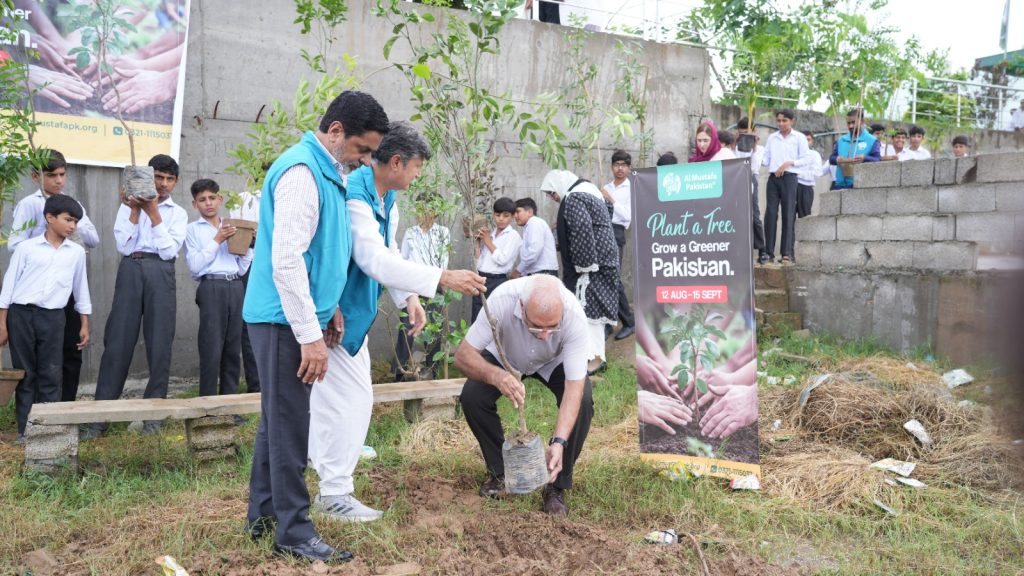
The campaign was formally inaugurated by University of Haripur Vice Chancellor Professor Abid Farid and Managing Director Al Mustafa Pakistan, Ms. Nusrat Saleem, who jointly planted saplings at the university.
The plantation drive will continue until the target of planting hundreds of saplings at different locations across the university is achieved.
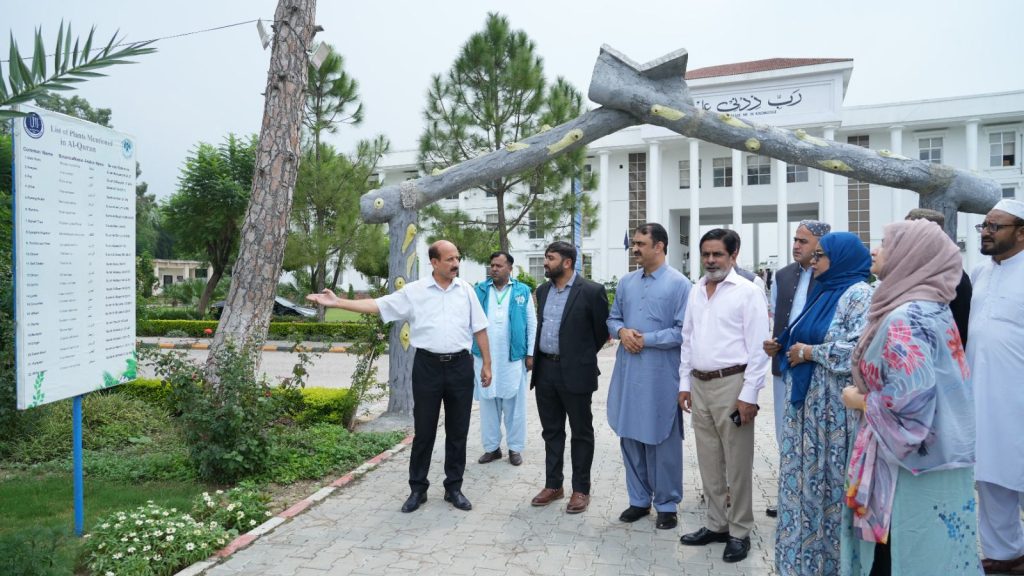
On the occasion, a delegation of Al Mustafa Pakistan also visited the university’s “Quranic Garden,” an impressive botanical initiative featuring trees and plants mentioned in the Holy Quran.
The Quranic Garden provides visitors with an opportunity to learn about the plants referred to in the Holy Quran while promoting environmental awareness and the importance of protecting nature.
The initiative reflects Al Mustafa Pakistan’s commitment to environmental conservation and community-oriented projects, while encouraging students and the wider community to contribute to a greener and healthier environment.
Photography: Nasir Iqbal

Al Mustafa Steps Up Green Pakistan Campaign with Mass Plantation Drives
Bureau Report
Islamabad/Rawalpindi
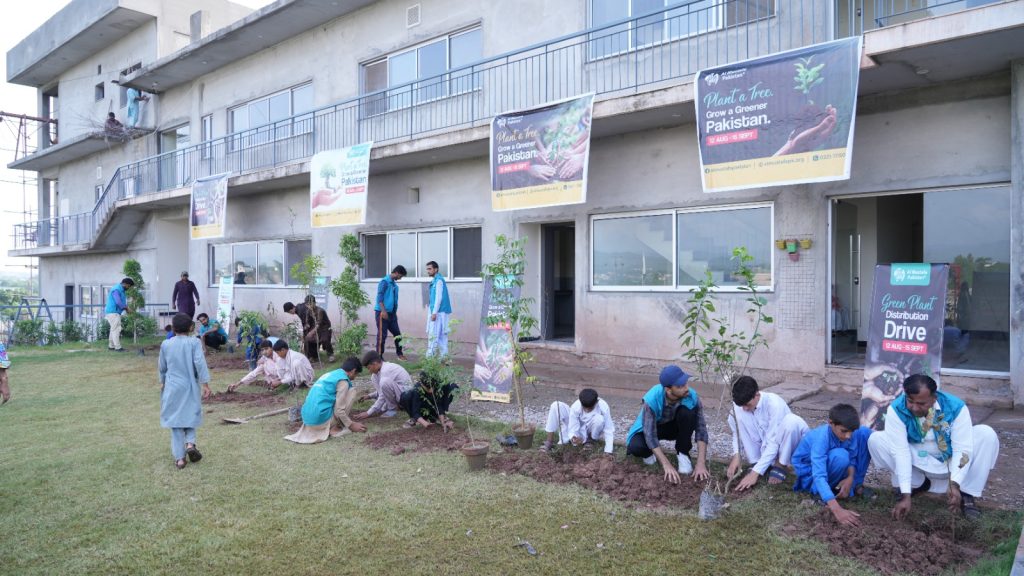
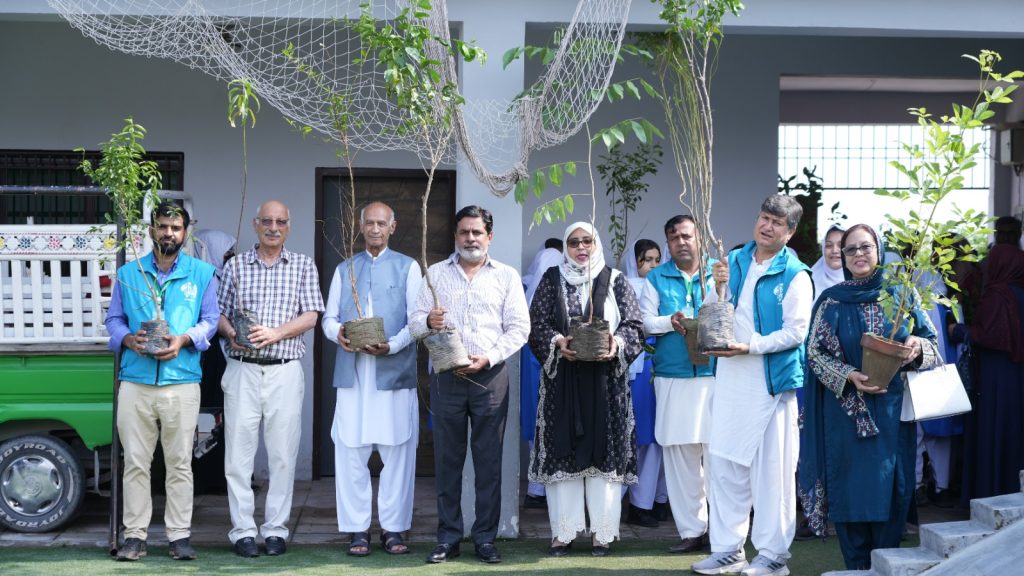
Al Mustafa Welfare Trust has stepped up its nationwide tree plantation campaign, bringing students, orphaned children, educators, community leaders and volunteers together in a series of plantation drives across Rawalpindi and Islamabad.
The campaign, being conducted under the vision of a “Green and Clean Pakistan,” aims to plant thousands of saplings across the country while raising awareness about climate change, air pollution and the importance of protecting the environment.
At the Cottage Trust Technical Institute on Java Road, Rawat, Rawalpindi, hundreds of students enthusiastically participated in a large-scale plantation drive organised by Al Mustafa Welfare Trust. The students planted saplings themselves and pledged to protect them and take responsibility for their growth into mature trees.
Cottage Foundation CEO General (Retd.) Tariq Gilani and Managing Director Al Mustafa Pakistan Ms. Nusrat Saleem also joined the students and planted saplings.
Institute Headmistress Ms. Qurrat-ul-Ain Abbasi and Al Mustafa Coordinator Wahid Bakhsh played a key role in organising the event.
The plantation campaign also reached the Baseera Trust Orphan House on Simly Dam Road, Islamabad, where children living at the facility joined Al Mustafa volunteers in planting trees.
Ms. Nusrat Saleem, Al Mustafa Welfare Trust UK Trustee Ms. Rubina Khawaja, researcher, author and poet Sajjad Azhar, and Muhammad Nawaz Kharal planted saplings alongside the children and spent time encouraging them to participate in the environmental initiative.
Another major plantation activity was held at the Al-Firdous Community School and College at Saiban Hill, Bhara Kahu, where students joined Al Mustafa representatives and community figures in planting saplings across the institution’s spacious lawns.

Those participating included Ms. Nusrat Saleem, Ms. Rubina Khawaja, social figure Tahir Loon, College CEO Maqsood Naqvi, Principal Ms. Hina Arshad, Sajjad Azhar, Muhammad Nawaz Kharal and Wahid Bakhsh.
Speaking on the importance of the campaign, Ms. Nusrat Saleem said that tree plantation was not merely about planting saplings but about creating a long-term sense of environmental responsibility among the younger generation.
She said Al Mustafa wanted children and students to understand that planting a tree was only the beginning; protecting it and helping it grow was an equally important responsibility.
The campaign is being conducted as part of Al Mustafa’s wider efforts to contribute to a healthier environment and help Pakistan address the growing challenges posed by climate change and air pollution.
The organisation has set a target of planting thousands of saplings across Pakistan, with the nationwide plantation campaign continuing until September 12.
Through the initiative, Al Mustafa is seeking to turn environmental protection into a community movement by involving schools, colleges, social organisations, volunteers and young people.
“Our Dream — A Green and Clean Pakistan.”
Photography: Nasir Iqbal
Congratulations to the Newly Appointed Prime Minister of Azad Jammu & Kashmir
Press release
London
Chairman Global Pak Kashmir Supreme Council Raja Sikander Khan stated in his press release. I extend my heartfelt and sincere congratulations to Syed Iftikhar Ali Gillani the newly appointed Prime Minister of the Government of Azad Jammu & Kashmir on assuming this important responsibility.
I pray to Almighty ALLAH to bless him with immense strength, courage, wisdom, and foresight to lead AJK towards greater prosperity, development, peace, and stability, and to transform Azad Jammu & Kashmir into a model of good governance, progress, and harmony for the world. At this crucial juncture, the people of AJK need leadership that rises above political differences and brings all stakeholders together in the larger national and public interest. I sincerely hope that the new government will pursue an inclusive, peaceful, and constructive approach, particularly through meaningful dialogue and engagement with the Awami Action Committee, to address genuine public concerns and build mutual trust.
The restoration of law and order, protection of the rights and dignity of citizens, and preservation of peace must remain among the highest priorities. Dialogue, reconciliation, and democratic engagement are the strongest means of resolving differences and creating lasting stability.
May Almighty Allah guide the Honourable Prime Minister in every decision, grant him wisdom and strength, and enable him to serve the people of Azad Jammu & Kashmir with integrity, justice, and dedication.