
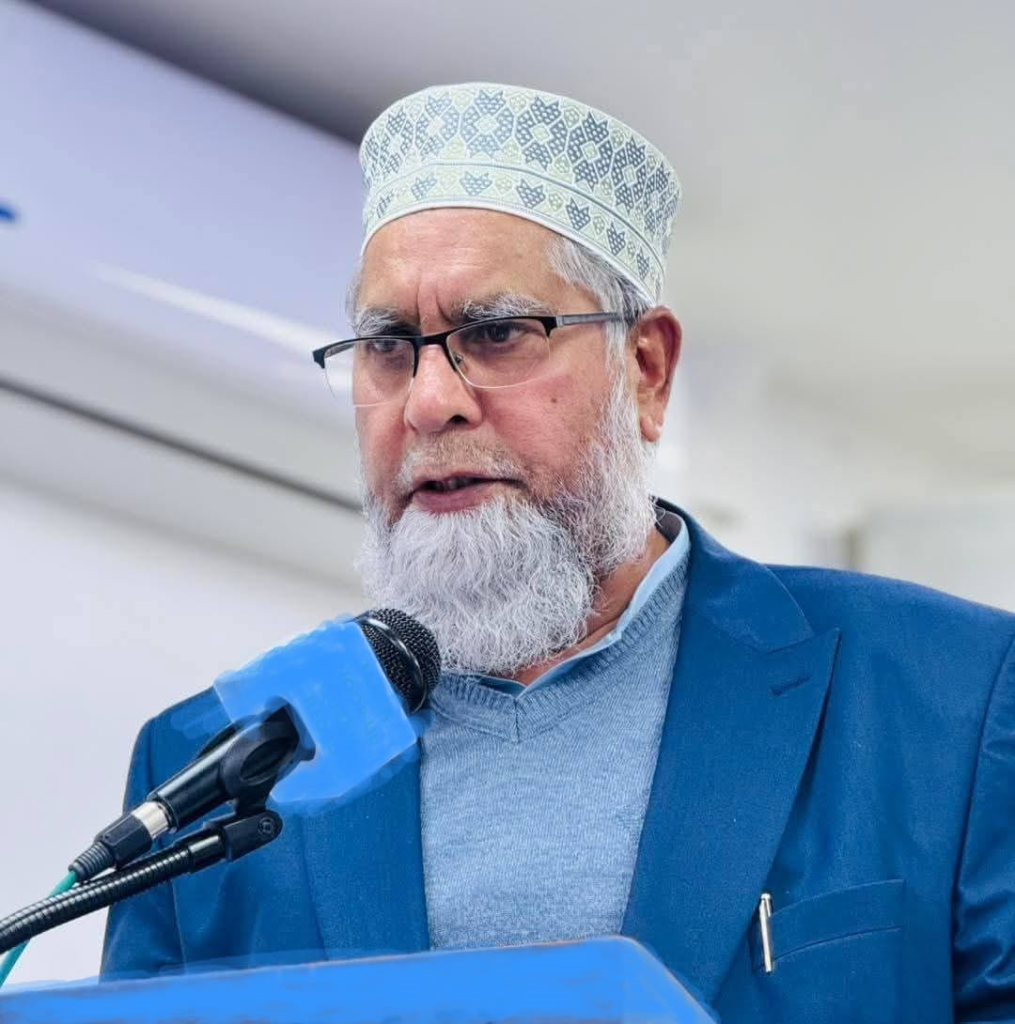
Prof Masood Akhtar Hazarvi
Islam is a complete code of life that nurtures every aspect of human existence—spiritual, moral, social, and physical—in a balanced and natural manner. It is not merely a set of rituals or acts of worship, but a comprehensive system that provides complete guidance for human life. Islam connects a person not only to Allah but also endows them with a healthy body, a balanced mind, and a peaceful society. A person who structures their life according to the principles of the Qur’an and Sunnah becomes an exemplary model of religious success, physical well-being, and mental health.
Unfortunately, in today’s modern age, despite all conveniences, we are moving away from the principles of nature. Our daily routines have become disrupted. Staying up late at night, starting the day late, consuming unbalanced diets, and constant mental stress have made us prone to various illnesses. Heart diseases, diabetes, obesity, high blood pressure, and mental stress are now common problems. These illnesses clearly indicate that we have deviated from the natural rhythm of life.
If we reflect on the teachings of the Qur’an, we find a beautifully balanced system of life. Allah has designated night for rest and tranquility and day for labor and effort. The Qur’an repeatedly emphasizes that the night is for human rest and sleep, while the day is for economic and practical activities. This system is essential for human health and balance. Modern science also recognizes this principle, calling it the “Circadian Rhythm,” which regulates the body’s internal clock, sleep, hormones, and energy.
The life of the Prophet Muhammad ﷺ exemplifies this natural system. He ﷺ rested soon after the ‘Isha prayer and woke up before Fajr. He ﷺ performed Tahajjud, prayed Fajr, and began his day with the remembrance of Allah. The Prophet ﷺ also supplicated for blessings in the morning, indicating that starting the day early is beneficial in every respect. In contrast, today we spend our nights on mobile phones, social media, and other distractions, which not only affect our sleep but also severely harm our mental and physical health.
In countries like Japan, the United States, Europe, and the United Kingdom, businesses close early, and people sleep on time and wake up early. This contributes to better health standards. In our society, however, the trend of staying up late and keeping businesses open at night is increasing, which is not only detrimental to health but also disrupts social order. If we organize our daily routines so that work begins after Fajr and businesses close at sunset, it will not only improve health but also save energy, reduce load-shedding, and enhance economic stability.
Islam also provides clear and wise guidance regarding food. The Qur’an commands the consumption of halal and tayyib—pure, wholesome, and healthy—food. This shows that Islam does not only emphasize permissible food but also encourages diets that promote physical well-being. Today, processed ingredients, fast food, and adulteration have made our diets harmful, directly affecting our physical condition. The Prophet ﷺ taught moderation in eating, advising not to overeat, and explained that the stomach should be divided into three parts: one for food, one for water, and one for air. This principle aligns perfectly with modern medical research and provides a foundation for healthy living.
The fasting of Ramadan is another essential part of the Islamic health system. Fasting is not only a means of spiritual training but is also highly beneficial for physical health. Modern science recognizes it as “Intermittent Fasting,” which allows the body to rest, improves digestion, and helps maintain a balanced weight. Thus, the commandments of Islam provide not only spiritual benefits but also scientifically proven physical advantages.
Islam values physical strength and cleanliness. The Prophet ﷺ said that a strong believer is better than a weak one, highlighting the importance of physical health in religion. The five daily prayers are not only acts of worship but also excellent physical exercises that engage different parts of the body and improve blood circulation. Similarly, ablution (wudu) performed several times a day promotes cleanliness and freshness, helping prevent diseases.
It is evident that the Islamic lifestyle is completely aligned with nature and guarantees holistic health. One of the major reasons for our current challenges is our neglect of these teachings. If we adopt punctuality, early rising, balanced nutrition, hygiene, prayers, and moderation as part of our lives, we can not only improve our health but also establish an exemplary and peaceful society.
May Allah grant us the understanding of Islamic teachings and the ability to implement them in our lives. Ameen.
